Attractions and Places To See around Guldental - Top 20
Best attractions and places to see around Guldental include a variety of sites highlighting its winegrowing heritage and natural landscapes. Located in the Naheland region, Guldental is characterized by extensive vineyards and the scenic Nahe Valley. The area offers cultural landmarks and diverse natural features, making it a base for exploration. Visitors can find both local historical sites and expansive natural areas.
Best attractions and places to see around Guldental
- The most popular attractions is Niederwald monument, a viewpoint…
Last updated: September 27, 2026
Niederwald monument
Highlight • Viewpoint
Translated by Google •
Tip by

Kreuzbach Suspension Bridge
Highlight • Bridge
Translated by Google •
Tip by

Sign up now to discover places like this
Get recommendations on the best single tracks, peaks, & plenty of other exciting outdoor places.
Steckeschlääferklamm — Tree Spirits (Baumgeister) Trail
Highlight (Segment) • Gorge
Translated by Google •
Tip by

Rossel Ruins
Highlight • Castle
Showing Translation
Tip by

View of Rheinstein Castle and the Rhine from the Kleine Bastei
Highlight • Viewpoint
Translated by Google •
Tip by

Sign up for free to discover even more attractions around Guldental.
Already have an account?
Start today with a free account
Your next adventure awaits.
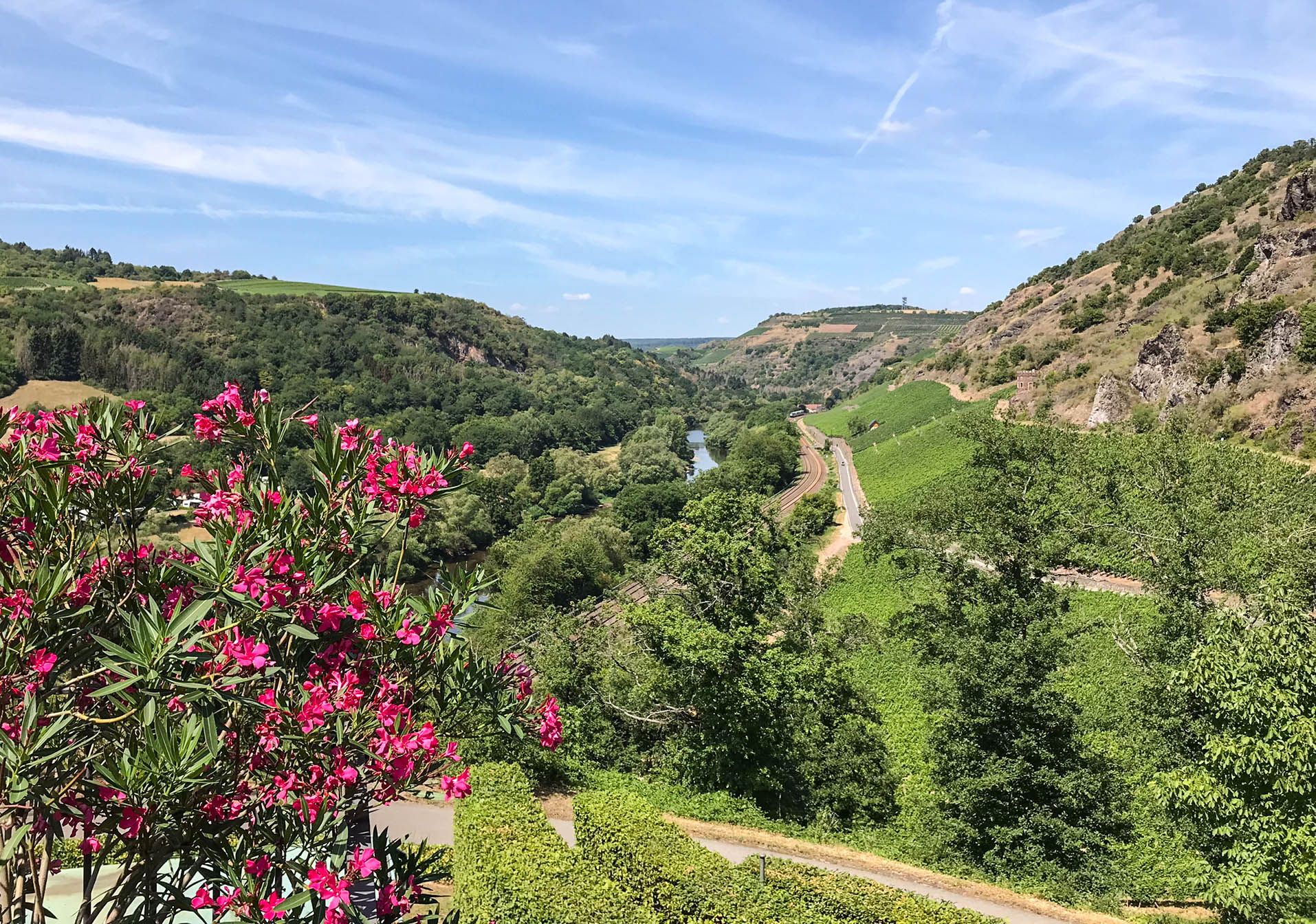
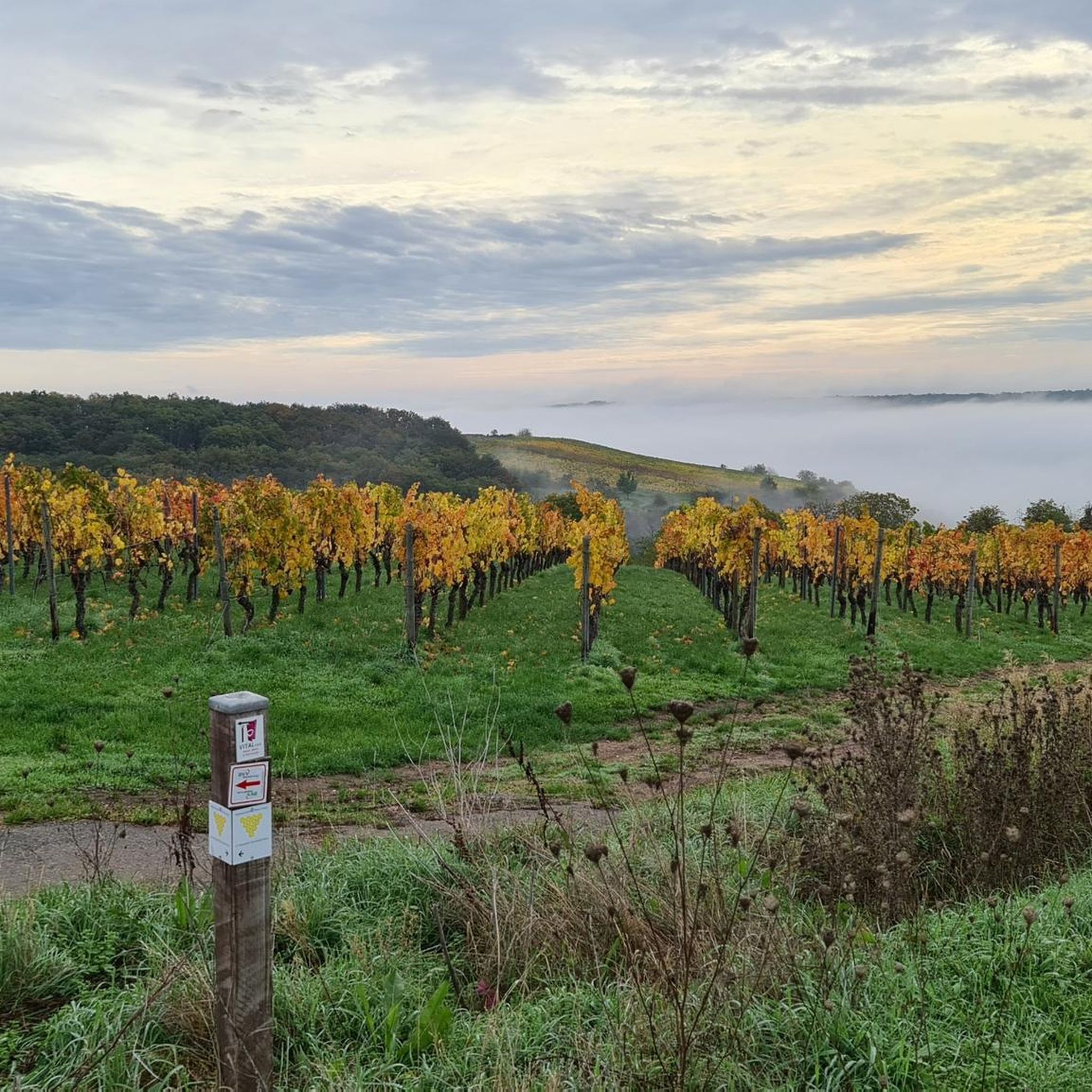
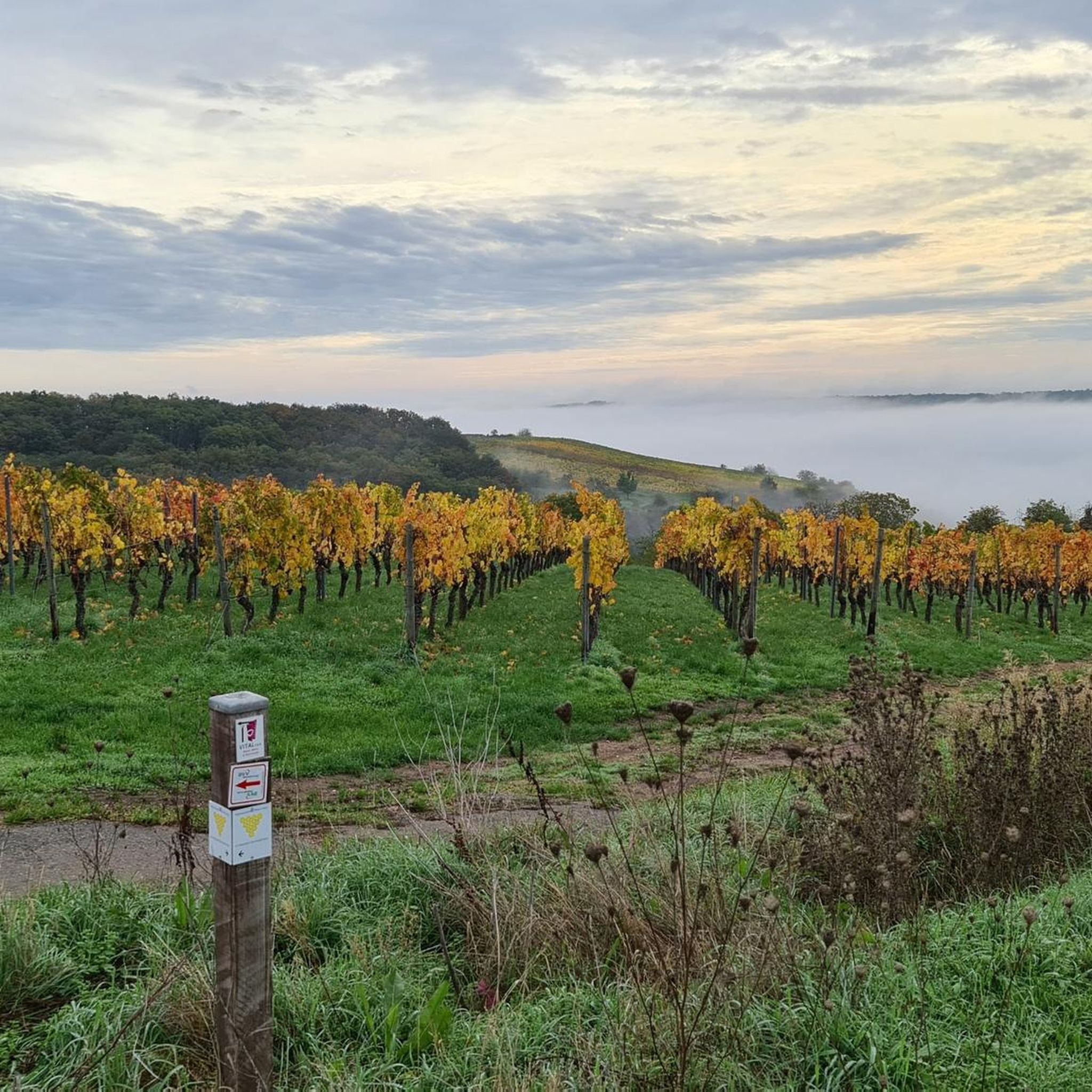
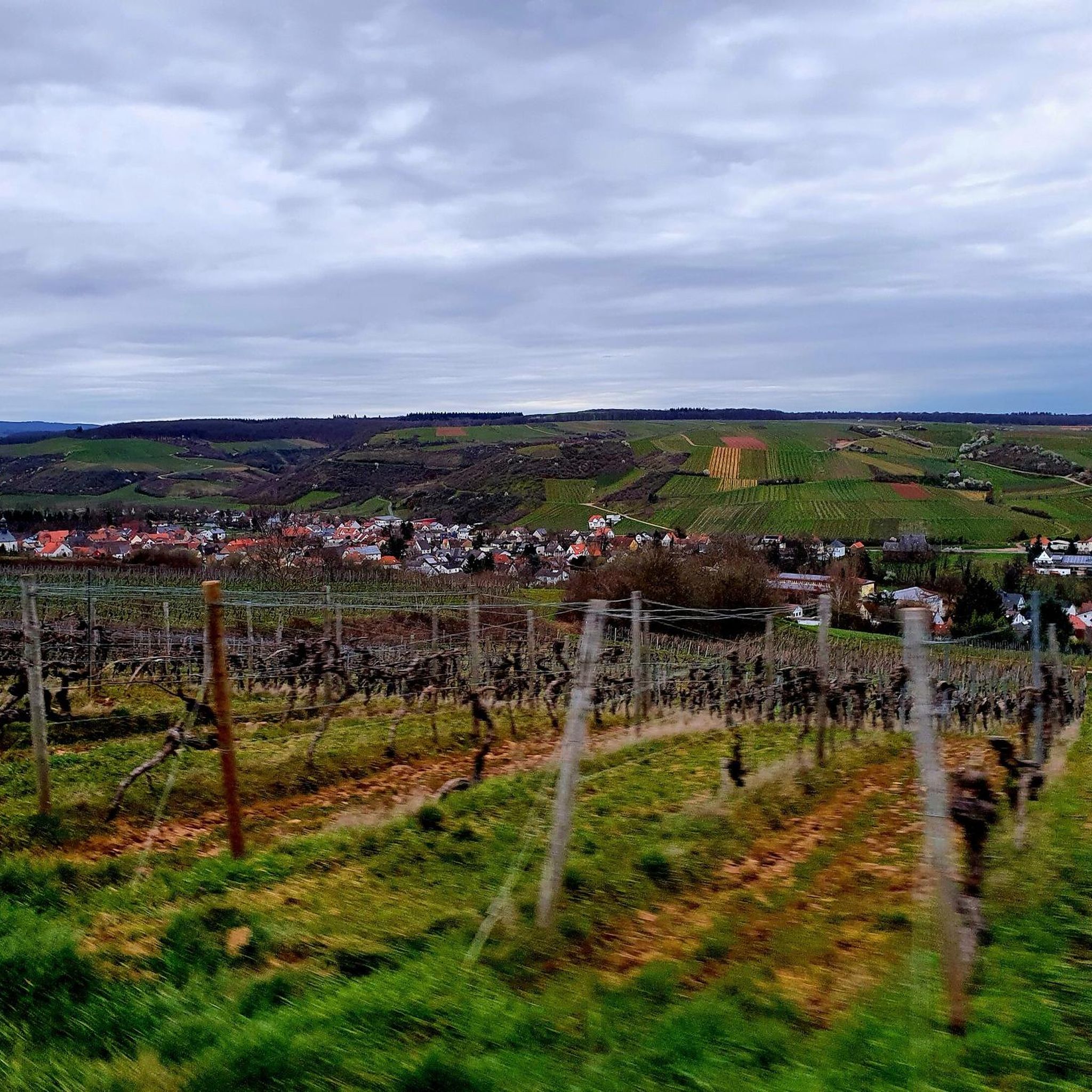
Other adventures around Guldental

Tips from the Community

the small bastion is reached via a narrow path, where the world heritage trail and tree spirit tour also goes along
15
1
The view from the small bastion is just great
13
0

The artificial castle ruin Rossel was built in 1774 by Count Ostein on the highest elevation of the Niederwald. It is a popular destination, especially because of its magnificent view of the Nahe estuary and the Binger Loch.
14
1

You have a great view from the Rossel :)
10
1

Suspension bridge near the marble run. Be careful and hold on tight when it's wet ...
17
0

The Rossel, an artificial ruin, is located on the western boundary between Rüdesheim am Rhein and its district of Assmannshausen in the Hessian Rheingau-Taunus district and is now a destination in the Niederwald landscape park with a view of the opposite mouth of the Nahe into the Rhine and the Binger Hole. At their feet, about 400 meters to the south, are the ruins of Ehrenfels Castle and, on a small offshore island in the Rhine, the Bingen Mouse Tower. The Rossel is about a 20-minute walk from the Niederwald Monument and a 10-minute walk from the Niederwald hunting lodge. Count Johann Friedrich Karl Maximilian von Ostein had the artificial ruins built in 1774 as part of the transformation of the Niederwald into a landscape park for his guests. It was named after a pile of Taunus quartzite rubble of the same name in its immediate vicinity. The Rossel consists of a square main tower about 5 meters wide with a small terrace to the south facing the Rhine and a small stair tower to the north-west. The ruins built from field stones are decorated with castle elements. The Rossel is surrounded by several vantage points, such as the Naheblick (east) and the Knights' Hall (northwest) and the so-called magic cave (north), an artificial cave about 60 meters long. Source: Wikipedia
18
3

The Rossel lies above the Rhine curve and the Binger Loch. On the opposite side you can see Bingen and Bingerbrück and the Nahe estuary on the left. Directly opposite or to the right are the Hartberg with Teufelsfels and the Rheinberg with the Damianskopf, as well as the steep Kreuzbach valley in between. Above the Nahe estuary you can see further into Rheinhessen. Below the Rossel you can see the ruins of Ehrenfels Castle and the Mouse Tower on a small island on the Rhine.
17
1

Almost missed because of forest work ... but then found it ... was really fun. The three of them over it at a quick step, shaking violently😄
18
1
Frequently Asked Questions
What unique natural attractions can I explore around Guldental?
Beyond the scenic vineyards, you can discover the Steckeschlääferklamm — Tree Spirits (Baumgeister) Trail, a gorge where over 60 curious forest spirits are carved into trees along the Hasselbach stream. Another natural highlight is Der Rotenfels near Traisen, recognized for its impressive natural beauty. The Nahe Valley itself offers diverse flora and fauna within its rolling hills and green meadows.
Are there historical sites and cultural landmarks to visit near Guldental?
Yes, the region is rich in history. You can visit the Niederwald monument, commemorating the unification of Germany, or the Rossel Ruins, an artificial castle ruin from 1774 with excellent views. Other notable sites include Rheinstein Castle, Kloster Disibodenberg, and the Felseneremitage (Rock Hermitage) in Bretzenheim, which is carved into the rock.
What kind of hiking trails are available in the Guldental area?
The region around Guldental is a paradise for hikers. Popular routes include the Soonwaldsteig, the Rhine-Nahe-High Trail for experienced hikers, and the Guldentaler Krönchen, which winds through Guldental's vineyards. The Vitaltour Eremitenpfad is another official route exploring the nature and history around the Felseneremitage Bretzenheim. For more options, check out the running trails around Guldental, which also include hiking paths.
Are there any family-friendly attractions or activities around Guldental?
Absolutely! The Steckeschlääferklamm — Tree Spirits (Baumgeister) Trail is a unique experience for families, where children can enjoy spotting the carved forest spirits. The Kreuzbach Suspension Bridge is also a small highlight for kids on the RheinBurgenWeg. Both the Niederwald monument and Rossel Ruins offer great views and are suitable for family outings.
Where can I learn about Guldental's winegrowing heritage?
Guldental is the largest rural winegrowing community on the Nahe. You can delve into its viticultural history at the Heimat- und Weinbaumuseum Guldental. The museum showcases wine presses, filter machines, and other equipment from the 19th century. Additionally, you can explore the extensive vineyards and enjoy wine tasting at local wineries like Winzerhof Rainer Klöckner.
What are some notable viewpoints offering scenic panoramas?
The Niederwald monument provides fantastic views of the Rhine Valley. The Rossel Ruins, located on the highest elevation in the Niederwald, offer excellent views of the Nahe estuary and the Binger Loch. For a picturesque view of Rheinstein Castle and the Rhine, visit the Kleine Bastei viewpoint.
Can I go cycling around Guldental?
Yes, the area around Guldental is great for cycling. There are various routes for different types of bikes. You can find numerous options for touring bicycles and road cycling, exploring the scenic landscapes and vineyards of the Naheland region.
Are there any museums directly in Guldental?
Yes, Guldental hosts two interesting museums. The Heimat- und Weinbaumuseum Guldental offers insights into local history and winegrowing traditions. Additionally, the Feldbahnmuseum Guldental, located in the scenic upper Lindelgrund, allows visitors to experience riding an original field railway on selected days.
What is the <a href="https://www.komoot.com/highlight/527615" target="_blank" rel="noopener">Kreuzbach Suspension Bridge</a>?
The Kreuzbach Suspension Bridge is a well-maintained bridge that spans a deep valley, forming a highlight along the RheinBurgenWeg. It's about 50 meters long and offers a unique experience, especially for hikers and families exploring the adventure trail in Binger Wald.
What makes the Nahe Valley special for visitors?
The Nahe Valley, where Guldental is nestled, is characterized by its picturesque rolling hills, lush green meadows, and the prominent Nahe River. It offers a diverse natural environment, making it ideal for outdoor activities like hiking and cycling. The valley's unique landscape is also home to extensive vineyards, contributing to the region's renowned wine culture.
Are there any spiritual or religious sites to visit in the area?
Yes, the region has several sites with spiritual and historical significance. The Evangelical Church in Heddesheim, one of Guldental's constituent communities, features a Romanesque quire tower from the 12th or 13th century. Further afield, Kloster Disibodenberg is an former abbey from the 7th century, offering a mystical atmosphere, and Marienhöhle Monastery boasts impressive architecture and historic gardens.
What is the Kronbergbrücke?
The Kronbergbrücke (Kronberg Bridge) is a significant local landmark in Guldental. It is listed as a cultural monument in Rhineland-Palatinate's Directory, highlighting its architectural and historical importance within the region.
Most popular routes around Guldental
Most popular attractions around Guldental

Get inspired with the komoot mobile app


Explore more
Still not found the Highlight you’re looking for? See guides of the top attractions in other regions:
