Attractions and Places To See in Valle De La Estrella - Top 20
Best attractions and places to see in Valle De La Estrella, located in Costa Rica's Limón province, highlight the region's natural beauty and cultural experiences. This area features national parks, biological reserves, and significant cultural sites. Visitors can explore diverse landscapes, from Caribbean beaches to high mountain peaks. The region offers opportunities for wildlife observation and outdoor activities.
Best attractions and places to see in Valle De La Estrella
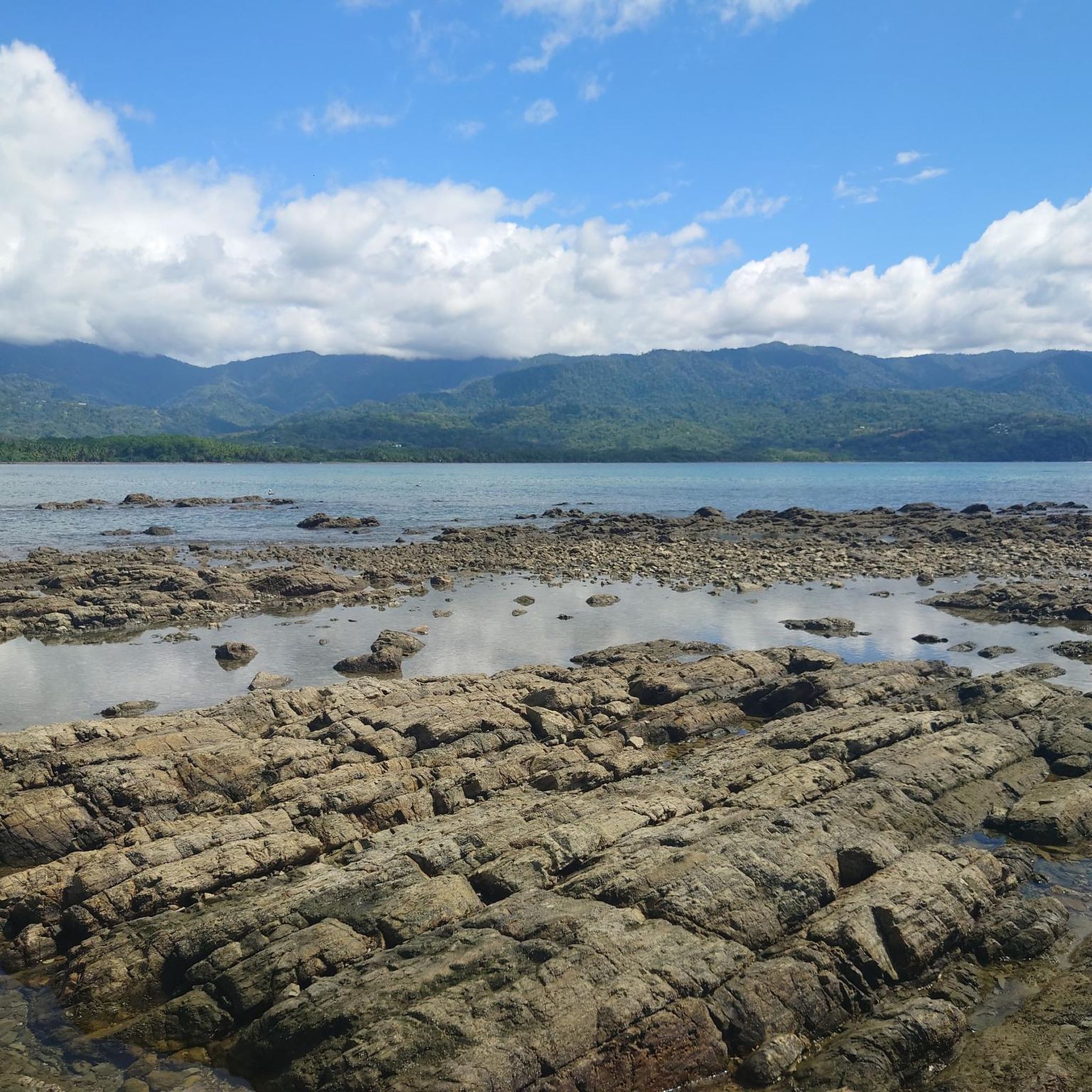
- The most popular attractions is Cahuita National Park, a natural monument situated along the Caribbean beach. Visitors can hike through the rainforest, observing wildlife such as sloths and capuchin monkeys.
- Another must-see spot is Crestones Base Camp, a hut providing lodging for hikers. It serves as a comfortable place for those aiming to summit Cerro Chirripó.
- Visitors also love Cerro Chirripó Summit, a summit offering panoramic views. Sunrise ascents from the base camp are a popular activity for hikers.
- Valle De La Estrella is known for its national parks, biological reserves, and mountain summits. The region offers a variety of natural and cultural attractions to see and explore.
- The attractions in Valle De La Estrella are appreciated by the komoot community, with 117 upvotes and 97 photos shared by visitors.
Last updated: May 21, 2026
Cahuita National Park
Highlight • Natural Monument
We walk the path through the rainforest and see sloths, capuchin monkeys, but also snakes, hummingbirds, wrens and even several green basilicas.
Back we take the path along the white sandy beach and see a few coatis and enjoy the Caribbean feeling.
The national park is open daily from 8 a.m. to 4 p.m. (as of March 2022).
Tip by

Crestones Base Camp
Highlight • Mountain Hut
Tip by

Sign up now to discover places like this
Get recommendations on the best single tracks, peaks, & plenty of other exciting outdoor places.
Sign up for free
Cerro Chirripó Summit
Highlight • Summit
Tip by
Wooden Walkway in Cahuita National Park
Highlight (Segment) • Trail
Translated by Google •
Tip by

Río Suárez, Cahuita National Park
Highlight • River
When crossing a river, always go as far upstream as possible and look for a flat spot. Crocodiles and sharks can be particularly dangerous in the estuaries.
Translated by Google •
Tip by
Sign up for free to discover even more attractions in Valle De La Estrella.
Sign up for free
Already have an account?
Start today with a free account
Your next adventure awaits.
Login or Signup
Popular around Valle De La Estrella
Tips from the Community

This trip is absolutely worthwhile if you're in Limon (Costa Rica) 👍🏻👍🏻👍🏻
0
1

For hikes to Chirripó or in the surrounding area, it is a good idea to spend at least one night in camp. From San Gerardo de Rivas, the climb to the camp takes 6 to 8 hours, and to the summit another 2.5 hours if you are in good shape. The supplies at the camp are very good; you get wholesome meals and there is a kiosk. You can borrow blankets, towels, etc., thus saving on backpack weight. Luggage transport is also offered, but in my opinion it is not necessary. For the descent, if you are in good shape, you should plan on 1-1.5 hours from the summit and 5-6 hours back to the valley. It is quite a knee-breaker on the way back, but it is worth it. There are hardly any people in the park and the nature is simply unbelievably beautiful. We were there in April and had two days with good weather until late afternoon, after which the clouds move up the mountain. You can park in San Gerardo de Rivas in several private parking lots for little money.
0
0

If you hike from Cahuita to Puerto Vargas, you can take the bus back to Cahuita from Puerto Vargas. The stop is right on the main road. Info: you must leave Punta Cahuita by 2 p.m.
1
2

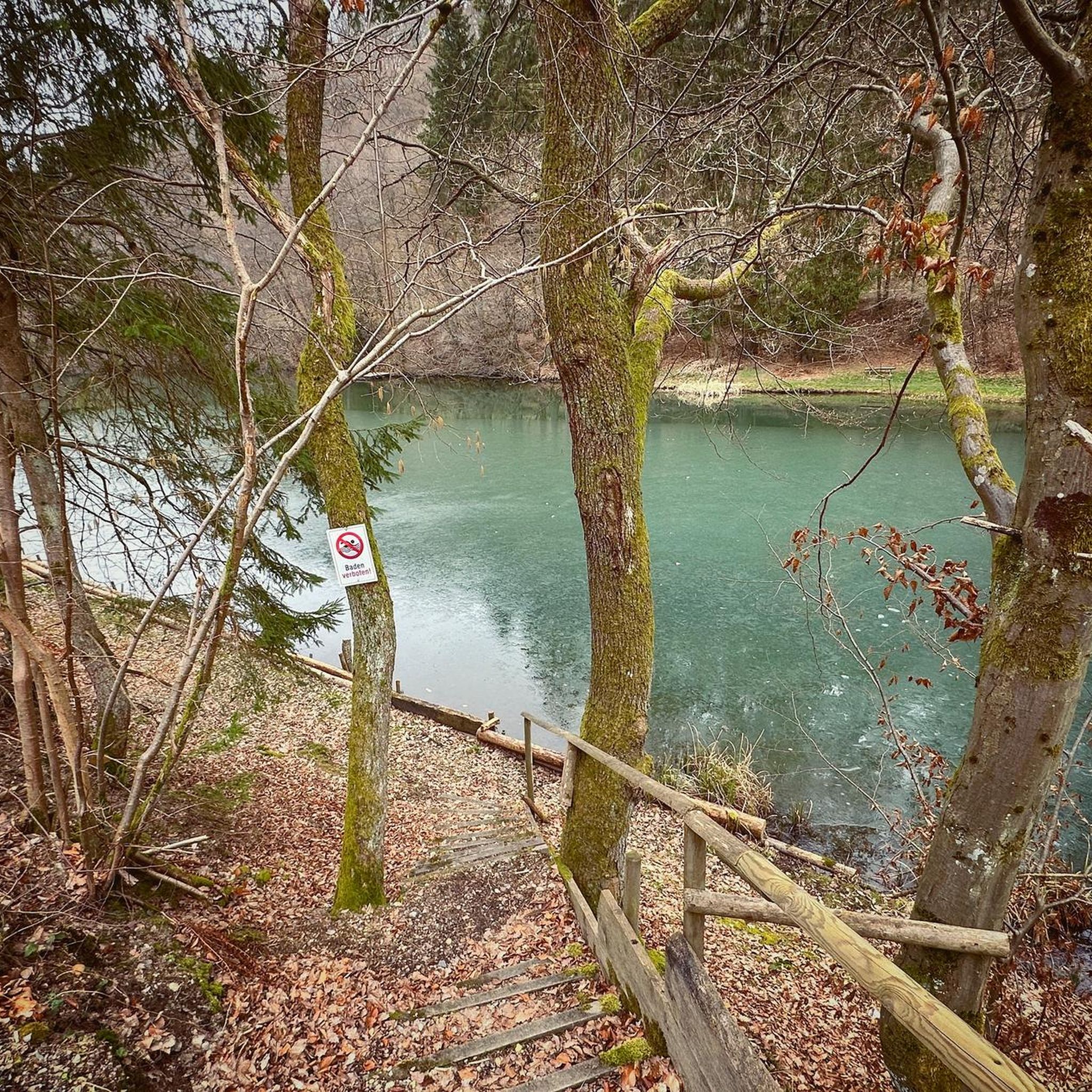
The footbridge leads through dense rainforest. Note the large leaves! Simply fantastic!
0
1
The danger mentioned is real. We saw a crocodile nearby!!!
1
0

Admission is only a donation but for me it is one of the most beautiful national parks. Very clean and great animals raccoons, almond howler monkeys sloths...
3
1

The Cahuita National Park can be hiked through in three stages from Cahuita to the end at Puerto Vargas (a little more than 8 km in total). At the first tip of the promontory of the national park is Punta Cahuita. Here you have to decide whether to return the same way to the entrance at Cahuita or continue the hike to the end at Puerto Vargas. From the second entrance or exit back to Cahuita you can only get along the road in large parts.
8
2
At the end of the Los Corales trail, you have the choice between the Puerto Vargas trail (road) or the slightly shorter, highly recommended Los Cativos trail (approx. 2.2 km long). This leads almost entirely on wooden beams through the wetter part of the park.
4
0
Frequently Asked Questions
What natural attractions can I explore in Valle De La Estrella?
Valle De La Estrella is rich in natural beauty. You can visit Cahuita National Park, known for its rainforest, white sandy beaches, and diverse wildlife like sloths and capuchin monkeys. The park also features a Wooden Walkway through wetter areas. Other significant green spaces include Hitoy Cerere Biological Reserve and Parque Nacional Los Quetzales.
Are there any cultural or historical sites to visit in the region?
Yes, Valle De La Estrella offers cultural insights. You can explore the Cacao Trails - Museo de Cacao to learn about chocolate production. The region also provides opportunities for cultural tours focusing on the Bribri indigenous people, which often include visits to cocoa plantations.
What kind of wildlife can I expect to see in Valle De La Estrella?
The region is a haven for wildlife enthusiasts. In Cahuita National Park, visitors frequently spot sloths, capuchin monkeys, snakes, hummingbirds, and coatis. Boat tours in the broader area offer chances to see whales, turtles, dolphins, rays, parrots, and pelicans. The Sloth Sanctuary of Costa Rica also provides an educational experience with rescue animals.
Are there family-friendly attractions in Valle De La Estrella?
Absolutely. Cahuita National Park is considered family-friendly, offering easy trails and abundant wildlife viewing opportunities. The Puerto Vargas Ranger Station entrance to the park is also suitable for families. The Sloth Sanctuary of Costa Rica provides an engaging and educational experience for all ages.
What hiking opportunities are available in Valle De La Estrella?
Valle De La Estrella is excellent for hiking. You can hike through the rainforest in Cahuita National Park. For more challenging treks, consider the trails leading to Cerro Chirripó Summit, with Crestones Base Camp serving as a comfortable overnight stop. You can find detailed routes and guides for various difficulty levels on the Hiking in Valle De La Estrella page.
Are there any accessible trails or attractions for visitors with mobility needs?
Yes, the Wooden Walkway in Cahuita National Park is specifically designed to be wheelchair accessible, allowing visitors to experience the dense rainforest environment. This trail leads through wetter parts of the park on wooden beams.
What is the best time to visit Valle De La Estrella for outdoor activities?
For optimal hiking and outdoor exploration, the dry season is generally recommended. During this time, trails, especially those leading to Cerro Chirripó Summit, are less muddy, and you have a better chance of clear views. In the rainy season, paths can be very muddy, and fog often obscures summit views.
What other outdoor activities can I do besides hiking?
Beyond hiking, Valle De La Estrella and its surroundings offer a variety of outdoor activities. You can enjoy cycling, horseback riding, ziplining, rafting, and canyoning. The region also has opportunities for exploring waterfalls and mud baths. For running enthusiasts, there are several trails, which you can explore on the Running Trails in Valle De La Estrella guide.
Where can I find beaches in Valle De La Estrella?
The region boasts beautiful Caribbean beaches. Cahuita National Park is situated along a stunning white sandy beach, perfect for enjoying the Caribbean atmosphere. Other notable beaches in the area include Playa Bonita and Playa Piuta.
What do visitors enjoy most about Cahuita National Park?
Visitors particularly enjoy the abundant wildlife sightings, such as sloths, monkeys, and coatis, along the rainforest trails. The combination of hiking through lush greenery and relaxing on the white sandy Caribbean beach is a major draw. Many appreciate that admission is by donation, making it an accessible and beautiful natural experience.
What should I know if I plan to summit Cerro Chirripó?
Summitting Cerro Chirripó is a challenging but rewarding experience. Hikers often stay at Crestones Base Camp, which makes sunrise ascents feasible. Permits are required and should be purchased in advance through the park's website, as they can sell out, especially during peak seasons. Starting early from the base camp is key to catching the sunrise views.
Are there any hidden viewpoints in Valle De La Estrella?
While Cerro Chirripó Summit offers panoramic views where you can see both oceans on a clear day, the region is also known for numerous hidden gems. Exploring the various trails and biological reserves like Hitoy Cerere can lead to secluded spots with unique perspectives of the natural landscape.
Most popular routes in Valle De La Estrella
Most popular attractions in Valle De La Estrella

Get inspired with the komoot mobile app


Explore more
Still not found the Highlight you’re looking for? See guides of the top attractions in other regions:
