Attractions and Places To See around Sankt Wendel - Top 20
Attractions and places to see around Sankt Wendel, situated in northeastern Saarland, Germany, offer a blend of historical significance and natural beauty. The town is located on the Blies River and is surrounded by the Saar-Hunsrück Nature Park and Hunsrück-Hochwald National Park. Visitors can explore a range of sites from impressive religious buildings and historical landmarks to serene natural landscapes and engaging outdoor activities.
Best attractions and places to see around Sankt Wendel
- The most popular attractions is Tiefenbach Trail, a trail that is around 15 km long and leads around the Bosenberg. It is characterized by many small valleys crossed by rustic footbridges.
- Another must-see spot is Urweiler Quarry, a natural monument. This site on the Bosenberg was once a hard stone quarry where stones were extracted until 1975.
- Visitors also love Wendelinus Farm, a restaurant and agricultural facility. Formerly the farm of the Steyler Missionaries, it now operates as an organic farm with a farm kitchen, farm shop, and garden center.
- Sankt Wendel is known for its historical sites, natural landscapes, and cycling routes. The area offers a variety of attractions to see and explore, from ancient quarries to modern cycle paths.
- The attractions around Sankt Wendel are appreciated by the komoot community, with over 650 upvotes and 23 photos shared by visitors.
Last updated: September 26, 2026
Wendelinus Cycle Path
Highlight • Cycleway
Translated by Google •
Tip by

Tiefenbach Trail
Highlight • Trail
Showing Translation
Tip by

Sign up now to discover places like this
Get recommendations on the best single tracks, peaks, & plenty of other exciting outdoor places.
Urweiler Quarry
Highlight • Natural Monument
The first known lease dates from the mid-19th century. Stones were quarried here until 1975. Loosening the stones from the rock layers was the job of the stonemasons. Until the 20th century, this was extremely strenuous and dangerous work, only carried out with the help of wedges, hammers, and black powder. Day laborers and farmers from Urweiler were hired as auxiliary workers, supplementing their income through transport work from spring to autumn. In winter, working in the quarry was not possible due to snow, ice, and the risk of slipping. Source: Text information board
Showing Translation
Tip by

Wendelinus Farm
Highlight • Restaurant
As a guest, you can enjoy the farm kitchen, farm shop, and garden center. The farm kitchen is open daily from 9 a.m. to 6 p.m. (except Mondays). A large breakfast buffet is available in the morning. The farm shop is open Tuesday to Friday from 9 a.m. to 6 p.m. and Saturday from 8 a.m. to 1 p.m.
Translated by Google •
Tip by

Sculptures on the Wendelinus Cycle Path
Highlight • Cycleway
Translated by Google •
Tip by
Schlossplatz St. Wendel
Highlight • Settlement
Translated by Google •
Tip by

Miners' Spring
Highlight • Natural Monument
The first evidence of coal mining in this area comes from 1780. The coal was close to the surface and could be extracted in open-cast mining. From 1820, four pits (called Prinzengrube) in the Tiefenbachtal were also mined in tunnels. The concession holders were the brothers Karl and Philipp Cetto from Langenfelderhof, today Wendelinushof. During this period there are talk of 136 employees who extracted almost 14,000 quintals of hard coal. In 1860 the operation was stopped because larger coal seams had meanwhile been discovered on the Saar and Blies. The miners reached the tunnel via the “miners' path”, which is now part of the Tiefenbach path. On their way they passed the source in the Tiefenbachtal and filled up their drinking water here. This spring is still known today as the miner's well. Source: Text information board
Translated by Google •
Tip by
Wendelinus Cycle Path between Sankt Wendel and Tholey
Highlight (Segment) • Cycleway
Translated by Google •
Tip by

Leitersweiler Beeches
Highlight • Forest
The striking group of trees was first mentioned in 1618 at the beginning of the Thirty Years War. The beeches, some of which are more than 450 years old, have been under nature protection since 1913. The natural monument is a popular viewpoint and excursion point. At the beginning of the 19th century, next to the beech trees, there was an optical telegraph pole, which belonged to the telegraph line from Metz to Mainz and which made it much easier to transmit messages over long distances. The individual stations were set up on hills around 10 kilometers apart. When the mast was put into operation, the people of Leitersweiler rumored that all important information was now being sent over their heads. Source: Text information board
Translated by Google •
Tip by
Basilica of Saint Wendelin (St. Wendel)
Highlight • Religious Site
Translated by Google •
Tip by

Sign up for free to discover even more attractions around Sankt Wendel.
Already have an account?
Start today with a free account
Your next adventure awaits.
Popular around Sankt Wendel
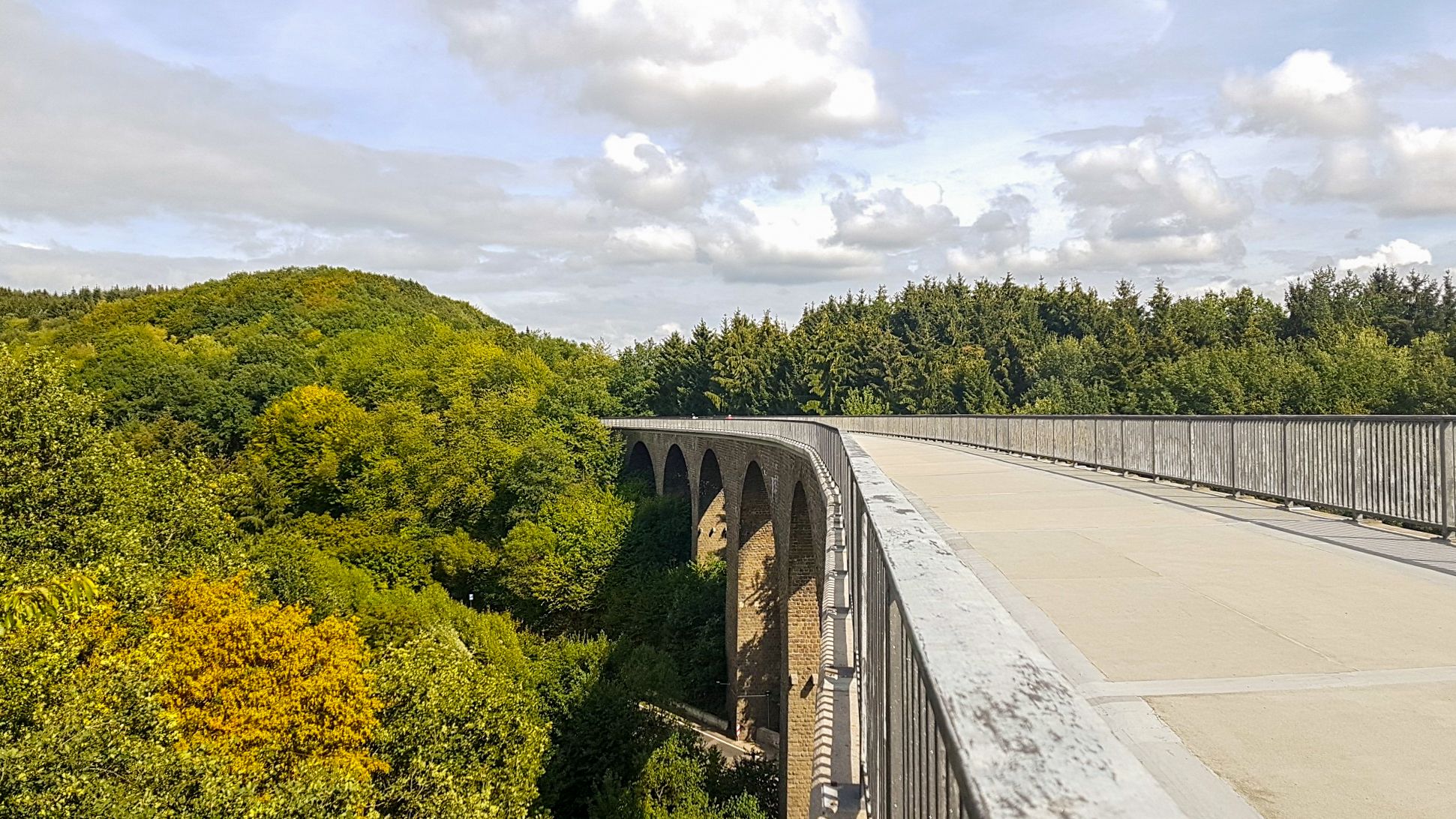
Saarland Cycle Path — Small country, big tour on 7 stages
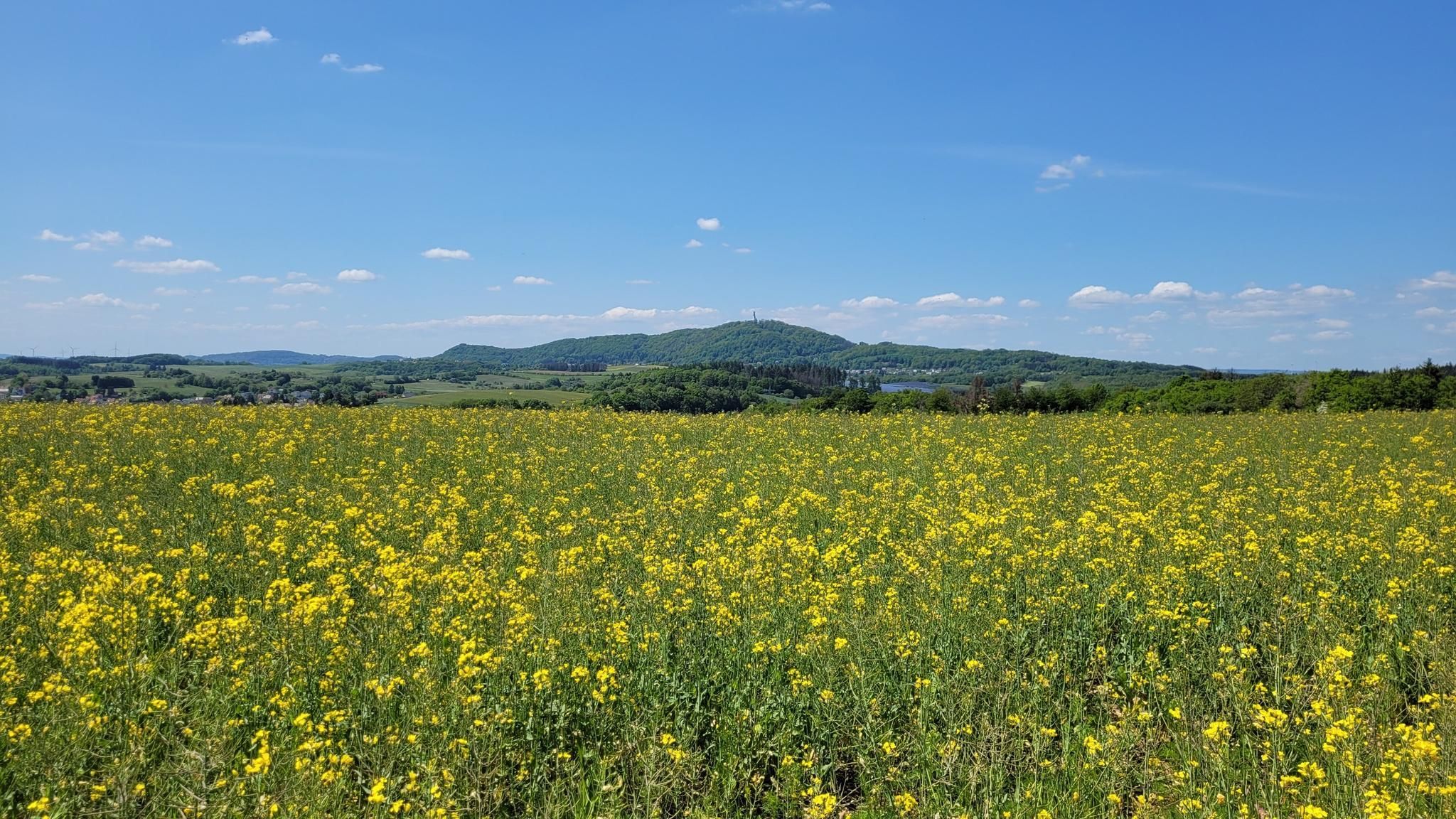
Pilgrimage in Saarland – the Way of St. James to Saarbrücken
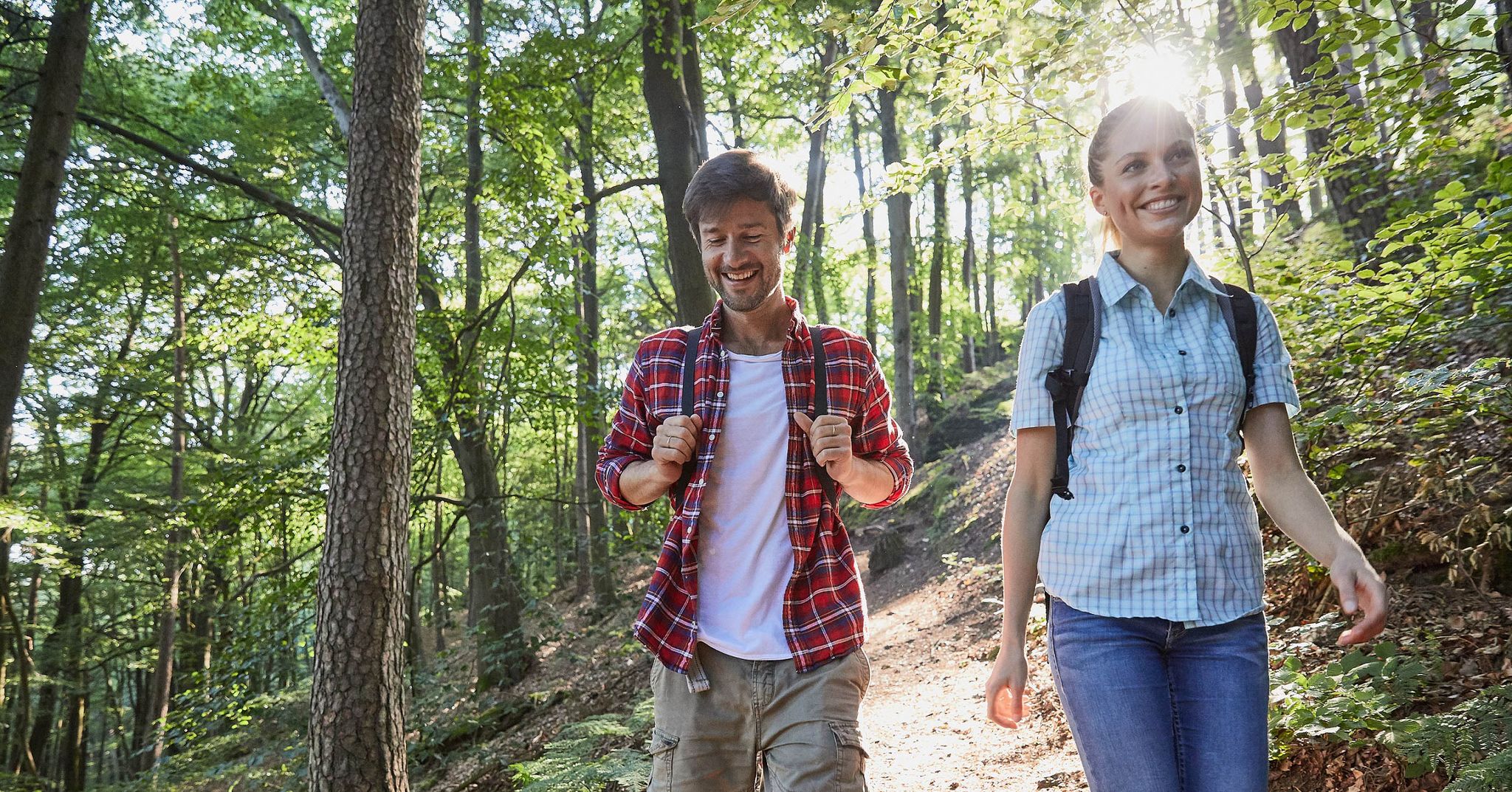
Satisfy your Wanderlust – premium hiking trails in Saarland
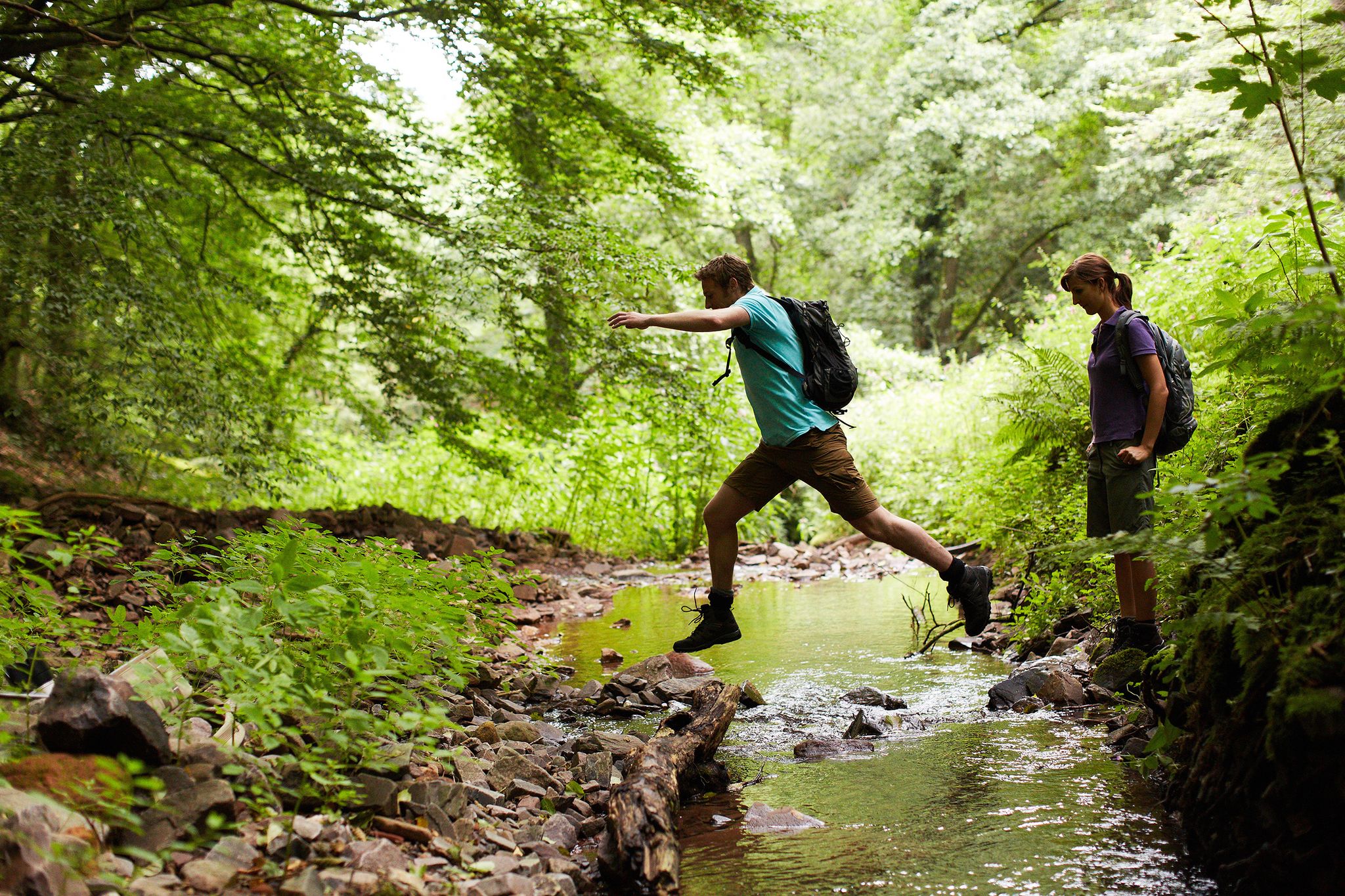
Countless trails, nature & history – hiking in Saarland
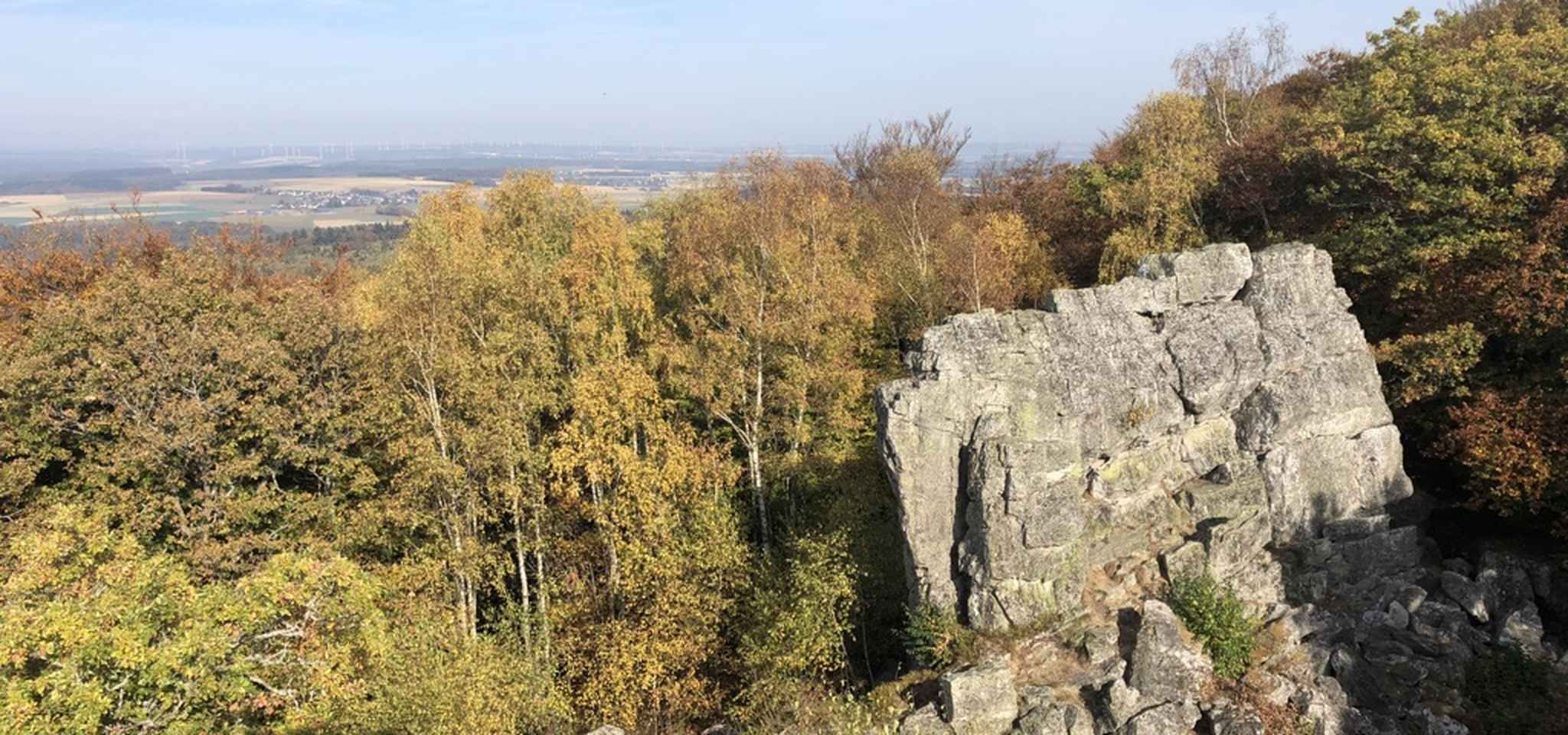
Trails and nature – bikepacking in Germany's Hunsrück
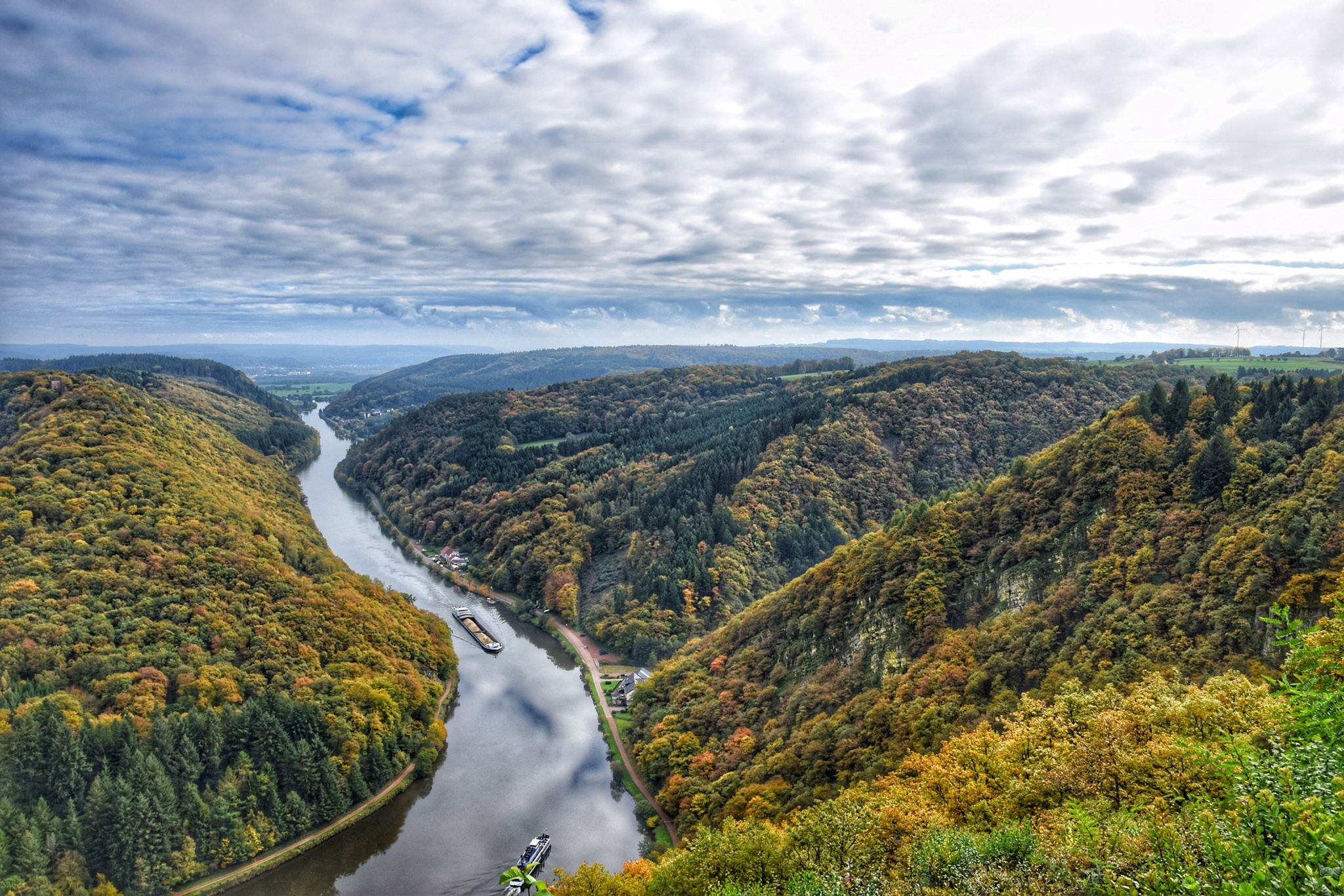
10 enchanting hikes through wild nature in Saarland
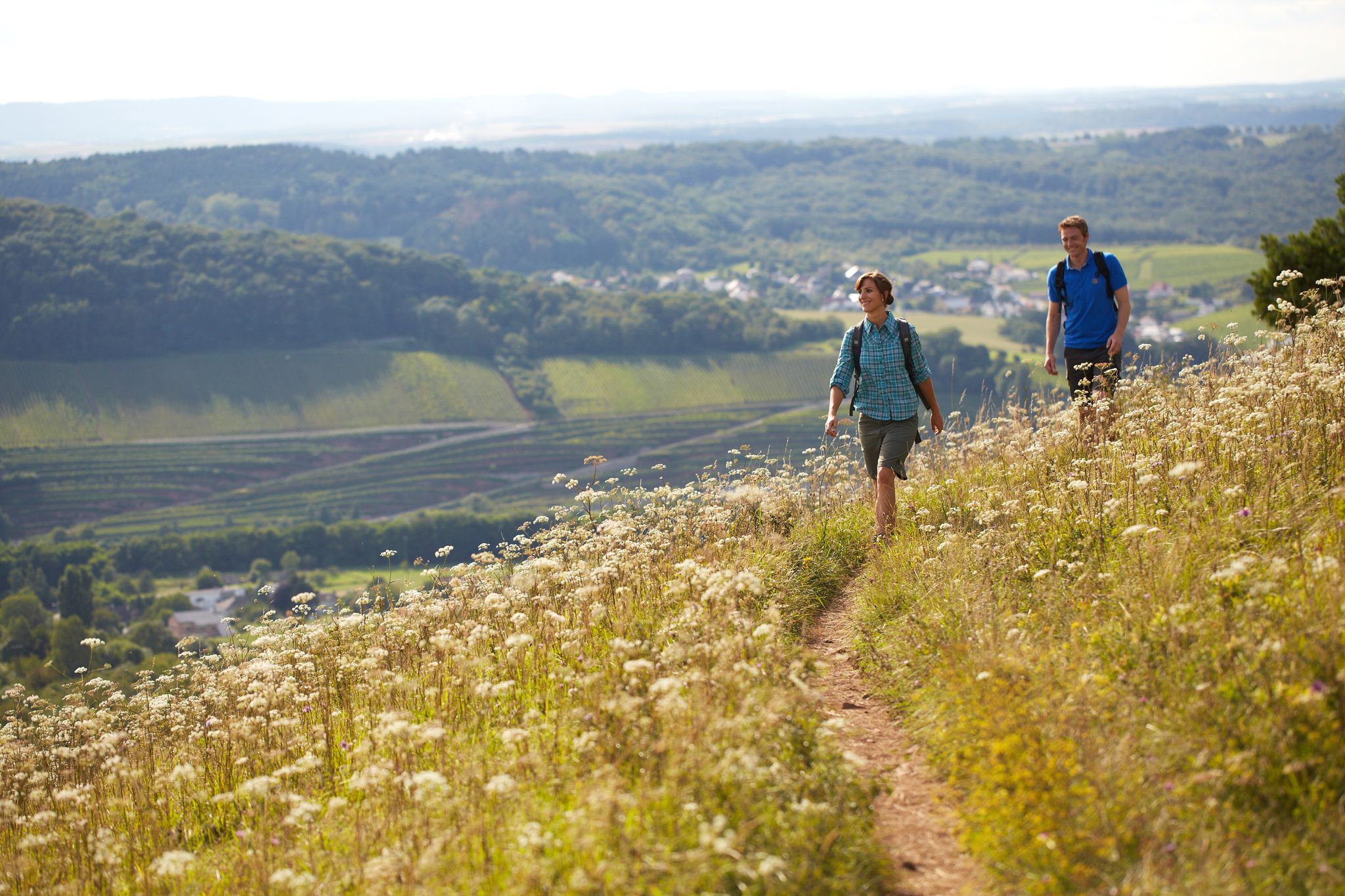
The ten most beautiful hiking trails through Saarland in Germany
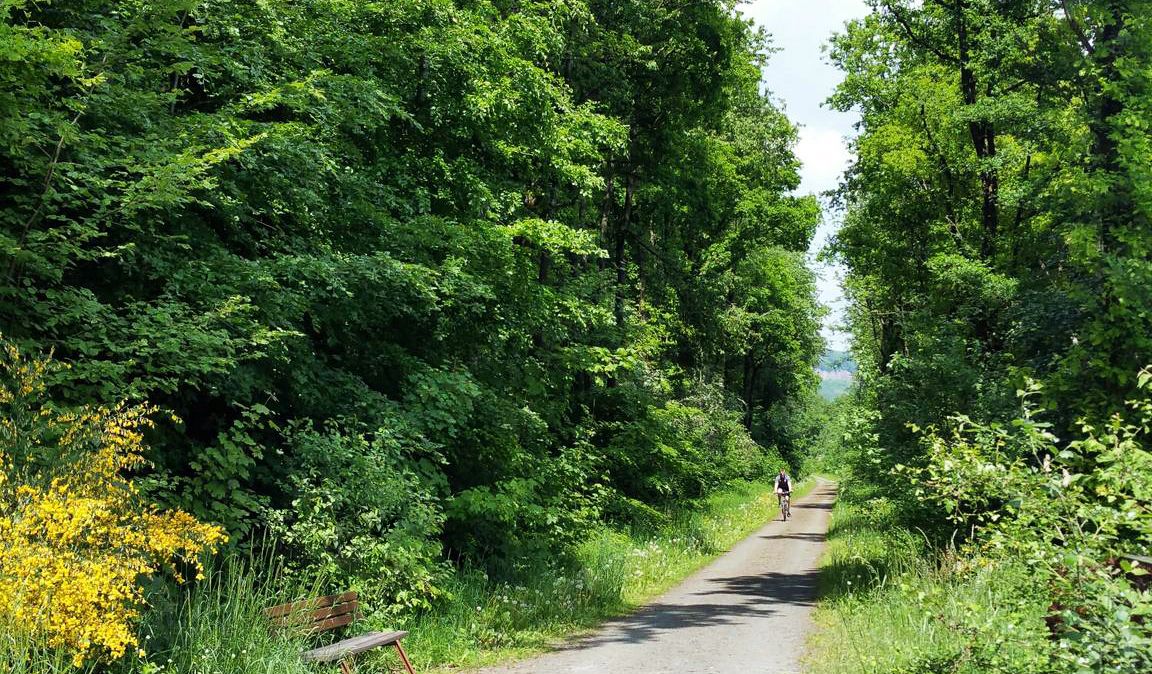
The most beautiful bike rides in the Sankt Wendeler Land
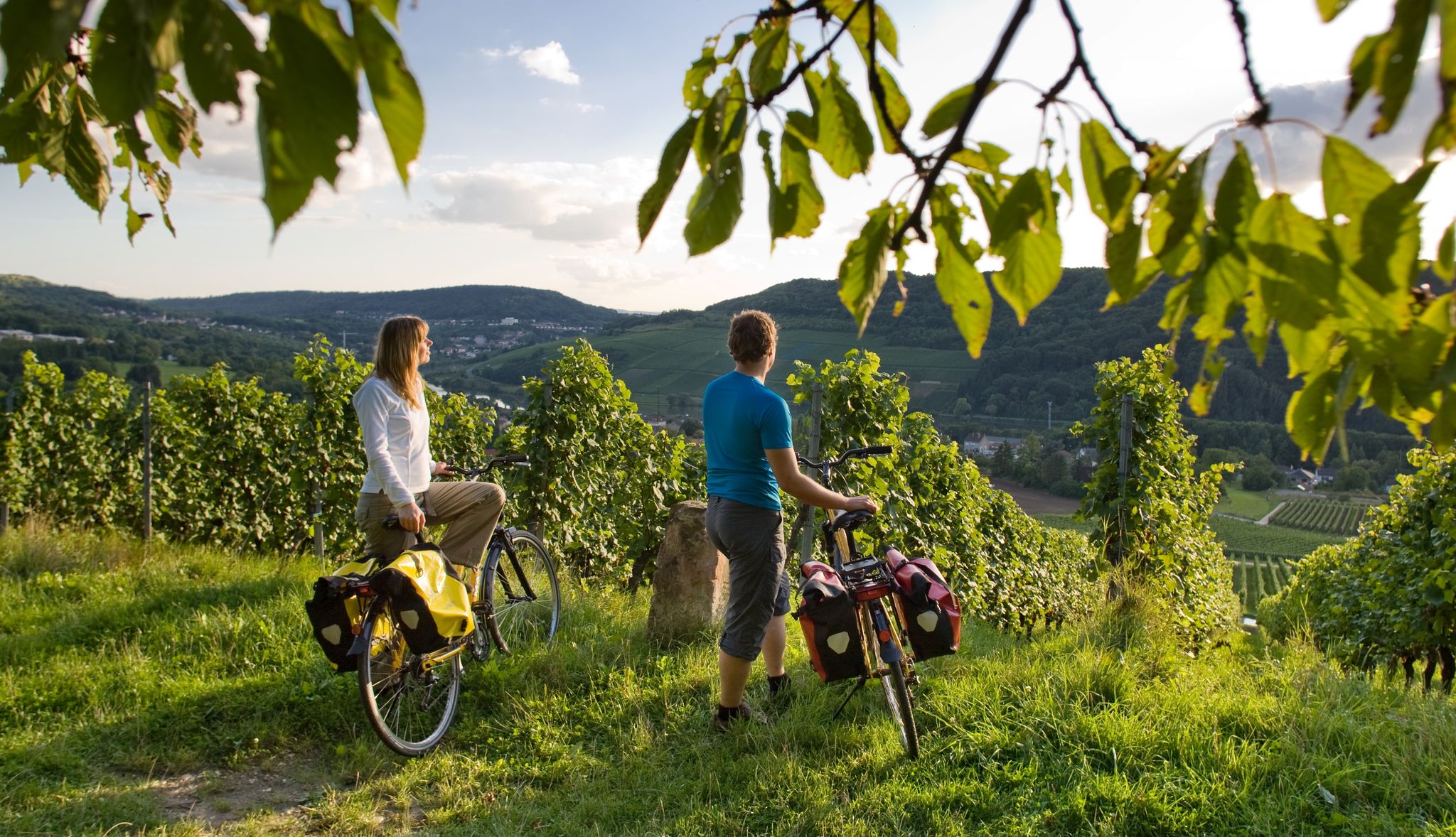
Boundless cycling in Saarland
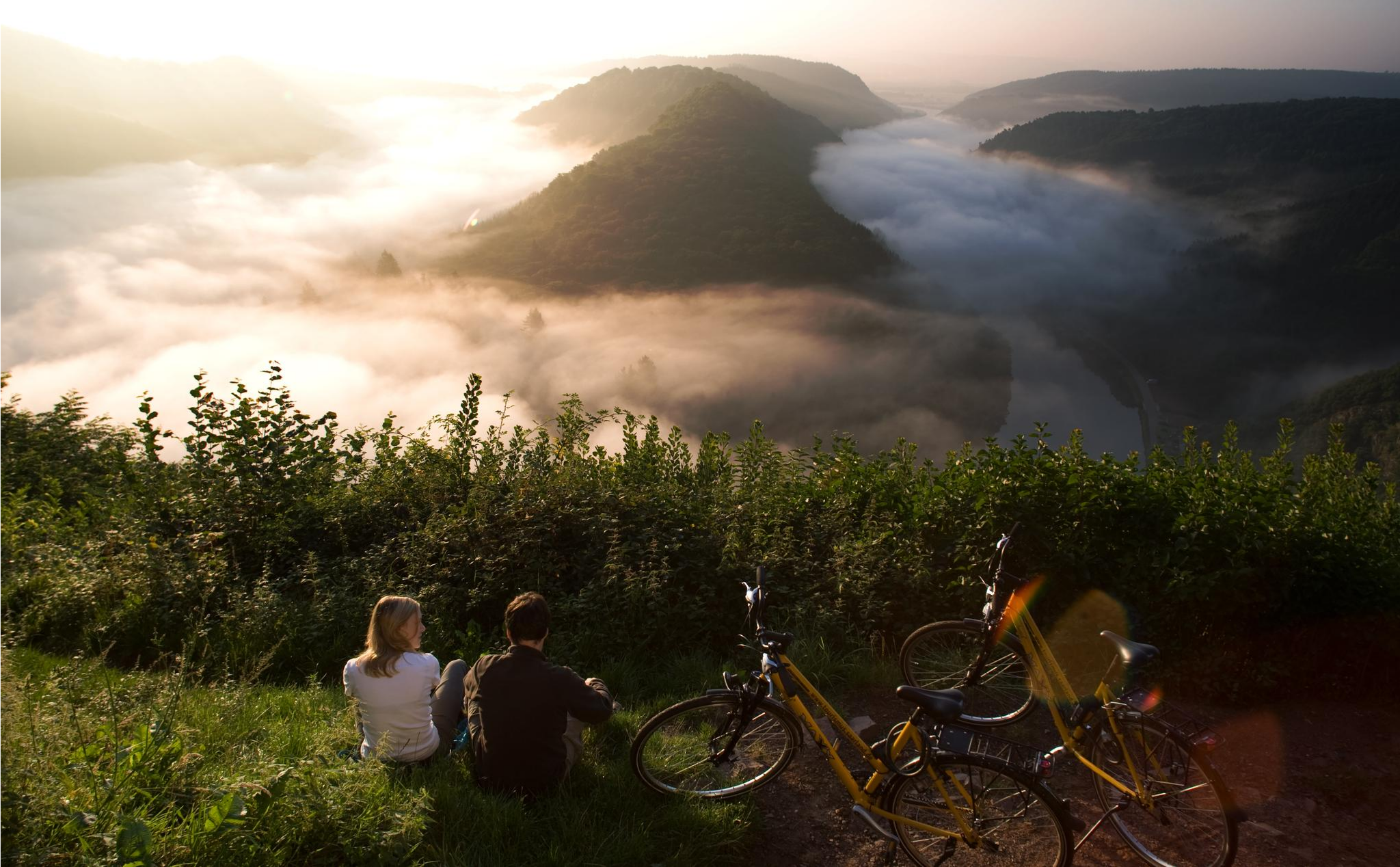
Von Saarbrücken bis zur Mosel – Radwege im Saarland
Other adventures around Sankt Wendel


Tips from the Community


The imposing St. Wendel Basilica attracts more than just pilgrims. Its Gothic entrance, striking towers, and winding alleyways make it a place steeped in history and atmosphere. It is considered the most important church in Saarland – named after St. Wendelin, patron saint of shepherds and farmers. 📸 Tip: If you follow the side streets, you'll discover not only great photo opportunities but also small cafés with views of the church.
0
0

The late Gothic church dates back to the 14th century. It contains the tomb of Saint Wendelin, making it a pilgrimage church. The interior is decorated with all kinds of murals, reliefs, and statues. Here, you can find peace even amidst the hustle and bustle of everyday life.
0
0

A very beautiful old church in the heart of St. Wendel. It is also called Wendel's Cathedral.
0
0

The railway line cycle path is one of the most beautiful cycle paths in Saarland. But it gets a bit crowded on weekends when the weather is nice.
1
0

Some of the Leitersweiler beeches are over 300 years old, but unfortunately their lifespan is also limited and some of these impressive trees have fallen in recent years.
1
0

Very nice cycle path with great rest areas to relax or linger.
0
0

The people of St. Wendelin also call their basilica the Wendelsdom, which was built in the upper town. The hall church has a Gothic architectural style and houses the tomb of St. Wendelin. Beautiful vault paintings can be seen inside the church.
1
0
Frequently Asked Questions
What are some popular hiking trails around Sankt Wendel?
A highly recommended trail is the Tiefenbach Trail, a 15 km path around the Bosenberg, known for its small valleys and rustic footbridges. It starts near the Wendelinus Farm and passes by the impressive Leitersweiler Beeches and the Miners' Spring. The region is also part of the Saar-Hunsrück Nature Park and Hunsrück-Hochwald National Park, offering numerous other hiking opportunities. For more detailed routes, you can explore the MTB Trails around Sankt Wendel guide, which also includes hiking-friendly paths.
Are there good cycling routes in Sankt Wendel?
Yes, Sankt Wendel offers excellent cycling opportunities. The Wendelinus Cycle Path is a picturesque and easy-to-ride route that follows a former railway line from Sankt Wendel to Tholey. Along this path, you can also discover the Sculptures on the Wendelinus Cycle Path, an open-air gallery. For more cycling options, including gravel and road cycling, check out the Gravel biking around Sankt Wendel and Road Cycling Routes around Sankt Wendel guides.
What historical sites can I visit in Sankt Wendel?
Sankt Wendel is rich in history. The most prominent historical site is the Basilica of Saint Wendelin, a 14th-century Gothic church and significant pilgrimage site housing the tomb of Saint Wendelin. The charming Old Town, with its winding alleys and historic squares like Schlossplatz St. Wendel, also features many restored baroque buildings. Additionally, the Mia-Münster-Haus hosts a city museum with Roman-era artifacts and exhibits on local history.
Are there family-friendly attractions in Sankt Wendel?
Absolutely. The Wendelinus Farm is a great family destination, offering a farm kitchen, shop, and garden center, and is known for its inclusive employment. The Wendelinus Cycle Path is easy and suitable for families. Bostalsee (Bostal Lake), located nearby, provides two beach areas, boat rentals, and a petting zoo, making it ideal for a family day out. The Sculptures on the Wendelinus Cycle Path also offer an engaging outdoor art experience for all ages.
What natural features can I explore around Sankt Wendel?
The region boasts diverse natural beauty. The Bosenberg, the highest elevation in Sankt Wendel, offers scenic views and is home to the Tiefenbach Trail. The Leitersweiler Beeches are impressive 300-year-old giant trees providing excellent views. The Urweiler Quarry is a unique natural monument with interesting vegetation. The Bostalsee (Bostal Lake) is a large recreational reservoir with a nature reserve section, and the town itself is situated on the scenic Blies River.
What cultural experiences does Sankt Wendel offer?
Sankt Wendel offers a rich cultural scene. The Basilica of Saint Wendelin is a significant religious and architectural landmark. The Mia-Münster-Haus features a city museum with art by local artist Mia Münster and regional cultural history. The unique Street of Sculptures, stretching 17 km to Bostalsee, is an open-air gallery showcasing contemporary art. During Advent, the Sankt Wendel Christmas Market, combined with a medieval market, creates a unique cultural atmosphere.
Are there any hidden gems or unique outdoor spots in Sankt Wendel?
Beyond the well-known attractions, the Urweiler Quarry on the Bosenberg is a fascinating natural monument, once a hard stone quarry, now offering pure nature and unique vegetation. The Miners' Spring, located along the Tiefenbach Trail, is a historical water source with a story. The Wendelinus Chapel, built in 1755 at the foot of the Bosenberg, is believed to be where Saint Wendelin lived as a hermit and features a spring said to have originated from his staff.
What is the best time of year to visit Sankt Wendel for outdoor activities?
The spring and autumn months are generally ideal for outdoor activities in Sankt Wendel, offering pleasant temperatures for hiking and cycling. The Tiefenbach Trail is best enjoyed in dry periods. The Sankt Wendel Christmas Market is a major draw in December, while a smaller Easter Market takes place in spring. The region's natural beauty, including the Leitersweiler Beeches and Bostalsee, can be enjoyed throughout the warmer months.
Are there any wheelchair-accessible attractions in Sankt Wendel?
Yes, several attractions in Sankt Wendel are designed to be wheelchair accessible. The Wendelinus Farm, with its farm kitchen, shop, and garden center, is wheelchair friendly. The Wendelinus Cycle Path and the Sculptures on the Wendelinus Cycle Path are also generally accessible. The Schlossplatz St. Wendel in the Old Town is another accessible area where visitors can enjoy cafes and restaurants.
What do visitors enjoy most about Sankt Wendel?
Visitors frequently praise Sankt Wendel for its blend of historical charm and natural beauty. The medieval Old Town and the impressive Basilica of Saint Wendelin are often highlighted. Outdoor enthusiasts appreciate the well-maintained trails like the Tiefenbach Trail and the easy-to-ride Wendelinus Cycle Path. The Wendelinus Farm is also popular for its local products and welcoming atmosphere. The unique Street of Sculptures and the festive Christmas Market also receive high acclaim.
Are there any significant viewpoints in the Sankt Wendel area?
Yes, the Bosenberg, being the highest elevation in Sankt Wendel, offers several scenic viewpoints. Along the Tiefenbach Trail, particularly at the Fledermauskopf, you can enjoy wonderful views of the Sankt Wendel region, including the distant Schaumberg and the eastern Saarland. The Leitersweiler Beeches also provide excellent views of Leitersweiler and the surrounding Hunsrück heights.
Most popular routes around Sankt Wendel
Most popular attractions around Sankt Wendel

Get inspired with the komoot mobile app


Explore more
Still not found the Highlight you’re looking for? See guides of the top attractions in other regions:
