The best road cycling routes around Heideck
4.6
(10)
782
riders
46
rides
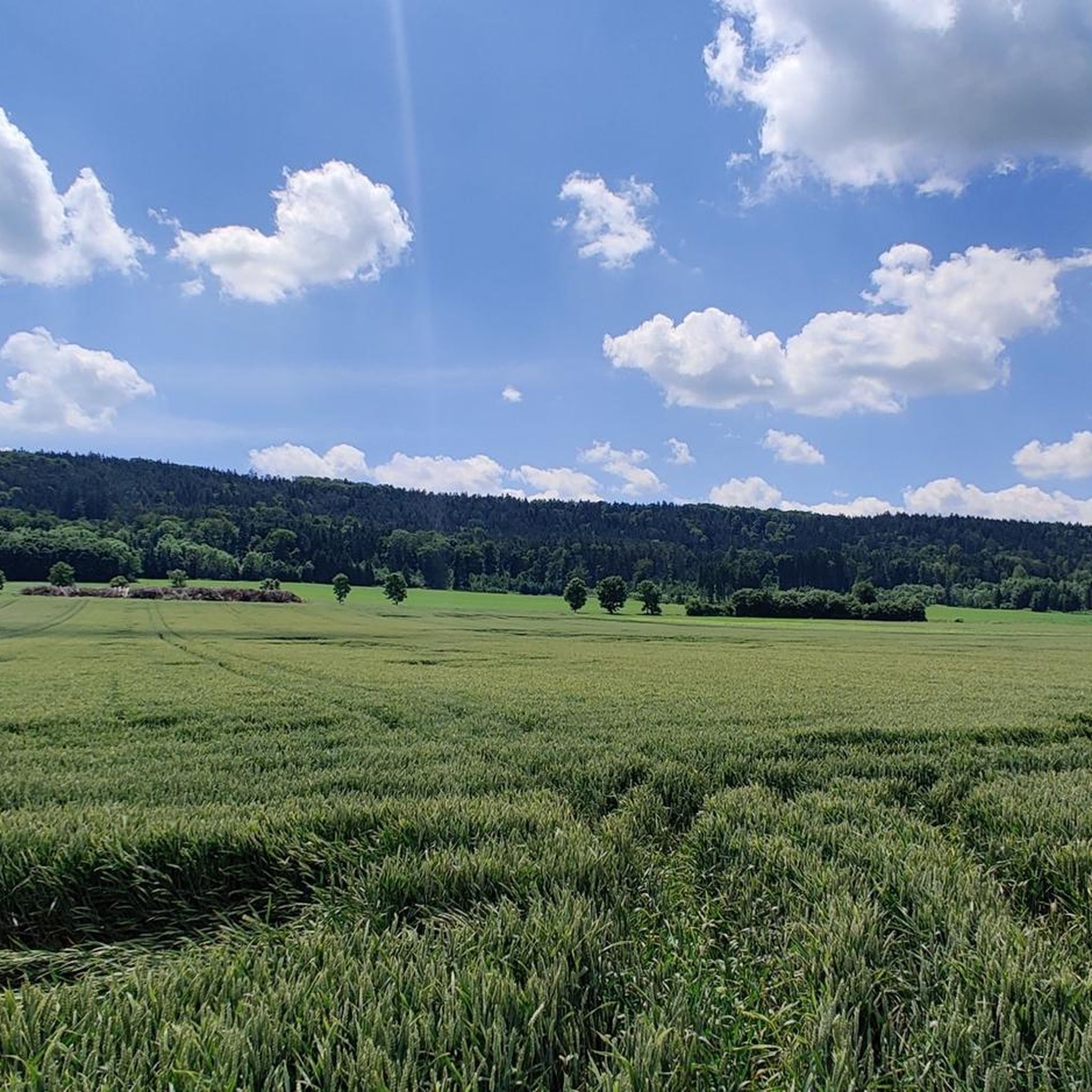
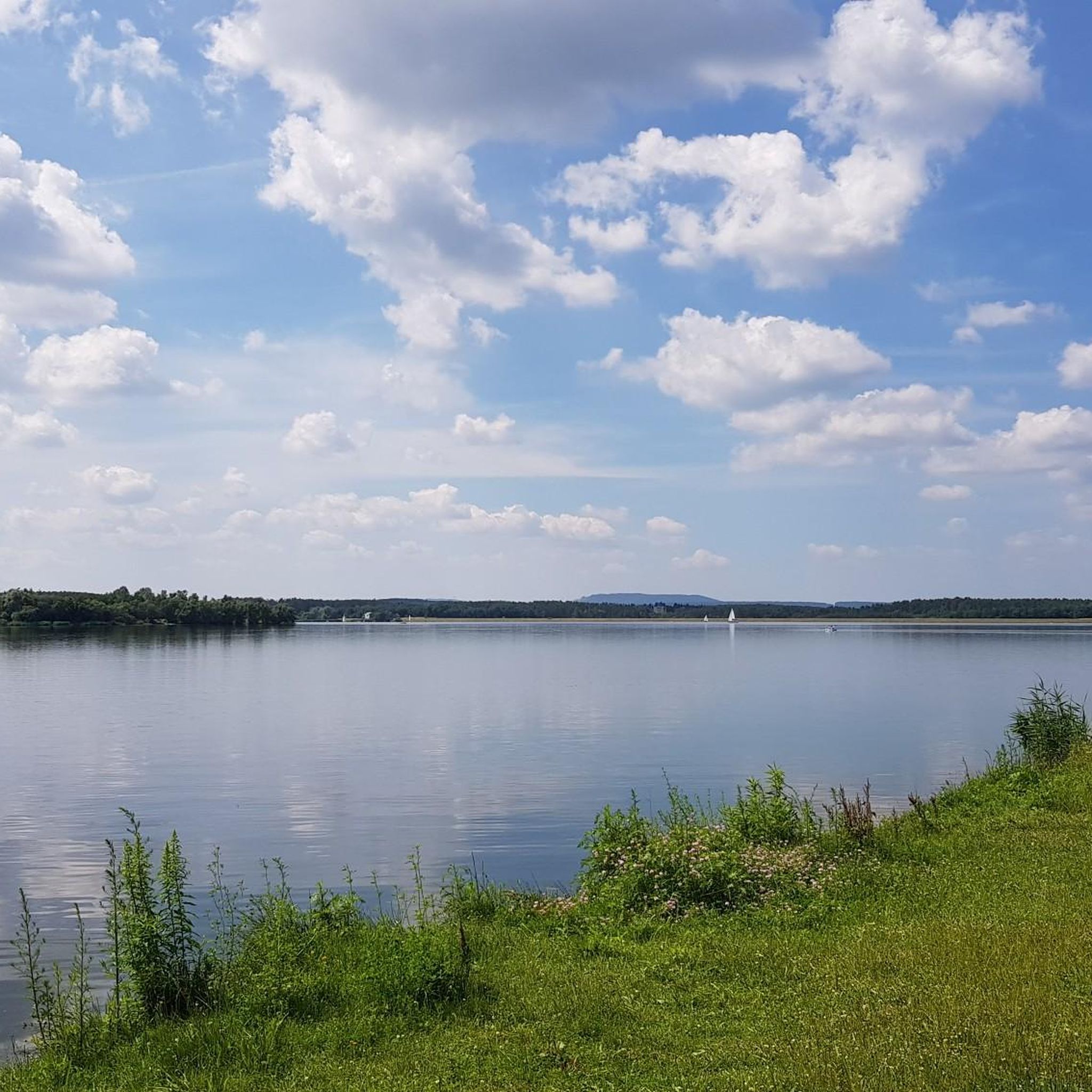
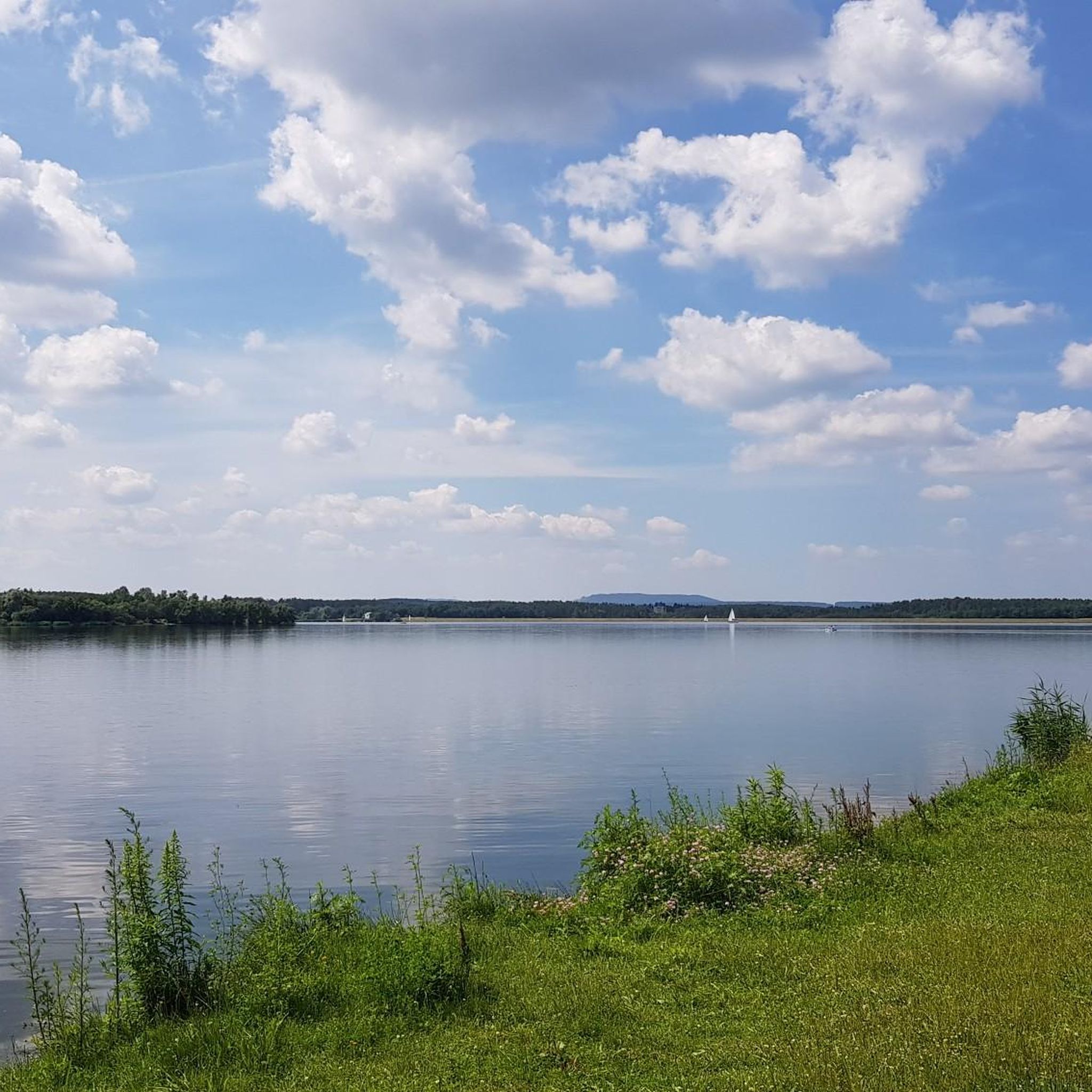
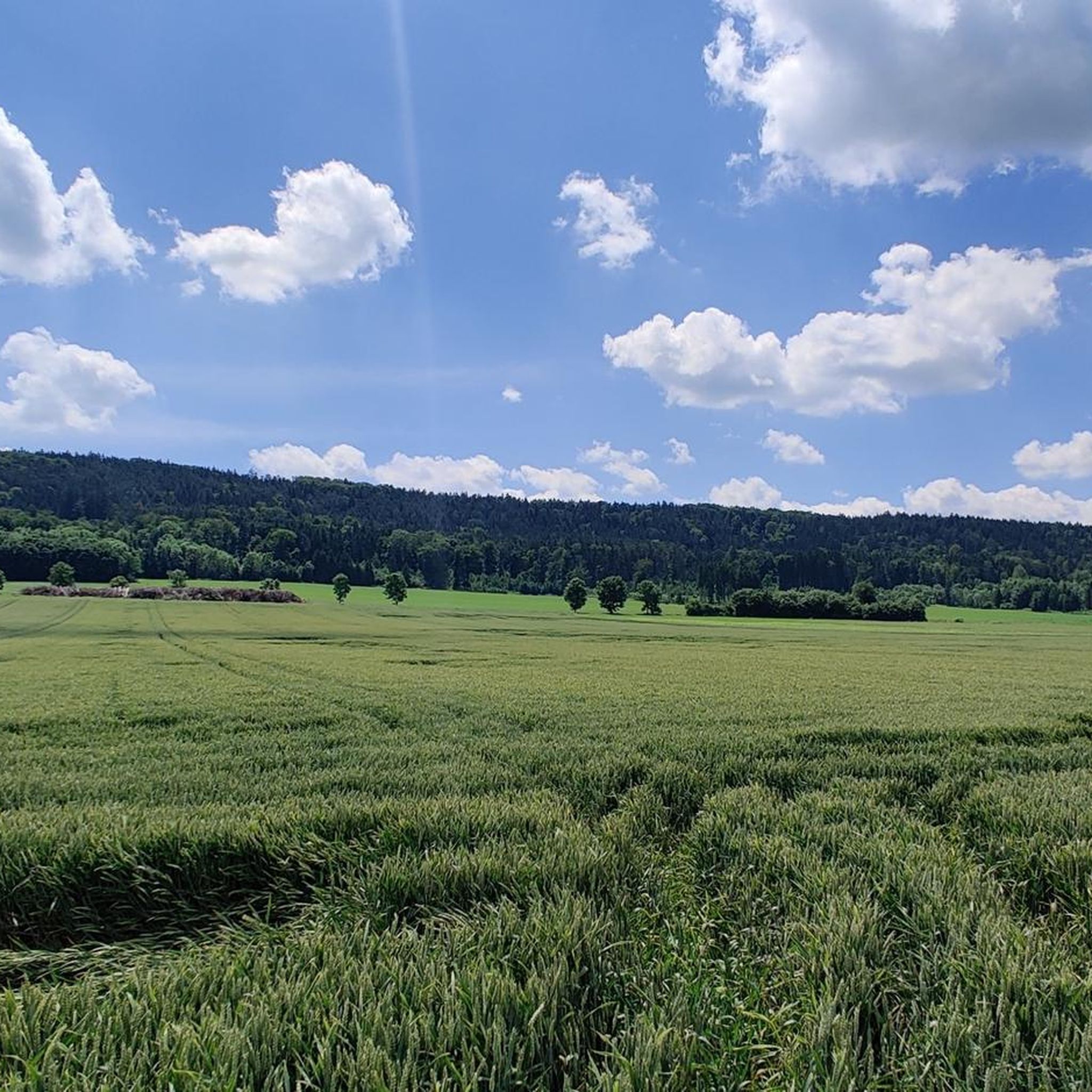
Road cycling around Heideck offers diverse landscapes, characterized by rolling hills, green forests, and significant waterways. The region features varied terrain, from challenging uphill sections to relaxed flatland paths, catering to different cycling preferences. Notable natural features include the Altmühlsee lake, the Altmühltal Nature Park, and routes along the Rhine-Main-Danube Canal. This varied topography provides a range of road cycling experiences across the Roth district.
Best road cycling routes around Heideck
- The most popular road cycling route is Main-Danube Canal…
Last updated: October 2, 2026
5.0
(1)
259
riders
Easy road ride. Great for any fitness level. Mostly well-paved surfaces and easy to ride.
62
riders
36.0km
01:30
240m
240m
Easy road ride. Great for any fitness level. Mostly well-paved surfaces and easy to ride.

4.7
(3)
35
riders
Moderate road ride. Good fitness required. Mostly well-paved surfaces and easy to ride.
47
riders
18.2km
00:46
100m
100m
Easy road ride. Great for any fitness level. Mostly well-paved surfaces and easy to ride.
31
riders
64.8km
02:46
400m
400m
Moderate road ride. Good fitness required. Mostly well-paved surfaces and easy to ride.
Get access to more routes and recommendations from other explorers.
Already have an account?
Our route recommendations are based on thousands of hikes, rides, and runs completed by other people on komoot.
Start today with a free account
Your next adventure awaits.

Tips from the Community

Here you can cross the canal
0
0

Super view of the Main-Danube Canal
0
0

Idyllic little road between Mauk and Altenheideck. Slightly uphill from both directions, it almost feels like a mountain pass. The road is only one lane, so be careful of oncoming traffic.
0
0

During the summer months, artists from Zimbabwe are guests and also offer sculpture courses.
0
0

Quite a high lift
0
0

A beautiful route through the forest and along the canal. The RC Herpersdorf time trial takes place here every year.
1
0
The Eckersmühlen lock was built between 1980 and 1985 as part of the construction of the federal waterway Main-Danube Canal and opened for operation on June 15, 1991.[4] It lies partly in the territory of the town of Roth, part of the municipality of Haimpfarrich, and the town of Hilpoltstein, part of the municipality of Heuberg, and is designed as an economy lock with three economy basins south of the lock basin. From the upstream water of the lock, water from the Eckersmühlen section can be fed into the Rothsee via a 300 m long tunnel. Downstream of the lock, the Kleine Roth is diverted under the canal in a 200 m long culvert, but can also release water from the Rothsee via an inlet structure if necessary.
0
0
Frequently Asked Questions
How many road cycling routes are available around Heideck?
Heideck offers a diverse network of over 40 road cycling routes. These routes cater to various preferences, from easy loops to more challenging rides, allowing cyclists to explore the region's rolling hills, green forests, and scenic waterways.
What is the best time of year for road cycling in Heideck?
The most enjoyable time for road cycling in Heideck is typically during spring and summer. During these seasons, the landscapes are vibrant with blooming meadows and fields, temperatures are pleasantly mild, and the region's lakes are perfect for a refreshing break.
Are there road cycling routes suitable for beginners or families in Heideck?
Yes, Heideck has several easy road cycling routes perfect for beginners or families. For instance, the Main-Danube Canal at Rothsee – Wallesau–Laffenau Cycle Path loop from Heideck is an easy 27.7 km trail that follows the scenic Main-Danube Canal. Another gentle option is the Heideck Town Hall – Scenic Forest Route loop from Heideck, a 36.0 km path through picturesque forest landscapes with gentle ascents.
Can I find challenging road cycling routes around Heideck?
Absolutely. While Heideck offers many easy routes, there are also moderate and challenging options for experienced cyclists. The region is known for challenging road bike passes, especially around the Großer Brombachsee and Kleiner Brombachsee lakes, and on the way to Ratibor Castle. Enthusiasts can even tackle parts of the legendary "Challenge Roth" triathlon circuit, which features gradients of up to ten percent over more than 63 kilometers.
What kind of landscapes and natural features can I expect to see while cycling in Heideck?
Road cycling in Heideck takes you through diverse and picturesque landscapes. You'll encounter rolling hills, lush green forests, and significant waterways. Highlights include routes along the serene Altmühlsee lake, through the scenic Altmühltal Nature Park following the Altmühl river past rock formations and castles, and paths alongside the impressive Rhine-Main-Danube Canal with its floodplain landscapes and locks. The area is also nestled between the Großer Brombachsee and Kleiner Brombachsee.
Are there any circular road cycling routes in Heideck?
Yes, many of the road cycling routes around Heideck are designed as loops, offering convenient starting and ending points. Examples include the Fountain on Lake Altmühl – Altmühlsee loop from Schloßberg, which covers 84.6 km around the Altmühlsee lake area, and the shorter Gredl Cycle Path – Heideck Town Hall loop from Heideck.
What attractions or points of interest can I find along the road cycling routes?
Along Heideck's road cycling routes, you can discover various attractions. The Altmühltal Nature Park routes pass by historic castles. You might also encounter natural highlights such as the Müllersloch Gorge and Waterfall. The routes often feature stunning lake views, including the Rothsee and the Altmühlsee.
Are there places to stop for refreshments or breaks along the routes?
Yes, the region is well-equipped for cyclists. Along many of the cycling routes in Heideck, you'll find numerous cozy rest areas and cafés. These spots are perfect for short breaks, enjoying local delicacies, and recharging before continuing your ride.
What do other road cyclists say about the routes in Heideck?
The road cycling routes in Heideck are highly regarded by the komoot community, holding an average rating of 4.5 stars from over 10 reviews. Cyclists often praise the varied terrain, the beautiful natural scenery, and the well-maintained paths that cater to different skill levels.
Where can I park my car when starting a road cycling tour in Heideck?
Heideck offers various parking options for cyclists. Many popular starting points for road cycling trails, especially those near the town center or major lakes like the Altmühlsee and Brombachsee, provide designated parking areas. It's advisable to check specific route descriptions for recommended parking locations.
Can I bring my dog on the road cycling trails in Heideck?
While road cycling routes are generally open, specific rules regarding dogs can vary. On paved roads and designated cycle paths, dogs on a leash are usually permitted. However, for routes passing through nature reserves or private lands, it's always best to check local regulations or specific route details to ensure dog-friendly access.
Are there road cycling routes with prominent lake views?
Heideck's location between several significant lakes means many routes offer spectacular lake views. The Altmühlsee and the Brombachsee lakes are central to several popular cycling paths, providing breathtaking vistas. For example, the Fountain on Lake Altmühl – Altmühlsee loop from Schloßberg is a prime example of a route showcasing extensive lake scenery.
Most popular routes around Heideck
Most popular attractions around Heideck

Get inspired with the komoot mobile app


Explore more
Browse the best Road cycling routes in other regions.
