The best road cycling routes around Heckenbach
4.7
(354)
5,744
riders
214
rides
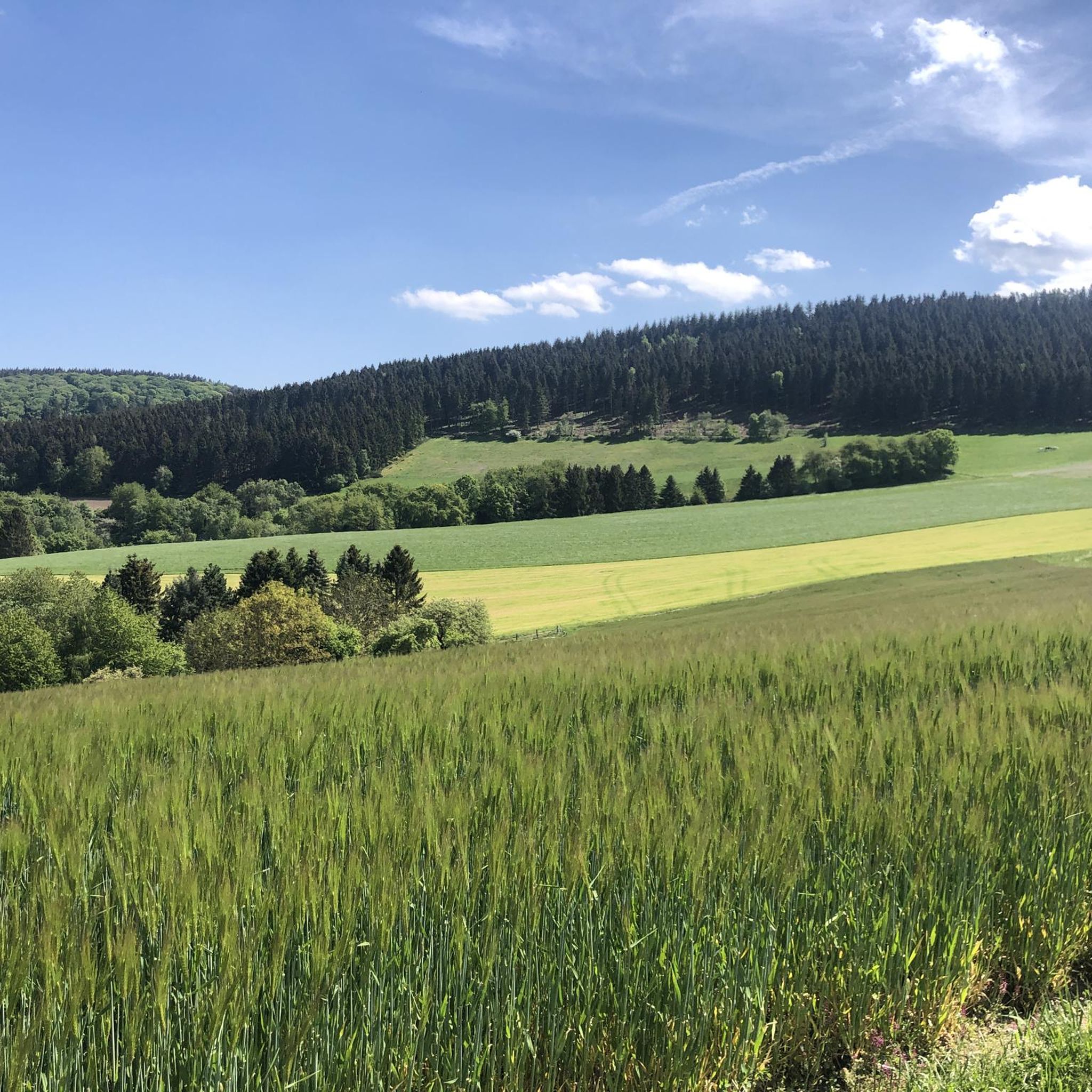
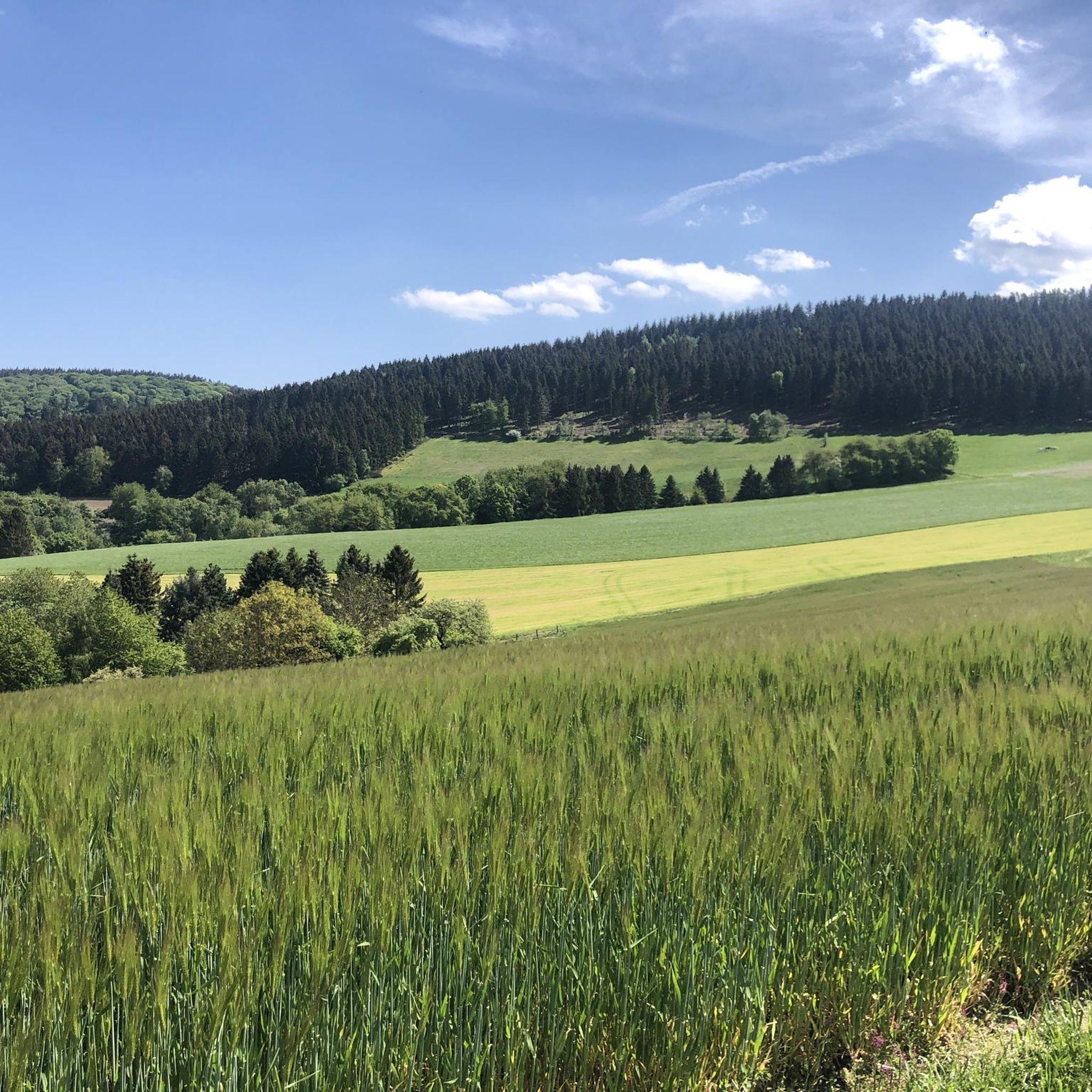
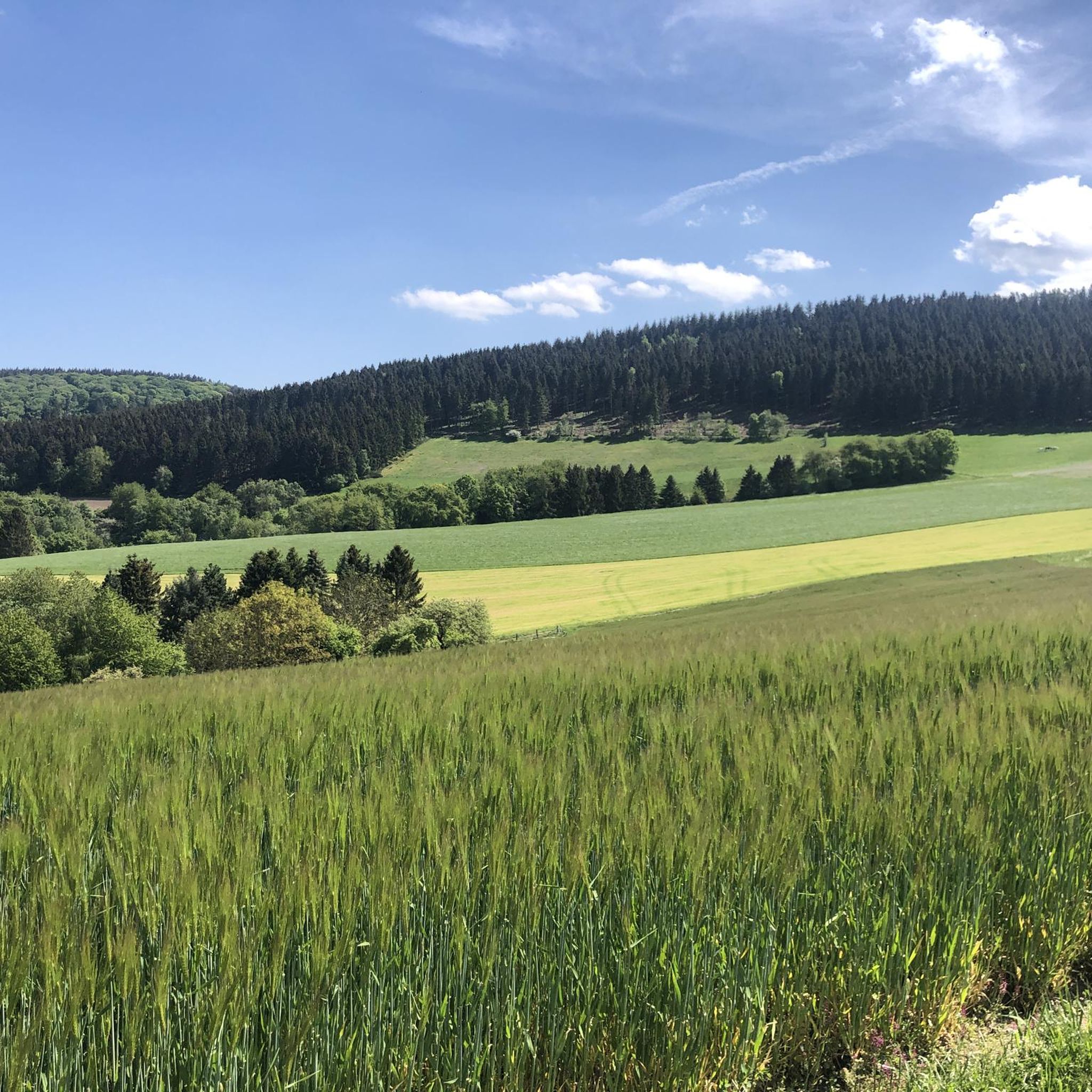
Road cycling routes around Heckenbach offer a diverse landscape for cyclists. The region is characterized by rolling hills and varied terrain, providing both challenging ascents and scenic stretches. Cyclists can explore areas featuring historic sites and natural springs. The routes often traverse through forested sections and open countryside, typical of the Eifel region.
Best road cycling routes around Heckenbach
- The most popular road cycling route is Bürresheim Castle – Volkesfeld Healing Spring loop from Hohenleimbach, a 31.9 miles (51.3…
Last updated: May 20, 2026
4.5
(4)
72
riders
51.3km
02:35
710m
710m
Moderate road ride. Good fitness required. Some segments of this route may be unpaved and difficult to ride.
39
riders
56.7km
02:53
880m
870m
Moderate road ride. Good fitness required. Mostly well-paved surfaces and easy to ride.

Sign up for free
5.0
(1)
60
riders
48.8km
02:30
740m
740m
Moderate road ride. Good fitness required. Some segments of this route may be unpaved and difficult to ride.
32
riders
Moderate road ride. Good fitness required. Some segments of this route may be unpaved and difficult to ride.
5.0
(1)
30
riders
75.1km
03:27
840m
840m
Moderate road ride. Good fitness required. Some segments of this route may be unpaved and difficult to ride.
Get access to more routes and recommendations from other explorers.
Sign up for free
Already have an account?
Our route recommendations are based on thousands of hikes, rides, and runs completed by other people on komoot.
Start today with a free account
Your next adventure awaits.
Login or Signup
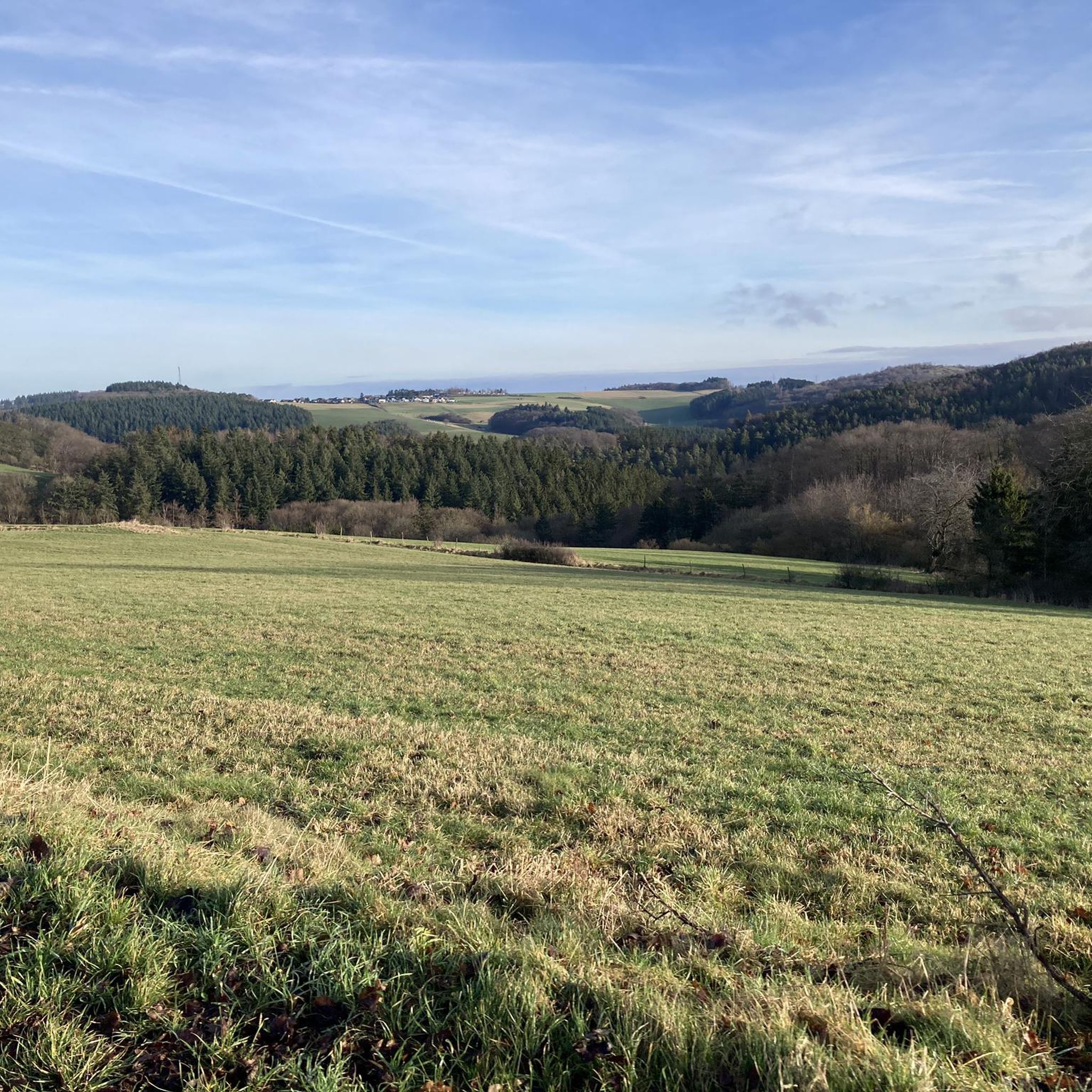
Tips from the Community

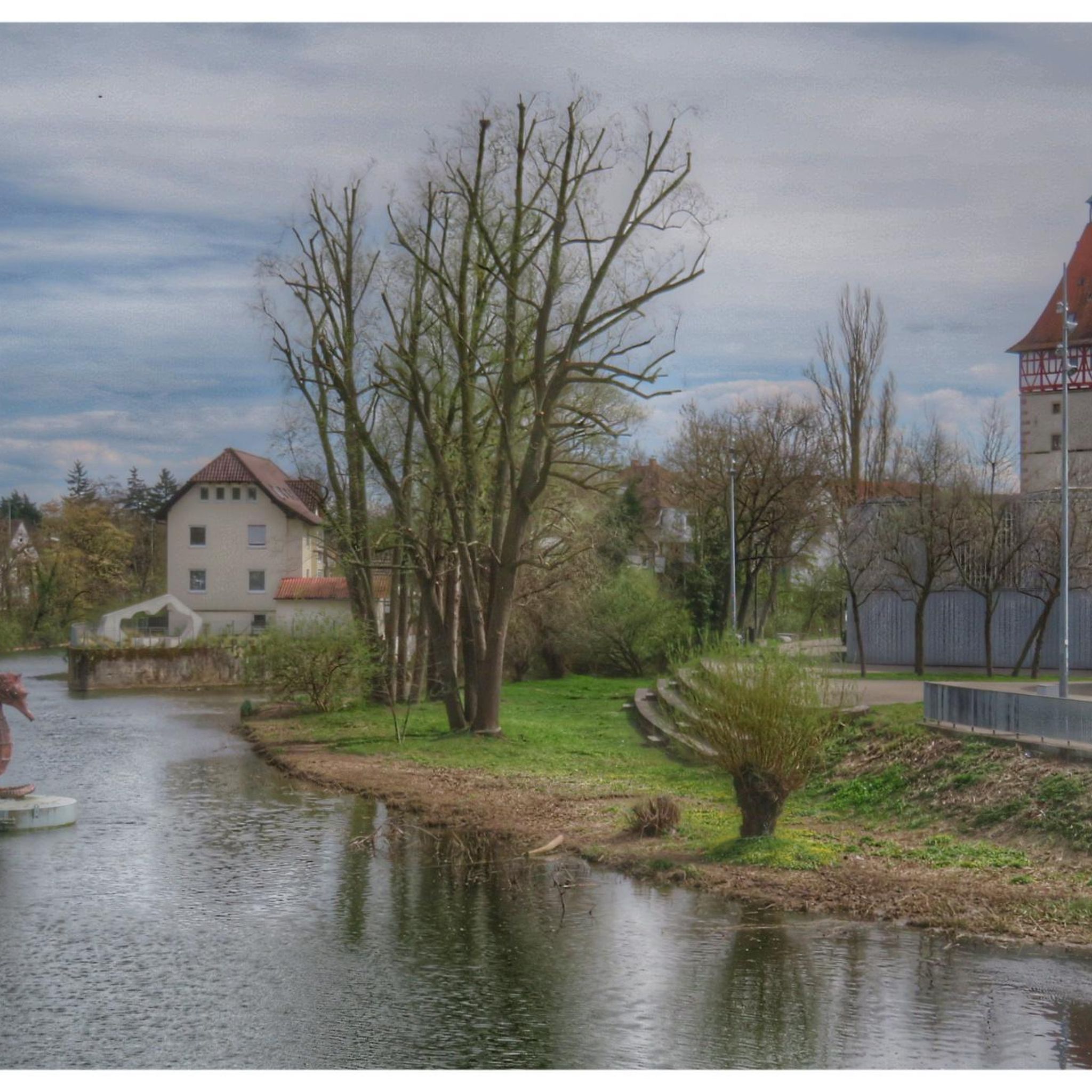
The northern gate of the city fortifications, which still exists today, is the gatehouse located on the Nette river, built between 1299 and 1354. It secured the crossing of the Nette and primarily served as the city entrance from the direction of Koblenz, which is why it also bears the name "Koblenzer Tor" (Koblenz Gate). Since there are no signs of a slot in the wall for a portcullis, it is assumed that a drawbridge to the bridge pier on the Nette was used to secure the gate. Due to the flood in 1598, the gatehouse collapsed along with the outer gate. However, the chiseled number 1599 testifies that the gatehouse was rebuilt just one year later. From the beginning of the 19th century until 1855, the gatehouse was used as a prison. The city coat of arms, added in 1911, is still visible today. Source: Jonas Breithaupt, University of Koblenz-Landau, 2015
2
0

The Catholic parish church of St. Germanus in Niederzissen, a municipality in the Ahrweiler district of Rhineland-Palatinate, is a listed church building. The church is dedicated to St. Germanus of Auxerre. The original church was built in the mid-12th century; the lower stories of the tower are all that remain of this original structure. A new building was erected after 1225 in the transitional style between Romanesque and Gothic. Extensive renovations and repairs were carried out in 1832, 1839, 1906/07, and 2007. In 1862, the church tower was raised and given a rhomboid roof. From 1966 to 1968, the building was extended according to a design by Heinrich Otto Vogel with a heptagonal, tent-shaped addition and a roof turret. The church is a three-aisled basilica with three bays and groin vaults. The chancel has a five-sided apse. The tower is slightly recessed. The Romanesque baptismal font is particularly valuable. On the east side of the church is a 165 cm high relief depicting Saint Germanus. It was created from tuff stone by the sculptor Hans Gerhard Biermann. Three historic bells hang in the church tower: the oldest is the Christ the King bell from 1337; the other two are the Mary bell from 1462 and the St. Sebastian bell from 1728. https://de.wikipedia.org/wiki/St._Germanus_(Niederzissen)
0
0

The oldest part of Bürresheim Castle is the imposing keep, a 12th-century tower that clearly reflects the castle's defensive origins. Over time, the castle developed into a complex double complex, consisting of the so-called Cologne Castle and the Trier Castle, which underwent different construction and expansion phases. While the Cologne Castle formed the older part and primarily served economic purposes—leading to its eventual decline—the Trier Castle was transformed into a prestigious residential palace, which continues to shape the character of the entire complex to this day.
2
0

For me, it was the destination of the first stage of the Eifel Ladder. I was picked up by the innkeeper at my guesthouse.
0
0

The Brückentor (Bridge Gate) is one of Mayen's few remaining medieval city gates and once served as the most important entrance for travelers coming from Koblenz. Today, this historic building houses the Mayen Carnival Museum, which brings the city's long tradition of "Faasenaacht" (Carnival Night) to life.
0
0

Unfortunately, you have to cycle on a country road without a bike path. In heavy traffic, caution is advised when crossing the Abtei road.
10
1
A very beautiful market square with beautiful buildings (town hall, church, and castle). Plenty of cafés and restaurants, bakeries, etc., offer opportunities for a rest and refreshment.
9
0
The late Gothic castle was besieged, destroyed, and rebuilt several times over the course of its eventful history. The current complex consists of the upper castle with the 34-meter-high Golo Tower and the slightly lower outer castle. The castle is protected from the city by a large castle gate, and on the other side by the keep and a moat complex. The former moat is now a ring road spanned by a 20-meter-long Gothic stone bridge. The Genovevaburg Castle houses two exhibitions of the Eifel Museum: EifelTotal and the German Slate Mine.
9
0
Frequently Asked Questions
How many road cycling routes are available around Heckenbach?
There are over 220 road cycling routes around Heckenbach, offering a wide variety of options for all skill levels. This includes 15 easy routes, 117 moderate routes, and 89 difficult routes.
What kind of terrain can I expect on road cycling routes in Heckenbach?
The Heckenbach region is characterized by rolling hills and varied terrain, typical of the Eifel. You'll encounter both challenging ascents and scenic stretches, often traversing through forested sections and open countryside. Routes like the Bürresheim Castle – Volkesfeld Healing Spring loop from Hohenleimbach feature significant elevation gains.
Are there any easy road cycling routes suitable for beginners in Heckenbach?
Yes, Heckenbach offers 15 easy road cycling routes. While specific beginner-focused routes are not highlighted, these trails typically feature less challenging gradients and shorter distances, making them ideal for those new to road cycling or looking for a relaxed ride.
What are some challenging road cycling routes for experienced riders?
For experienced riders seeking a challenge, Heckenbach has 89 difficult routes. These often involve significant elevation changes and longer distances. An example of a moderate route with notable elevation is the Hansen Tunnel – Old Ochtendung Station loop from Kempenich, which covers over 75 km with substantial climbing.
What historical sites or natural springs can I explore along the routes?
Many routes in Heckenbach pass by historical sites and natural springs. For instance, the Maria Laach Abbey – Bürresheim Castle loop from Kempenich takes you past two significant landmarks. The Bürresheim Castle – Volkesfeld Healing Spring loop from Hohenleimbach also includes a healing spring.
Are there scenic viewpoints along the road cycling routes in Heckenbach?
Yes, the region offers several scenic viewpoints. You might encounter spots like the View from Schrock or the Bunte Kuh Viewpoint, which provide panoramic views of the Eifel landscape. The Krausberg Tower is another notable landmark offering expansive vistas.
What is the best season for road cycling in Heckenbach?
The best season for road cycling in Heckenbach is typically from late spring to early autumn (May to October). During these months, the weather is generally mild, and the roads are clear, offering ideal conditions for exploring the rolling hills and scenic countryside of the Eifel region.
Are there any routes that pass by lakes or other natural attractions?
Yes, some routes offer views of the region's natural beauty, including lakes. While not directly on the listed routes, attractions like Rieden Forest Lake and Rodder Maar are nearby and can be incorporated into longer rides or visited separately.
What do other road cyclists say about the routes in Heckenbach?
The road cycling routes in Heckenbach are highly rated by the komoot community, with an average score of 4.7 stars from over 300 reviews. Cyclists often praise the diverse landscape, well-maintained roads, and the blend of challenging climbs with rewarding scenic views.
Are the road cycling routes in Heckenbach typically loops?
Many of the road cycling routes around Heckenbach are designed as loops, allowing you to start and finish at the same point. This is convenient for planning your ride, as exemplified by routes like the Andernach Old Town Sights – Old Crane (Alter Kranen) loop from Schalkenbach.
Can I find places for coffee or food stops along the routes?
While specific coffee stops aren't detailed for every route, the routes often pass through or near small towns and villages in the Eifel region. These typically offer opportunities for refreshments, including cafes and restaurants, especially in more populated areas like Andernach, which is featured in the Andernach Old Town Sights – Old Crane (Alter Kranen) loop from Schalkenbach.
Are there any routes that offer views of river landscapes?
Yes, some routes provide views of river landscapes, particularly those that venture closer to the Rhine or Moselle valleys. The Andernach Old Town Sights – Old Crane (Alter Kranen) loop from Schalkenbach, for example, offers views of historic town sights and river scenery.
Most popular routes around Heckenbach
Most popular attractions around Heckenbach

Get inspired with the komoot mobile app


Explore more
Browse the best Road cycling routes in other regions.
