Attractions and Places To See around Oeversee - Top 20
Best attractions and places to see around Oeversee include a blend of historical sites and natural beauty in Schleswig-Flensburg, Germany. The municipality offers access to significant natural features like the Treßsee lake and the nearby Flensburg Fjord. Visitors can explore various monuments and cultural sites, including memorials related to the Second Schleswig War, alongside cycling and hiking routes. The region provides diverse opportunities for outdoor activities and historical exploration.
Best attractions and places to see around Oeversee
- The most popular…
Last updated: November 6, 2026
Flensburg Museum Harbor
Highlight • Historical Site
Translated by Google •
Tip by

Schusterkate Border Crossing (Germany–Denmark)
Highlight • Bridge
Translated by Google •
Tip by

Sign up now to discover places like this
Get recommendations on the best single tracks, peaks, & plenty of other exciting outdoor places.
Bike path along the Flensburg Fjord
Highlight • Cycleway
Translated by Google •
Tip by

Wassersleben Beach
Highlight • Beach
Translated by Google •
Tip by

Cycle route along the Flensburg Fjord
Highlight (Segment) • Cycleway
Translated by Google •
Tip by

Sign up for free to discover even more attractions around Oeversee.
Already have an account?
Start today with a free account
Your next adventure awaits.
Popular around Oeversee
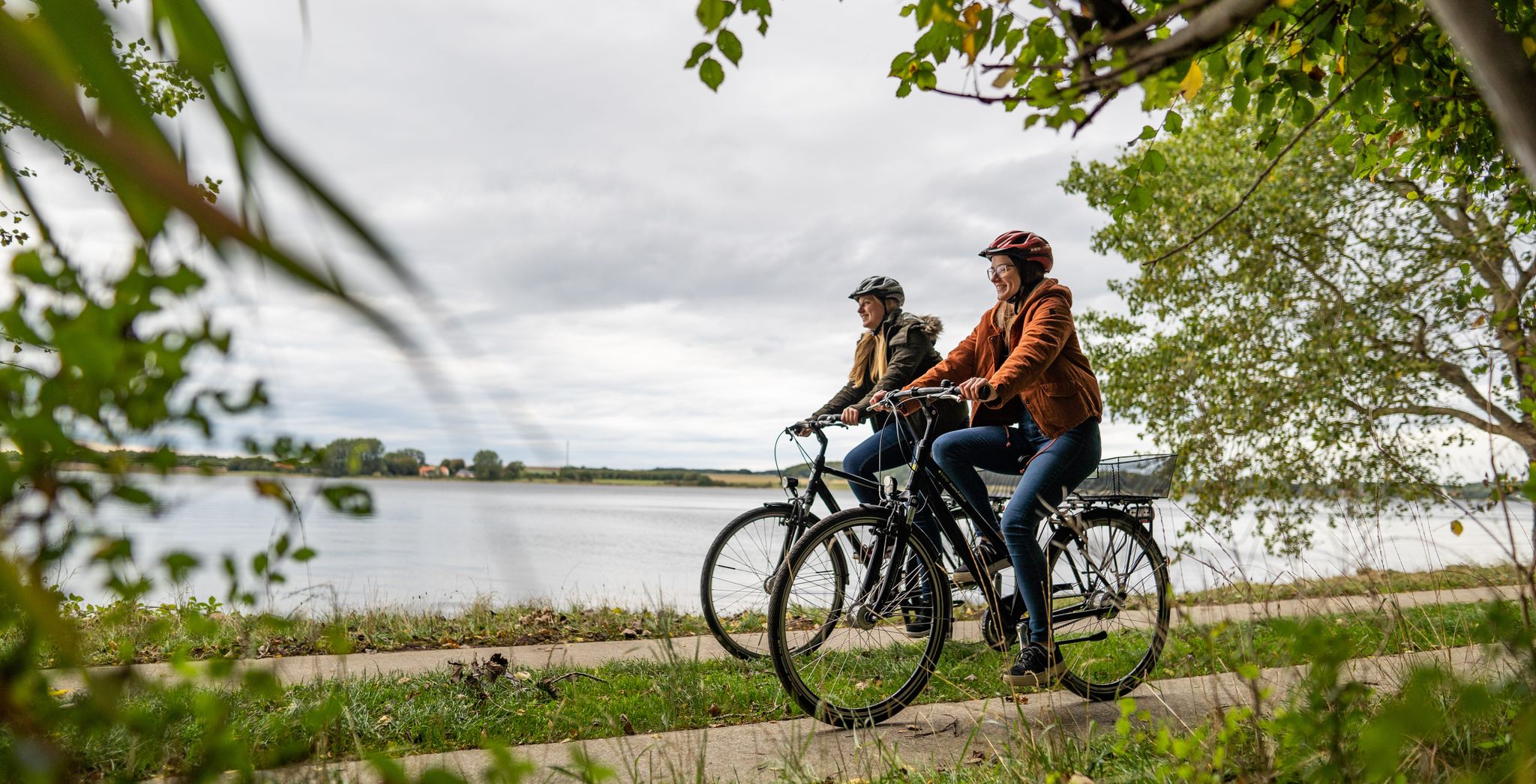
Cycling in Germany’s northern Binnenland – cycle paths through flat landscapes
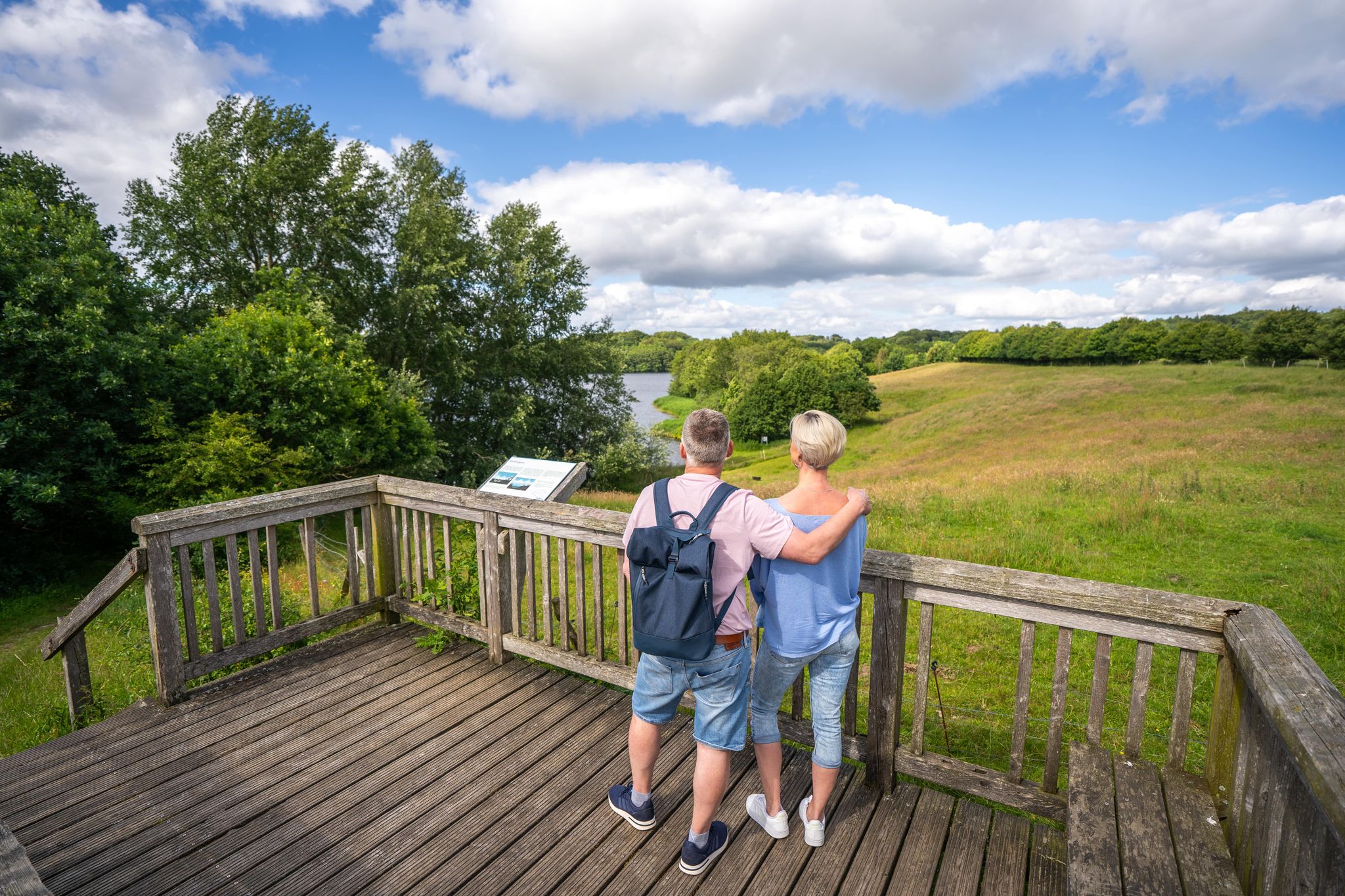
Wandern in Oeversee - Tarp - Sieverstedt im Norden von Schleswig-Holstein
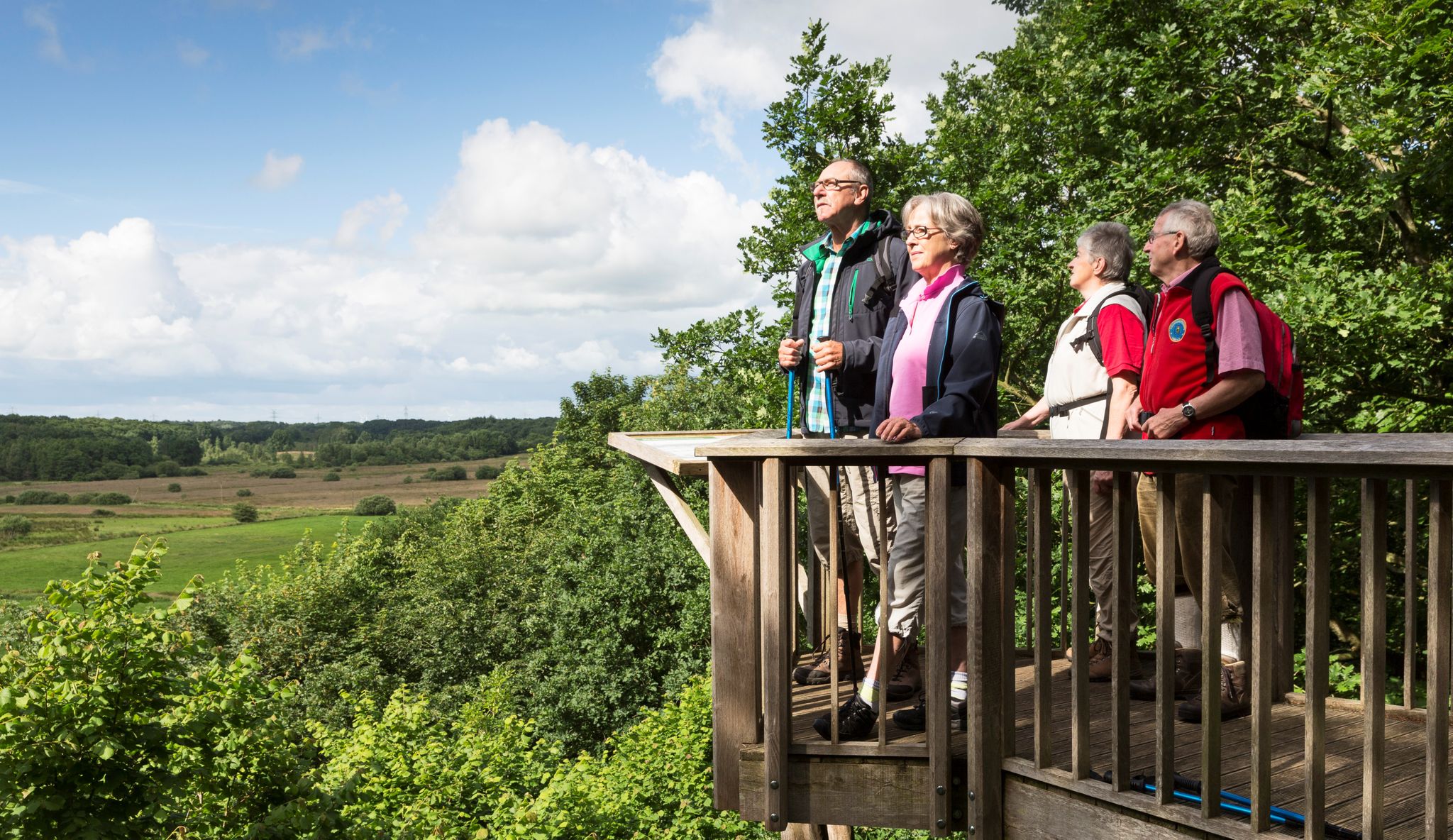
Wandern im Grünen Binnenland
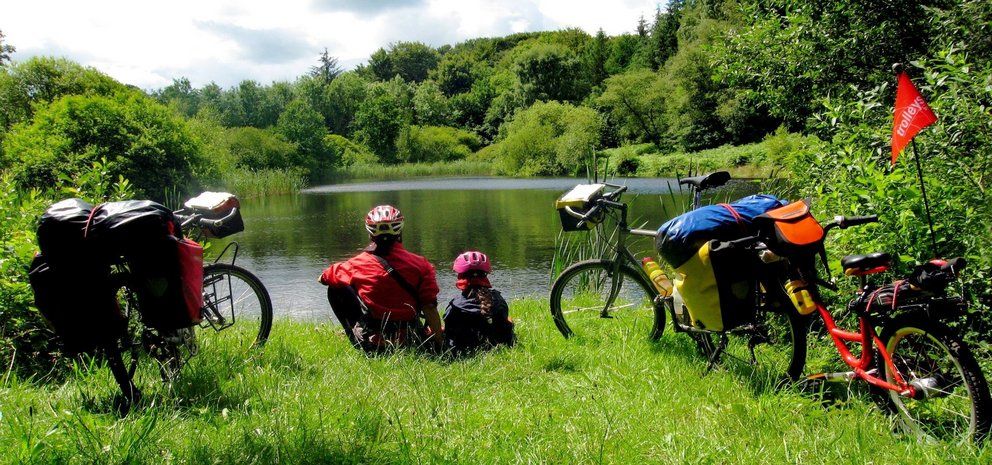
Mini-Radreiseregion Treenelandschaft
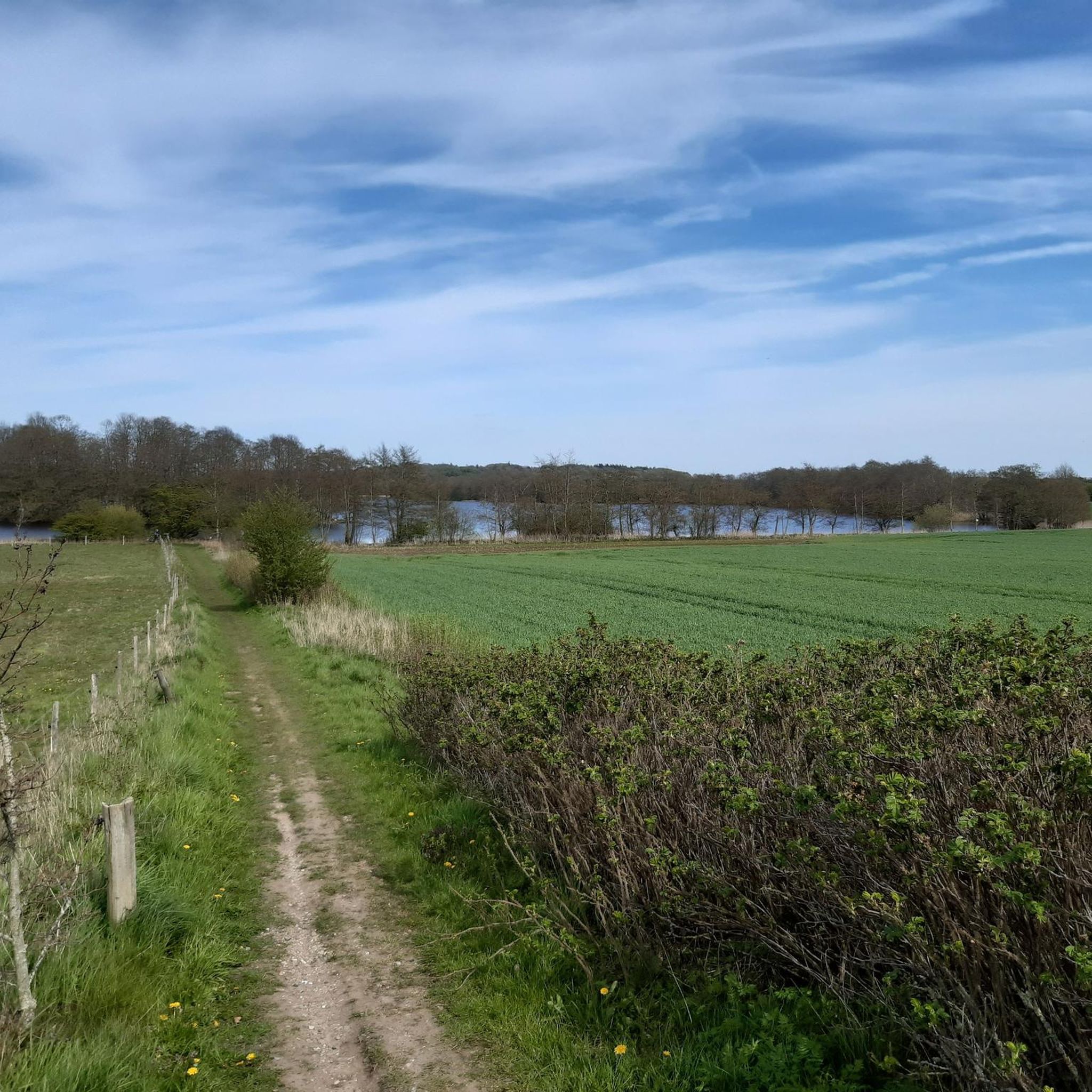
Hiking around Oeversee

Cycling around Oeversee
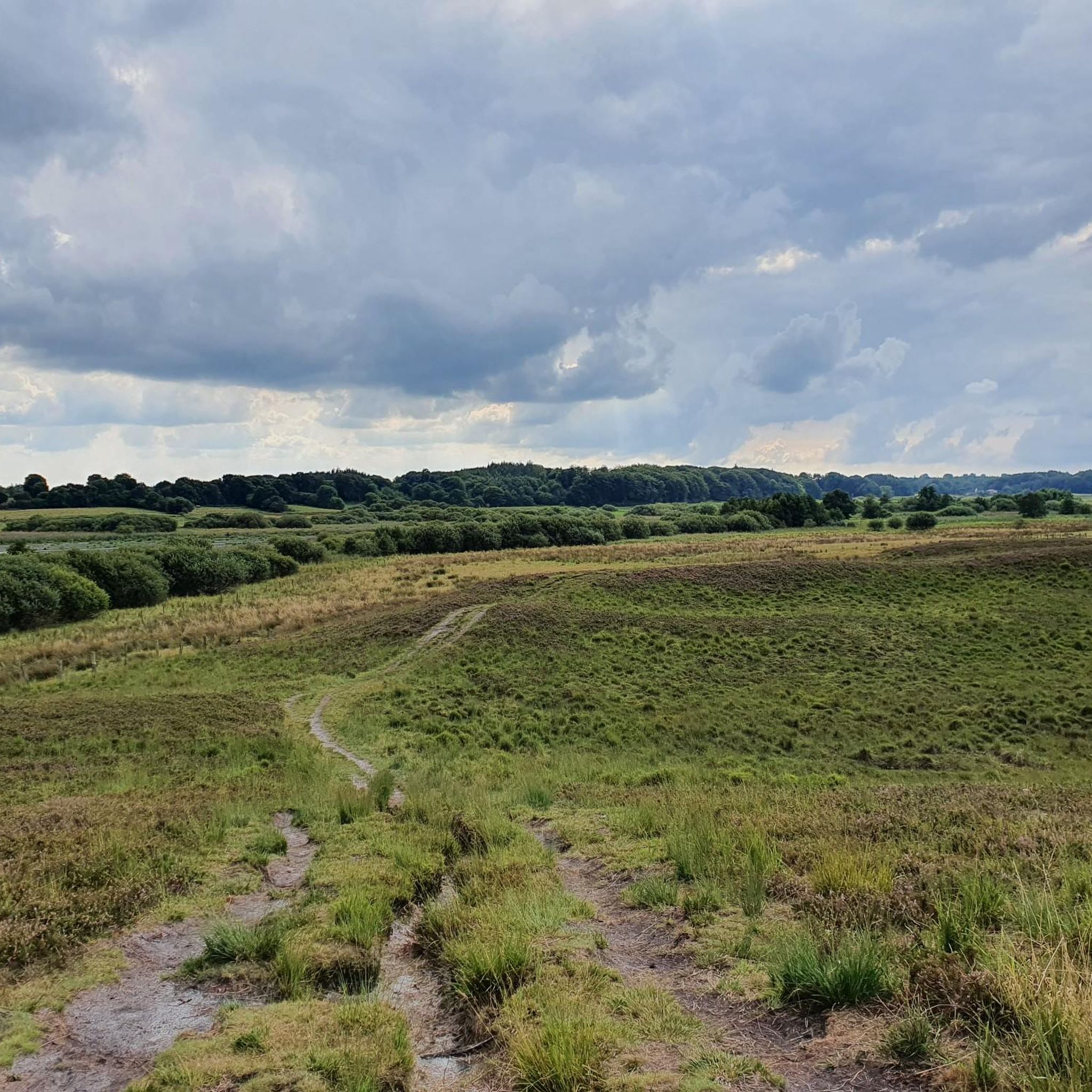
Running Trails around Oeversee
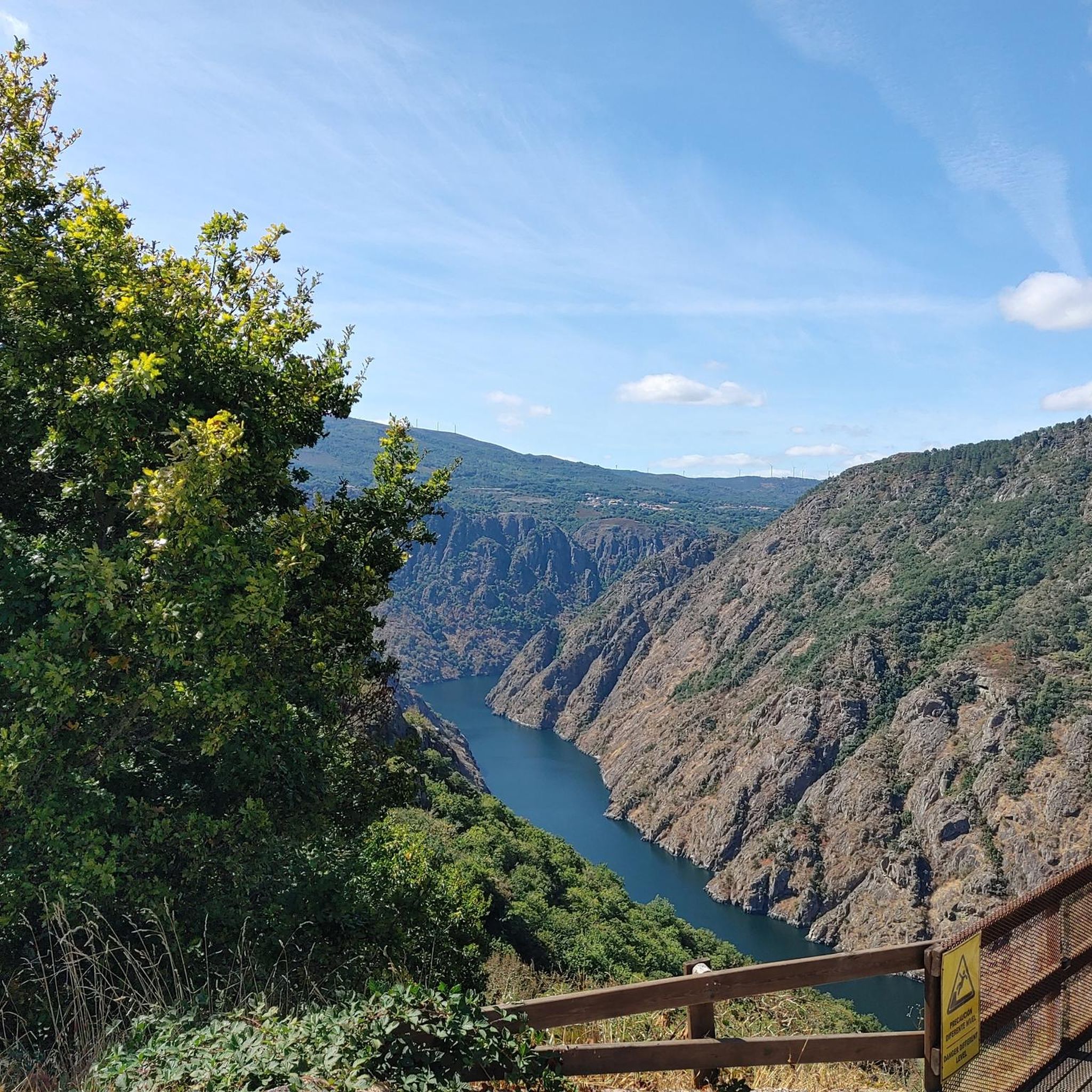
Gravel biking around Oeversee
MTB Trails around Oeversee
Road Cycling Routes around Oeversee
Other adventures around Oeversee


Tips from the Community

1. Stage of the Baltic Sea Coast Cycle Route
0
0

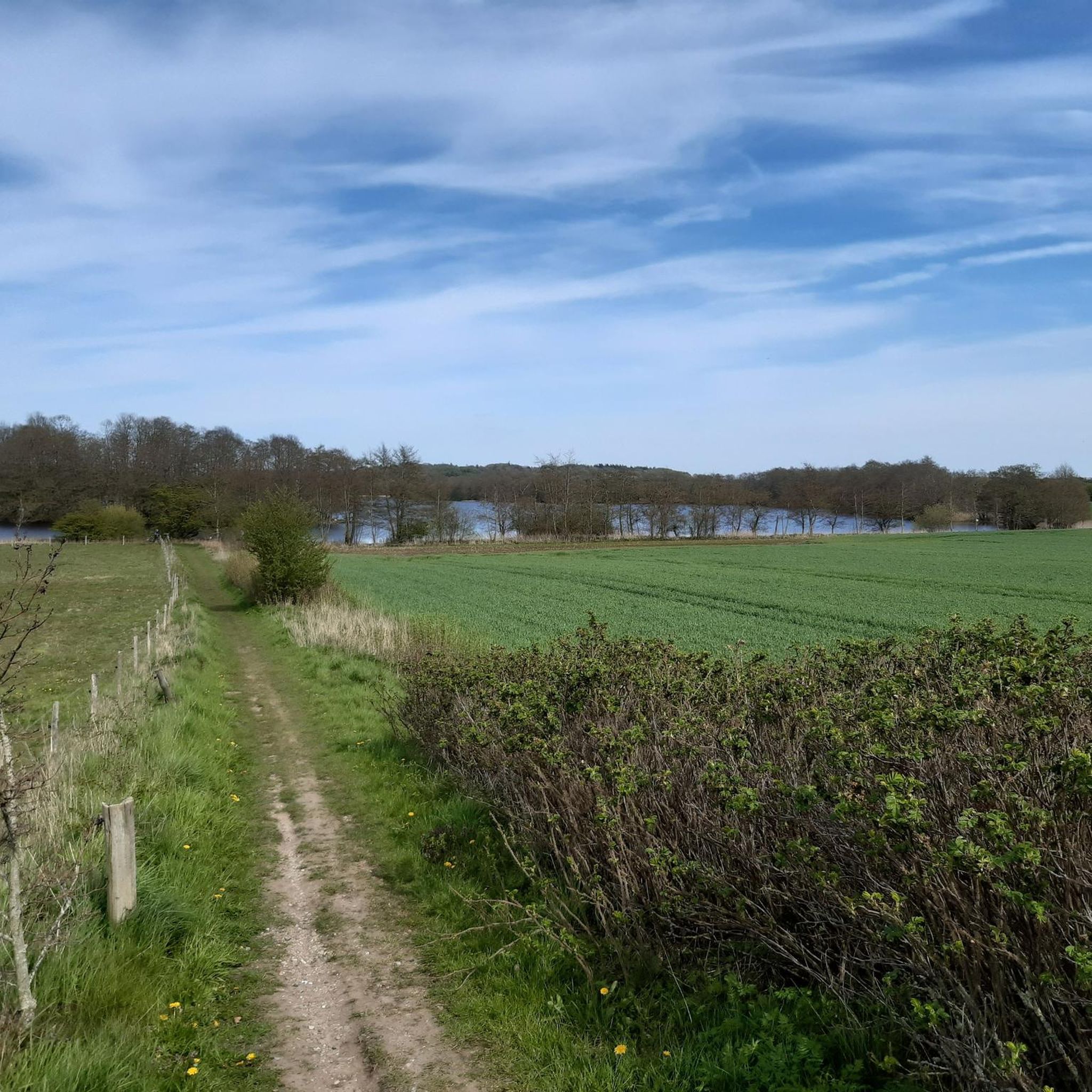
Unpaved cycle path with beautiful views.
0
0

Why is a detour worthwhile? Because the ride here is definitely more pleasant than the alternative route along the main road. You can really enjoy the ride, and despite the good weather, it wasn't too busy today.
1
0

Cycle path with great views
1
0

The Flensburg Fjord (Danish: Flensborg Fjord) is an approximately 40 to 50-kilometer-long inlet of the western Baltic Sea and forms the border between Germany (Schleswig-Holstein) and Denmark along its northern and southern sides. Geologically, it was formed by the indentation of a glacial tongue in the inland ice during the Weichselian glaciation. It is classified as a fjord rather than a fjord because its flanks are relatively low. The fjord is divided into two sections: the inner fjord toward Flensburg and the outer fjord, separated by the Holnis peninsula. At its western end, in Flensburg, it flows inland—the westernmost point of the Baltic Sea also lies along this line. Today, the region is an important sporting area, especially for sailors, and hosts major regattas such as the Flensburg Fjord Regatta and the Rum Regatta. Fjord Week, with events for classic yachts, is also part of the regular schedule. The Flensburg Fjord is also attractive for its landscape and tourism. It offers charming shorelines with beaches, steep coastlines, and moraine cliffs, nestled among gentle sandy areas. Nature and culture lovers will find a wealth of destinations along both shores: Flensburg with its historic old town and museum harbor, Glücksburg Castle, the Holnis peninsula with its protected salt marshes and lighthouses, as well as the Geltinger Birk nature reserve and the towns along the northern shore with the Gendarmenpfad (Gendarmen Trail) – a former border path along the Danish border. For centuries, the fjord has been shaped by passenger and freight traffic – historic steamers connected Flensburg with towns on both sides. Today, leisure boating, excursion boats, traditional yachts and marine activities dominate in Mürwik.
3
0

Beautiful cycle path, with many swimming opportunities.
1
0

After the damage from the storm surge of Oct. 23 has been repaired, the path is now better than before the storm surge. And it's not far to the border with Denmark!
1
0

Well restored after the storm
3
1
Frequently Asked Questions
What natural features can I explore around Oeversee?
Oeversee is surrounded by natural beauty. You can visit the Treßsee, a five-hectare lake within the "Obere Treenelandschaft" nature reserve. Additionally, the nearby Flensburg Fjord offers stunning coastal views and features like the Wassersleben Beach and the Holnis peninsula, known for its salt marshes.
Are there any historical sites or cultural landmarks in Oeversee?
Yes, Oeversee has a rich history. You can find archaeological sites like the Großsteingrab Munkwolstrup 1. The village of Sankelmark, part of Oeversee, is also significant as the site of a battle during the Second Schleswig War, commemorated by various memorials. The Flensburg Museum Harbor, though nearby, offers a deep dive into maritime heritage.
What cycling opportunities are available near Oeversee?
The region around Oeversee is excellent for cycling. A popular choice is the Bike path along the Flensburg Fjord, a firm gravel path offering scenic views between Flensburg and Wassersleben. You can also explore various routes for gravel biking, MTB, and road cycling, with options like the "Schusterkate Border Crossing (Germany–Denmark) – View of Flensburg loop" or the "Glücksburg Castle – Glücksburg Beach loop from Oeversee." Find more routes in the Gravel biking around Oeversee guide.
Are there family-friendly attractions around Oeversee?
Many attractions near Oeversee are suitable for families. The Wassersleben Beach is a great spot for families to enjoy the sand and swim. The Bike path along the Flensburg Fjord is also family-friendly and easy to navigate. For an interactive experience, the Phaenomenta museum in Flensburg (a short drive away) offers engaging exhibits for all ages.
Where can I go for a swim near Oeversee?
For swimming, the Wassersleben Beach is a popular choice. It's a sandy beach along the Flensburg Fjord where you can enjoy the water during warmer months.
What are some popular hiking trails around Oeversee?
Oeversee and the surrounding "Grünes Binnenland" offer various hiking paths. The Baltic Sea Coastal Trail — Flensburg Fjord provides a varied route with fantastic views. For more challenging options, you can find moderate MTB trails like the "Forest lake in the Fröruper Hills – Wooden Bridge Over the Treene loop from Tarp." Explore more in the MTB Trails around Oeversee guide.
Can I find easy walking routes around Oeversee?
Yes, there are easy walking routes available. Many sections of the Bike path along the Flensburg Fjord are suitable for easy walks, offering pleasant views. Additionally, the region's general network of hiking paths includes less strenuous options, perfect for a leisurely stroll.
What makes the Flensburg Fjord area special for visitors?
The Flensburg Fjord is a significant natural feature offering diverse experiences. It's known for its scenic bike and coastal trails, including the Baltic Sea Coastal Trail. Attractions like Wassersleben Beach, the Holnis peninsula, and the Geltinger Birk nature reserve are located along its shores, providing opportunities for relaxation, nature observation, and active exploration.
Are there any unique or lesser-known spots to discover near Oeversee?
Beyond the main attractions, the Schusterkate Border Crossing (Germany–Denmark) is a unique spot. Known as the smallest border crossing in Europe, it's a pleasant place to take a break along the Baltic Sea coast, with a charming wooden bridge connecting the two countries.
What is the best time to visit Oeversee for outdoor activities?
The best time to visit Oeversee for outdoor activities is generally during the warmer months, from spring to early autumn. This period offers ideal conditions for cycling along the fjord, swimming at Wassersleben Beach, and exploring the various hiking and biking trails.
What types of monuments can be found in Oeversee?
Oeversee features various monuments reflecting its history. These include memorials related to the Battle of Sankelmark from the Second Schleswig War, as well as historic buildings and architectural variety throughout the municipality. The Schusterkate Border Crossing also serves as a notable man-made monument.
What kind of views can I expect around Oeversee?
The region offers diverse viewpoints. Along the Bike path along the Flensburg Fjord and the Baltic Sea Coastal Trail, you'll enjoy picturesque views of the fjord and the surrounding landscape. The Schusterkate Border Crossing also provides a scenic spot with views of the Kruså river and the border area.
Most popular routes around Oeversee
Most popular attractions around Oeversee

Get inspired with the komoot mobile app


Explore more
Still not found the Highlight you’re looking for? See guides of the top attractions in other regions:
