Top 20 Caves around Brotterode-Trusetal
Best caves around Brotterode-Trusetal offer diverse underground experiences within the Thuringian Forest. The region features unique show caves, visitor mines, and natural grottoes, blending geological formations with historical significance. These sites provide insights into both natural cave development and the area's mining heritage. Visitors can explore crystal-lined chambers, historical mining tunnels, and natural rock shelters.
Best caves around Brotterode-Trusetal
- The most popular caves is Marienglashöhle Friedrichroda, a show cave that originated as a mine, known for its impressive crystal…
Last updated: October 31, 2026
Lauchagrund near the Kaminwand
Highlight • Gorge
Translated by Google •
Tip by

Backofenloch Cave
Highlight • Cave
Translated by Google •
Tip by

Sign up now to discover places like this
Get recommendations on the best single tracks, peaks, & plenty of other exciting outdoor places.
Spitterfall
Highlight • Waterfall
Translated by Google •
Tip by

Torstein Rock Arch
Highlight • Natural Monument
Translated by Google •
Tip by

Beerberg Grotto (Beerberg Cave)
Highlight • Cave
Translated by Google •
Tip by

Sign up for free to discover even more caves around Brotterode-Trusetal.
Already have an account?
Start today with a free account
Your next adventure awaits.
Popular around Brotterode-Trusetal
Spend time outdoors – active hikes in Germany’s Thuringia
Germany's roaring waterfalls
Die Nationalen Naturlandschaften in Thüringen
Hiking around Brotterode-Trusetal
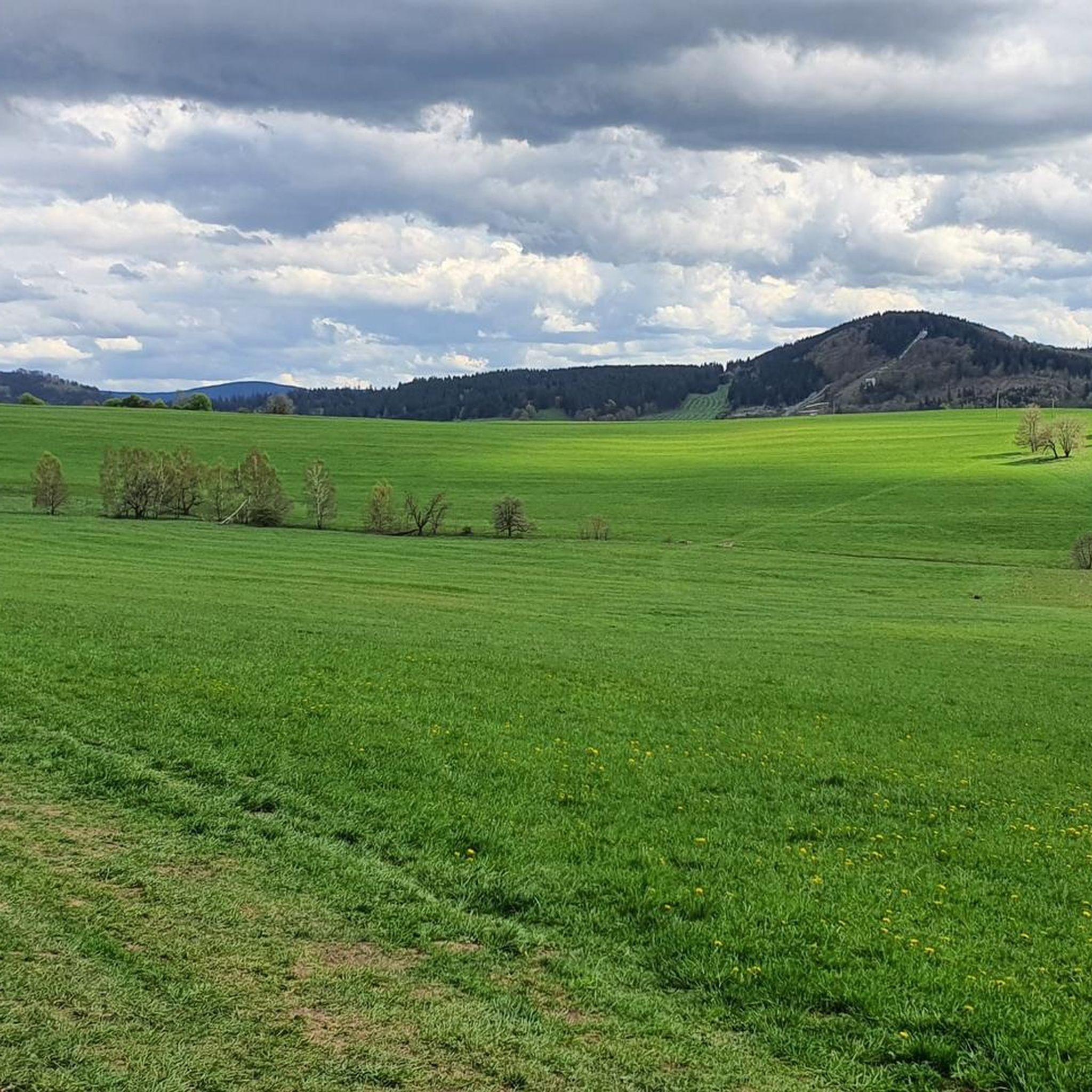
Cycling around Brotterode-Trusetal
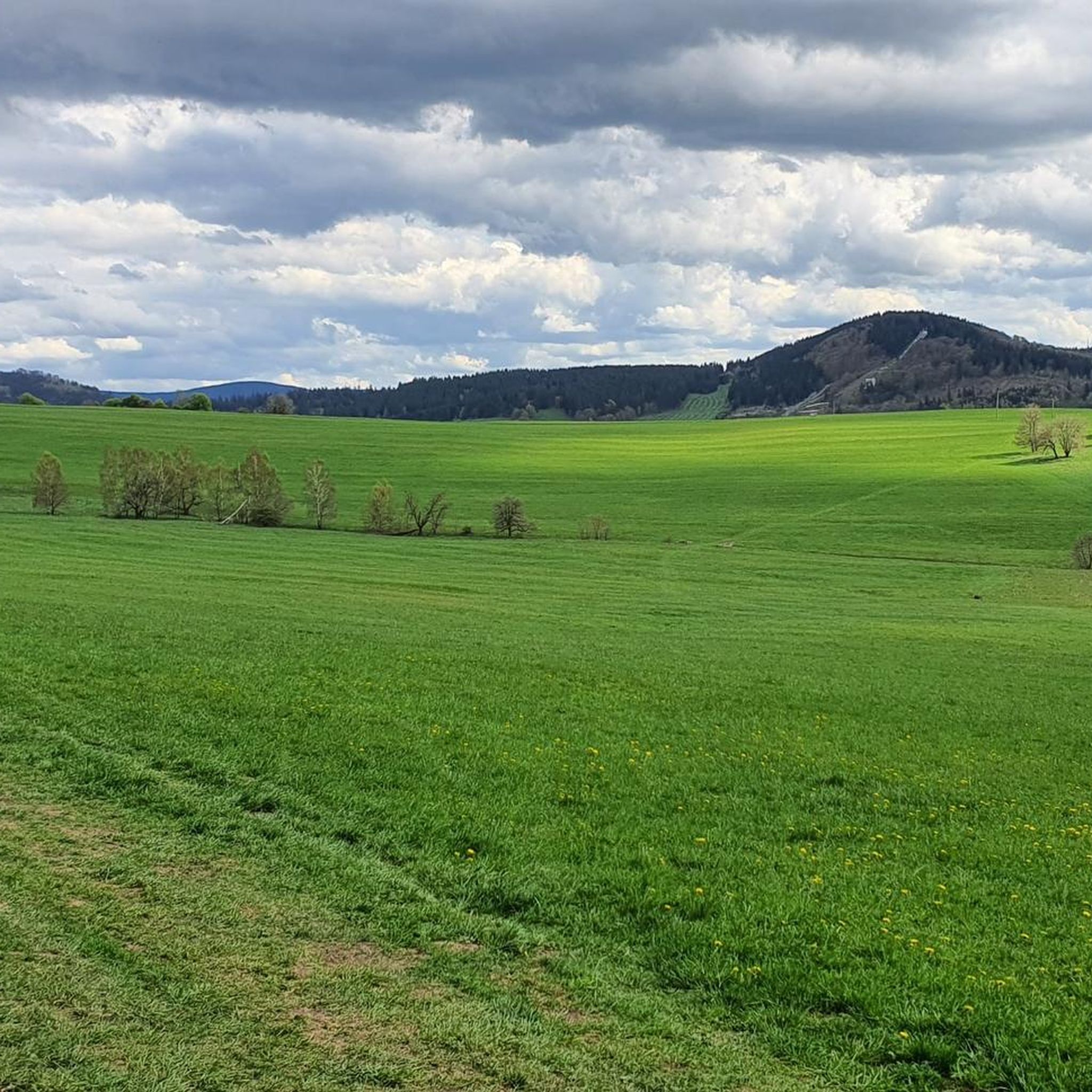
MTB Trails around Brotterode-Trusetal
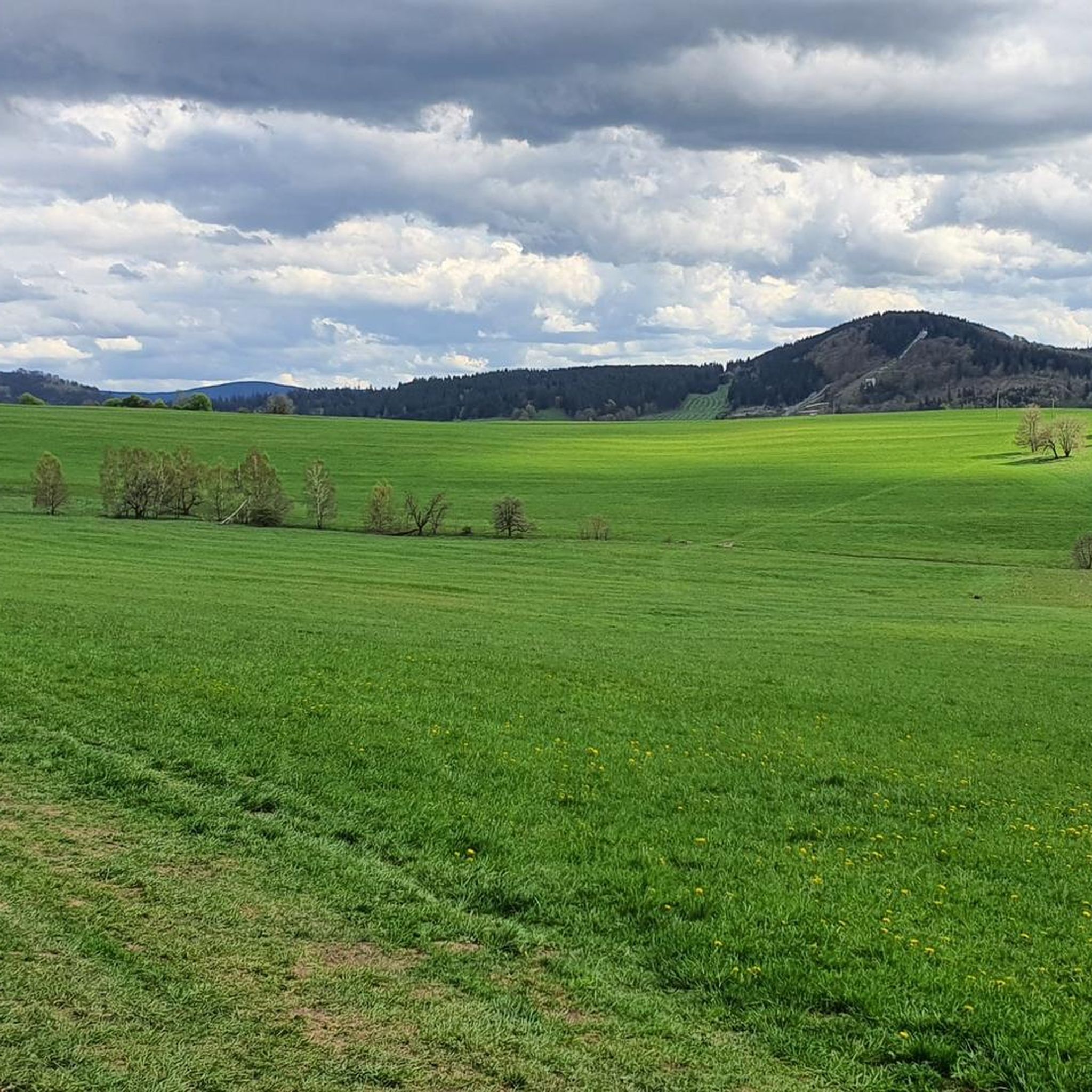
Road Cycling Routes around Brotterode-Trusetal
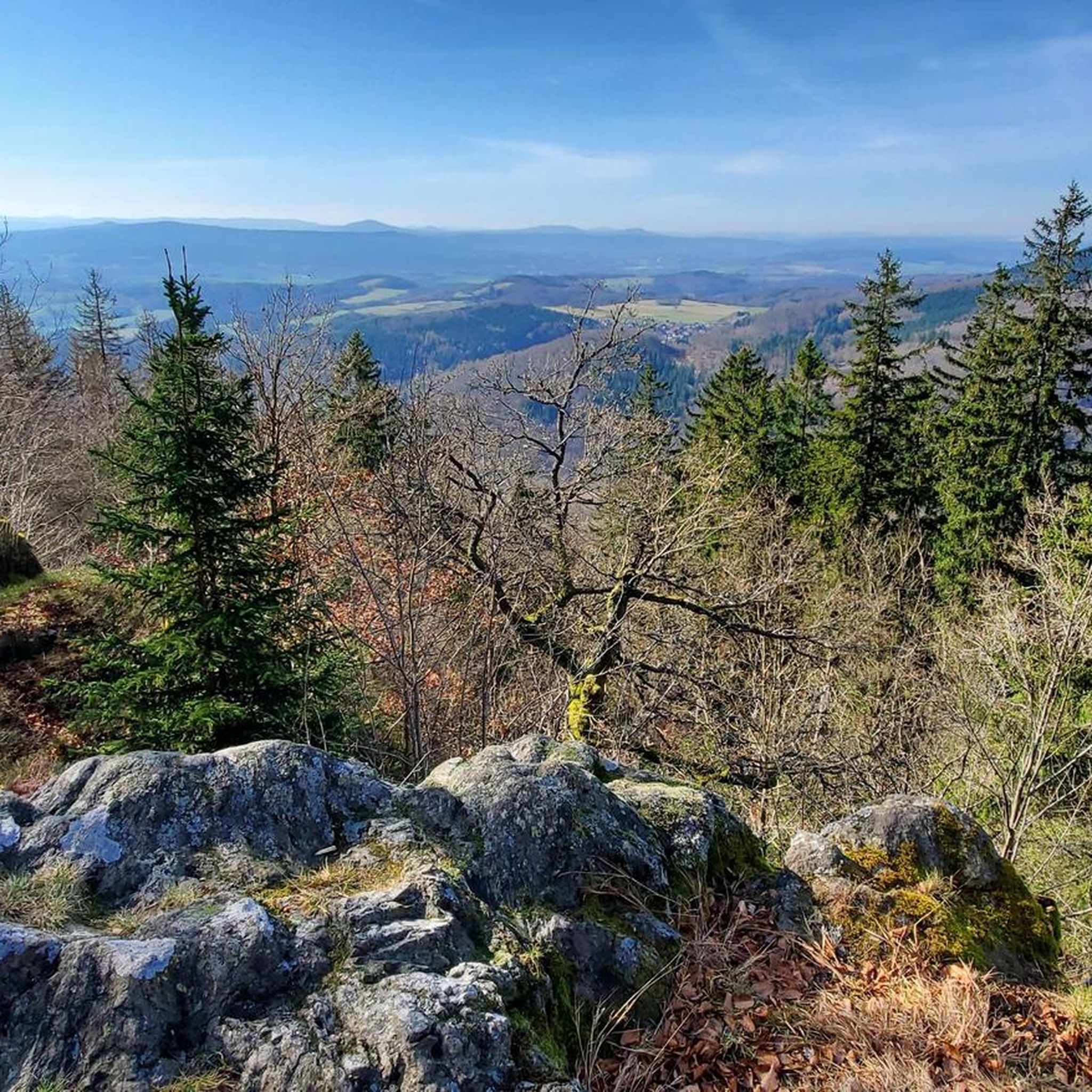
Running Trails around Brotterode-Trusetal

Gravel biking around Brotterode-Trusetal

Mountain Hikes around Brotterode-Trusetal


Tips from the Community

The Beerberggrotte is located on the west slope of the Oberer Beerberg in the rock of the Beerbergstein, just under 50 meters from the Rennsteig and about 1.5 kilometers west of the well-known Großer Inselsberg. An official signpost directly on the Rennsteig marks the short detour to the cave.
4
0
The geological natural monument Beerbergstein is a striking rock formation made of Rotliegend rock in the Thuringian Forest, located about 50 meters off the Rennsteig trail. The rocks are located about three kilometers north of Brotterode and not far from the well-known Großer Inselsberg.
5
0

A short detour to the grotto is not necessary if your feet are already aching...for everyone else the extra few meters are worth it
2
1

Geological Natural Monument - Beerbergstein: During the Rotliegendes period, about 280 million years ago, molten magma rose to the Earth's surface and poured out like a blanket over the existing rocks. Most of the rock cover has already been eroded. The dike-like ascent channel has been preserved at the Beerbergstein. It consists of pale red porphyry. In the fine-grained groundmass, small reddish feldspars are sometimes enclosed, and less frequently, small grains of quartz. The porphyry is very hard and resists weathering better than the surrounding rock, which is mostly granite. For this reason, the Beerbergstein has been preserved to this day as a massive rock block. It is not known whether the small cave found in the Beerbergstein is the result of mining activities. (… from info board)
1
0

very small grotto, but it is almost on the way
0
0


The Beerberggrotte is a cave with fissures and crevices. It is located in the geological natural monument Beerbergstein, a huge boulder.
1
0

The Beerberggrotte is a so-called fissure and crevice cave. About three kilometers from Brotterode and just under 50 meters from the Rennsteig, it is located in the middle of the Thuringian Forest. The cave extends nine meters into the Beerbergstein and has a wide opening of six meters in the entrance area. Geologically, the cave is a real highlight. Because it is sometimes damp, the cave is also called a grotto. It once served as a shelter for smugglers and hikers who wandered around in the dense forests. A visit to the Beerberggrotte is possible without special equipment and offers exciting insights into the nature and history of the region.
1
0
Frequently Asked Questions
What types of caves can I explore around Brotterode-Trusetal?
The region offers a diverse range of underground experiences, including unique show caves, historical visitor mines, and natural grottoes. You can explore sites like the Marienglashöhle Friedrichroda, known for its crystal grotto, and the Besucherbergwerk "Hühn" in Trusetal, which showcases mining technology.
Which caves are most popular with visitors?
The Marienglashöhle Friedrichroda is highly popular, especially for its impressive crystal grotto. Other appreciated spots include the Beerberg Grotto (Beerberg Cave), a natural fissure cave, and the Backofenloch in the Lauchagrund, which features cave-like formations within a gorge.
Are there family-friendly cave experiences in the area?
Yes, both the Marienglashöhle Friedrichroda and the Besucherbergwerk "Hühn" are suitable for families. The Marienglashöhle offers guided tours through its crystal grotto and mining history, while the "Hühn" visitor mine provides an immersive experience into mining technology and often hosts special family events.
What unique geological features can I see in these caves?
The Marienglashöhle Friedrichroda is famous for its large, colorless, and transparent gypsum crystals, some up to 90 cm long, forming an impressive crystal grotto. You can also observe recent stalactites and an underground cave lake. The Beerberg Grotto is a natural fissure and crevice cave, showcasing natural rock formations.
Can I learn about the region's mining history through these caves?
Absolutely. The Besucherbergwerk "Hühn" in Trusetal is a dedicated visitor mine showcasing fully operational mining facilities from 1990 and guiding visitors through mineral passages where fluorspar and baryte were once mined. The Marienglashöhle Friedrichroda also originated from gypsum and copper mining activities, with displays of old mining tools and pit cages.
What is the best time to visit the caves around Brotterode-Trusetal?
The caves maintain a constant cool temperature of 8-10°C year-round, making them a pleasant escape during warmer months. They are generally open from April to October (10-17 o'clock) and November to March (10-16 o'clock), though specific hours may vary. It's advisable to check the opening hours for individual sites.
Are there any caves with unusual or artistic features?
Yes, the Aeolian Harp Grotto (Höhler Stein) is known for its unique feature: an aeolian or wind harp installed in a crevice. This instrument produces tones when the wind blows, creating a distinctive auditory experience.
What should I wear when visiting the caves?
Given the constant cool temperatures of 8-10°C inside the caves, even during summer, it's recommended to wear warm clothing and sturdy, comfortable shoes. Some areas might be damp.
Are there hiking trails near the caves?
Yes, the region around Brotterode-Trusetal offers numerous hiking opportunities. You can find various routes, from easy to moderate, near many of the cave sites. For example, the Beerberg Grotto is located near the Rennsteig trail. You can explore more options on the Hiking around Brotterode-Trusetal guide.
Are there any natural shelters or viewpoints among the caves?
The Rennsteig Grotto serves as a natural shelter and offers a good resting spot with views, even in inclement weather. The Backofenloch in the Lauchagrund also provides scenic views from its gorge formations.
What do visitors appreciate most about the caves in this region?
Visitors frequently highlight the fascinating blend of natural beauty and rich mining history. They enjoy the impressive geological formations, such as the crystal grottoes, and the insights into the arduous work of past miners. The cool temperatures inside are also appreciated, especially during summer.
Most popular routes around Brotterode-Trusetal
Most popular attractions around Brotterode-Trusetal

Get inspired with the komoot mobile app


Explore more
Extend your search for the best caves by checking out these guides of the top ones around Brotterode-Trusetal:
