The best cycling routes around Hausen am Tann
4.6
(2670)
14,333
riders
541
rides
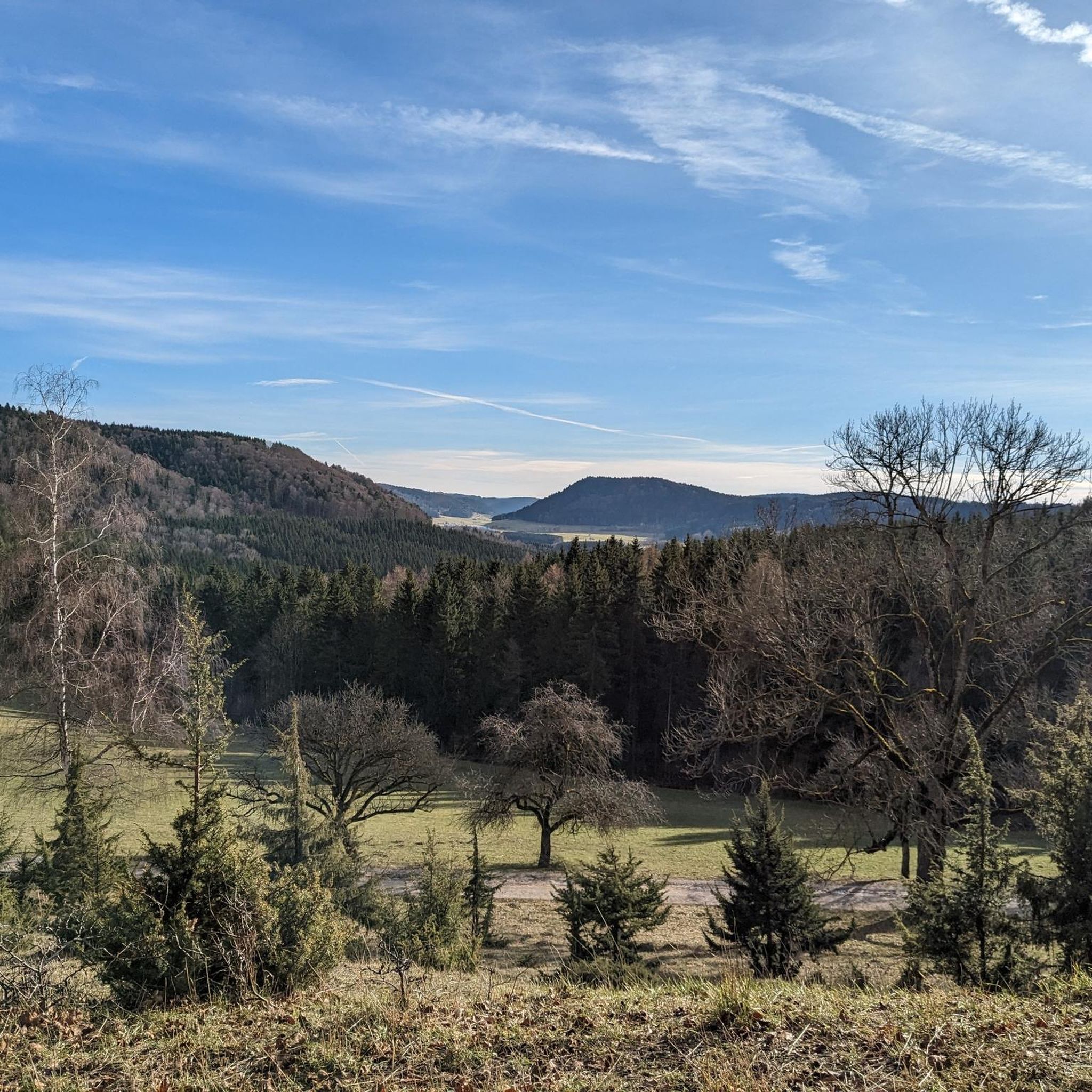
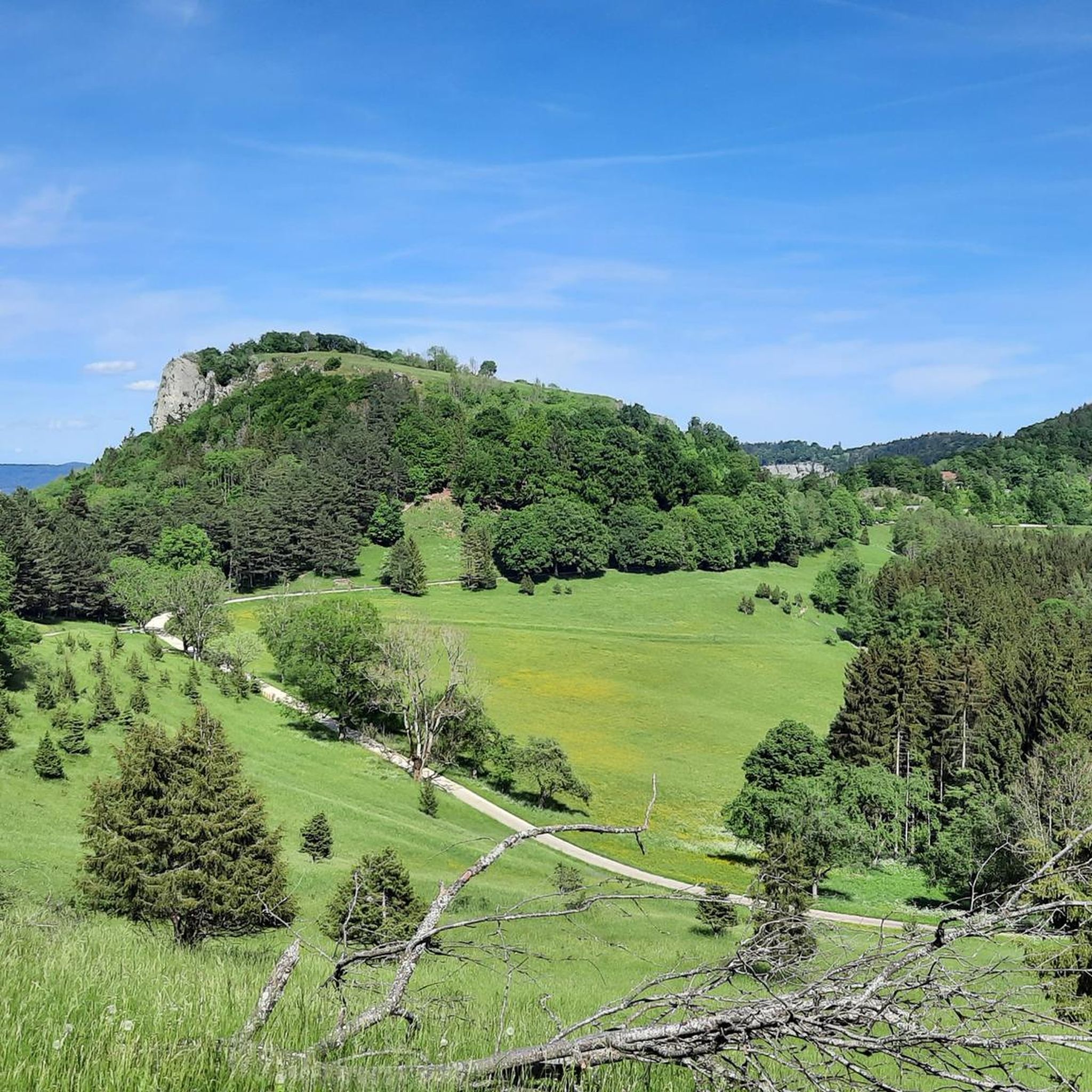
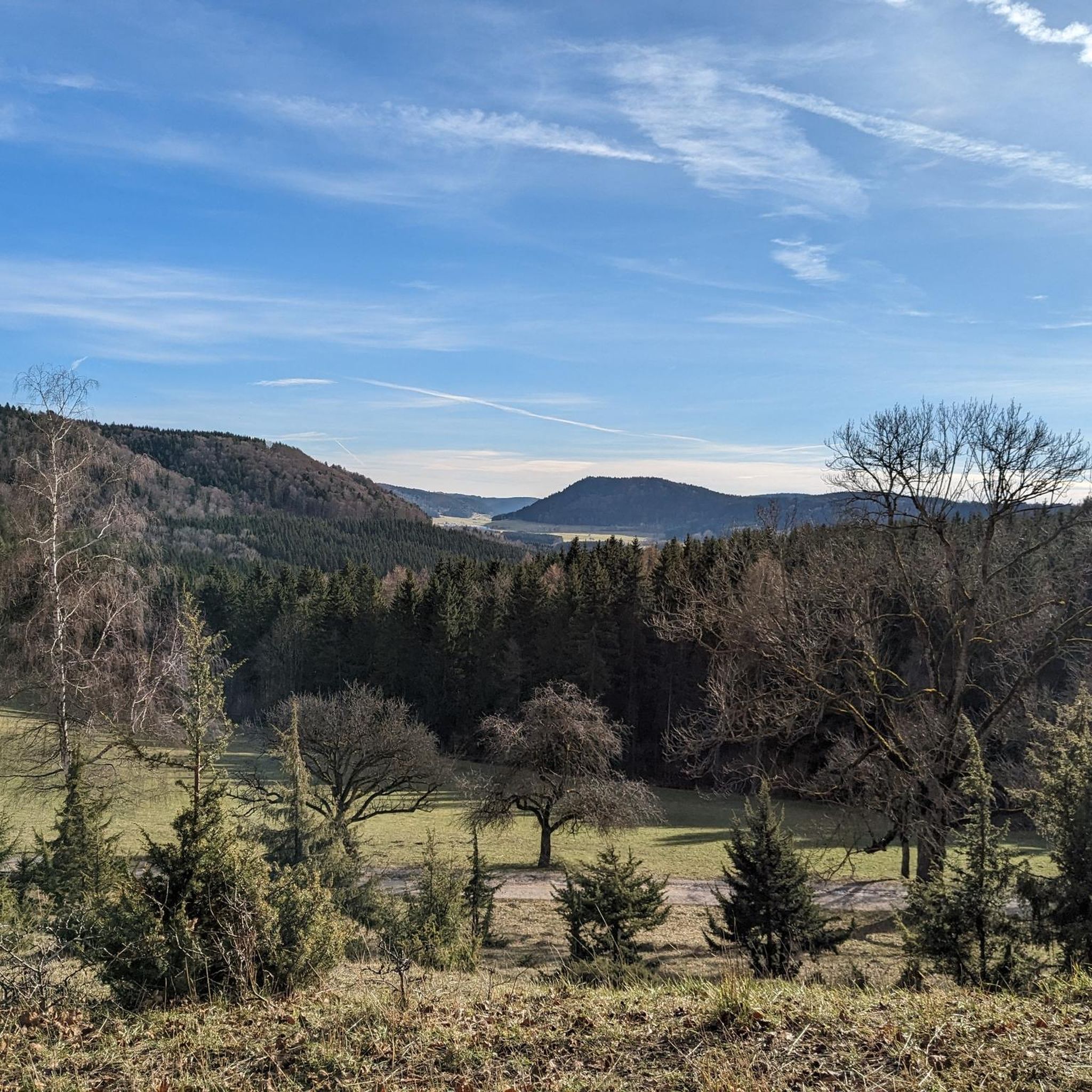
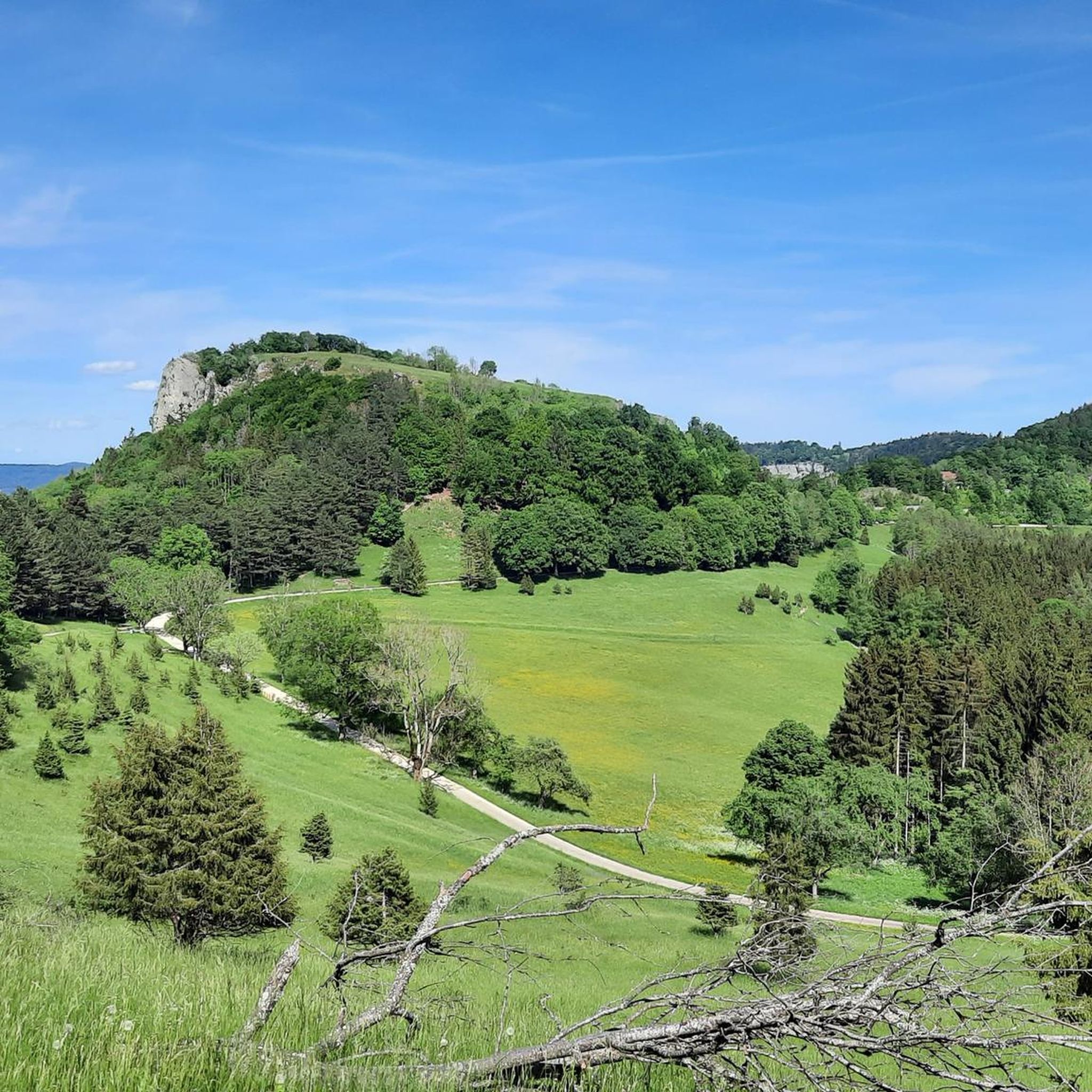
Touring cycling routes around Hausen am Tann are set within the diverse landscapes of the Swabian Jura and the picturesque Schlichem valley. The region features a mix of forests, rolling hills, and distinctive juniper heaths. Prominent mountains like Lochen, Rappenstein, and Schafberg offer elevated terrain, while the Schlichem river adds natural beauty with its meandering paths and unique rock formations. This area provides varied geological insights from the Jurassic to the Muschelkalk periods.
Best touring cycling routes around Hausen am…
Last updated: May 23, 2026
4.5
(13)
50
riders
17.5km
01:11
290m
290m
Moderate bike ride. Good fitness required. Mostly paved surfaces. Suitable for all skill levels.
5.0
(2)
35
riders
16.4km
01:04
180m
180m
Moderate bike ride. Good fitness required. Mostly paved surfaces. Suitable for all skill levels.

Sign up for free
4.5
(4)
26
riders
49.7km
03:18
670m
670m
Hard bike ride. Very good fitness required. Mostly paved surfaces. Suitable for all skill levels.
4.6
(9)
25
riders
10.4km
00:38
100m
100m
Easy bike ride. Great for any fitness level. Mostly paved surfaces. Suitable for all skill levels.
5.0
(1)
23
riders
Moderate bike ride. Good fitness required. Mostly paved surfaces. Suitable for all skill levels.
Get access to more routes and recommendations from other explorers.
Sign up for free
Already have an account?
Our route recommendations are based on thousands of hikes, rides, and runs completed by other people on komoot.
Start today with a free account
Your next adventure awaits.
Login or Signup


Tips from the Community

Waldschenke - Good refreshment stop at the reservoir 🌊 - Schömberg - Zollernalbkreis
1
0
The Schlichemtalsperre (also known as Schömberger Stausee, mostly just called Stausee locally) east of Schömberg in Baden-Württemberg dams the Schlichem, a tributary of the Neckar coming from the Swabian Jura. The 90.6 ha Schömberger Stausee mit Palmbühl landscape protection area surrounds the Schlichemtalsperre. The approximately 1.35 km long and initially narrow reservoir, widening to about 175 m towards the end, with an area of 10.4 ha at 643.8 m above sea level (NHN), begins at the hamlet of Untere Säge and extends to the old town center of Schömberg. It has a catchment area of about 33.5 km², to which the Schlichem, over 11 km long at its inflow, contributes almost 90%. The watercourses Hölzlegraben from the forest to the right of the lake and Scheubühlgraben and Räßentälebach from the left, up to 1.2 km long, flow into it from the sides. A fish ladder leads from the Vorsee pre-reservoir near Untere Säge to the reservoir. There is also the only bridge over the lake that can be walked and driven on. The Schlichem Viaduct can only be used by the railway. The Schlichemtalsperre was built between 1940 and 1944. The Portlandzementwerk Rudolf Rohrbach KG (today Holcim (Süddeutschland) GmbH), based in neighboring Dotternhausen, which was the client for the dam, initially used it for cooling water supply and power generation. An outdoor swimming pool built in 1935 was flooded. After World War II, the facility was taken over by the state of Württemberg-Hohenzollern in 1948. The reservoir was renovated from 1975 to 1983. The barrier structure is an earth dam, and the hydropower plant within it has an output of 60 kW. There is a pre-reservoir, the Vorsee, which was built from 1975 to 1977. Source: https://de.wikipedia.org/wiki/Schlichemtalsperre
1
0
The Schlichemtalsperre (also known as Schömberger Stausee, mostly just called Stausee locally) east of Schömberg in Baden-Württemberg dams the Schlichem, a tributary of the Neckar coming from the Swabian Jura. The 90.6 ha Schömberger Stausee mit Palmbühl nature reserve surrounds the Schlichemtalsperre. The approximately 1.35 km long and initially narrow reservoir, which widens to about 175 m towards the end and has an area of 10.4 ha at 643.8 m above sea level (NHN), begins at the hamlet of Untere Säge and extends to the old town center of Schömberg. It has a catchment area of about 33.5 km², to which the Schlichem, already over 11 km long at its mouth, contributes almost 90%. The watercourses Hölzlegraben from the forest to the right of the lake and Scheubühlgraben and Räßentälebach from the left, which are up to 1.2 km long, flow into it from the sides. From the Vorsee forebay near the Untere Säge, a fish ladder leads to the reservoir. There is also the only bridge over the lake that can be walked and driven on. The Schlichem Viaduct can only be used by the railway. The Schlichemtalsperre was built between 1940 and 1944. The Portlandzementwerk Rudolf Rohrbach KG (today Holcim (Süddeutschland) GmbH) in neighboring Dotternhausen, which was the builder of the dam, initially used it for cooling water and electricity generation. An outdoor swimming pool built in 1935 was flooded. After the Second World War, the facility was taken over by the state of Württemberg-Hohenzollern in 1948. The reservoir was renovated from 1975 to 1983. The dam structure is an earth dam, and the hydropower plant within it has a capacity of 60 kW. There is a forebay called Vorsee, which was built from 1975 to 1977. Source: https://de.wikipedia.org/wiki/Schlichemtalsperre
1
0
The Schlichemtalsperre (also Schömberger Stausee, usually just called Stausee locally) east of Schömberg in Baden-Württemberg dams the Schlichem, a tributary of the Neckar coming from the Swabian Jura. The 90.6-hectare Schömberger Stausee mit Palmbühl landscape protection area surrounds the Schlichemtalsperre. The approximately 1.35 km long and initially narrow reservoir, which widens to about 175 m towards the end, with an area of 10.4 hectares at 643.8 m above sea level, begins at the hamlet of Untere Säge and extends to the old town center of Schömberg. It has a catchment area of approximately 33.5 km², to which the Schlichem, which is already over 11 km long at the inflow, contributes almost 90%. The Hölzlegraben from the forest to the right of the lake and the Scheubühlgraben and Räßentälebach from the left flow into it. From the Vorsee forebay near the Untere Säge, a fish ladder leads to the reservoir. There is also the only bridge over the lake that can be walked and driven on. The Schlichem Viaduct can only be used by the railway. The Schlichemtalsperre was built between 1940 and 1944. The Portlandzementwerk Rudolf Rohrbach KG (today Holcim (Süddeutschland) GmbH) based in neighboring Dotternhausen, which was the client for the dam, initially used it for cooling water and electricity generation. An outdoor swimming pool built in 1935 was flooded. After the Second World War, the facility was taken over by the state of Württemberg-Hohenzollern in 1948. The reservoir was renovated from 1975 to 1983. The dam is an earth dam, and the hydropower plant within it has a capacity of 60 kW. There is a forebay, the Vorsee, which was built from 1975 to 1977. Source: https://de.wikipedia.org/wiki/Schlichemtalsperre
3
0
Geological Trail Zillhausen - Balingen-Zillhausen - Zollernalbkreis
0
0
The Roman Catholic parish church of St. Afra stands in Obernheim, a municipality in the Zollernalb district of Baden-Württemberg. The parish belongs to the Diocese of Rottenburg-Stuttgart. The building is listed as a historical monument by the State Office for the Preservation of Monuments in Baden-Württemberg. The hall church, originally built between 1753 and 1755 according to plans by Johann Caspar Bagnato, was incorporated into a new building in 1924 as a transept, based on a design by Wilhelm Friedrich Laur. The former nave, spanned by a barrel vault, and the chancel are decorated with frescoes by Giuseppe Appiani. The Assumption of Mary is depicted in the nave, and the Trinity in the chancel. Four Church Fathers are depicted on the pulpit parapet, and Saint Wendelin on the sounding board. The organ on the gallery was built in 1973 as Opus 149 by Stehle Orgelbau. Source: https://de.wikipedia.org/wiki/St._Afra_(Obernheim)
1
0

Schömberger Reservoir
1
0

In summer, it's often used for swimming and relaxing! But it's also beautiful any time of year.
5
0
Frequently Asked Questions
How many touring cycling routes are available around Hausen am Tann?
There are over 540 touring cycling routes in and around Hausen am Tann, offering a wide range of options for different skill levels and preferences.
What kind of terrain can I expect on touring cycling routes in Hausen am Tann?
The region features diverse landscapes, including the rolling hills of the Swabian Jura, extensive forests, and distinctive juniper heaths. You'll also find routes along the picturesque Schlichem valley, which includes meandering paths, wetlands, and unique rock formations. Surfaces can vary from paved roads to gravel paths and unpaved segments.
When is the best time of year for touring cycling in Hausen am Tann?
The best time for touring cycling in Hausen am Tann is generally during the warmer months, from spring through autumn. This period offers pleasant weather for exploring the diverse landscapes, including the Schlichem valley and the elevated areas of the Swabian Jura.
Are there touring cycling routes suitable for beginners or families?
Yes, Hausen am Tann offers a good selection of routes suitable for beginners and families. For example, the Schömberg Reservoir – Schömberg Reservoir loop from Ratshausen is an easy 6.5-mile (10.4 km) trail that can be completed in under 40 minutes, perfect for a relaxed family outing.
Can I find circular touring cycling routes in the area?
Many of the touring cycling routes around Hausen am Tann are designed as loops, allowing you to start and end at the same point. Examples include the moderate Ecumenical chapel – St. Afra Church, Obernheim loop from Hausen am Tann and the longer Zollern Castle Balingen – Eyach at Paulinenstrasse loop from Weilstetten.
What natural features or landmarks can I see while cycling around Hausen am Tann?
You can encounter various natural features and landmarks. The region is known for its prominent mountains like the Lochen, Rappenstein, and Schafberg, offering panoramic views. The Schlichem river features waterfalls and unique rock formations. You might also pass by the Ladder of Hossingen or the Lemberg Tower. The Zillhausen Waterfall – Zillhausen Village Center loop from Weilstetten specifically takes you past a waterfall.
Are there challenging routes for experienced touring cyclists?
Yes, for experienced touring cyclists seeking a challenge, there are difficult routes with significant elevation gain. An example is the View of Egesheim – Along the Bära loop from Tieringen, which covers nearly 50 km with over 660 meters of elevation gain.
What do other touring cyclists enjoy most about cycling in Hausen am Tann?
The touring cycling routes in Hausen am Tann are highly rated by the komoot community, with an average score of 4.6 stars from over 2,400 reviews. Cyclists often praise the varied terrain, the scenic views of the Swabian Jura, and the well-maintained paths that cater to different ability levels.
Are there any specific viewpoints or scenic spots along the routes?
Yes, the elevated areas of the Swabian Jura, such as the Lochenstein and Schafberg, offer breathtaking panoramic views that can extend to the Alps and the Vosges mountains on clear days. The Lochenstein summit cross is a notable viewpoint.
Can I find places to park my car at the trailheads?
While specific parking information for every trailhead isn't detailed, Hausen am Tann is generally accessible by car, and you can typically find parking options in the villages or designated areas near popular starting points for routes. It's advisable to check local signage upon arrival.
Are there any cultural or historical sites to explore along the cycling paths?
Beyond natural beauty, the cycling trails in the region often trace historical paths. You can find medieval castle ruins, a baroque pilgrimage church, and former mills, enriching your touring experience with cultural insights. The 12th-century collegiate church of St. Georg in Hausen am Tann is also a notable site.
Are there any bike parks or specific mountain biking trails nearby?
While this guide focuses on touring cycling, the broader area around Hausen am Tann does offer options for mountain biking. You can find specific bike parks and trails like the Rückegasse Downhill Trail or the Brunnental Downhill Trail, which are part of the Bike Parks around Hausen am Tann guide.
Most popular routes around Hausen am Tann
Most popular attractions around Hausen am Tann

Get inspired with the komoot mobile app


Explore more
Browse the best Cycling routes in other regions.
