The best road cycling routes around Bischofsmais
4.6
(206)
2,790
riders
165
rides
Road cycling routes around Bischofsmais are set within the scenic Bavarian Forest, characterized by its hilly and mountainous terrain. The region features rolling hills and challenging ascents, offering invigorating rides with varied elevation profiles. Cyclists can traverse dense forests and picturesque river valleys, providing a tranquil and scenic riding experience. Prominent natural features like the Geißkopf mountain (1,097 meters) offer both recreational opportunities and scenic backdrops.
Best road cycling routes around Bischofsmais
- The most popular road cycling route is Schwarzer…
Last updated: October 13, 2026
25
riders
57.8km
02:52
860m
860m
Moderate road ride. Good fitness required. Mostly well-paved surfaces and easy to ride.
3.7
(3)
26
riders
Moderate road ride. Good fitness required. Some segments of this route may be unpaved and difficult to ride.

17
riders
73.7km
03:43
1,090m
1,090m
Hard road ride. Very good fitness required. Some segments of this route may be unpaved and difficult to ride.
9
riders
Moderate road ride. Good fitness required. Mostly well-paved surfaces and easy to ride.
4.6
(5)
12
riders
Moderate road ride. Good fitness required. Mostly well-paved surfaces and easy to ride.
Get access to more routes and recommendations from other explorers.
Already have an account?
Our route recommendations are based on thousands of hikes, rides, and runs completed by other people on komoot.
Start today with a free account
Your next adventure awaits.
Popular around Bischofsmais
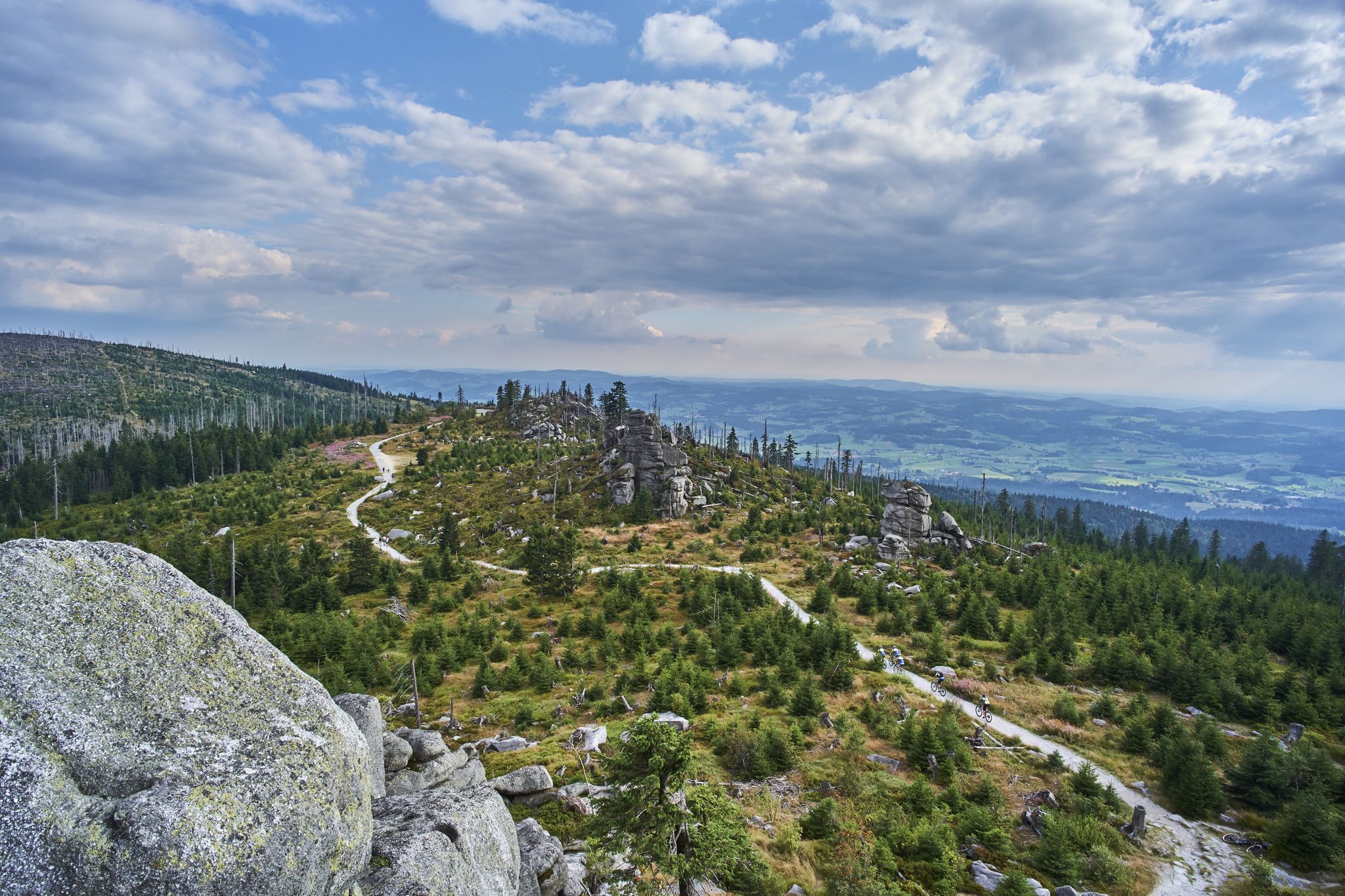
Trans Bayerwald – A mountain bike adventure through Bavaria's finest nature
The Goldsteig – 38 stages between Upper Palatinate and Passau
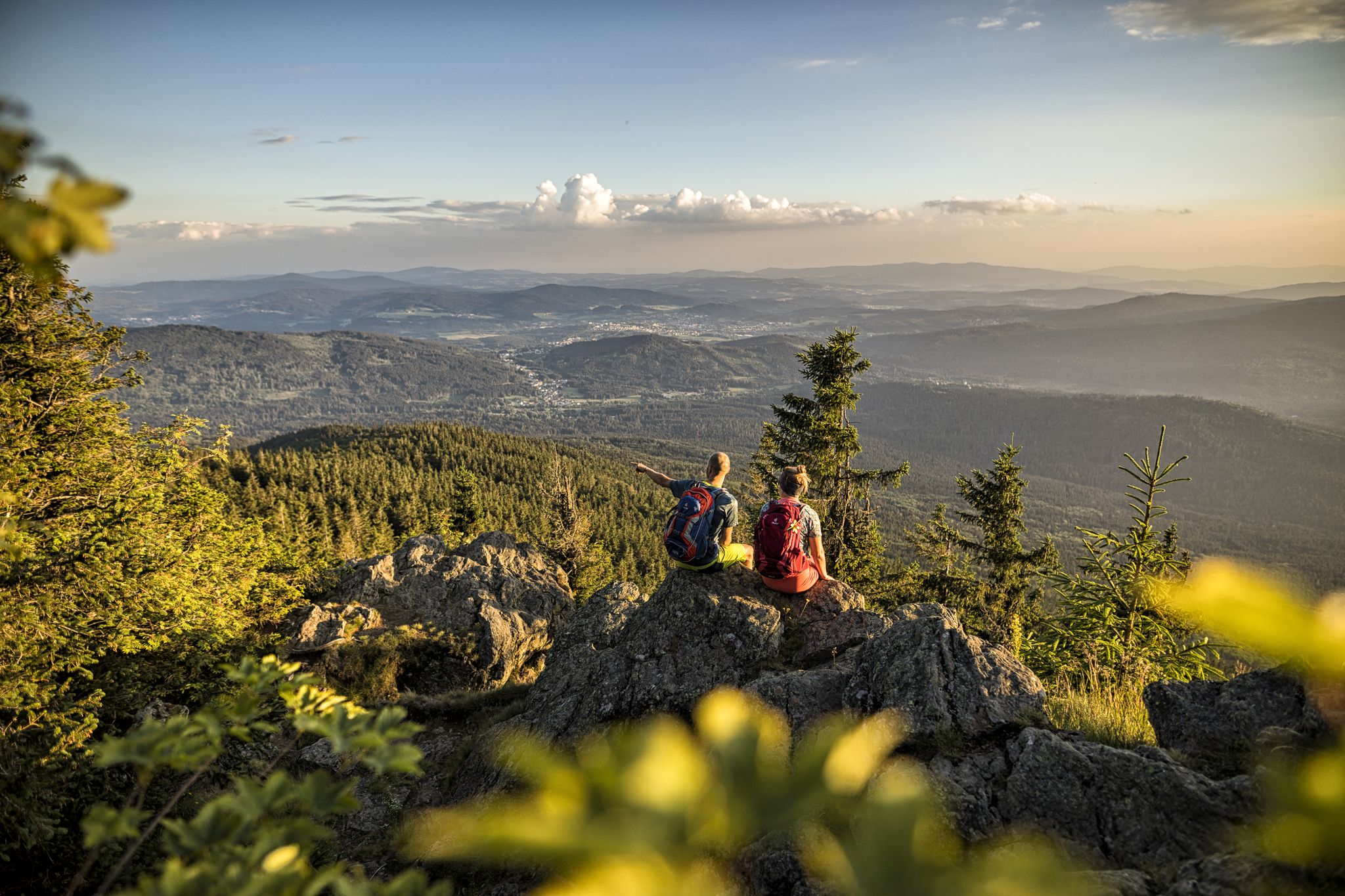
Hiking tips for the Bavarian Forest
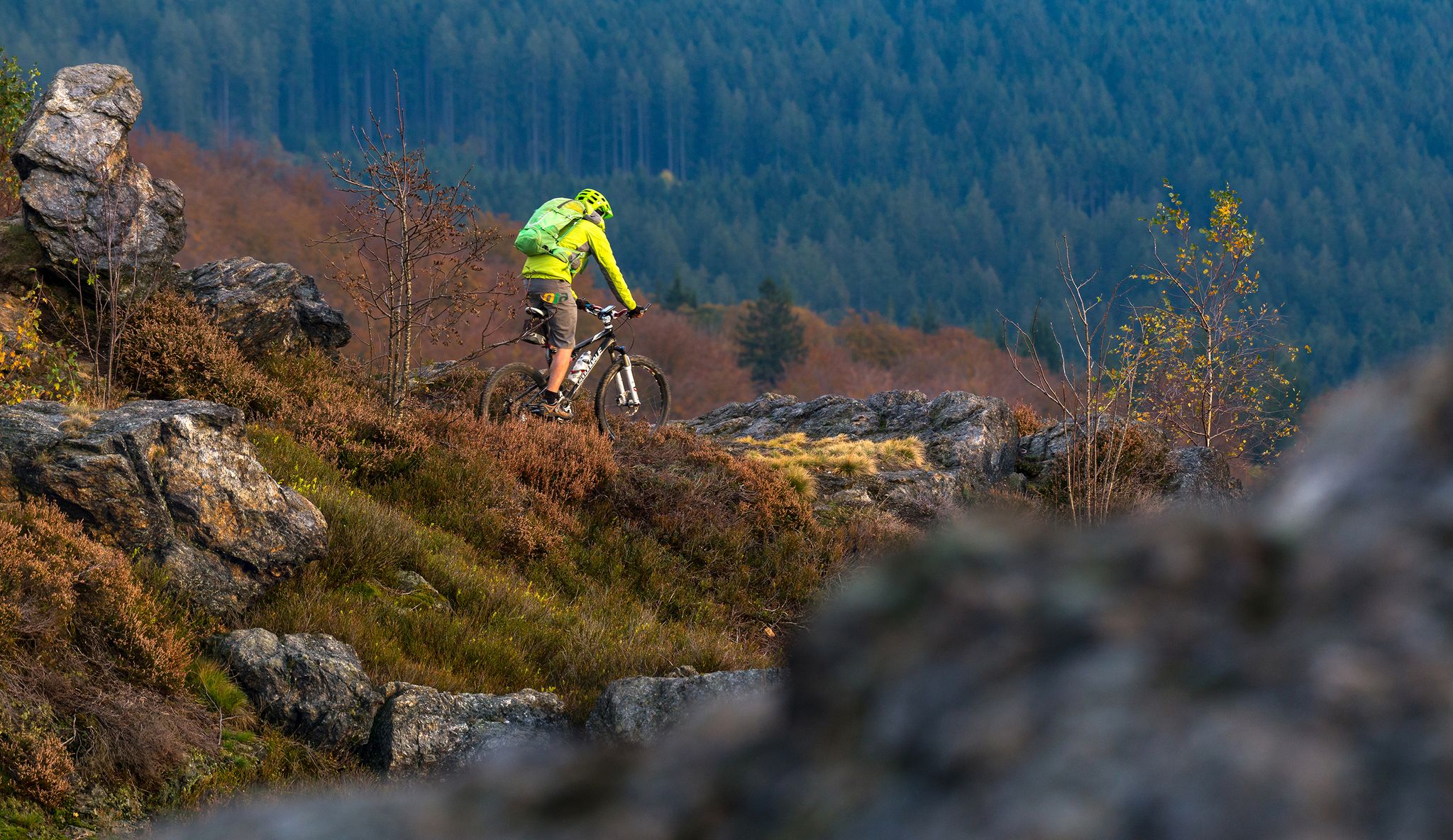
A 3-day bike adventure in Arberland
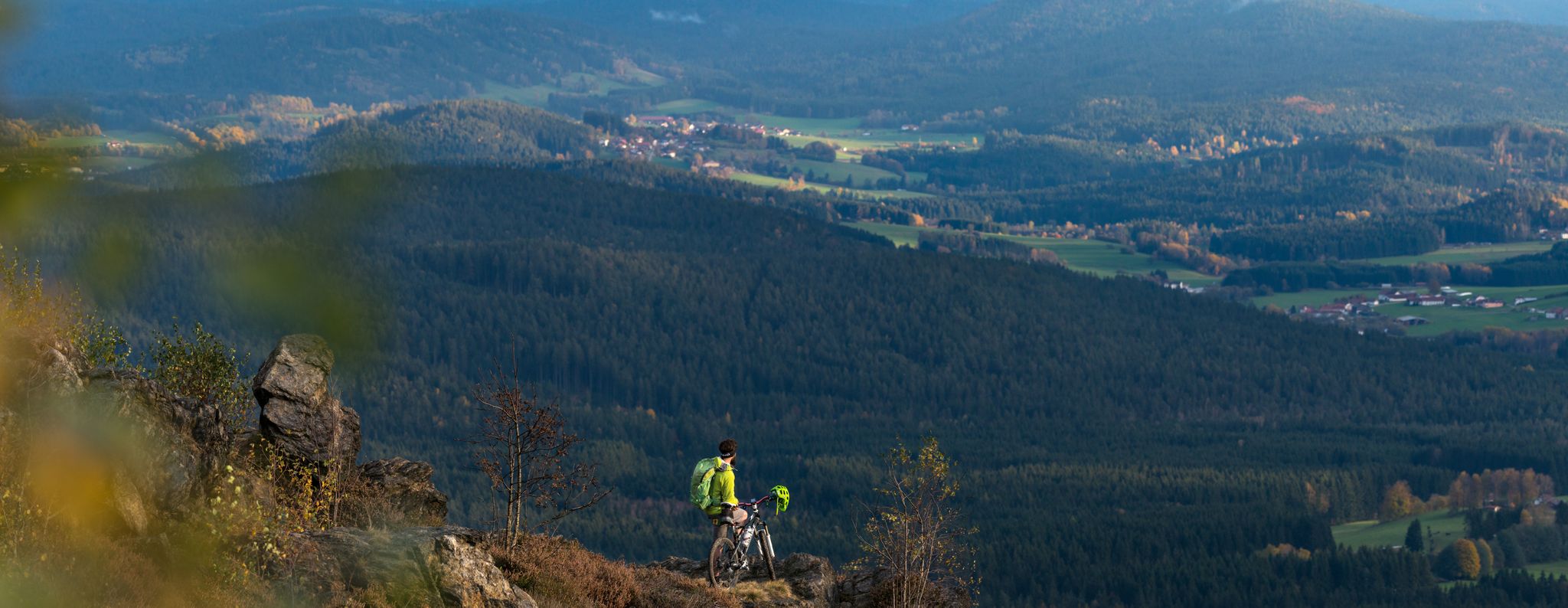
Auf der ARBERLAND-Runde vier Tage den Bayerischen Wald genießen
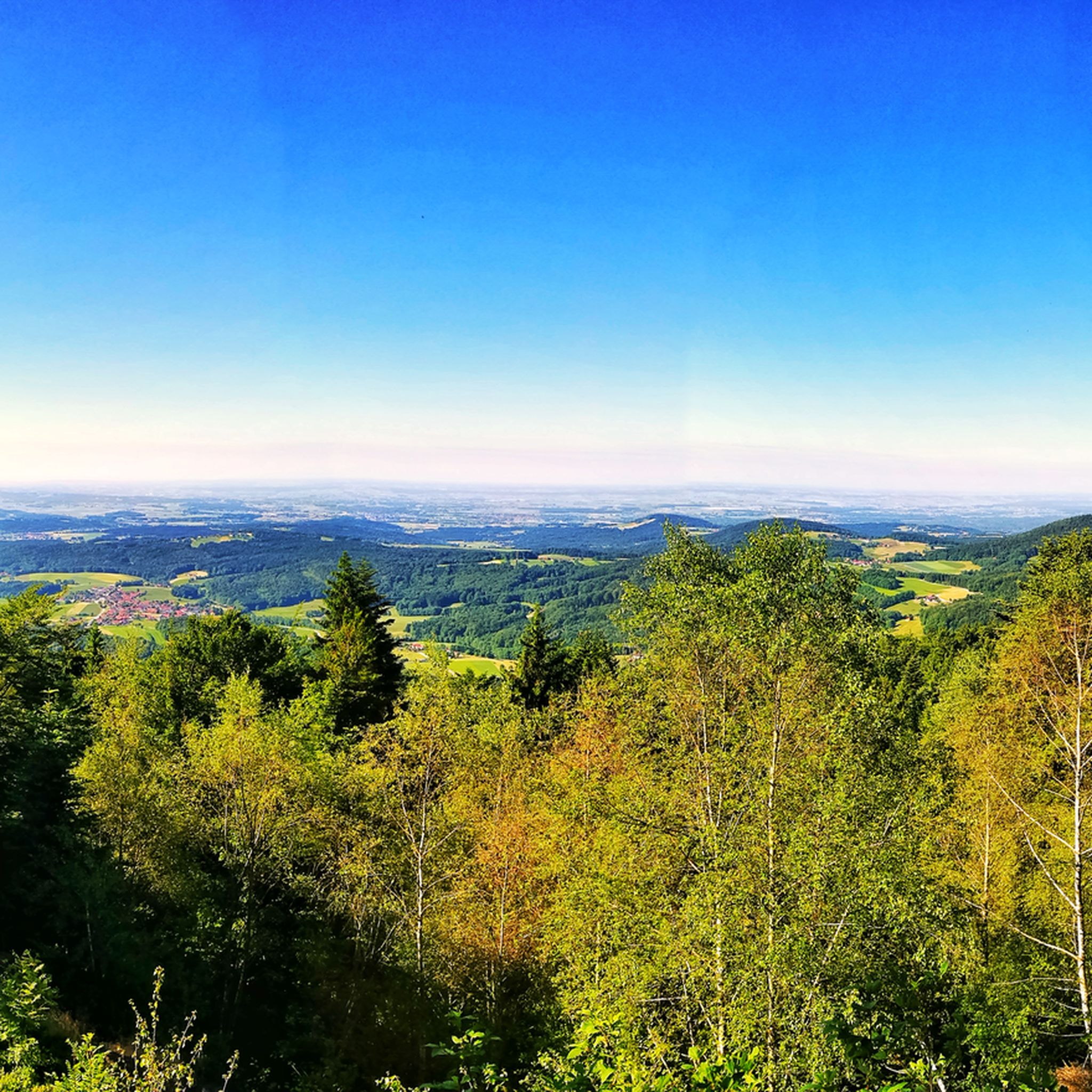
Hiking around Bischofsmais
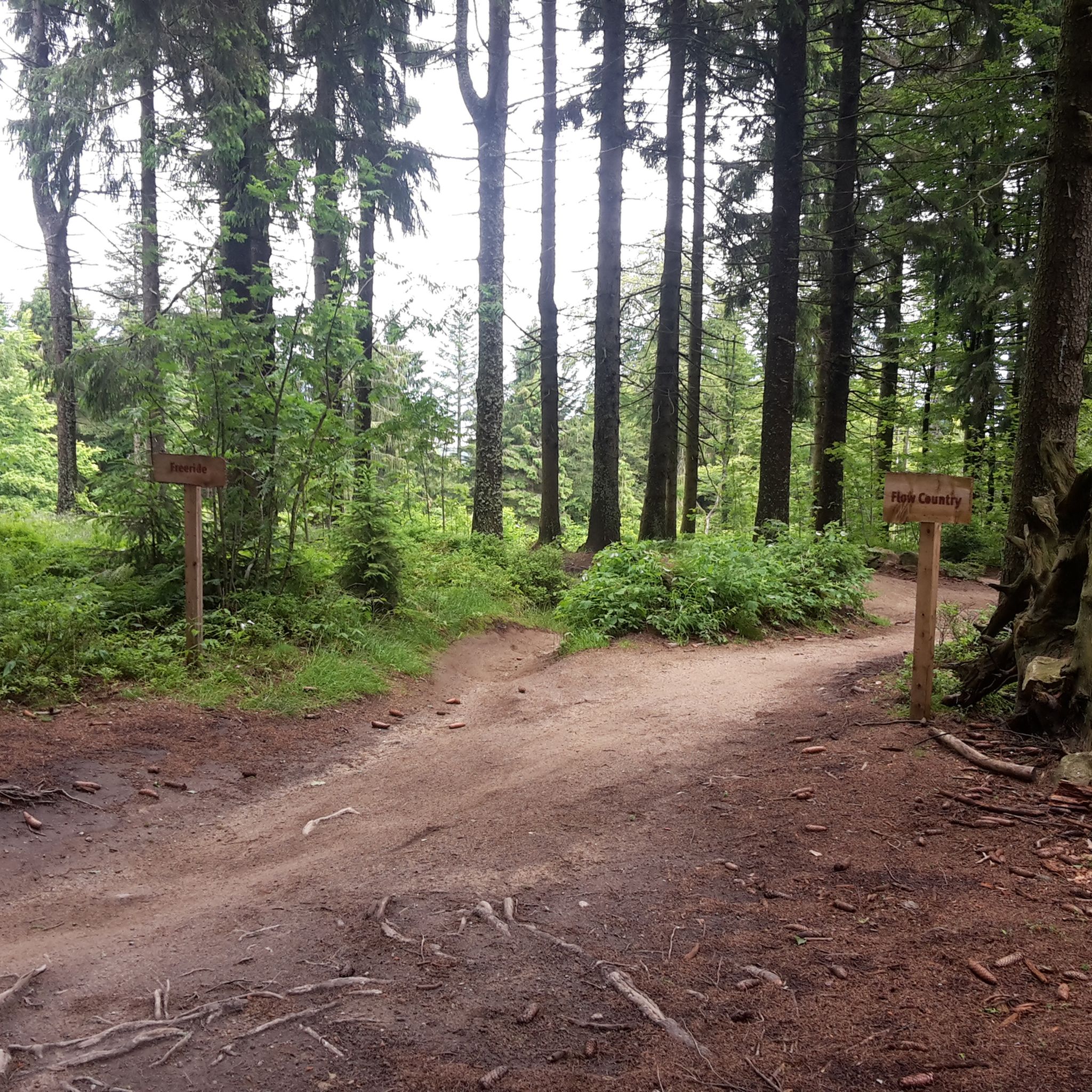
MTB Trails around Bischofsmais
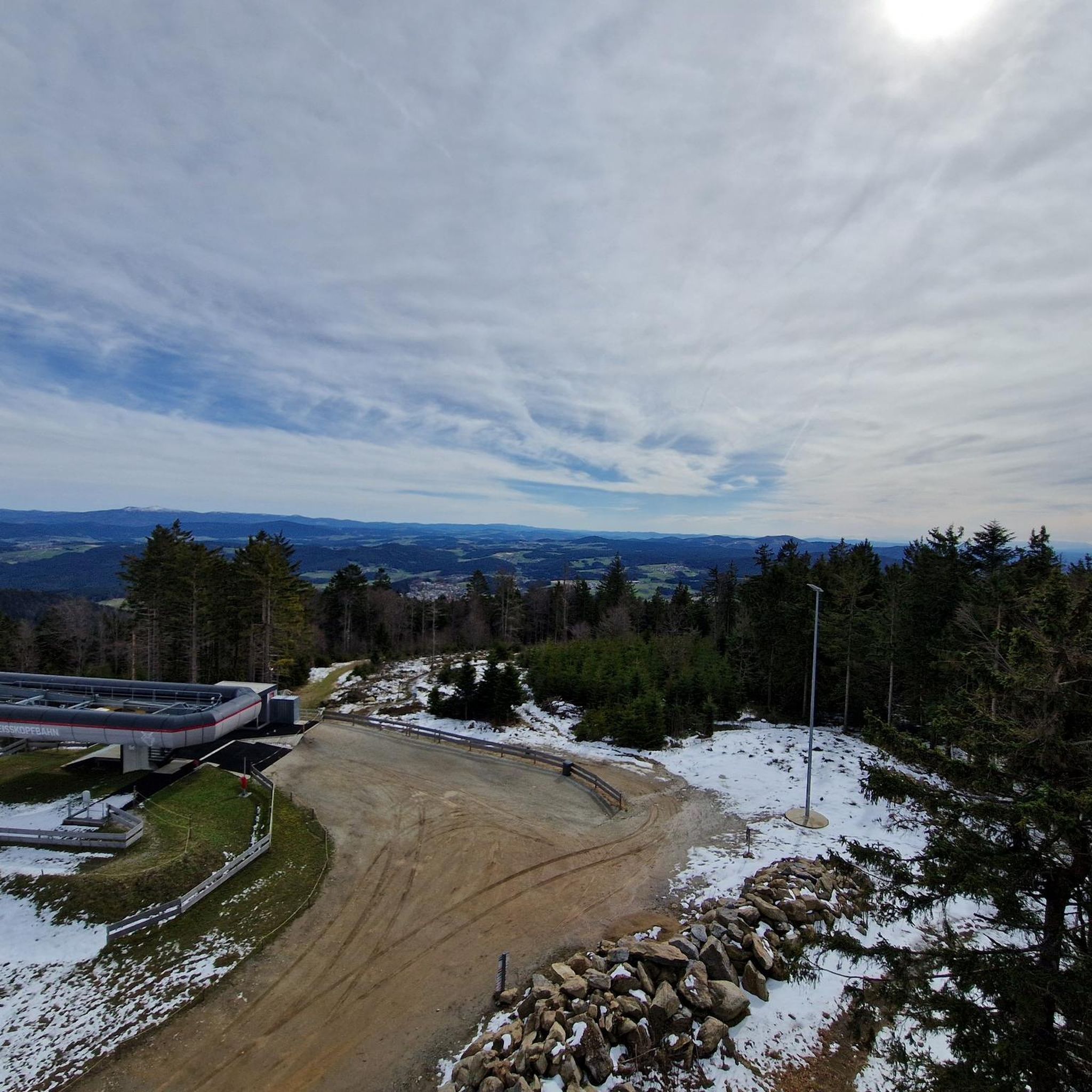
Cycling around Bischofsmais
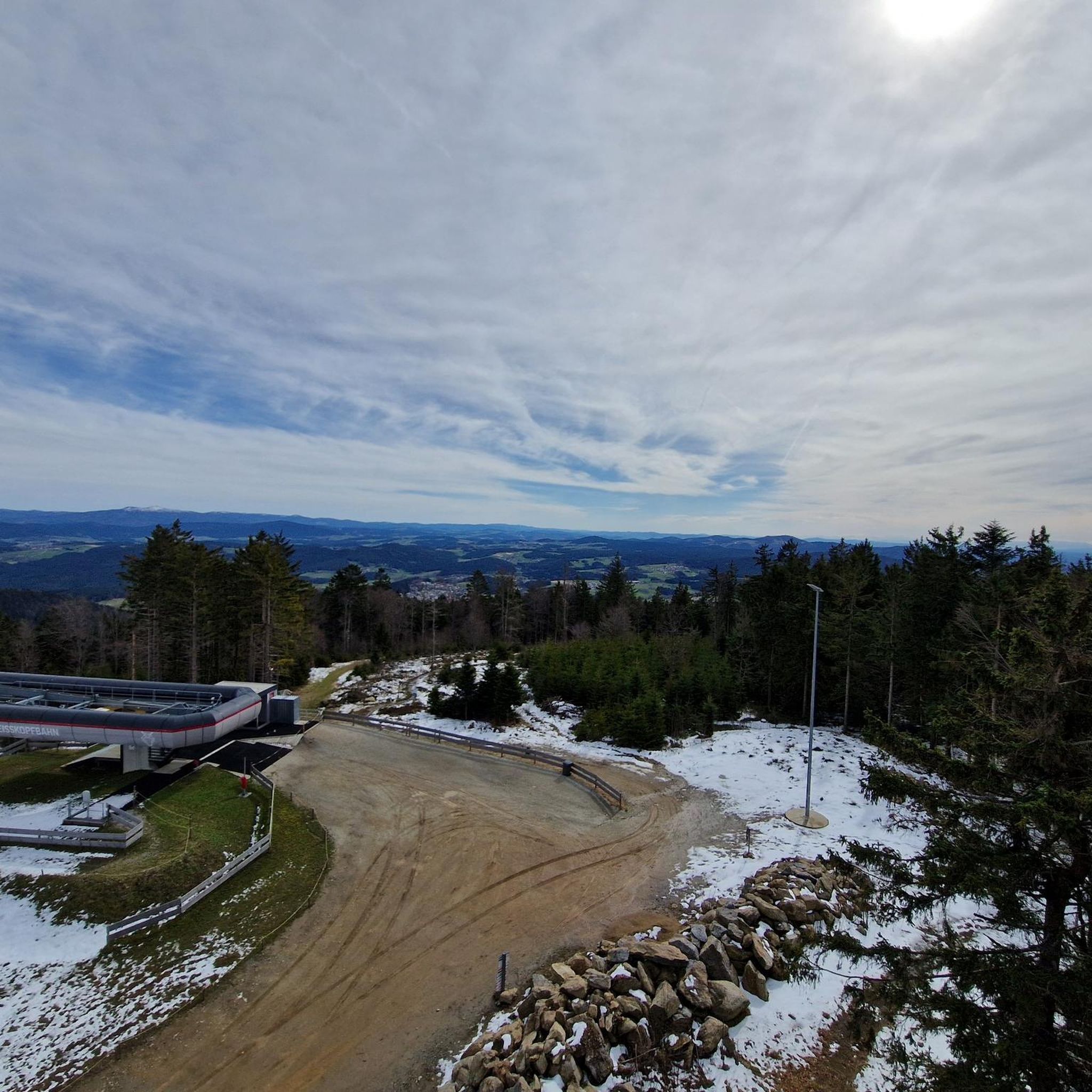
Running Trails around Bischofsmais
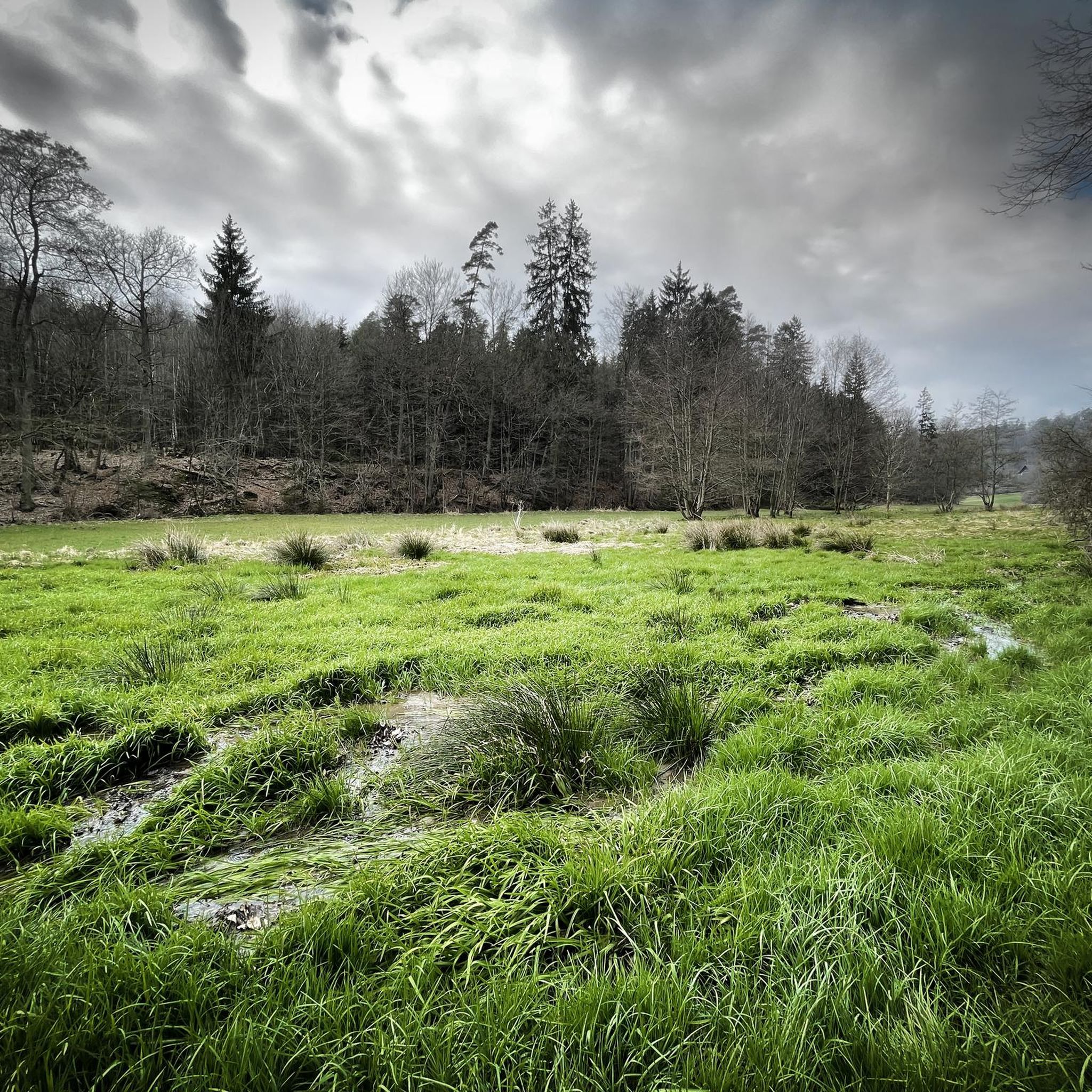
Mountain Hikes around Bischofsmais
Other adventures around Bischofsmais


Tips from the Community

The fountain is more than just a decorative element – it is a testament to local history and a meeting point for the community. It recalls the region's mining past, agricultural tradition, and craftsmanship.
1
0

Here at this spot, there are a few free parking spaces (4-5)
0
0

Zwiesel Station: Your gateway to beer culture on two wheels. From here, you can cycle directly into the Lower Bavarian beer region and the Bohemian Forest adventure region. The Waldbahn (Forest Railway) will take you and your bike comfortably, so you can start your journey relaxed. Perfect for anyone who wants to set off on their bike without any stress. www.laenderbahn.com/waldbahn/fahrplan/streckennetz
0
0
Pizzeria Cafe Dolomiti, the stone oven stop. Crispy stone-baked pizza and a cold beer make this stop particularly worthwhile after a few meters of elevation gain. The terrace invites you to continue your leisurely ride through the Zwiesel region.
0
0
The first steam beer brewery in Zwiesel, the home of steam beer. Experience authentic beer culture at its source: The First Steam Beer Brewery Zwiesel has stood for distinctive beers and regional brewing craftsmanship since 1889. At its heart is the historic taproom – traditionally the brewers' break room and now a cozy spot for guests. Here, rustic brewery atmosphere meets regional flavors: local beers, regional dishes, and genuine Zwiesel hospitality. Please book tours in advance. www.dampfbier.de
1
0

The parish church of St. John the Baptist (formerly a monastery church) is the most beautiful Baroque church in the Bavarian Forest and boasts one of the most beautiful church interiors in Bavaria. The architect Johann Michael Fischer converted the previously Gothic church into this work of art in 1727. A medieval cloister with a courtyard garden dating from 1402 has also been preserved. The Rinchnach Local History and Tourism Office offers regular tours of the former monastery complex. These include the former brewery cellar, the oratory, the old parish hall, the medieval cloister with its courtyard garden, the side chapel with its unique shellwork decoration, and, of course, the impressive Baroque church. Registration: Tel. +49 (0)9921 / 9466-16 The side chapel in the parish church is the only chapel in Bavaria decorated with genuine freshwater pearl mussel shells. The Golgotha Group can be seen next to the grave of the Blessed Monk Hermann. https://www.bayerischer-wald.de/attraktion/pfarrkirche-rinchnach-9acb2aaa78
2
0
Zwiesel station is far more than a transport hub – it is a symbol of regional solidarity, mobility, and history. Since its opening in 1877, it has shaped the town in the Bavarian Forest and connected it to the world. With its four platform tracks and its function as a junction station, Zwiesel is the center of the so-called "Zwieseler Spider," a rail network that leads in all directions. Between 2006 and 2013, the station was extensively modernized, and a new island platform with barrier-free access was built. The platform heights were raised to 55 cm to allow for level access. The "Zwiesel" platform canopy was first installed here and was later used at other stations. The station is centrally located at Bahnhofsplatz 3, just a few minutes' walk from the town center and the famous glass pyramid. It is the starting point for hikes, bike tours, and excursions into the Bavarian Forest National Park – a true mobility anchor for locals and tourists. Zwiesel train station is not an anonymous transit point, but a living part of the city's history. It connects people, places, and times – and demonstrates how infrastructure can merge with identity. Those who arrive here sense that the journey doesn't begin on the train, but rather on the platform. https://www.bayerischer-wald.de/attraktion/bahnhof-zwiesel-81950df0d6
2
0

Cool to drive, there's even a vending machine that's accessible 24/7.
2
0
Frequently Asked Questions
What kind of terrain can I expect on road cycling routes around Bischofsmais?
Road cycling around Bischofsmais is characterized by its hilly and mountainous terrain within the scenic Bavarian Forest. You'll encounter rolling hills and some challenging ascents, offering invigorating rides with varied elevation profiles. Routes often traverse dense forests and picturesque river valleys, providing a tranquil and scenic experience.
Are there road cycling routes suitable for beginners or those seeking an easier ride?
Yes, the region offers a range of routes for different skill levels. While the Bavarian Forest presents dynamic landscapes, there are 16 easy routes available, ensuring that even less experienced road cyclists can find enjoyable and manageable rides on mostly paved surfaces.
What are some notable natural features or viewpoints I can encounter on a road cycling tour?
The region is rich in natural beauty. You can expect routes with panoramic vistas, especially from higher elevations. The Geißkopf mountain, at 1,097 meters, is a prominent natural feature that offers scenic backdrops. Some routes, like the View of the Arber – Bundt Cake Café loop from Triefenried, offer scenic views towards the Arber mountain.
Are there any historical landmarks or castles to see along the road cycling routes?
Yes, the area around Bischofsmais features several historical sites. You might encounter highlights such as the Weißenstein Castle Ruins or Egg Castle. For more details on these and other historical points of interest, you can explore the Castles around Bischofsmais guide.
What is the best season for road cycling in Bischofsmais?
The Bavarian Forest is beautiful throughout the warmer months. Spring and autumn offer pleasant temperatures and vibrant scenery, while summer provides longer daylight hours. The region's diverse landscapes make it enjoyable across these seasons, though some higher passes might be more accessible later in spring or earlier in autumn.
Are there any circular road cycling routes available?
Yes, many of the road cycling routes around Bischofsmais are designed as loops, allowing you to start and end at the same point. For example, the Schwarzer Regen River – Zwiesel town centre loop from Bavarian Forest is a popular circular route that takes you along the river and through the town center.
Can I find routes that include stops at cafes or places for refreshments?
Absolutely. Some routes are known to pass by local establishments. The View of the Arber – Bundt Cake Café loop from Triefenried, for instance, specifically mentions a stop at a local café, perfect for a mid-ride break.
How challenging are the more difficult road cycling routes in the area?
For experienced cyclists seeking a challenge, Bischofsmais offers 67 difficult routes. These can involve significant elevation gains, sometimes up to 1,500 feet over several hours, and longer distances. An example is the Zwiesel Train Station – Spiegelhütte loop from Todtenau und umgebende Auen, which covers 45.8 miles with over 1,000 meters of elevation gain.
What do other road cyclists say about their experience in Bischofsmais?
The road cycling routes in Bischofsmais are highly rated by the komoot community, with an average score of 4.6 stars from over 160 reviews. Cyclists often praise the varied terrain, the tranquil atmosphere of the dense forests, and the rewarding views from the hilly landscapes.
Are there options for parking at the trailheads for road cycling routes?
While specific parking information for every trailhead isn't detailed, Bischofsmais is well-equipped for outdoor tourism, suggesting that parking facilities are generally available near popular starting points for various activities. It's advisable to check individual route descriptions for precise parking recommendations.
Can I access road cycling routes using public transport?
The broader Bavarian Forest region has public transport options that can help access various areas. For routes starting from specific locations like train stations, such as the Zwiesel Train Station – Spiegelhütte loop, public transport can be a convenient way to reach the starting point.
How many road cycling routes are available in total around Bischofsmais?
There are over 170 road cycling routes available around Bischofsmais, offering a wide variety of distances, elevation profiles, and scenic experiences for all levels of cyclists.
Most popular routes around Bischofsmais
Most popular attractions around Bischofsmais

Get inspired with the komoot mobile app


Explore more
Browse the best Road cycling routes in other regions.
