The best walks and hikes around Haunoldstein
4.4
(1023)
5,263
hikers
339
hikes
Hiking around Haunoldstein offers diverse landscapes at the foot of the extensive Dunkelsteinerwald forest. The region features varied terrain, including hills, woodlands, and the Pielach River. Hikers can explore natural features such as the Sierninger Berg, which provides elevated perspectives over the area. This location in the Mostviertel region combines natural beauty with historical points of interest.
Best hiking trails in Haunoldstein
- The most popular hiking route is Fischer Cross - Old Oak – Parish Church of Haunoldstein loop from…
Last updated: July 25, 2026
4.0
(1)
6
hikers
Hard hike. Very good fitness required. Easily-accessible paths. Suitable for all skill levels.
3.0
(1)
17
hikers
Moderate hike. Good fitness required. Easily-accessible paths. Suitable for all skill levels.

Sign up for free
5.0
(2)
14
hikers
Easy hike. Great for any fitness level. Easily-accessible paths. Suitable for all skill levels.
5.0
(7)
13
hikers
5.61km
01:27
30m
30m
Easy hike. Great for any fitness level. Easily-accessible paths. Suitable for all skill levels.
4.0
(1)
7
hikers
Moderate hike. Good fitness required. Easily-accessible paths. Suitable for all skill levels.
Get access to more routes and recommendations from other explorers.
Sign up for free
Already have an account?
Our route recommendations are based on thousands of hikes, rides, and runs completed by other people on komoot.
Start today with a free account
Your next adventure awaits.
Login or Signup

Tips from the Community


The carved altar (1509) from Mauer near Melk is a masterpiece of the late Gothic period. The central section depicts Mary with Child and saints, while the wings feature scenes from the life of the Virgin Mary. An altarpiece depicts a crucifixion. The woodcarver who created the altar, whose name is unknown, is referred to as the Master of the Altar of Mauer near Melk. (Source: Wikipedia https://de.wikipedia.org/wiki/Meister_des_Altars_von_Mauer_bei_Melk)
0
0

Beautiful single trail along the Pielach
0
0

The Marienkapelle in Hafnerbach consisted of a main room, a choir, an anteroom with entrance hall and gallery, and a two-storey gallery staircase that was added later. Its architectural models can be found in the Lower Austrian religious buildings of the first half of the 18th century. The elaborate chapel type indicates an important patron - Crescentia Countess of Montecassino (1705–1788). The chapel's inventory included an altar, two pictures and twelve chairs. The building was demolished in 1792, but the foundations were preserved. This was done not least as a lasting reminder of the church reform measures under Emperor Joseph II on the occasion of the 200th anniversary of the diocese.
1
0
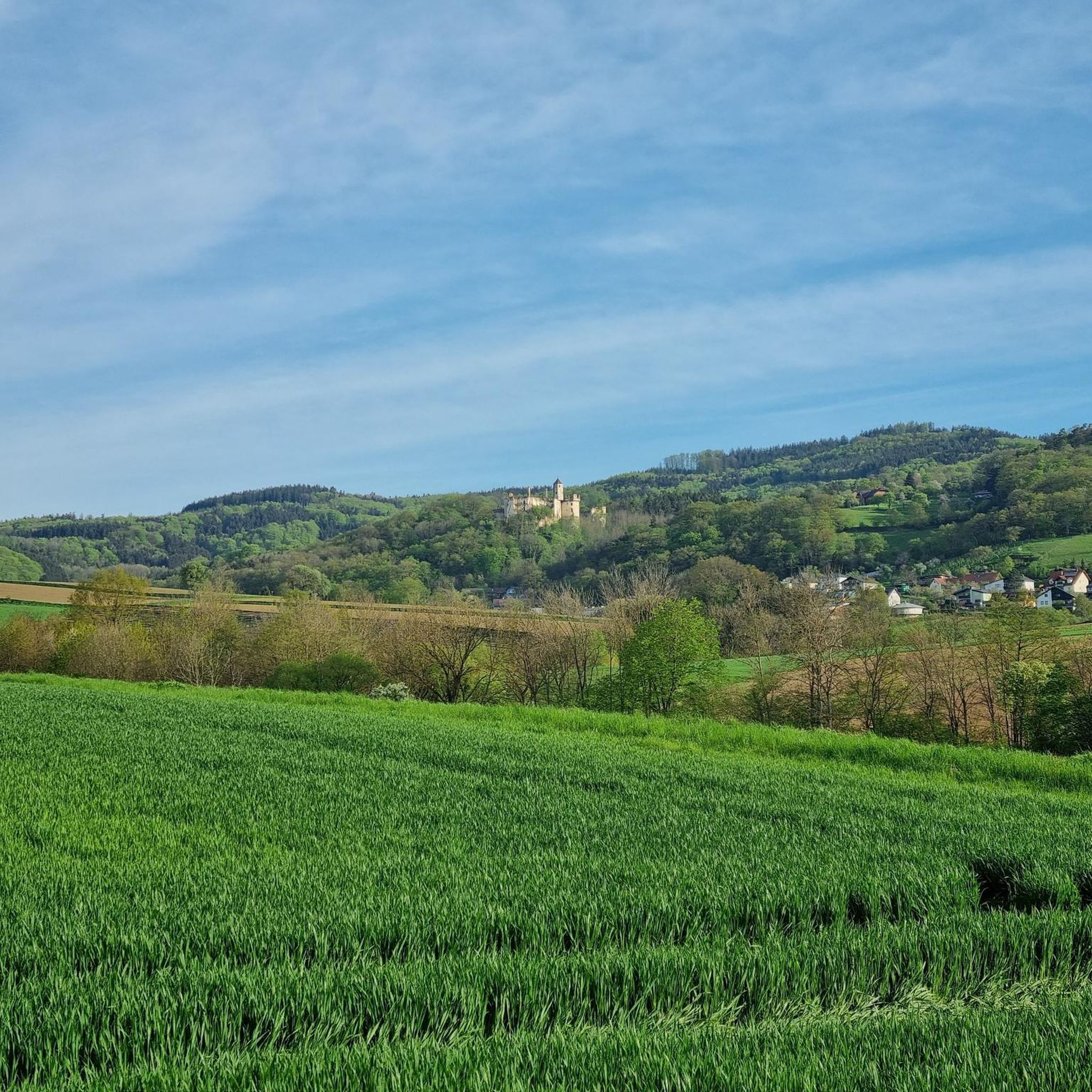
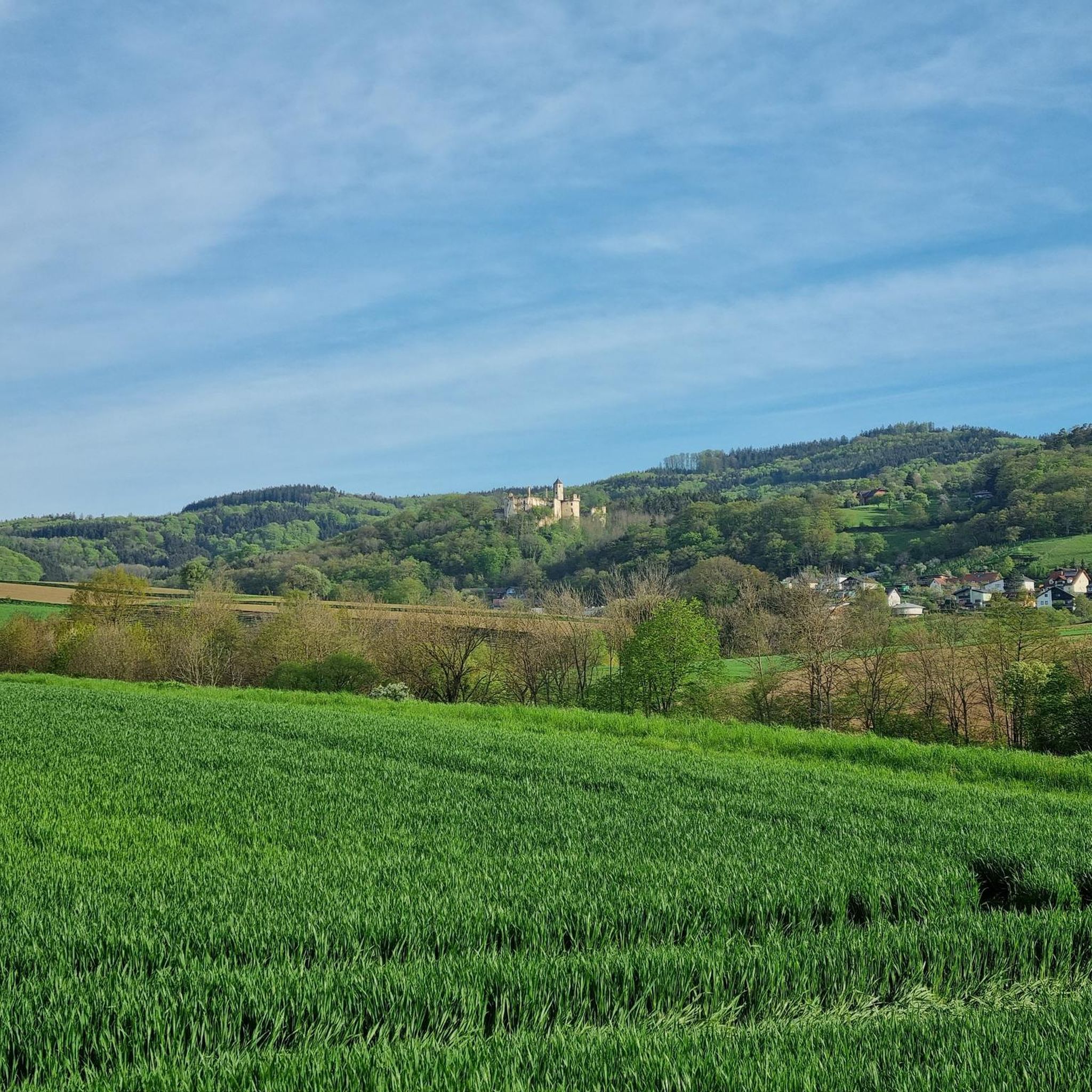
The Osterburg castle ruins in Haunoldstein are picturesquely situated on a triangular rock plateau above the Pielach Gorge. Its origins date back to the late 12th century. The first documented mentions mention the Counts of Peilstein as owners, including Count Friedrich V, who died in the castle in 1209. In the 14th and 15th centuries, the complex was expanded several times, particularly by Rudolf Turso von Tiernstein (1405). Over the centuries, the castle changed hands several times, but fell into disrepair over time and is now a ruin. Despite its ruinous state, the Osterburg is a worthwhile destination. Visitors can explore the well-preserved remains of the walls and enjoy an impressive view of the surrounding landscape from there. The historic atmosphere and secluded location make it particularly attractive for history buffs and is worth a detour on the tour.
1
0
The Hafnerbach parish church, dedicated to Saint Zeno, is located in the market town of Hafnerbach. It was first mentioned in a document in 1248, when it was a branch church of St. Pölten. In 1260 it was elevated to an independent parish. The architecture of the church combines various styles. The choir is Gothic and has a cross-ribbed vault, while the nave is Baroque with a mirrored ceiling. Particularly noteworthy are the artistic stucco work from 1698 and the ceiling frescoes, which show scenes from the life of Saint Zeno.
2
0

In 1248 the church was mentioned in documents as a branch of St. Pölten and in 1260 it was elevated to a parish church. In 1361 the church became a sovereign church through an exchange. In 1529 the Turks caused damage. In 1633 the church belonged to the Hohenegg lordship. Since 1675 the church has served as the burial place of the Lords of Hohenegg and since 1845 as the burial place of the Montecuccoli family. The Romanesque church from the 13th century with a nave and choir has a sacristy added to the southwest of the choir, which was probably originally a separate building (as a charnel house or round church with an apse) on a horseshoe-shaped floor plan. The tower in the north was built around 1400. After the side entrances to the nave were bricked up, a vestibule was added to the tower around 1600, which today serves as the entrance to the organ gallery. The sacristy with oratory northeast of the choir was added at the end of the 17th century.
1
0
1747 "a chapel of Our Lady was built in Krumpenfurt" (parish chronicle) 1786 Desecration on the orders of Joseph II. 1792 Demolition and sale of building materials and inventory
1
0
Frequently Asked Questions
How many hiking trails are available in Haunoldstein?
Haunoldstein offers a selection of 15 hiking routes, ranging from easy strolls to more moderate ascents. These trails explore the diverse landscapes at the foot of the Dunkelsteinerwald forest.
Are there easy hiking trails suitable for beginners or families?
Yes, Haunoldstein has 7 easy hiking routes, many with easily accessible paths. These are ideal for beginners or families looking for a relaxed outdoor experience. The community has also developed dedicated 'TUT-GUT-SCHRITTE' paths for leisure and recreation.
What kind of natural features can I expect to see while hiking in Haunoldstein?
The region is characterized by the extensive Dunkelsteinerwald Forest, offering picturesque woodlands. You'll also find beautiful bathing spots along the Pielach River, and elevated perspectives from the Sierninger Berg, which provides expansive views over Haunoldstein.
Are there any historical landmarks or attractions along the hiking routes?
Yes, Haunoldstein's trails often pass by significant historical sites. You can visit the Bründlkapelle, known for its reputed healing spring, or the visible 12th-century Pfarrkirche Hl. Michael. The adventurous ruins of Ruine Osterburg, perched by the Pielach river, also invite exploration. Additionally, some routes, like the Loosdorf Summit Cross (363 m) – Sitzenthal Castle loop from Haunoldstein, lead past historical sites such as Sitzenthal Castle.
Are there any circular hiking routes in Haunoldstein?
Yes, many of the trails in Haunoldstein are designed as loops, offering convenient starting and ending points. Examples include the Fischer Cross - Old Oak – Parish Church of Haunoldstein loop from Haunoldstein and the Parish Church of Haunoldstein loop from Haunoldstein.
What do other hikers enjoy most about hiking in Haunoldstein?
The area is highly rated by the komoot community, with an average score of 4.4 stars from over 900 reviews. Hikers often praise the varied terrain, the scenic views from points like the Sierninger Kreuz, and the combination of natural beauty with historical points of interest.
Are there any viewpoints offering panoramic vistas?
Yes, the Sierninger Berg is a prominent feature in the area, and the Sierninger Kreuz Viewpoint located on it offers expansive panoramic vistas across the entire Haunoldstein region and its surroundings.
What is the best season for hiking in Haunoldstein?
Haunoldstein is suitable for hiking throughout much of the year. Spring and autumn offer pleasant temperatures and beautiful scenery with blooming nature or vibrant fall colors. Summer is also great, especially with the bathing spots along the Pielach River. Some trails may also be accessible for winter hikes, depending on snow conditions.
Is Haunoldstein well-connected by public transport for hikers?
The region offers options for accessing trails, but specific public transport routes and their proximity to trailheads can vary. It's advisable to check local bus or train schedules to plan your journey to Haunoldstein and specific starting points for hikes.
Are there places to eat or stay near the hiking trails in Haunoldstein?
Haunoldstein and its surrounding villages offer local establishments where you can find cafes, pubs, and accommodation. These can provide a welcome break or a place to stay after a day of hiking, allowing you to experience local hospitality.
Are there any castles or ruins to explore in the wider Haunoldstein area?
Beyond the Ruine Osterburg, the region around Haunoldstein is rich in historical castles. You can find highlights such as Luberegg Castle, View of Schönbühel Castle, and the Hohenegg Castle Ruins, offering glimpses into the area's past.
What is the typical difficulty level of hikes in Haunoldstein?
The hiking trails in Haunoldstein range from easy to moderate. There are 7 easy routes perfect for a leisurely walk, and 8 moderate routes that may involve some ascents and descents, requiring a good basic fitness level. There are no difficult routes in this guide.
Most popular routes around Haunoldstein
Most popular attractions around Haunoldstein

Get inspired with the komoot mobile app


Explore more
Browse the best Hikes in other regions.
