Top 14 Caves around Strullendorf
Best caves around Strullendorf are situated within the broader Franconian Switzerland region, an area characterized by its distinctive karst landscapes. This geological setting has led to the formation of numerous caves, offering diverse natural features. While specific, publicly accessible show caves are not directly within Strullendorf, the surrounding Landkreis Bamberg provides several notable subterranean formations. The region is known for its varied terrain, making it a destination for exploring natural geological wonders.
Best caves around Strullendorf
- The most popular caves…
Last updated: October 4, 2026
Feme Cave (Ulrichstein Cave)
Highlight • Cave
Translated by Google •
Tip by

Jungfernhöhle (Maiden's Cave)
Highlight • Cave
Translated by Google •
Tip by

Sign up now to discover places like this
Get recommendations on the best single tracks, peaks, & plenty of other exciting outdoor places.
In the Leidingshof Valley
Highlight • Gorge
Translated by Google •
Tip by

Großer Tummler Karst Spring
Highlight • Natural Monument
Translated by Google •
Tip by

Historic Cellar Entrances and Wooden Bridge
Highlight • Historical Site
Translated by Google •
Tip by

Sign up for free to discover even more caves around Strullendorf.
Already have an account?
Start today with a free account
Your next adventure awaits.
Popular around Strullendorf
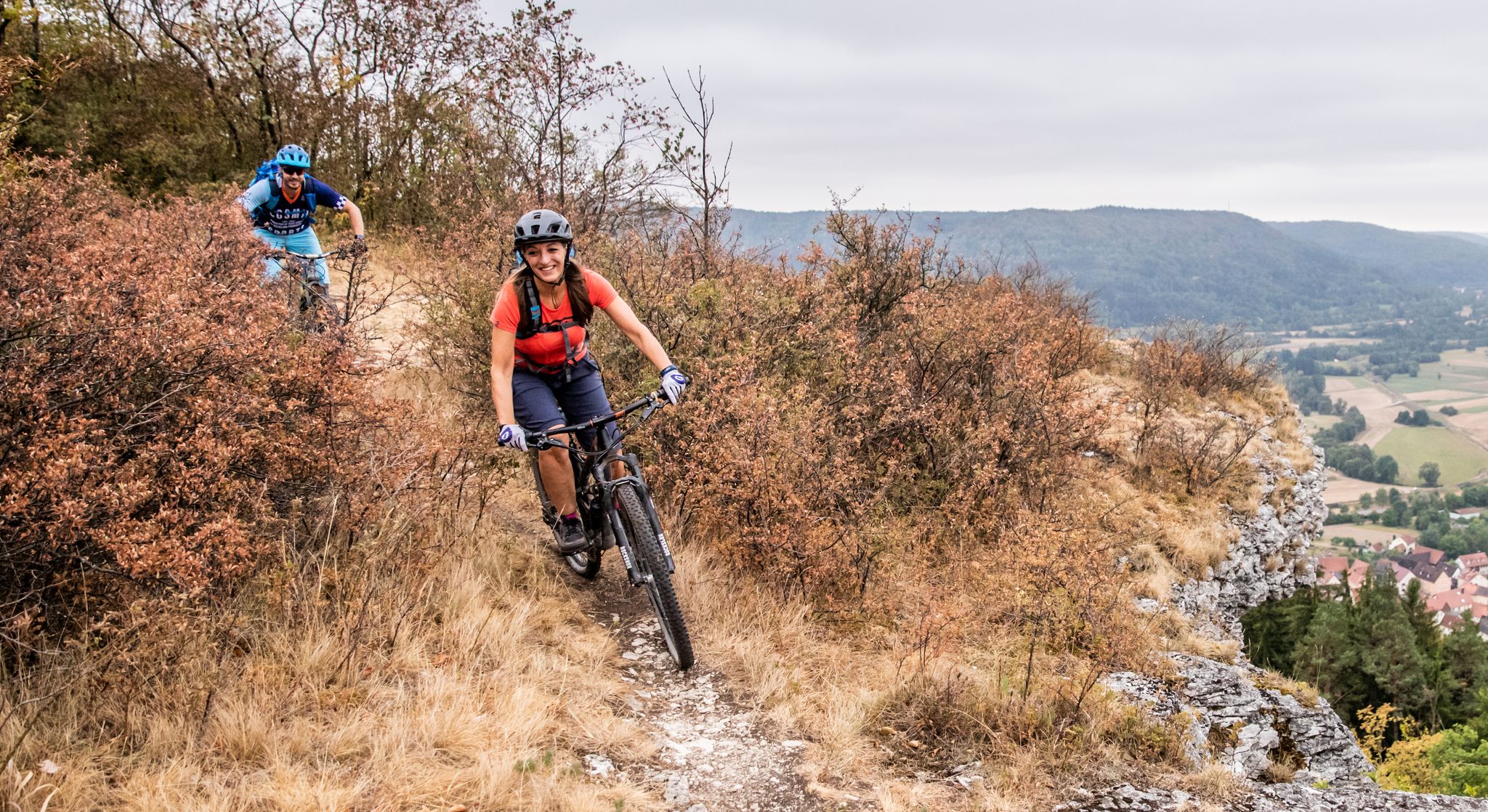
Castles, mountains, beer & trails – bikepacking in Franconian Switzerland
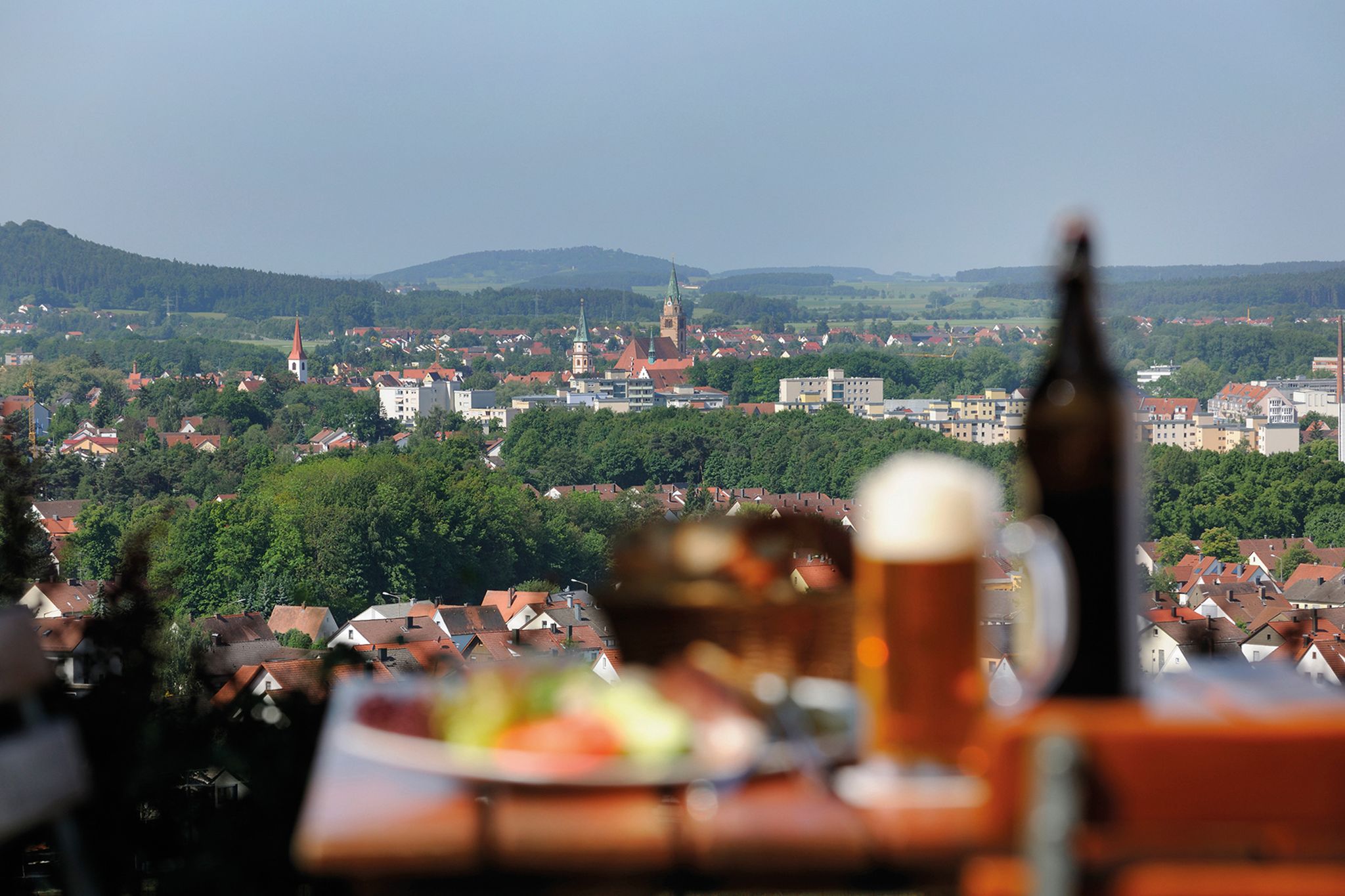
Hike & Beer in Franconia and Upper Palatinate — the VGN leisure tips
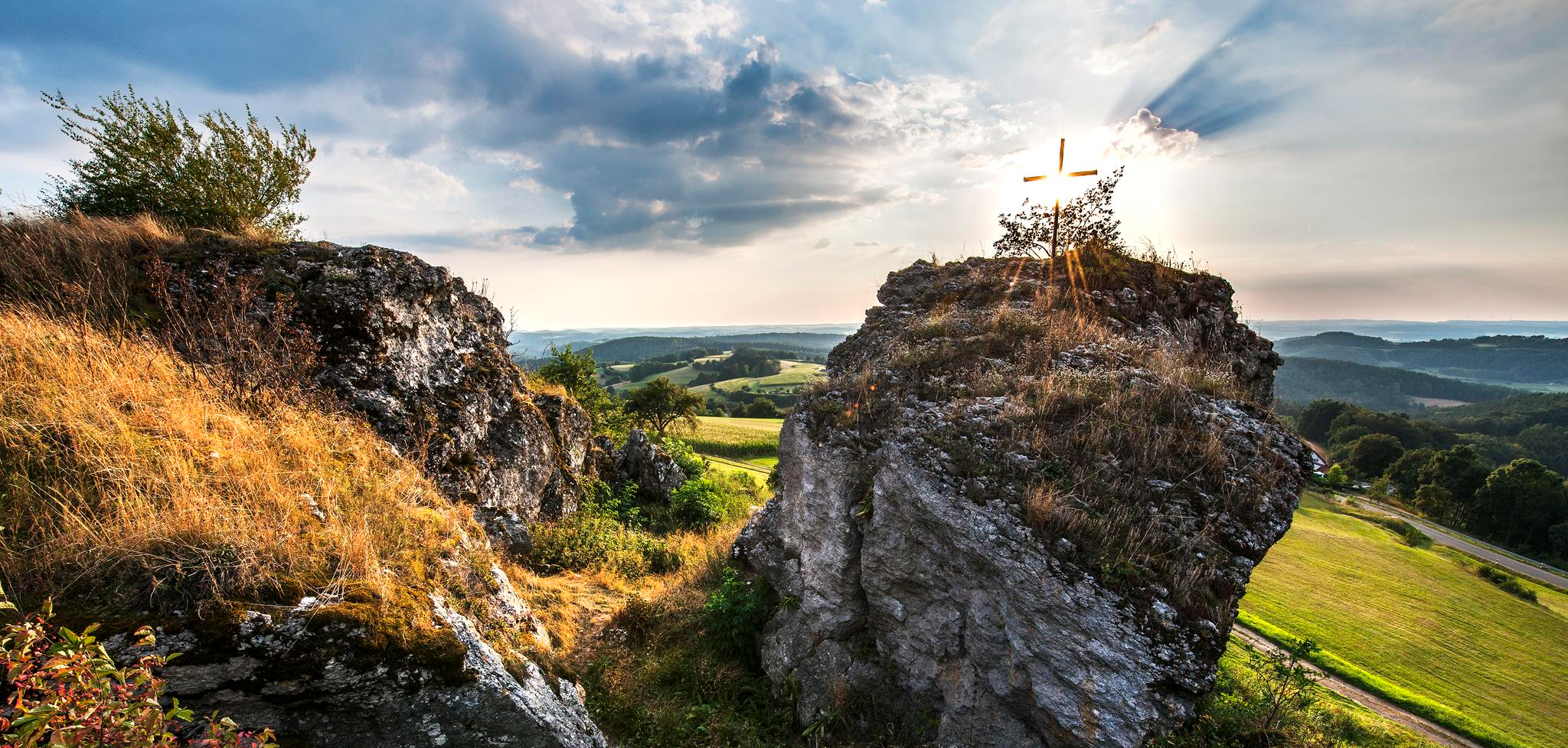
Lieblingswanderungen in der Fränkischen Schweiz
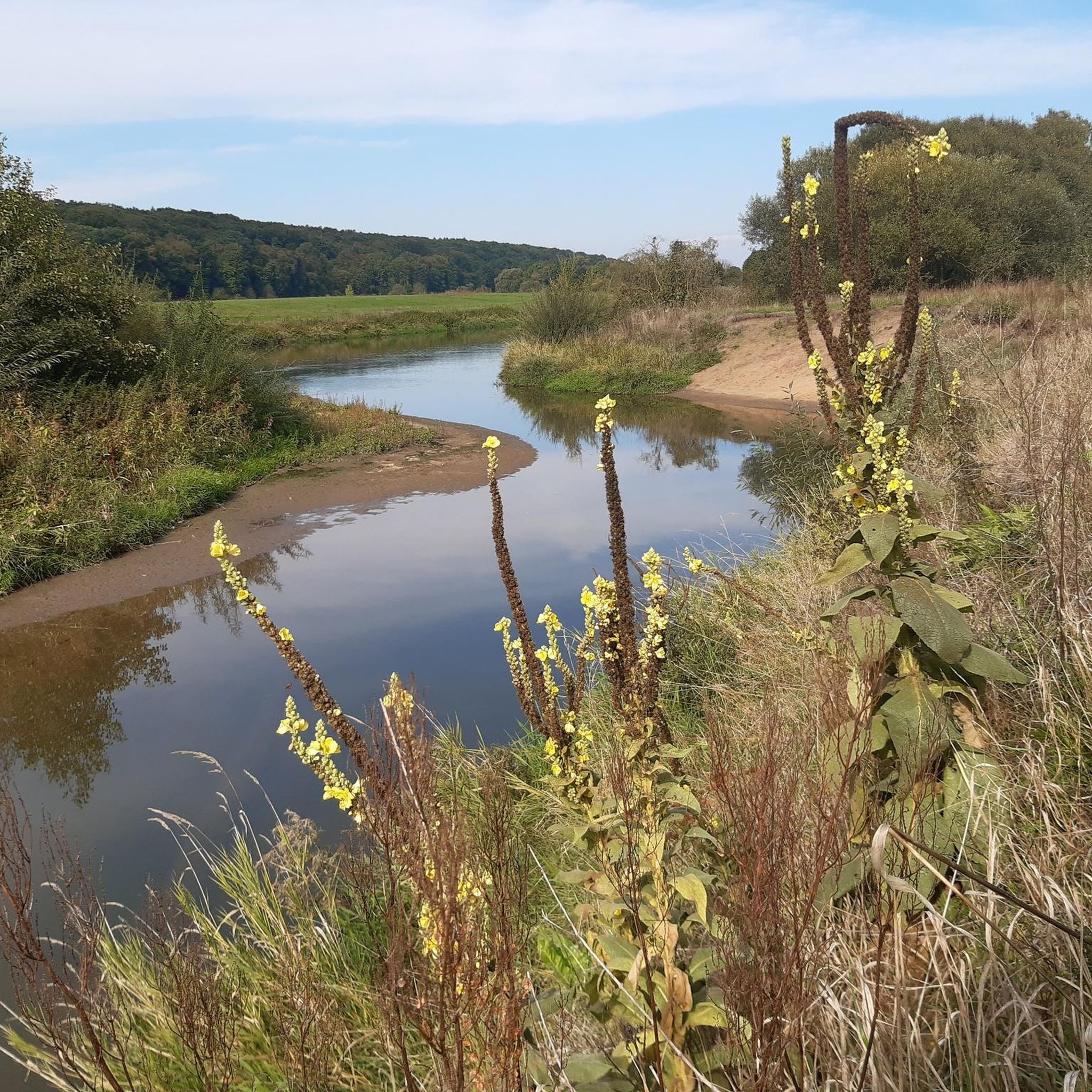
Cycling around Strullendorf
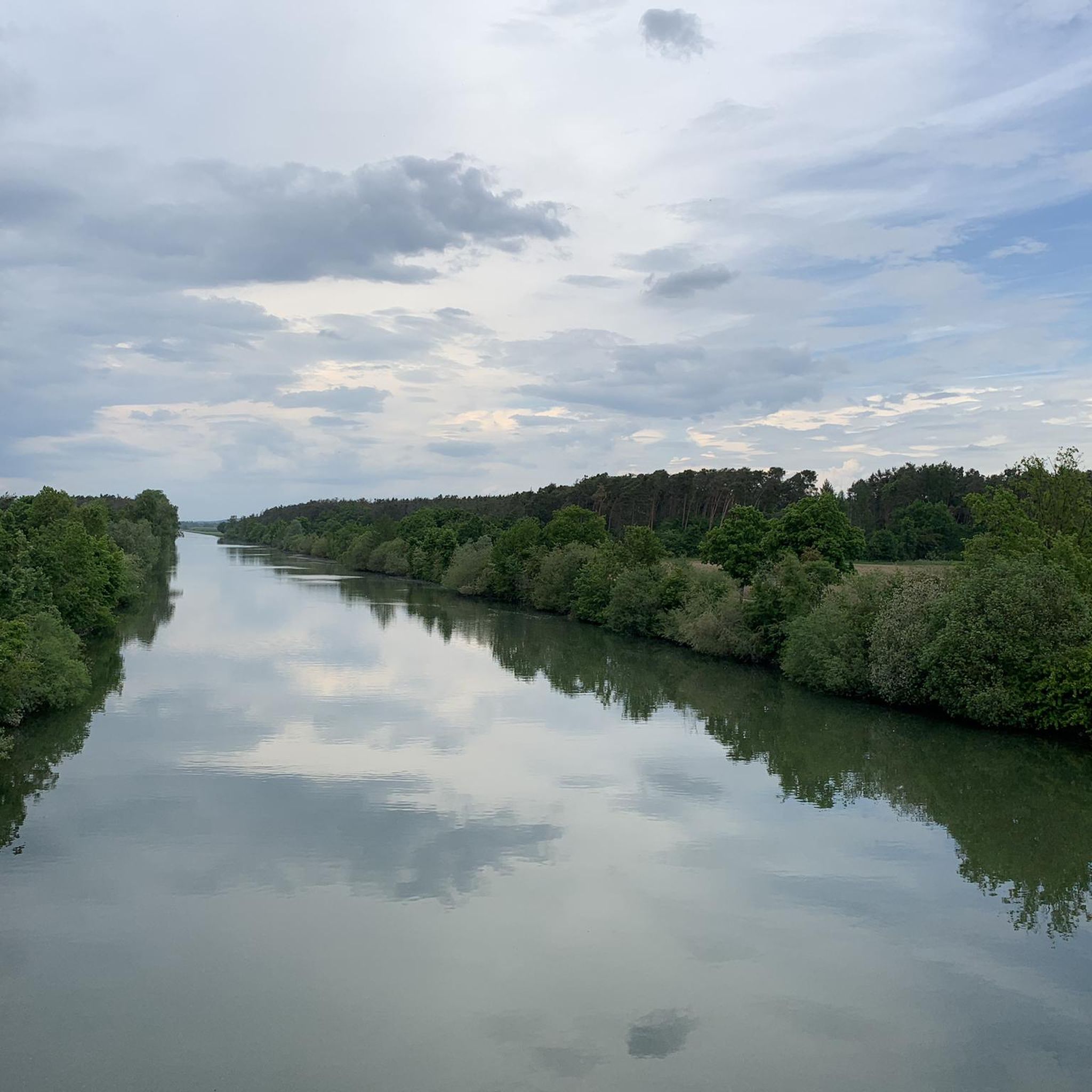
Hiking around Strullendorf
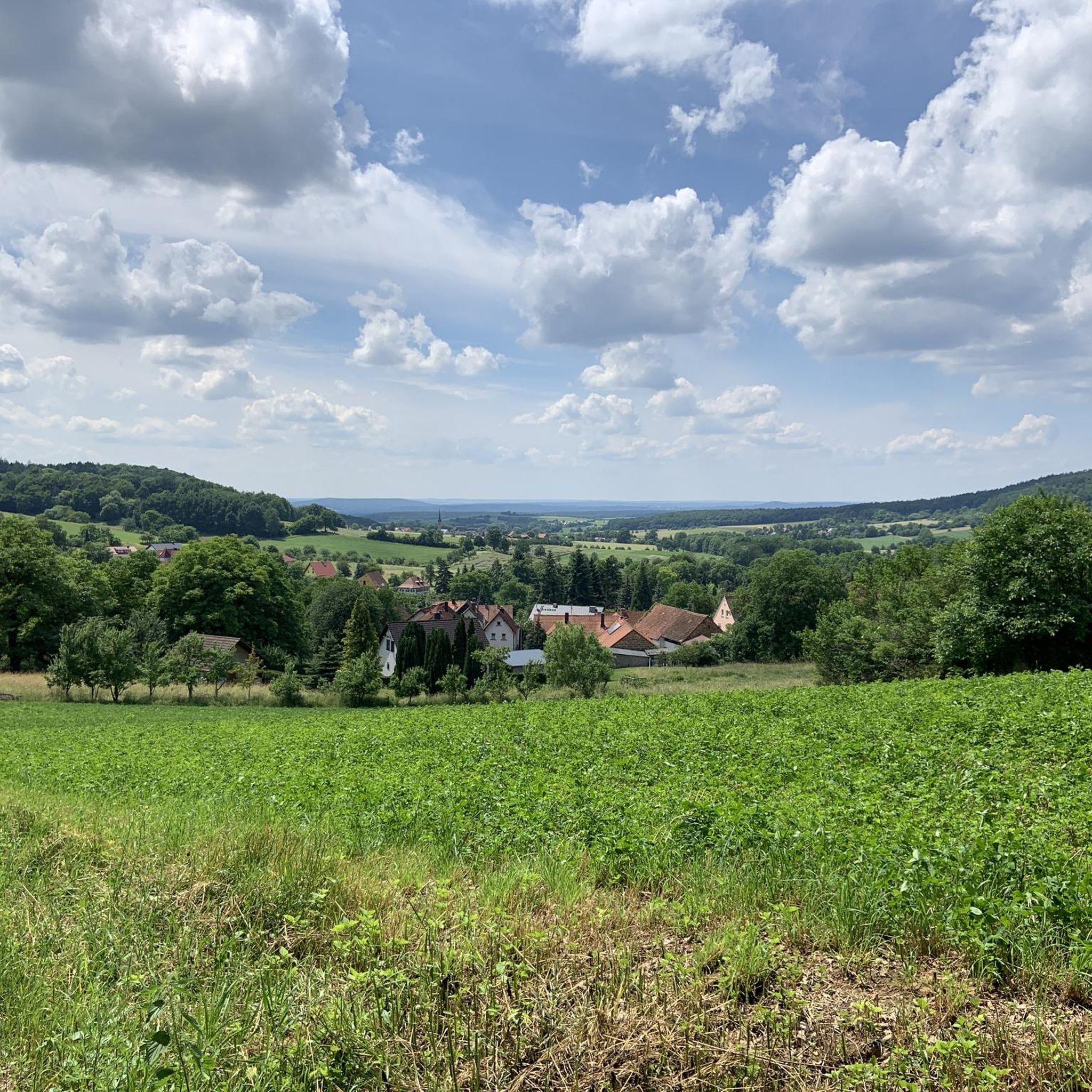
Running Trails around Strullendorf
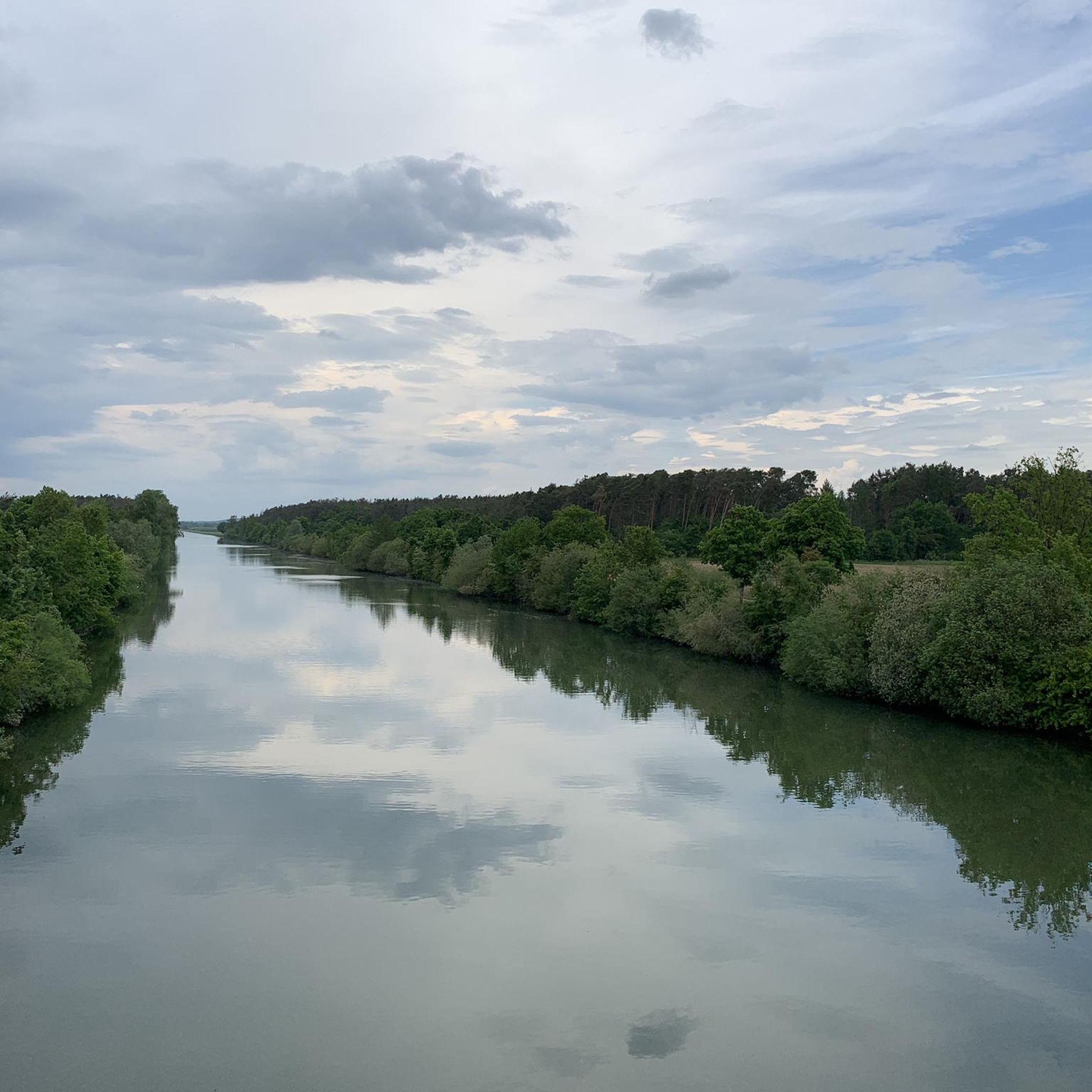
Road Cycling Routes around Strullendorf
Gravel biking around Strullendorf
MTB Trails around Strullendorf
Other adventures around Strullendorf


Tips from the Community

After a few meters, you're out again. You can't get lost either 😉
6
0

Beautiful passage cave with many corners and niches. The rock itself is also worth seeing
5
1

You can walk through the heights. The rock itself is a climbing rock - supposedly an insider tip, but there were numerous climbers there.
4
0

Tummler is the Franconian term for periodically flowing karst springs, which are generally referred to as hunger fountains. These are springs that dry up in the dry season and flow after particularly heavy rainfall or when the snow melts. The so-called “Tummler” are something special and are definitely worth a visit. The dry valley in summer, small Tummler, large Tummler.
3
0

In summer, an inconspicuous black hole in the rock face, but with a considerable depth of over 18 meters. During heavy rain and when the snow melts, considerable amounts of water can be spewed out here.
6
0

A small but not to be underestimated cave that can be visited in its entirety. It gets tight and you have to duck your head every now and then. Please remember the flashlight
5
2

After the snow melts in spring, karst water emerges from the rock hole, at times in a flood that covers the entire valley floor of the dry valley up to the Heroldsmühle. The stones in front of the rock hole were also washed out. Since the spring runs dry the rest of the year, it is popularly known as the Hunger Well. The emergence of large amounts of water from the tumbler was previously interpreted as an ominous omen. The large Tummler rises from a fissure in the Malm Beta, which is expanded into a spring cave by dissolving the lime. The small Tummler, another karst spring that only flows in spring, is located 200m up the valley. (Source: information board on site)
5
0

Beautiful valley and a dream for biking
4
0
Frequently Asked Questions
What types of caves can be explored around Strullendorf?
The region around Strullendorf, part of Franconian Switzerland, features diverse subterranean formations. You can find crevice caves like Feme Cave (Ulrichstein Cave), historical caves such as Jungfernhöhle (Maiden's Cave), and karst springs like Großer Tummler Karst Spring. The area also includes gorges with small cave features, for example, In the Leidingshof Valley.
Are there any caves with historical significance near Strullendorf?
Yes, the Jungfernhöhle (Maiden's Cave) is a site of significant historical interest. Excavations there have uncovered the bone remains of at least forty people, suggesting a cult celebration around 5100 BC. The nearby Black Cross commemorates these individuals.
What is unique about Feme Cave (Ulrichstein Cave)?
Feme Cave (Ulrichstein Cave) is a crevice cave with two entrances. Visitors can enter the larger northern entrance and explore approximately 25 meters in an upright position. Its name is linked to a Feme court that is said to have taken place on the Ulrichstein in earlier times.
Can I visit any show caves in the wider region of Franconian Switzerland?
While not directly in Strullendorf, the broader Franconian Switzerland region offers several impressive show caves. These include the Teufelshöhle (Devil's Cave) near Pottenstein, known for its vast stalactite formations, and the Binghöhle (Bing Cave) near Streitberg, which follows the course of a former underground river and has offered guided tours since 1906.
Are there any family-friendly cave experiences near Strullendorf?
For family-friendly experiences, the broader region offers accessible show caves like Teufelshöhle near Pottenstein and Binghöhle near Streitberg, which provide guided tours suitable for various ages. When visiting caves like Jungfernhöhle, be aware that some entries can be challenging, requiring a vertical descent.
What natural features can I observe besides caves in the Strullendorf area?
Beyond the caves, you can explore natural monuments like the Großer Tummler Karst Spring, which flows after heavy rainfall, transforming the dry valley into a small river. The area also features gorges, such as In the Leidingshof Valley, offering scenic views and small cave formations.
Are there hiking opportunities near the caves around Strullendorf?
Yes, the area around Strullendorf offers numerous hiking trails. You can find routes like 'Wernsdorf Water Tower – Rossdorf Rock Cellar loop from Strullendorf' or 'Griess-Keller Beer Garden – 13 Breweries Trail loop from Geisfeld'. For more hiking options, explore the Hiking around Strullendorf guide.
What other outdoor activities are available near Strullendorf's caves?
Besides hiking, the region is excellent for cycling. You can enjoy road cycling routes such as 'Cycle Path on the Main-Danube Canal – Leinritt Cycle Path loop from Strullendorf' or general cycling tours like 'Luitpoldhain Park Path – Bamberg Lock loop from Strullendorf'. Find more details in the Road Cycling Routes around Strullendorf and Cycling around Strullendorf guides.
What is the König-Otto-Tropfsteinhöhle known for?
The König-Otto-Tropfsteinhöhle (King Otto Dripstone Cave) near Velburg is renowned as one of Germany's most beautiful dripstone caves. It features impressive stalactites, stalagmites, and stalagnates, along with distinctive water level lines and sinter pools, showcasing a rich variety of karst formations.
Are there any caves that are freely accessible for self-guided visits?
The Rosenmüllerhöhle (Rosenmüller Cave) near Muggendorf, while historically significant as one of Germany's first show caves, is now freely accessible for self-guided visits during certain months. Visitors are advised to bring their own light source to explore its approximately 50-meter length.
What are the Historic Cellar Entrances and Wooden Bridge highlight about?
The Historic Cellar Entrances and Wooden Bridge highlight refers to numerous old, hand-dug cellars in the Franconian landscape. These were historically used for storing temperature-sensitive food and beer. Today, many are open and serve as important winter quarters for protected animal species like bats. Caution is advised as there is a risk of collapse.
What do visitors appreciate most about the caves around Strullendorf?
Visitors to the caves around Strullendorf appreciate the unique geological formations, the historical insights offered by sites like Jungfernhöhle, and the opportunity to explore natural wonders. The region's diverse terrain and the scenic views from places like In the Leidingshof Valley are also highly valued.
Most popular routes around Strullendorf
Most popular attractions around Strullendorf

Get inspired with the komoot mobile app


Explore more
Extend your search for the best caves by checking out these guides of the top ones around Strullendorf:
