Top 13 Castles around Hohenfels-Essingen
Best castles around Hohenfels-Essingen offer a journey through history amidst varied landscapes. This region features a collection of medieval fortifications, from well-preserved structures to evocative ruins. Visitors can explore hill castles and former strongholds, many of which are set within scenic natural surroundings. The area provides opportunities to combine historical exploration with outdoor activities.
Best castles around Hohenfels-Essingen
- The most popular castles is Kerpen Castle (Eifel), a castle that is a very impressive landmark of Kerpen. The castle cannot be visited as it is privately owned, but it is ideal for hiking around.
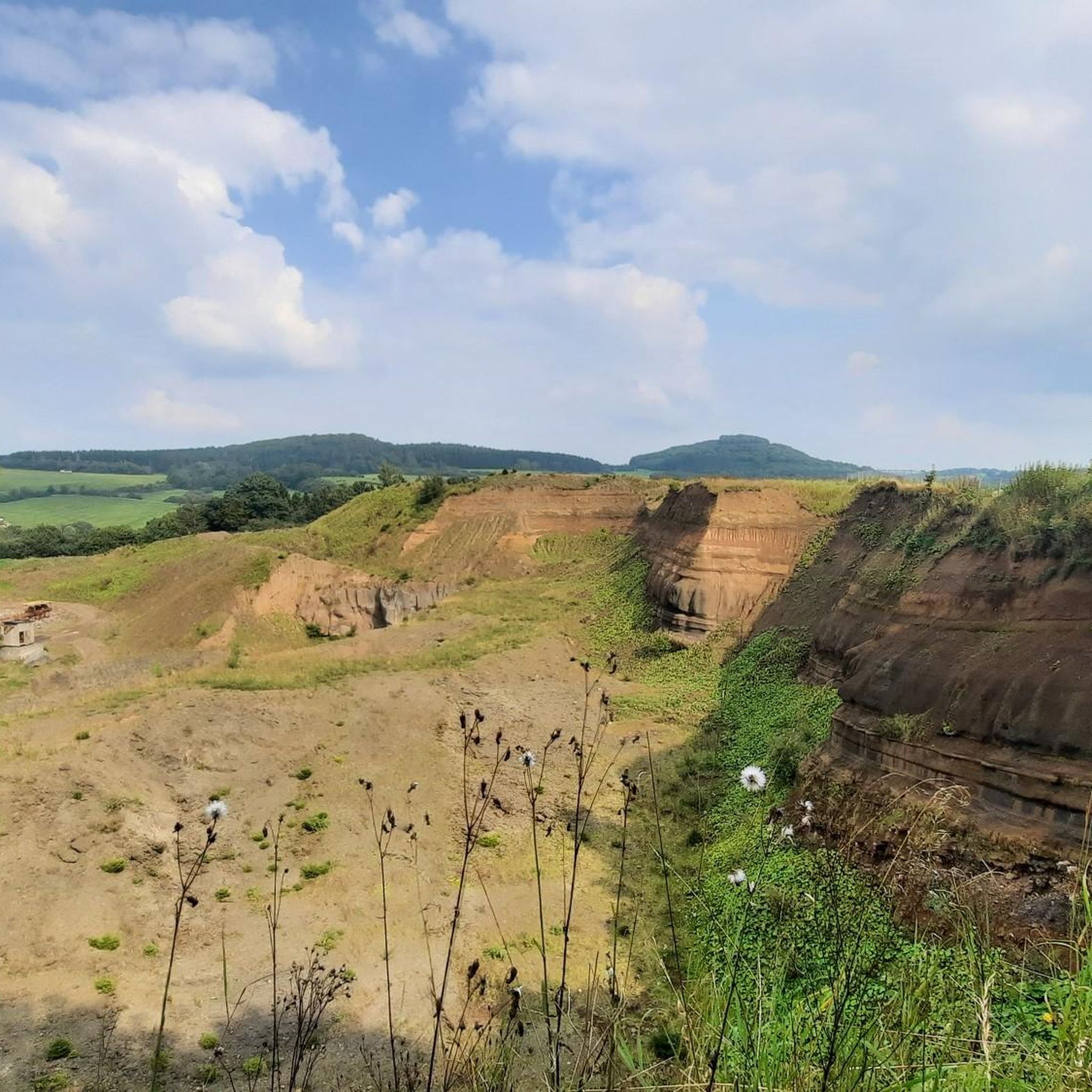
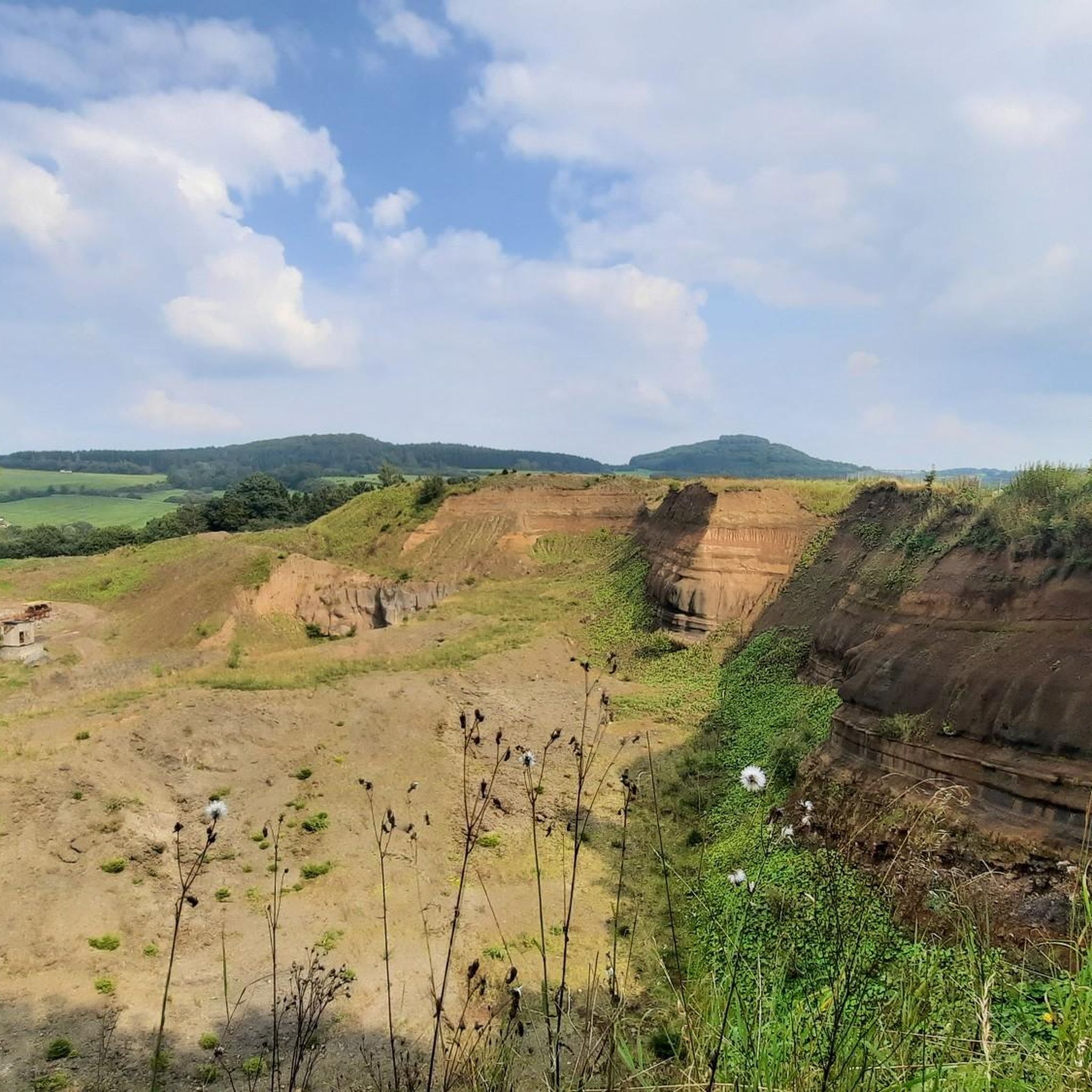
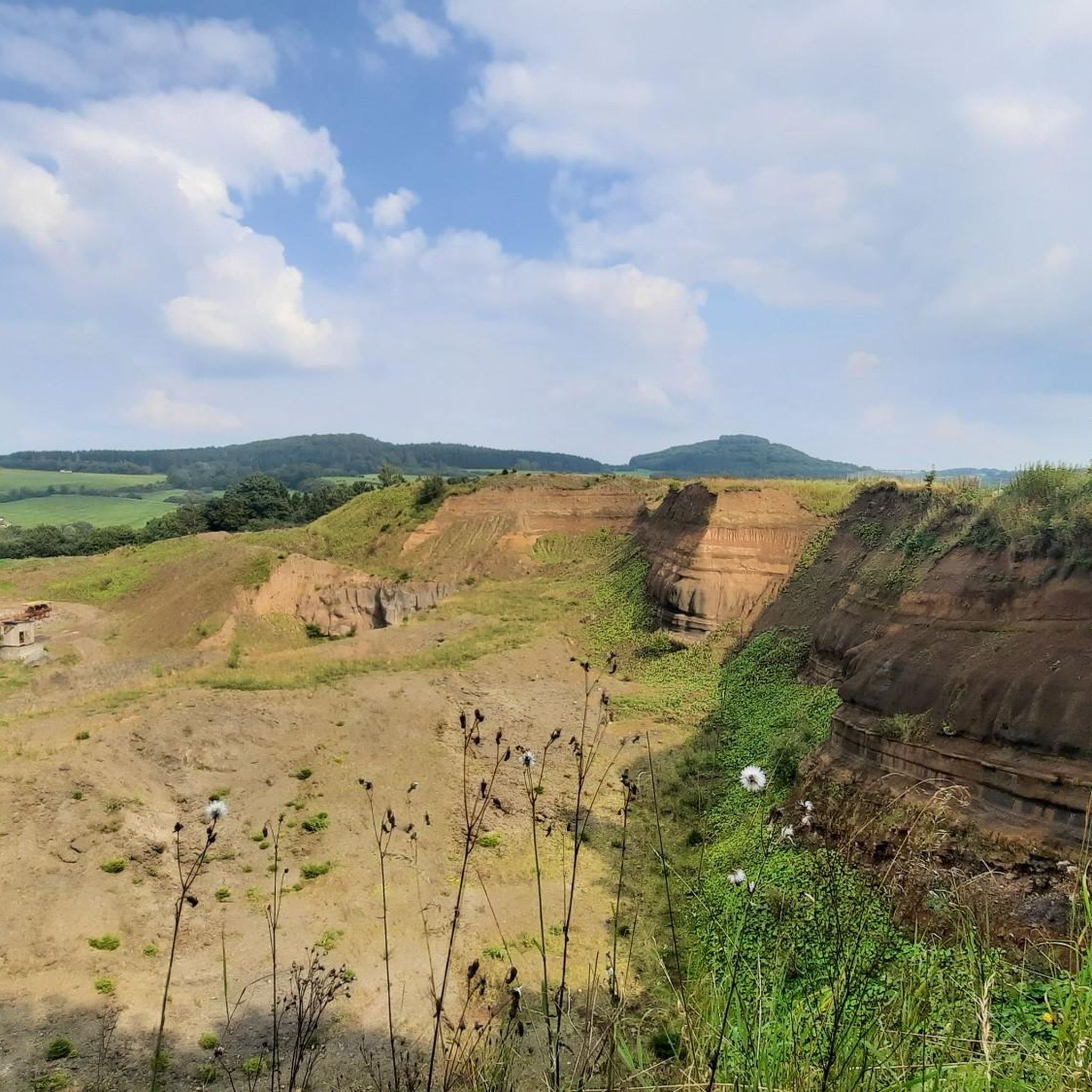
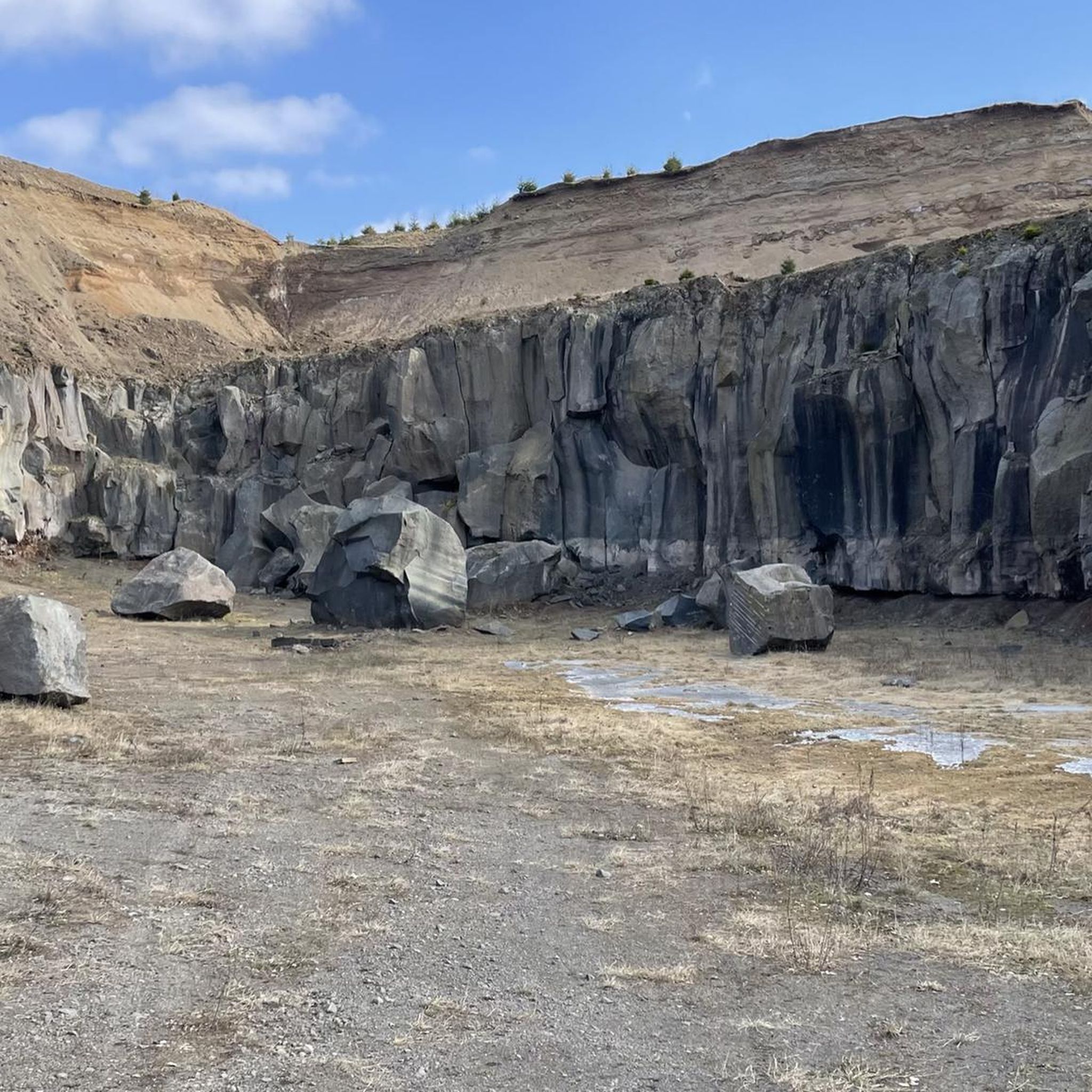
- Another must-see spot is Freudenkoppe Castle Ruins, a hilltop castle ruin located on a 610 meter high basalt cone. The keep is best preserved, and the ruins of the detached castle house from the 15th century still make an imposing impression.
- Visitors also love View of the Kasselburg, a castle idyllically situated in the Eifel region. It offers a wide range of activities for young and old, including a wolf park and bird of prey shows.
- Hohenfels-Essingen is known for its diverse range of castles, including well-preserved structures, extensive ruins, and historical castle parks. The region offers a variety of historical sites to explore, from medieval strongholds to later manor houses.
- The castles around Hohenfels-Essingen are appreciated by the komoot community, with more than 1300 upvotes and over 980 photos shared by visitors.
Last updated: June 4, 2026
Kerpen Castle (Eifel)
Highlight • Castle
Translated by Google •
Tip by

Dreimühlen Castle Ruins
Highlight • Castle
Translated by Google •
Tip by

Sign up now to discover places like this
Get recommendations on the best single tracks, peaks, & plenty of other exciting outdoor places.
Sign up for free
Freudenkoppe Castle Ruins
Highlight • Castle
Translated by Google •
Tip by

View of the Kasselburg
Highlight • Castle
Translated by Google •
Tip by

Löwenburg (Gerhardstein Castle) ruins, Gerolstein
Highlight • Castle
Translated by Google •
Tip by

Sign up for free to discover even more castles around Hohenfels-Essingen.
Sign up for free
Already have an account?
Start today with a free account
Your next adventure awaits.
Login or Signup
Tips from the Community

In 1670 the castle was badly damaged by a lightning strike in the Powder Tower. It was occupied by the French on July 6, 1691, but was recaptured on August 5 of the same year. Gerolstein is destroyed in the process. In 1840 the castle was also known as Jungkernburg. The remaining remnants of the wall were partially demolished in the 18th century and further destroyed in the Second World War. Today only a few remains remain, but they have been restored. Excerpt from Wikipedia
3
0
The complex consists of the privately inhabited front castle and the ruins of the main castle behind it, accessible via a wooden bridge, from which there is a good view of Gerolstein and the rocks of the Munterlay.
3
0

The steep climb to the castle is quite difficult. A real calf biter! But once at the top you forget it all. Beautiful ruin and the cave is more than worth it.
5
0

A very beautiful castle above a great little town. Restorations are already well advanced. Definitely worth a visit
8
0

Even if the castle cannot be visited because it is privately owned, its location high above the village of Kerpen is very impressive and gives the beautiful village a certain charm. Kerpen Castle is a so-called spur castle, which lies on a rock or mountain spur, but below the hilltop or the mountain peak, unlike the summit castle, and thus steeply above the valley. It is characterized by a terrain formation that slopes steeply on at least two sides. The place is practically at the feet of the castle. The former owner and famous Eifel painter Fritz von Wille was buried on a hill behind the castle in 1941. For a long time afterwards, it served first as a training center and finally as a rural school center; from 2016 to 2018, refugees were accommodated here. The castle currently belongs to an entrepreneurial family from Bonn and has since been used only for private residential purposes.
7
0

Gerolstein Castle, also known as Löwenburg, Gerhardstein Castle or Junkernburg, is the ruin of a hilltop castle in the town of Gerolstein in the Vulkaneifel district in Rhineland-Palatinate. The Löwenburg was first mentioned in a document in 1115, when Gerhard von Blankenheim moved his seat of power to Gerhardstein Castle, which he had built (which is probably where the place name of Gerolstein derives from). In the 13th century, Gerhard IV expanded the castle into a fortified castle with a front and back castle. After the Blankenheimers died out, Gerhardstein Castle passed to the House of Loon-Heinsberg in 1423 and to Dietrich III, Count von Manderscheid in 1468. He divided his property between his three sons in 1488, with the second, Johann, inheriting the county of Blankenheim, Jünkerath, Gerolstein Castle and parts of the Mechernich lordship, and founding the Manderscheid-Blankenheim-Gerolstein line. In 1486 the castle was supplemented by two chapels. In the 16th century the shield wall was built with a thickness of two meters. In 1670 the castle was badly damaged by a lightning strike in the powder tower. On July 6, 1691, it was occupied by the French, but was recaptured on August 5 of the same year. In the process, Gerolstein is destroyed. In 1840 the castle was also known as the Jungkernburg. The remaining remains of the wall are partially removed in the 18th century and further destroyed in the Second World War. Today only a few remains stand, but they have been restored.
11
0

<< Löwenburg Castle Ruins >> "High above Gerolstein lies the ruins of the medieval hilltop castle. This is also known as Löwenburg or Gerhardstein Castle, and is named after Gerhard VI of Blankenheim (1314 - 1350). The castle was first mentioned in documents in 1115 and was expanded in the 13th century by Gerhard IV to become a fortified castle with an outer and rear castle. After the Blankenheim family died out, Gerhardstein Castle passed to the House of Loon-Heinsberg in 1423 and to Dietrich III, Count of Manderscheid, in 1468. He divided his property between his three sons in 1488, with the second, Johann, inheriting Gerolstein Castle, among other things, and thus establishing the Manderscheid-Blankenheim-Gerolstein line. The Löwenburg was destroyed in the Palatinate War of Succession in 1691 and was not rebuilt. Today, the 11 m high shield wall and the remains of Residential buildings are a reminder of the castle's once great importance as a ruler's seat. Located close to the Eifelsteig and the Vulkaneifelpfad Keltenpfad, the castle ruins offer a great panoramic view of Gerolstein, the Gerolstein Dolomites and the Kyll Valley." https://www.geopark-vulkaneifel.de/eifel/landschaft/burgen-und-schloesser/burgruine-loewenburg.html
4
0

Very well preserved ruin. Exploring them with children is a very special experience. Especially nice in late spring when the trees all around are fresh green.
8
0
Frequently Asked Questions
What are some of the most popular castles to visit in the Hohenfels-Essingen area?
The region around Hohenfels-Essingen, particularly in the Eifel, features several popular castles. Among them are Kerpen Castle (Eifel), known for its impressive appearance and excellent hiking opportunities around its privately owned grounds. Another favorite is Freudenkoppe Castle Ruins, a hilltop ruin with a well-preserved keep and imposing remains of a 15th-century castle house. Visitors also highly rate the View of the Kasselburg, which is part of an eagle and wolf park offering activities for all ages.
Are there family-friendly castles or activities in the Hohenfels-Essingen region?
Yes, the area offers family-friendly options. The Kasselburg, for instance, is part of the Kasselburg Eagle and Wolf Park, which provides a wide range of activities for young and old, including bird of prey shows and opportunities to see wolves. Many of the castle ruins are also accessible via hiking trails suitable for families.
What kind of natural features or viewpoints can I expect to see near the castles?
Many castles in the Hohenfels-Essingen area are situated in scenic natural surroundings, offering excellent viewpoints. For example, Burg Hohenfels (in Oberpfalz, not the Eifel) is on an elevated rocky ridge providing commanding views. In the Eifel, the Freudenkoppe Castle Ruins are located on a 610-meter high basalt cone, offering panoramic views. The Löwenburg (Gerhardstein Castle) ruins also provide a great view of Gerolstein and the Gerolstein Dolomites.
What outdoor activities can I do near the castles in the Hohenfels-Essingen area?
The region is excellent for outdoor enthusiasts. You can find numerous routes for mountain biking, cycling, and running. For example, there are MTB Trails around Hohenfels-Essingen, Cycling routes around Hohenfels-Essingen, and Running Trails around Hohenfels-Essingen. Many of these routes pass by or offer views of the castles, allowing you to combine historical exploration with active recreation.
Are there specific hiking trails that lead to or around the castles?
Yes, many castles are integrated into hiking networks. For instance, Kerpen Castle (Eifel) is ideal for hiking around, offering scenic paths. The Freudenkoppe Castle Ruins are best approached by hiking from the east on the Nerother head or by mountain bike. The area around Hohenfels (Oberpfalz) is also known for hiking in the Bavarian Jura with mixed forests and valleys.
What is the best time of year to visit the castles in the Hohenfels-Essingen region?
The castles and their surrounding natural areas can be enjoyed throughout the year. Spring and autumn offer pleasant temperatures for hiking and exploring the ruins, with vibrant foliage or blooming landscapes. Summer is great for combining visits with other outdoor activities. While some attractions like the Kasselburg Eagle and Wolf Park might have limited winter hours, exploring the ruins and trails can still be a unique experience in the colder months, often with fewer crowds.
Are the castles in the Hohenfels-Essingen area dog-friendly?
Many of the outdoor areas around castle ruins and the hiking trails leading to them are generally dog-friendly, allowing you to explore with your canine companion. For specific sites like the Kasselburg Eagle and Wolf Park, it's advisable to check their specific pet policies before visiting, as some areas with animals might have restrictions.
What historical significance do the castles in the Hohenfels-Essingen area hold?
The castles in this region boast rich histories, often dating back to the 12th century or earlier. For example, Kerpen Castle has origins likely from the early 12th century. The Freudenkoppe Castle Ruins were built around 1340 by King John of Bohemia. Many of these castles, like the Löwenburg (Gerhardstein Castle), have seen multiple destructions, rebuilds, and changes of ownership, reflecting centuries of regional power struggles and architectural evolution.
Are there any cafes or restaurants near the castles for visitors?
While specific cafes directly at every ruin might be rare, larger attractions like the Kasselburg Eagle and Wolf Park often have self-service restaurants or cafes on-site. Additionally, the towns and villages surrounding the castles, such as Gerolstein near the Löwenburg, will offer various dining options for visitors.
What are the accessibility considerations for visiting castles in this region?
Accessibility varies greatly depending on the specific castle. Many castle ruins, especially those on hilltops like Freudenkoppe or Burg Hohenfels, involve uneven terrain, steep paths, and stairs, making them challenging for those with mobility issues. More developed sites or castle parks might offer better accessibility. It's best to check specific details for each location you plan to visit.
Can I reach the castles using public transport?
While some larger towns near castles might have train stations or bus routes, direct public transport to every castle ruin, especially those in more remote natural settings, can be limited. Planning your route in advance using local bus schedules or considering a combination of public transport and a short hike or taxi ride is recommended. Many visitors opt for personal vehicles to explore the region's castles.
Most popular routes around Hohenfels-Essingen
Most popular attractions around Hohenfels-Essingen

Get inspired with the komoot mobile app


Explore more
Looking for the best castles somewhere else? Discover other guides around Hohenfels-Essingen:
