The best road cycling routes around Harsleben
4.4
(456)
4,150
riders
148
rides
Road cycling around Harsleben offers access to the diverse landscapes of the Harz Mountains. The region features a blend of rolling hills, dense forests, and unique rock formations like the Teufelsmauer. Cyclists can navigate well-paved roads in the Harz foreland and valleys, with routes providing varied terrain and elevation changes. This area provides a dynamic environment for road cycling.
Best road cycling routes around Harsleben
- The most popular road cycling route is Kloster Gröningen Lake – Querradler Rest Area loop…
Last updated: October 27, 2026
3.8
(20)
49
riders
Moderate road ride. Some segments of this route may be unpaved and difficult to ride.
3.0
(1)
37
riders
48.2km
02:01
260m
260m
Moderate road ride. Good fitness required. Some segments of this route may be unpaved and difficult to ride.

4.0
(4)
33
riders
Moderate road ride. Some segments of this route may be unpaved and difficult to ride.
3.6
(8)
32
riders
22.1km
01:10
160m
160m
Moderate road ride. Some segments of this route may be unpaved and difficult to ride.
4.3
(4)
20
riders
Moderate road ride. Good fitness required. Some segments of this route may be unpaved and difficult to ride.
Get access to more routes and recommendations from other explorers.
Already have an account?
Our route recommendations are based on thousands of hikes, rides, and runs completed by other people on komoot.
Start today with a free account
Your next adventure awaits.

Tips from the Community

Impressive altitude - not for nothing a World Heritage site.
0
0

I happened to be in QLB during the King's Days on Pentecost 2026. With the best weather, the city was full of celebrating people. The castle was probably closed due to restoration. So only the photo remained. :-D
1
0

Beautiful rest area with barefoot course and view of Halberstadt.
1
0

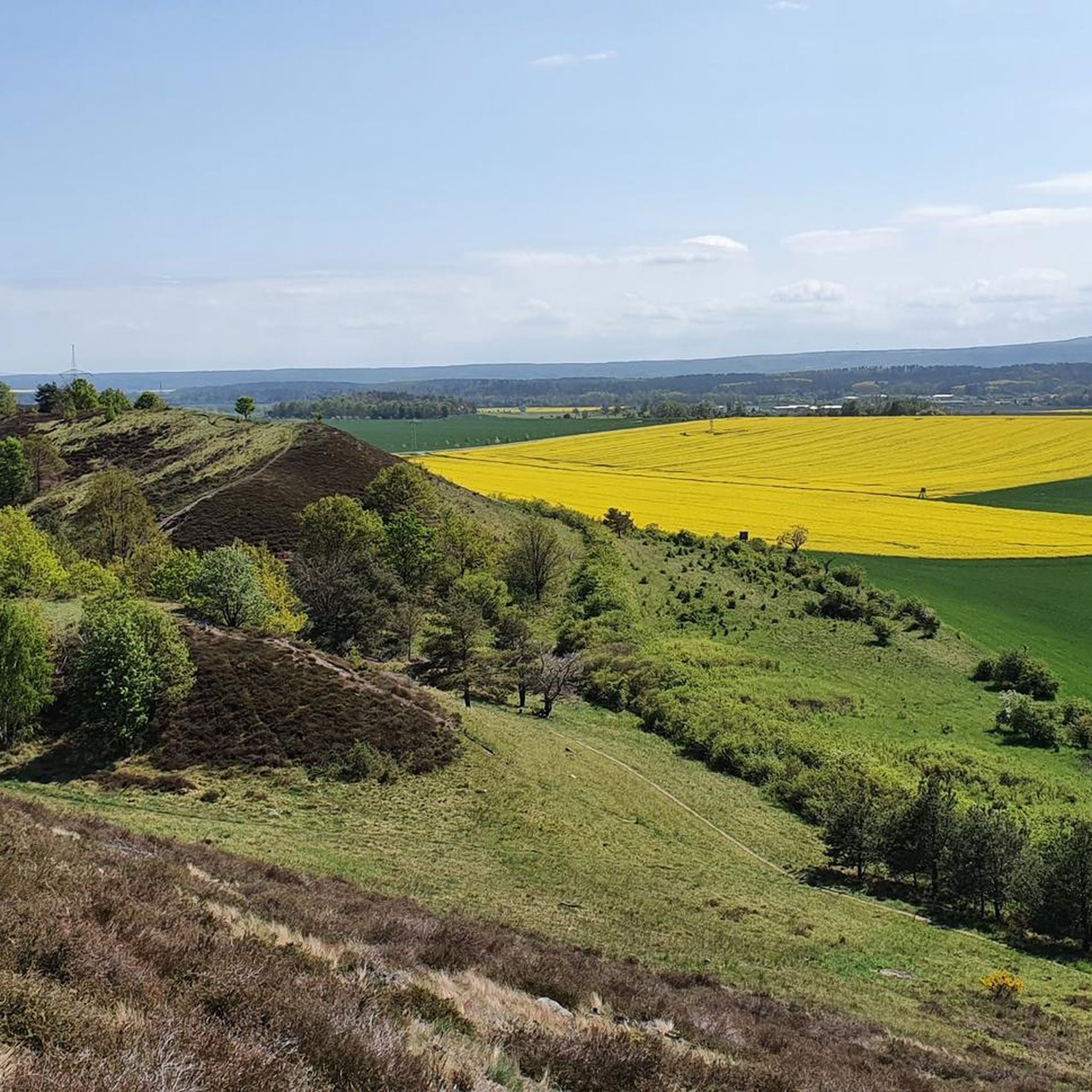
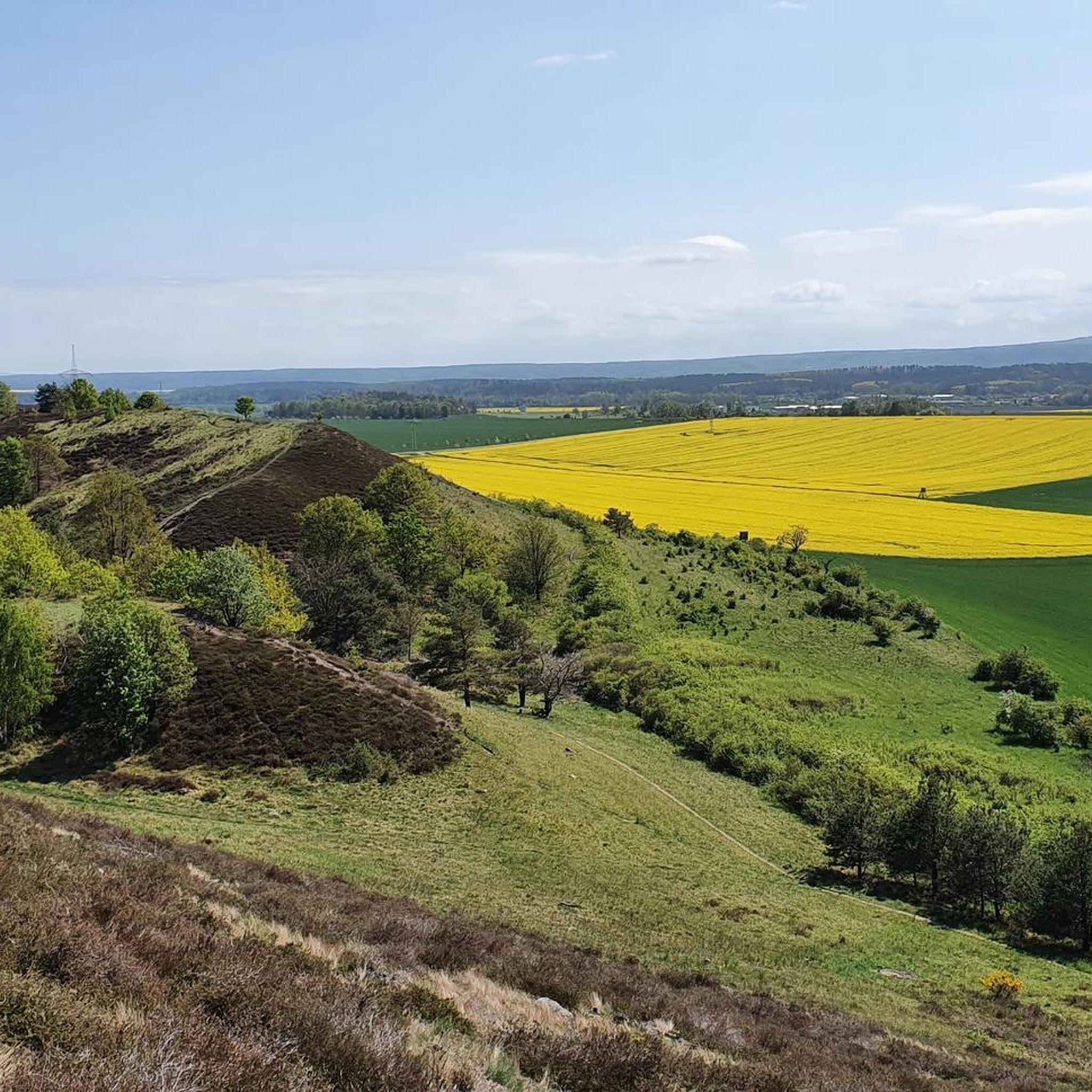
Beautiful view near Hedersleben
0
0

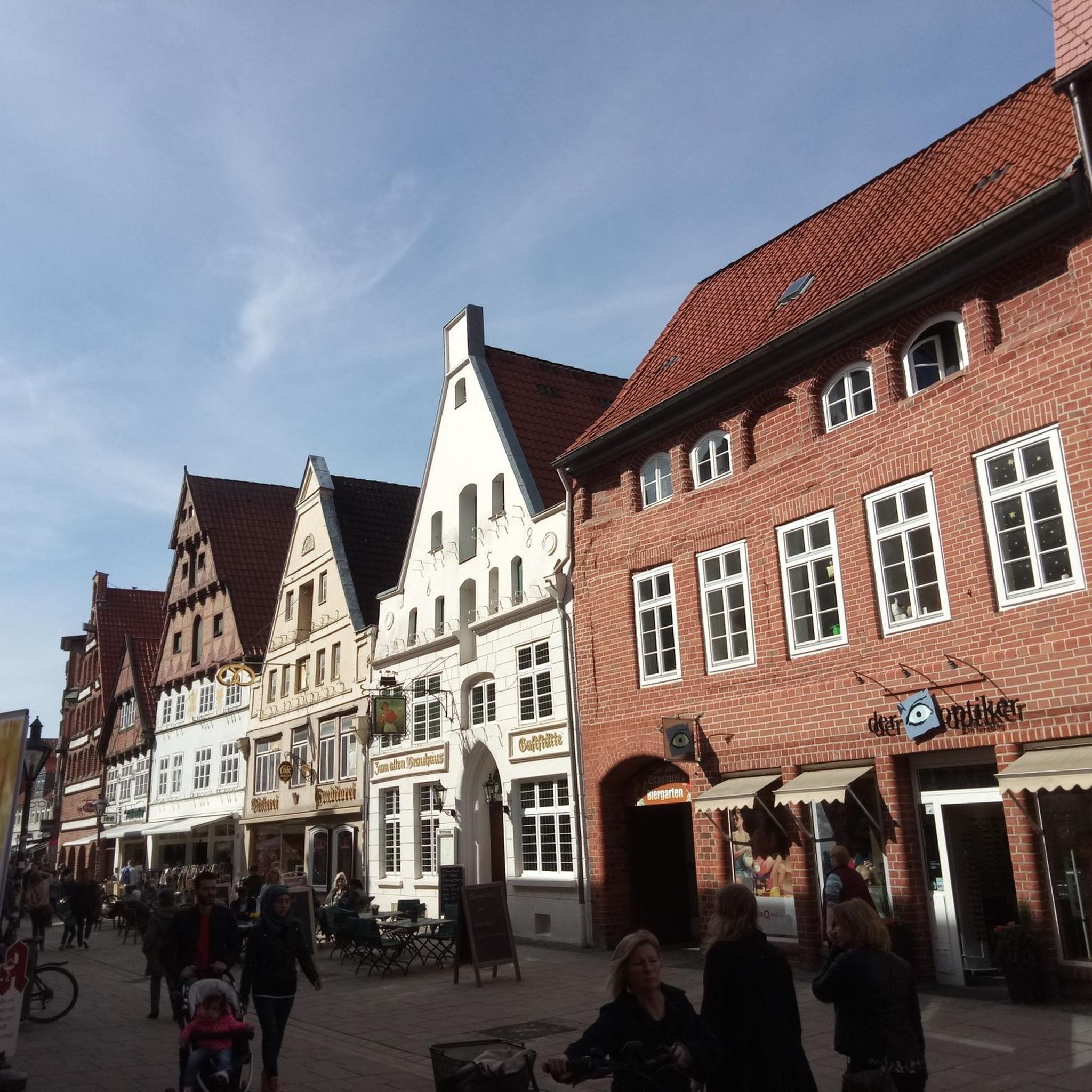
Lots of half-timbered houses and lots of history.
1
0

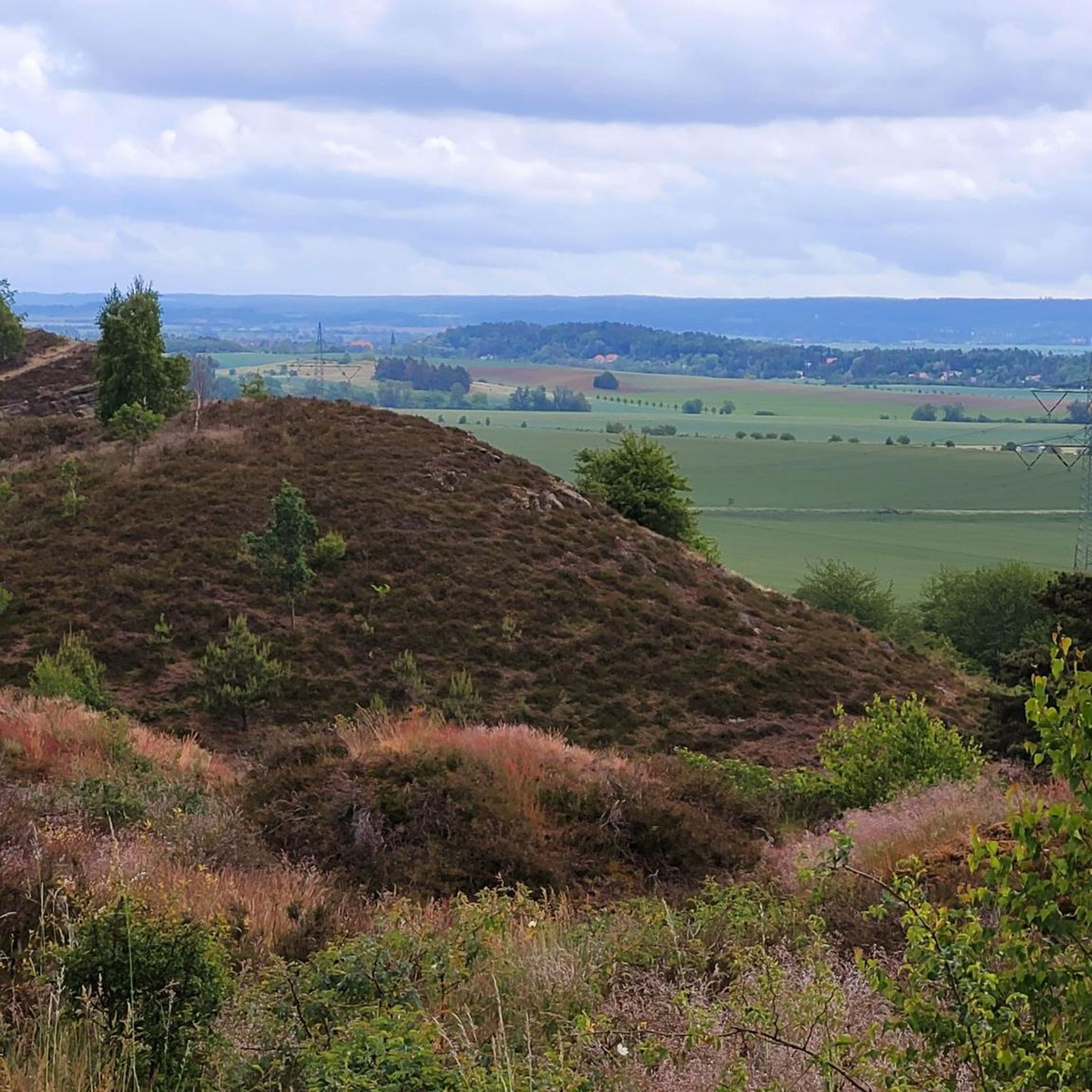
Very nice view of the Harz and the Brocken
0
0

The Marktkirche St. Benedikti has its origins in an early Romanesque predecessor church built in the 10th century at the intersection of old trade routes. Some parts of the crypt from that time are still preserved today. From around 1100, the Marktkirche (first documented mention in 1233) was built as a town church in the center of the historic Quedlinburg Old Town. The church has developed from a Romanesque basilica over centuries into its current architectural form. For this reason, architectural elements and furnishings from all known building epochs can be found there. Two large round arches on the east wall of the tower mass and stone altars bear witness to the sacred building's Romanesque origins. The three southern arcades with pointed arches and 8-sided pillars, as well as the Kaland Chapel with the Marienaltar (1480) and the Vesperaltar in the south nave, date from the Gothic period. The Renaissance left behind flat beam ceilings above the side aisles and a carved pulpit with high-quality reliefs on the Confession of Faith. Baroque traces can be recognized, among other things, in the wooden barrel vault above the central nave, the alabaster baptismal font, and the wooden King David figure. In addition to this diversity, the late Romantic organ with its 52 registers and 3000 pipes, as well as the three new stained glass windows depicting Jesus' journey from birth to ascension, are particularly worth seeing. The tower roof took on its current form after the destruction of the southern helmet by a fire. https://www.quedlinburg-info.de/de/sehenswert/kirchen/details/marktkirche-st-benedikti-quedlinburg.html
8
0

The market church of St. Benedicti, a hall church with octagonal pillars and a late Gothic choir from the 15th century, was first mentioned in documents in 1233, but is much older, as it was consecrated in 1173 and still shows Romanesque remains. There is a walled-up Romanesque window in the southern aisle, and Romanesque windows have also been preserved in the tower. The two west towers of the market church are of different heights. While the north tower still stands 60 m high today, as it did originally, the south tower is a few meters lower due to a fire. Both towers burned down on April 29, 1901, along with the tower keeper's apartment, but were later rebuilt true to the original. The tower level of the former tower keeper's apartment has been accessible again for several years and offers a panoramic view of the old town to the east, south and west. Source: Wikipedia
13
2
Frequently Asked Questions
How many road cycling routes are available around Harsleben?
There are over 150 road cycling routes around Harsleben, offering a wide range of options for different preferences and skill levels. These include 11 easy routes, 119 moderate routes, and 21 more challenging routes.
What kind of terrain can I expect on road cycling routes near Harsleben?
Road cycling around Harsleben offers a diverse landscape, from the rolling hills and well-paved roads of the Harz foreland and valleys to routes with more significant elevation changes within the Harz Mountains. You'll encounter lush forests and unique rock formations like the Teufelsmauer, providing a dynamic and engaging cycling experience.
What is the best time of year for road cycling around Harsleben?
The spring and summer months are particularly delightful for road cycling around Harsleben. During this time, the region boasts blooming flowers and green landscapes, complemented by a generally temperate climate, making for pleasant outdoor activities.
Are there scenic viewpoints or natural features to see along the routes?
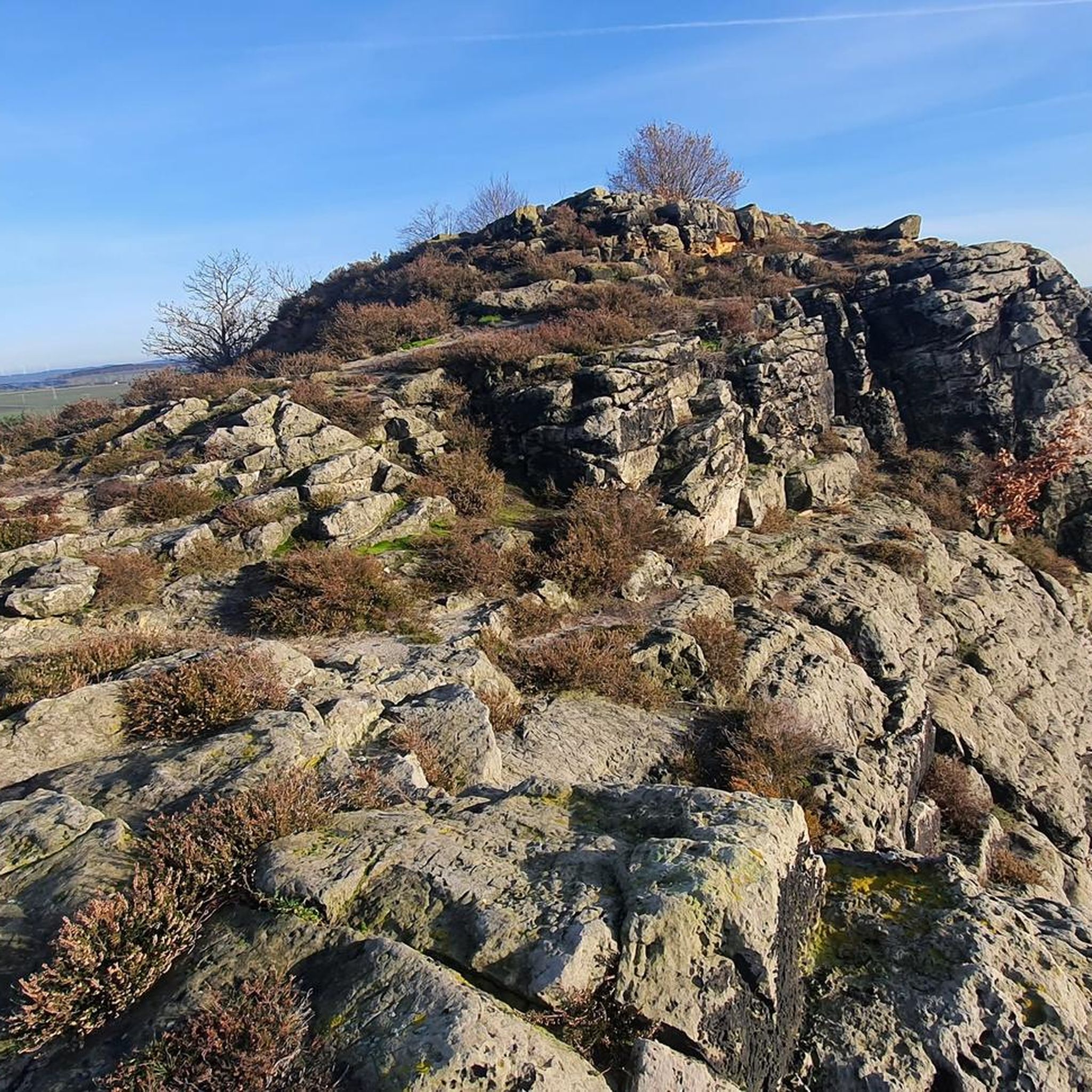
Absolutely. Many routes offer views of striking natural features. For instance, you can find routes that provide glimpses of the unique Teufelsmauer rock formations, such as the Großvaterfelsen and the Hamburger Wappen. The surrounding Harz Mountains also offer extensive forests and picturesque valleys.
What historical towns or cultural sights can I visit while road cycling?
Road cycling around Harsleben can easily be combined with visits to historical towns. Nearby Halberstadt, known as the 'gateway to the Harz Mountains,' features a medieval cathedral. The UNESCO World Heritage site of Quedlinburg, with its half-timbered houses, is also a popular destination. Blankenburg, on the R1 European cycle path, offers a castle to explore.
Are there any castles or historical sites accessible by road bike?
Yes, several castles and historical sites are within cycling distance. You can visit Regenstein Castle and Fortress, Great Castle of Blankenburg, or the Schlossberg and Collegiate Church of St. Servatius in Quedlinburg. These make for excellent cultural stops during your rides.
Are there any loop road cycling routes around Harsleben?
Yes, many road cycling routes around Harsleben are designed as loops, allowing you to start and end at the same point. An example is the Kloster Gröningen Lake – Querradler Rest Area loop from Halberstadt Hauptbahnhof, which offers views of the surrounding countryside.
Are there family-friendly road cycling options in Harsleben?
The region offers a variety of routes, including easier rides in the Harz foreland, which are generally more suitable for families. These routes often feature well-paved roads and less significant elevation changes, providing a comfortable experience for all ages.
Can I find cafes or pubs along the road cycling routes for a break?
Yes, many routes pass through charming villages and towns where you can find cafes and pubs. For example, the View of Halberstadt – Café Waldhaus loop from Halberstadt Oststraße specifically mentions passing by Café Waldhaus, indicating opportunities for refreshment.
What do other road cyclists say about the routes around Harsleben?
The road cycling routes in Harsleben are highly rated by the komoot community, with an average score of 4.4 stars from over 350 reviews. More than 3,400 road cyclists have explored the varied terrain, often praising the diverse landscapes and well-maintained paths.
Are there routes that offer views of Halberstadt?
Yes, you can find routes that provide scenic views of Halberstadt. The View of Halberstadt – Café Waldhaus loop from Halberstadt Oststraße is a popular moderate path that offers picturesque vistas of the town and its surroundings.
What are the parking options for cyclists in Harsleben?
Harsleben and nearby towns like Halberstadt, which serve as common starting points for routes, typically offer various parking facilities. It's advisable to check local parking information for specific starting points, especially near train stations or popular attractions.
Is public transport available to access road cycling routes?
Yes, public transport can be used to access road cycling routes around Harsleben. Halberstadt, for instance, has a Hauptbahnhof (main train station) which serves as a starting point for several routes, such as the Halberstadt Water Tower – Halberstadt Train Station loop, making it convenient for cyclists using trains.
Most popular routes around Harsleben
Most popular attractions around Harsleben

Get inspired with the komoot mobile app


Explore more
Browse the best Road cycling routes in other regions.
