Top 20 Castles around Flossenbürg
Best castles around Flossenbürg are situated in the Upper Palatine Forest, a region characterized by its granite formations and historical significance. The area features numerous castle ruins, often perched on elevated positions, offering insights into centuries of regional history. These sites provide panoramic views of the surrounding landscape and reflect the strategic importance of the region near the Czech Republic border.
Best castles around Flossenbürg
- The most popular castles is Schellenberg Castle Ruins and Observation Tower, a castle that was built in 1347 to repel raids from Bohemia. This site, located at 826 meters, is the highest vantage point in the Upper Palatinate, offering extensive views.
- Another must-see spot is Flossenbürg Castle Ruins, a historical site with an impressive ruin complex. Visitors can explore the large grounds, which include various vantage points and a residential tower, providing inspiring panoramas of the Northern Upper Palatinate Forest.
- Visitors also love Schlossberg Hossenburg and Granite Trail, a castle site with a trail. This location offers views of the Schlossberg and the castle enthroned on it, alongside notable granite rock formations.
- Flossenbürg is known for castle ruins, historical sites, and natural monuments. The region offers a variety of castles to see and explore, many featuring viewpoints and trails.
- The castles around Flossenbürg are appreciated by the komoot community, with more than 1500 photos and over 690 upvotes.
Last updated: May 25, 2026
Schellenberg Castle Ruins and Observation Tower
Highlight • Castle
Translated by Google •
Tip by

Flossenbürg Castle Ruins
Highlight • Castle
Translated by Google •
Tip by

Sign up now to discover places like this
Get recommendations on the best single tracks, peaks, & plenty of other exciting outdoor places.
Sign up for free
Haselstein castle site and Haselstein information hut
Highlight • Historical Site
Translated by Google •
Tip by

Schlossberg Hossenburg and Granite Trail
Highlight • Castle
Once you are at the top of the castle, you can no longer see the construction site.
Translated by Google •
Tip by
Liebenstein Castle Ruins
Highlight • Castle
It is a relatively large complex; the few visible remains of the wall were recently excavated and renovated.
Translated by Google •
Tip by

Sign up for free to discover even more castles around Flossenbürg.
Sign up for free
Already have an account?
Start today with a free account
Your next adventure awaits.
Login or Signup
Popular around Flossenbürg


Tips from the Community

The ancestral home of the Lords of Liebenstein, who emerged from the middle of the 12th century. The building was built around 1100 on a rock spur made of "ice granite" above the Waldnaab. In 1430 the Hussites camped under the castle, and the castle has fallen into disrepair since the middle of the 17th century. After the city fire of 1814, the citizens of Tirschenreuth took many stones from the ruins. It is a relatively large complex; the few visible remains of the wall were recently excavated and renovated.
12
0

Beautiful circular walk around the castle ruins, which are worth a visit. Afterwards, we recommend a visit to the nearby museum cafe https://g.co/kgs/WCgcrBs
2
0

Beautifully prepared castle ruins with a drawbridge, exposed remains of walls and a castle chapel. The well-made information boards tell the story of the once proud castle. The oldest exposed stones date back to around 1200. Worth seeing and worth a detour.
8
0
In 1347, Emperor Ludwig the Bavarian had Schellenberg Castle, which was then called "Lug ins Land", built to protect against attacks from Bohemia. On July 12, 1498, the castle was stormed under the leadership of Captain Konrad von Wirsberg, who was in the service of the Margrave of Brandenburg. The castle was partially destroyed. Their owner, Knight Moritz von Guttenberg, was captured. The castle was never rebuilt.
9
0

An impressive ruin, worth visiting for the complex alone. But the magnificent views are also inspiring.
8
0
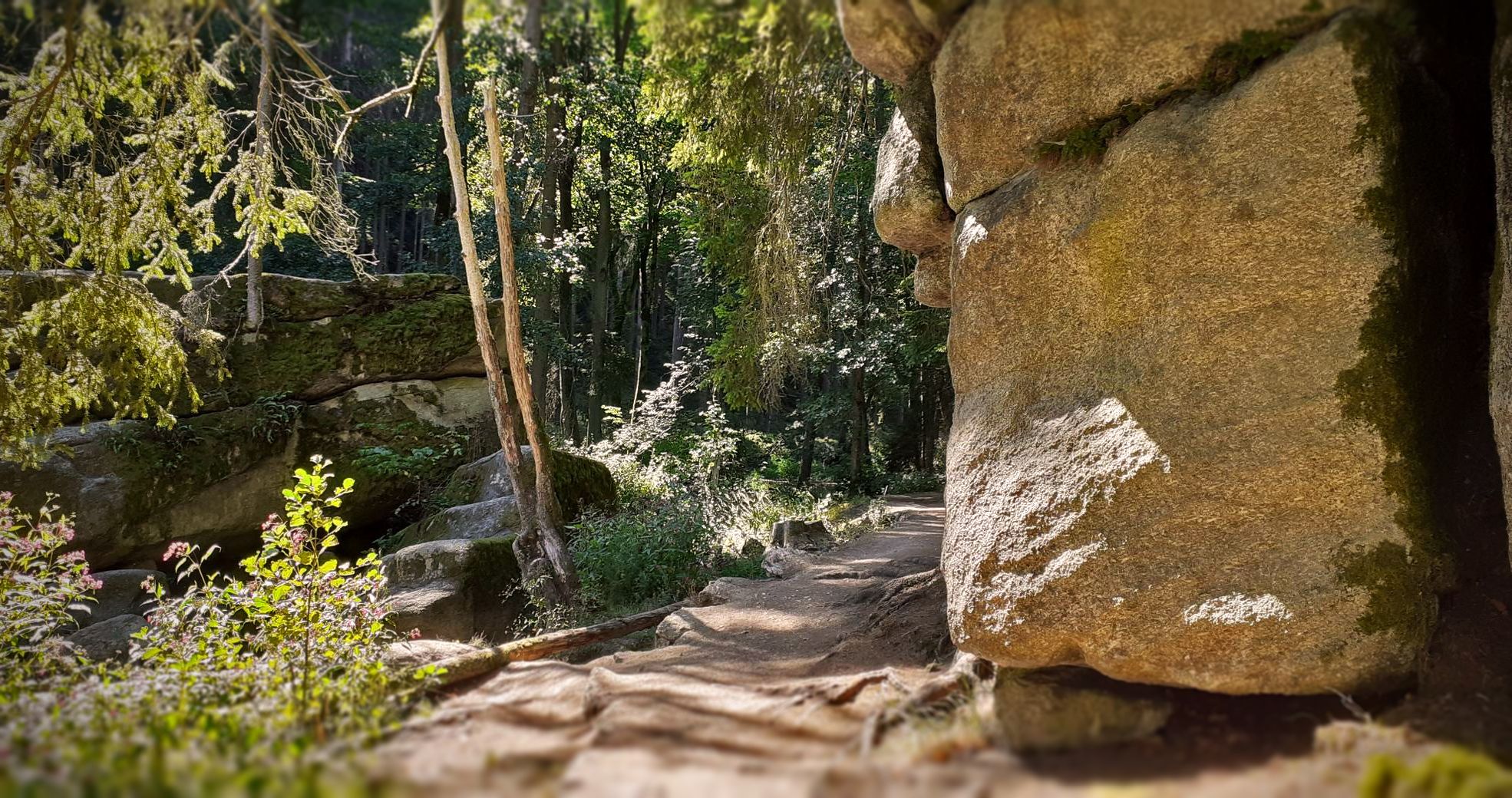
In addition to the great granite rocks, you can also catch wonderful views of the Schlossberg and the castle enthroned on it on the granite path.
5
0

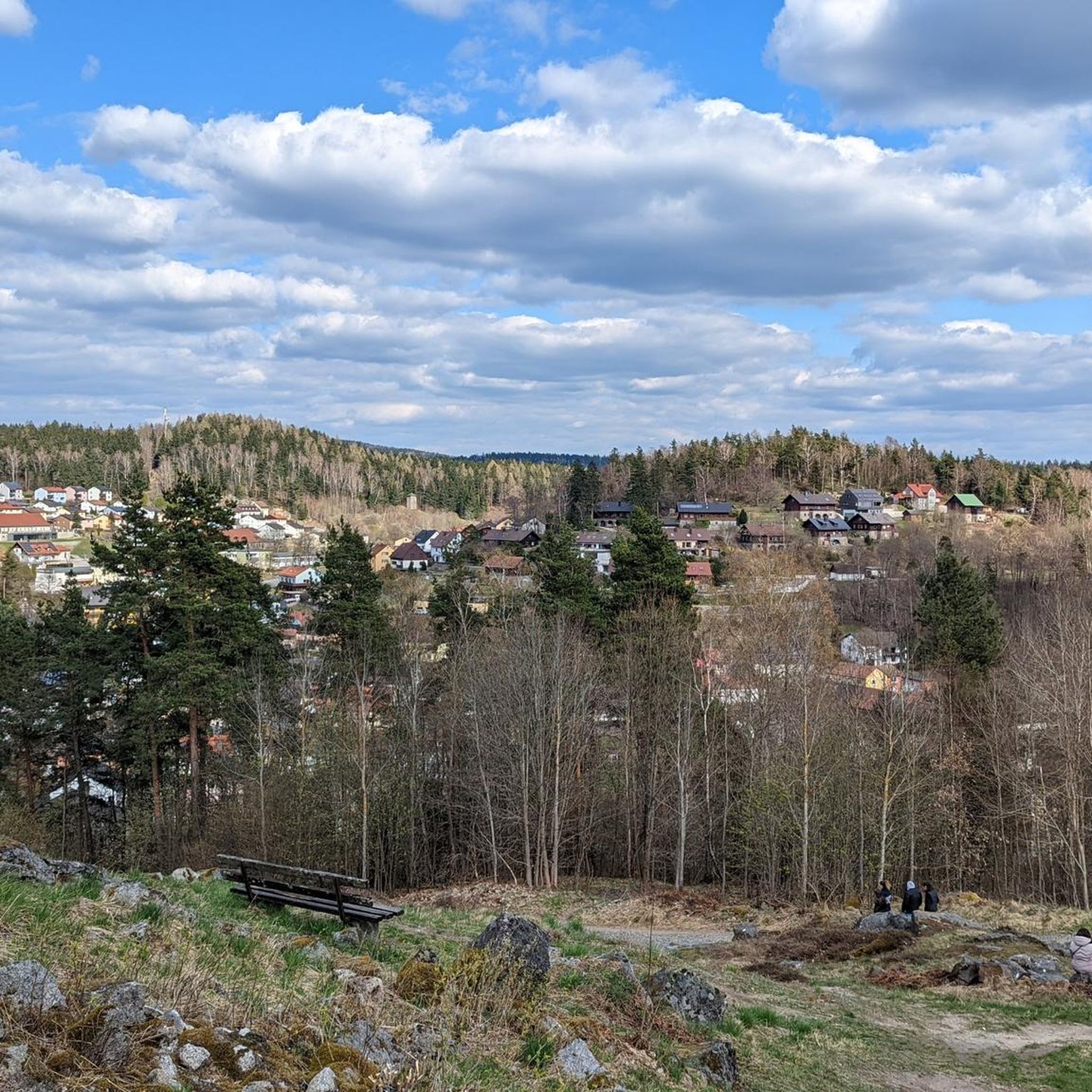
Great view of the castle ruins from the back failure of a beautiful hiking trail
2
0

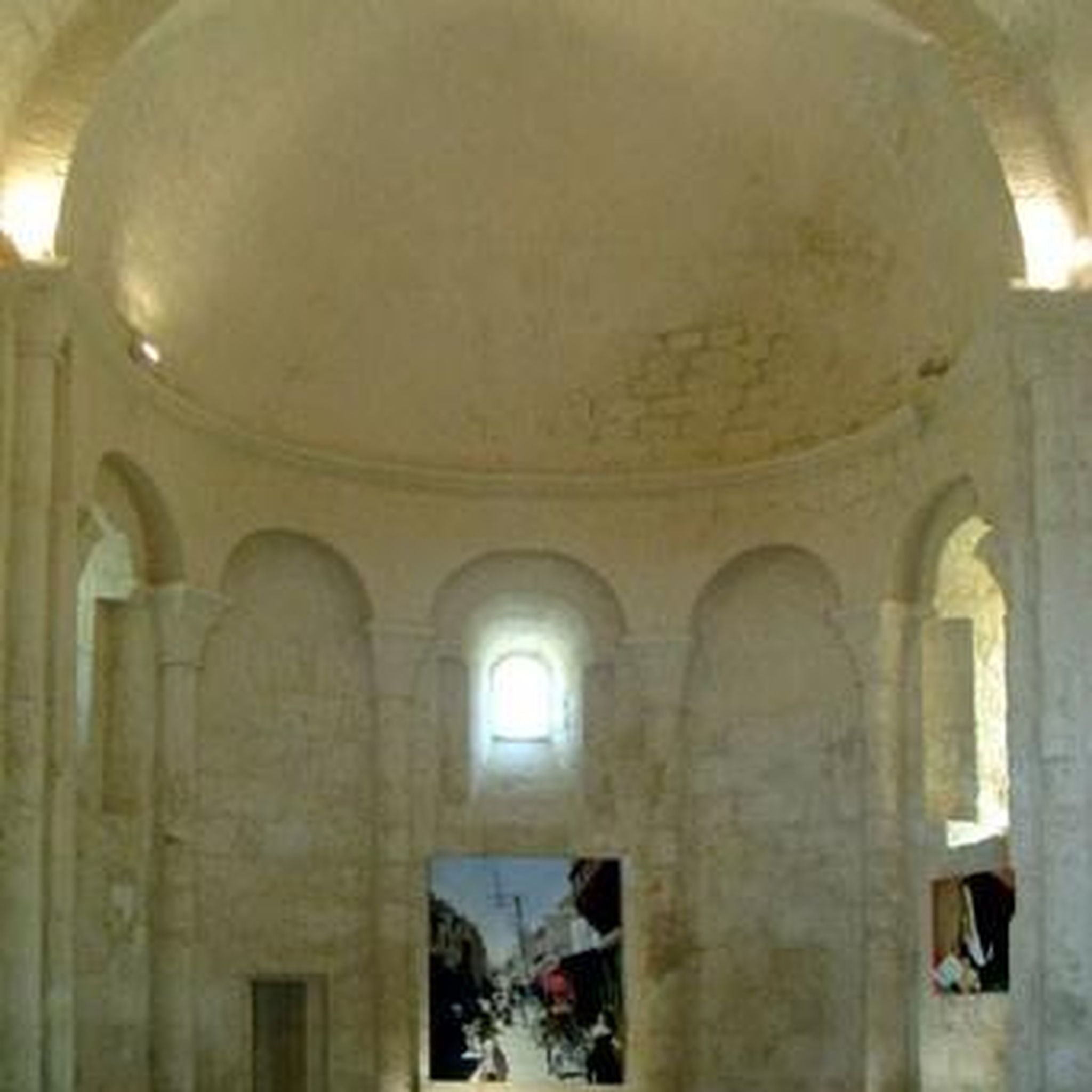
Castle ruins Liebenstein Liebenstein Castle is located on two old long-distance routes on a topographically striking granite cone above the Waldnaab valley. The castle is built in the early 12th century. In documents from 1125 and 1143 the family of Liebensteiner (the brothers "Udalricus and Piligrimus de Egere") is mentioned for the first time. The Liebensteiner belonged to one of the most powerful and richest ministerial families of the Egerland. When they died out in 1292 without male descendants, the castle came into the possession of the Waldsassen monastery in 1298. It was heavily fortified and expanded around 1300 by Abbot Theodoric. In 1340 Abbot Franz erected a ring wall as a further fortification measure, which surrounded the entire castle complex. Liebenstein Castle had its own beneficiary. In the course of the excavations, the small castle chapel dedicated to St. Catherine was located in the very south-east of the ruins. The altar block is still preserved in the choir room. The apse was added to the wall of the hall later. The main room, with its loophole-like openings, must therefore have had a different function before it was converted into a chapel. A chapel was expensive to build and maintain. According to the reconstruction proposal, the chapel is equipped with a few elaborate columns and a wooden gallery. The gallery must have been accessible to the noble residents of the castle from the Palas. Here, as was customary in the medieval society of estates, they could attend mass separately from the other believers. In 1643 the castle was given up in favor of a castle in the valley (former inn) and fell into ruins. In 1814 it was almost completely demolished - a royal decree to protect the ruins came too late. The stone material is used for the reconstruction of Tirschenreuth after the great city fire (July 30, 1814). The granite cone of the castle hill was mined by several quarries from 1937 to the 1950s. In 2006, when the excavations and repair work began, only a few remains of the wall were left. After intensive excavations, restoration and reconstruction measures, it now presents itself to the visitor in a comprehensively restored condition. The work, supported by numerous sponsors, was carried out between 2006-2018 by the Liebenstein Citizens' Association. They were professionally looked after by the Bavarian State Office for the Preservation of Monuments.
3
0
Frequently Asked Questions
What are the most historically significant castles around Flossenbürg?
The Flossenbürg Castle Ruins are particularly significant, dating back to around 1100 and playing a vital role as a stronghold. It was even under Emperor Friedrich Barbarossa's possession. Another notable site is Schellenberg Castle Ruins, built in 1347 to repel raids from Bohemia.
Which castles offer the best panoramic views of the region?
For magnificent panoramic views, the Flossenbürg Castle Ruins are highly recommended, especially from its residential tower. The Schellenberg Castle Ruins and Observation Tower, located at 826 meters, also provides extensive views as the highest vantage point in the Upper Palatinate. Additionally, the Schlossberg Hossenburg and Granite Trail offers wonderful views of the Schlossberg and its enthroned castle.
Are the castle ruins around Flossenbürg family-friendly?
Yes, several castle ruins are considered family-friendly. The Flossenbürg Castle Ruins are quite large with much to explore, and benches are available for resting. Schellenberg Castle Ruins and the Haselstein castle site also feature amenities and are suitable for families.
Can I bring my dog to the castle ruins?
While specific rules for dogs vary, many outdoor historical sites in the region, including castle ruins, are generally dog-friendly, especially on trails. However, always ensure your dog is on a leash and that you clean up after them. For Liebenstein Castle Ruins, visitors have noted the presence of ticks in summer, so it's advisable to check your pets afterwards.
What are the typical hiking difficulties for trails leading to these castles?
Most trails leading to the castle ruins around Flossenbürg are rated as intermediate. For example, the path to Flossenbürg Castle Ruins typically involves a 15-minute walk up a scenic hiking trail. Some routes, like those around Flossenbürg Castle Ruins, can be considered challenging due to terrain, while others like Schellenberg Castle Ruins are also intermediate. The Schlossberg Hossenburg and Granite Trail is also intermediate.
Is there parking available at the castle ruins?
Parking availability varies by site. For Flossenbürg Castle Ruins, visitors typically park in the town and walk up a scenic trail next to the cemetery. For other sites, it's best to check local signage or specific highlight details for designated parking areas.
What is the best time of year to visit the castles around Flossenbürg?
The castle ruins are generally freely accessible year-round. Spring and autumn offer pleasant temperatures for hiking and exploring, with beautiful foliage. Summer provides longer daylight hours, though it can be warmer. Winter visits are possible, but trails might be icy or snowy, especially at higher elevations like Schellenberg Castle Ruins, which experiences a harsh climate.
What natural features can I expect to see at these castle sites?
The castles are often perched on significant geological formations. Flossenbürg Castle Ruins, for instance, sits atop a granite rock, recognized as a 'National Geotope' for its unique magma-formed granite. The Schlossberg Hossenburg and Granite Trail also highlights notable granite rock formations. Many sites offer views of the surrounding Northern Upper Palatinate Forest.
Are there any cafes or pubs near the castle ruins?
Amenities like cafes and pubs are typically found in the nearby towns. For Flossenbürg Castle Ruins, you'll find options in Flossenbürg town. Some sites, like Schellenberg Castle Ruins, might have small, shady rest areas or information boards, but not full-service establishments directly at the ruins.
What outdoor activities can I do near these castles?
The region around Flossenbürg is excellent for various outdoor activities. You can find numerous hiking trails, including circular walks around the castle areas. There are also running trails and road cycling routes that pass through the scenic Upper Palatine Forest, often offering views of the castles or leading to them.
What do visitors enjoy most about the castles around Flossenbürg?
Visitors frequently praise the impressive ruin complexes and the magnificent, inspiring views they offer. The historical significance and the opportunity to explore large grounds with various vantage points are also highly valued. The unique juxtaposition of historical ruins with views of the former Flossenbürg Concentration Camp from Flossenbürg Castle Ruins also leaves a profound impression.
How long does it typically take to explore the Flossenbürg Castle Ruins?
After a 15-minute walk up to the ruins, you can expect to spend a good amount of time exploring. The Flossenbürg Castle Ruins are quite large, with many different vantage points and areas to discover, including the residential tower. You can easily spend an hour or more wandering the grounds and enjoying the views.
Most popular routes around Flossenbürg
Most popular attractions around Flossenbürg

Get inspired with the komoot mobile app


Explore more
Looking for the best castles somewhere else? Discover other guides around Flossenbürg:
