Top 19 Castles around Hochstadt am Main
Best castles around Hochstadt am Main are found in the surrounding Upper Franconia region, which features a landscape of the Upper Main river valley. While Hochstadt am Main itself primarily offers historical remnants like the Wasserschloss foundations, the broader area provides access to various castle sites. These range from well-preserved, privately owned castles to significant castle ruins. The region's historical significance is reflected in these structures, offering insights into medieval architecture and local heritage.
Best castles around Hochstadt am Main
…Last updated: May 26, 2026
Lichtenfels Market Square
Highlight • Settlement
Translated by Google •
Tip by

Strößendorf Castle
Highlight • Castle
Translated by Google •
Tip by

Sign up now to discover places like this
Get recommendations on the best single tracks, peaks, & plenty of other exciting outdoor places.
Sign up for free
Oberlangenstadt Castle
Highlight • Castle
Translated by Google •
Tip by

Southern ascent to the Niesten Castle ruins
Highlight • Historical Site
Translated by Google •
Tip by

Schmölz Castle
Highlight • Castle
Translated by Google •
Tip by

Sign up for free to discover even more castles around Hochstadt am Main.
Sign up for free
Already have an account?
Start today with a free account
Your next adventure awaits.
Login or Signup
Tips from the Community

In any case, it's a huge building. More defiant than beautiful.
8
2

There is a warning about dogs running loose 😭
3
0
The beer garden opposite is highly recommended; everything just fits together there.
5
1
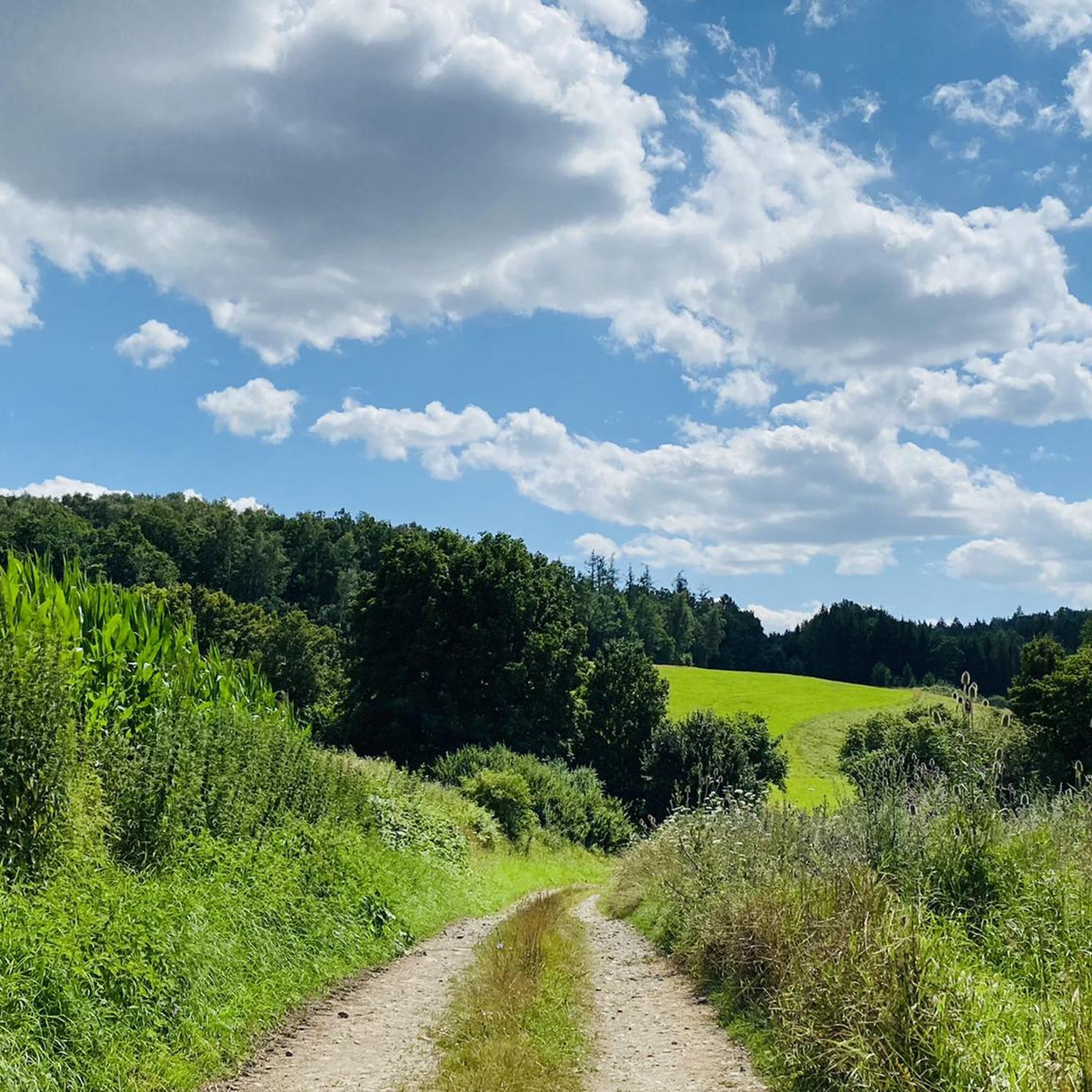
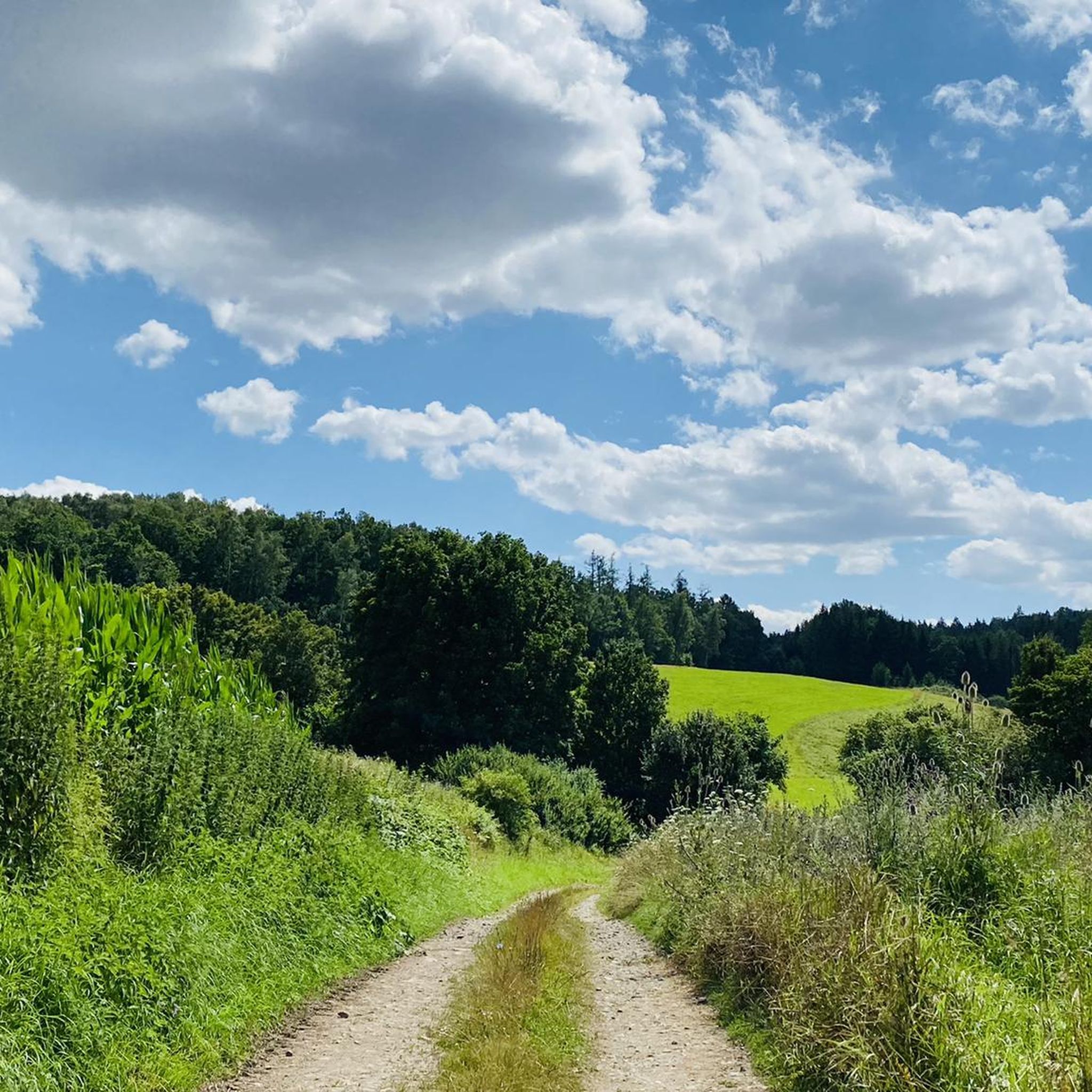
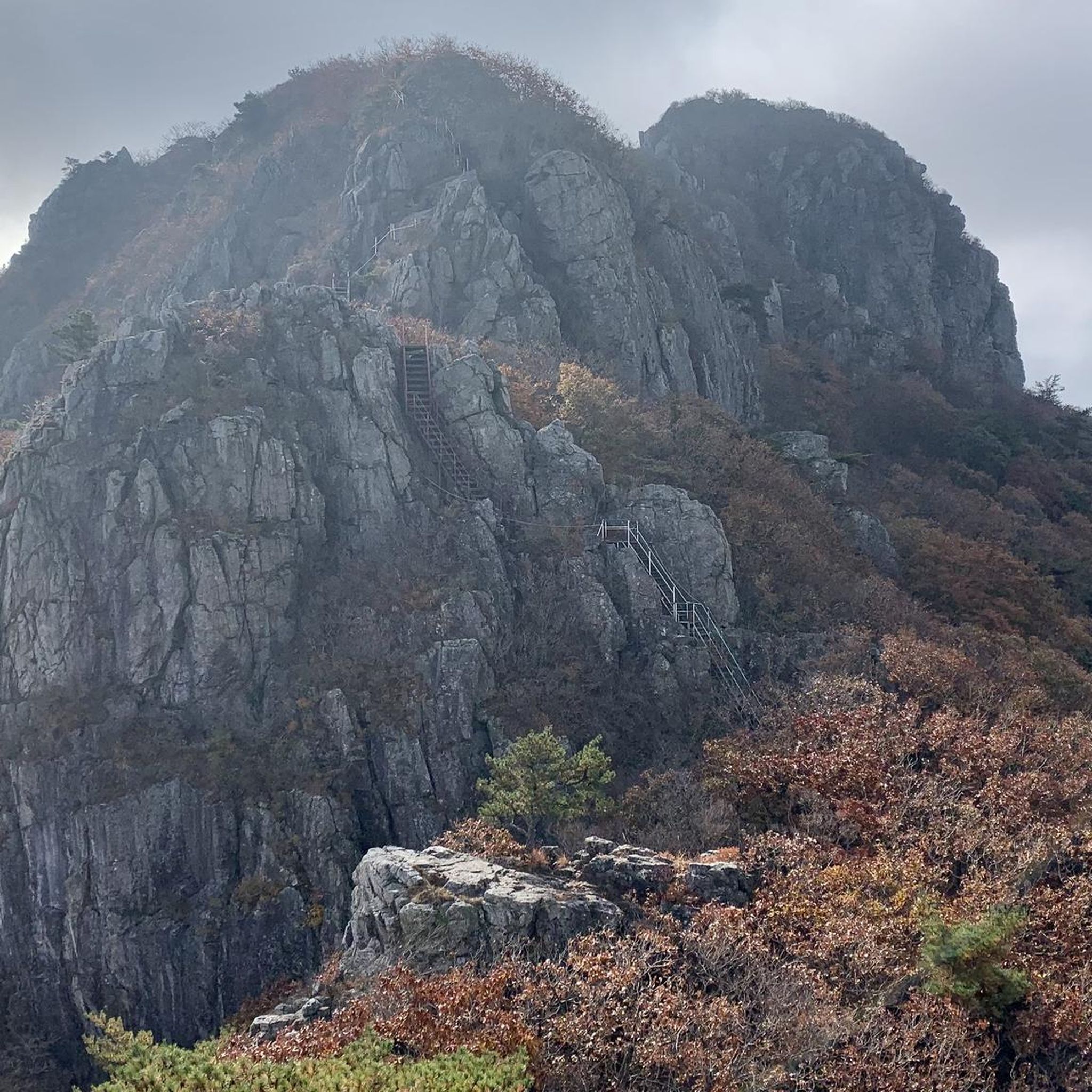
Niesten Castle was an important castle complex in the High Middle Ages located in the area of today's town of Weismain, Niesten district, in the Lichtenfels district of Upper Franconia. It secured an important trade route at the time and was long considered impregnable.
3
0

Steep climb - secured with rope at the end
4
0

Very interesting castle. Construction more like in England
0
0

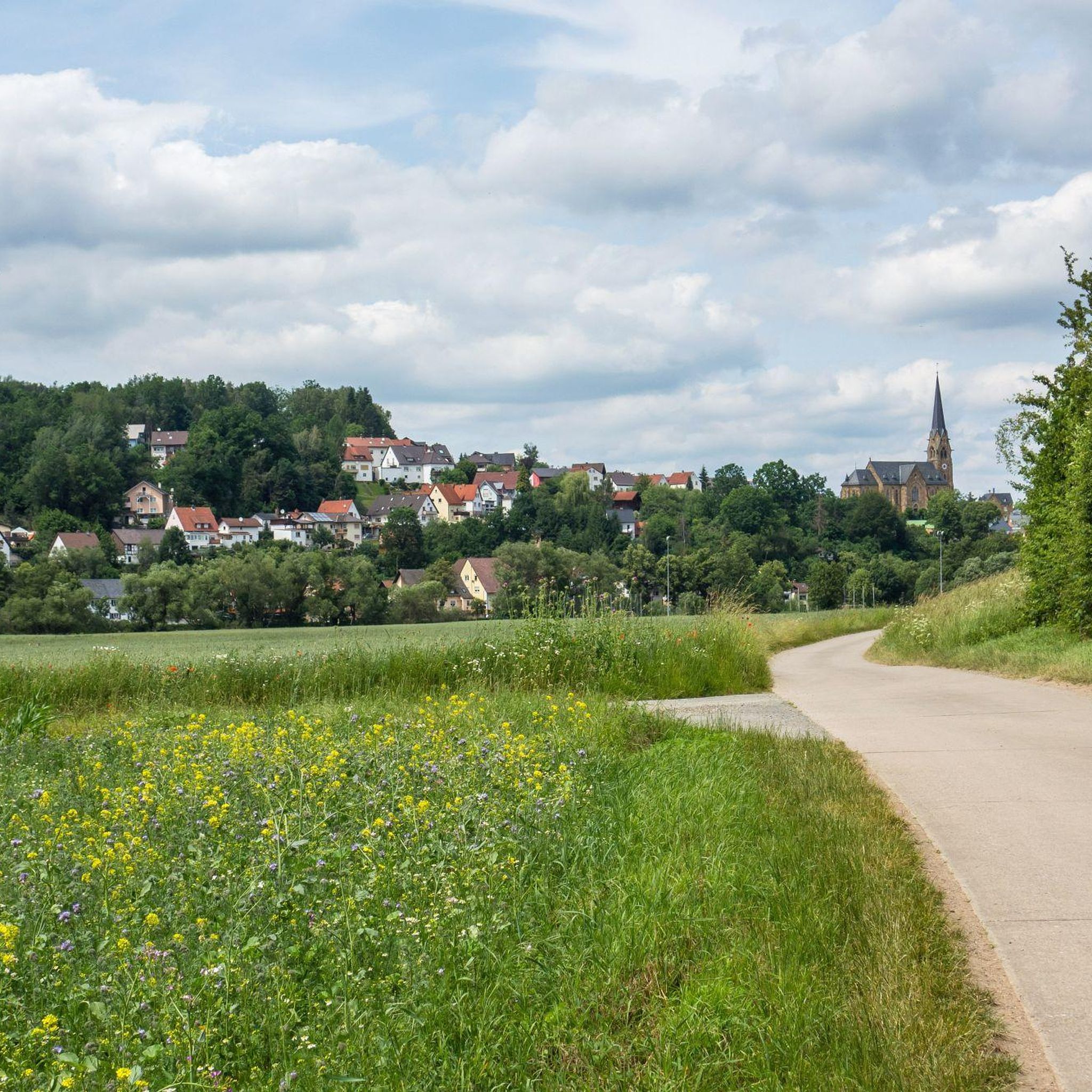
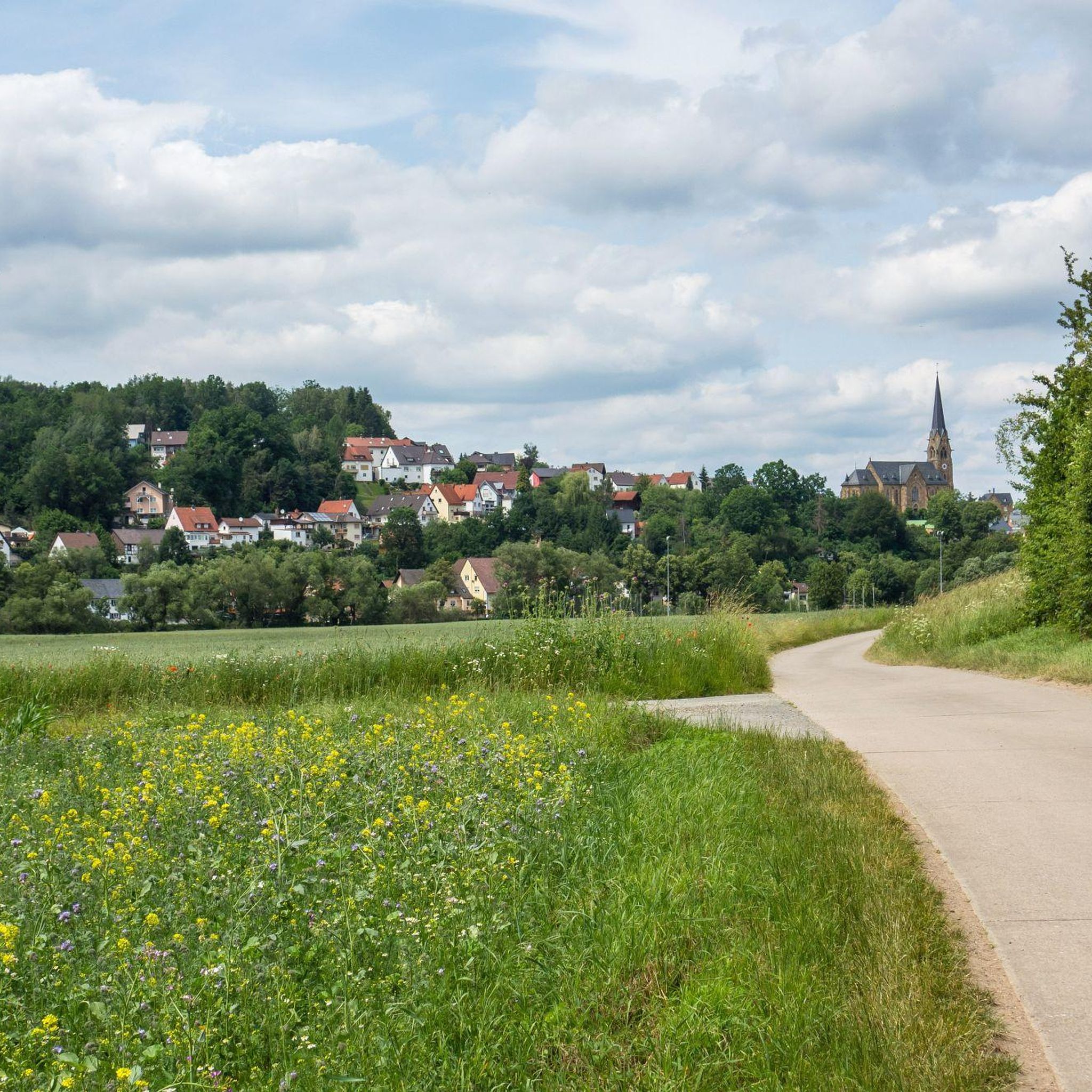
The town is located in the oldest prehistoric settlement area in the Main Valley. In a very small area, there is continuous evidence of settlement, which stretches from the Paleolithic period through the Hallstatt period to the Carolingian period. The name of the town was already borne by the fortress built around the year 1000 on a hill, a "light rock", and destroyed in the Peasants' War in 1525. Duke Otto I of Andechs-Merania had his market town of Lichtenfels fortified in 1231, which can probably be interpreted as an indication that town rights had already been granted. A place on the Main and centrally located on old streets was deliberately chosen for the founding of Lichtenfels. The spacious market square, the center of the town, where all the alleys and paths converged, was and is well suited for weekly and annual markets. Source: https://www.lichtenfels.de/leben-und-wohnen/unser-lichtenfels/stadtportrait/die-geschichte-der-stadt-lichtenfels
13
2
The four corners of the castle are aligned exactly in the four cardinal directions, otherwise the building is rather irregularly designed from several structures of different sizes and heights. The four main wings enclose a narrow atrium. The maiden building and the Catholic chapel on the ground floor of the former tower are slightly exposed. Inside, architectural styles from all building periods have been preserved. The cellar vaults in the basement are of medieval origin, the other floors have Gothic, lavishly profiled wooden ceilings and walls, such as in the large hall in the northeast wing and in the keep. On the first floor of the west wing there are rooms designed in the Renaissance style, such as the large entrance hall with twisted columns. Numerous rooms with baroque stucco ceilings have been preserved from the last construction phase. Source: https://de.m.wikipedia.org/wiki/Schloss_Str%C3%B6ssendorf/
14
1
Frequently Asked Questions
What kind of castles can I expect to find around Hochstadt am Main?
While Hochstadt am Main itself features the historical remnants of the Wasserschloss Hochstadt am Main, the broader Upper Franconia region offers a variety of castle sites. These include significant castle ruins like the Southern ascent to the Niesten Castle ruins, and privately owned, inhabited castles such as Strößendorf Castle, Oberlangenstadt Castle, and Schmölz Castle. Many can be viewed from the exterior, offering insights into medieval architecture and local heritage.
Can I visit the Wasserschloss Hochstadt am Main?
The Wasserschloss Hochstadt am Main is primarily an archaeological site. What remains are its foundations and a 16-meter long wall section with a horseshoe-shaped shell tower. It doesn't offer an intact castle experience with tours, but its historical significance provides insight into the town's medieval past. You can observe these remnants at Schulstraße 4, on the grounds of a school.
Are there any castles near Hochstadt am Main that are open to the public for tours?
Many castles in the broader region, such as Strößendorf Castle, Oberlangenstadt Castle, and Schmölz Castle, are privately owned and inhabited. This means they cannot be visited internally, but their exteriors can be admired. The Niesten Castle ruins offer an accessible historical site for exploration.
What are the best castles to see from the outside around Hochstadt am Main?
For impressive exterior views, consider Strößendorf Castle, a 12th-century building located directly on the Main river, and Oberlangenstadt Castle, an English Gothic-style castle from the 19th century. Schmölz Castle, with its history dating back to 1194, also offers great photo opportunities from the outside.
Are there family-friendly options when visiting castles in this region?
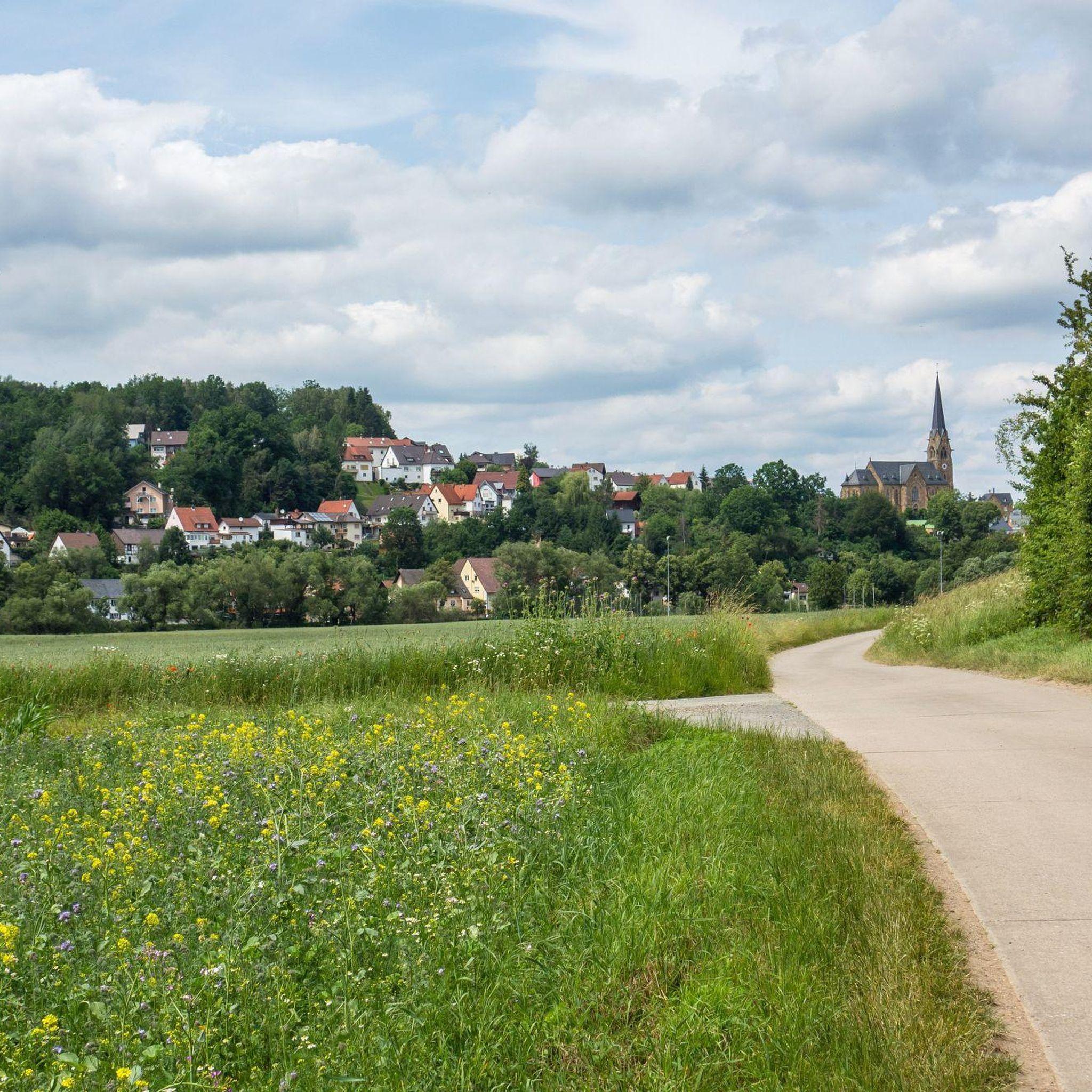
Yes, several highlights in the area are considered family-friendly. While the castles themselves might not offer internal tours, the surrounding areas provide opportunities for family outings. For example, Lichtenfels Market Square, a nearby settlement, is noted as family-friendly and offers cafes and restaurants. Viewing the exteriors of castles like Strößendorf Castle or Oberlangenstadt Castle can be part of a pleasant family walk or bike ride.
What outdoor activities can I combine with a castle visit near Hochstadt am Main?
The region around Hochstadt am Main is excellent for outdoor activities. You can find numerous routes for cycling, running, and mountain biking. For example, the Main Cycle Route passes by Strößendorf Castle, allowing for a scenic break with castle views. You can explore various routes in the Cycling around Hochstadt am Main, Running Trails around Hochstadt am Main, and MTB Trails around Hochstadt am Main guides.
Are there hiking trails that lead to or past castles in the area?
Yes, the region offers trails that incorporate castle views or lead to historical sites. The Southern ascent to the Niesten Castle ruins is a challenging but rewarding hike with a steep uphill climb leading to wonderful views. Many cycling and walking paths also offer glimpses of castles like Strößendorf Castle from the riverbanks.
What is the best time of year to visit the castles and explore the region?
The best time to visit the castles and explore the region around Hochstadt am Main is generally during spring, summer, and early autumn. These seasons offer pleasant weather for outdoor activities like cycling and hiking, allowing for comfortable viewing of the castle exteriors and ruins. Spring brings blooming nature, while autumn provides beautiful foliage.
Are there any cafes or restaurants near the castles for a break?
While not directly at every castle, nearby towns and villages offer amenities. For instance, Lichtenfels Market Square has numerous cafes and restaurants, perfect for a break. Near Schmölz Castle, there's a beautifully situated beer garden above the Schmölzer village pond, known for its local beer and food.
What historical significance do the castles around Hochstadt am Main hold?
The castles in this region reflect centuries of history. The Wasserschloss Hochstadt am Main, though largely ruined, dates back to the 15th century and shows the impact of events like the Peasants' War. Strößendorf Castle has roots in the 12th century, and Schmölz Castle was first mentioned in 1194, later rebuilt after being destroyed in 1525. These structures offer a tangible connection to the medieval past and the region's heritage.
Is it possible to take photos of the privately owned castles?
Yes, it is generally possible to take photos of the exteriors of privately owned castles like Schmölz Castle, Strößendorf Castle, and Oberlangenstadt Castle from public viewpoints. However, please respect private property and do not attempt to enter the grounds without explicit permission.
Most popular routes around Hochstadt am Main
Most popular attractions around Hochstadt am Main

Get inspired with the komoot mobile app


Explore more
Looking for the best castles somewhere else? Discover other guides around Hochstadt am Main:
