Top 20 Castles around Himmelkron
Best castles around Himmelkron include historical sites with rich pasts. Himmelkron is home to Kloster Himmelkron, originally a Cistercian abbey founded in 1279, which later served as a significant residence and hunting lodge for the Bayreuth margraves. This transformation from a spiritual center to a secular retreat provides a glimpse into centuries of German history and architectural evolution. The region offers a blend of medieval monastic history and later baroque influences.
Best castles around Himmelkron
- The most popular castles is…
Last updated: August 2, 2026
🏛️ Hohenberneck castle ruins
Highlight • Castle
Translated by Google •
Tip by

⚔️ Plassenburg Fortress
Highlight • Castle
Translated by Google •
Tip by

Sign up now to discover places like this
Get recommendations on the best single tracks, peaks, & plenty of other exciting outdoor places.
Sign up for free
New Palace (Bayreuth Hermitage)
Highlight • Castle
Translated by Google •
Tip by
New Palace Bayreuth
Highlight • Castle
Translated by Google •
Tip by

🏛️ Ruine Heilingskirche
Highlight • Religious Site
Translated by Google •
Tip by

Sign up for free to discover even more castles around Himmelkron.
Sign up for free
Already have an account?
Start today with a free account
Your next adventure awaits.
Login or Signup

Tips from the Community

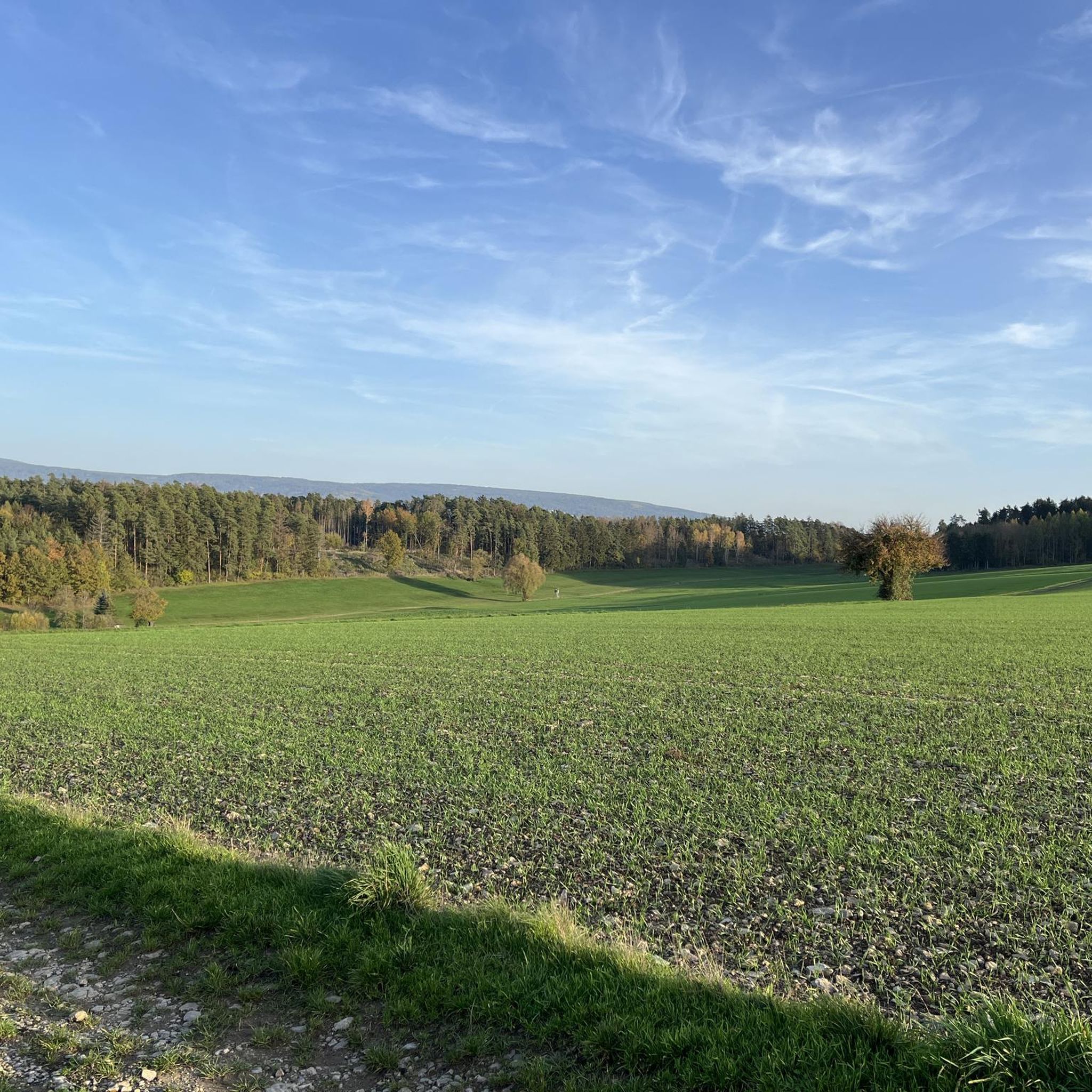
The late Gothic ruin is located on a steep rocky spur above the spa park. In addition to the well-preserved walls and towers of the palace, the view into the neighboring Marienkapelle and the great view over the rooftops of Bad Berneck are particularly worthwhile.
10
0

An impressive building. Napoleon is said to have cursed it. He apparently saw a ghost in the night.
6
1
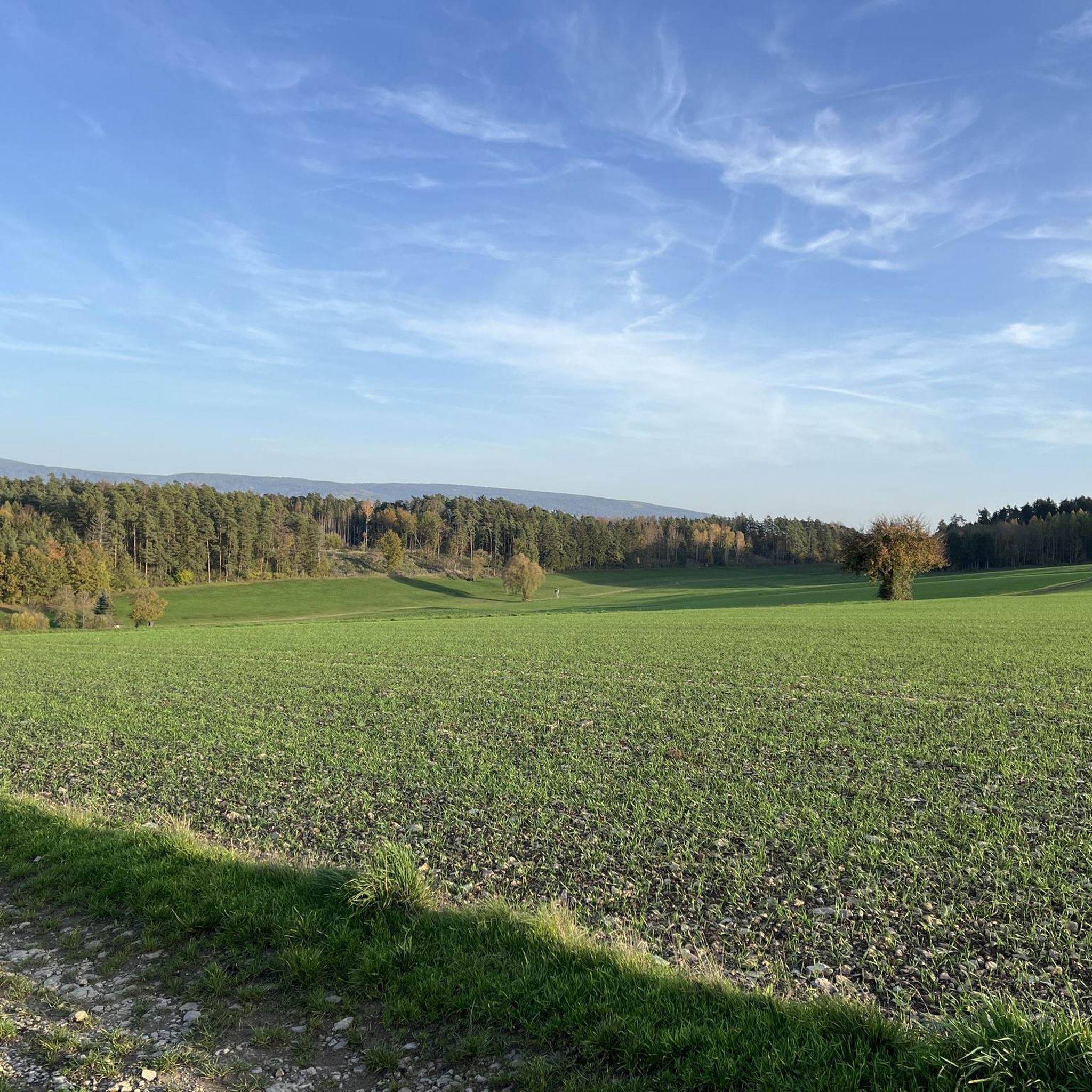
The magnificent complex is characterized by the redesign that Margrave Georg Friedrich had carried out by the architect Caspar Vischer after the destruction in the Second Margrave War in 1557. The wings of the narrow castle, which had been founded by the Counts of Andechs before 1135, were transformed into an impressive four-wing complex and secured against the mountain side with enormous bastions. Today, the Plassenburg, high above Kulmbach, is a cultural center of the Upper Mainland. After the fortifications were destroyed at the behest of Napoleon in 1806, the castle served as a prison and workhouse until 1928 - then exhibition rooms, museums and display collections were set up.
18
0
In the "Schöner Hof" with its richly decorated arcades, the atmosphere of a German princely court of the Renaissance comes to life.
19
1
"Ce maudit château!" - "This cursed castle!" is what Napoleon Bonaparte is said to have said in horror after he spent the night of May 15-16, 1812 in the New Palace. The ghost of the "White Lady of Himmelkron" had appeared to him there. It is also possible that the castellan had played a joke on the Emperor of the French. Relevant items such as chains, rattles and a white robe were later found in his estate.
20
1

The “Italian Building” was built after 1759 for the Margrave's second wife, Sophie Caroline Marie of Braunschweig-Wolfenbüttel, as a stand-alone building south of the castle and only later structurally connected to the New Palace through a connecting wing. The architect was Rudolf Heinrich Richter, who, unlike Saint-Pierre, allowed the formal splendor of the interior decoration created by Giovanni Battista Pedrozzi to spill over onto the outer walls. The young Carl von Gontard succeeded in uniting the two fundamentally different buildings using a discreetly projecting connecting link with a round balcony.[1] At the beginning of the 1990s, the facades of the Italian building were renovated and its courtyard area was redesigned To the north of the main building, across Glasenappweg, is the former kitchen building, a single, two-story house with a hipped roof. From 1867 to 1908 the secondary school for girls was housed there,[4] later the municipal auxiliary school. When it was founded on October 1, 1920, the municipal commercial school moved into the building that the Bavarian Crown Estate Administration had given it. Although the location was only approved as a temporary arrangement, the business school remained until 1938.[5] Today a shopping arcade leads through the building to Richard-Wagner-Straße. Source: Wikipedia
7
1

Very nicely prepared castle with a beautiful view of Bad Berneck.
5
0

The new castle with the court garden is one of the castles from the Margrave era in Bayreuth. It is located right in the city center and can be visited.
6
1
Frequently Asked Questions
What historical sites are there to explore in Himmelkron itself?
Himmelkron is primarily known for Kloster Himmelkron, a former Cistercian abbey founded in 1279. It later served as a significant residence and hunting lodge for the Bayreuth margraves, effectively functioning as a castle for a period. You can explore the historic church, the late Gothic cloister with its sandstone reliefs, and the Knight's Chapel containing sarcophagi of margraves. The Stiftskirchenmuseum is also open from May to September.
Which castles near Himmelkron offer the best views?
For stunning panoramic views, consider visiting the 🏛️ Hohenberneck castle ruins, which offer a beautiful vista of Bad Berneck. Additionally, the 🏛️ Bad Berneck Castle Tower provides a wonderful view over the city, even if the tower itself is locked.
Are there any family-friendly castles or historical parks to visit?
Yes, the New Palace (Bayreuth Hermitage) is a fantastic family-friendly option. It's a historic park with water features and buildings, including the Old Castle, the New Castle, the Ruin Theater, and grottoes. The Hofgarten is particularly worth seeing between May and October. ⚔️ Plassenburg Fortress is also categorized as family-friendly.
What outdoor activities can I do near the castles around Himmelkron?
The region around Himmelkron offers various outdoor activities. You can find numerous MTB trails, including moderate loops like the 'Hirschhorn Memorial Stone – Ochsenkopf Summit loop'. There are also running trails, such as the 'Baille-Maille-Allee – Himmelkron Monastery Church loop'. For cyclists, road cycling routes like the 'Ochsenkopf South loop' are available.
What is the best time of year to visit the castles and historical sites?
The period from May to October is generally ideal. The Hofgarten at the New Palace (Bayreuth Hermitage) is especially beautiful during these months with its trick fountains. The Stiftskirchenmuseum at Kloster Himmelkron also has specific opening hours from May to September.
Are there any cafes or facilities near the castles?
Yes, the New Palace (Bayreuth Hermitage) is listed as having a cafe and other facilities, making it a convenient stop for refreshments during your visit.
Which castle is considered the most imposing in the region?
The ⚔️ Plassenburg Fortress, located above Kulmbach, is renowned as one of the most imposing and largest Renaissance buildings in Germany. Its extensive fortifications have made it a model in fortress construction and it stands as the city's landmark.
Can I explore the castles on foot with easy walks?
Many castle sites, especially ruins like 🏛️ Hohenberneck castle ruins, are freely accessible and can be reached via relatively easy walks. The parks surrounding palaces, such as the New Palace (Bayreuth Hermitage), also offer pleasant walking opportunities.
What makes the New Palace in Bayreuth unique?
The New Palace Bayreuth was built under Margrave Friedrich von Brandenburg-Bayreuth from 1753 onwards, with significant influence from his wife Wilhelmine. It hosts events like 'Gartenlust' in its castle garden. Interestingly, it's also associated with the legend of the 'White Lady of Himmelkron', who supposedly appeared to Napoleon Bonaparte there.
What kind of history does Kloster Himmelkron represent?
Kloster Himmelkron offers a unique blend of medieval monastic history and later baroque influences. Originally a Cistercian nunnery, it transformed after the Reformation into a summer residence and hunting lodge for the Bayreuth margraves. This evolution from a spiritual center to a secular retreat provides a fascinating glimpse into centuries of German history and architectural change.
Are there any circular routes for hiking or cycling that include castle views?
Yes, for mountain biking, you can find routes like the 'Schorgast Valley Trail – Schiefe Ebene Railway Incline loop from Himmelkron' which offers varied terrain. Road cyclists can enjoy the 'Cycle Path Towards Schlosssee – View of Plassenburg Castle loop from Neuenmarkt-Wirsberg'. While not exclusively castle-focused, these routes often pass through scenic areas with historical landmarks. You can find more options on the MTB Trails and Road Cycling Routes guides.
What are some of the historical architectural styles visible in the castles around Himmelkron?
The region showcases a diverse range of architectural styles. You'll find late Gothic elements in the 🏛️ Hohenberneck castle ruins, while ⚔️ Plassenburg Fortress is a prime example of Renaissance fortification. Kloster Himmelkron, originally Gothic, was baroqueized in the 17th and 18th centuries, reflecting its transformation into a margravial residence.
Most popular routes around Himmelkron
Most popular attractions around Himmelkron

Get inspired with the komoot mobile app


Explore more
Looking for the best castles somewhere else? Discover other guides around Himmelkron:
