Top 20 Castles around Stadtsteinach
Best castles around Stadtsteinach are found in Upper Franconia, Germany, a region known for its historical remnants and natural landscapes. The area features significant castle ruins and early medieval fortifications, offering insights into its rich past. These sites are often nestled in scenic locations, providing opportunities for exploration and hiking. The blend of history and nature makes Stadtsteinach a notable destination for those interested in medieval architecture and outdoor activities.
Best castles around Stadtsteinach
- The most popular castles is ⚔️…
Last updated: November 20, 2026
⚔️ Festung Plassenburg
Highlight • Castle
Translated by Google •
Tip by

🏛️ Nordeck Castle Ruins
Highlight • Castle
Translated by Google •
Tip by

Sign up now to discover places like this
Get recommendations on the best single tracks, peaks, & plenty of other exciting outdoor places.
🏛️ Ruine Heilingskirche
Highlight • Religious Site
Translated by Google •
Tip by
🏛️ Steinenhausen Castle
Highlight • Castle
Translated by Google •
Tip by

Wernstein Castle
Highlight • Castle
Translated by Google •
Tip by

Sign up for free to discover even more castles around Stadtsteinach.
Already have an account?
Start today with a free account
Your next adventure awaits.
Popular around Stadtsteinach
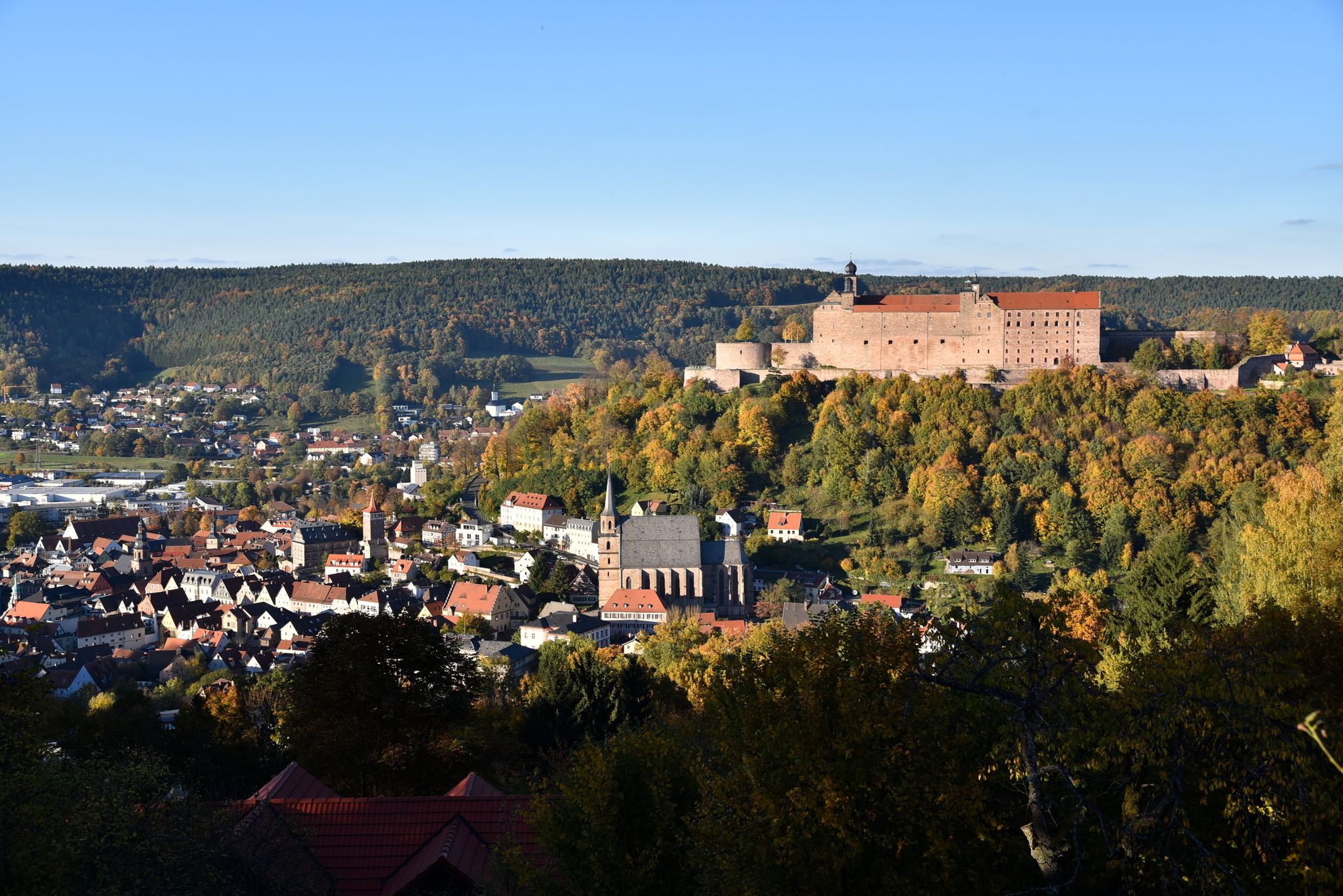
Stop by at the Margraves – hiking around Kulmbach in Bavaria
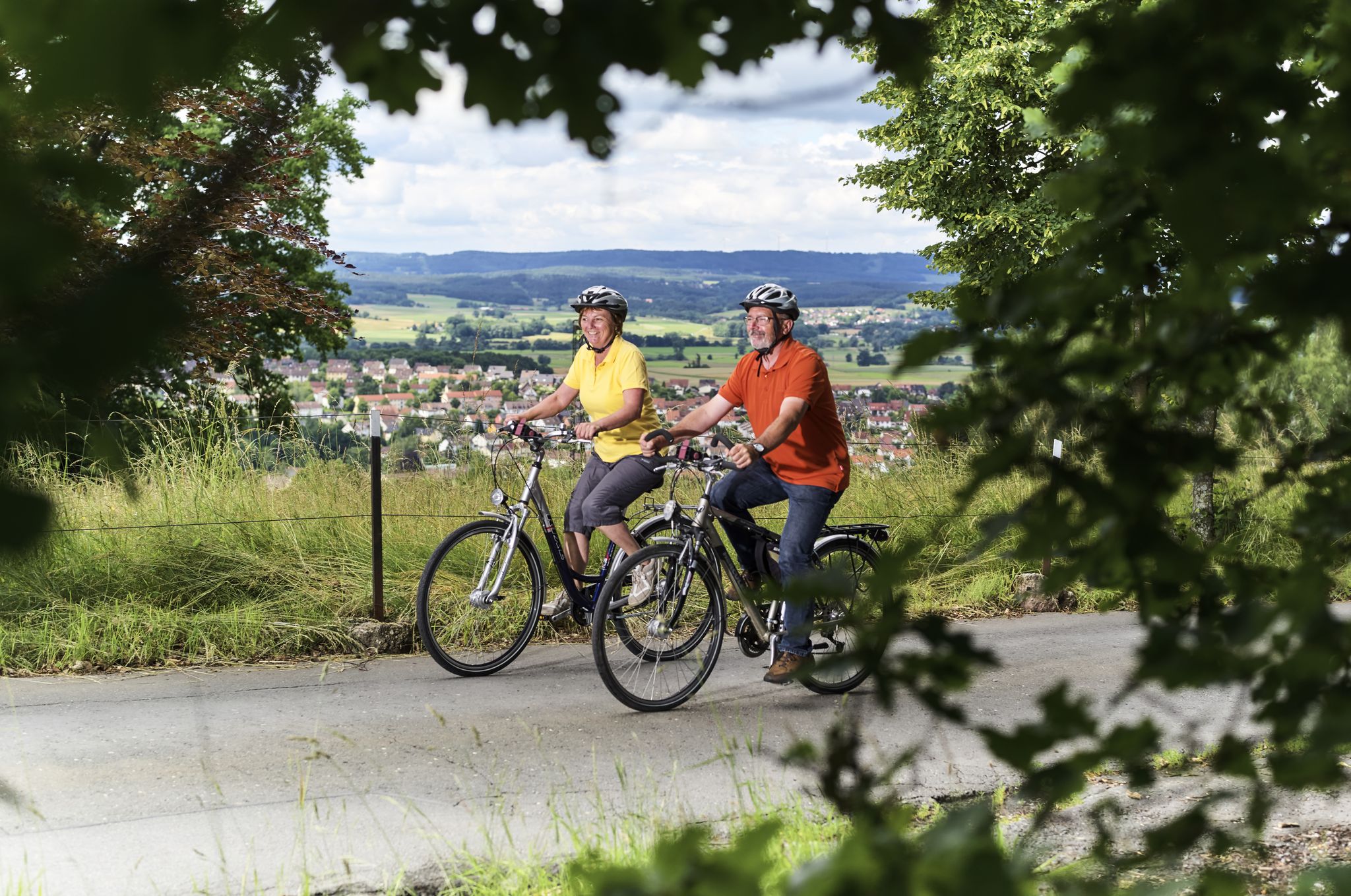
Unsere schönsten Radtouren im Frankenwald
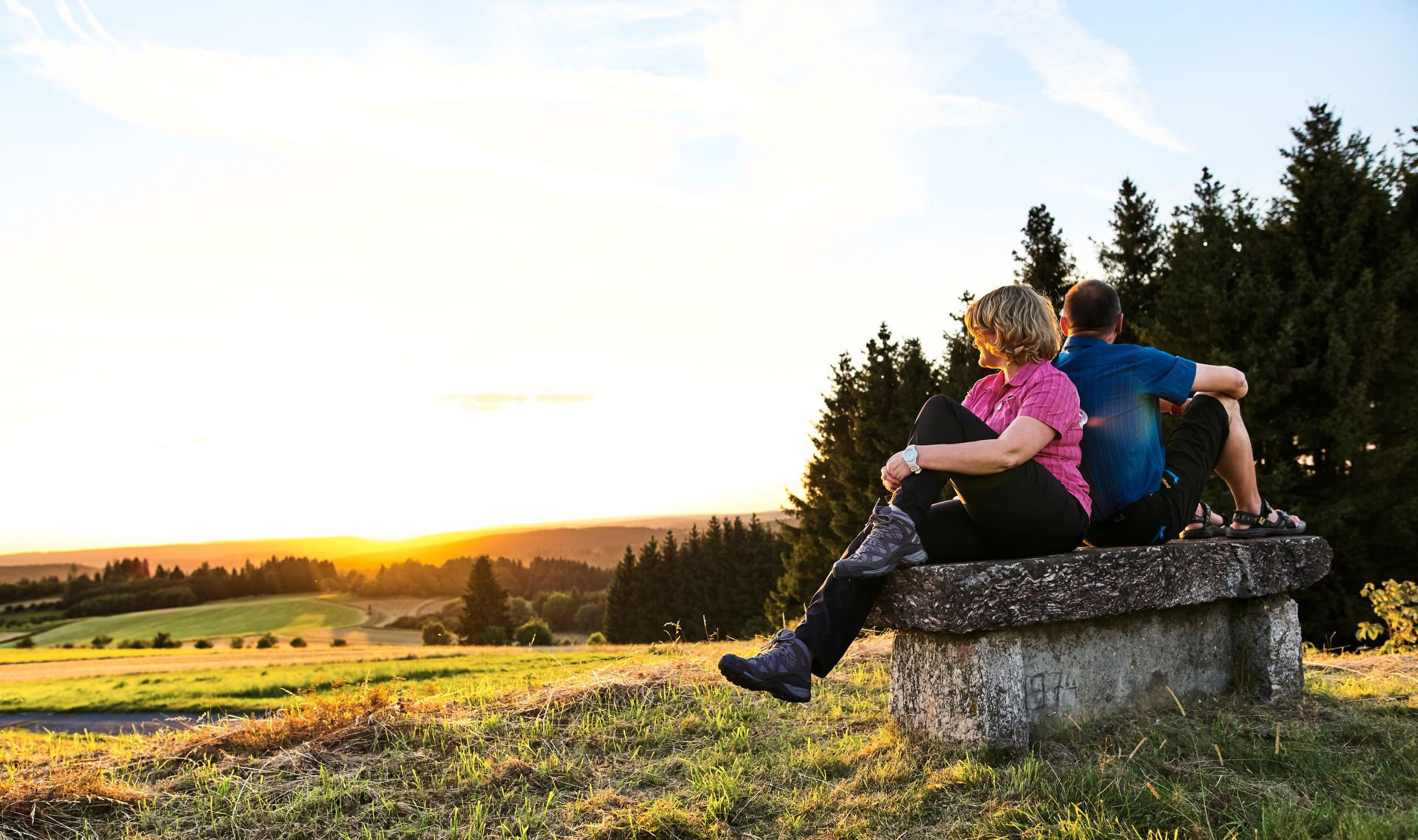
Unsere FrankenwaldSteigla
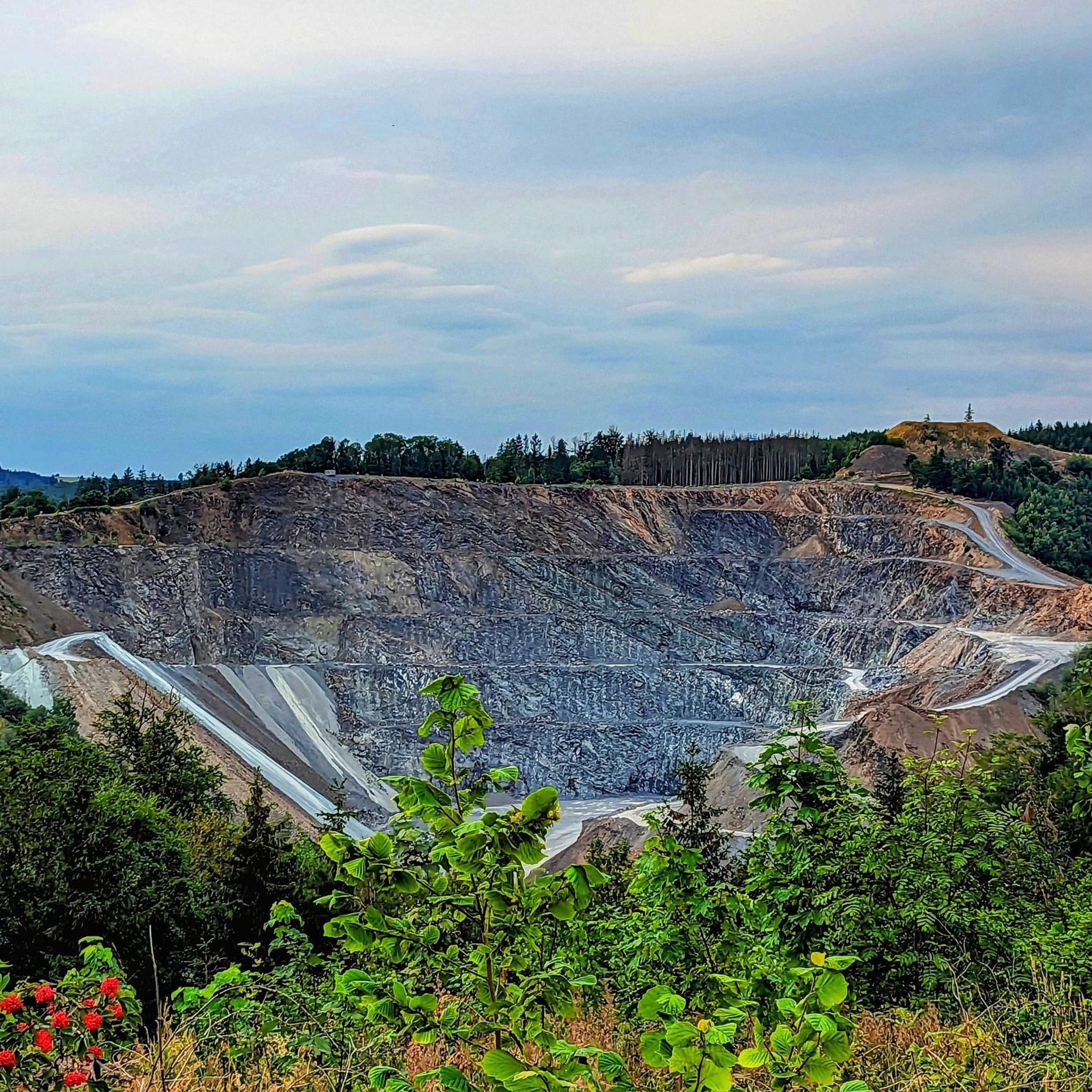
Hiking around Stadtsteinach
Cycling around Stadtsteinach
Running Trails around Stadtsteinach
Road Cycling Routes around Stadtsteinach
MTB Trails around Stadtsteinach
Gravel biking around Stadtsteinach


Tips from the Community

The Baroque Steinenhausen Castle was once owned by the von Guttenberg family, who sold it in 1935. In 1987, the castle became the property of the Free State of Bavaria. Today, the Kulmbach branch of the Bavarian State Office for the Environment is located in the building. An avenue of fruit trees has been planted along the driveway to the castle. The gardens are used for measuring equipment and small-scale nature conservation projects.
13
0

Wernstein Castle is located in the Kulmbach district (municipality of Mainleus) and is considered one of the best-preserved castles in Franconia. The current structure was built around 1365 and expanded into a castle after the Thirty Years' War. It has been continuously owned by the von Künßberg family for over 600 years. As it is a private residence, the castle itself is not open to the public. However, the grounds and courtyard are accessible and a popular spot for photographers. There is an event barn available for rent for weddings and celebrations. Information about this can often be found on the official Wernstein Castle website.
6
0

Wernstein Castle, also known as Wernstein Castle, was first mentioned in documents in the 14th century and is one of the most beautiful hilltop castles in Upper Franconia. It has always been owned by the von Künßberg family and consists of a core castle with a lower castle in front. The Lower Castle has a long southeast wing with two floors and a shorter north wing, which was built later. The many small and large towers of the castle complex are striking. The gate to the castle is decorated with coats of arms and leads to the lower castle courtyard, from which the outbuildings can be reached. A staircase leads to the middle castle gate, through which the inner ring wall is passed. The ring wall with defensive towers in the corners surrounds the Upper Castle and forms a kennel. Inside the wall there is a groundwater well and the path leads to the inner castle gate. The owners currently live in Wernstein Castle, so it cannot be visited. The family cemetery of the Barons von Künßberg is located near the castle. Source: https://www.blutana.de/sehenswuerdigkeiten/Schloss+Wernstein-Mainleus-1450.html
3
0
The magnificent complex is characterized by the redesign that Margrave Georg Friedrich had carried out by the architect Caspar Vischer after the destruction in the Second Margrave War in 1557. The wings of the narrow castle, which had been founded by the Counts of Andechs before 1135, were transformed into an impressive four-wing complex and secured against the mountain side with enormous bastions. Today, the Plassenburg, high above Kulmbach, is a cultural center of the Upper Mainland. After the fortifications were destroyed at the behest of Napoleon in 1806, the castle served as a prison and workhouse until 1928 - then exhibition rooms, museums and display collections were set up.
18
0
In the "Schöner Hof" with its richly decorated arcades, the atmosphere of a German princely court of the Renaissance comes to life.
19
1

In 1370, the Lords of Künßberg built a "solid" house on the basalt cone of Bärenstein (or Bernstein), from which the present-day castle later developed. It was not until 1764 and 1793 that the lord of the castle had a settlement of 11 "drip houses" built here for his servants, from which the present-day town of Wernstein developed.
13
3
The Nordeck castle ruins are picturesquely situated in the beautiful Steinachtal, very close to the "Waldschänke" inn and directly on the Frankenwald-Steigla "Zum Forstmeistersprung". Unfortunately, you no longer have a view from there, as everything has grown over.
19
0

Beautiful, relatively large castle, in the inner courtyard of which parties/weddings are often celebrated. However, most of the castle is not in particularly good condition.
4
1
Frequently Asked Questions
What historical castles and ruins can I explore directly in Stadtsteinach?
Directly in Stadtsteinach, you can explore the significant Burgruine Nordeck and the early medieval ring fort, Grünbürg. Burgruine Nordeck is known for its picturesque setting in the Steinach Valley and its history tied to the Peasants' War. Grünbürg offers a unique glimpse into an early medieval refuge castle with its distinct ring walls.
What are some other notable castles near Stadtsteinach worth visiting?
Beyond Stadtsteinach, you can visit the impressive Plassenburg Fortress in Kulmbach, one of Germany's largest Renaissance buildings. Other notable sites include Steinenhausen Castle, a Baroque castle now housing a branch of the Bavarian State Office for the Environment, and Wernstein Castle, a well-preserved castle owned by the von Künsberg family for over 600 years.
What is the history behind Burgruine Nordeck?
Burgruine Nordeck, likely built around 1000 AD, served as a strategic high medieval spur castle. It passed through various hands, including Bishop Eberhard of Bamberg. Its fate was sealed during the Peasants' War in 1525 when it was stormed, plundered, and burned, leaving it in ruins. Today, it's a popular historical site for hikers.
What makes Grünbürg unique among the region's fortifications?
Grünbürg is an early medieval ring fort, characterized by three visible ring walls. It functioned as a 'Fliehburg' (refuge castle) during the Carolingian-Ottonian period (8th-10th century), meaning it was not permanently inhabited but used by the local population as a temporary sanctuary during times of conflict. This design offers a unique insight into early medieval defensive strategies.
Are there any Renaissance-era castles in the vicinity?
Yes, the region boasts several Renaissance-era structures. The most prominent is Plassenburg Fortress, a magnificent Renaissance building above Kulmbach. Wernstein Castle also features Renaissance elements, having been expanded into a castle after the Thirty Years' War. Additionally, Steinenhausen Castle is a Baroque castle with a rich history.
Are there hiking trails that lead to castles around Stadtsteinach?
Absolutely. The region is excellent for combining hiking with castle visits. For example, the Nordeck Castle Ruins are a popular destination for hikers in the Steinach Valley. You can find various routes, including a moderate 14 km loop from Stadtsteinach that passes the ruins, detailed in the Hiking around Stadtsteinach guide.
What kind of terrain can I expect on hiking trails to these castles?
Hiking trails around Stadtsteinach and its castles often feature varied terrain. You can expect paths through the scenic Steinach Valley and the Frankenwald (Franconian Forest), which include rocky outcrops, forest paths, and some elevation changes. Trails range from easy walks to more challenging routes, offering diverse experiences for different fitness levels.
Are there family-friendly hiking options to castles?
Many trails in the region are suitable for families. While specific difficulty can vary, highlights like Plassenburg Fortress and Steinenhausen Castle are categorized as family-friendly. When planning, look for routes marked as 'easy' or 'moderate' in the Hiking around Stadtsteinach guide, which often include shorter distances and less strenuous climbs.
Can I bring my dog to the castles or on nearby trails?
Many outdoor areas and hiking trails around Stadtsteinach are dog-friendly, including those leading to castle ruins like Burgruine Nordeck. For specific castles like Plassenburg Fortress, it's advisable to check their current dog policy, as access to interior spaces might be restricted, though grounds are often accessible.
What is the best time of year to visit the castles and go hiking?
The spring and autumn months are generally ideal for visiting the castles and hiking in the Stadtsteinach region. The weather is usually mild, and the natural scenery, especially the Steinach Valley and Frankenwald, is particularly beautiful with blooming flowers or vibrant autumn foliage. Summer is also pleasant, though it can be warmer, while winter offers a different, often quieter, experience, especially for ruins.
Are there parking facilities available near the castles?
Yes, parking facilities are generally available near the more prominent castles and trailheads. For example, Plassenburg Fortress has dedicated parking. For ruins like Burgruine Nordeck, you'll typically find parking at nearby trail entry points in the Steinach Valley.
How can I reach Plassenburg Fortress by public transport?
While specific public transport details can vary, Plassenburg Fortress is located above Kulmbach, which is accessible by regional train and bus services. From Kulmbach town center, local buses or a walk can take you up to the fortress. It's recommended to check local bus schedules for the most current information.
What outdoor activities can I do near these castles?
Besides exploring the castles, the area offers a variety of outdoor activities. You can enjoy extensive hiking through the Steinach Valley and Frankenwald, with routes like the '⚙️ Saw Mill at the Hochofen – 🏛️ Nordeck Castle Ruins loop'. There are also options for gravel biking and road cycling, with routes that pass by scenic points and offer views of castles like Plassenburg.
Most popular routes around Stadtsteinach
Most popular attractions around Stadtsteinach

Get inspired with the komoot mobile app


Explore more
Looking for the best castles somewhere else? Discover other guides around Stadtsteinach:
