Attractions and Places To See around Ludwigsstadt - Top 20
Best attractions and places to see around Ludwigsstadt are found in Bavaria, Germany, nestled in the Loquitz River valley. The town is situated within the Thuringian-Franconian Highlands, Thuringian Slate Mountains, and Franconian Forest, offering a diverse natural landscape. The region is notable for its historical landmarks, natural features, and cultural sites related to slate mining heritage. Visitors can explore a variety of points of interest that highlight the area's unique geology and history.
Best attractions and places to see around…
Last updated: September 25, 2026
Göpelschacht Shaft Complex, Lehesten
Highlight • Monument
The Göpel shaft system was …
Translated by Google •
Tip by

Lehesten Slate Quarry Industrial Heritage Site
Highlight • Monument
Translated by Google •
Tip by
Sign up now to discover places like this
Get recommendations on the best single tracks, peaks, & plenty of other exciting outdoor places.
Altvaterturm
Highlight • Viewpoint
A circular hiking trail to Staatsbruch Lehesten also runs here.
Translated by Google •
Tip by

Lauenstein Castle
Highlight • Castle
Translated by Google •
Tip by
Shaft IV Mining Complex (Lehesten Slate Mining Museum)
Highlight • Historical Site
Translated by Google •
Tip by
Sign up for free to discover even more attractions around Ludwigsstadt.
Already have an account?
Start today with a free account
Your next adventure awaits.
Popular around Ludwigsstadt
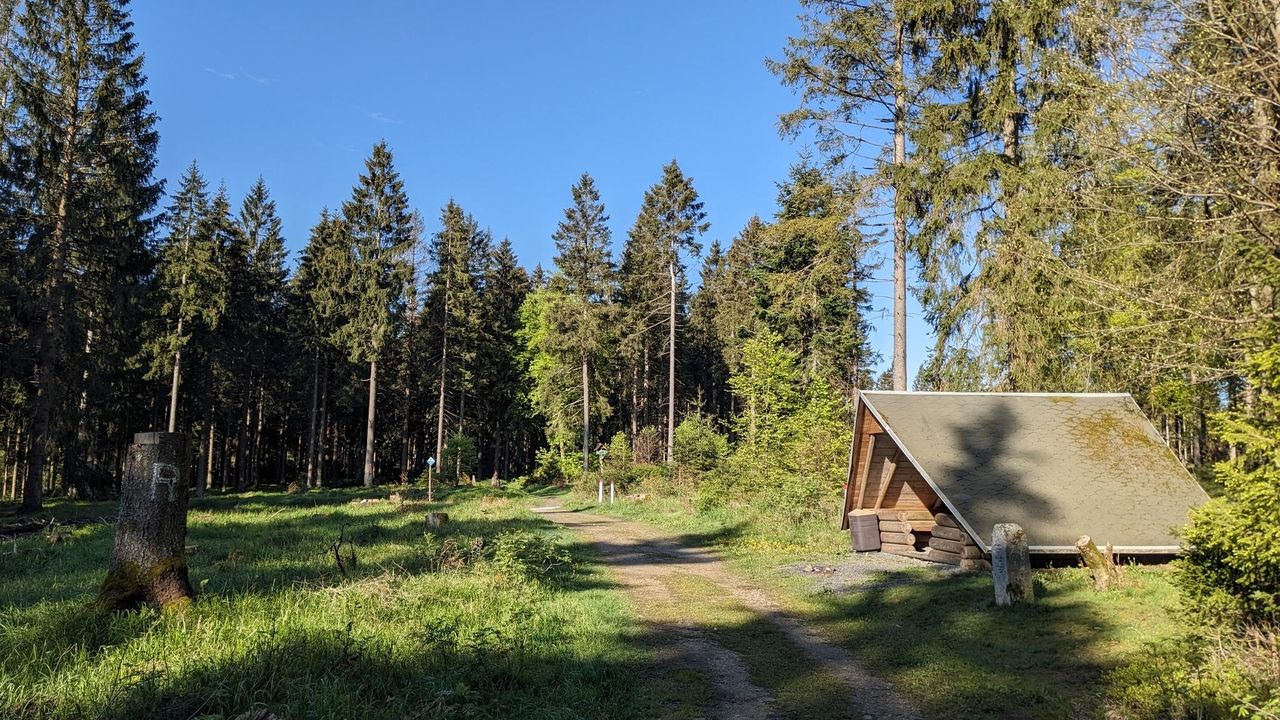
Zwei Tage raus! – Rad-Micro-Adventures in Thüringen
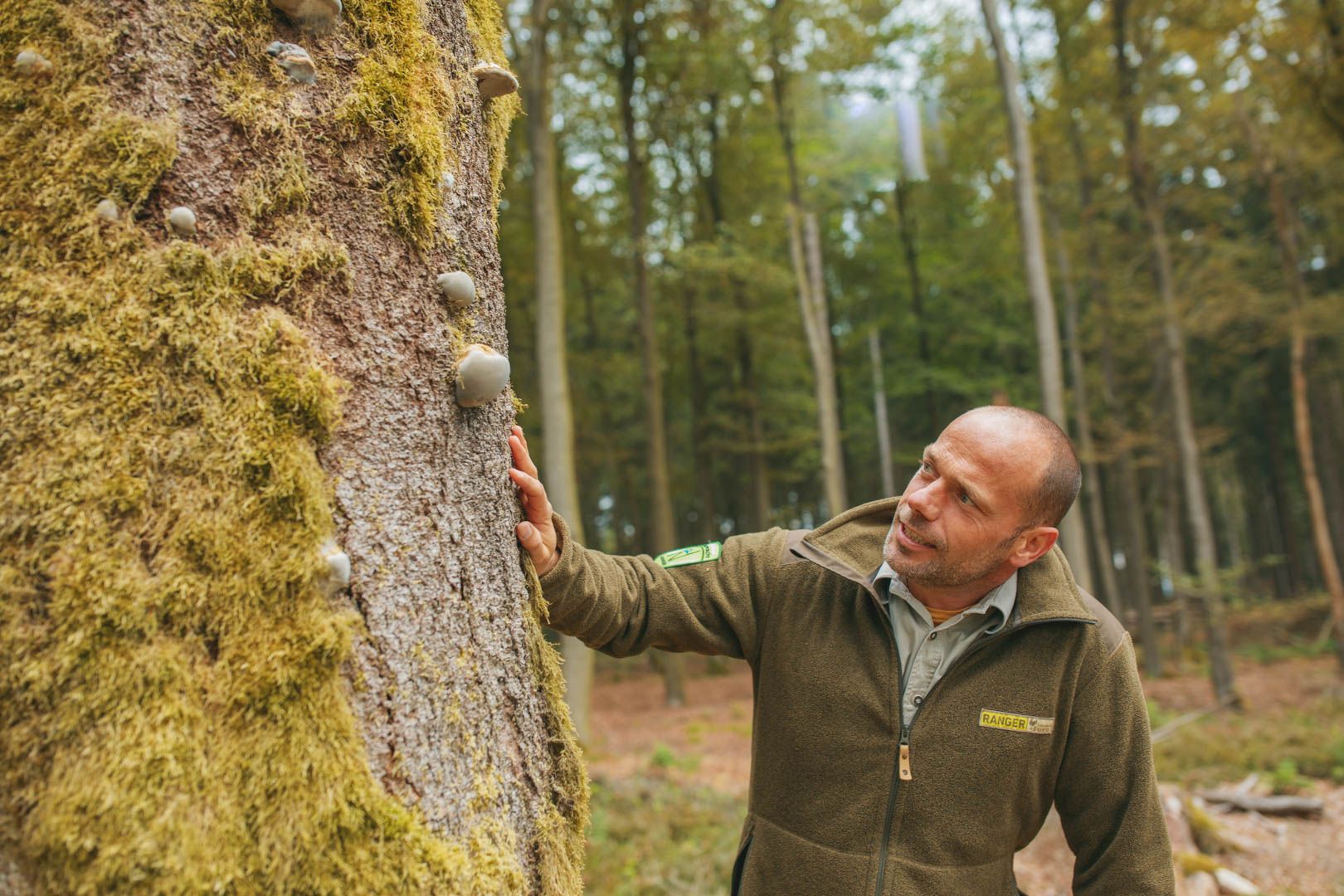
Tipps der Naturpark-Ranger
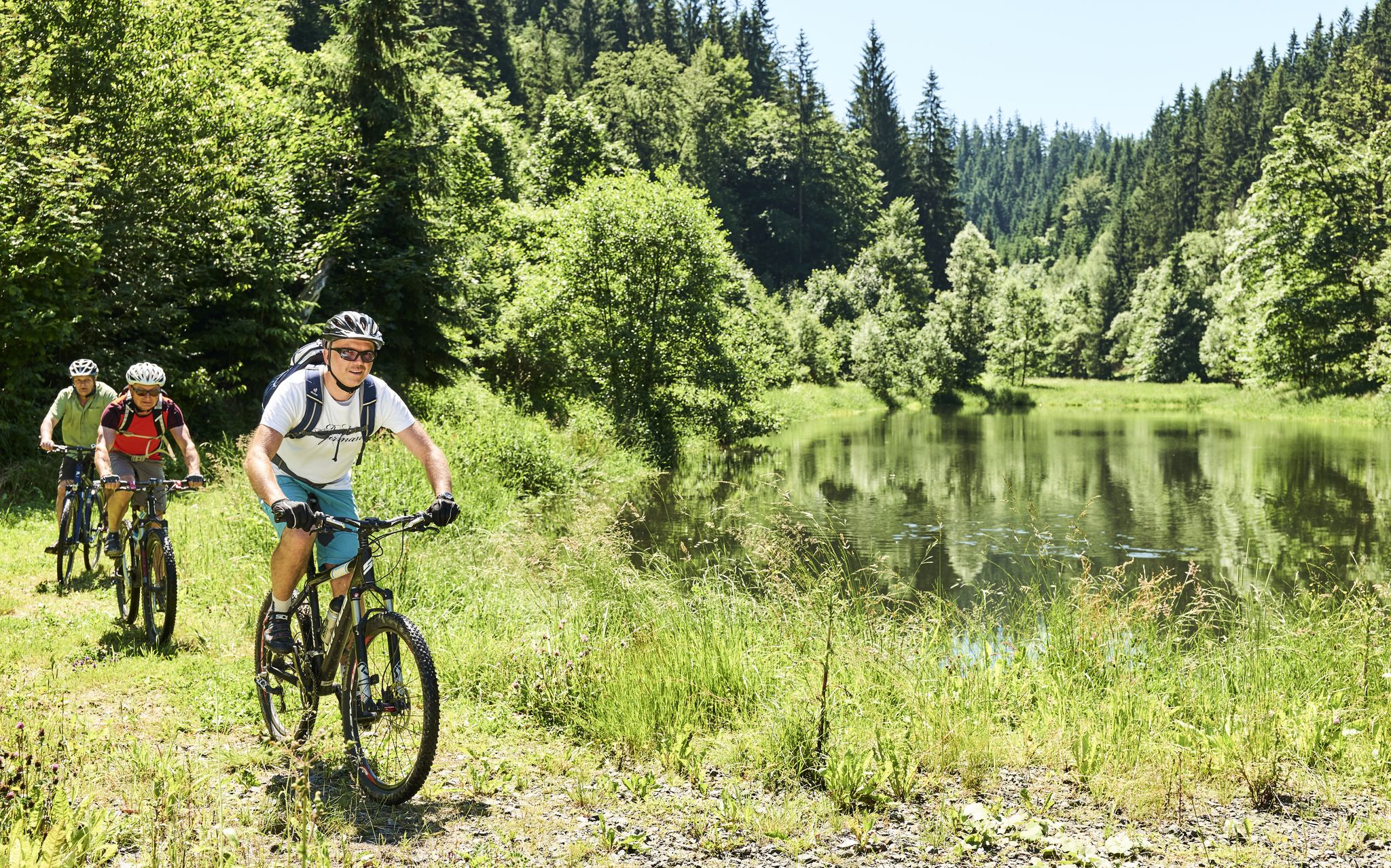
Mountainbiking im Frankenwald
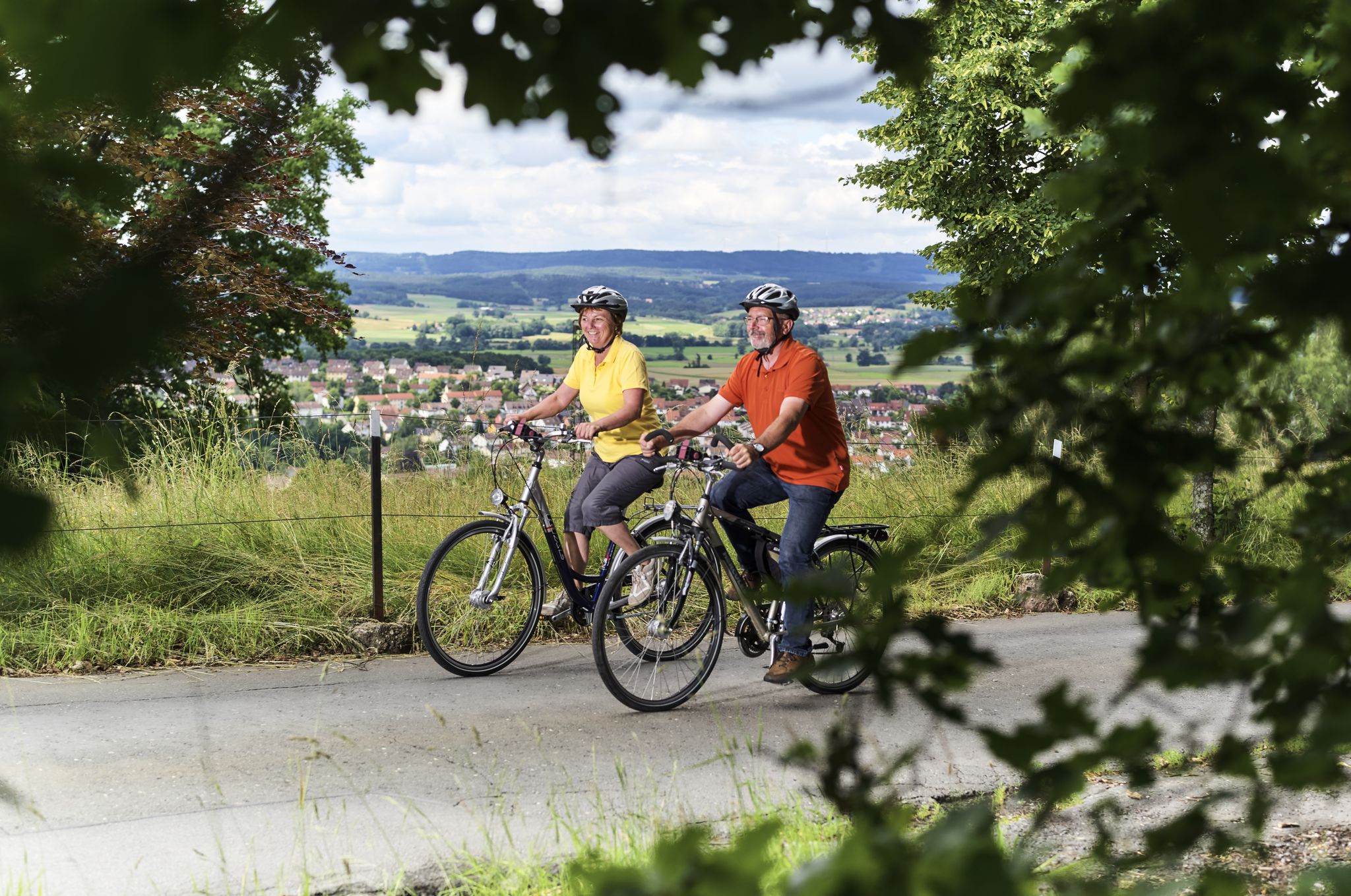
Unsere schönsten Radtouren im Frankenwald
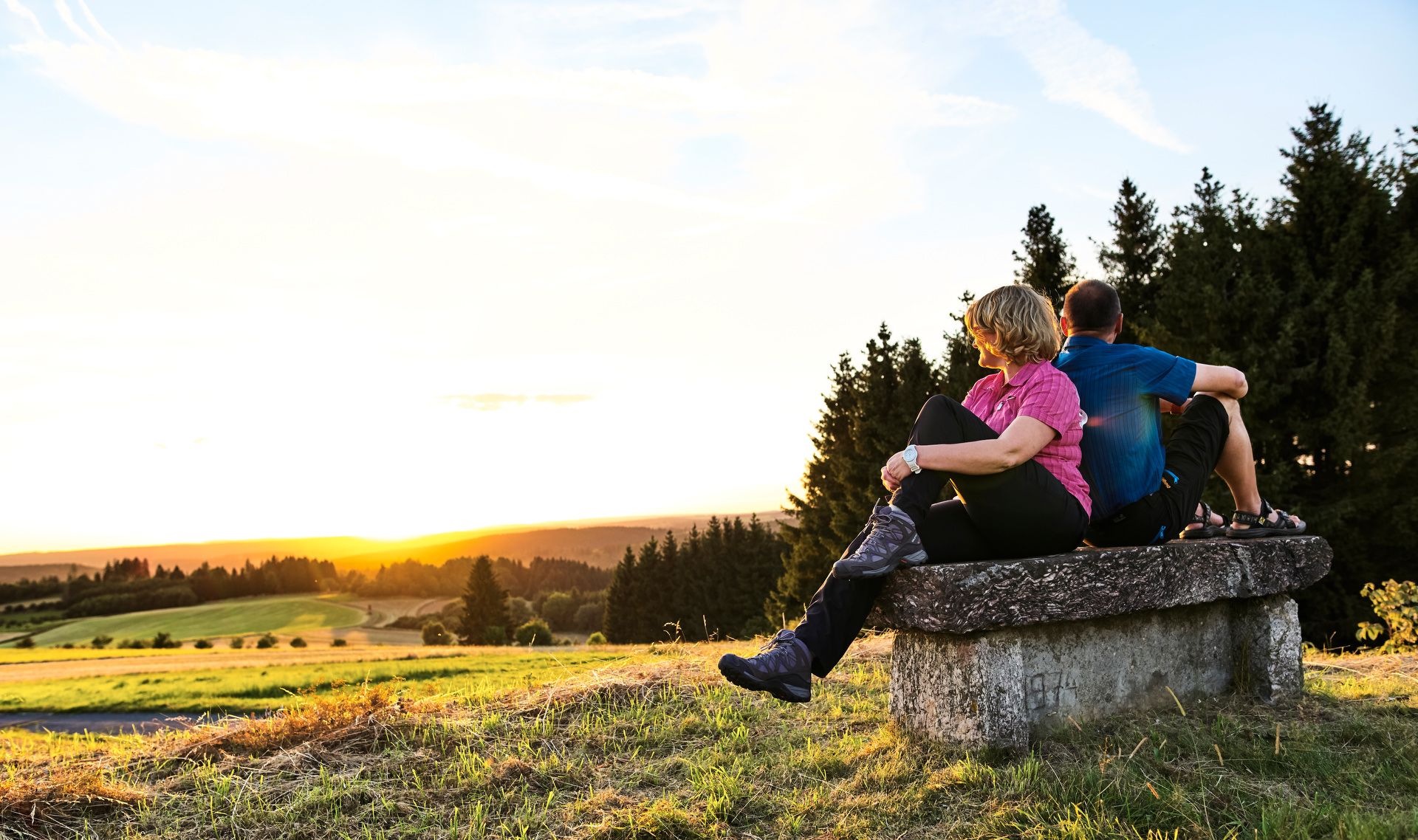
Unsere FrankenwaldSteigla
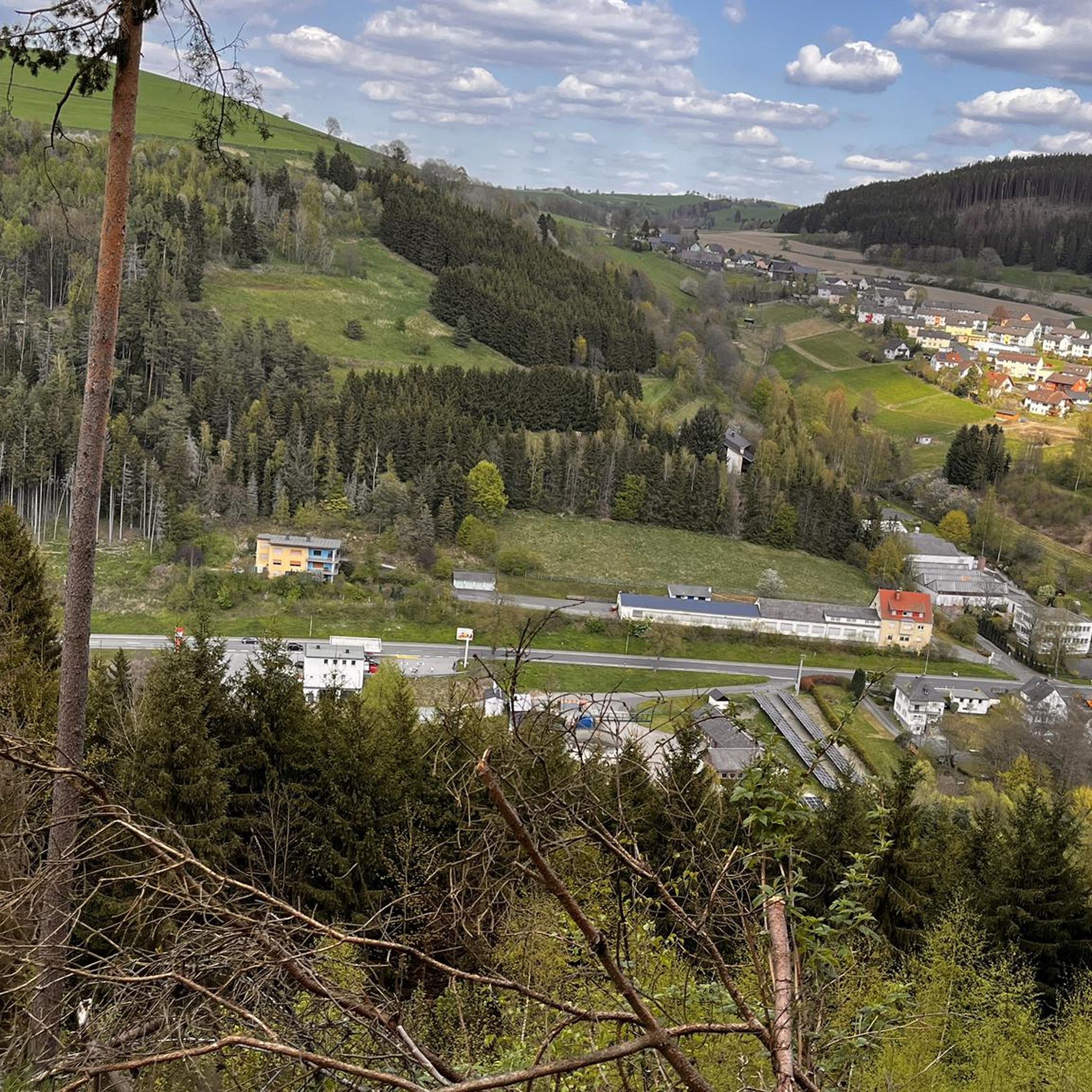
Hiking around Ludwigsstadt
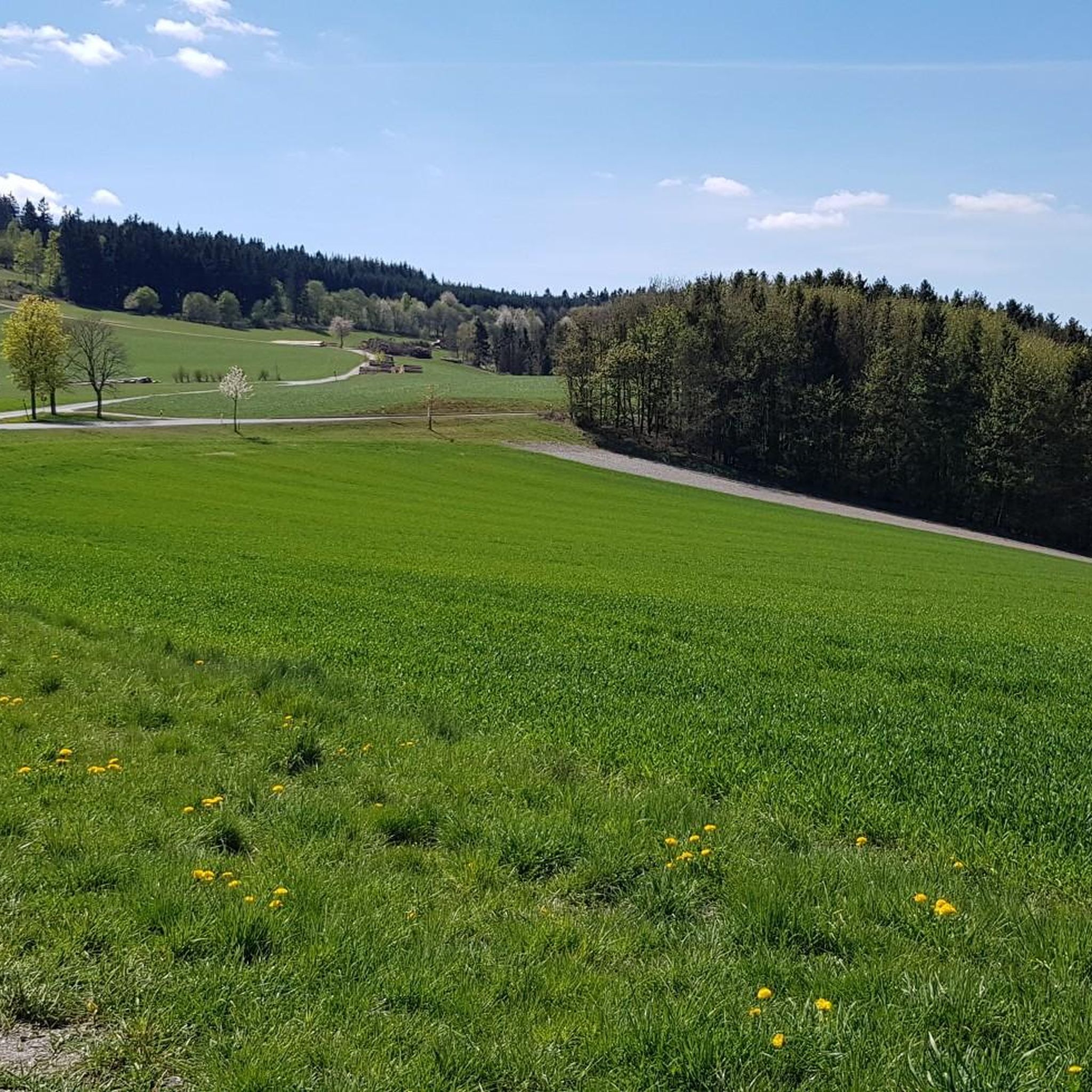
Cycling around Ludwigsstadt
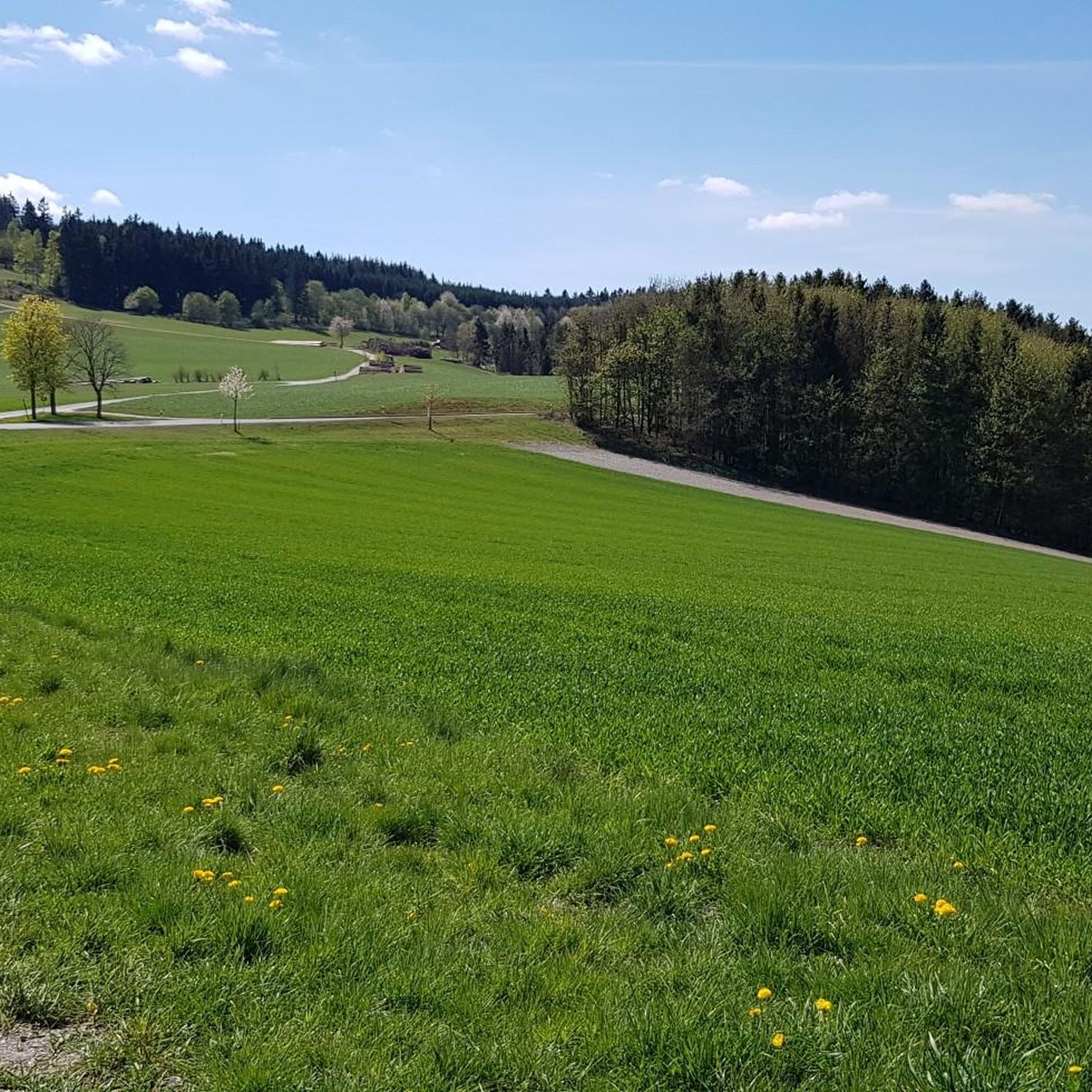
MTB Trails around Ludwigsstadt
Road Cycling Routes around Ludwigsstadt
Running Trails around Ludwigsstadt
Other adventures around Ludwigsstadt


Tips from the Community

This hilltop castle, originally part of the Orlagau region, was built over a thousand years ago in the midst of a clearing on the upper reaches of the Saale River and its tributary, the Loquitz. It was first mentioned in a document from 1222. Via the Counts of Orlamünde (1250) and the Knights of Ghüna (1506), the castle finally passed to the Margraves of Brandenburg-Kulmbach and Bayreuth in 1622, falling to Prussia in 1791 and Bavaria in 1803. In 1896, the castle romanticist Dr. Erhard Messmer from Halle an der Saale acquired the completely neglected castle complex, had it renovated, and refurbished. Katharina von Orlamünde was born at Lauenstein Castle in the 14th century. She is said to haunt the castle to this day as the restless ghost known as the "White Lady."
16
0
After the castle romanticist Dr. Ehrhard Messmer from Halle an der Saale purchased the dilapidated Lauenstein Castle in 1896, he had the building renovated in the historicist style. This included the restoration of the bridge over the moat leading up to the historic castle gate.
13
0

This is the former Lehesten roofing slate opencast mine. Its dimensions alone are impressive; along with the nearby Oertelsbruch, it was one of the largest slate quarries on the continent (approximately 800 m long, 300 m wide, and up to 80 m deep). Source: Wikipedia
10
1

The tower is located on the Wetzstein hill. A circular hiking trail to Staatsbruch Lehesten also runs here.
23
0
A beautiful region 🤩 If you like, you can also take a detour to the Alvater Tower.
20
2
The mining complex around Shaft IV is interesting, with its winding tower, various halls, a depot, and information center. It's recommended to walk around the individual buildings and view the entire complex. Guided tours are offered in the Slate Park by former miners who describe their daily work.
17
0
The tower on the Wetzstein was built as a memorial against the expulsion of people and as a place of remembrance of a lost homeland. After the expulsion of the Germans from Czechoslovakia in 1945/46, local friends founded the Altvaterturmverein Langgöns in 1976. In 1999, the association rebuilt the Altvaterturm, which collapsed on May 2, 1959 and was not rebuilt, on the Wetzstein in a true-to-original manner.
27
1
In the "Land of Blue Gold," as the slate is called here because of its distinctive color, the tradition of Thuringian-Franconian slate mining can still be experienced today. This extraordinary industrial complex, located at what was once one of Europe's largest open-cast slate mines, provides a hands-on experience of the history and processing of slate. The entire Staatsbruch Slate Park area is a nature reserve. 170 Red List species have now been confirmed to have settled in this partially inaccessible area.
23
1
Frequently Asked Questions
What historical sites related to slate mining can I visit around Ludwigsstadt?
The region is rich in slate mining heritage. You can explore the Lehesten Slate Quarry Industrial Heritage Site, an extraordinary complex that was once one of Europe's largest open-cast slate mines. Another key site is the Göpelschacht Shaft Complex, Lehesten, a unique European shaft system and the heart of the “Historic Lehesten Slate Mining” monument ensemble. Additionally, the Deutsches Schiefertafelmuseum (German Slate Board Museum) offers insights into the history and processing of slate.
Are there any castles or ancient landmarks to explore?
Yes, Lauenstein Castle is a prominent historic landmark near Ludwigsstadt, first mentioned in 1222. This hilltop castle was renovated in the late 19th century and is associated with the legend of the 'White Lady.' You can also find various churches and chapels throughout Ludwigsstadt and its surroundings, contributing to the local cultural landscape.
What natural features and reserves are there for nature lovers?
Ludwigsstadt is nestled within the Thuringian-Franconian Highlands, Thuringian Slate Mountains, and Franconian Forest. The Staatsbruch Nature Reserve, part of the Lehesten Slate Park area, is home to 170 Red List species. You can also visit Ölschnitzsee, a lake offering opportunities to enjoy natural scenery.
What outdoor activities, such as hiking or cycling, can I do near Ludwigsstadt's attractions?
The region is ideal for outdoor activities. You can find numerous hiking trails, including access to the famous Rennsteig and the Frankenweg, which runs directly through Ludwigsstadt. For specific routes, explore options like the 'View of Lauenstein Castle – Sky lounger with castle view loop' or the 'Lauenstein Castle – View of Lauenstein Castle loop'. For more ideas, check out the Hiking around Ludwigsstadt guide. Cyclists can find routes in the Gravel biking around Ludwigsstadt guide and Road Cycling Routes around Ludwigsstadt guide.
Are there family-friendly attractions in the area?
Yes, several attractions are suitable for families. The Model village at Schieferpark Lehesten is particularly engaging for children, showcasing various ways slate was used for roofing. The Lehesten Slate Quarry Industrial Heritage Site and Göpelschacht Shaft Complex also offer educational experiences for all ages. Additionally, the Märchenpfad Lauenstein (Lauenstein Fairy Tale Path) provides a unique walking experience for families.
Where can I find scenic viewpoints around Ludwigsstadt?
For panoramic views, visit the Altvaterturm, located on the Wetzstein hill. It offers a viewing platform at 824 meters above sea level. Thüringer Warte is another watchtower in the area known for its scenic vistas.
What is the Trogenbachviadukt?
The Trogenbachviadukt is an impressive viaduct that forms a notable part of Ludwigsstadt's landscape. It's a significant engineering structure in the region.
What is 'The Golden Village' and where is it located?
Steinbach an der Haide is referred to as 'Das Goldene Dorf' (The Golden Village) and is worth exploring for its charm and local character.
What do visitors enjoy most about the attractions around Ludwigsstadt?
Visitors frequently praise the clear waters and unique geological formations at the Lehesten Slate Quarry Industrial Heritage Site, often describing it as a beautiful region. The Lauenstein Castle is admired as a 'fairytale castle' that has resisted commercialization, offering a truly authentic experience. The model village at Schieferpark Lehesten is also highlighted as being particularly impressive for children.
Are there any unique cultural sites beyond the slate mining heritage?
Beyond the slate mining sites, you can visit the Morassina Schaubergwerk, a show mine that offers another cultural experience. The Saalfeld Fairy Grottoes are also nearby, providing a captivating natural and cultural attraction.
Can I combine a visit to the slate park with other attractions?
Yes, the Slate Park, including the Lehesten Slate Quarry Industrial Heritage Site and Göpelschacht Shaft Complex, can easily be combined with a visit to the Altvaterturm on a hike or bike ride, offering both historical insight and scenic views.
Most popular routes around Ludwigsstadt
Most popular attractions around Ludwigsstadt

Get inspired with the komoot mobile app


Explore more
Still not found the Highlight you’re looking for? See guides of the top attractions in other regions:
