Top 14 Castles around Steinwiesen
Castles around Steinwiesen offer a journey through historical sites in the Upper Franconian district of Kronach, Bavaria. While Steinwiesen itself is known for its religious structures and local history museum, the surrounding region features several notable castles. These historical sites are often integrated into the natural landscape, providing opportunities for exploration. The area is characterized by the Franconian Forest, offering a blend of cultural heritage and outdoor activity.
Best castles around Steinwiesen
- The most popular castle is Rosenberg Fortress,…
Last updated: September 27, 2026
⚔️ Festung Rosenberg
Highlight • Castle
Translated by Google •
Tip by

Schloßberg Nordhalben Summit and Mushroom Sculpture
Highlight • Summit
Translated by Google •
Tip by

Sign up now to discover places like this
Get recommendations on the best single tracks, peaks, & plenty of other exciting outdoor places.
Haig Castle
Highlight • Castle
Translated by Google •
Tip by

View of Kronach's Old Town and Rosenberg Fortress
Highlight • Viewpoint
Translated by Google •
Tip by

Heinersreuth Castle
Highlight • Castle
Translated by Google •
Tip by

Sign up for free to discover even more castles around Steinwiesen.
Already have an account?
Start today with a free account
Your next adventure awaits.
Popular around Steinwiesen
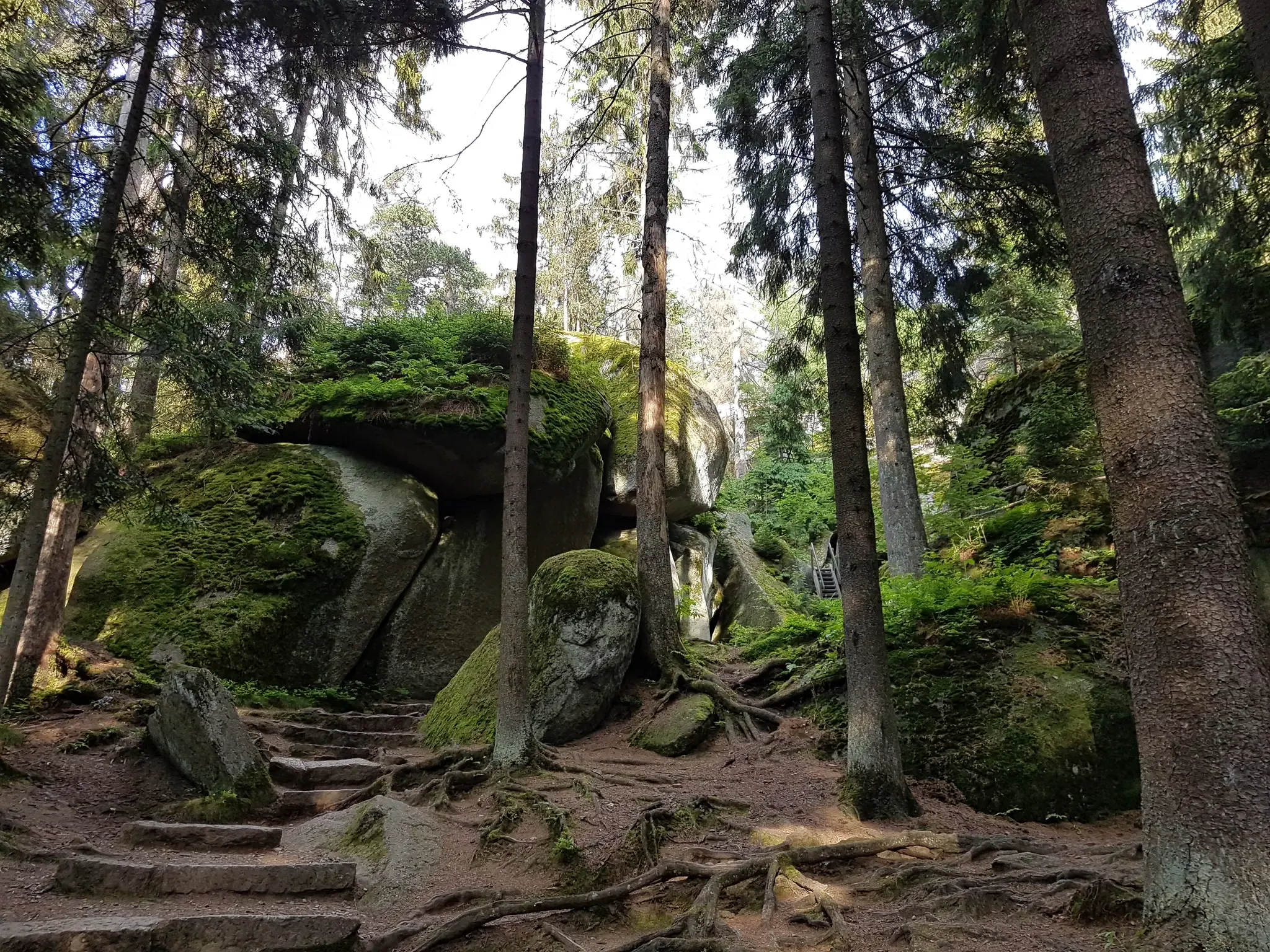
Nature, the outdoors and adventure – hiking through the VGN's nature parks
Lehrpfade und Themenwege
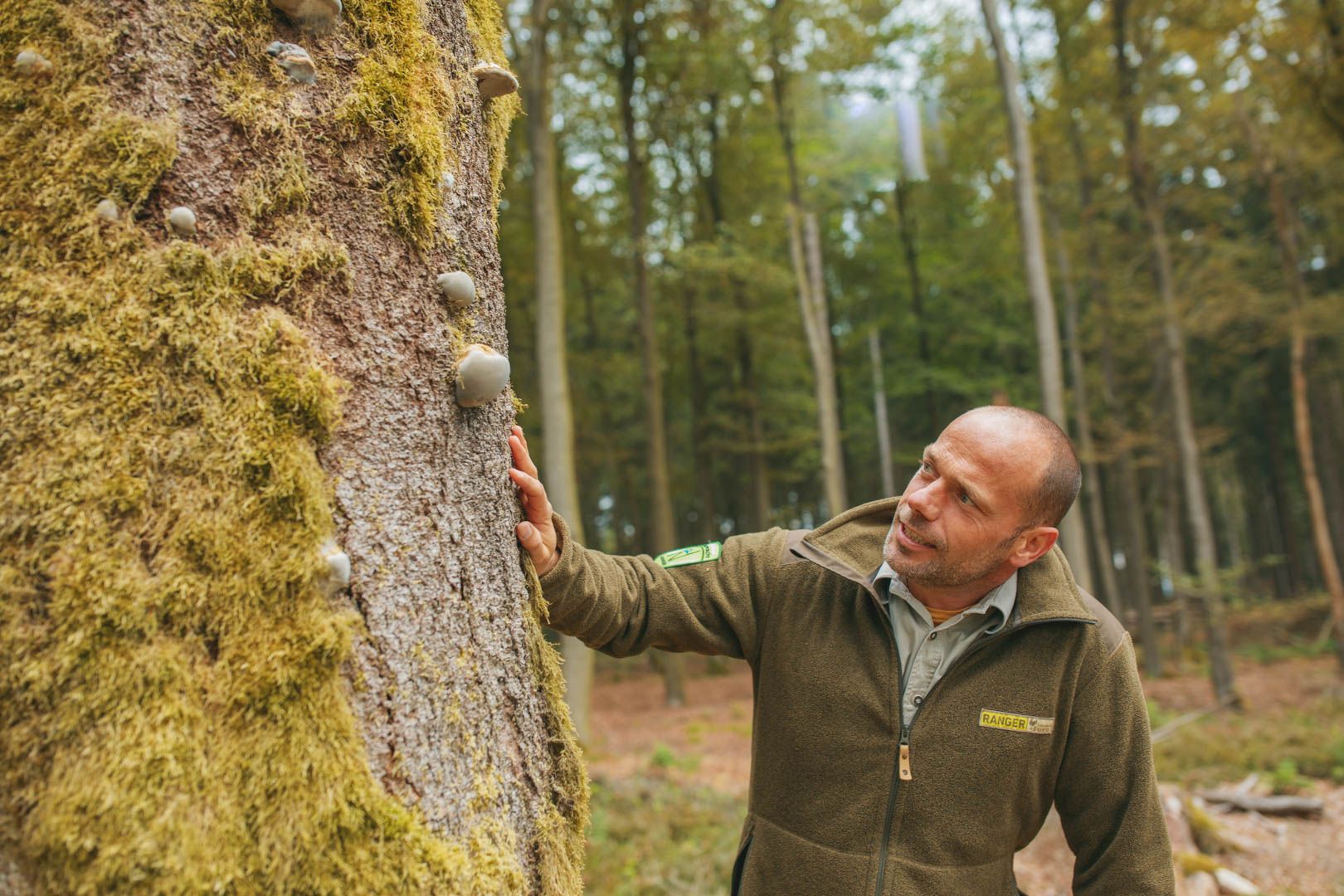
Tipps der Naturpark-Ranger
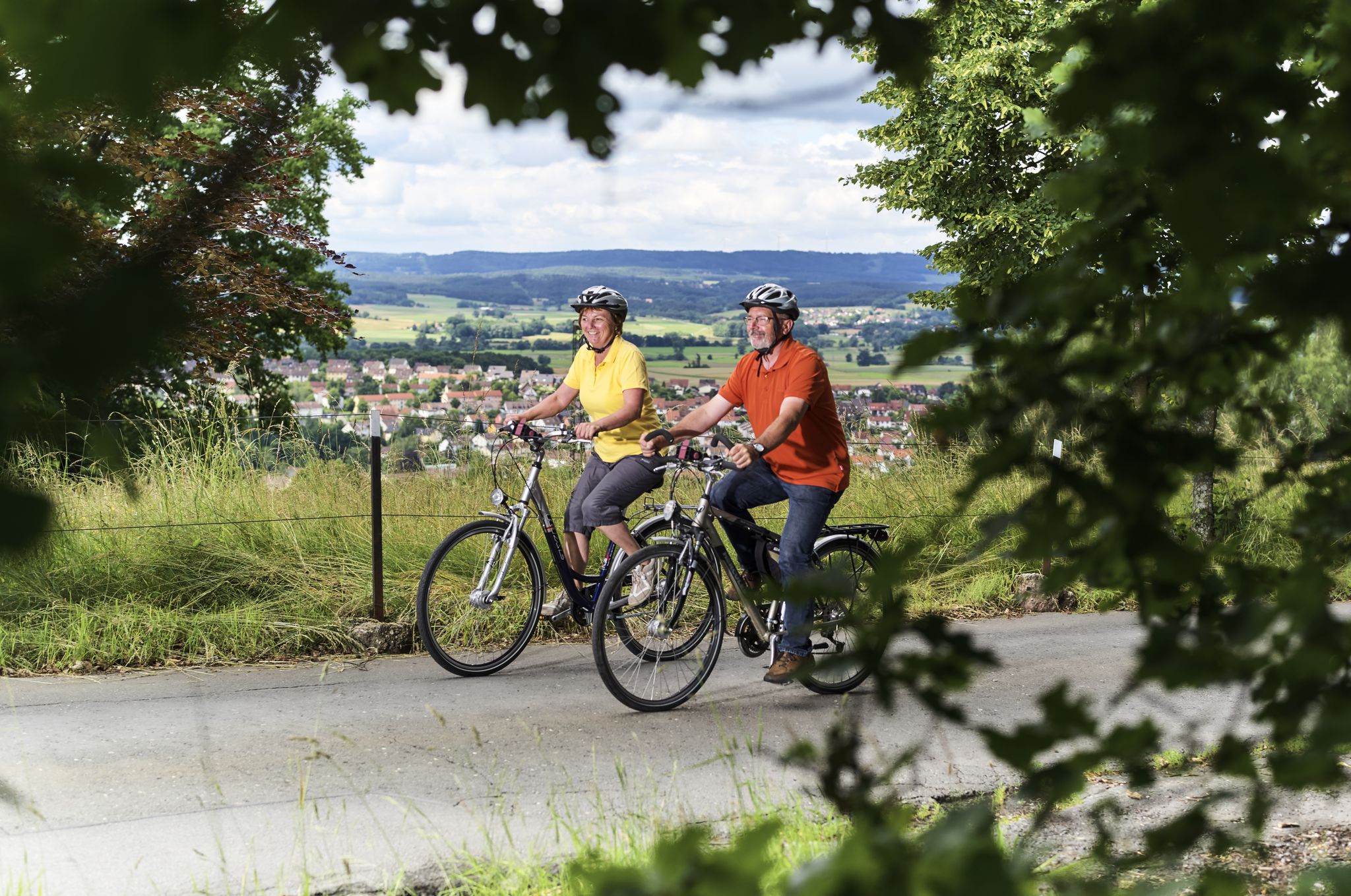
Unsere schönsten Radtouren im Frankenwald
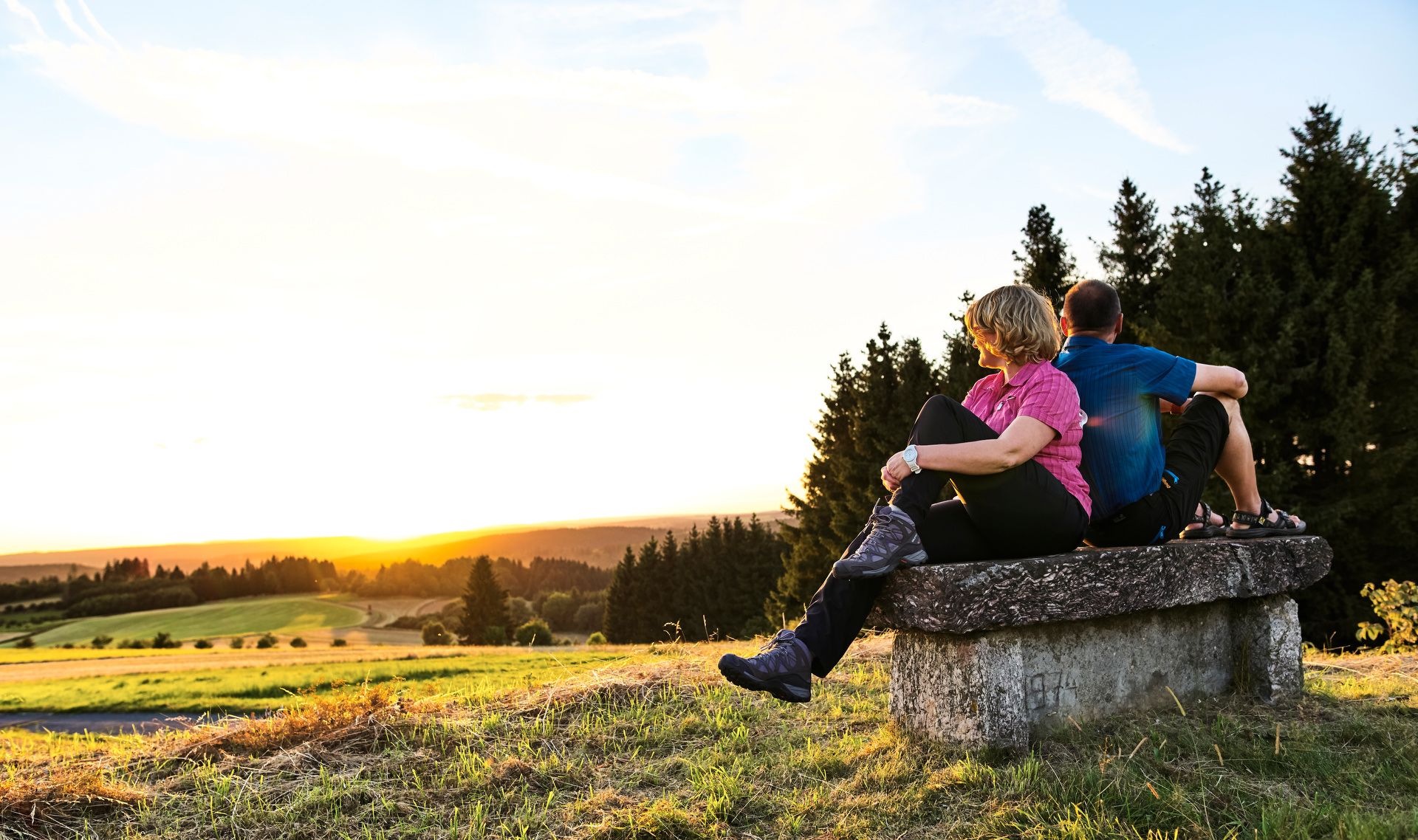
Unsere FrankenwaldSteigla
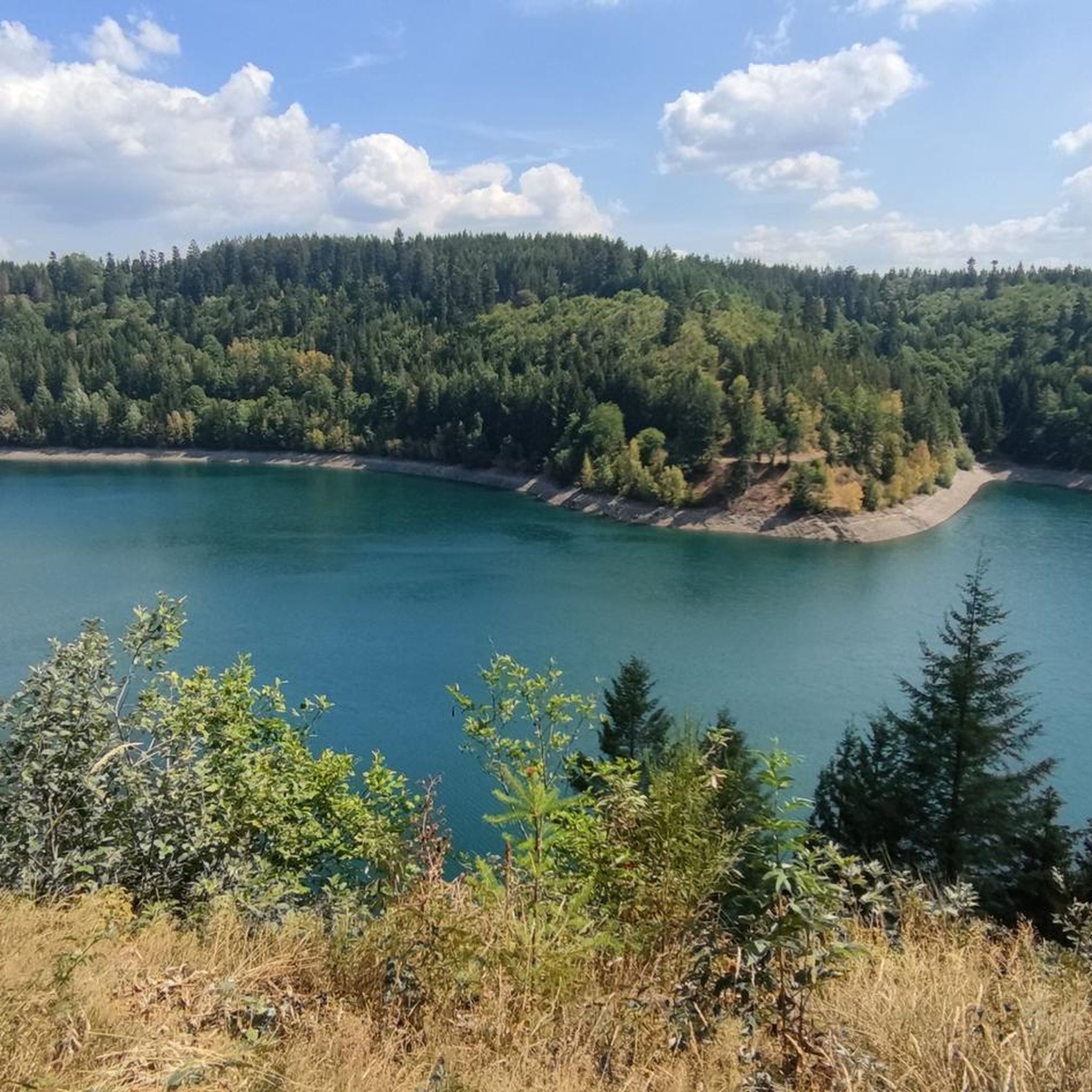
Hiking around Steinwiesen
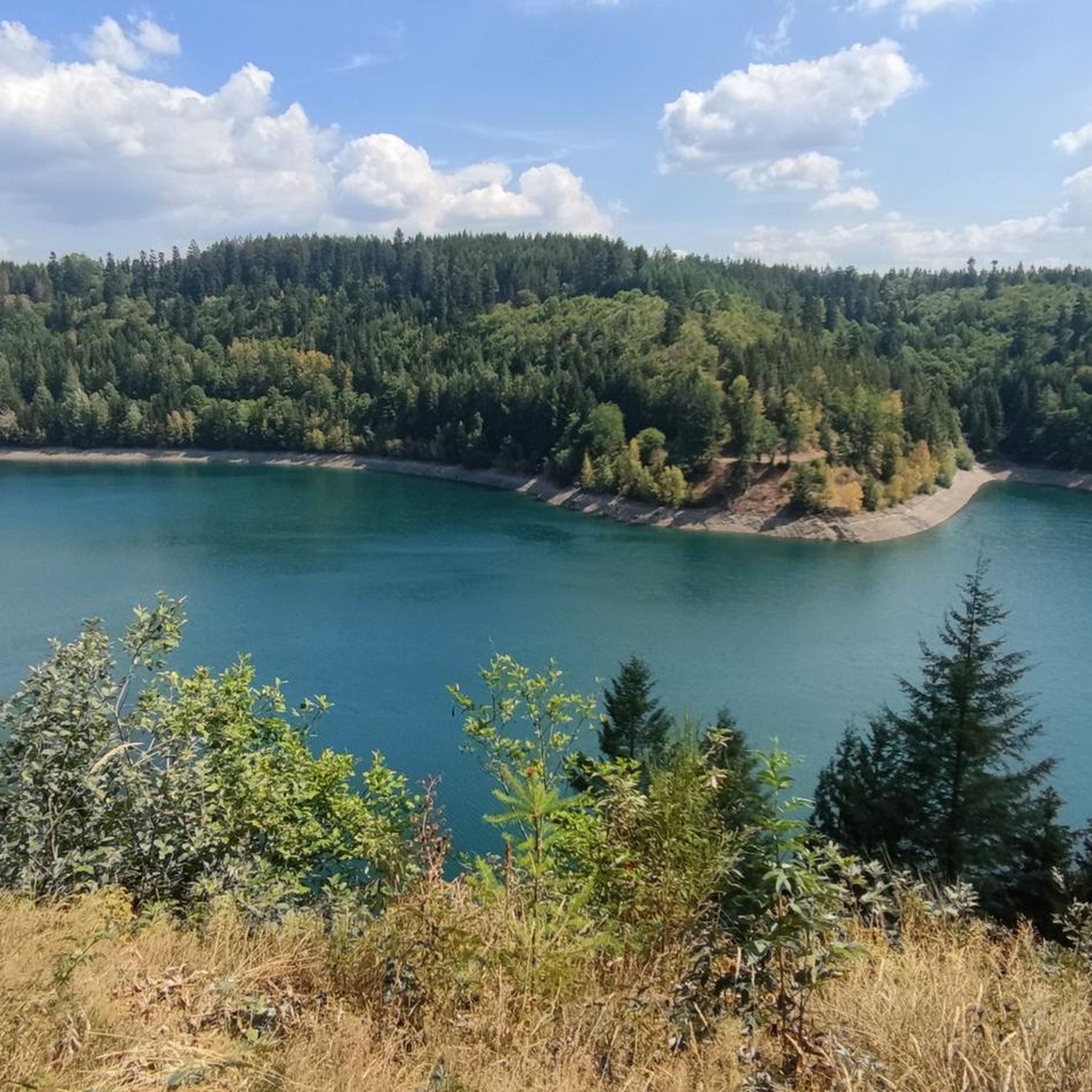
Cycling around Steinwiesen
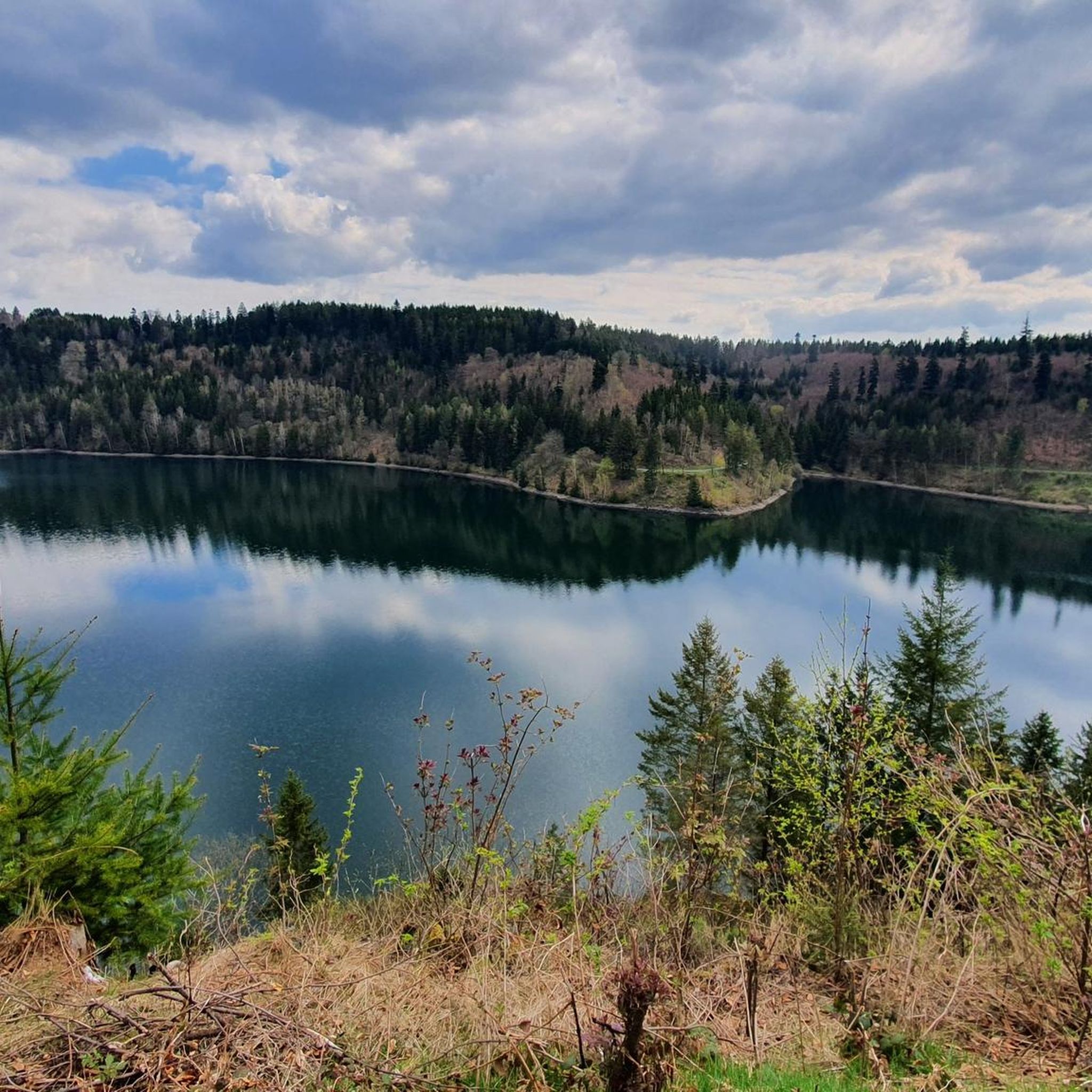
MTB Trails around Steinwiesen
Road Cycling Routes around Steinwiesen
Running Trails around Steinwiesen
Other adventures around Steinwiesen


Tips from the Community

Haig Castle, also known as Haiger Castle or Haig Manor, is located in the Haig district of Stockheim in the Upper Franconian district of Kronach. It is considered an art-historical gem of the region, as it has a direct connection to one of the most renowned Baroque architects. For a long time, the authorship of the castle's design remained unclear. It wasn't until the 1980s that a plan was discovered in the archives of Mitwitz Water Castle, definitively proving that Balthasar Neumann, the famous architect of the Würzburg Residence and the Basilica of the Fourteen Holy Helpers, was the creator of the design. The foundation stone was laid in 1731, and the building's completion is dated to around 1733. Johann Veit Freiherr von Würtzburg, an influential cathedral dean, commissioned the construction after the original manor house was destroyed in the Thirty Years' War.
2
0

The Heinersreuth estate near Presseck, surrounding the former Wildenstein Castle, was a gift from the Bavarian King Maximilian I Joseph to his long-time finance minister, Maximilian Emanuel von Lerchenfeld, in 1823. Maximilian I thus honored his commitment to the adoption of a Bavarian constitution and his keeping of his promise that this would happen even before the German Empire had a constitution. In 1818, Bavaria became a constitutional monarchy with the new constitution, which limited the king's power through the Estates Assembly. It took another 53 years until Bismarck's Imperial Constitution for all of Germany was adopted. The Wildenstein Castle, today Heinersreuth Castle, is a two-story gabled building with a high basement; the upper floor is slated. It was built around 1500 by the Barons von Wildenstein. The tower was probably added at the end of the 17th century. In 1697, the property passed to Carl Friedrich Freiherr Voit von Rieneck zu Trun- und Traustadt, who was subsequently elevated to the rank of count before the fief was granted to Baron von Lerchenfeld in 1823. In 1827, von Lerchenfeld commissioned the famous Darmstadt architect and urban planner to build the "Ministerhaus" (also known as the "New Palace") on his noble estate, right in the middle of the extensive park next to the palace. The property remains in the possession of the von Lerchenfeld family, a member of the ancient Bavarian nobility whose roots can be traced back to 1070.
17
0

Viewpoint on the Schlossberg with a mushroom as a seat with weather protection
1
1

quite overgrown in summer
0
1

Beautiful place, worth it
0
0

Haig Castle In the years 1323 and 1348, the Bishop of Bamberg had his rights and income recorded from place to place. Haig is recorded as a wasteland, as "desolatum". Since the Bishop of Bamberg wanted protection against the Thuringians, he enfeoffed the Lords of Schaumberg. The former castle in Haig was surrounded by a moat and connected to the mainland by a drawbridge. In 1631, a group from Kronach plundered the village and castle. The indebted property was bought in 1727 by cathedral dean Johann Veit von Würtzburg, who laid the foundation stone for the current castle in 1731. https://www.stockheim-online.de/gemeinde-und-verwaltung/gemeindeteile-mit-ortsgeschichte/haig/
2
0
Haig is a part of the municipality of Stockheim in the district of Kronach (Upper Franconia, Bavaria) https://de.wikipedia.org/wiki/Haig_(Stockheim)
1
0

Former moated castle of the Protestant Lords of Schaumberg. Plundered by Kronachers in 1631 and falling into disrepair, it was rebuilt in its current form in 1731 by the cathedral dean Johann Veit von Würtzburg. The well-known country inn Detsch is located nearby.
0
0
Frequently Asked Questions
What kind of castles can I expect to find around Steinwiesen?
Around Steinwiesen, you'll discover a variety of historical sites, including well-preserved fortresses, historical manor houses, and locations where former castles once stood. These structures showcase different architectural styles and historical periods, from medieval origins to Baroque expansions, often integrated into the natural landscape of the Franconian Forest.
Which is the most popular castle to visit near Steinwiesen?
The most popular castle is Rosenberg Fortress. This historical site, a former Bamberg bishop's castle and state fortress, is renowned for never having been conquered. It's one of Europe's largest fortresses, displaying medieval, Renaissance, and Baroque fortification architecture.
Are there any castles with unique historical significance in the region?
Yes, Rosenberg Fortress is particularly significant as it was never captured or defeated by enemies. Its construction history, with contributions from architects like Maximilian von Welsch and Balthasar Neumann, illustrates the evolving demands of defensive architecture over centuries.
Can I find castles that offer good views or natural features?
Absolutely. The site of Schloßberg Nordhalben Summit and Mushroom Sculpture, while no longer having a visible castle, is a natural monument with geological features and offers great views of Nordhalben. Additionally, the View of Kronach's Old Town and Rosenberg Fortress provides a wonderful perspective of the old town and the fortress from below.
Are there family-friendly castle attractions around Steinwiesen?
Many of the castle-related highlights, such as Rosenberg Fortress and Schloßberg Nordhalben Summit, are considered family-friendly. The Gatekeeper sculpture at Rosenberg Fortress also offers an interesting visual for all ages.
What outdoor activities can I do near these castles?
The region around Steinwiesen and its castles, particularly within the Franconian Forest, offers various outdoor activities. You can find numerous cycling routes, including easy and difficult options, as well as running trails. For example, there are routes like the 'Covered bridge over the Rodach River – St. Leonhard's Church, Zeyern loop' for cycling, and 'Trail junction – Ködelblick loop' for running. You can explore more options in the Cycling around Steinwiesen and Running Trails around Steinwiesen guides.
Are there hiking trails near the castles?
Yes, the castles are often integrated into the natural landscape, providing opportunities for hiking. While specific hiking trails directly *to* each castle aren't detailed here, the broader Franconian Forest region offers many trails. For instance, you can combine a visit to Schloßberg Nordhalben Summit with parts of the Grenzersteig for a more challenging hike. Check the Running Trails around Steinwiesen guide for routes that might suit your hiking preferences.
What do visitors enjoy most about the castles in this area?
Visitors frequently praise the historical depth and architectural grandeur, especially of Rosenberg Fortress, noting its well-preserved state and the interesting tours. The scenic views from locations like Schloßberg Nordhalben Summit and the charming old town of Kronach, visible from the View of Kronach's Old Town, are also highly appreciated.
Is there a castle that is particularly well-preserved?
Rosenberg Fortress is exceptionally well-preserved, showcasing various construction phases from medieval keeps to late Baroque pentagons. Its distinct architectural styles from different centuries are clearly visible, making it a significant example of German military construction history.
What is the history behind Haig Castle?
Haig Castle was first mentioned in the early 14th century and belonged to the Bishopric of Bamberg. The foundation stone for the current castle was laid in 1731. It is beautifully situated within the village of Haig and historically included a castle, a leaseholder's house, and a brewery.
Are there any unique sculptures or art installations at the castles?
Yes, at Rosenberg Fortress, you can find the Gatekeeper sculpture. This interesting figure, made of oak wood and iron by Czech sculptor Tom Kus, is known as the new guardian of the fortress.
Can I visit the underground tunnel system at Rosenberg Fortress?
Yes, the underground tunnel system at Rosenberg Fortress is a particular point of interest and can be visited as part of the fortress tours. This offers a unique glimpse into the defensive structures of the past.
Most popular routes around Steinwiesen
Most popular attractions around Steinwiesen

Get inspired with the komoot mobile app


Explore more
Looking for the best castles somewhere else? Discover other guides around Steinwiesen:
