Attractions and Places To See around Nordhalben - Top 20
Attractions around Nordhalben are centered in the Frankenwald (Franconian Forest) region of Bavaria, Germany. This area features extensive forests and meadows, including the Ködeltalsperre, Bavaria's largest drinking water reservoir, and sections of the Green Belt. Visitors can explore a blend of natural landscapes and cultural sites, such as historical museums and industrial heritage related to slate mining. The community offers diverse opportunities for outdoor activities and cultural engagement.
Best attractions and places to see around Nordhalben
- The most popular attractions…
Last updated: September 25, 2026
Göpelschacht Shaft Complex, Lehesten
Highlight • Monument
The Göpel shaft system was …
Translated by Google •
Tip by

Lehesten Slate Quarry Industrial Heritage Site
Highlight • Monument
Translated by Google •
Tip by
Sign up now to discover places like this
Get recommendations on the best single tracks, peaks, & plenty of other exciting outdoor places.
Columned arcade with drinking hall
Highlight • Monument
Translated by Google •
Tip by
Altvaterturm
Highlight • Viewpoint
A circular hiking trail to Staatsbruch Lehesten also runs here.
Translated by Google •
Tip by

Ködel Reservoir Water Intake Tower
Highlight • Monument
Translated by Google •
Tip by

Sign up for free to discover even more attractions around Nordhalben.
Already have an account?
Start today with a free account
Your next adventure awaits.
Popular around Nordhalben
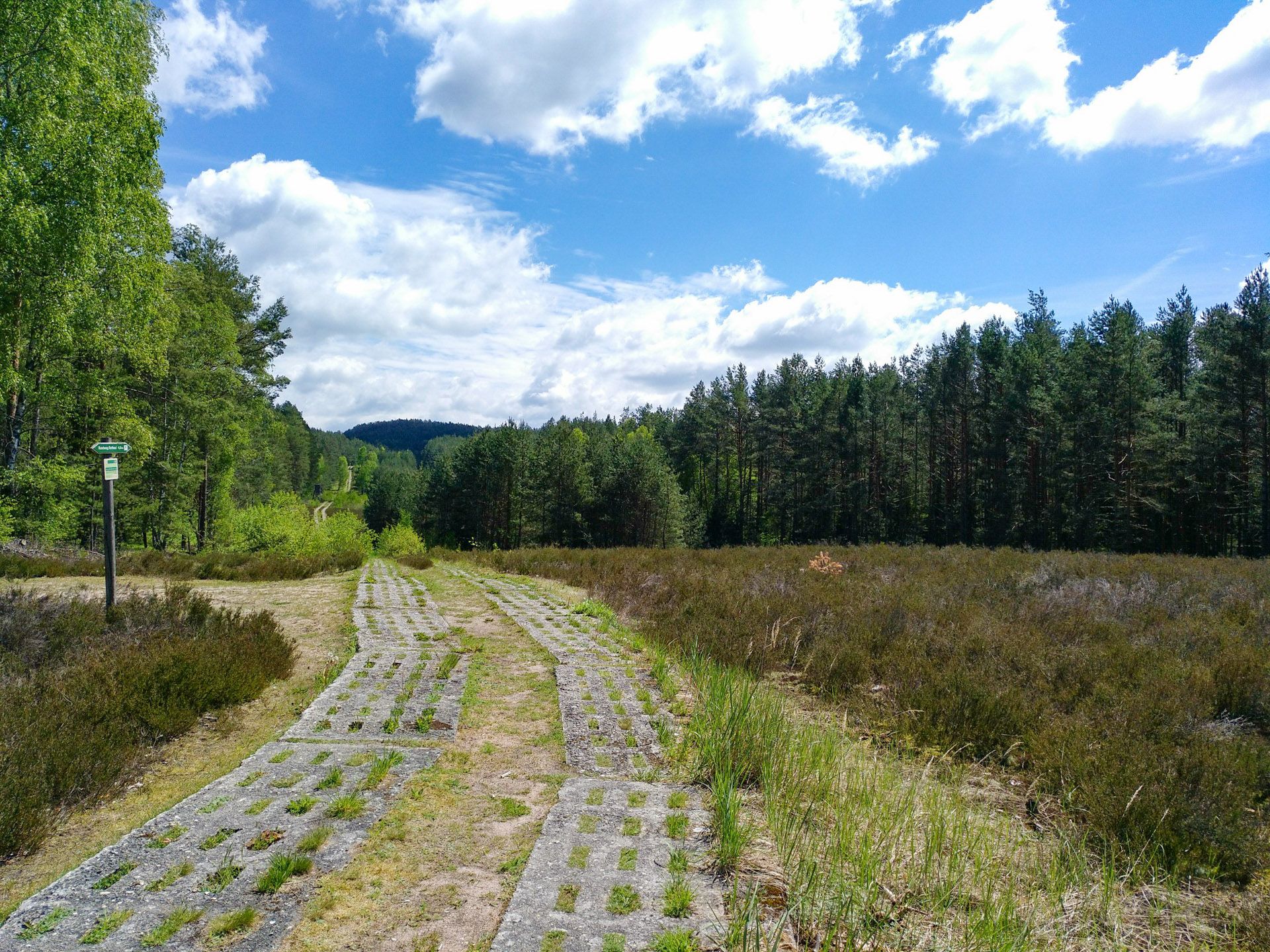
Discover the Green Belt in Germany’s Thuringian Slate Mountains with BUND
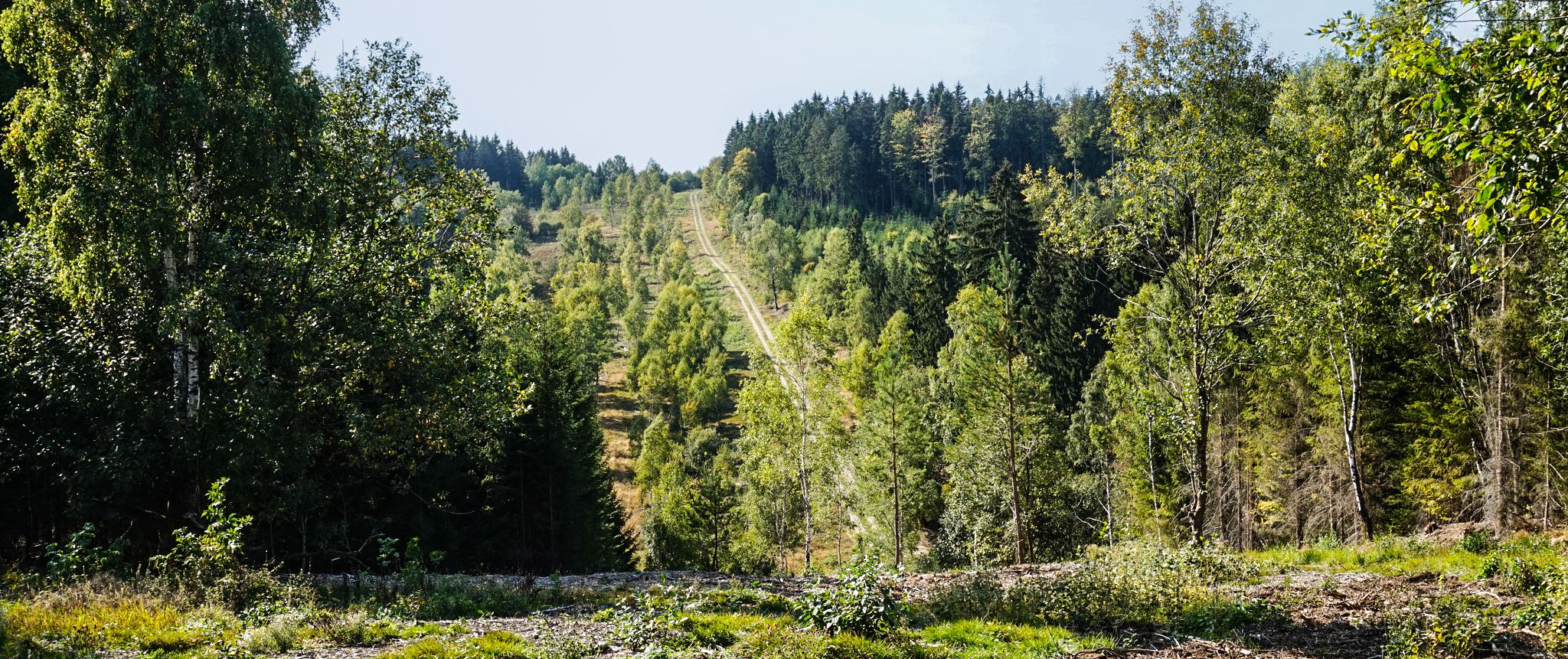
Discover the nature along the “Greenbelt” together with the BUND
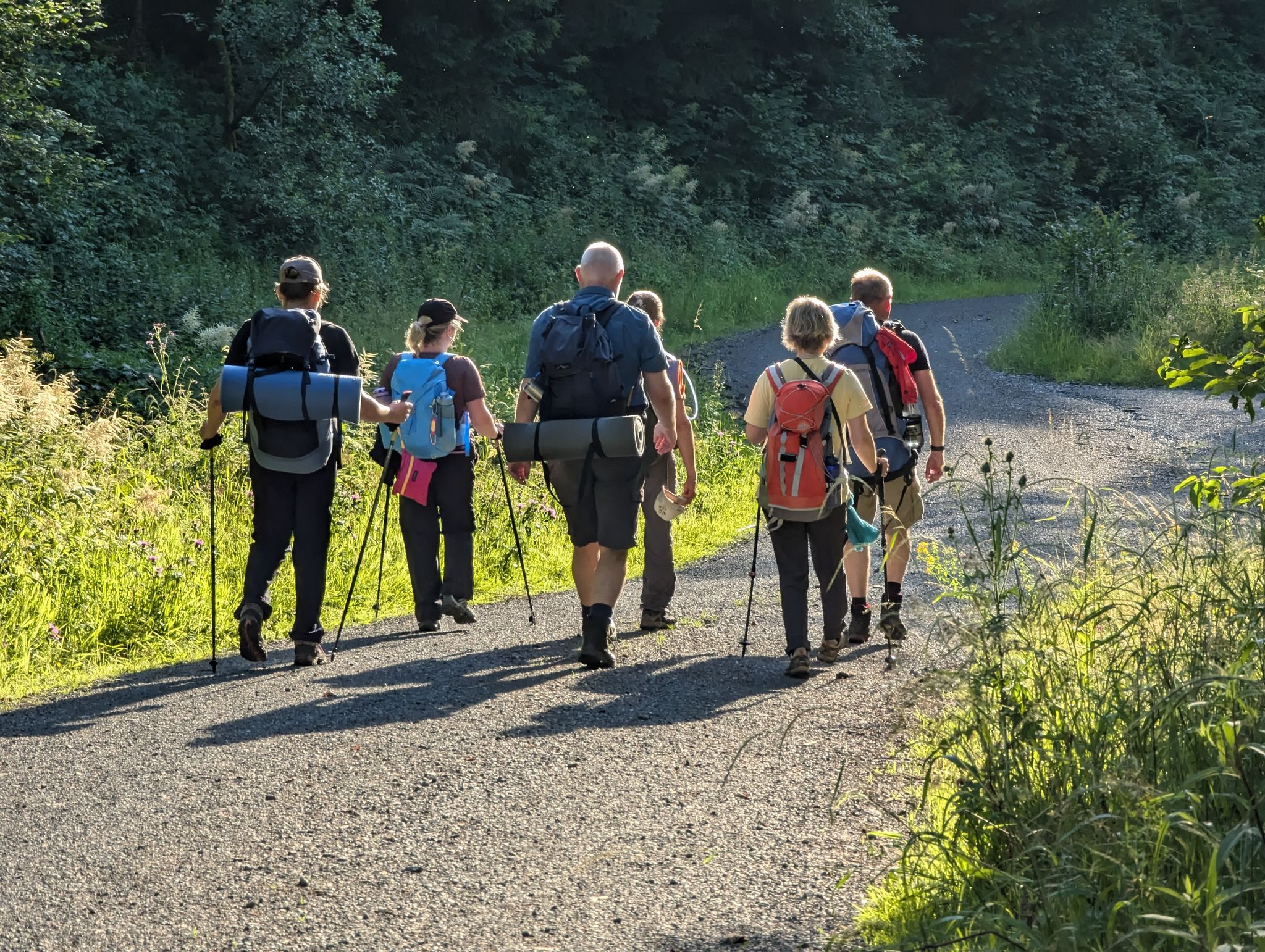
2-Tages-Trekkingtour nach Hermesgrün
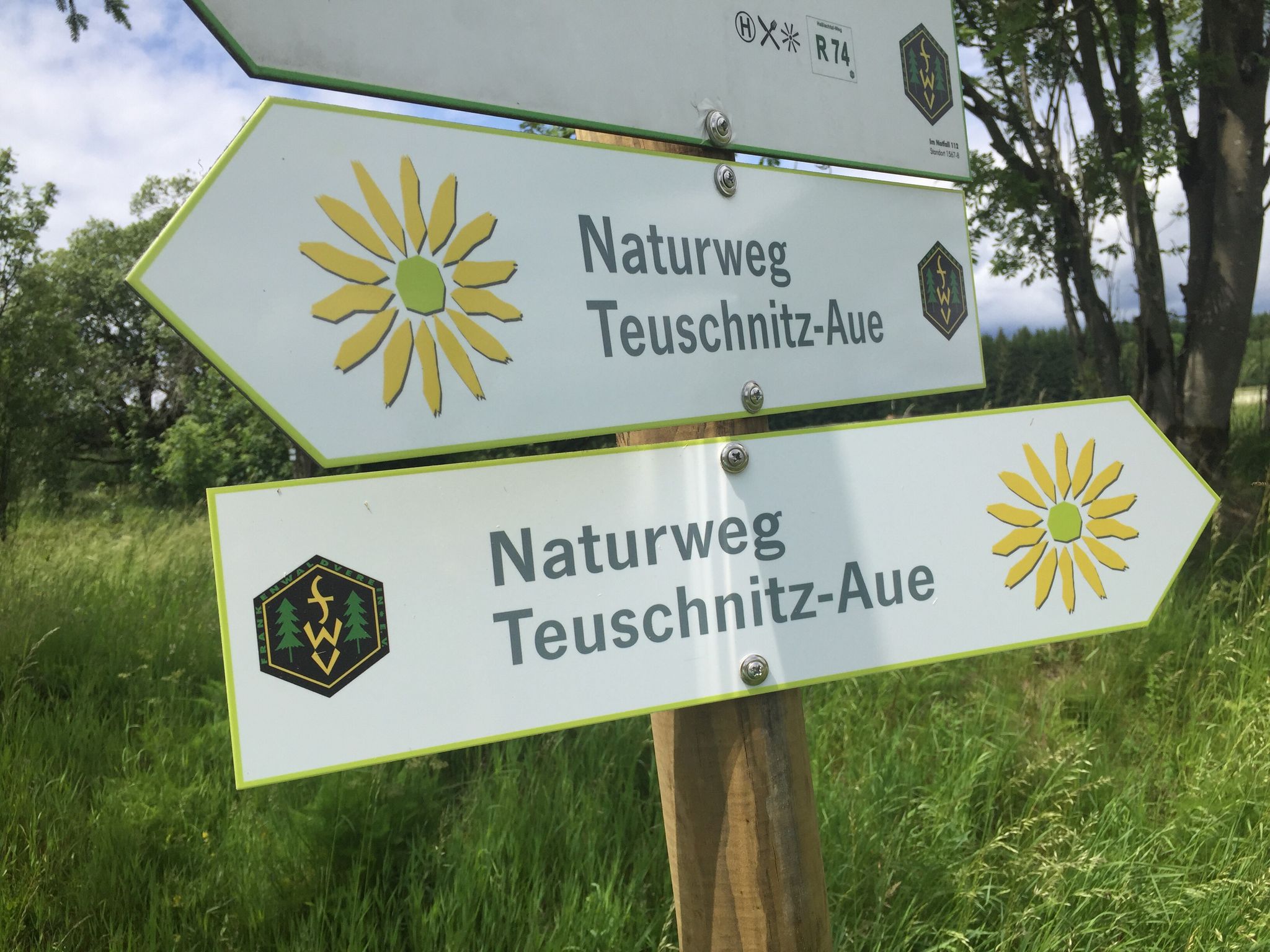
Lehrpfade und Themenwege
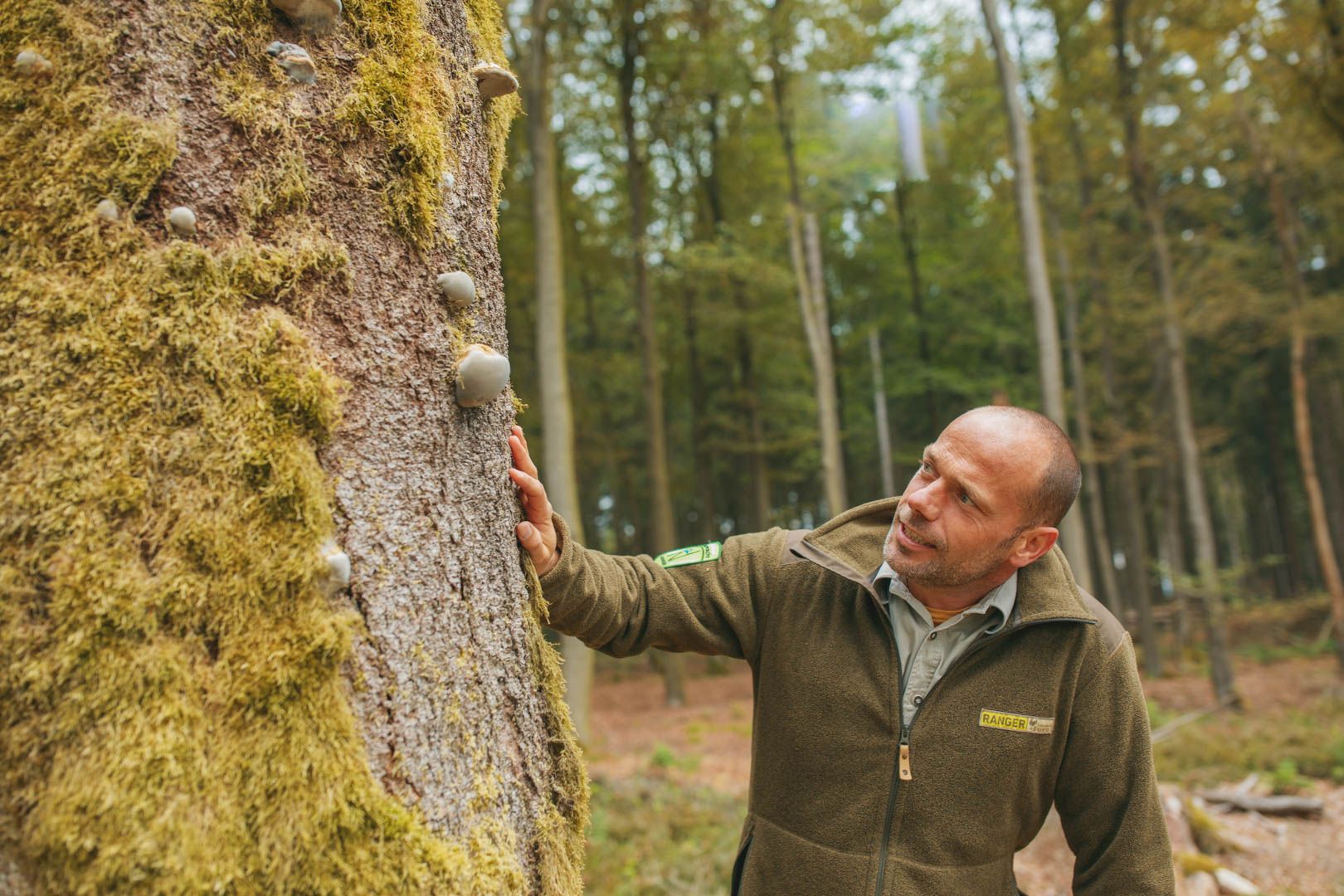
Tipps der Naturpark-Ranger
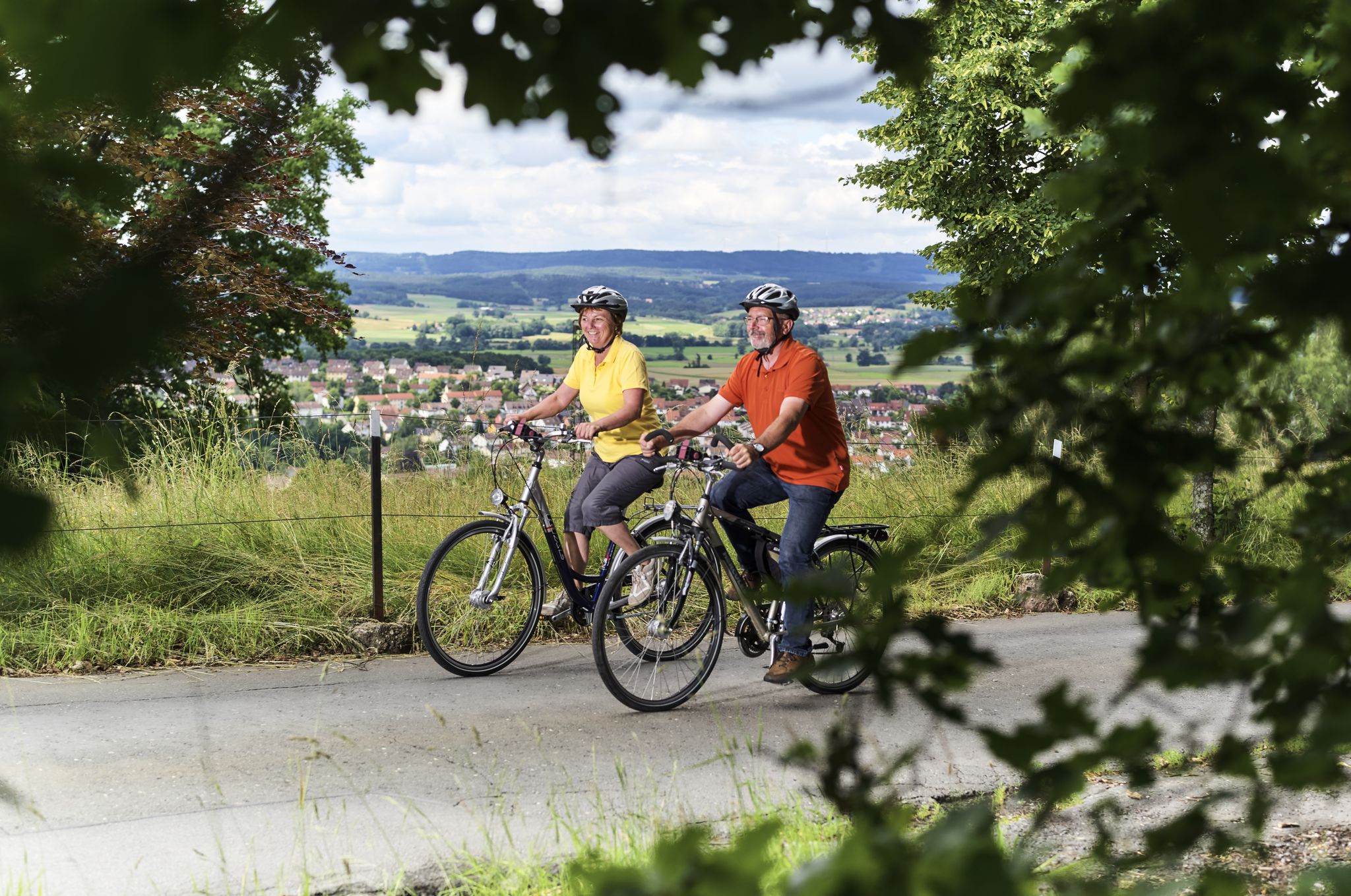
Unsere schönsten Radtouren im Frankenwald
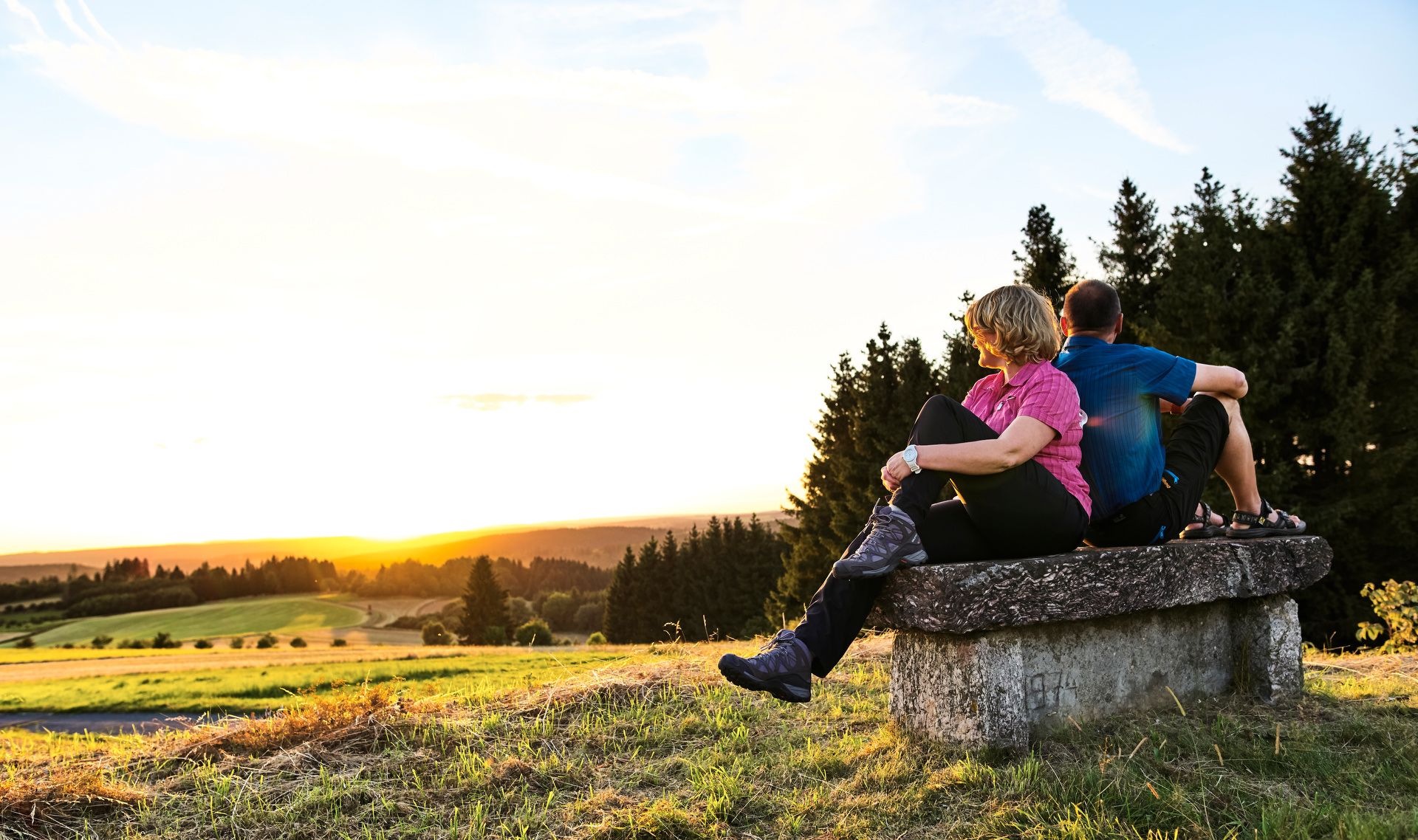
Unsere FrankenwaldSteigla
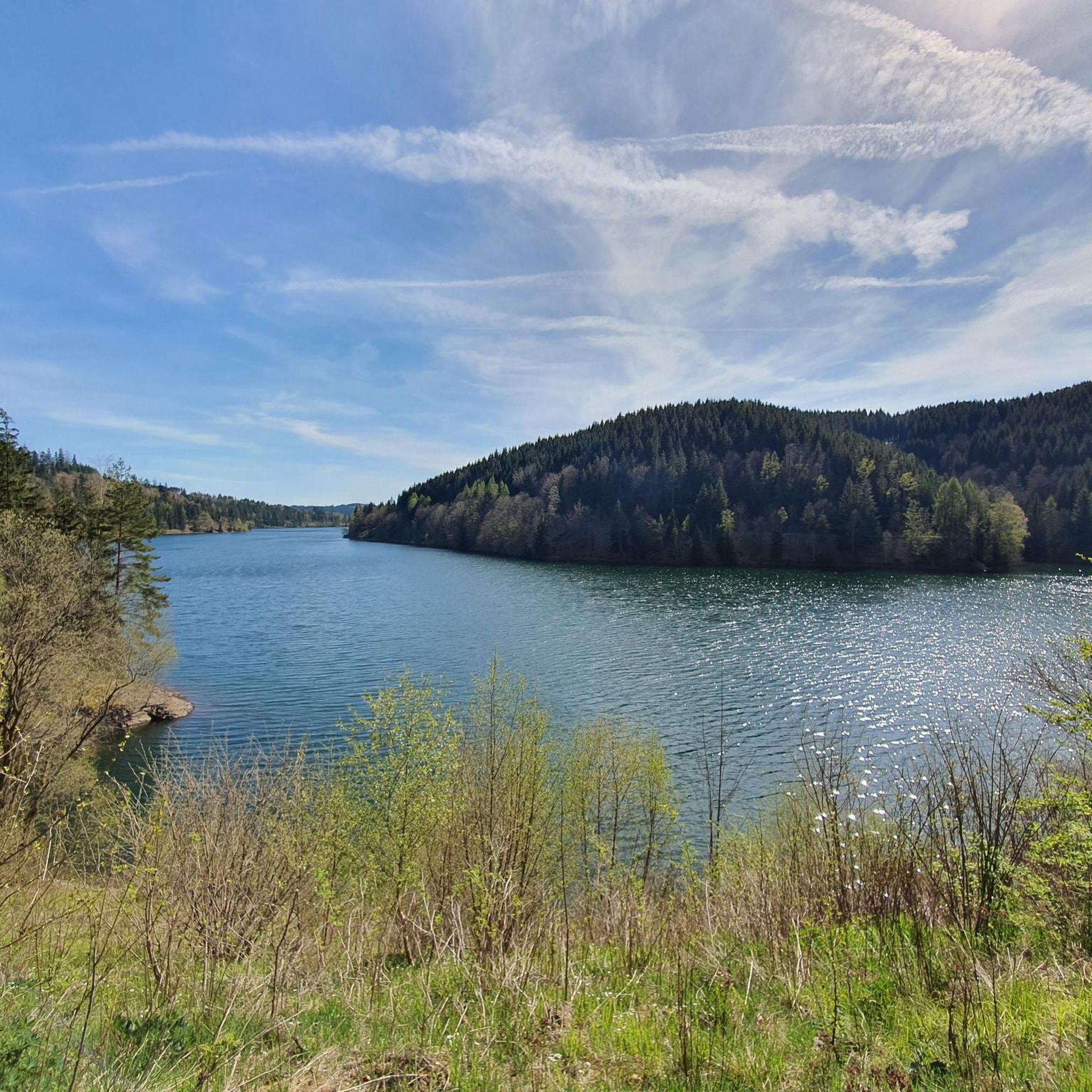
Hiking around Nordhalben
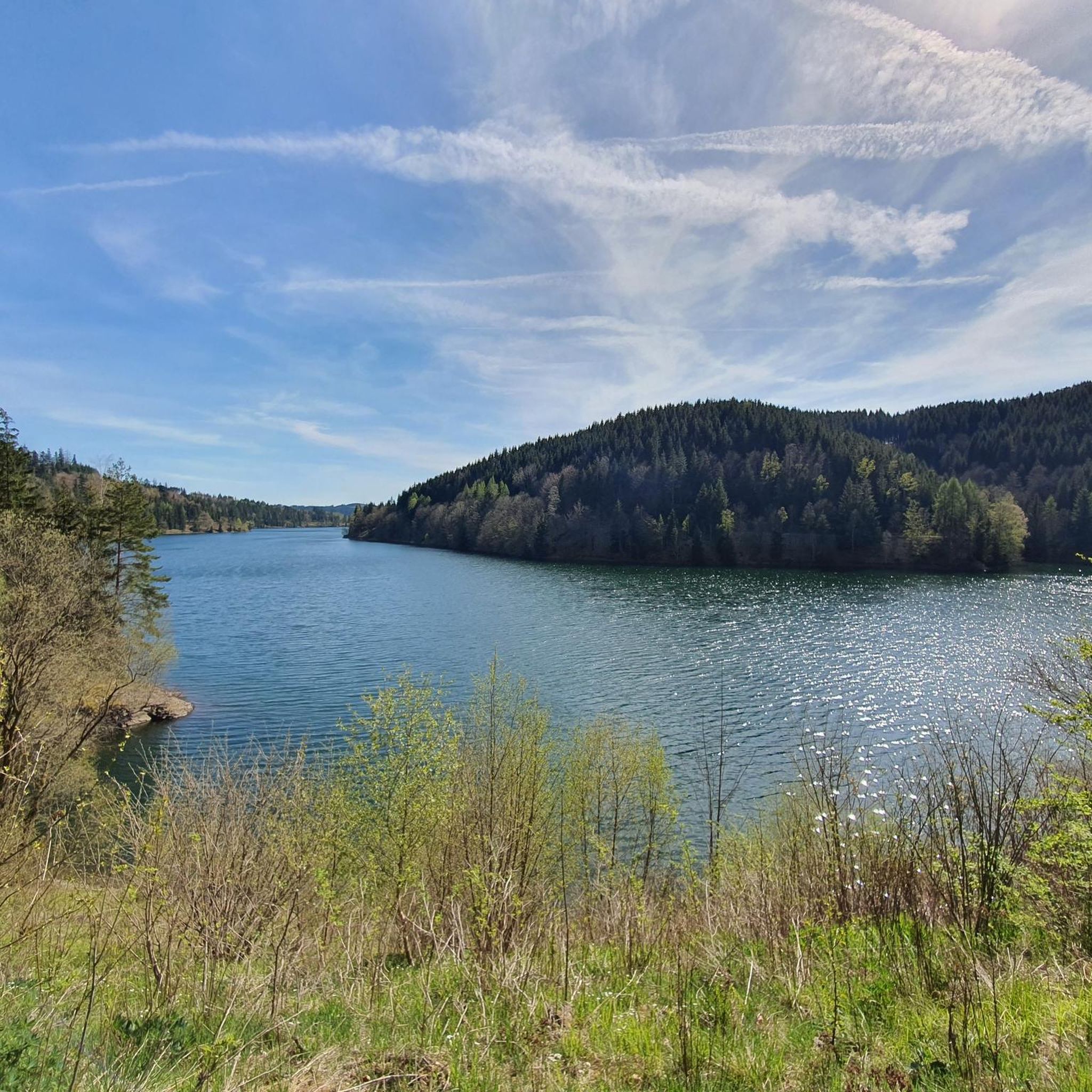
Cycling around Nordhalben
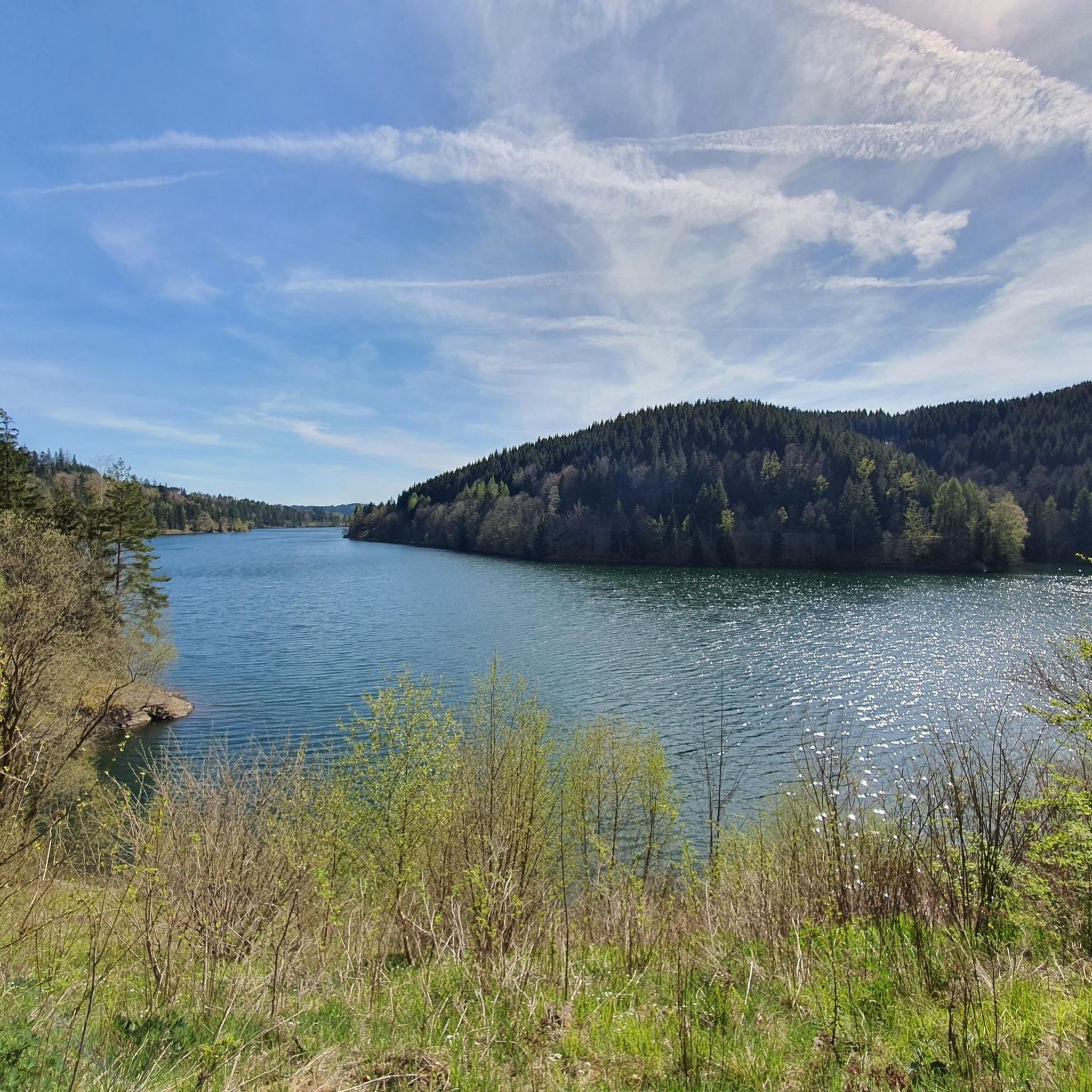
Road Cycling Routes around Nordhalben
Other adventures around Nordhalben


Tips from the Community

The semi-open, columned promenade, with its large arcades, has adorned the spa park since 1910. As early as the 19th century, a wooden promenade stood here, serving as a shelter for strolling. In the west pavilion of the promenade, you'll find the drinking hall, where you can sample the healing water. The tourist information office is located in the east pavilion.
16
0

This is the former Lehesten roofing slate opencast mine. Its dimensions alone are impressive; along with the nearby Oertelsbruch, it was one of the largest slate quarries on the continent (approximately 800 m long, 300 m wide, and up to 80 m deep). Source: Wikipedia
10
1

The tower is located on the Wetzstein hill. A circular hiking trail to Staatsbruch Lehesten also runs here.
23
0
A beautiful region 🤩 If you like, you can also take a detour to the Alvater Tower.
20
2
The tower on the Wetzstein was built as a memorial against the expulsion of people and as a place of remembrance of a lost homeland. After the expulsion of the Germans from Czechoslovakia in 1945/46, local friends founded the Altvaterturmverein Langgöns in 1976. In 1999, the association rebuilt the Altvaterturm, which collapsed on May 2, 1959 and was not rebuilt, on the Wetzstein in a true-to-original manner.
27
1
In the "Land of Blue Gold," as the slate is called here because of its distinctive color, the tradition of Thuringian-Franconian slate mining can still be experienced today. This extraordinary industrial complex, located at what was once one of Europe's largest open-cast slate mines, provides a hands-on experience of the history and processing of slate. The entire Staatsbruch Slate Park area is a nature reserve. 170 Red List species have now been confirmed to have settled in this partially inaccessible area.
23
1
The Göpel shaft system, unique in Europe, is the heart of the “Historic Lehesten Slate Mining” monument ensemble and the trademark of the slate park. The Göpel shaft system was built around 1850, five years after the open-cast mine opened. On the north-west edge of the now closed and flooded roofing slate open-cast mine, the Göpel shaft was used to lift mined slate rock and thus stabilize the production flow. The rock was transported to the adjacent double-slitting hut and processed.
24
1

Beautiful views around the dam.
3
1
Frequently Asked Questions
What natural features can I explore around Nordhalben?
Nordhalben is nestled in the Frankenwald (Franconian Forest) Nature Park, offering extensive meadows and forests. A prominent natural highlight is the Ködel Reservoir, also known as the "Fjord of the Franconian Forest," which is Bavaria's largest drinking water reservoir. You can also explore sections of the "Green Belt," a unique natural area along the former inner-German border.
What historical and cultural sites are there to visit in Nordhalben?
Nordhalben offers several cultural and historical sites. The Haus des Gastes (Guest House) hosts the Lace School and a Lace Museum, showcasing exquisite lace from around the world. It also features a historical local museum detailing the region's past, including the impact of the former border. Nearby, you can visit the Lehesten Slate Quarry Industrial Heritage Site and the Göpelschacht Shaft Complex, which provide insights into the area's rich slate mining history.
Are there good hiking opportunities near Nordhalben?
Yes, the region around Nordhalben is ideal for hiking. A popular choice is the 11 km circuit around the Ködel Reservoir. You can also find trails along the Green Belt, such as the Nordhalbener Wiesen-Panorama-Weg. For more options, explore the various routes in the Hiking around Nordhalben guide.
What cycling routes are available around Nordhalben?
Cyclists can enjoy the scenic 11 km circuit around the Ködel Reservoir. The Frankenwald region also offers extensive cycling paths through forests and meadows. For detailed routes, including road cycling options, check out the Road Cycling Routes around Nordhalben guide.
Are there any family-friendly attractions in the Nordhalben area?
Many attractions around Nordhalben are suitable for families. The Ködel Reservoir offers an easy circuit for walking or cycling. The Lehesten Slate Quarry Industrial Heritage Site and the Göpelschacht Shaft Complex provide an engaging historical experience. Additionally, the NaturSchwimmbad Nordhalben is a natural swimming pool perfect for a refreshing family outing.
Where can I find panoramic views or viewpoints near Nordhalben?
For impressive views, visit the Altvaterturm on Wetzstein hill. This tower offers panoramic vistas of the surrounding Frankenwald. The Ködel Reservoir Water Intake Tower area also provides picturesque views of the reservoir, often referred to as the "Fjord of the Franconian Forest."
What is the best time of year to visit Nordhalben for outdoor activities?
The Frankenwald region around Nordhalben is beautiful year-round. Spring and summer are ideal for hiking, cycling, and enjoying the natural swimming pool. Autumn is popular for mushroom picking and vibrant foliage. In winter, the area transforms into a snowy landscape, perfect for skiing, cross-country skiing, and snowshoeing.
Are there any unique industrial heritage sites to explore?
Yes, the region is rich in industrial heritage, particularly related to slate mining. The Lehesten Slate Quarry Industrial Heritage Site, once one of Europe's largest open-cast slate mines, offers a hands-on experience of slate processing. Nearby, the Göpelschacht Shaft Complex is a unique European shaft system that was used to lift mined slate rock.
Can I find running trails around Nordhalben?
Yes, there are several running trails available. The circuit around the Ködel Reservoir is a popular choice for runners. You can find more detailed routes and options in the Running Trails around Nordhalben guide.
What is the significance of the Altvaterturm?
The Altvaterturm on Wetzstein hill serves as a memorial against the displacement of people and a remembrance site for lost homelands. Rebuilt in 1999, it stands as a place of reconciliation and offers historical exhibits within its rooms, alongside its function as a popular viewpoint.
Is the Ködel Reservoir accessible for all visitors?
The Ködel Reservoir Water Intake Tower area is noted for being wheelchair accessible, making parts of the scenic reservoir circuit enjoyable for a wider range of visitors. The 11 km circuit around the dam is generally well-maintained and popular for various activities.
Are there any unique cultural events or artistic scenes in Nordhalben?
Nordhalben actively promotes itself as a hub for artists, featuring a Künstlerhaus (artists' house) and hosting a "Kultursommer" (cultural summer) event series. This indicates a growing and vibrant artistic scene, offering cultural experiences beyond the historical sites.
Most popular routes around Nordhalben
Most popular attractions around Nordhalben

Get inspired with the komoot mobile app


Explore more
Still not found the Highlight you’re looking for? See guides of the top attractions in other regions:
