Top 20 Lakes around Forst Tennenlohe
Best lakes around Forst Tennenlohe are situated within a significant nature reserve known for its diverse habitats, including sandy ecosystems, heathlands, and wetlands. This expansive area features various aquatic environments, from ponds to moor complexes, which are integral to its rich biodiversity. The region offers opportunities for nature observation and exploration through its network of hiking and cycling paths.
Best lakes around Forst Tennenlohe
- The most popular lakes is Sklavensee, a lake that was artificially created in the 1960s…
Last updated: October 4, 2026
Dechsendorfer Pond
Highlight • Lake
Translated by Google •
Tip by

Märchenweiher near Atzelsberg
Highlight • Lake
Translated by Google •
Tip by

Sign up now to discover places like this
Get recommendations on the best single tracks, peaks, & plenty of other exciting outdoor places.
Great Bishop's Pond
Highlight • Lake
Translated by Google •
Tip by

Sklavensee
Highlight • Lake
The Grubweiher, as it is correctly called, is an artificially created lake. It was created in the late 60s and 70s when construction rubble was …
Translated by Google •
Tip by

Great Bishop's Pond North Shore
Highlight • Lake
Translated by Google •
Tip by

Sign up for free to discover even more lakes around Forst Tennenlohe.
Already have an account?
Start today with a free account
Your next adventure awaits.
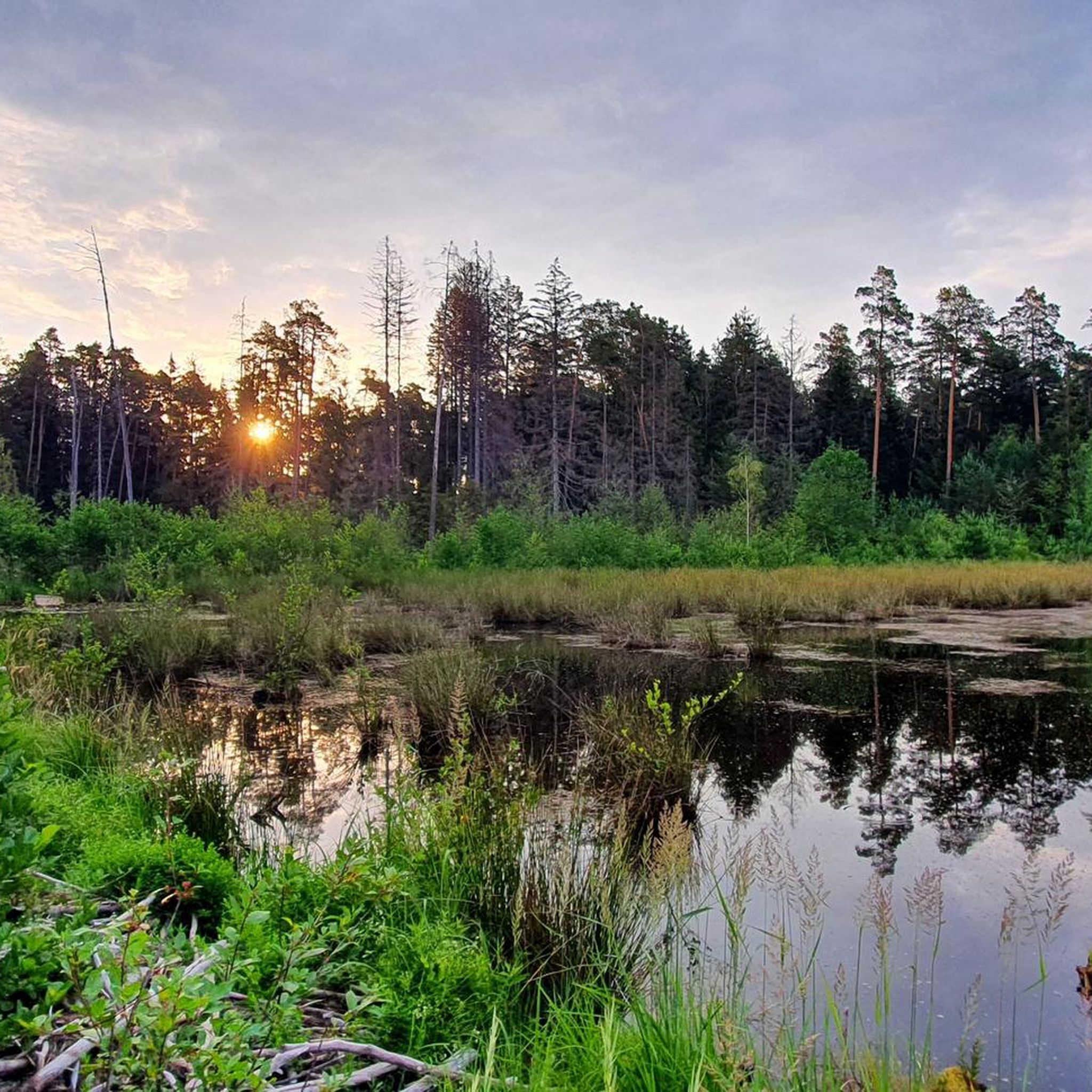
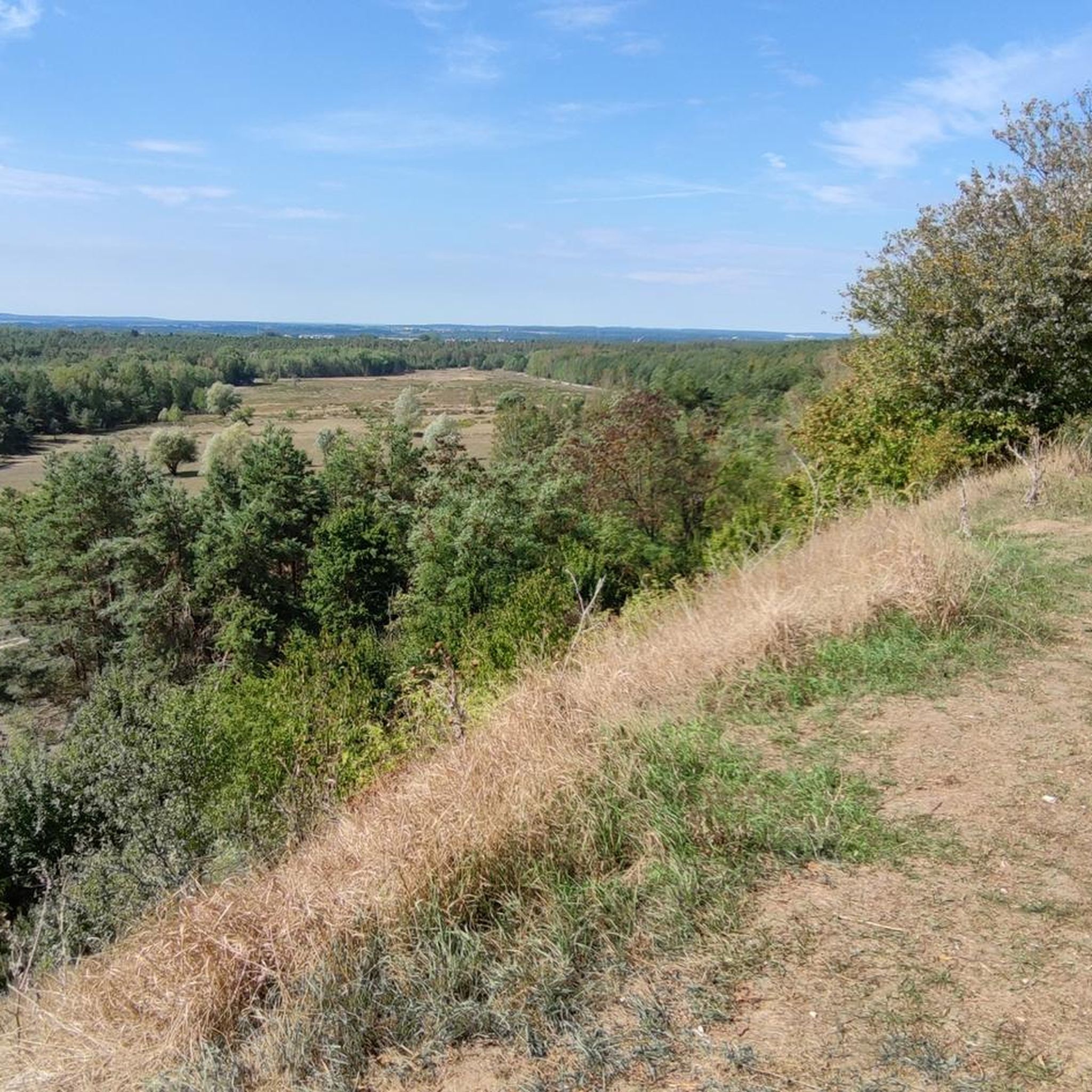
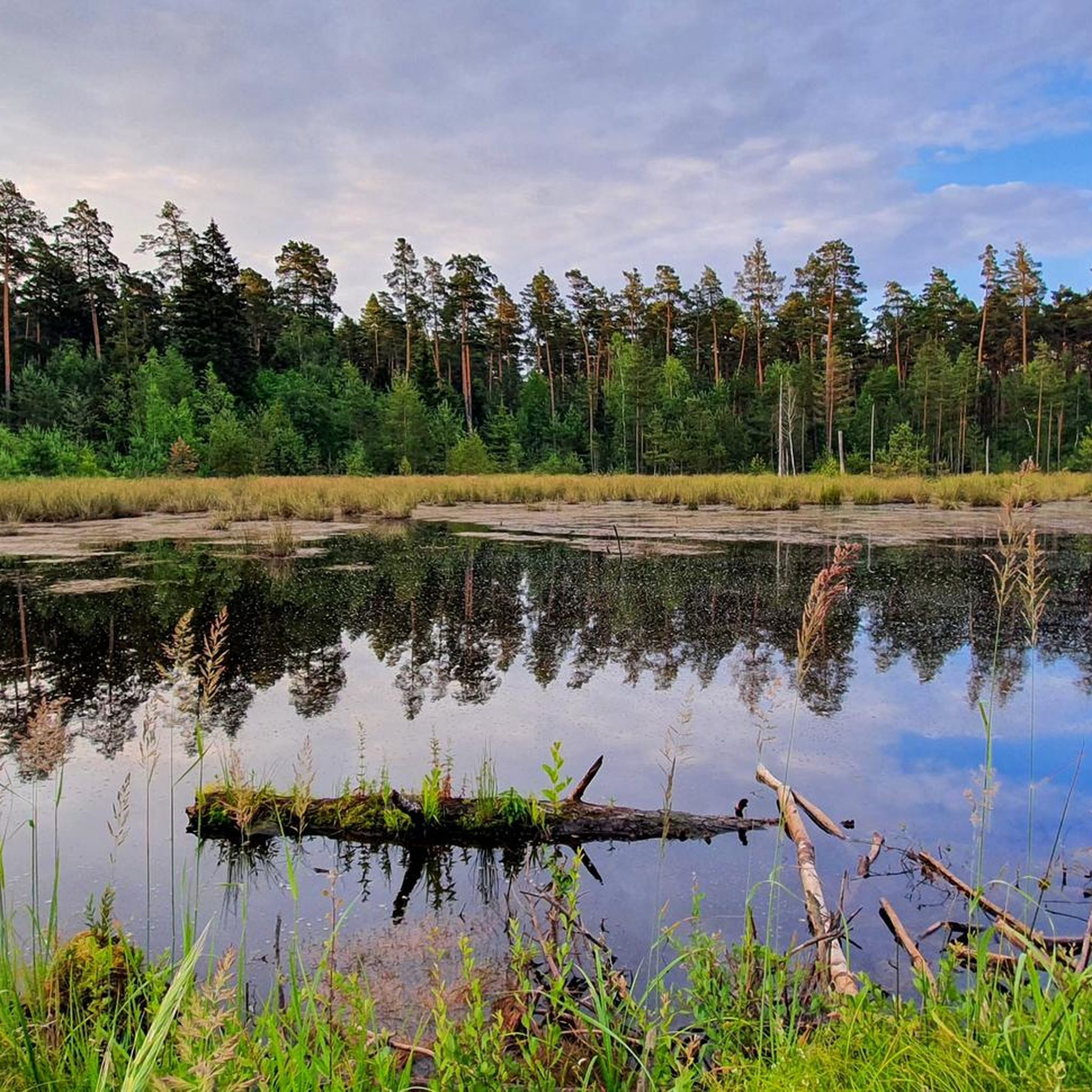
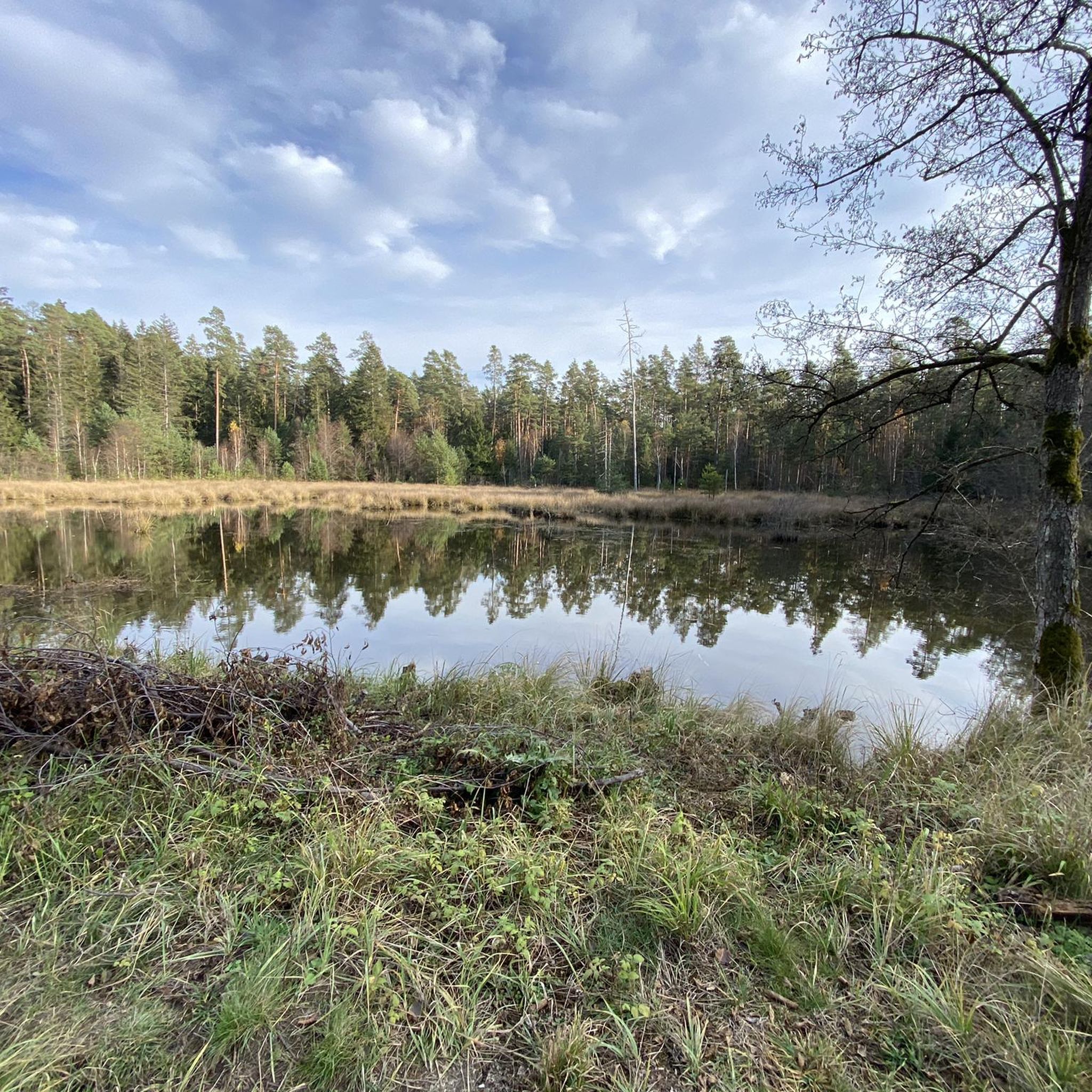
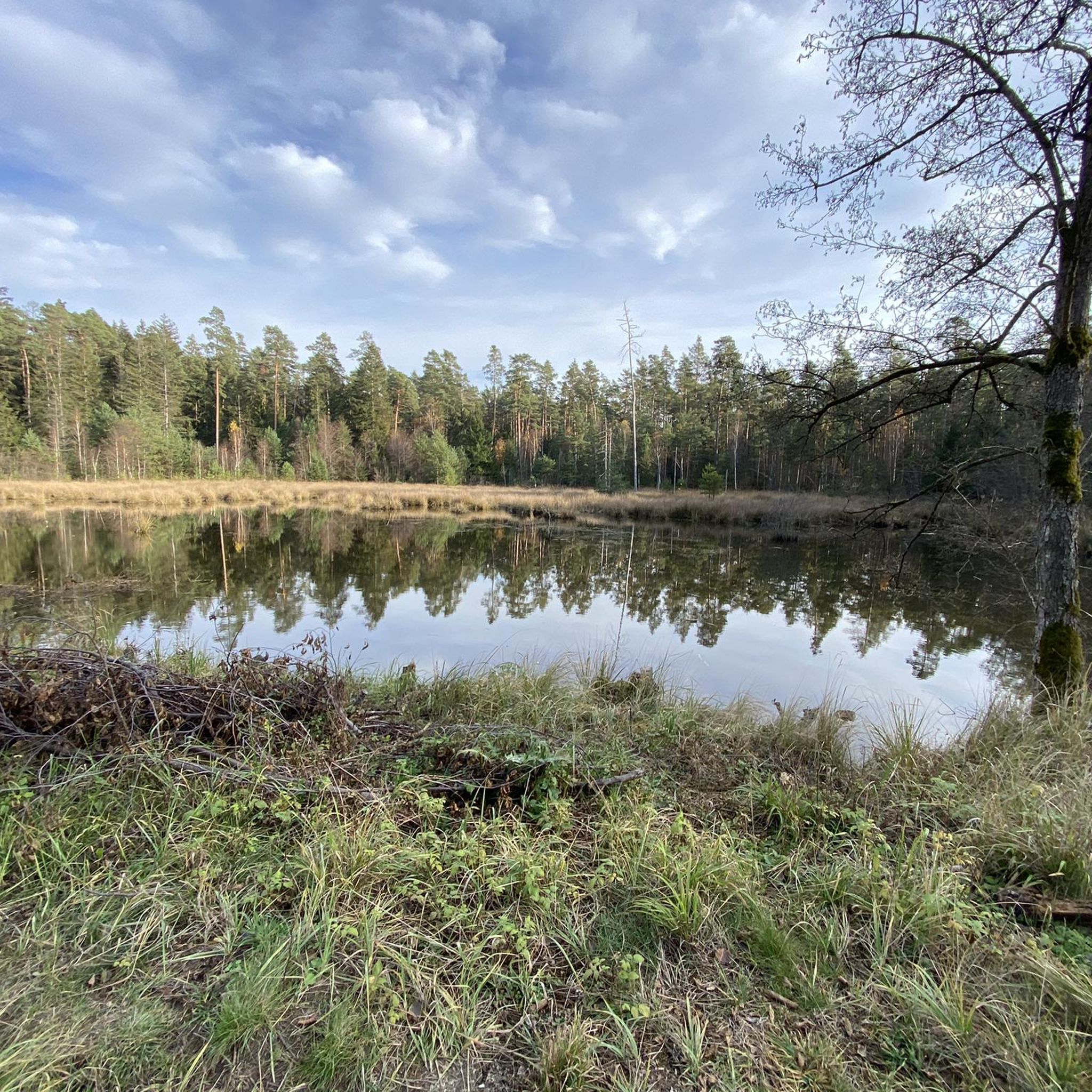
Tips from the Community

The Dechsendorfer Weiher (Großer Bischofsweiher) and the almost equally large Kleiner Bischofsweiher were created in the Middle Ages by the Bamberg bishops as carp ponds. Due to the large water surfaces and the immediate surroundings, both ponds are of great importance for species and biotope protection, especially for water birds. The Dechsendorfer Weiher are a popular destination for those seeking local recreation due to their proximity and closeness to nature. The pond is used as a bathing pond; however, use was restricted by the algae problem. The bathing ban is also announced locally and by clearly visible signs or signs at the bathing area. The fields to the west of the ponds are in the Sandachse Franken nature conservation project and the forest areas of the Markwald directly adjacent to the east are protected forest. The entire area is a landscape conservation area. The Dechsendorfer Weiher was previously flowed through by the Röttenbach. This has now been created as a new Röttenbach over a length of 1.6 km from the intermediate dam inlet area to the downstream area of the Dechsendorfer Weiher. A near-natural watercourse is intended to improve the previously moderate water structure and create new habitats for the ecological diversity of nature. The lack of passability of the Röttenbach was restored. In the new Röttenbach, nutrients, sediments and also fish from the catchment area of the Dechsendorfer Weiher can be diverted around it into the downstream area of the pond. The pond is no longer in the main tributary but in the bypass and can therefore be managed in terms of the quality and quantity of the incoming water. With the targeted planting of aquatic plants, the pond was returned to a plant-dominated state. [ Source: https://erlangen.de/aktuelles/gewaesserschutz-dechsendorfer-weiher ]
0
0

Currently free again. The beaver 🦫 had made himself comfortable under the forest path. Danger of collapse ⚠️
2
0


Beautiful lake for rest, hiking, BBQ and camping
0
0

The Großer Bischofsweiher, also known as the Dechsendorfer Weiher, is located in the north of the Dechsendorf district of Erlangen. The 0.35 square kilometer pond is part of a local recreation area and the largest of a whole chain of around 60 carp ponds. The shore length of the lake is 3.8 kilometers. Source: Wikipedia
9
0

For me, the slave lake is the highlight of the landscaped lakes, the entire facility is very well maintained and landscaped perfectly for me, parking lots and seating areas in the immediate vicinity.
7
0


If there is not too much going on at the tourist magnet "Kirschweg" you can have a nice picnic here 😄.
5
0
Frequently Asked Questions
What are the most popular lakes around Forst Tennenlohe for recreation?
For recreational activities, the Dechsendorfer Pond is very popular, offering spacious sunbathing lawns, swimming, rowing, and sailing. Another favorite is Great Bishop's Pond, which is suitable for barbecuing and swimming, and features a kiosk and a small playground.
Can I swim in the lakes around Forst Tennenlohe?
Yes, swimming is possible in some lakes. The Dechsendorfer Pond and Great Bishop's Pond are both suitable for swimming. However, the Sklavensee is not recommended for swimming due to its shallow depth.
Are there family-friendly lakes in the area?
Absolutely. Great Bishop's Pond is particularly family-friendly, offering a kiosk and a small playground. The Dechsendorfer Pond also provides spacious lawns for families to relax and enjoy various water activities. The Märchenweiher near Atzelsberg is another charming spot for families to enjoy a peaceful forest setting.
What unique natural features can I explore around Forst Tennenlohe's aquatic areas?
Forst Tennenlohe is a significant nature reserve. You can explore the Gründlacher Moor, which features unique 'Mooraugen' (moor eyes) and rare carnivorous plants like bladderwort and round-leaved sundew. The DBU-Naturerbefläche Tennenlohe also contains a 'Weiher' (pond) that contributes to the area's rich biodiversity, home to over 1,800 animal and plant species.
Are there hiking or walking trails around the lakes?
Yes, many lakes offer pleasant walking opportunities. A circular route around the Dechsendorfer Pond is ideal for walking or cycling. The broader Forst Tennenlohe area, including its aquatic features, is crisscrossed with extensive hiking and cycling paths, allowing you to explore diverse ecosystems.
What kind of outdoor activities can I do near these lakes?
Beyond enjoying the lakes themselves, Forst Tennenlohe offers a variety of outdoor activities. You can find numerous routes for gravel biking, running, and road cycling that pass by or near these aquatic environments. These routes cater to various difficulty levels, from easy to moderate.
When is the best time to visit the lakes around Forst Tennenlohe?
The lakes and surrounding nature reserve are enjoyable year-round. Spring and summer are ideal for water activities, sunbathing, and observing the diverse flora and fauna, including carnivorous plants in the moorlands. Autumn offers beautiful foliage, while winter can provide opportunities for ice skating on smaller, shallower lakes like the Sklavensee if conditions allow.
Are there facilities like cafes or kiosks near the lakes?
Yes, some lakes provide facilities for visitors. The Great Bishop's Pond has a kiosk that is always well-sorted with food and drinks, along with a small playground. Near Dechsendorfer Pond, you can find dining options at the old forest house.
What is the Sklavensee and what makes it unique?
The Sklavensee, correctly known as Grubweiher, is an artificially created lake from the 1960s and 70s. It's unique for its 'Slavensee fish educational trail,' where visitors can learn about native fish species like carp, pike, and eel through display boards. While not suitable for swimming, it's a great spot for nature observation and, in winter, for ice skating.
Can I bring my dog to the lakes in Forst Tennenlohe?
While the guide doesn't specify dog-friendly rules for each lake, Forst Tennenlohe is generally a nature reserve with extensive walking paths. It's advisable to keep dogs on a leash to protect the diverse wildlife and delicate ecosystems, especially around sensitive areas like the Gründlacher Moor. Always check local signage for specific regulations at each lake.
What makes the Gründlacher Moor a significant place to visit?
The Gründlacher Moor is the largest moor complex in the area, offering a rare glimpse into a fragile ecosystem. It's home to unique features like 'Mooraugen' (small open water pools) and supports specialized flora such as carnivorous plants (bladderwort, round-leaved sundew). It's a crucial habitat for numerous rare and endangered species, making it a fascinating spot for botanical observation and appreciating nature's adaptations.
Are there any historical aspects related to the lakes?
Yes, some lakes have historical connections. The name of the Great Bishop's Pond, also known as Dechsendorfer Weiher, dates back to around 1504 when it was sold by the Baiersdorf bailiff to the Bishop of Bamberg. The Sklavensee also has a unique history, having been artificially created in the 1960s and 70s from a former construction rubble site.
Most popular routes around Forst Tennenlohe
Most popular attractions around Forst Tennenlohe

Get inspired with the komoot mobile app


Explore more
Still not found your perfect lake around Forst Tennenlohe? Check out the guides of these regions to see even more beautiful places.
