Top 15 Castles around Gnotzheim
Best castles around Gnotzheim are found in a region characterized by historical significance and varied landscapes, including parts of Bavaria and the Altmühltal. This area features numerous historical sites, from well-preserved estates to ancient ruins. Visitors can explore a range of architectural styles and historical periods, making it a destination for those interested in cultural heritage. The diverse terrain also offers opportunities for exploring the surroundings of these historical structures.
Best castles around Gnotzheim
- The most popular castles is View…
Last updated: September 27, 2026
Dennenlohe Castle and Park
Highlight • Castle
Translated by Google •
Tip by

Steinhart Castle Ruins
Highlight • Castle
Translated by Google •
Tip by

Sign up now to discover places like this
Get recommendations on the best single tracks, peaks, & plenty of other exciting outdoor places.
Unterschwaningen Palace Complex
Highlight • Castle
Translated by Google •
Tip by

Schloss Spielberg Sculpture Garden
Highlight • Castle
schlossspielberg.de
Translated by Google •
Tip by
Schlossgalerie Steinacker
Highlight • Structure
Translated by Google •
Tip by

Sign up for free to discover even more castles around Gnotzheim.
Already have an account?
Start today with a free account
Your next adventure awaits.



Tips from the Community

The municipality of Unterschwaningen offers half-day and full-day bike tours throughout the year. Info at https://www.gaestefuehrer-unterschwaningen.de/
0
0
On my cycling holidays, I also include visits with guided tours, unfortunately today there were none at the castle. Information at https://www.gaestefuehrer-unterschwaningen.de/. The present baroque castle was built from 1603 to 1620 under Johann Philipp Fuchs von Bimbach by the master builder Blasius Berwart d. J. Unterschwaningen experienced a special period of bloom under the Ansbach Margravines Christiane Charlotte von Württemberg (1694 - 1729) and her daughter-in-law Friederike Luise von Preußen (1714-1784), who equipped the castle with magnificent Rococo decoration and had the impressive Trinity Church built. The church, built from 1738 to 1743 by castle master builder Leopoldo Retti, is one of the most important baroque sacred buildings in the region and is visible from afar on the highest point of the town.
0
0

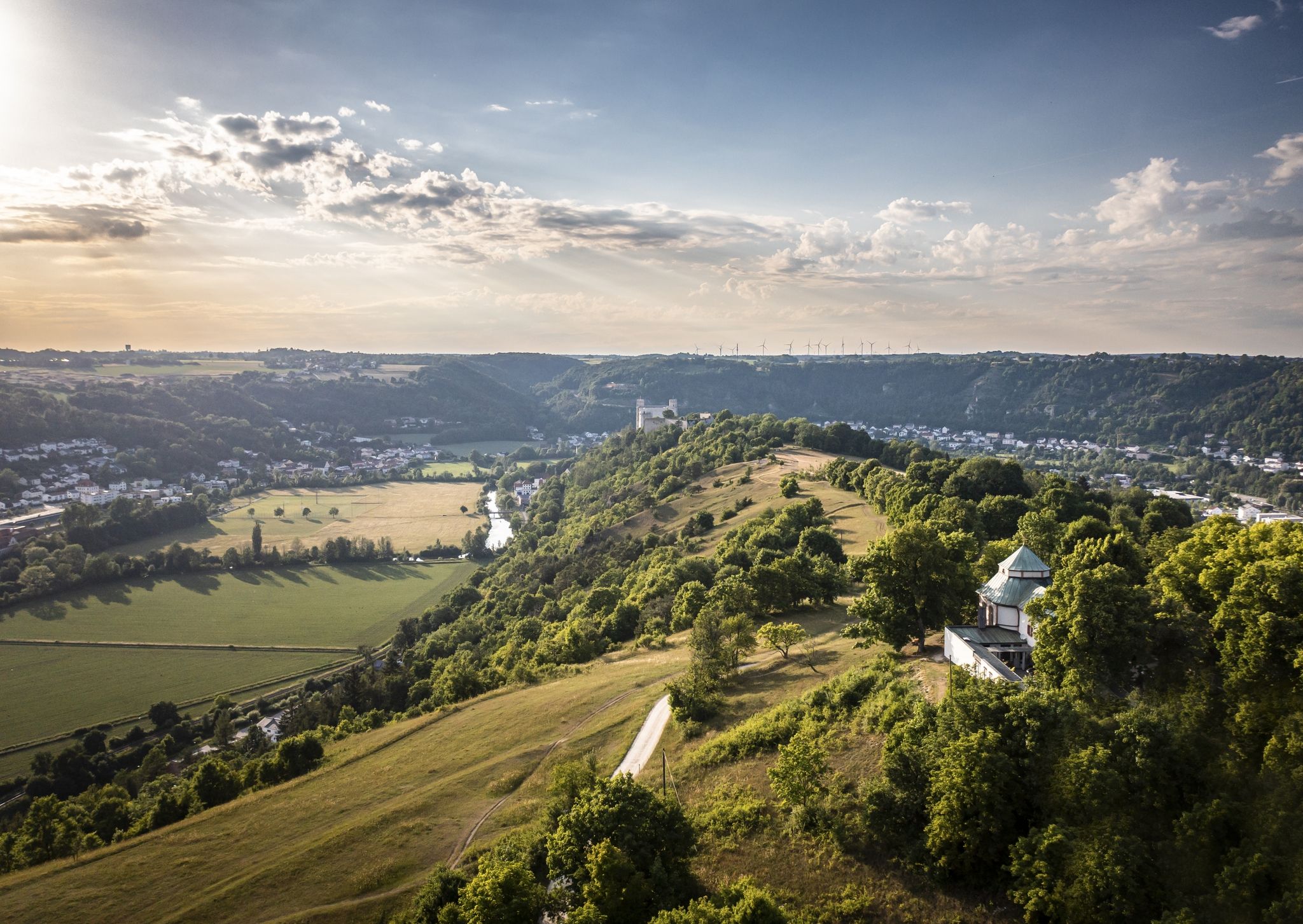
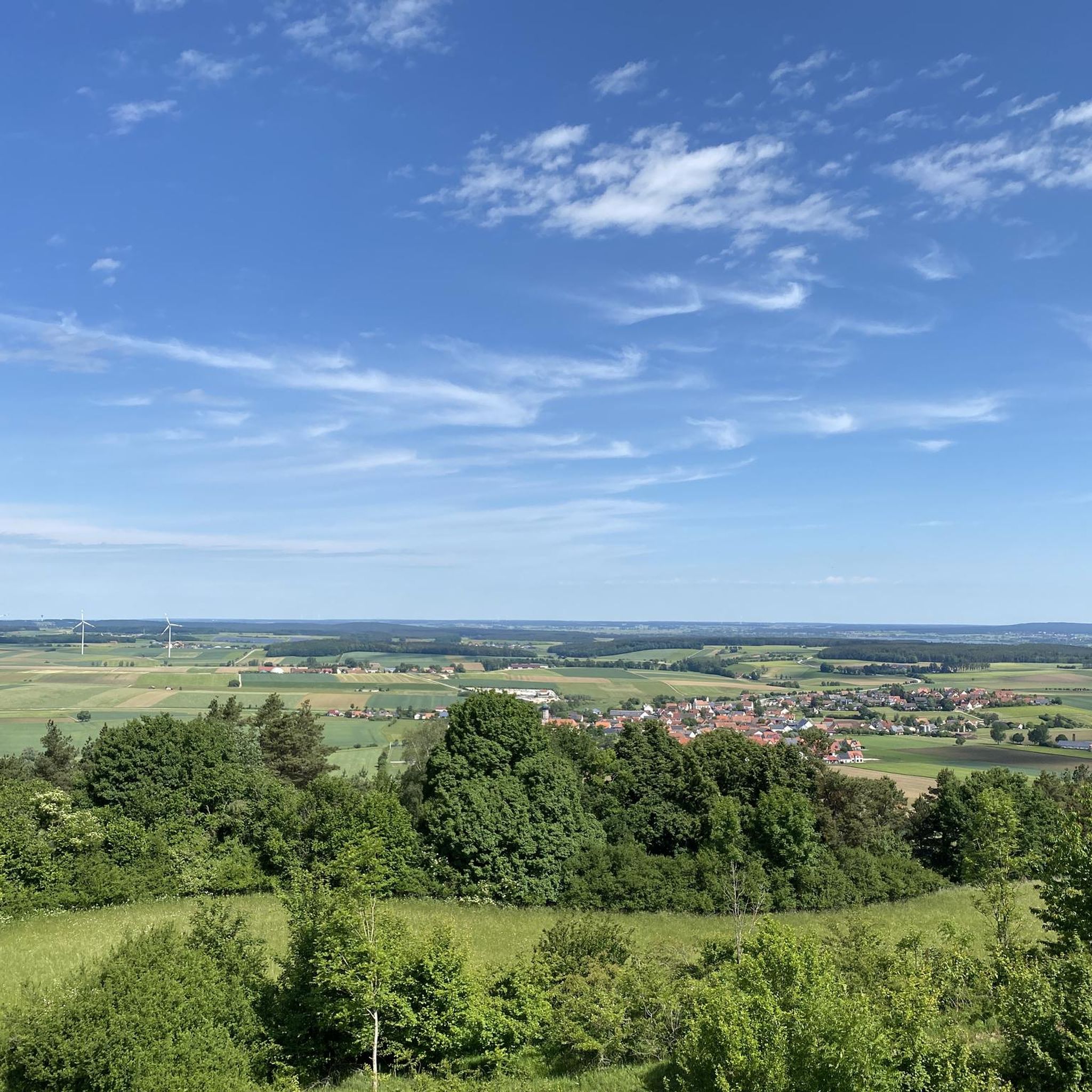
A great destination for an outing - both the beautiful Spielberg Castle and the sculpture park. Especially beautiful in the evening atmosphere with a great view of the Altmühlsee and the Hesselberg.
1
0

Spielberg Castle houses an exhibition of sculptures by the artist and sculptor Ernst Steinacker; many of his sculptures can be viewed in and outside the castle and also in the lovely inner courtyard.
0
0

Very beautiful castle with many works of art
2
0

Spielberg Castle belonged to the castle system of the Counts of Truhendingen in the 12th and 13th centuries. After their extinction, it came to the Counts of Oettingen in 1363 and later became the headquarters of the Oettingen-Spielberg line, which was ruled in 1734. The impressive, ring-shaped complex from around 1400 was rebuilt several times, most recently by the Steinacker family of artists, who took over Spielberg Castle in 1983 and built a museum for contemporary art.
0
0

In the 12th century, Marquard Spet de Steinenhart, who was named as a witness in a document in 1120, probably built the castle above the village of Steinhart and in 1130 a "Bertholdus Späth, nobilis de Steinhart" was mentioned. Further mentions of the Spete took place in 1167 with Heinrich Spet and Bertold Spet 1180-1183. From 1282 the Lords of Spet called themselves Spete von Steinhart (the "late von Steinhart"). In 1282 the Spetsche property was divided into two lines, with part coming to Faimingen an der Donau, today a part of the town of Lauingen "Old Castle" destroyed in the war for the Eichstätt fiefdom and not rebuilt. The Jewish cemetery has been located on the castle hill of the abandoned castle with a ring-shaped moat, the Burgstall Steinhart, also known as the Judenbuck, since the 18th century. After Herman Spet received permission to build a new fortress in Steinhart in 1328, the castle stable became strategically more favorable The new Steinhart Castle was built, today also called the "Old Castle". After 1339, the castle changed hands and came to the Counts of Öttingen, who sold the property to the von Gundelsheim family in 1359. After the castle was already in poor structural condition in 1532 , it changed hands and was probably destroyed in 1634 during the Thirty Years' War. The ruins have been privately owned since 1971. Significant remnants of the enclosing walls of the former rectangular castle complex with an outer bailey on a trapezoidal ground plan are still preserved, with hump ashlars with notched edges at the corners. https://de.wikipedia.org/wiki/Burg_Steinhart
9
0
In the 12th century, Marquard Spet de Steinenhart, who was named as a witness in a document in 1120, probably built the castle above the village of Steinhart and in 1130 a "Bertholdus Späth, nobilis de Steinhart" was mentioned. Further mentions of the Spete took place in 1167 with Heinrich Spet and Bertold Spet 1180-1183. From 1282 the lords of Spet called themselves Spete von Steinhart (the "late von Steinhart"). In 1282, the Spetsche property was divided into two lines, with part going to Faimingen an der Donau, now part of the municipality of Lauingen. The "old castle" was probably destroyed in the war over the Eichstätt fiefdom and not rebuilt. The Jewish cemetery has been located on the castle hill of the former castle with a ring-shaped moat, the Burgstall Steinhart, also known as the Judenbuck, since the 18th century. After Herman Spet received permission to build a new fortress in Steinhart in 1328, the new Steinhart Castle was strategically built over the Burgstall, today also known as the "Old Castle". After 1339 the castle changed hands and came to the Counts of Öttingen, who sold the property to the von Gundelsheim family in 1359. After the castle was already in poor structural condition in 1532, it changed hands and was probably destroyed in 1634 during the Thirty Years' War. The ruins have been privately owned since 1971. Significant remnants of the enclosing walls with hump ashlars with notched edges at the corners are still preserved from the former rectangular castle complex with an outer bailey on a trapezoidal floor plan. https://de.wikipedia.org/wiki/Burg_Steinhart
6
0
Frequently Asked Questions
Are there family-friendly castles to visit near Gnotzheim?
Yes, several castles around Gnotzheim are considered family-friendly. Dennenlohe Castle and Park offers a vast rhododendron park and landscaped gardens where children can explore. View of Spielberg Castle, which includes the Schlossgalerie Steinacker, features an art museum with sculptures that can be interesting for families, alongside great views. Unterschwaningen Castle, a historical estate, can also be viewed from the outside.
Which castles offer the best views or natural surroundings?
For impressive views, View of Spielberg Castle provides a beautiful panorama of the Altmühltal. Steinhart Castle Ruins, situated on a hilltop, also offers scenic viewpoints amidst a forest setting. Dennenlohe Castle and Park is renowned for its extensive rhododendron park and landscaped gardens, making it a natural monument in itself.
Can I visit the interior of Dennenlohe Castle?
The castle itself at Dennenlohe Castle and Park is inhabited and cannot be visited internally. However, visitors can extensively stroll through the beautiful 25-hectare landscaped garden and the largest rhododendron park in southern Germany. The park is open from April 1st to November 1st, weekdays 9 am to 5 pm, and weekends/public holidays 10 am to 5 pm.
Are there castles with art exhibitions near Gnotzheim?
Yes, View of Spielberg Castle, specifically the Schlossgalerie Steinacker, houses a museum for contemporary art. It features sculptures and exhibitions by artist Ernst Steinacker, with many pieces displayed both inside and outside the castle, including in its inner courtyard.
What outdoor activities can I do near the castles around Gnotzheim?
The region around Gnotzheim offers various outdoor activities. You can find numerous MTB trails, running routes, and gravel biking paths. For example, there are MTB routes like the 'View of Spielberg Castle – Spielberg loop from Gnotzheim' and running trails such as the 'View of Spielberg Castle – View from Gelber Berg loop'. You can explore more options on the MTB Trails around Gnotzheim, Running Trails around Gnotzheim, and Gravel biking around Gnotzheim guide pages.
Where can I find historical castle ruins around Gnotzheim?
The most notable historical ruin is Steinhart Castle Ruins. This 12th-century hilltop castle still preserves significant remnants of its enclosing walls, including hump ashlars with notched edges. It offers a glimpse into the region's medieval past.
What is the best time of year to visit the castles near Gnotzheim?
The best time to visit the castles and their surroundings is generally from spring to autumn. During these seasons, the weather is pleasant for exploring outdoor areas like the gardens of Dennenlohe Castle and Park and the viewpoints at View of Spielberg Castle. The rhododendron park at Dennenlohe is particularly vibrant in spring.
Are the castles around Gnotzheim accessible for visitors with mobility limitations?
While specific accessibility details for all sites are not always provided, many historical castles and ruins, like Steinhart Castle Ruins, involve uneven terrain or steps. For sites like Dennenlohe Castle and Park, the extensive gardens may offer more accessible paths, but it's advisable to check directly with the venue for detailed information regarding specific mobility needs.
How long should I plan for a visit to a castle near Gnotzheim?
The duration of a visit varies by castle. For a site like Dennenlohe Castle and Park, you could easily spend several hours exploring the vast gardens. Visiting View of Spielberg Castle with its art exhibition and viewpoints might take 1-2 hours. For ruins like Steinhart Castle Ruins, a shorter visit of 30-60 minutes might suffice, depending on how much you wish to explore the surrounding area.
Are there any lesser-known castle sites worth exploring near Gnotzheim?
Beyond the more popular spots, Steinhart Castle Ruins offers a fascinating historical site that might be considered a hidden gem for those interested in medieval history and ruins. Its 12th-century origins and preserved wall remnants provide a unique historical experience away from more crowded attractions.
Are dogs allowed at the castles around Gnotzheim?
Policies regarding dogs vary by location. For outdoor areas like the park at Dennenlohe Castle and Park, dogs are generally welcome on a leash, though it's always best to confirm current regulations. For castle ruins or exteriors like Steinhart Castle Ruins or Unterschwaningen Castle, dogs are often permitted in outdoor areas. Indoor museum sections, such as at View of Spielberg Castle, typically do not allow pets.
Most popular routes around Gnotzheim
Most popular attractions around Gnotzheim

Get inspired with the komoot mobile app


Explore more
Looking for the best castles somewhere else? Discover other guides around Gnotzheim:
