Top 20 Castles around Kirchensittenbach
Castles around Kirchensittenbach offer a glimpse into the region's historical landscape, characterized by its elevated positions and strategic importance. The area features a mix of well-preserved stately homes and impressive castle ruins, often situated on prominent hills. These historical sites provide insights into centuries of regional history and architectural development. The natural surroundings, including steep rocks and elevated points, complement the historical structures.
Best castles around Kirchensittenbach
- The most popular castles is Wildenfels Castle Ruins, a castle that offers…
Last updated: May 26, 2026
Hohenstein Castle
Highlight • Castle
In winter, when there …
Translated by Google •
Tip by

View of Wenzel Castle (Lauf Castle)
Highlight • Castle
Translated by Google •
Tip by

Sign up now to discover places like this
Get recommendations on the best single tracks, peaks, & plenty of other exciting outdoor places.
Sign up for free
Rothenberg Fortress
Highlight • Historical Site
Guided tours are only available during the summer …
Translated by Google •
Tip by

Stierberg Castle Ruins
Highlight • Castle
Translated by Google •
Tip by

Wildenfels Castle Ruins
Highlight • Castle
Translated by Google •
Tip by

Sign up for free to discover even more castles around Kirchensittenbach.
Sign up for free
Already have an account?
Start today with a free account
Your next adventure awaits.
Login or Signup
Popular around Kirchensittenbach
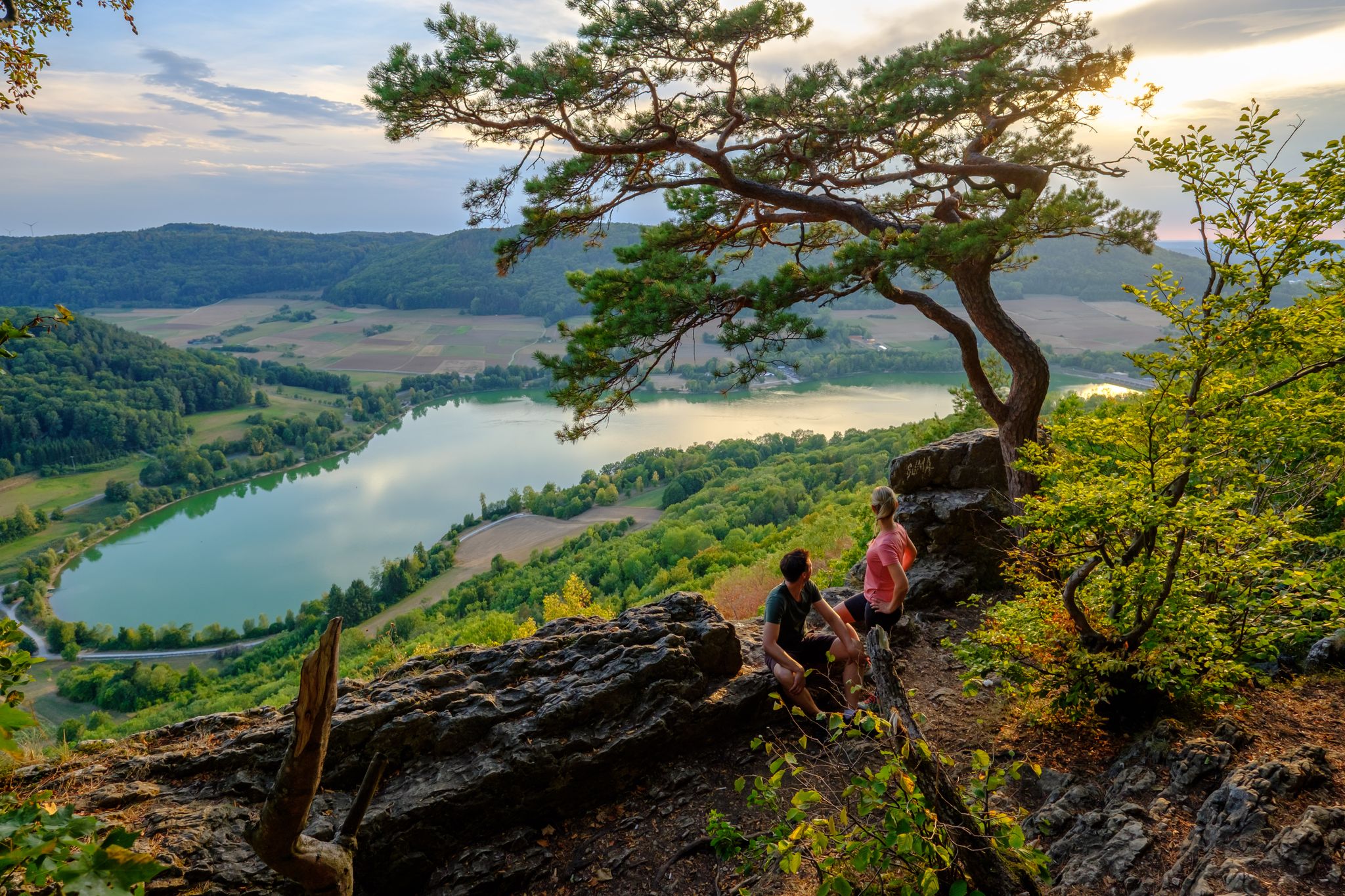
High up on the SevenSummits in the Nuremberg region
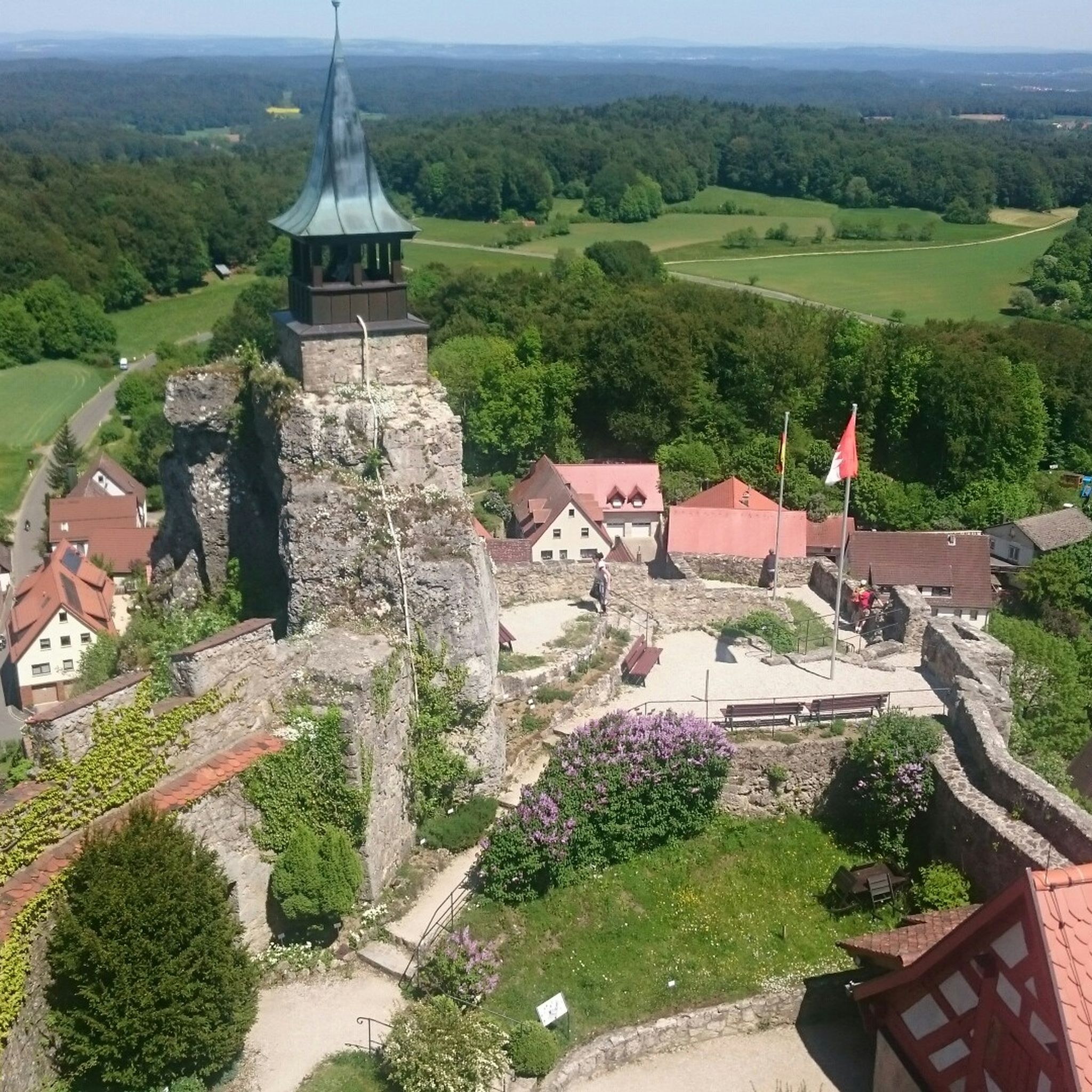
Hiking around Kirchensittenbach
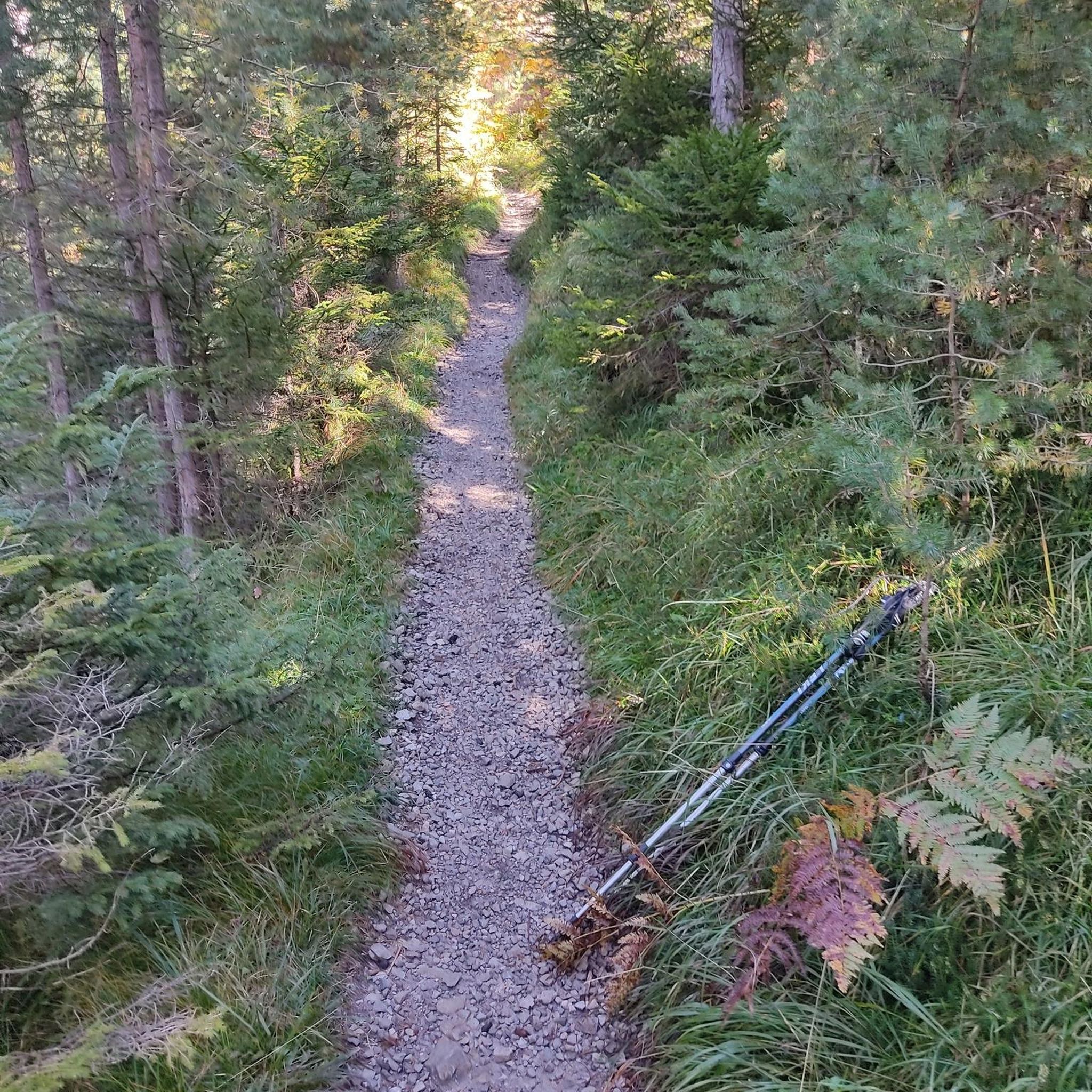
Mountain Hikes around Kirchensittenbach
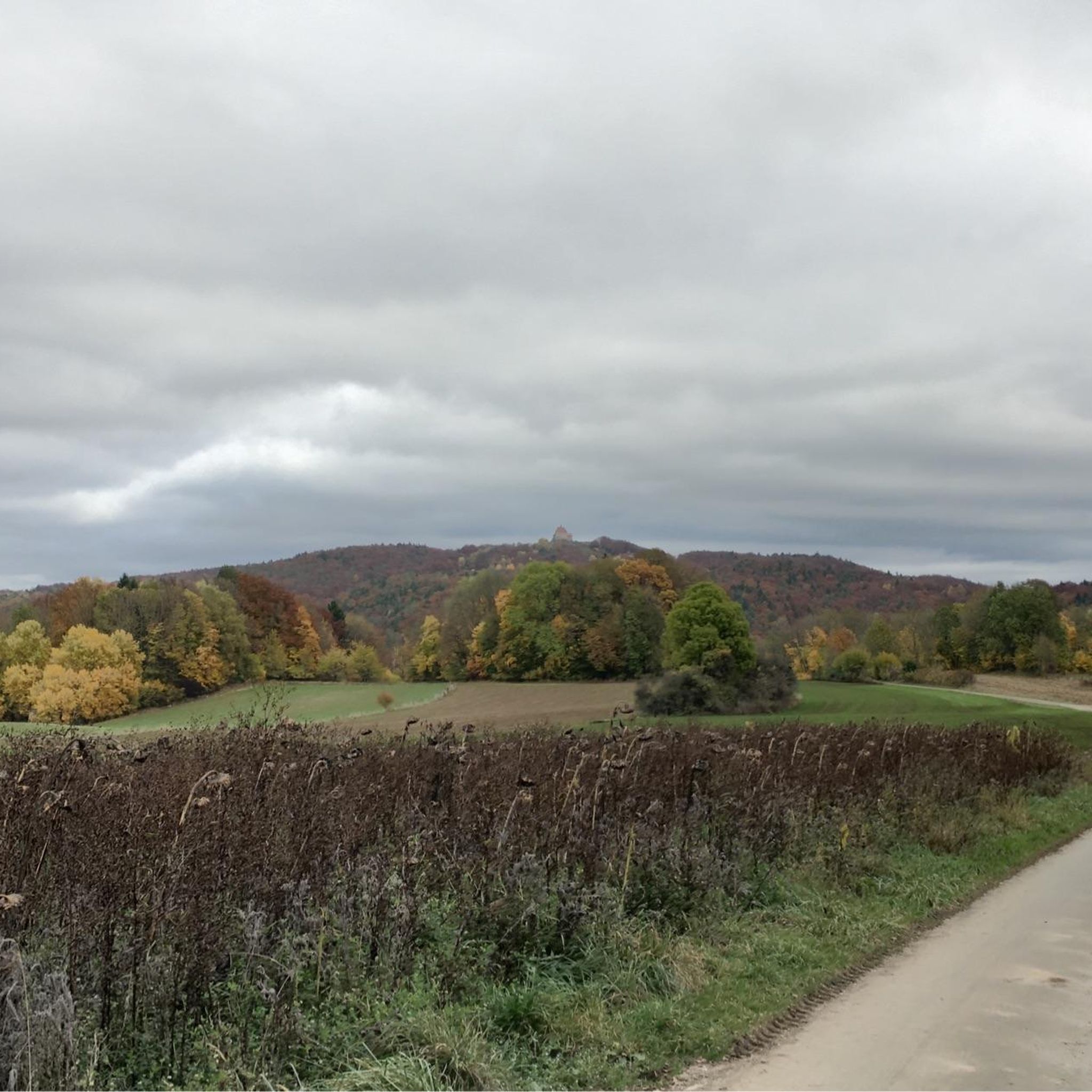
Road Cycling Routes around Kirchensittenbach
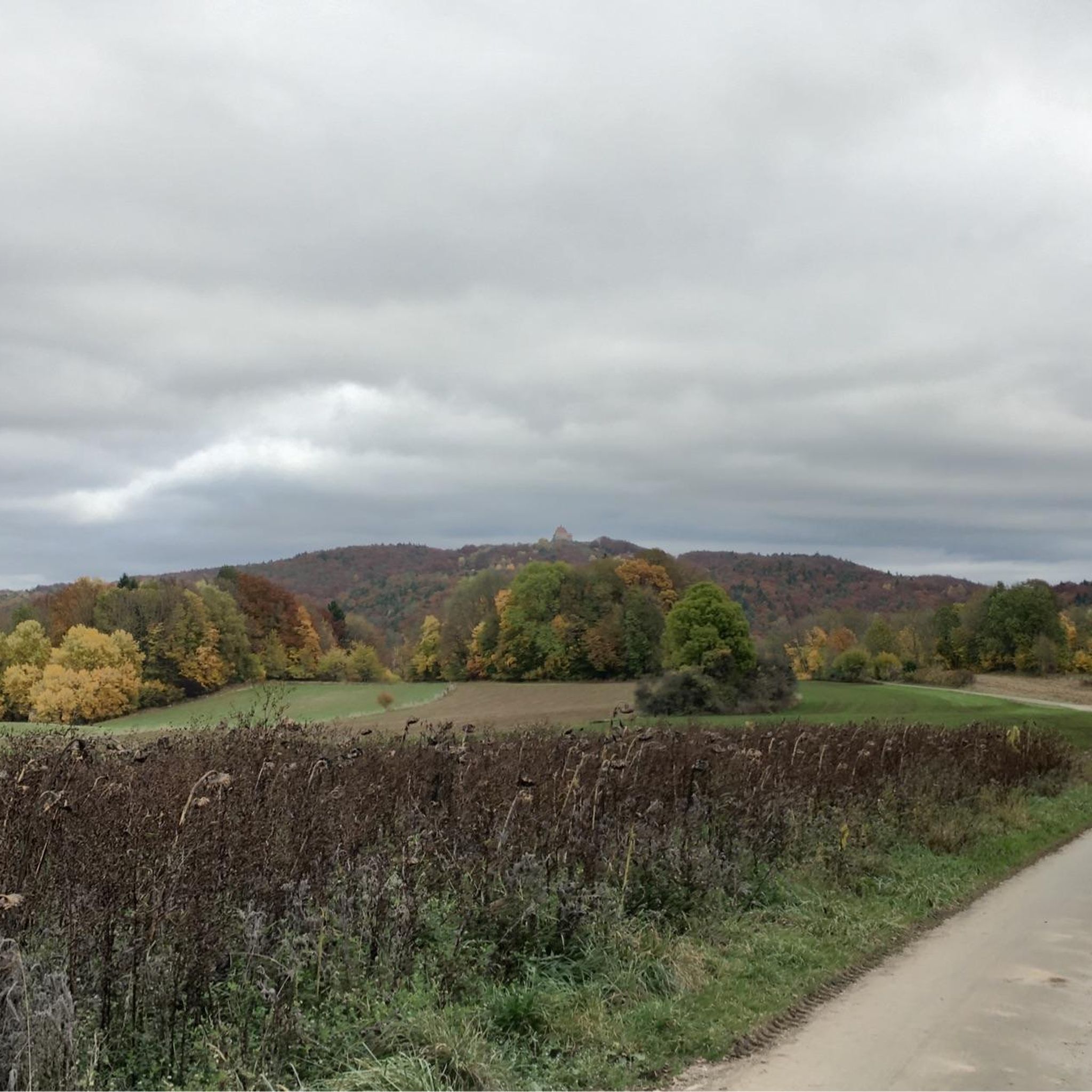
Cycling around Kirchensittenbach
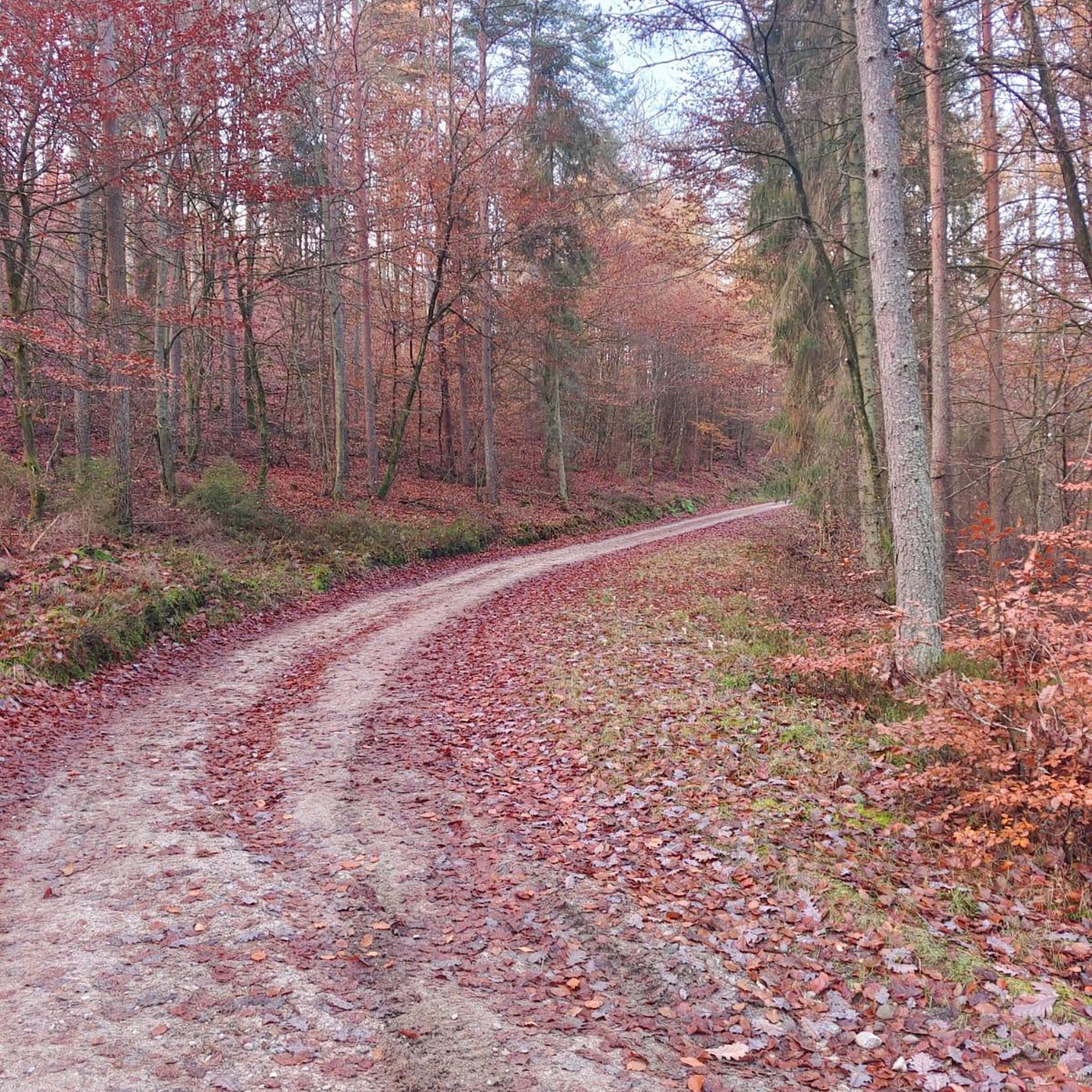
Gravel biking around Kirchensittenbach
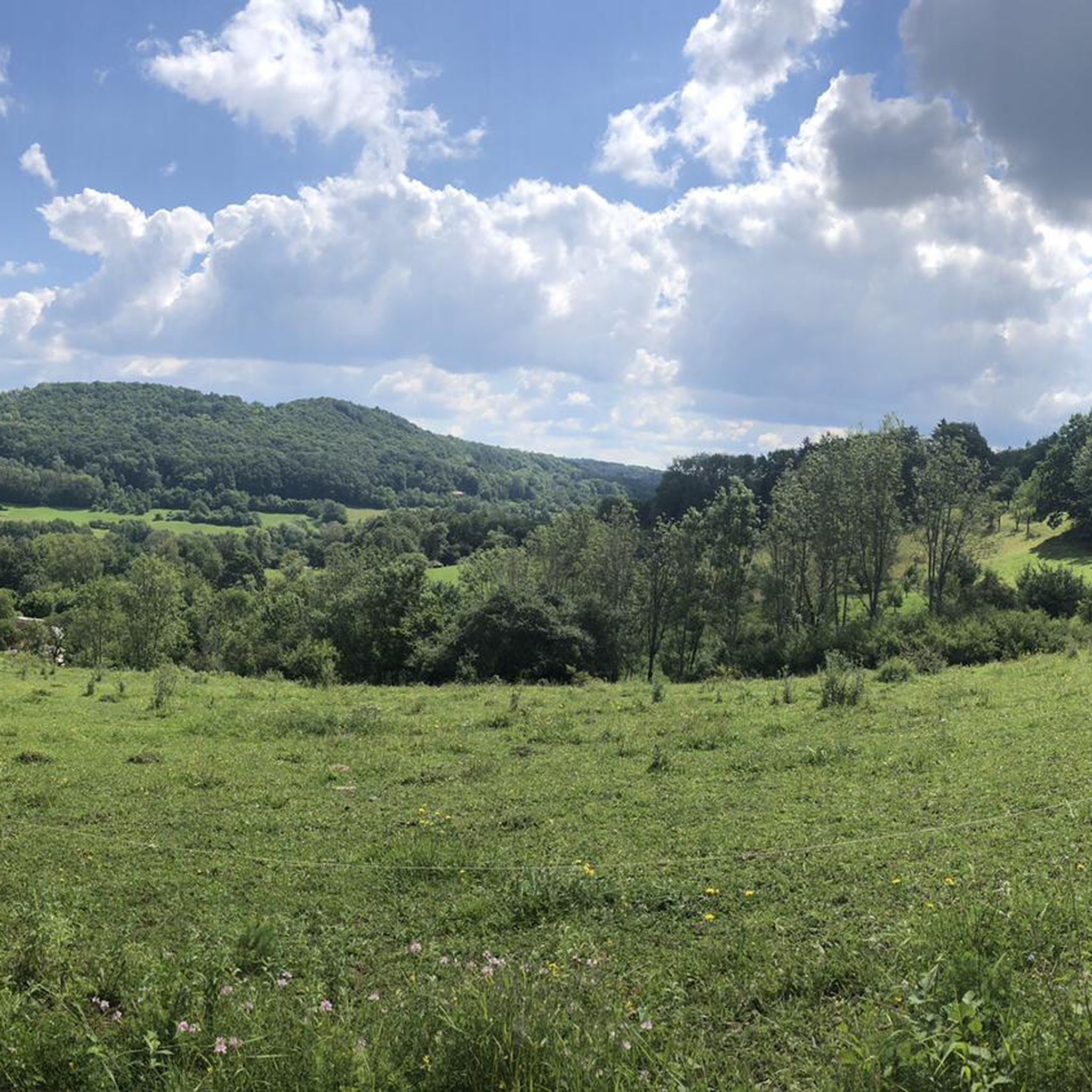
Running Trails around Kirchensittenbach
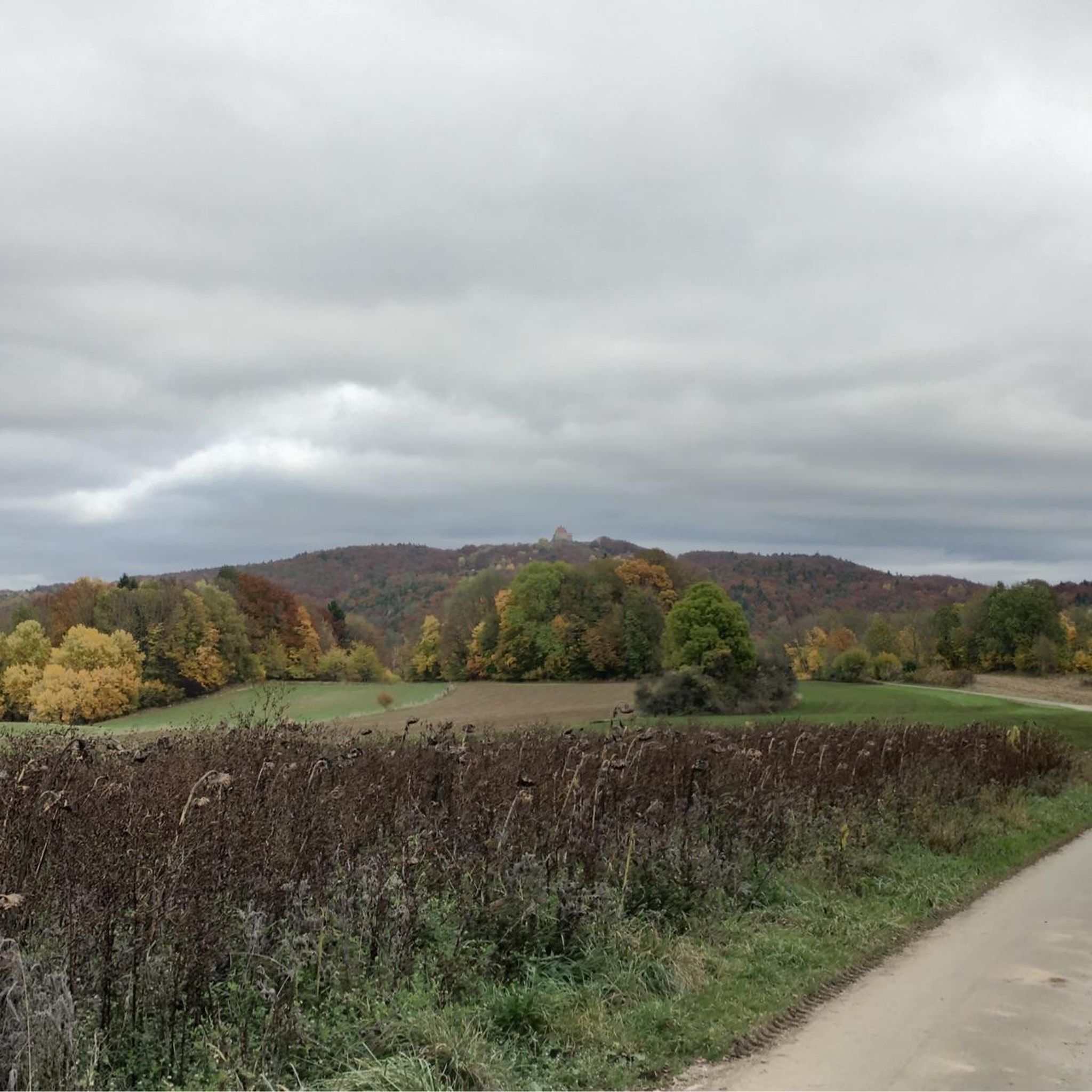
MTB Trails around Kirchensittenbach
Other adventures around Kirchensittenbach

Tips from the Community

The castle was built between 1356 and 1360 by Emperor Charles IV. It was strategically located on the "Golden Road", the important trade route between Nuremberg and Prague. Charles IV used it as a stopover castle and residence to consolidate his claims to power in the region. Today, it houses an external campus of the Nuremberg Academy of Fine Arts.
9
0

From the Pegnitz Bridge there is a wonderful view of the Laufer Wenzelsburg Castle.
4
0

Stierberg castle ruins The castle and the town at its feet owed their importance to the junction here from the high road, the section of the “via imperii” between Nuremberg and Bayreuth. This north-south axis crossed in Stierberg with the Altstrasse, which ran from west to east. The name Stierberg first appeared in 1187 with the mention of Otnand de Stierberc and in 1188 by a Poppo von Stierberch, both of which were ministerial offices of the Bishopric of Bamberg. Before 1308, the castle, which was later owned by the diocese, passed to the noble lords of Schlüsselberg. In 1306, Landgrave Ulrich von Leuchtenberg entrusted the castle to the Bishopric of Trier. In 1356 the property passed as a fief to Emperor Charles IV and thus to Bohemia. In 1417 Stierberg was sold to John of Bavaria by Landgrave Leopold. After the Landshut War of Succession, Stierberg fell into the hands of the Nurembergs without a fight in 1504 and thus to the Free Imperial City of Nuremberg. Then regained in the same year by the Palatinate under Ludwig von Eyb, but apparently significantly damaged during these fighting. Retaken by the Nuremberg troops in 1505, Stierberg and Betzenstein became part of the imperial city of Nuremberg. In the second federal war in 1553, the village and Stierberg Castle were shelled and captured by margrave troops, and the castle burned down completely. The castle ruins lie on a dolomite rock reef that slopes down on three sides. The upper main castle (southwest of the natural cut) only has a few remains of walls. You can see a piece of wall about 8 meters high and 1.3 meters thick and, at the highest elevation, wall rubble and remains of the foundation wall. To the north of the cutting there is a well-preserved, extended round tower on an isolated rock, 6 meters high and with quarry stone walls up to 1.8 meters thick. To the southeast at a height of around 2 meters there is an arched entrance opening. The top of the wall is covered with cement and bears a restoration inscription from 1914. The former bailiwick house, built in 1778/79, stands on the sloping slope. Behind the house is access to a partly artificial cave that runs through the entire castle rock in a southwesterly direction. Source: information board
4
0

Beautiful, well-preserved castle, which you can walk around just below the walls. You can also visit the inside for a fee of €2.50 for adults. The castle is open from March to November (weather permitting). The castle is open on Sundays and public holidays from 11 a.m. to 5 p.m It is closed on Mondays and Tuesdays.
5
0

The Wenzelburg (also: Burg Lauf or Laufer Kaiserburg) is a former imperial residence on an island in the Pegnitz in the Franconian town of Lauf an der Pegnitz in the district of Nürnberger Land.
2
0

Castle is accessible and can be visited. You have a great view. Between the floors there is a beautiful herb garden. A part is integrated into a rock. A newer building, the "long house", houses, among other things, holiday apartments.
6
1


It's a great idea to make a detour to the Wildenfels ruins; the entire complex is well worth seeing and well-maintained, and there's seating available, making it an ideal place for a break.
6
0
Frequently Asked Questions
What types of castles can I explore around Kirchensittenbach?
The region offers a diverse range of historical sites, from well-preserved stately homes to impressive castle ruins. You can find fortresses with significant historical depth, castles offering panoramic views, and even sites with unique architectural features. Examples include the strategic Hohenstein Castle and the historically rich Rothenberg Fortress.
Are there any family-friendly castles to visit in the area?
Yes, View of Wenzel Castle (Lauf Castle) is particularly family-friendly. It's located on a small island in the Pegnitz river and features a unique coat of arms hall and a drawbridge, making it an enchanting visit for all ages. Tours are available Tuesday to Friday from 1 p.m. to 4 p.m. and on weekends from 11 a.m. to 4 p.m.
Which castles offer the best views of the surrounding landscape?
Hohenstein Castle is renowned for its spectacular views. Perched at 634 meters, it's the highest inhabited point in Middle Franconia, providing extensive panoramas of the countryside. Rothenberg Fortress also offers great views from its elevated position.
What historical insights can I gain from visiting these castles?
The castles around Kirchensittenbach provide deep historical context. For instance, Schloss Kirchensittenbach (Tetzelschloss) dates back to the late 16th century, built by the Stromer family and later managed by the Tetzel family, a Nuremberg patrician family. Hohenstein Castle has origins in the 11th century and played a crucial role in managing and defending Nuremberg's territory.
Are there hiking or cycling routes near the castles?
Absolutely. The region is excellent for outdoor activities. You can find numerous routes for cycling, mountain biking, and mountain hikes. For example, there's a 'Wallsdorf Village – View of Hohenstein Castle' cycling loop. Explore more options on the Cycling around Kirchensittenbach, Mountain Hikes around Kirchensittenbach, and MTB Trails around Kirchensittenbach guide pages.
What is the best time of year to visit the castles around Kirchensittenbach?
The castles are beautiful year-round. During summer, the castle park at Schloss Kirchensittenbach hosts a film summer. In winter, when there's snow, Hohenstein Castle is near a ski lift with a toboggan run. Autumn offers stunning foliage, enhancing the scenic beauty of the castle surroundings.
Can I visit Schloss Kirchensittenbach (Tetzelschloss)?
Yes, Schloss Kirchensittenbach offers tours and visits by appointment. It's known for its architectural significance, largely unaltered condition, and historical garden hall used for events.
What are some unique features of the castle ruins in the area?
The Stierberg Castle Ruins, while mostly ruins, feature a well-preserved round tower and a partly artificial cave that runs through the castle rock. Wildenfels Castle Ruins also has a small cave below the main complex and offers sunny snack tables for a break.
Are there any specific tips for visiting Hohenstein Castle?
Visiting Hohenstein Castle requires some off-road mobility due to its elevated position, but the fantastic views are highly recommended. There are also a few restaurants in the nearby town, known for their cream puffs.
What do visitors enjoy most about the castles around Kirchensittenbach?
Visitors frequently praise the spectacular views, the historical depth, and the well-maintained nature of the castle complexes. Many appreciate the opportunity to explore impressive ruins and enjoy breaks at scenic spots like the Wildenfels Castle Ruins, which offers sunny snack tables.
Is there parking available at the castles?
While specific parking details for each castle may vary, most popular sites like Hohenstein Castle and Rothenberg Fortress typically have designated parking areas nearby, often requiring a short walk to the castle entrance. It's advisable to check local signage upon arrival.
Are dogs allowed on trails near the castles?
Many outdoor trails in the Kirchensittenbach region are dog-friendly, allowing you to enjoy walks with your canine companion. However, specific castle interiors or protected areas might have restrictions. Always keep dogs on a leash and be mindful of other visitors and wildlife.
Most popular routes around Kirchensittenbach
Most popular attractions around Kirchensittenbach

Get inspired with the komoot mobile app


Explore more
Looking for the best castles somewhere else? Discover other guides around Kirchensittenbach:
