Top 20 Castles around Kallmünz
Best castles around Kallmünz are found in a picturesque market town in Bavaria, Germany. This region features a strategic location overlooking the confluence of the Naab and Vils rivers, with fortifications dating back to prehistoric times. The area is known for its rich history, including medieval castles constructed by Bavarian Dukes. Visitors can explore extensive ruins and historical sites.
Best castles around Kallmünz
- The most popular castles is Kallmünz Castle Ruins, a castle that offers a view of Kallmünz and…
Last updated: July 21, 2026
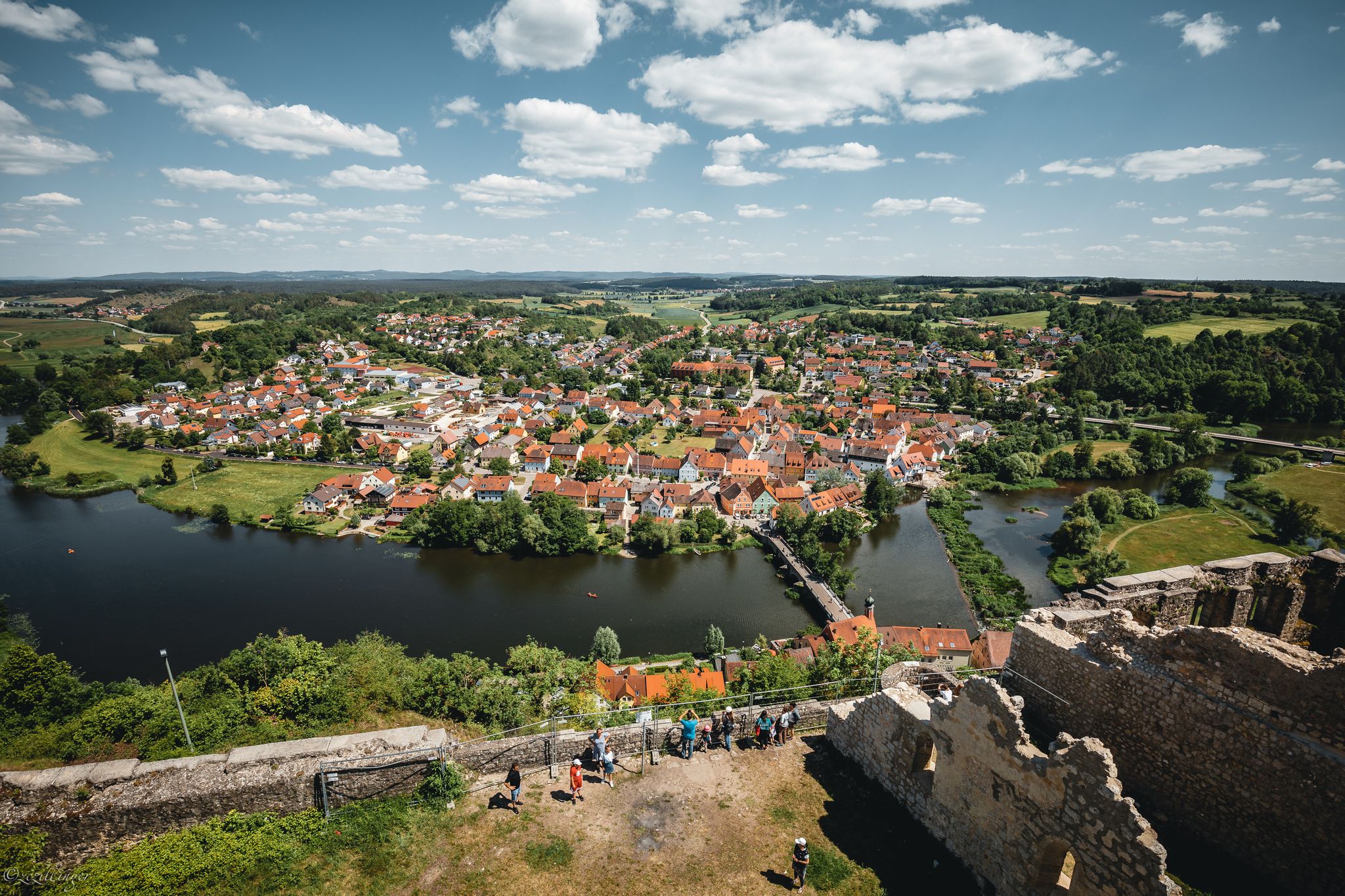
View of Kallmünz Castle Ruins
Highlight • Viewpoint
Translated by Google •
Tip by

Oberes Schloss Schmidmühlen (Town Hall)
Highlight • Castle
Translated by Google •
Tip by

Sign up now to discover places like this
Get recommendations on the best single tracks, peaks, & plenty of other exciting outdoor places.
Sign up for free
Ramspau Castle
Highlight • Castle
Translated by Google •
Tip by

Wolfsegg Castle
Highlight • Castle
Translated by Google •
Tip by

Ehrenfels Castle Ruins
Highlight • Castle
Translated by Google •
Tip by

Sign up for free to discover even more castles around Kallmünz.
Sign up for free
Already have an account?
Start today with a free account
Your next adventure awaits.
Login or Signup
Popular around Kallmünz
Bavaria-Bohemia long-distance cycling trail – Crossing borders
Jurasteig — hiking in the heart of Bavaria
The Jura Trail — Bikepacking Bavaria
Hiking around Kallmünz
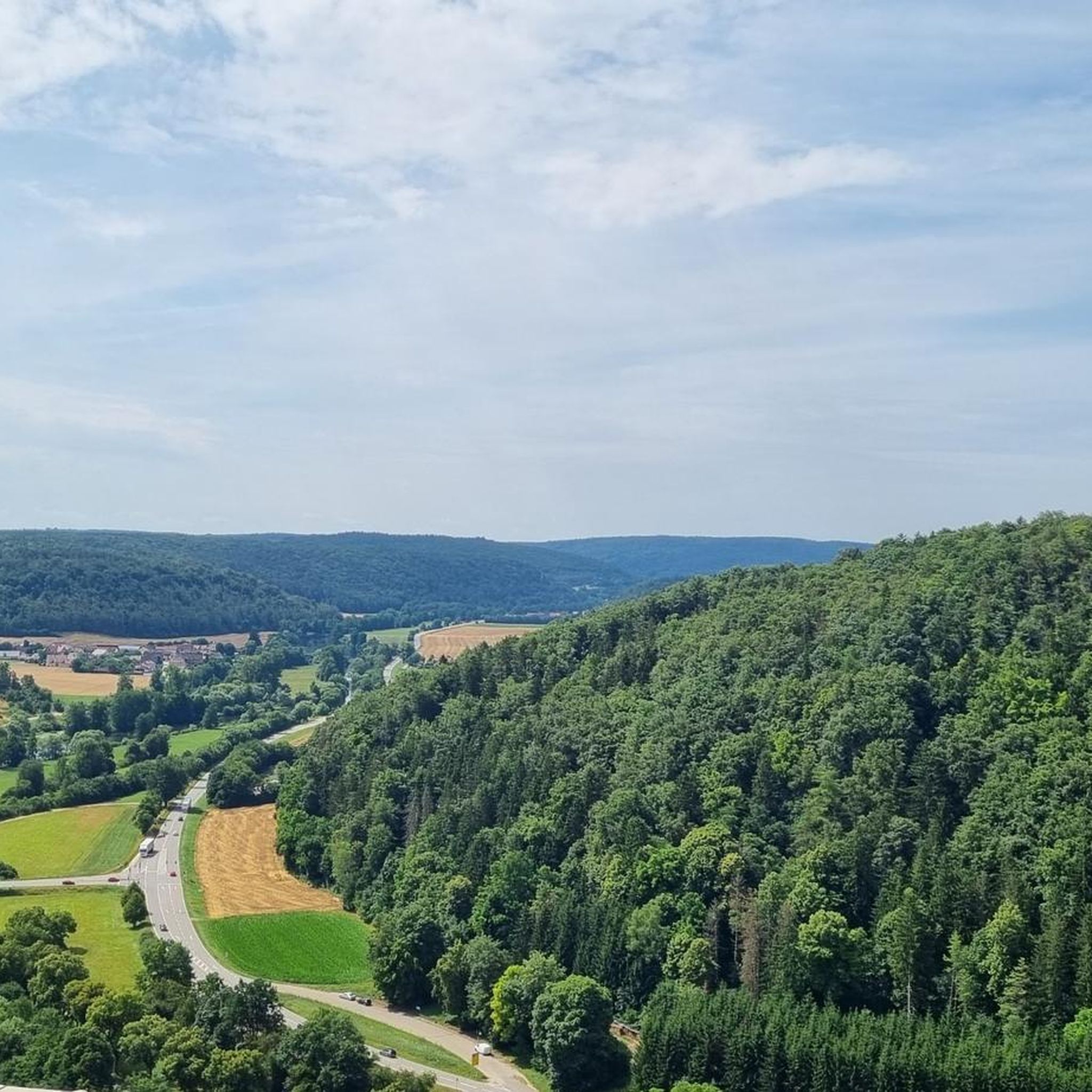
Cycling around Kallmünz
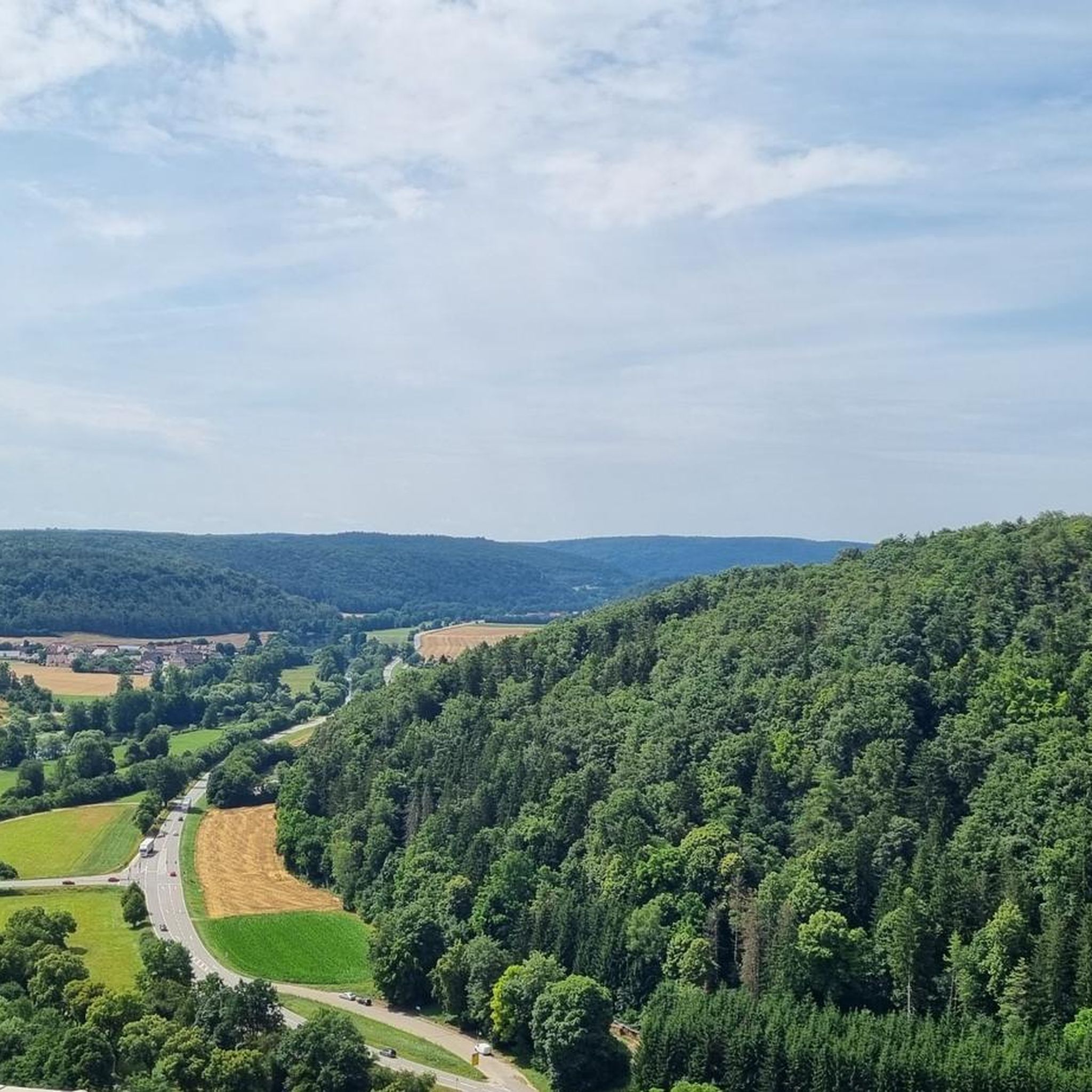
MTB Trails around Kallmünz
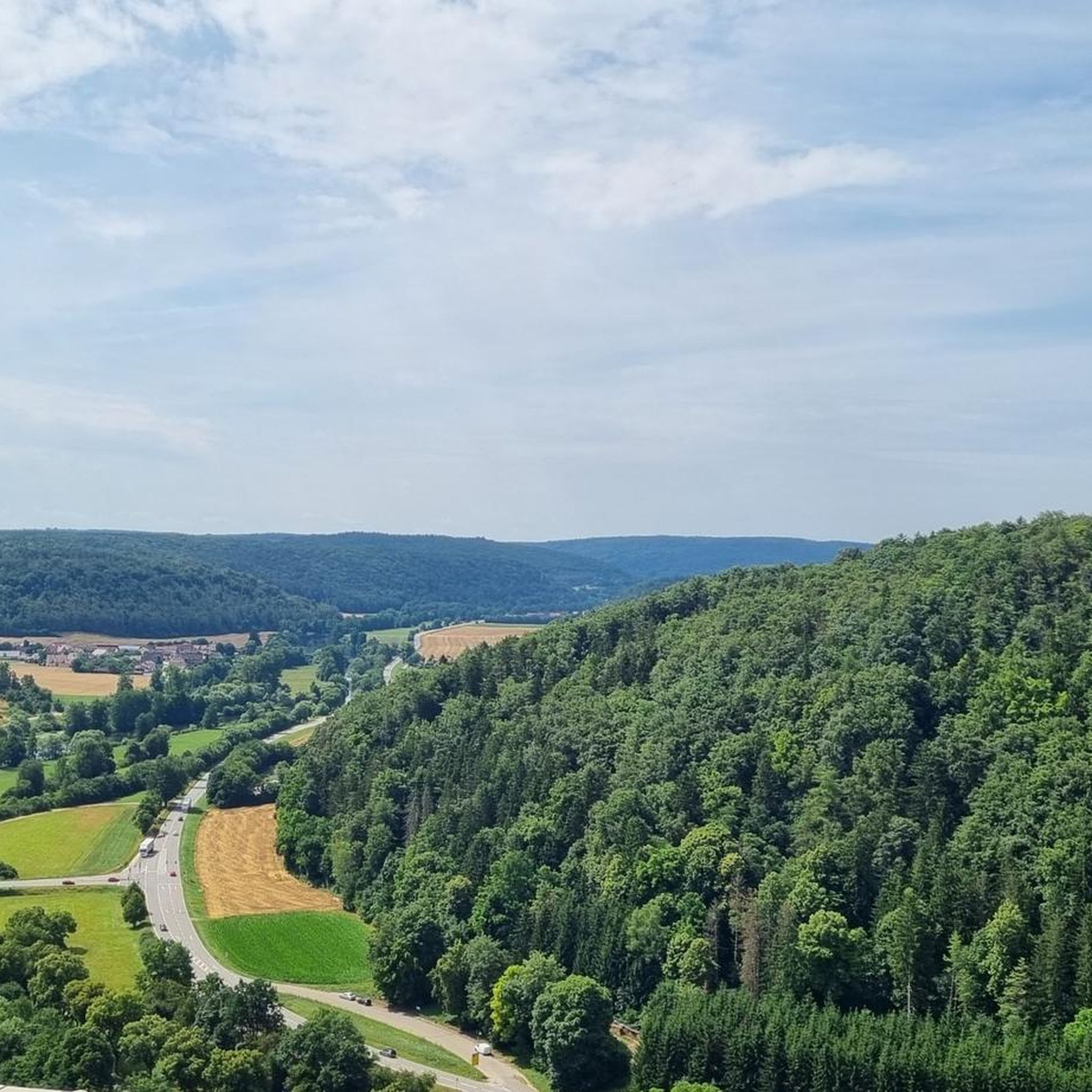
Road Cycling Routes around Kallmünz
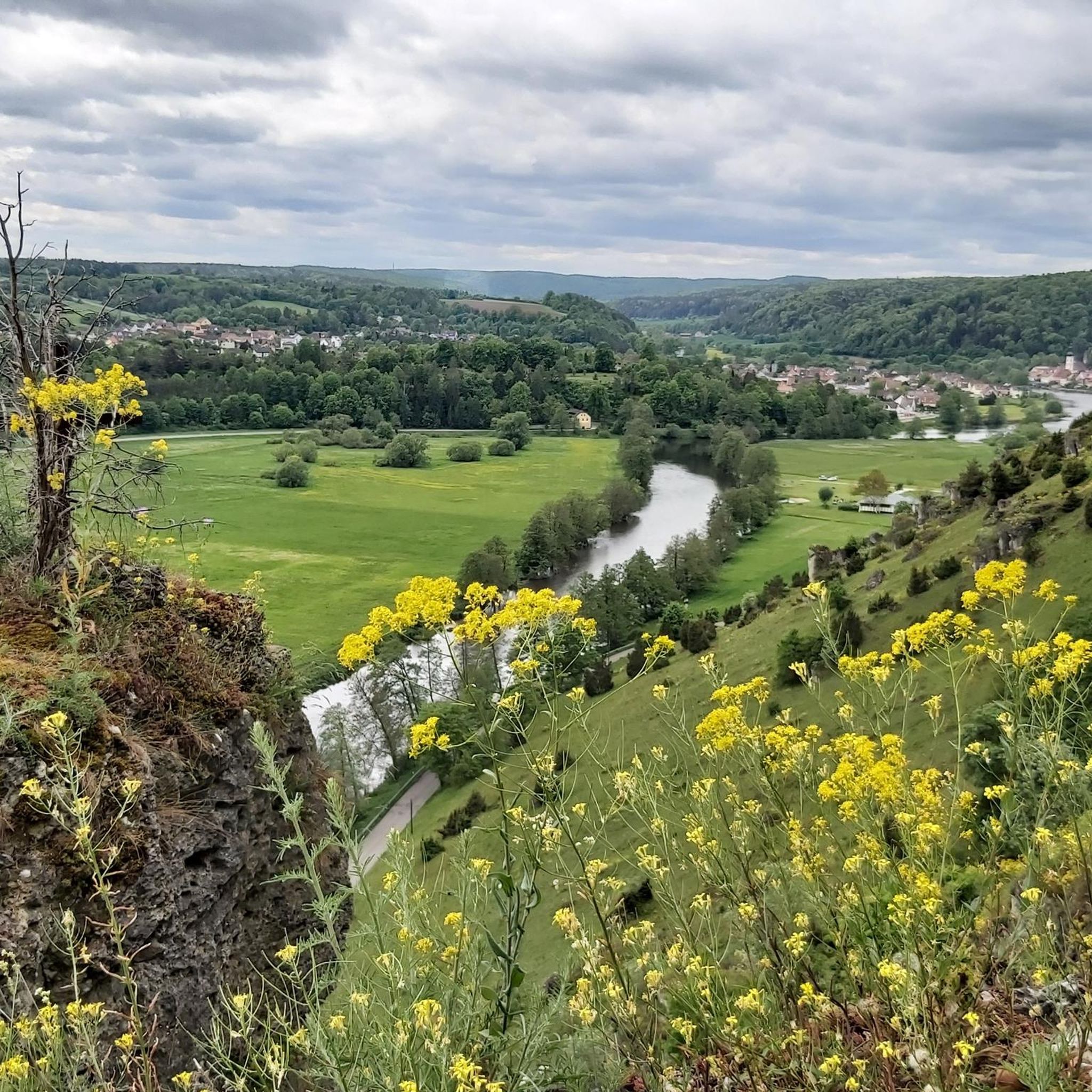
Running Trails around Kallmünz
Gravel biking around Kallmünz


Tips from the Community

Upper Castle The Upper Castle was built as a moated castle by the Lords of Schmidmühlen. From the mid-12th century, they are documented here, starting with Ernst von Schmidmühlen (1166–1170). Georg Hausner von Winbuch (1595–1614), administrator in Regenstauf, was the builder of the present castle. The year 1600 is located on one of the magnificent door frames of the Knights' Hall. The Upper Castle is a three-story, plastered, solid building with a gable roof. An octagonal stair tower is attached, and another extension to the west. In this castle, there was also a small chapel on the ground floor, which, however, has long been filled in and walled up. At the top of the tower is a round ceiling, painted with flowers and rosettes, supported by a delicate wooden column. The entire second upper floor belongs, due to its furnishings, to the most interesting holdings of the German Renaissance. The profane wall paintings located there are reminiscent of those in the ducal castle Trausnitz in Landshut. During the Second World War and afterwards, the Upper Castle suffered greatly from billeting by the occupying forces. Thus, a valuable ceramic stove was destroyed on the second floor. In 1937, the castle came into the possession of the market town of Schmidmühlen. Since the post-war period, the castle has served the market town of Schmidmühlen as its town hall. Between 1977 and 1980, a thorough restoration took place, during which the castle and also the castle garden changed their appearance. The renovation was completed in 2003. The local history and association museum of Schmidmühlen is also housed in the castle. In front of the castle, on the well, stands the cast image of a Moriskentänzer, reminiscent of the Schmidmühlen sculptor Erasmus Grasser, who created the famous late Gothic Moriskentänzer for the festival hall in the Old Town Hall of Munich. Source: Wikipedia
4
0

First mentioned in 1367 and still well preserved today https://www.burg-wolfsegg.de
0
0

You can say it out loud, it is a gem on the Naab.
4
0

Wolfsegg Castle is a well-preserved medieval castle, with origins dating back to the late 13th century. Today, the castle houses a museum that offers insights into medieval life, including everyday objects, archaeological finds and military equipment. The Knights' Hall is decorated with wall paintings from the 15th century. The castle is also regularly used for cultural events. According to an old legend, the "White Lady" is said to haunt the castle walls, a mysterious apparition that always gives rise to mysterious stories.
4
0

No matter what the weather or light, it is always beautiful to look at and take photos of. A visit to the castle is also recommended. It is best to check the opening times online beforehand
0
0

In the town of Wolfsegg, the castle of the same name sits on a rock. From the beginning of May to the beginning of October, you can visit the castle on weekends and public holidays. You might even see the "White Lady". You can find more information about the castle, opening times, prices and events at https://www.burg-wolfsegg.de/.
1
0

There are really nice trails around the castle ruins 😁👍
2
0

Multiple highlight: https://www.komoot.de/highlight/263136 https://www.komoot.de/highlight/224111 You can find the right trail here: komoot.de/highlight/791404
3
0
Frequently Asked Questions
What is the historical significance of the castles around Kallmünz?
The castles in the Kallmünz region, particularly the Kallmünz Castle Ruins, hold significant historical importance. The site has been fortified since prehistoric times, with early structures dating back to the 10th century. The castle itself was developed between 1150 and 1280 by the Bavarian Dukes of the House of Wittelsbach, serving as a crucial imperial customs post. Its strategic location at the confluence of the Naab and Vils rivers made it a key stronghold, witnessing numerous conflicts, destructions, and rebuilds throughout the centuries, including being burned during the Thirty Years' War.
What unique features can I find at Kallmünz Castle Ruins?
The Kallmünz Castle Ruins offer several notable features. You can explore the prominent Bergfried (round keep), partially restored and featuring an elevated entrance. Portions of the Palas (residential building) still stand two stories high, showcasing well-preserved arcaded windows. The castle chapel, connected to the Palas, provides insight into medieval religious life. Additionally, extensive ramparts and the outer bailey with its gate tower are visible, offering a comprehensive look at the castle's defensive structures.
What kind of views can I expect from the castles in Kallmünz?
From the castles, especially the Kallmünz Castle Ruins, you can expect breathtaking panoramic views. The ruins are perched atop the Schlossberg, offering stunning vistas of the charming town of Kallmünz and the picturesque landscape where the Naab and Vils rivers meet. This scenic beauty has inspired artists for generations and provides a wonderful backdrop for exploration.
Are there any well-preserved castles to visit near Kallmünz, beyond the ruins?
Yes, beyond the ruins, the region offers well-preserved castles. Wolfsegg Castle is a notable example, housing a museum with insights into medieval life and featuring 15th-century wall paintings in its Knights' Hall. Another option is Oberes Schloss Schmidmühlen, which now serves as the town hall but retains its historical charm. Ramspau Castle is also appreciated for its beautiful baroque architecture.
What is the best time of year to visit the castles in Kallmünz?
The castles around Kallmünz can be visited year-round, but many visitors find late spring to early autumn (May to October) particularly pleasant. During summer, the weather is generally favorable for exploring the ruins and enjoying the outdoor activities. This is also when paragliders are often seen launching from the Schlossberg, adding to the scenic experience. Always check local weather conditions before your visit.
Are the castles around Kallmünz suitable for families with children?
Yes, several castles in the area are considered family-friendly. The Kallmünz Castle Ruins offer an exciting exploration opportunity for children, with extensive remains to discover. Wolfsegg Castle, with its museum and legendary 'White Lady' story, can also be engaging for younger visitors. Oberes Schloss Schmidmühlen is also listed as family-friendly. The combination of history and outdoor exploration makes these sites enjoyable for all ages.
Are there hiking trails near the castles in Kallmünz?
Yes, the Kallmünz region is excellent for hiking, with numerous trails leading to and around the castles. The Kallmünz Castle Ruins are a popular destination for hikers, accessible via trails that offer scenic views. The castle is also part of the 'Burgensteige,' a network of hiking trails connecting over 40 castles in the Regensburg region. For more hiking options, you can explore routes in the Hiking around Kallmünz guide, which includes easy to moderate trails like the 'Kallmünz Castle Ruins – House without a Roof' loop.
What outdoor activities can I do near these castles?
Beyond exploring the castles, the area around Kallmünz offers a variety of outdoor activities. You can enjoy hiking on trails that lead to the castles and through the scenic Naab and Vils valleys. Cycling is also popular, with options for gravel biking and mountain biking. For detailed routes, check out the Gravel biking around Kallmünz and MTB Trails around Kallmünz guides. The Naab river also provides opportunities for water-based recreation.
Is there parking available for visiting Kallmünz Castle Ruins?
Yes, parking is available in the town of Kallmünz. It is recommended to leave your bike or car at the bottom in the village and then walk up to the Kallmünz Castle Ruins. Oberes Schloss Schmidmühlen also explicitly mentions parking facilities, including a charging station for e-bikes.
What do visitors enjoy most about the Kallmünz castles?
Visitors consistently highlight the stunning panoramic views from the castles, especially from the Kallmünz Castle Ruins, overlooking the town and the Naab and Vils valleys. The rich history and the opportunity to explore extensive medieval ruins are also major draws. The unique atmosphere of the 'Pearl of the Naab Valley' and the artistic inspiration it has provided to figures like Kandinsky are frequently mentioned as appealing aspects.
Are there places to eat or drink near the castles?
Yes, the picturesque market town of Kallmünz, located directly below the main castle ruins, offers several options for refreshments. You'll find a good selection of inns, cafes, and beer gardens. The Kallmünz marketplace is known for its places to stop for refreshments, ranging from pizza to ice cream. The Meindl butcher's shop is also noted for cold beers and snacks.
Can I bring my dog on castle walks in Kallmünz?
While specific rules for each castle may vary, generally, outdoor areas and hiking trails around the castles in Kallmünz are dog-friendly. Many visitors enjoy walking their dogs on the trails leading up to the Kallmünz Castle Ruins and exploring the surrounding nature. It is always advisable to keep dogs on a leash and clean up after them to ensure a pleasant experience for all visitors.
Most popular routes around Kallmünz
Most popular attractions around Kallmünz

Get inspired with the komoot mobile app


Explore more
Looking for the best castles somewhere else? Discover other guides around Kallmünz:
