Attractions and Places To See around Alteglofsheim - Top 20
Best attractions and places to see around Alteglofsheim. This municipality in the Regensburg district offers a mix of historical landmarks and natural beauty, situated near the Naab River and the edge of the Bavarian Forest. The area provides access to historic sites, including a 12th-century castle, and natural features like ancient oak trees and lakes. Visitors can explore a variety of landscapes and cultural points of interest.
Best attractions and places to see around Alteglofsheim
- The most popular attractions is…
Last updated: July 20, 2026
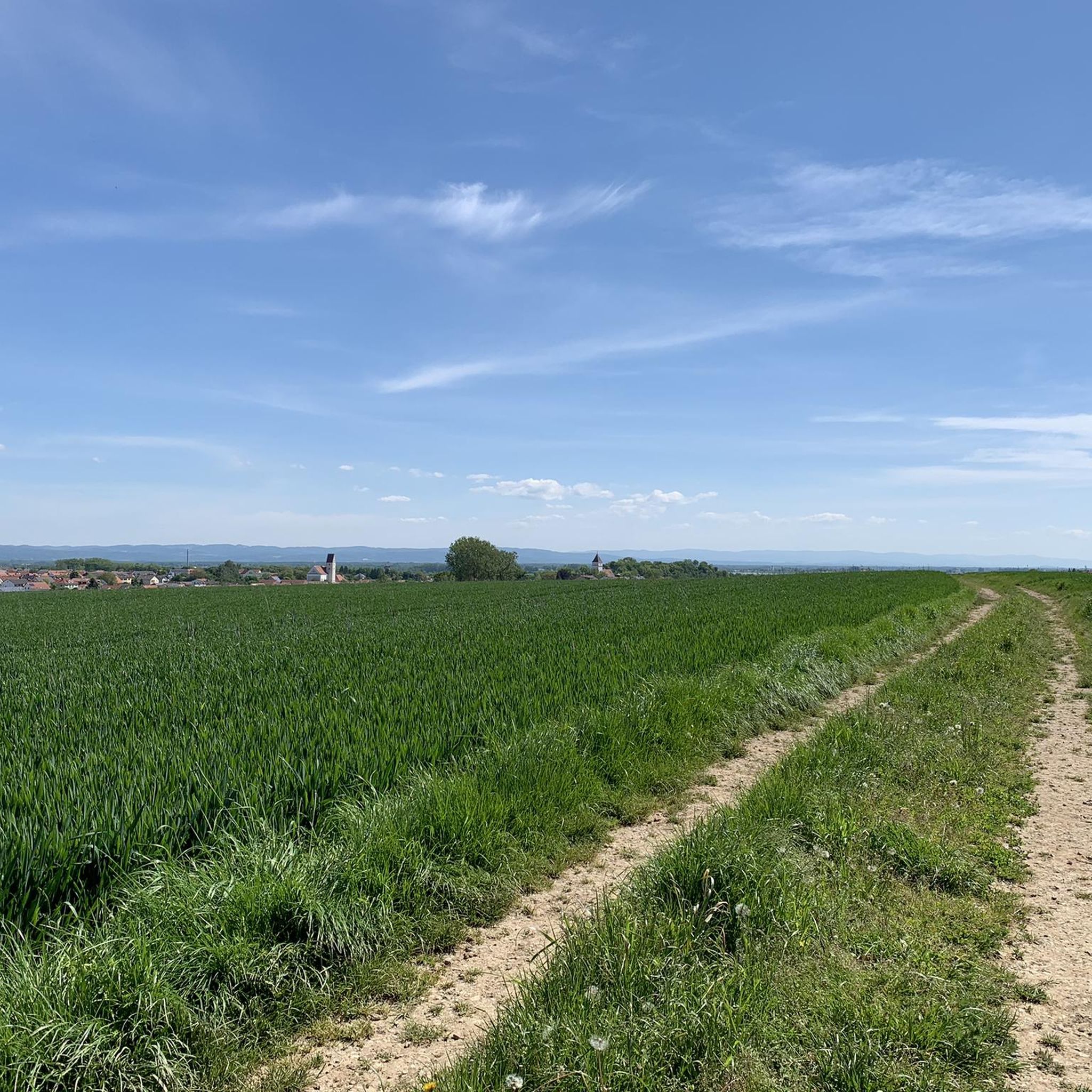
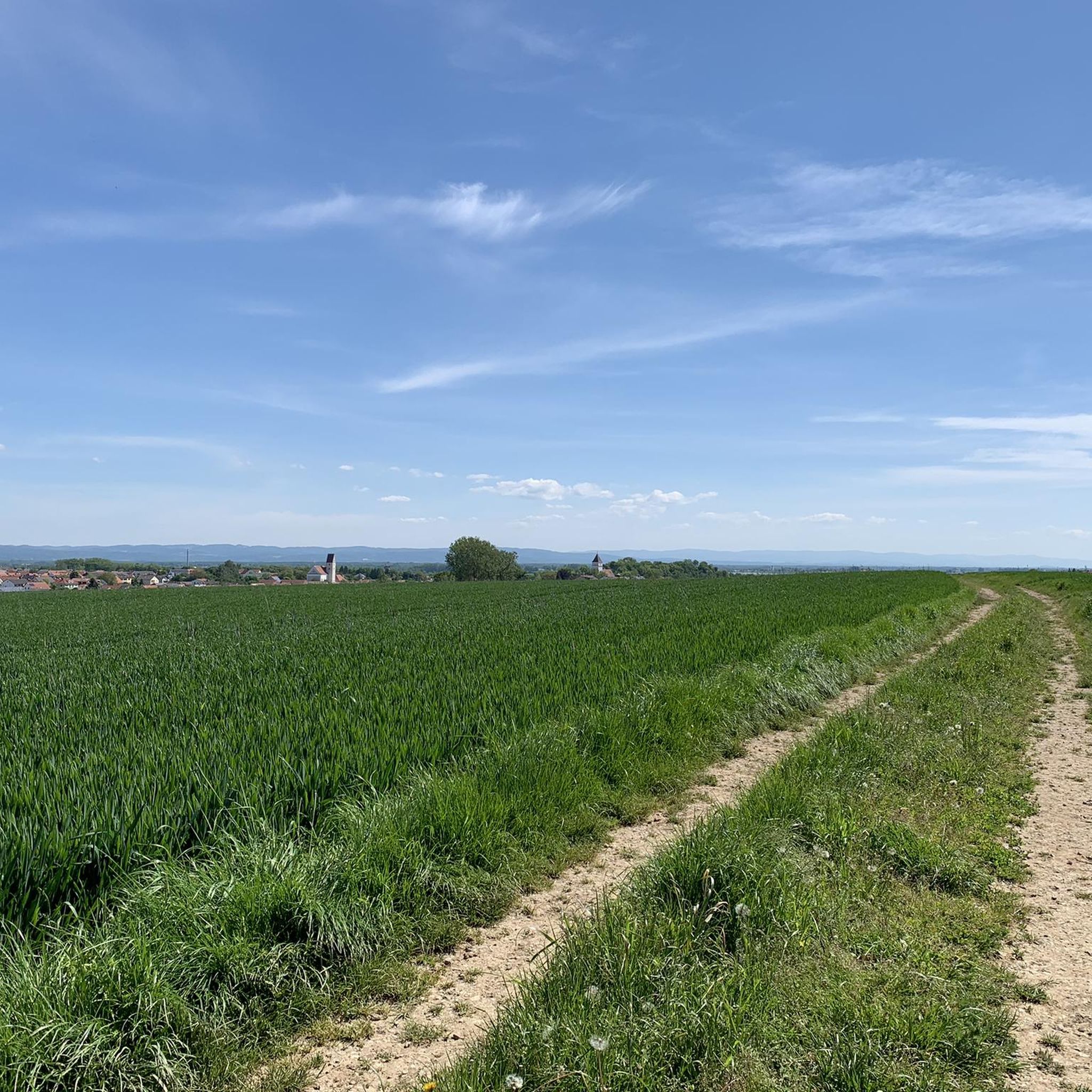
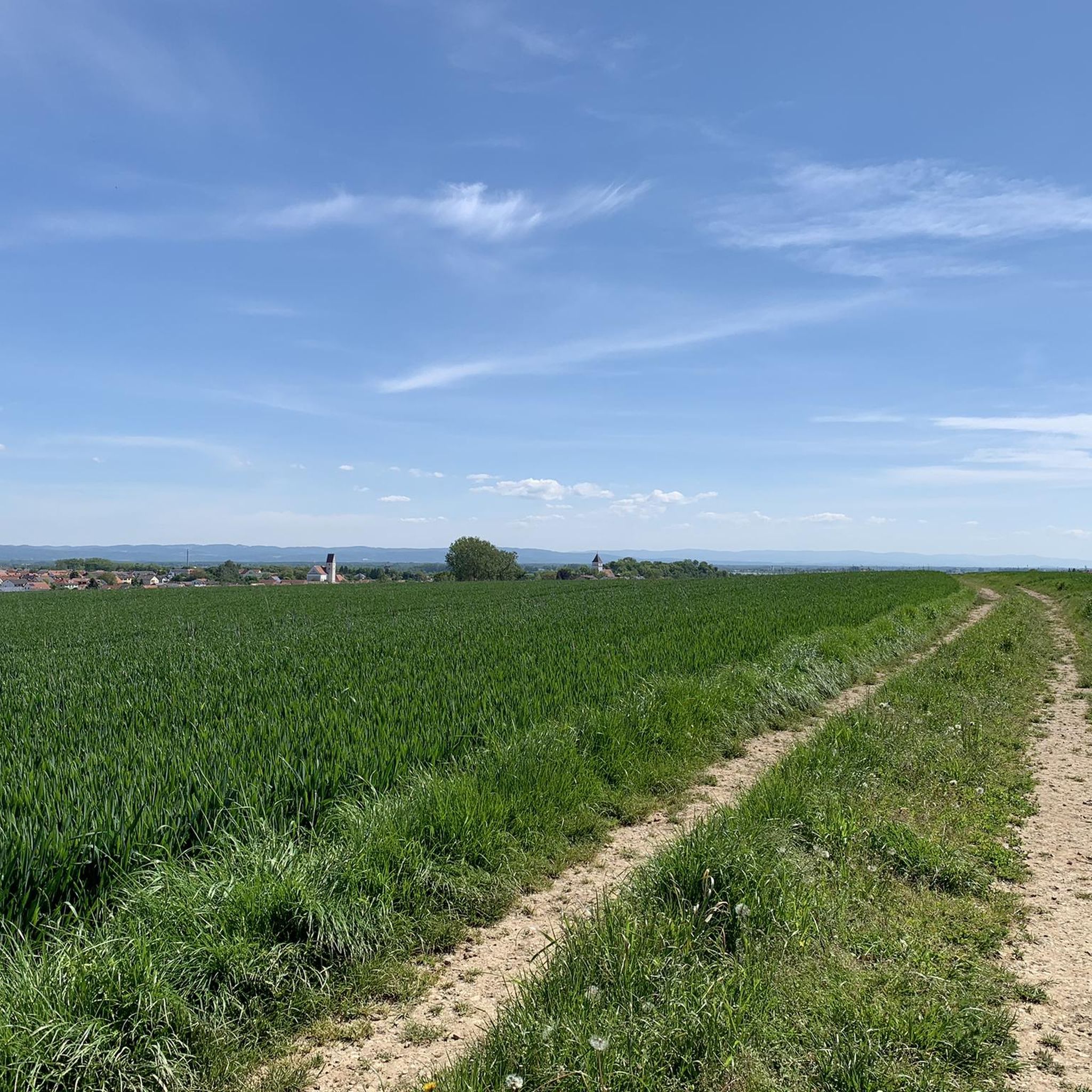
View of Friesheim Across the Danube
Highlight • Viewpoint
Translated by Google •
Tip by

St. Wolfgang's oak
Highlight • Natural Monument
Translated by Google •
Tip by

Sign up now to discover places like this
Get recommendations on the best single tracks, peaks, & plenty of other exciting outdoor places.
Sign up for free
Guggenberger Lake
Highlight • Lake
Translated by Google •
Tip by

Heinrichsturm (keep of Abbach Castle)
Highlight • Castle
Translated by Google •
Tip by

Einsiedelei Frauenbründl
Highlight • Religious Site
Showing Translation
Tip by

Sign up for free to discover even more attractions around Alteglofsheim.
Sign up for free
Already have an account?
Start today with a free account
Your next adventure awaits.
Login or Signup

Tips from the Community

The Frauenbründl is a Marian pilgrimage church with a holy spring. Further information about this can be found in the highlight, the photos, and the following links: https://www.herzstueck.bayern/attraktion/wallfahrtskirche-frauenbruendl-f676762b3c https://www.tvaktuell.com/cmms-embed/12681
1
0
The Frauenbründl is a Marian pilgrimage church with a healing spring. Further information about it can be found in the highlight, the photos, and the following links: https://de.wikipedia.org/wiki/Zur_Schmerzhaften_Muttergottes_(Frauenbr%C3%BCndl) https://www.tvaktuell.com/cmms-embed/12681
2
0

Unfortunately the tower was closed
0
0

Pilgrimage Church Frauenbründl The pilgrimage church Frauenbründl, also called Marienbründl, is located between Bad Abbach and the district of Saalhaupt and has a long history dating back to the 15th century. The history of Frauenbründl begins around 1700, when the former mercenary Georg Pfandstetter settled as a hermit near the five springs. He brought a Pietà from Umbria in Italy and attached it to a Marterl (way-side shrine). The baroque church we see today was originally built as a chapel between 1725 and 1726. Before that, there was a wooden field chapel on this site. Particularly noteworthy is a spring on the outside of the choir, to which special healing powers are attributed. As early as the 15th century, people with eye ailments made pilgrimages to this spring in the hope of healing. A legend tells of a man who was almost blind, came to the spring, washed his eyes with the water, prayed before the Marterl, and was then able to see again. This miracle founded the pilgrimage tradition that continues to this day. The history of Frauenbründl is characterized by devotion and the will to preserve. After secularization, the church was saved from demolition by Freifrau von Bechtoldsheim in 1821 and transferred back to the possession of the hermits in 1858. The later Bishop Georg Michael Wittmann regularly spent his spiritual retreats here between 1800 and 1832, underscoring the spiritual significance of the place. As early as the 1920s, the pharmacist and chairman of the Abbach Historical Association, Maximilian Hengge, enthused in his "Führer durch Abbach und Umgebung" (Guide to Abbach and its surroundings) about the beauty of Frauenbründl's location and surroundings: "The hermitage (...) is frequently visited by summer guests. The path to the "Marienbrünnl" or the "Frauenbrünnl", which lies on the edge of a magnificent fir forest, is one of the most beautiful in the Abbach area in the late afternoon at sunset." The candle chapel was established after a fire in 1987. The large Marian image is a print by the French painter William Adolphe Bouguereau. Source: www.bad-abbach.de
3
0
Abbach Castle Ruins Ahabach Castle was first mentioned in a document on May 6, 973. Abbach Castle is believed to have been the birthplace of Emperor Henry II, but this cannot be proven. On November 1, 1007, Emperor Henry II donated the site to the Bishopric of Bamberg, which he founded. Abbach Castle was taken over by the Wittelsbachs around 1200; at that time, the Wittelsbachs had also succeeded in gaining control of the Danube toll at Abbach. The castle was allegedly destroyed by the Bishop of Bamberg when he handed Abbach over to the Prüfening Monastery. However, Duke Ludwig I had it rebuilt in 1224 and compensated the monastery with Königswiesen near Regensburg and Matting. Subsequently, the Duke significantly expanded his holdings in the Abbach district. In 1297, Abbach was burned down during a feud between the Bavarian Dukes Otto and Stephan and the citizens of Regensburg. Afterwards, the castle, which served only as the steward's residence, was rebuilt on a smaller scale. In 1564, neglect of the surrounding wall and the castle itself was noted. A land register from 1586 contains the following note: The castle has a wide courtyard, in the center of which stands a round tower that has been roofless for many years, as well as a deep well that does not always provide water. The strong surrounding walls have partially collapsed. During the Thirty Years' War, in 1632 and 1634, the citizens of Abbach and the surrounding area fled to the castle and defended it. In 1705, during the War of the Spanish Succession, Abbach surrendered to the Austrians without a fight. Between 1740 and 1745, Abbach was repeatedly sacked as a result of the War of the Austrian Succession. Demolition work on the castle buildings began in 1803; by 1832, almost all buildings except the keep had been removed. In April 1945, the Heinrichsturm (St. Henry's Tower) was hit by bombs because it had housed a German Wehrmacht observation post. The tower, which is now accessed via a steel staircase above the old high entrance, was renovated in the early 1980s. The 27-meter-high late Romanesque tower has a four-and-a-half-meter-thick rubble masonry. Inside the tower are two stacked octagonal chambers with helmet vaults. Remains of the castle's ring wall have also been preserved. Source: Excerpts from www.wikipedia.de
3
3

A hilltop castle stood here, built in 973. Between 1803 and 1832, everything except the keep was demolished.
2
1
St. Wolfgang's Oak - Neueglofsheim The St. Wolfgang's Oak stands near Schloss Haus, near Neueglofsheim. The oak stands in a meadow next to a dirt road. It is one of the largest oaks in Bavaria. A horizontal branch has been supported by wooden posts towards the dirt road for over 100 years. In 1905, the trunk circumference was 8 m at a height of 1 m. According to legend, Saint Wolfgang preached eloquently from this branch. The monumental trunk is very irregular and has strong growths in the lower area. On one side, the trunk has an oval opening that comes from a branch breaking a long time ago. The oak burned in 1878 and 1909. In 1909, it burned on St. Wolfgang's Day. The crown is formed by a few, quite large branches. Holes can be seen everywhere in the branches, which come from smaller branches that have broken off. The vitality is still quite good considering the relatively old age of the oak. Height: 385 m above sea level Tree species: Pedunculate oak Age: around 500 years Chest height: 9.80 m Waist circumference: 9.03 m Height of the tree: 18 m Crown diameter: 15 m Year of measurements: 2021 Source: www.monumentale-eichen.de
7
0

ND-Nr. 46 (running number in the LKR Regensburg) Interesting web links: https://www.monumentale-eichen.de/bayern/schloss-haus/ https://de.m.wikipedia.org/wiki/Sankt-Wolfgangs-Eiche https://www.baumkunde.de/baumregister/1555-sankt_wolfgangs_eiche_bei_schloss_haus/ https://nationalerbe-baeume.de/project/wolfgangseiche-thalmassing-bei-regensburg-bayern/
8
0
Frequently Asked Questions
What historical sites can I visit in and around Alteglofsheim?
Alteglofsheim itself is home to the historic Alteglofsheim Castle, dating back to the 12th century, which now houses the Bavarian Music Academy. You can also see the late 18th-century Parish Church of St. John the Baptist and picturesque half-timbered houses in the town center. Nearby, don't miss the Frauenbründl Pilgrimage Church, a Marian pilgrimage site with a history stretching back to the 15th century, and the Heinrichsturm (keep of Abbach Castle), an impressive 27-meter-high tower that is the last remaining part of a former ducal castle.
Are there family-friendly attractions around Alteglofsheim?
Yes, several attractions are suitable for families. The St. Wolfgang's oak is a natural monument with shady seating areas, perfect for a relaxed outing. Guggenberger Lake offers a beautiful and clean swimming area with a beach and kiosk, ideal for warm days. The Frauenbründl Pilgrimage Church is also listed as family-friendly, offering a peaceful historical experience.
What outdoor activities can I do near Alteglofsheim's attractions?
The area around Alteglofsheim is excellent for outdoor activities. You can enjoy hiking on numerous trails, with options ranging from easy to moderate. Cycling is also very popular, especially along the Naabtal cycle path. For specific routes, explore the hiking routes around Alteglofsheim or the cycling routes around Alteglofsheim.
Are there any lakes for swimming or water sports near Alteglofsheim?
Absolutely! Guggenberger Lake, located about 6.3 km from Alteglofsheim, is a popular spot for swimming in summer, featuring a beach with lifeguards and a kiosk. The Kleinschwarzacher See also offers opportunities for water sports like canoeing and stand-up paddling in a beautiful natural setting.
What is the significance of St. Wolfgang's Oak?
The St. Wolfgang's oak is a monumental natural monument, estimated to be around 500 years old and one of the largest oaks in Bavaria. Legend has it that Saint Wolfgang once preached from one of its branches. Despite its age, it remains very vital and offers shady seating areas, making it a popular spot for hikers.
When is the best time to visit Alteglofsheim for outdoor activities?
Spring and summer are particularly beautiful seasons for outdoor activities like hiking and cycling around Alteglofsheim, with lush greenery and pleasant weather. Autumn also offers stunning colorful foliage, making it another excellent time to explore the trails. For swimming, the summer months are ideal for visiting Guggenberger Lake.
Are there any scenic viewpoints around Alteglofsheim?
Yes, you can find scenic spots like the View of Friesheim Across the Danube, which offers a wonderful panorama of the Danube River and the city of Friesheim. Many hiking and cycling routes also pass through picturesque landscapes, providing numerous opportunities for beautiful views of the surrounding nature and the Naab River valley.
What do visitors particularly enjoy about the attractions near Alteglofsheim?
Visitors frequently praise the natural beauty and historical significance of the area. For instance, the St. Wolfgang's oak is appreciated for its age and the peaceful, shady resting spots it provides. The Guggenberger Lake is loved for being a clean and refreshing swimming lake, especially on warm days. The Heinrichsturm is noted as an impressive piece of history worth seeing from the outside.
Can I explore the nearby city of Regensburg from Alteglofsheim?
Yes, Alteglofsheim serves as an excellent base for exploring Regensburg, a UNESCO World Heritage Site, which is only about 10-14 km away. Regensburg offers a wealth of attractions, including the medieval Old Stone Bridge, the impressive St. Peter Cathedral, and the magnificent Schloss Thurn und Taxis. You can also visit Walhalla, a neoclassical hall of fame located a few kilometers from Regensburg.
Are there easy hiking trails suitable for beginners around Alteglofsheim?
Yes, there are several easy hiking trails around Alteglofsheim. For example, the 'Wolfgangseiche Junction – Wolfgang Oak (Wolfgangseiche) loop from Alteglofsheim' and the 'St. Wolfgang's oak – Long Jump Station loop from Alteglofsheim' are both rated as easy. You can find more options and details on the Hiking around Alteglofsheim guide page.
Where can I go cycling near Alteglofsheim?
Alteglofsheim is well-suited for cycling, with routes catering to various skill levels. You can enjoy touring bicycle routes like the 'Neupfarr Square – Regensburg Old Town Hall loop from Köfering' for an easy ride, or more challenging road cycling routes such as the 'View of Regensburg Cathedral – View of the Walhalla loop from Hagelstadt'. Discover more routes on the Road Cycling Routes around Alteglofsheim and Cycling around Alteglofsheim guide pages.
Most popular routes around Alteglofsheim
Most popular attractions around Alteglofsheim

Get inspired with the komoot mobile app


Explore more
Still not found the Highlight you’re looking for? See guides of the top attractions in other regions:
