Top 20 Castles around Großheirath
Best castles around Großheirath offers access to historical sites in the surrounding Coburg region. This municipality, situated in the Itz Valley, is characterized by its well-preserved half-timbered houses and local churches. While Großheirath itself does not host large castles, it serves as a starting point for exploring significant historical structures nearby. The area provides a rich historical and cultural experience for visitors.
Best castles around Großheirath
- The most popular castles is Coburg Fortress, a castle often referred to as…
Last updated: August 3, 2026
Coburg Fortress
Highlight • Castle
Translated by Google •
Tip by

Coburg Castle Square
Highlight • Historical Site
Translated by Google •
Tip by

Sign up now to discover places like this
Get recommendations on the best single tracks, peaks, & plenty of other exciting outdoor places.
Sign up for free
Ehrenburg Palace
Highlight • Castle
Translated by Google •
Tip by

Lichtenfels Market Square
Highlight • Settlement
Translated by Google •
Tip by

Rotenhan Castle Ruins
Highlight • Castle
Translated by Google •
Tip by

Sign up for free to discover even more castles around Großheirath.
Sign up for free
Already have an account?
Start today with a free account
Your next adventure awaits.
Login or Signup

Tips from the Community

The ruins have a very special character due to their construction – you can still really feel the connection between nature and medieval architecture.
4
0

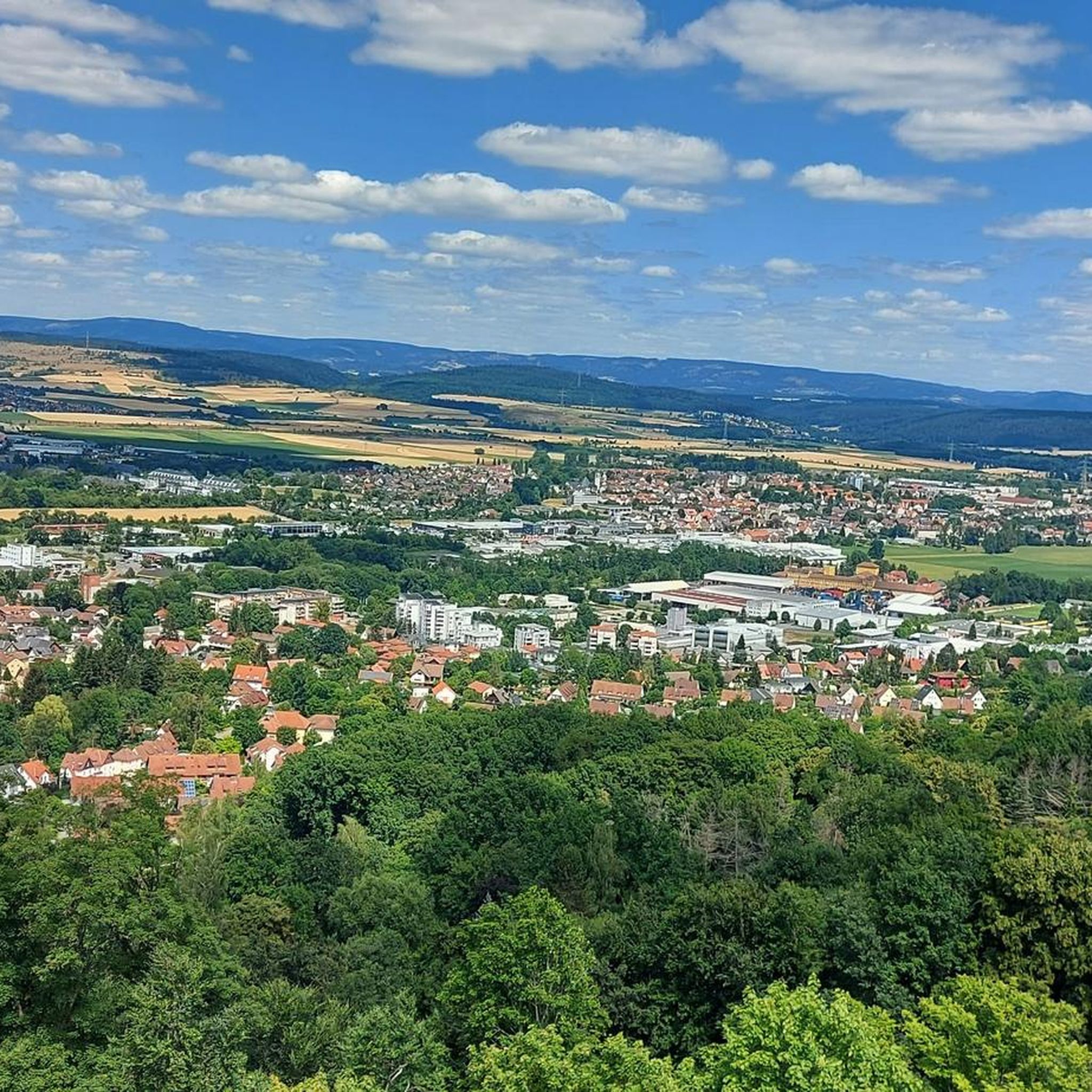
In any case, it's a huge building. More defiant than beautiful.
8
2

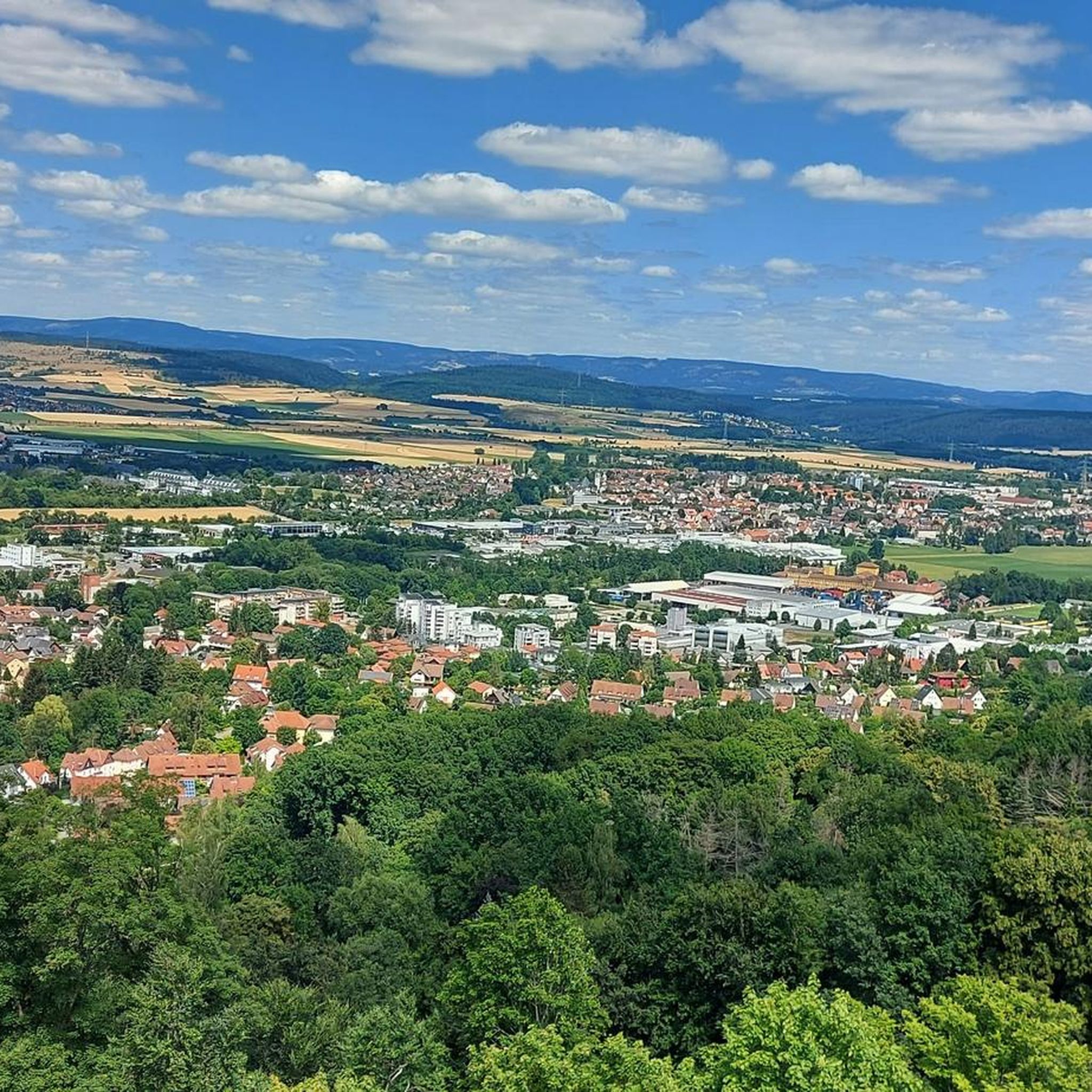
The town is located in the oldest prehistoric settlement area in the Main Valley. In a very small area, there is continuous evidence of settlement, which stretches from the Paleolithic period through the Hallstatt period to the Carolingian period. The name of the town was already borne by the fortress built around the year 1000 on a hill, a "light rock", and destroyed in the Peasants' War in 1525. Duke Otto I of Andechs-Merania had his market town of Lichtenfels fortified in 1231, which can probably be interpreted as an indication that town rights had already been granted. A place on the Main and centrally located on old streets was deliberately chosen for the founding of Lichtenfels. The spacious market square, the center of the town, where all the alleys and paths converged, was and is well suited for weekly and annual markets. Source: https://www.lichtenfels.de/leben-und-wohnen/unser-lichtenfels/stadtportrait/die-geschichte-der-stadt-lichtenfels
13
2

Directly in front of the Rotenhan ruins there are two nice rest areas.
15
0
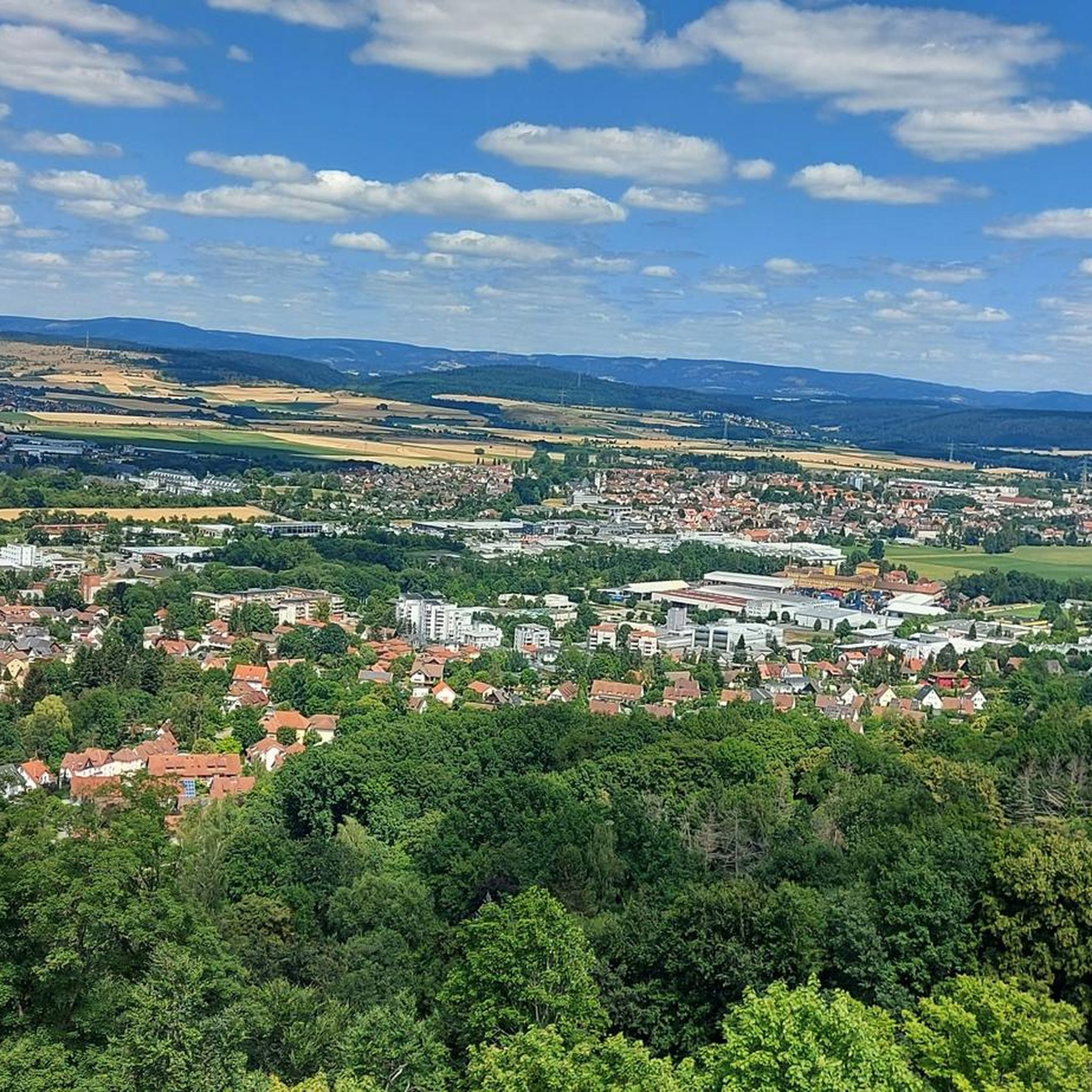
A beautiful place in the middle of the city. The concerts in the Coburg summer take place there in a special setting.
10
1

In 1543, Duke Johann Ernst of Saxony decided to move his court from the Veste Coburg down into the city and chose the site of the dissolved Franciscan monastery, along which the city wall ran to the east. The monastery was in the area of the former middle courtyard. Recent research attributes the architectural design to the Saxon architect Nikolaus Gromann.[1] The building shows clear stylistic parallels with the work of Gromann, who may also have been close to the building project in organizational terms as the appointed court architect of Johann Ernst's half-brother, Elector Johann Friedrich. The complex was built until around 1547 under the construction management of Caspar Vischer. A complex was created around two square courtyards, which could be entered from the south via Steingasse.[2] The buildings of the first courtyard with the stair tower, the corner bay window and the dormer windows from this period are still preserved.[3] Between the courtyards was the three-storey princely building, which was accessed via another large stair tower on the north side and had a large hall and a dining room. The palace chapel and other living quarters were located around the second courtyard on the east side, the kitchen on an irregular floor plan to the north and other subordinate rooms to the west. This complex can still be seen with various subordinate extensions on Bieler's floor plan from 1679. It is unclear whether the third courtyard with the stables had already begun in 1543. Only paid craftsmen were employed for the construction and not, as was usual at the time, serf laborers. This special feature is said to have been the reason for the visit of Emperor Charles V in 1547. Charles is said to have given the newly occupied complex the name Ehrenburg on this occasion. The new city palace was inhabited as the residence of a ruling duke until the death of Johann Ernst in 1553 and was then only used extensively.
8
2
The Coburg Castle Square is one of the most remarkable square designs in Bavaria. The spacious square is designed as a forecourt to Ehrenburg Castle and is located in the center of the former royal residence of Coburg. The Castle Square was created under Duke Ernst I from 1825 with the demolition of the eastern houses of Grafengasse and the subsequent demolition of the old commercial and auxiliary buildings of the castle, which were located to the north of it, in 1835. It was created in its current design as a representative square by 1849 in the historical and classicist style with the participation of Karl Friedrich Schinkel and Peter Joseph Lenné. Until the beginning of the First World War, the III. Battalion of the 6th Thuringian Infantry Regiment No. 95, stationed in Coburg, used the Castle Square for its parades. A military band played on Sunday afternoons.[1] In the 1920s, the Castle Square was often a meeting place for demonstrators, such as on Bloody Saturday in Coburg. Today, cars can be parked on the Schlossplatz in the evenings during performances at the State Theater. It is also used as an event space, for example for open-air concerts. The first plans for an underground car park on the Schlossplatz were made in 1977, but in 1988 the highest building authority in Munich did not approve it for cost and monument protection reasons. Source: Wikipedia
10
0

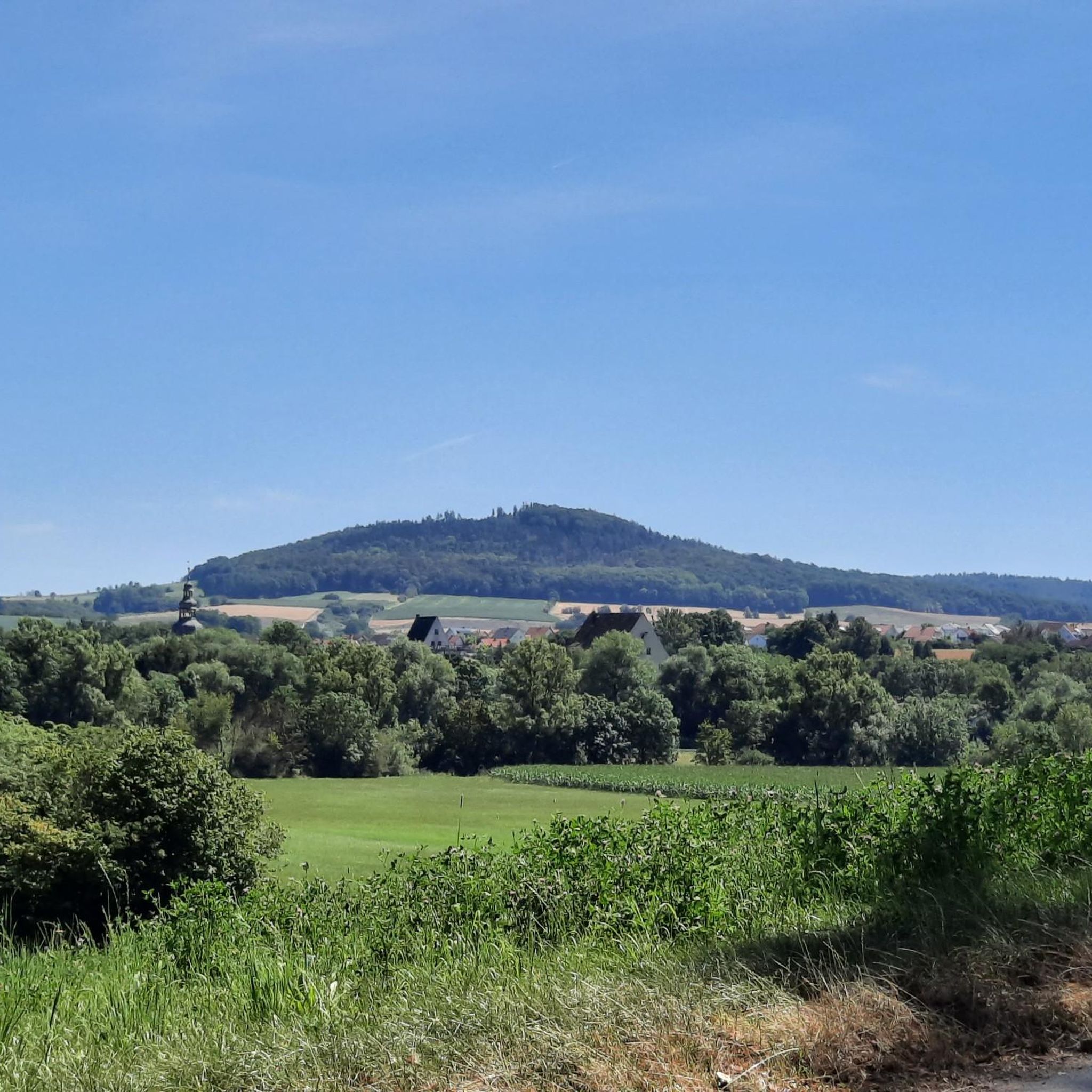
The ruins of the high medieval rock castle Rotenhan are located at 380 m above sea level about two kilometers north of Ebern above the district of Eyrichshof in the Haßberge district in Lower Franconia. The castle complex is the ancestral seat of the Barons of Rotenhan, who still own it today. Wikipedia
9
0
Frequently Asked Questions
What are the most significant castles to visit near Großheirath?
While Großheirath itself doesn't host large castles, it's an excellent base for exploring notable historical sites nearby. The most prominent include Coburg Fortress, known as the "Franconian Crown" for its formidable history and impressive art collection. Another must-see is Ehrenburg Palace in Coburg, a 16th-century city residence with a unique construction story. For a more rugged experience, the Rotenhan Castle Ruins offer a glimpse into a high medieval rock castle still owned by its ancestral family.
Are there family-friendly castles to explore around Großheirath?
Yes, several castles near Großheirath are suitable for families. Coburg Fortress offers extensive grounds to explore and fascinating art collections. Ehrenburg Palace provides a grand historical setting. The Rotenhan Castle Ruins, with its natural rock formations and forest surroundings, can be an adventurous outing for families.
What kind of historical insights can I gain from visiting these castles?
The castles around Großheirath offer a rich tapestry of regional history. Coburg Fortress, for instance, has never been taken by force and hosted Martin Luther during his Bible translation. It houses significant art and cultural history collections. Ehrenburg Palace showcases the opulence of ducal residences and the unique story of its construction by paid workers. The Rotenhan Castle Ruins provide insight into medieval rock castle architecture and the enduring legacy of noble families.
What outdoor activities can I do near these castles?
The region around Großheirath and its castles is excellent for outdoor enthusiasts. You can find numerous hiking trails, such as those listed in the Hiking around Großheirath guide, with routes like the easy 'Watzendorf Madonna – Shelter Near Gerichtsplatz loop'. For cyclists, there are gravel biking routes, including a challenging 'Rothenberg Gate Tower – Rotenhan Castle Ruins loop' in the Gravel biking around Großheirath guide. Running trails are also available, such as the 'St. Oswald's Church, Großheirath loop' found in the Running Trails around Großheirath guide.
Are there viewpoints or natural features near the castles?
Yes, several castles offer scenic viewpoints and are integrated with natural landscapes. Coburg Fortress provides expansive views of the surrounding area from its strategic hilltop location. The Rotenhan Castle Ruins are nestled amidst natural rock formations and forest, offering picturesque natural scenery and rest areas.
What is the best time of year to visit the castles around Großheirath?
The best time to visit the castles around Großheirath is generally from spring to autumn (April to October). During these months, the weather is pleasant for exploring the outdoor grounds of places like Coburg Fortress and the Rotenhan Castle Ruins, and for enjoying nearby hiking trails. Indoor attractions like the art collections at Coburg Fortress and Ehrenburg Palace are accessible year-round, but the surrounding landscapes are most vibrant outside of winter.
Are there public transport options to reach the castles?
Public transport options are available, particularly for castles located in or very close to urban centers. Coburg Fortress and Ehrenburg Palace are both in Coburg, which is well-connected by regional buses and trains. For more remote sites like the Rotenhan Castle Ruins, public transport might require a combination of bus and a walk, or a car might be more convenient.
Can I find cafes or restaurants near the castles?
Yes, you can find dining options near the castles. Coburg Fortress itself has a restaurant, and being located above the city of Coburg, there are numerous cafes and restaurants within easy reach in the city center. Similarly, Ehrenburg Palace is in the heart of Coburg, offering many choices. The Rotenhan Castle Ruins have rest areas directly in front of them, and nearby villages would offer local eateries.
Are the castles around Großheirath accessible for visitors with wheelchairs?
Accessibility varies by castle. While historical sites often present challenges, some parts may be accessible. For example, Lichtenfels Market Square, a nearby highlight, is noted as wheelchair accessible, suggesting some urban areas are prepared. For specific castles like Coburg Fortress or Ehrenburg Palace, it's advisable to check their official websites for detailed accessibility information, as older structures may have stairs or uneven terrain.
What do visitors enjoy most about the castles in this region?
Visitors frequently appreciate the rich history and architectural grandeur of the castles. The strategic location of Coburg Fortress offers stunning views, while its art collections are a major draw. Ehrenburg Palace is admired for its magnificent design and historical significance. The Rotenhan Castle Ruins are often praised for their picturesque setting and the sense of discovery they offer.
Are there dog-friendly options for visiting castles near Großheirath?
While specific indoor areas of castles like museums or palaces might restrict dogs, the outdoor grounds and surrounding trails are often dog-friendly. For instance, the natural setting around the Rotenhan Castle Ruins, with its forest and trails, is generally suitable for walks with dogs on a leash. For Coburg Fortress, dogs are usually allowed on the outer grounds but may be restricted from interior buildings. Always check local regulations or signage upon arrival.
How long should I plan for a visit to a castle near Großheirath?
The duration of your visit depends on the castle and your interest. For a comprehensive visit to Coburg Fortress, including its museums and grounds, you might need 3-4 hours. Ehrenburg Palace could take 1-2 hours for a guided tour or self-exploration. The Rotenhan Castle Ruins might be a shorter visit of 1-2 hours, especially if combined with a walk on nearby trails.
Most popular routes around Großheirath
Most popular attractions around Großheirath

Get inspired with the komoot mobile app


Explore more
Looking for the best castles somewhere else? Discover other guides around Großheirath:
