Attractions and Places To See around Grub am Forst - Top 20
Best attractions and places to see around Grub am Forst include a blend of natural beauty and historical insights in this idyllic village in the district of Coburg, Germany. Its origins date back to 1288, and it was once part of the former Duchy of Sachsen-Coburg. The area offers opportunities for exploring natural features like Augustafelsen and Grüber Stein, alongside cultural sites such as the Reichenbachhaus. Visitors can find well-maintained hiking trails and significant historical landmarks.
Best attractions and places…
Last updated: September 25, 2026
Lower Gate (Untere Tor), Lichtenfels
Highlight • Monument
Translated by Google •
Tip by

Coburg Fortress
Highlight • Castle
Translated by Google •
Tip by

Sign up now to discover places like this
Get recommendations on the best single tracks, peaks, & plenty of other exciting outdoor places.
Banz Abbey
Highlight • Religious Site
Translated by Google •
Tip by

Coburg Market Square
Highlight • Historical Site
Translated by Google •
Tip by

Coburg Castle Square
Highlight • Historical Site
Translated by Google •
Tip by

Sign up for free to discover even more attractions around Grub am Forst.
Already have an account?
Start today with a free account
Your next adventure awaits.
Tips from the Community

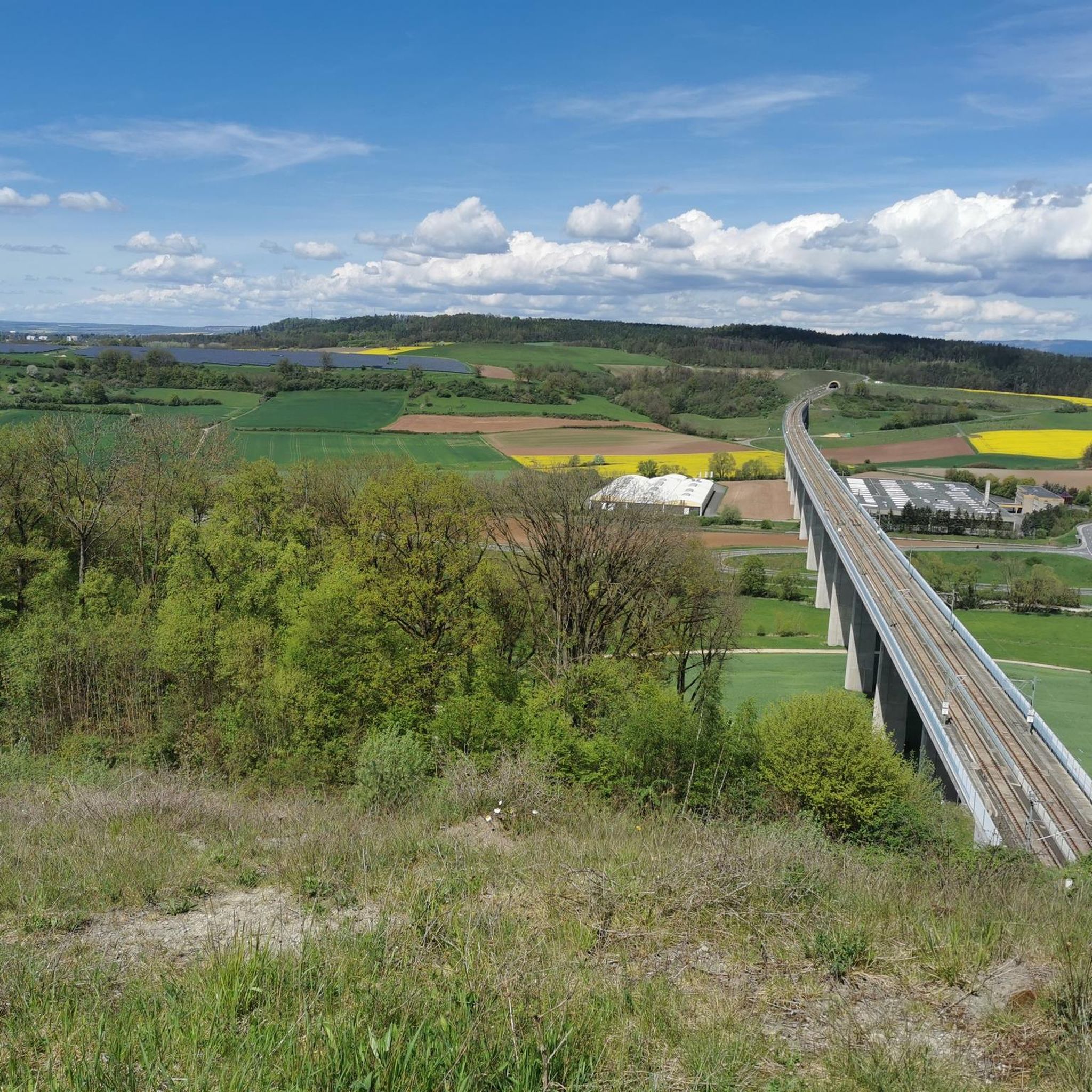
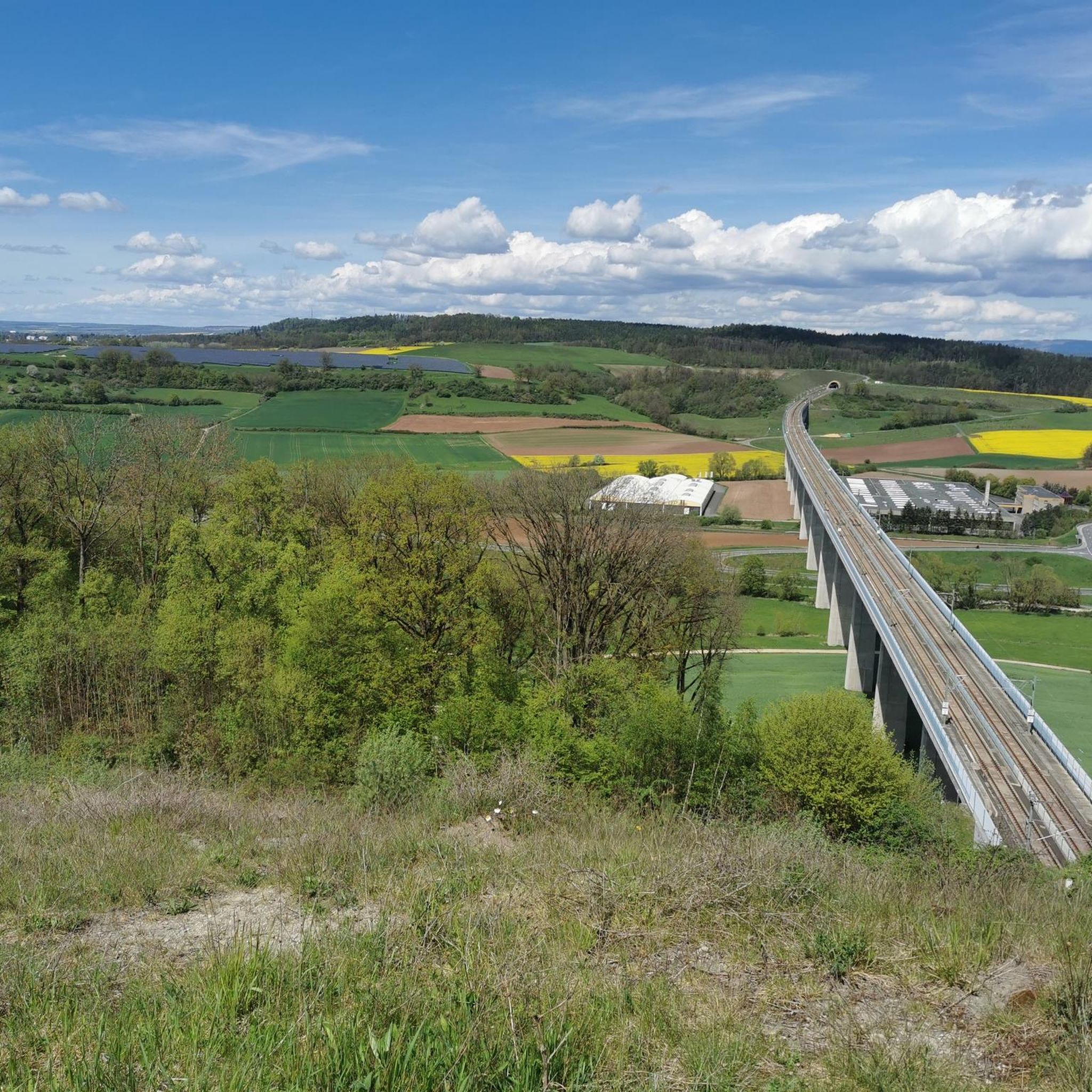
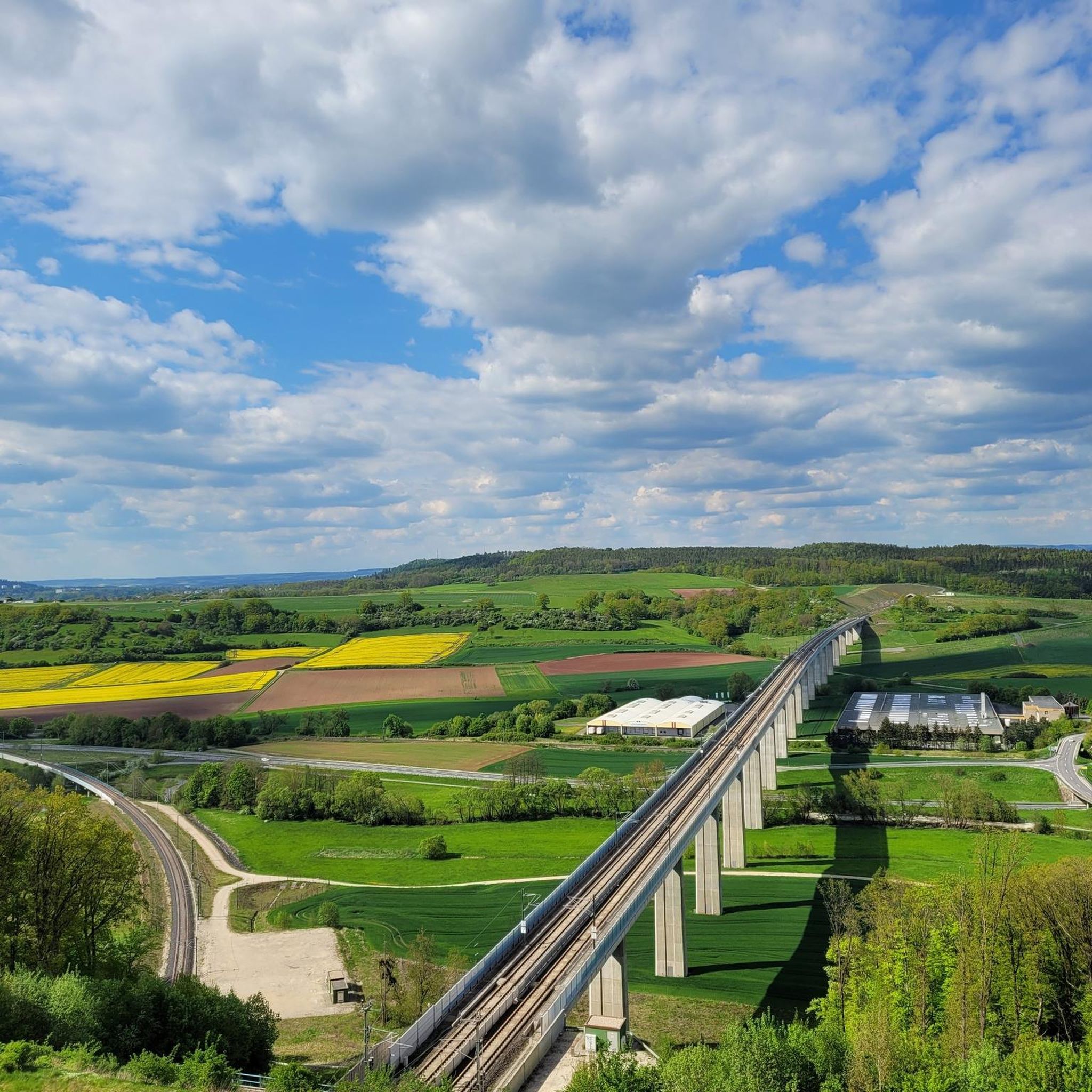
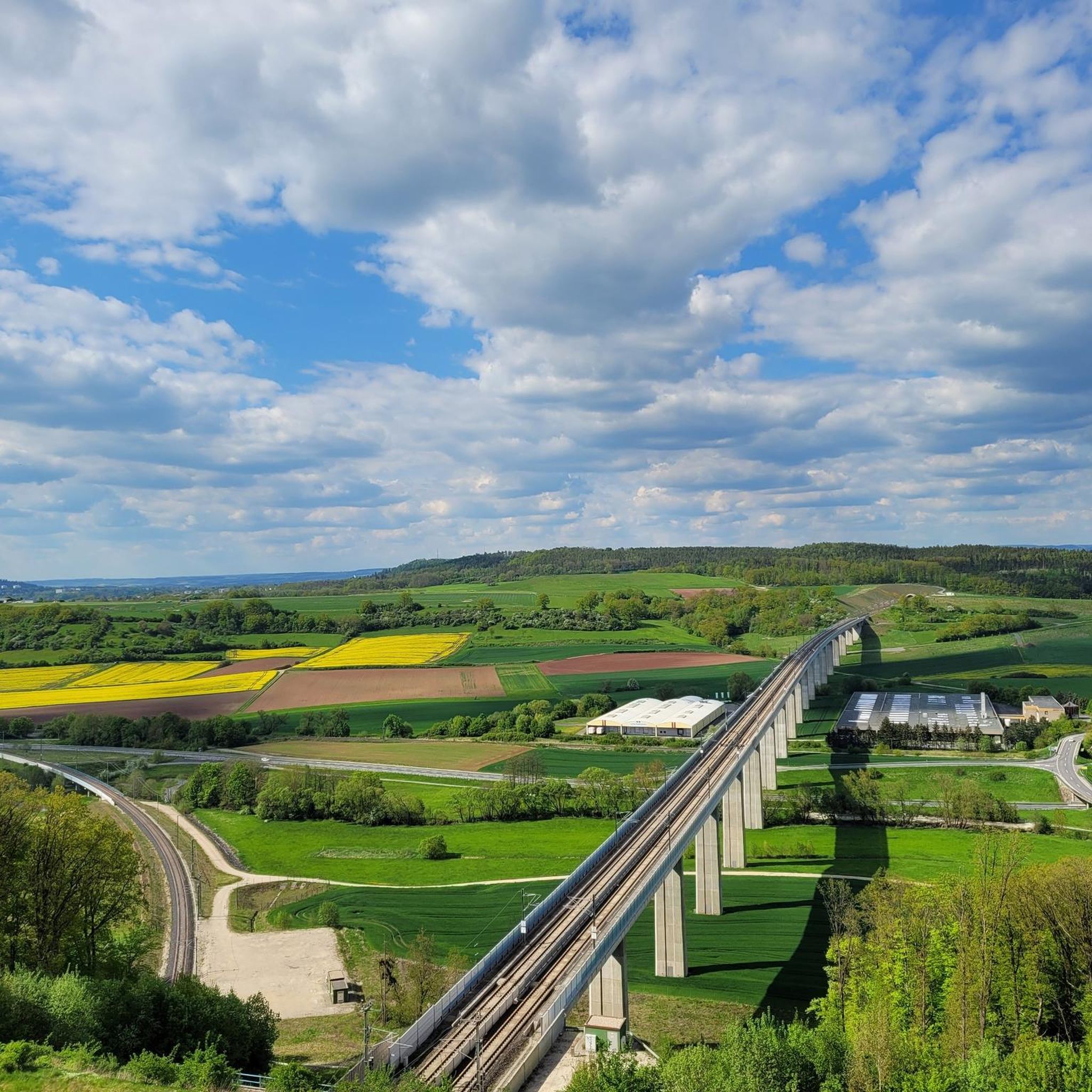
Nicely integrated into the cycle path.
4
0

A beautiful building. Well suited to the new era.
10
0

A beautiful place in the middle of the city. The concerts in the Coburg summer take place there in a special setting.
11
1

At the Lower Gate you will find two cafés, a butcher's shop, a small restaurant, a farm shop and a pub with Franconian specialties. So if you're a little hungry, you've come to the right place 😉
5
0

The Coburg Castle Square is one of the most remarkable square designs in Bavaria. The spacious square is designed as a forecourt to Ehrenburg Castle and is located in the center of the former royal residence of Coburg. The Castle Square was created under Duke Ernst I from 1825 with the demolition of the eastern houses of Grafengasse and the subsequent demolition of the old commercial and auxiliary buildings of the castle, which were located to the north of it, in 1835. It was created in its current design as a representative square by 1849 in the historical and classicist style with the participation of Karl Friedrich Schinkel and Peter Joseph Lenné. Until the beginning of the First World War, the III. Battalion of the 6th Thuringian Infantry Regiment No. 95, stationed in Coburg, used the Castle Square for its parades. A military band played on Sunday afternoons.[1] In the 1920s, the Castle Square was often a meeting place for demonstrators, such as on Bloody Saturday in Coburg. Today, cars can be parked on the Schlossplatz in the evenings during performances at the State Theater. It is also used as an event space, for example for open-air concerts. The first plans for an underground car park on the Schlossplatz were made in 1977, but in 1988 the highest building authority in Munich did not approve it for cost and monument protection reasons. Source: Wikipedia
11
0
The secularization began on November 28, 1802. In 1803, the Electorate of Bavaria took over the administration of the monastery. Buildings were partially sold and demolished, and the abbey church became a parish church. The secularization was officially completed on October 24, 1803.[1] The Banz office, the property of the monastery, was converted into the Banz district court. In 1814, Duke Wilhelm in Bavaria acquired the former monastery complex, which was subsequently known as "Banz Castle" and was a summer residence. Duke Wilhelm hosted the King of Bavaria and the Tsarina of Russia, among others. The living quarters were given new furnishings. The monastery crypt under the abbey church served as the burial place of the ducal family until 1883. After the end of the First World War, the Wittelsbachs leased the property to the Trappists, who had been expelled from the Alsatian Abbey of Oelenberg and moved to Engelszell in 1925. In 1933, the Community of the Holy Angels, which was dedicated to pastoral care for Catholic Germans living abroad, purchased the former monastery complex from Ludwig Wilhelm Herzog in Bavaria for a symbolic Reichsmark, while the lands remained in Wittelsbach ownership. From 1941, art and cultural assets were stored in the vaulted cellars. Between 1942 and 1945, the Wehrmacht used parts of the castle as a reserve hospital. From the summer of 1944, Banz served as the residence of Kurt von Behr, who worked in the Reichsleiter Rosenberg operational staff. He had numerous art treasures deposited in the lowest cellar of the south wing of the castle. After the end of the Second World War, a large part of the monastery was set up as a retirement home run by Caritas for refugees and displaced persons. The School Sisters of Our Lady (Bohemia) were the sponsors of this retirement home. In 1950, Banz had 324 residents.[3] Caritas closed the retirement home in 1964. In 1978, the Community of the Holy Angels donated the former monastery to the Hanns Seidel Foundation, which is close to the CSU. Since then, it has served as a conference venue for the foundation. The local parish took over the abbey church. From 1987 to 2016, the two-day music festival Songs took place annually on a summer evening on the monastery meadows. Since 2017, the Lieder auf Banz festival has taken place instead. When Sophie in Bavaria married the Crown Prince Alois of Liechtenstein, the lands became the property of the House of Liechtenstein. Source: Wikipedia
13
2
The Benedictine abbey, founded around 1070 by Countess Alberada of Schweinfurt and her husband, Count Hermann of Habsberg-Kastl, on the site of the former Banz Castle, was the oldest monastery on the Upper Main until secularization (opening on November 18, 1802, closing on October 24, 1803)[1]. In the Middle Ages, the monastery owned the neighboring Stachilize Castle, which was awarded to it in 1127 by Bishop Otto of Bamberg at the request of Abbot Baldewin.[2] In the years from 1565 to 1568 there were disputes between the Duke of Saxony and the bishops of Würzburg and Bamberg over the monastery, which was occupied by armed men. In 1568, the monastery and its 27 villages (mostly in Saxony-Coburg, see: Amt Banz) bought themselves out of Coburg's protection. In 1566, the Bishopric of Würzburg had already recognized the sovereignty of the Bishopric of Bamberg in a settlement. Ecclesiastically, however, the monastery belonged to the Diocese of Würzburg. The dispute culminated in 1568 with the departure of the entire convent and Abbot Georg von Henneberg, who all converted to Protestantism. It was not until seven years later that Banz was resettled at the request of the Bishop of Würzburg, this time under Abbot Johann Burkhard, who served until 1598. With the resettlement, the rule that only nobles could be admitted to the convent as monks was abolished and turned into its opposite.[1] After the Thirty Years' War, the monastery had to be rebuilt. The abbots Eucharius Weiner and Kilian Düring commissioned Leonhard Dientzenhofer and, after his death in 1707, his brother Johann. Construction work began in 1698. The church was consecrated in 1719. While the Vierzehnheiligen pilgrimage church on the other side of the Main (built 1743–1772, mainly by Balthasar Neumann) is a Rococo building of the highest order, the Dientzenhofer Abbey Church of Banz is a prime example of the South German-Bohemian Baroque at the beginning of the century. In the second half of the 18th century, Banz Abbey enjoyed a nationwide reputation as a place of Catholic enlightenment and because of its learned monks. Like many monasteries, this one also had an imperial hall.
13
0

Coming from the Hofgarten you have the best view of the Schlossplatz above the arcades. On the left the Ehrenburg, in the middle the view of the old town, on the right the theater. The square is regularly used for events and is also the ideal starting point for getting to Veste Coburg. A little tip on the side - the sunset from the Hofgarten with a view of the Schlossplatz is a special highlight. The best opportunity to experience a sunset with a great backdrop close to the center!
7
0
Frequently Asked Questions
What historical sites can I visit near Grub am Forst?
Grub am Forst and its surroundings offer several significant historical sites. You can explore the impressive Coburg Fortress, which has never been conquered by force and houses an art collection. Another must-see is Banz Abbey, a former Benedictine monastery offering magnificent views of the Main Valley. The Lower Gate (Untere Tor) in Lichtenfels, dating back to the 14th century, also provides a glimpse into the region's past.
Are there any significant natural monuments to explore in Grub am Forst?
Yes, Grub am Forst is known for its natural beauty and features. You can visit the Augustafelsen and Grüber Stein, both notable natural monuments and popular destinations for hikers. The Auengrund natural recreation area also offers opportunities for relaxation amidst nature.
What cultural insights can I gain about the local history of Grub am Forst?
For local history, the Reichenbachhaus serves as the local history museum in Grub am Forst. Built in 1801, both the building itself and its exhibitions provide interesting insights into the customs and lives of the local people in the past, showcasing the village's origins dating back to 1288.
Are there easy hiking trails suitable for beginners around Grub am Forst?
Yes, Grub am Forst is a great place for hiking, including options for beginners. Several easy circular routes are available, such as the 'View of Veste Coburg – Grüber Rock loop' (5.9 km) and the 'Niederfüllbach Castle Park – Bird Aviary loop' (5.3 km). You can find more details and routes in the Hiking around Grub am Forst guide.
What kind of circular hiking routes are available in Grub am Forst?
Grub am Forst offers numerous well-maintained circular hiking trails, known as 'Rundweg'. These include routes like Gr 1, Gr 2, Gr 3, Gr 4 (themed around the local poem 'Es Gru'), Gr 5 (to Augustafelsen), Gr 6 (to Grüber Stein), and Gr 7 (ICE Hill and Niederfüllbach). The Coburg Circular Hiking Trail also passes through the area, showcasing beautiful spots. For specific routes, check the Hiking around Grub am Forst guide.
Are there family-friendly outdoor activities or walks in Grub am Forst?
Absolutely. For families, one of the circular routes leads to a goat enclosure near the Rennerwaldquelle, which is a delightful experience for children. Many of the natural monuments and easy hiking trails are also suitable for family outings. The Auengrund natural recreation area also offers sports like beach volleyball, which can be fun for families.
Where can I find scenic viewpoints around Grub am Forst?
For scenic viewpoints, the Banz Abbey, situated on the Banzberg, offers magnificent views of the Main Valley. Additionally, the natural monuments like Augustafelsen and Grüber Stein provide varied routes and viewpoints within Grub am Forst itself. The Coburg Castle Square also offers a view of the mighty Ehrenburg Castle.
What other outdoor activities can I do near Grub am Forst besides hiking?
Beyond hiking, the area around Grub am Forst is excellent for road cycling and mountain biking. You can find various routes, from easy to difficult, such as the 'Coburg Market Square – Ketschendorf Castle loop' for road cycling or the 'Ehrenburg Palace – Lake Esbach loop' for mountain biking. Explore these options in the Road Cycling Routes around Grub am Forst and MTB Trails around Grub am Forst guides.
Is <a href="https://www.komoot.com/highlight/68922" target="_blank" rel="noopener">Coburg Market Square</a> wheelchair accessible?
Yes, Coburg Market Square is listed as wheelchair accessible. It's a popular meeting and event place surrounded by historic buildings, making it an enjoyable and accessible spot to visit.
Are there any cafes or places to eat near the hiking trails in Grub am Forst?
While specific cafes directly on every trail are not detailed, the Coburg Fortress and Banz Abbey highlights mention amenities like restaurants, pubs, or beer gardens. The Coburg Market Square, a short distance away, is also surrounded by various establishments.
What do visitors particularly enjoy about the attractions around Grub am Forst?
Visitors appreciate the blend of natural beauty and historical insights. The Coburg Fortress is praised for its art collection and historical significance. The Banz Abbey is loved for its stunning views and relaxing atmosphere. The Coburg Market Square is a popular meeting place, especially during events. The komoot community has shared over 200 photos and given more than 1200 upvotes to the attractions in the area, highlighting their appeal.
Are there any lesser-known historical sites or "hidden gems" near Grub am Forst?
While the main attractions are well-known, the local Reichenbachhaus museum offers a deeper dive into the specific history of Grub am Forst itself, which might be considered a 'hidden gem' for those interested in local heritage. Additionally, exploring the various themed circular hiking routes (like Gr 4, themed around a local poem) can lead to unique, less-traveled spots and insights into the region's culture.
When is the best time to visit Grub am Forst for outdoor activities?
Grub am Forst is a great destination for outdoor activities throughout much of the year. Spring and autumn offer pleasant temperatures for hiking and cycling, with beautiful foliage changes. Summer is ideal for enjoying the natural recreation areas and longer daylight hours. While winter hiking is possible, it's best to check local conditions and trail accessibility during colder months.
Most popular routes around Grub am Forst
Most popular attractions around Grub am Forst

Get inspired with the komoot mobile app


Explore more
Still not found the Highlight you’re looking for? See guides of the top attractions in other regions:
