Attractions and Places To See around Neustadt bei Coburg - Top 20
Best attractions and places to see around Neustadt bei Coburg include a diverse range of notable landmarks, natural features, and cultural sites. Situated at the southwestern foothills of the Thuringian Forest, the town offers a scenic location and rich heritage. The area is characterized by its mountains, such as the Muppberg, and its historical significance, particularly in the toy industry. Visitors can explore various points of interest that reflect the region's history and natural beauty.
Best attractions and places to…
Last updated: September 26, 2026
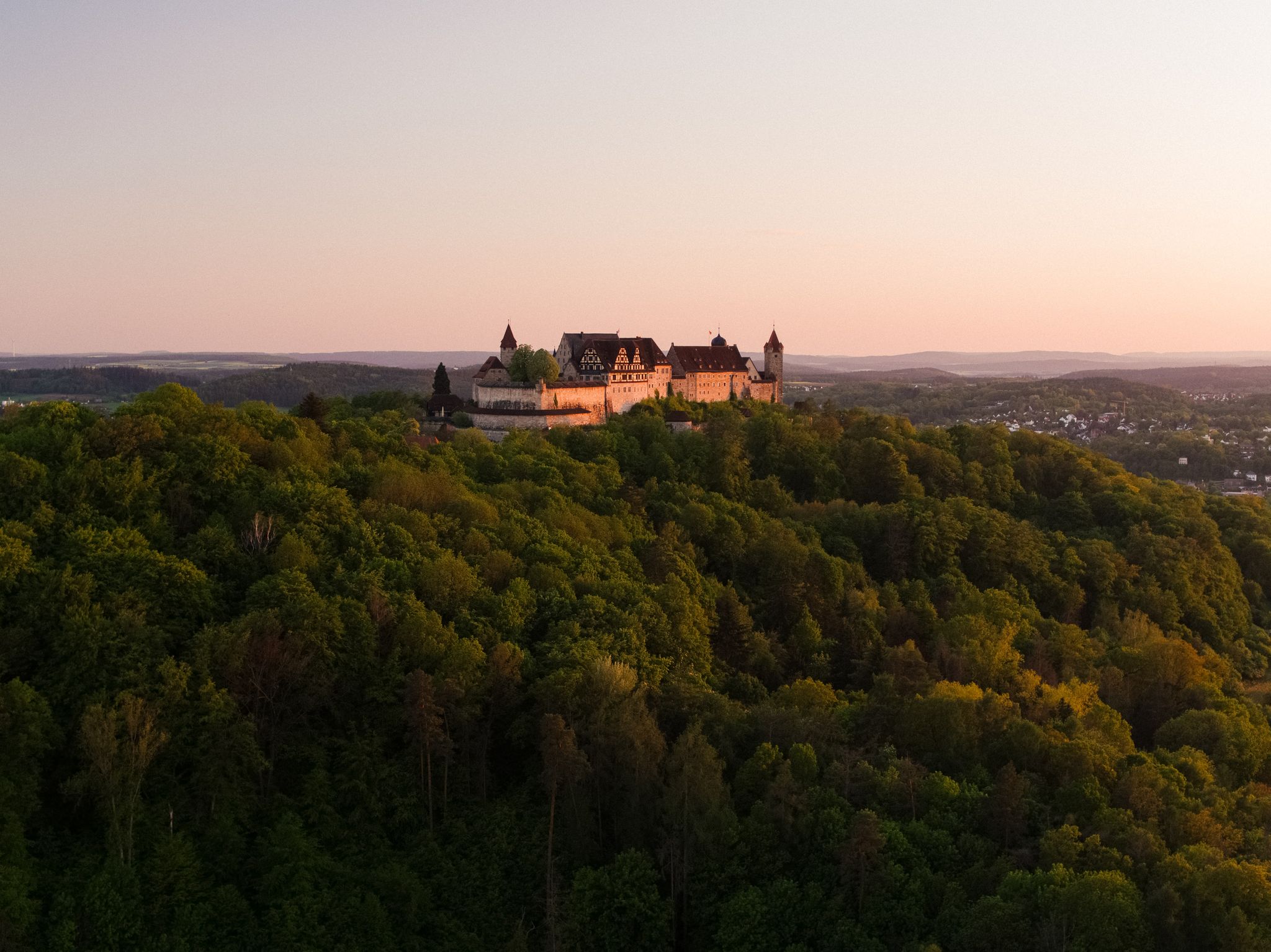
Coburg Fortress
Highlight • Castle
Translated by Google •
Tip by

Fellberg
Highlight • Summit
Translated by Google •
Tip by

Sign up now to discover places like this
Get recommendations on the best single tracks, peaks, & plenty of other exciting outdoor places.
Coburg Market Square
Highlight • Historical Site
Translated by Google •
Tip by

Coburg Castle Square
Highlight • Historical Site
Translated by Google •
Tip by

Ehrenburg Palace
Highlight • Castle
Translated by Google •
Tip by

Sign up for free to discover even more attractions around Neustadt bei Coburg.
Already have an account?
Start today with a free account
Your next adventure awaits.
Popular around Neustadt bei Coburg
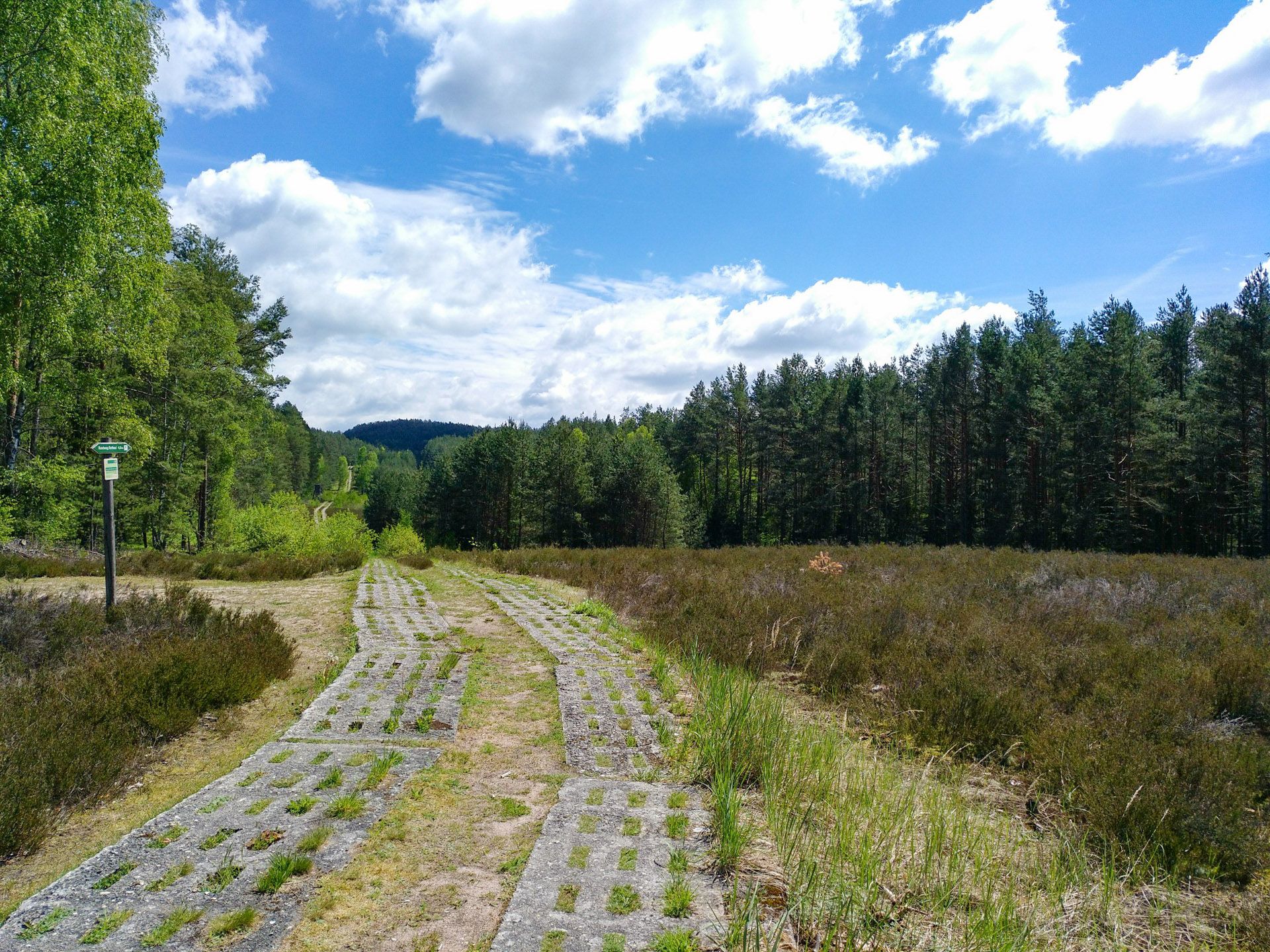
Discover the Green Belt in Germany’s Thuringian Slate Mountains with BUND
Hike the Coburg.Rennsteig Trail in Germany – Thuringia and Franconia
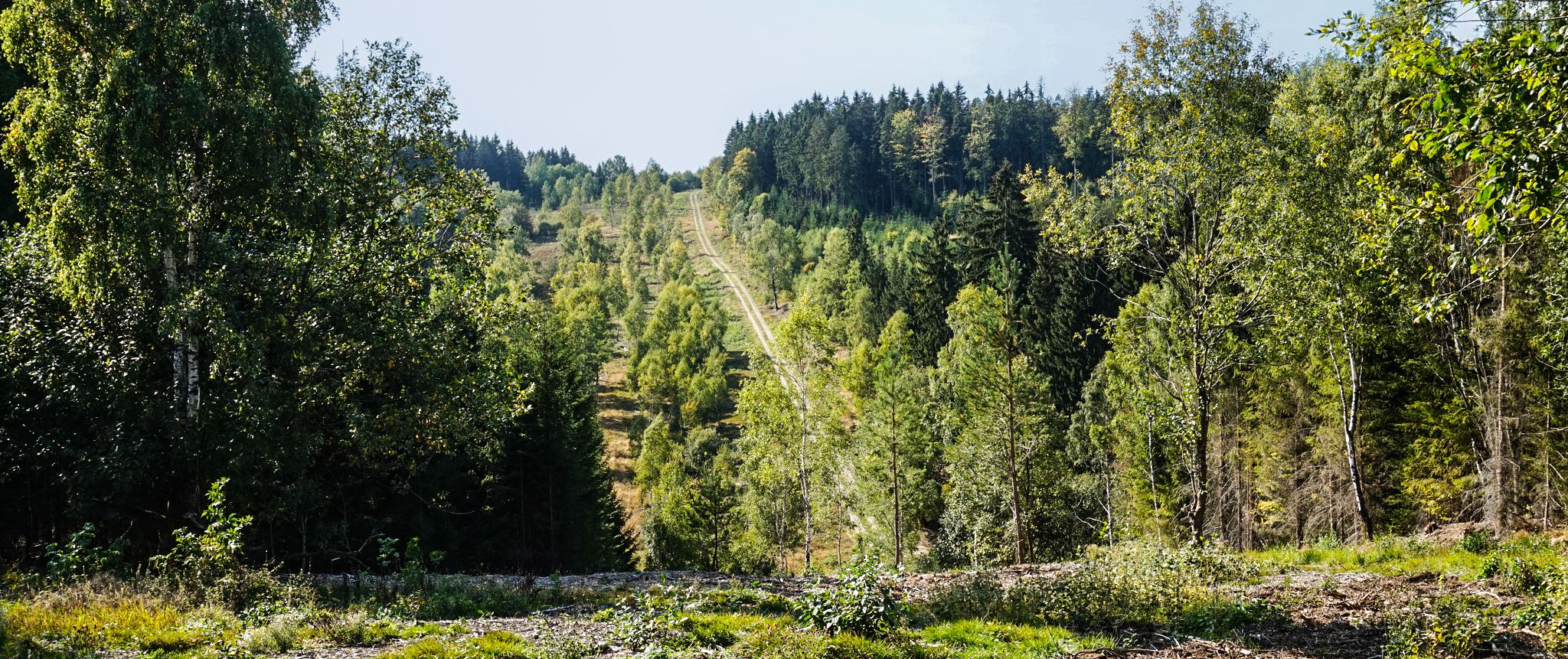
Discover the nature along the “Greenbelt” together with the BUND
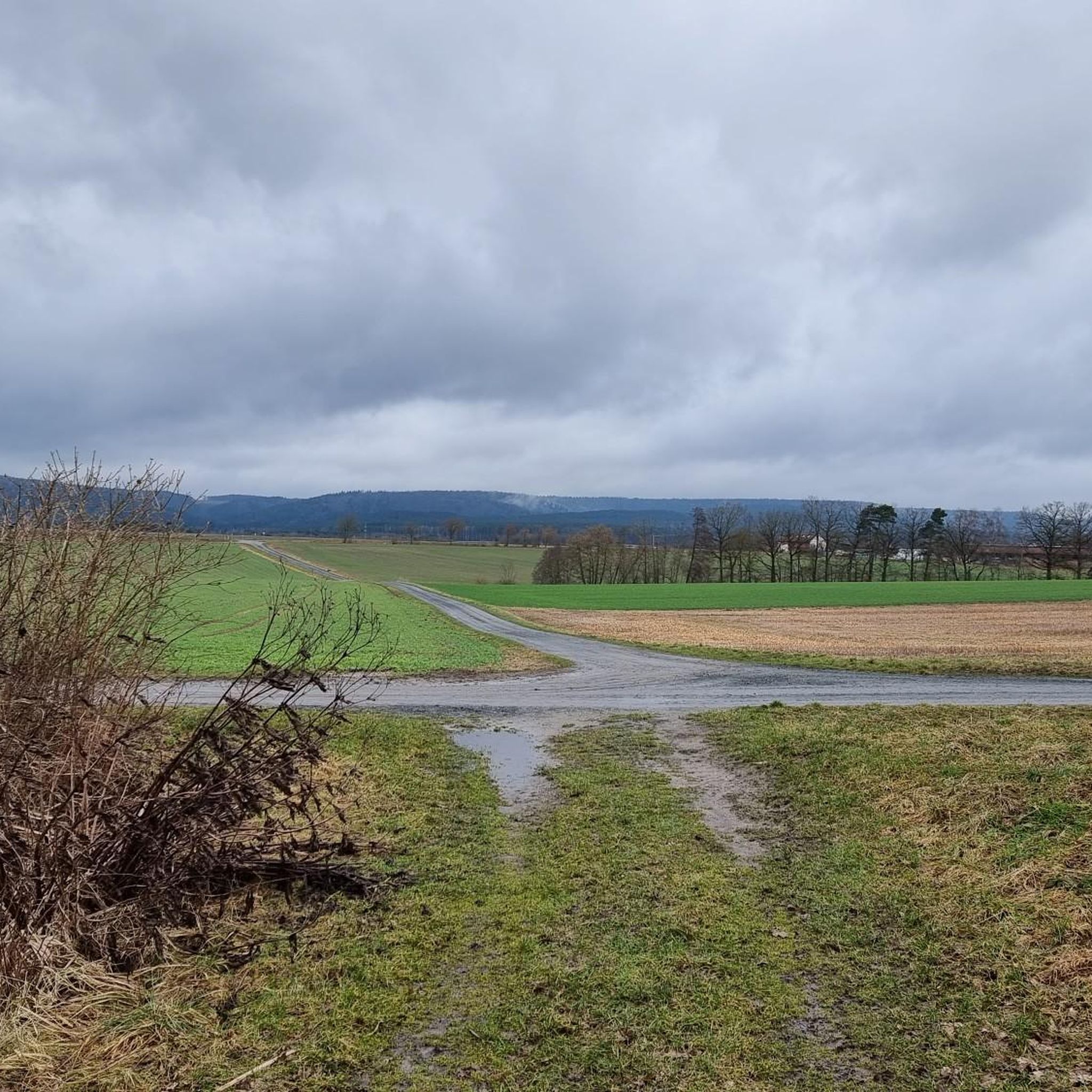
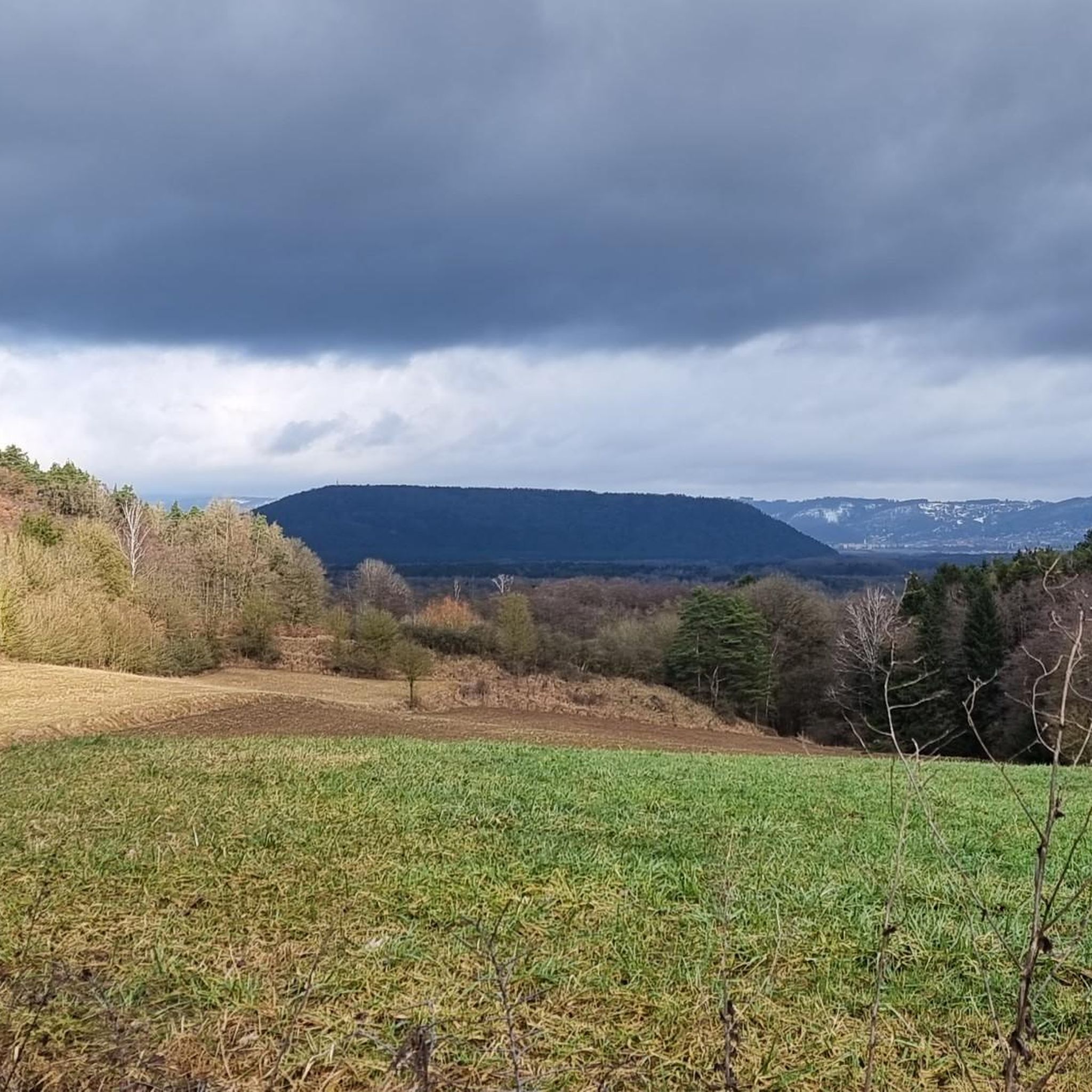
Hiking around Neustadt bei Coburg
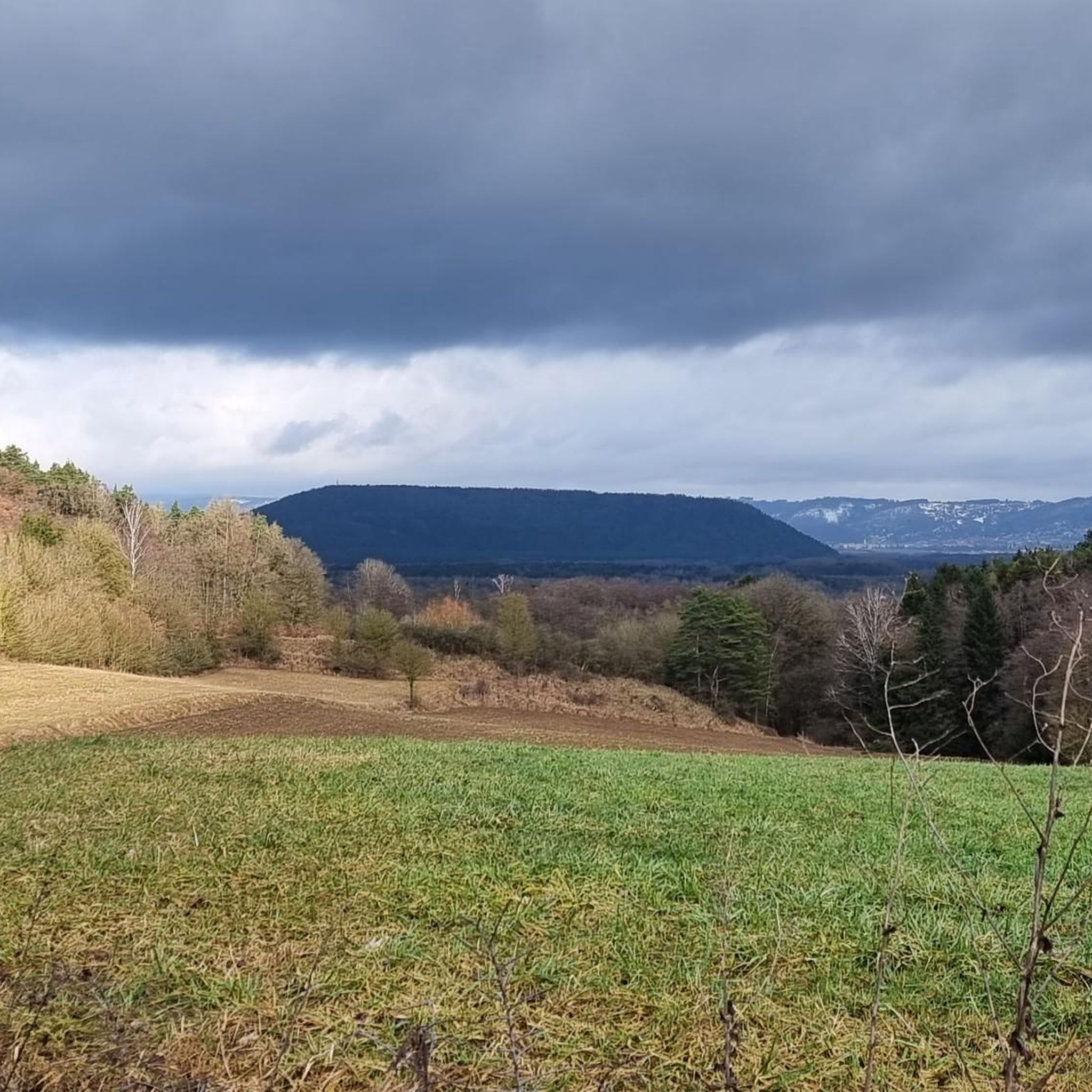
Cycling around Neustadt bei Coburg
Road Cycling Routes around Neustadt bei Coburg
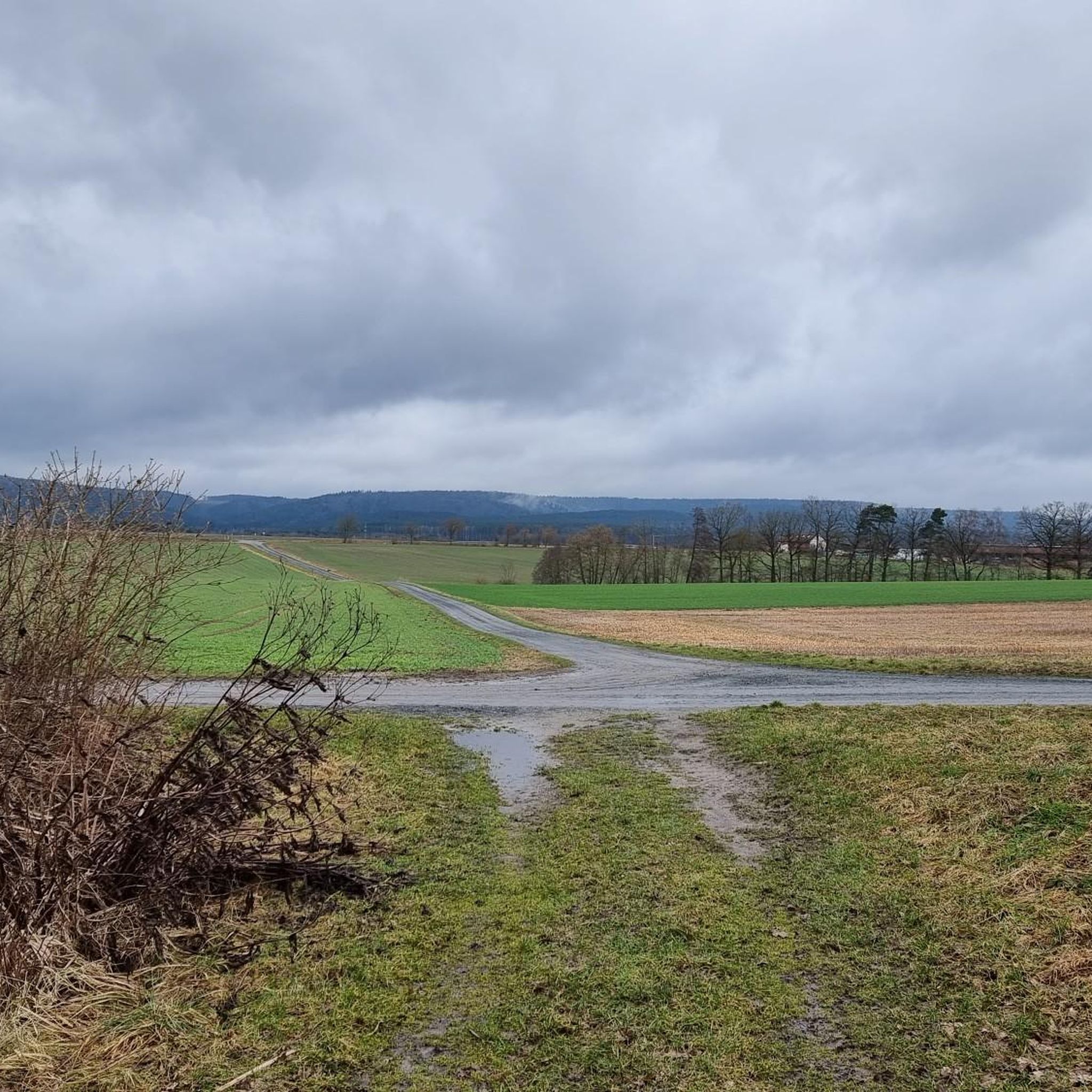
MTB Trails around Neustadt bei Coburg
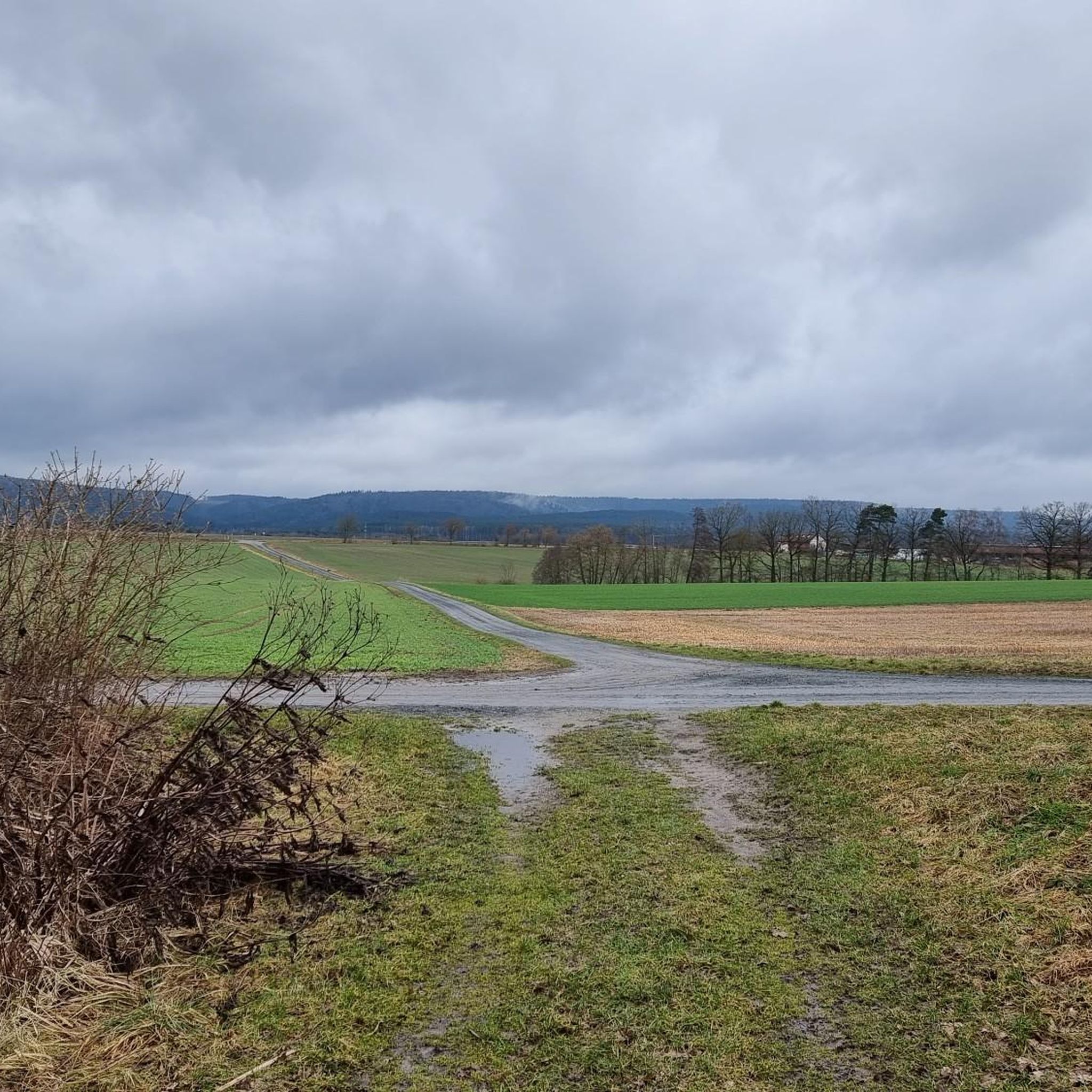
Running Trails around Neustadt bei Coburg
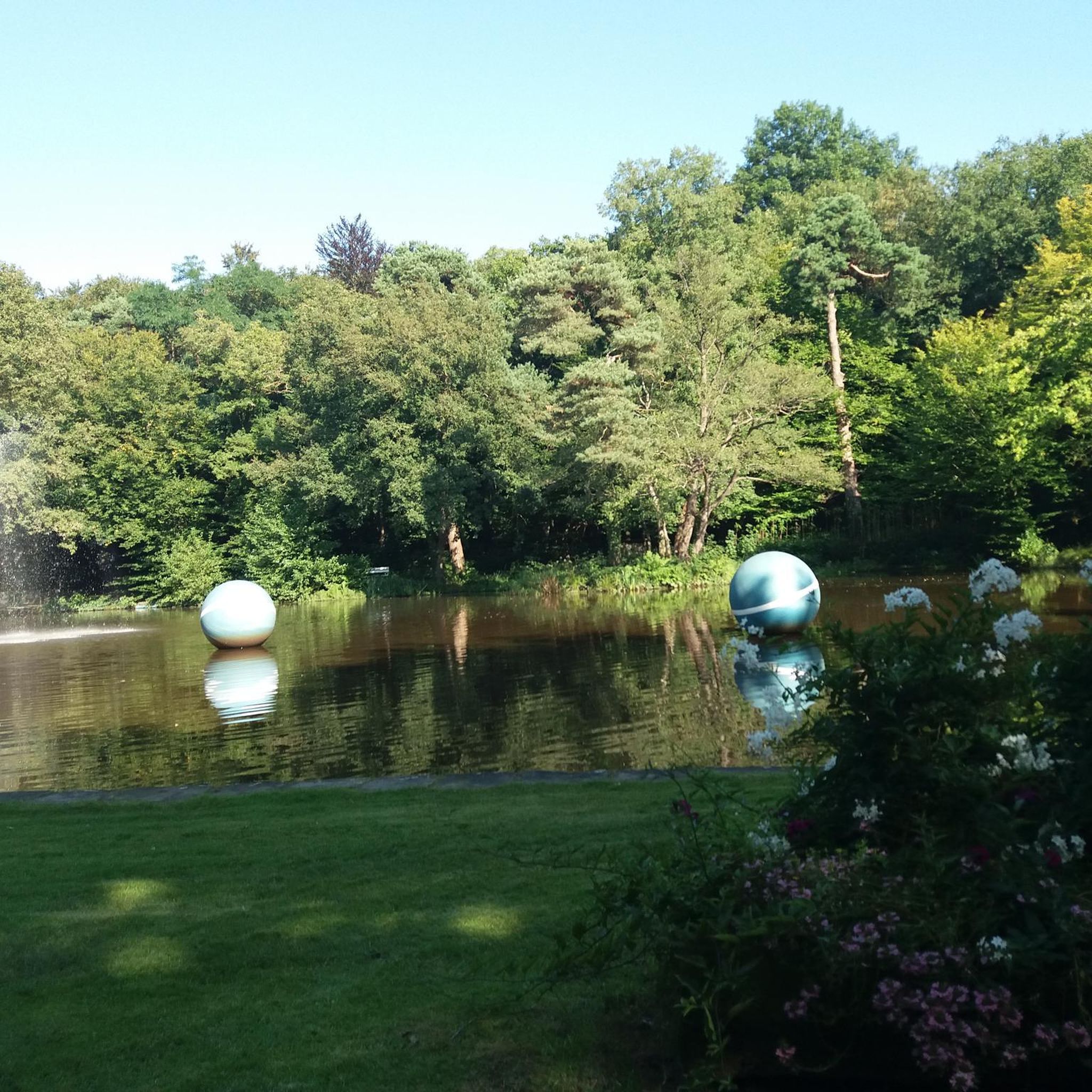
Gravel biking around Neustadt bei Coburg
Other adventures around Neustadt bei Coburg


Tips from the Community


Sensational ... in summer there are trails for hiking and biking
1
0
from here you have a sensational view ... there are paths for hiking and for downhill, if there is snow you can also ski
0
1

A beautiful place in the middle of the city. The concerts in the Coburg summer take place there in a special setting.
11
1

In 1543, Duke Johann Ernst of Saxony decided to move his court from the Veste Coburg down into the city and chose the site of the dissolved Franciscan monastery, along which the city wall ran to the east. The monastery was in the area of the former middle courtyard. Recent research attributes the architectural design to the Saxon architect Nikolaus Gromann.[1] The building shows clear stylistic parallels with the work of Gromann, who may also have been close to the building project in organizational terms as the appointed court architect of Johann Ernst's half-brother, Elector Johann Friedrich. The complex was built until around 1547 under the construction management of Caspar Vischer. A complex was created around two square courtyards, which could be entered from the south via Steingasse.[2] The buildings of the first courtyard with the stair tower, the corner bay window and the dormer windows from this period are still preserved.[3] Between the courtyards was the three-storey princely building, which was accessed via another large stair tower on the north side and had a large hall and a dining room. The palace chapel and other living quarters were located around the second courtyard on the east side, the kitchen on an irregular floor plan to the north and other subordinate rooms to the west. This complex can still be seen with various subordinate extensions on Bieler's floor plan from 1679. It is unclear whether the third courtyard with the stables had already begun in 1543. Only paid craftsmen were employed for the construction and not, as was usual at the time, serf laborers. This special feature is said to have been the reason for the visit of Emperor Charles V in 1547. Charles is said to have given the newly occupied complex the name Ehrenburg on this occasion. The new city palace was inhabited as the residence of a ruling duke until the death of Johann Ernst in 1553 and was then only used extensively.
8
2
The Coburg Castle Square is one of the most remarkable square designs in Bavaria. The spacious square is designed as a forecourt to Ehrenburg Castle and is located in the center of the former royal residence of Coburg. The Castle Square was created under Duke Ernst I from 1825 with the demolition of the eastern houses of Grafengasse and the subsequent demolition of the old commercial and auxiliary buildings of the castle, which were located to the north of it, in 1835. It was created in its current design as a representative square by 1849 in the historical and classicist style with the participation of Karl Friedrich Schinkel and Peter Joseph Lenné. Until the beginning of the First World War, the III. Battalion of the 6th Thuringian Infantry Regiment No. 95, stationed in Coburg, used the Castle Square for its parades. A military band played on Sunday afternoons.[1] In the 1920s, the Castle Square was often a meeting place for demonstrators, such as on Bloody Saturday in Coburg. Today, cars can be parked on the Schlossplatz in the evenings during performances at the State Theater. It is also used as an event space, for example for open-air concerts. The first plans for an underground car park on the Schlossplatz were made in 1977, but in 1988 the highest building authority in Munich did not approve it for cost and monument protection reasons. Source: Wikipedia
11
0

Small quiet place not far from the hut, recommended if you want it a bit quieter
0
0
Frequently Asked Questions
What historical landmarks can I explore in and around Neustadt bei Coburg?
The region is rich in history. You can visit the impressive Coburg Fortress, known as the "Franconian Crown," which houses significant art collections. Also, explore Ehrenburg Palace, a former ducal residence in Coburg. Nearby, you'll find Schloss Rosenau, an early example of Neo-Gothic architecture, and Schloss Mitwitz, a significant moated castle. The Inner German Border Educational Centre offers a historical perspective on Germany's division.
Are there any family-friendly attractions in Neustadt bei Coburg?
Yes, Neustadt bei Coburg offers several family-friendly options. The Museum of the German Toy Industry is a highlight, showcasing the history of toy production and featuring a children's museum with "Santa's workshop." The annual Neustadt Children's Festival in July is also a popular event. For outdoor fun, the Fellberg offers recreational opportunities, and the Villeneuve-sur-Lot Leisure Park provides a great space for families.
Where can I find the best viewpoints for scenic landscapes?
For breathtaking views, head to the Prinzregententurm tower on the Muppberg. From its 516-meter height, you can see across the Thuringian countryside and the Franconian land. The Fellberg summit also offers beautiful panoramic vistas.
What cultural experiences does Neustadt bei Coburg offer?
Neustadt bei Coburg is known for its vibrant cultural scene. Beyond the Museum of the German Toy Industry, the town hosts the International Puppet Festival annually, earning it the nickname "Bavarian Doll Town." The Kultur.werk.stadt venue offers concerts, readings, and exhibitions, while various themed markets and festivals like Swing in the Park and Rock & Classic Open-Air take place throughout the year.
What kind of outdoor activities can I do near Neustadt bei Coburg?
The region is ideal for outdoor enthusiasts. The Muppberg and the surrounding Thuringian Forest offer extensive opportunities for hiking and cycling. You can find detailed routes for various activities, including gravel biking, hiking, and road cycling, by exploring the guides like Gravel biking around Neustadt bei Coburg, Hiking around Neustadt bei Coburg, and Road Cycling Routes around Neustadt bei Coburg.
Are there specific hiking trails recommended for different difficulty levels?
Yes, there are trails for various skill levels. For an easy hike, consider the "World War I Memorial Pavilion – Prinzregententurm loop from Neustadt bei Coburg" (4.9 km). Moderate options include the "Heubischer Ruh – World War I Memorial Pavilion loop" (10 km) or the "View of Blessberg – Wildenheid Pond loop" (12.8 km). You can find more details and routes in the Hiking around Neustadt bei Coburg guide.
What cycling routes are available in the area?
Neustadt bei Coburg is well-connected with cycling paths. The "Iron Curtain Trail" (European cycle path no. 13) passes through the town. For specific routes, you can explore options like the "Itz Bridge – Röden Cycle Path loop" (26.3 km, moderate) for gravel biking, or the "Froschgrundsee Reservoir – ICE Bridge at Froschgrundsee loop" (51.7 km, moderate) for road cycling. More routes are available in the dedicated cycling guides.
What natural features define the landscape around Neustadt bei Coburg?
The town is situated at the southwestern foothills of the Thuringian Forest, offering a scenic backdrop. The Muppberg, a 516-meter high local mountain, is a prominent natural feature and a popular recreational area. The Green Belt Thuringia, following the former inner-German border, is a National Natural Monument offering unique hiking experiences.
Are there any unique sculptures or art installations in the town center?
Yes, Neustadt bei Coburg features several distinctive art installations. You can discover the bold limestone sculpture "Männlicher Akt" and the "Elwetritschen-Brunnen" fountain downtown, which blends art with local folklore. Other notable pieces include the Kunigunde and De Werth sculptures, the Hambacher Vorbotin, and the Zeitraum Spirale.
What do visitors enjoy most about the attractions in Neustadt bei Coburg?
Visitors particularly appreciate the blend of history, culture, and natural beauty. The historical significance of places like Coburg Fortress and the vibrant atmosphere of Coburg Market Square are highly rated. The scenic views from summits like Fellberg and the diverse outdoor activities available in the Thuringian Forest are also major draws.
What is the best time of year to visit Neustadt bei Coburg for outdoor activities?
Spring, summer, and early autumn are generally ideal for outdoor activities like hiking and cycling, when the weather is mild and the natural landscapes are at their most vibrant. The region also offers winter activities such as skiing and cross-country skiing on the Fellberg, making it a year-round destination depending on your interests.
Are there any historical sites related to the former inner-German border?
Yes, the Inner German Border Educational Centre provides documentation and insights into the division of Germany. Additionally, the Green Belt Thuringia, a National Natural Monument, follows the former inner-German border path and serves as a vibrant memorial landscape for hiking, offering a unique historical and natural experience.
Most popular routes around Neustadt bei Coburg
Most popular attractions around Neustadt bei Coburg

Get inspired with the komoot mobile app


Explore more
Still not found the Highlight you’re looking for? See guides of the top attractions in other regions:
