Attractions and Places To See in México - Top 20
Best attractions and places to see in México encompass a diverse landscape, from ancient archaeological sites to towering volcanic summits. The country is rich in cultural heritage, featuring pre-Hispanic cities and colonial architecture. Its varied geography includes significant natural features, offering a wide range of outdoor experiences. This region provides numerous opportunities for exploration and discovery.
Best attractions and places to see in México
- The most popular attractions is Teotihuacan, a historical site that is a massive archaeological complex…
Last updated: May 6, 2026
Nevado de Toluca Summit
Highlight • Summit
Tip by

Teotihuacan
Highlight • Historical Site
Tip by
Sign up now to discover places like this
Get recommendations on the best single tracks, peaks, & plenty of other exciting outdoor places.
Sign up for free
Avenue of the Dead (Calzada de los Muertos)
Highlight • Historical Site
Tip by
Cerro Tláloc Summit and Archaeological Site
Highlight • Summit
Tip by
Pyramid of the Sun, Teotihuacán
Highlight • Historical Site
Tip by
Main Square of Tenango del Aire
Highlight • Settlement
Translated by Google •
Tip by

Paso de Cortés Monument
Highlight • Monument
Translated by Google •
Tip by
Luneros Night Ride
Highlight (Segment) • Cycleway
Translated by Google •
Tip by

Las Plumas Mountain Hut
Highlight • Mountain Hut
Tip by
Portales 20 de Noviembre
Highlight • Settlement
Translated by Google •
Tip by
Sign up for free to discover even more attractions in México.
Sign up for free
Already have an account?
Start today with a free account
Your next adventure awaits.
Login or Signup


Other adventures in México

Tips from the Community

Teotihuacan is definitely worth a visit.
0
0
A truly magnificent complex. The Pyramid of the Sun, the Pyramid of the Moon, and many more. The steps are quite challenging; you have to pay close attention, especially when descending.
0
0

A monument depicting the passage of Spanish conquistador Hernán Cortés into the Valley of Mexico in 1520, mounted on a roundabout that provides access in several directions: Tlamacas (closed since the 1990s), Izta-Popo Refuge, Xalitzintla, Iztaccíhuatl, and San Pedro Nexapa. Its now-classic "Paso de Cortés" sign is a place where you can take a souvenir photo (of the achievement), which is currently obscure due to the countless stickers pasted by people from various cycling, motorcycling, mountaineering, and other clubs. Here, in addition to the beautiful view, you'll also find plenty of food on weekends; during the week, it's difficult to find supplies. The cold is usually very high, so always be prepared for the changes in mountain weather.
3
0
A good route for training and exploring. The climb toward Juchitepec is very good, or if you prefer the easy exit, the downhill route toward Temamantla or Cocotitlán, and from there, a flat route to Chalco. There are more climbs if you return toward Amecameca. It all depends on where you started your ride. Those of us coming from Xochimilco face more climbs. The pavement is in poor condition, but without so many potholes, the vibration from your handlebars won't stop for several kilometers. The view of the volcanoes is wonderful. The effort against the wind will be another challenge that adds to the effort. There are many places to refuel. It's a well-traveled route, and you'll find many cyclists along the way. The central plaza is pretty and well-maintained, with its flowerbeds, the clock tower, statues, and its kiosk.
3
0
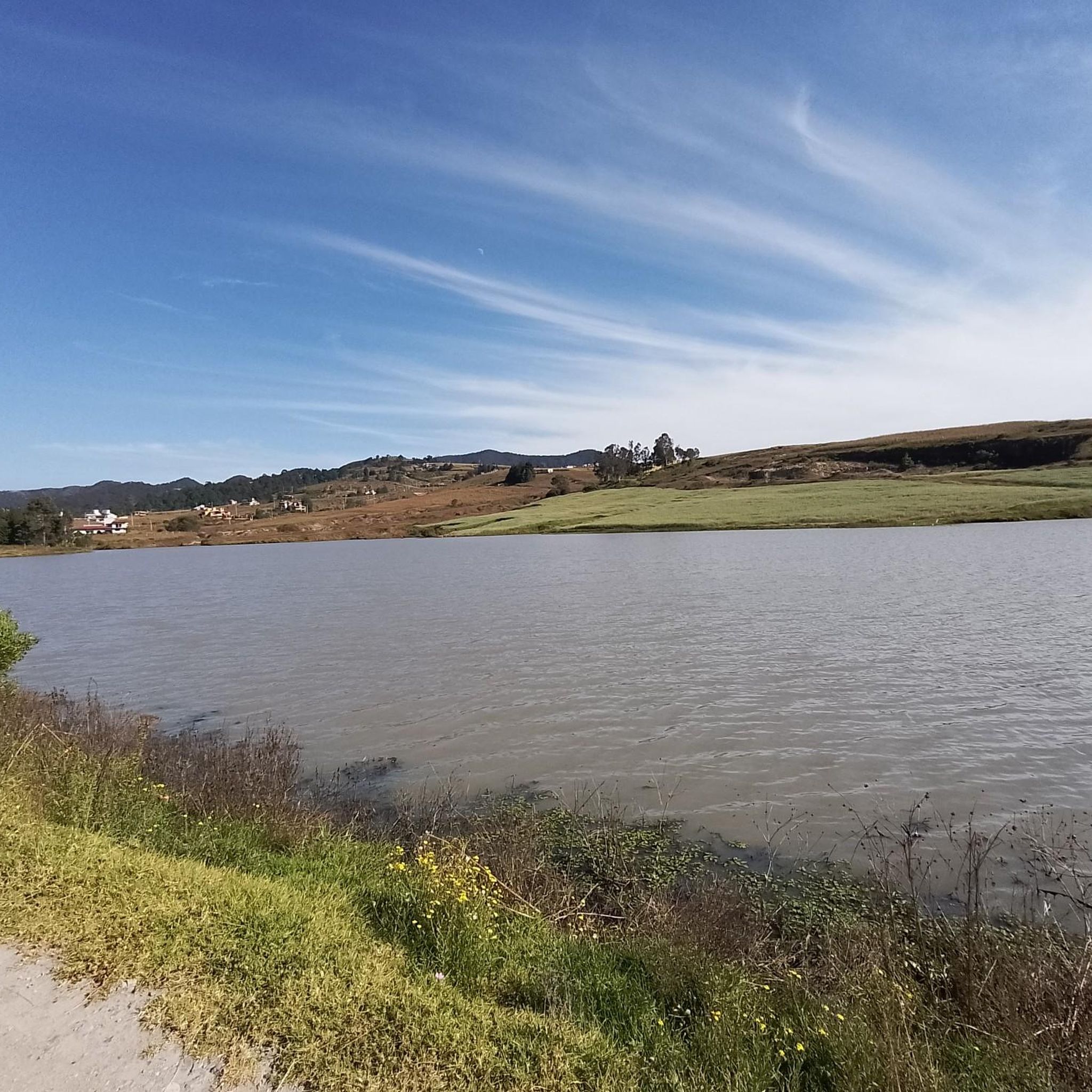
A wonderful place to visit, it's currently easier to access by vehicle (to a certain extent) and with parking. However, if you're someone who enjoys climbing mountains over 4,000 meters from the bottom, I'm sure you'll love the challenge. Don't forget that these are mountains, and weather changes can happen at unexpected times, so it's best to be prepared for anything, bringing hydration and food necessary for the effort and the weather. In the craters, you'll find two bodies of fresh water that form the Laguna del Sol and Laguna de la Luna. In the 1990s, you could dive at altitude in the icy waters. Visibility is very low, so it was done with instruments and good orientation, a dry suit, or a wetsuit for icy waters. Currently, only research personnel can do so with a special permit, as it is an ecological and archaeological reserve. Admission is fee-based, and on weekends, it's very crowded, so be patient and always respect the place. Leave it better than you found it, and enjoy! You can also get there by gravel bike or mountain bike, but achieving this requires good training due to the incline and altitude. Always remember: Respect the Mountain.
2
0

Today you are no longer allowed to climb the pyramids
0
0
Today you are no longer allowed to climb the pyramids
0
0
Today, it is no longer possible to climb the pyramids. The risk of accidents is too high
0
0
Frequently Asked Questions
What are some significant historical sites to visit in México?
Beyond the well-known Teotihuacan, México offers a wealth of ancient wonders. Explore the dramatic cliffside ruins of Tulum overlooking the Caribbean Sea, the intricate carvings of Palenque hidden in the Chiapas jungle, or the impressive Zapotec site of Monte Albán with panoramic views of the Oaxaca valley. In Mexico City, the Zócalo, with its Metropolitan Cathedral and the ruins of Templo Mayor, provides a glimpse into both pre-Hispanic and colonial history.
What natural wonders and outdoor adventures can I experience in México?
México is rich in natural beauty. You can challenge yourself with a climb to the Nevado de Toluca Summit, a volcano offering stunning lakes and views. The Yucatán Peninsula is famous for its unique cenotes like Ik Kil and Dos Ojos, perfect for swimming and snorkeling. Further afield, the Copper Canyon in Chihuahua offers breathtaking vistas, while Sumidero Canyon in Chiapas provides boat tours to see towering cliffs and wildlife. Don't miss Hierve el Agua in Oaxaca, with its petrified waterfalls and natural infinity pools.
Are there family-friendly attractions in México?
Yes, many attractions cater to families. The Pyramid of the Sun at Teotihuacán is a fascinating historical site for all ages, though climbing is no longer permitted. The Main Square of Tenango del Aire and Portales 20 de Noviembre are settlements listed as family-friendly. The vibrant canals of Xochimilco near Mexico City offer colorful boat rides, and many coastal areas like Isla Mujeres provide relaxed beach experiences suitable for families.
What hiking opportunities are available near these attractions?
Near many of México's attractions, you'll find excellent hiking trails. For instance, around Teotihuacan, you can find easy loops like the Pyramid of the Moon – Palace of Quetzalpapálotl. The Nevado de Toluca Summit offers moderate to difficult hikes, including a loop from the Nevado de Toluca parking area. For more options, explore the diverse trails listed in the Hiking in México guide.
What is the best time of year to visit attractions in México?
The best time to visit most of México's attractions is generally during the dry season, from November to April. This period offers pleasant temperatures and less rainfall, making it ideal for exploring archaeological sites and enjoying outdoor activities. If you're interested in seeing the Monarch Butterfly Biosphere Reserve, plan your visit between November and March when millions of butterflies migrate there.
What should I wear when visiting archaeological sites in México?
When visiting archaeological sites like Teotihuacan or Tulum, it's advisable to wear comfortable walking shoes, as you'll be doing a lot of walking on uneven surfaces. Light, breathable clothing is recommended, along with a hat, sunglasses, and sunscreen to protect against the sun. Bringing a reusable water bottle is also a good idea to stay hydrated.
Are there cultural experiences beyond ancient ruins in México?
Absolutely. México's cultural heritage is vibrant and diverse. Explore the colonial charm of San Miguel de Allende and Guanajuato City, both UNESCO World Heritage Sites known for their architecture and artistic scenes. Oaxaca City offers rich indigenous traditions and renowned cuisine. In Mexico City, visit the Frida Kahlo Museum (Casa Azul) or the Palacio de Bellas Artes for art and cultural performances. The town of Tequila in Jalisco is the birthplace of the famous spirit, offering distillery tours.
Can I find opportunities for wildlife viewing near attractions?
Yes, México offers several opportunities for wildlife viewing. Boat tours through Sumidero Canyon in Chiapas allow you to spot crocodiles and various bird species. The Monarch Butterfly Biosphere Reserve in Michoacán is a spectacular site for observing millions of monarch butterflies during their migration. The Islas Marietas in Nayarit are known for their diverse marine life and bird populations, including the blue-footed booby.
What cycling routes are available near the attractions?
For cycling enthusiasts, México offers a variety of routes. You can find challenging road cycling routes like the Iturbide Dam – Valle de las Palomas loop or the Calzada Flotante Chapultepec – Petroleum Fountain loop. There are also intermediate options such as the Luneros Night Ride. For more detailed information and routes, refer to the Road Cycling Routes in México guide.
Are there any waterfall hikes in México?
Yes, México features beautiful waterfall hikes. Near Tlalmanalco, you can find the moderate Dos Aguas Waterfall – Calm Stream loop. Another option is the Apatlaco River Waterfall – Paso de Cortés loop. These trails offer a chance to experience México's lush natural landscapes and refreshing cascades. Discover more options in the Waterfall hikes in México guide.
What are some accessible attractions for seniors or those with mobility challenges in México?
While specific accessibility details vary, many major sites have made efforts to improve access. In Mexico City, the Zócalo and surrounding areas are generally flat and walkable. Museums like the Frida Kahlo Museum often have accessible sections. For archaeological sites, while some areas may be challenging, the main pathways at sites like Teotihuacan can be navigated, though climbing pyramids is restricted. It's always recommended to check specific site conditions beforehand.
Most popular routes in México
Most popular attractions in México

Get inspired with the komoot mobile app


Didn’t find what you were looking for?
Are you keen on exploring more awesome places nearby? Browse our guides:
Explore more
Still not found the Highlight you’re looking for? See guides of the top attractions in other regions:
