The best walks and hikes in La Romana
3.4
(11)
142
hikers
7
hikes
Hiking in La Romana offers diverse natural landscapes, from lush tropical forests to dramatic river gorges and coastal areas. The region is characterized by its varied terrain, including gentle coastal paths and routes through protected parklands. Hikers can explore areas featuring limestone formations and verdant vegetation. These natural features provide a range of experiences for outdoor enthusiasts.
Best hiking trails in La Romana
- The most popular hiking route is Baseball Stadium – Obelisk of Bayahibe loop from La Romana,…
Last updated: July 29, 2026
3.7
(6)
44
hikers
Easy hike. Great for any fitness level. Easily-accessible paths. Suitable for all skill levels.
7
hikers
Easy hike. Great for any fitness level. Easily-accessible paths. Suitable for all skill levels.

Sign up for free
1
hikers
19.8km
05:08
120m
120m
Hard hike. Very good fitness required. Easily-accessible paths. Suitable for all skill levels.
2
hikers
11.7km
03:04
90m
90m
Moderate hike. Good fitness required. Easily-accessible paths. Suitable for all skill levels.
10
hikers
3.17km
00:48
0m
0m
Easy hike. Great for any fitness level. Easily-accessible paths. Suitable for all skill levels.
5
hikers
Easy hike. Great for any fitness level. Easily-accessible paths. Suitable for all skill levels.
Our route recommendations are based on thousands of hikes, rides, and runs completed by other people on komoot.
Start today with a free account
Your next adventure awaits.
Login or Signup
Popular around La Romana

Tips from the Community

Construction period: Construction began in 1976 and was completed in 1982. * Vision: The idea originated from Charles Bluhdorn (former head of Gulf+Western). It was designed by Italian film architect Roberto Coppa, who ensured that every detail – from the cobblestone alleys to the hand-hewn stone walls – looked authentic. * Material: Almost everything was handcrafted from local coral stone and wood by local artisans.
0
0
Altos de Chavón is a fascinating "artist village" in the Dominican Republic, often cited as one of the most impressive architectural highlights in the Caribbean. Although it looks like a centuries-old European village, it hides an exciting, more modern story behind it. Here is an overview of what makes this place so special: 1. The Architecture and Creation Altos de Chavón is a detailed replica of a 16th-century Mediterranean village.
0
0
Very nice facility
0
0
Nicely laid out park
1
0
The building is the seat of the city administration. It is a striking architectural landmark of the region.
1
0
Monument of Juan Pablo Duarte He is considered one of the founding fathers of the Dominican Republic and the main architect of the country's independence. The monument is located in the central park, which was named Parque Central Duarte in his honor.
1
0
La Romana is a major port city in the southeast of the Dominican Republic (approx. 153,000 - 190,000 inhabitants), known for its sugar cane industry and tourism. Due to its location in the southeast of the Dominican Republic, La Romana is an ideal starting and ending point for Caribbean cruises, especially to the east and south. Jamaica to the west is about 900 km away. The La Romana International Airport is approximately 8 km away. Near the city is the private settlement of Casa de Campo, where many celebrities own a villa. The crime rate throughout the country is very high. Robberies, often by perpetrators on chainsaws, occur. Valuables should not be worn openly.
2
0
This is the Obelisco de La Romana, a well-known monument in the Dominican Republic. The monument is covered with colorful murals depicting scenes from Dominican life, such as musicians and dancers.
2
0
Frequently Asked Questions
How many hiking trails are available in La Romana?
La Romana offers a variety of hiking trails, with 7 routes currently listed on komoot. These include 5 easy routes, 1 moderate route, and 1 difficult route, catering to different fitness levels and preferences.
What kind of landscapes and natural features can I expect to see while hiking in La Romana?
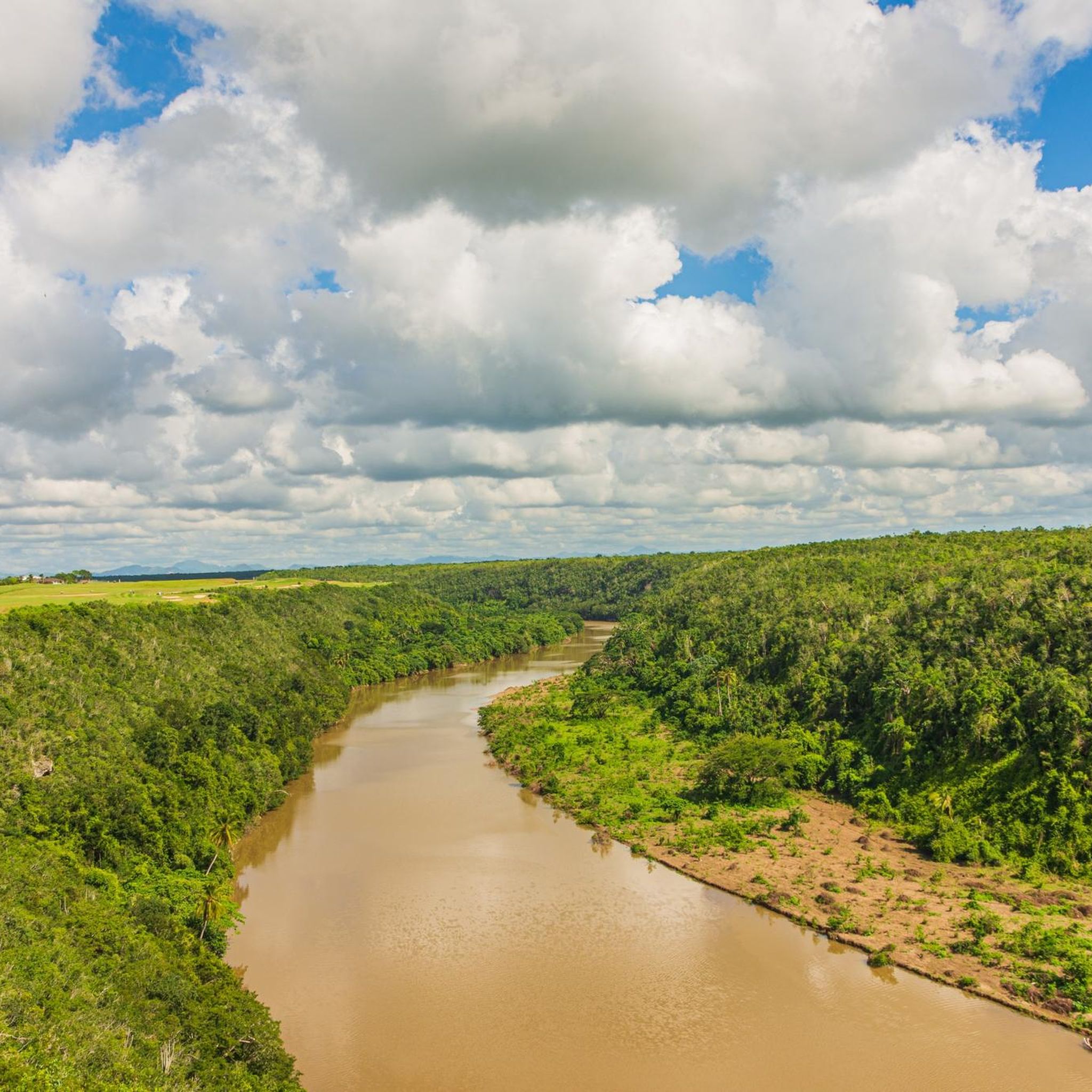
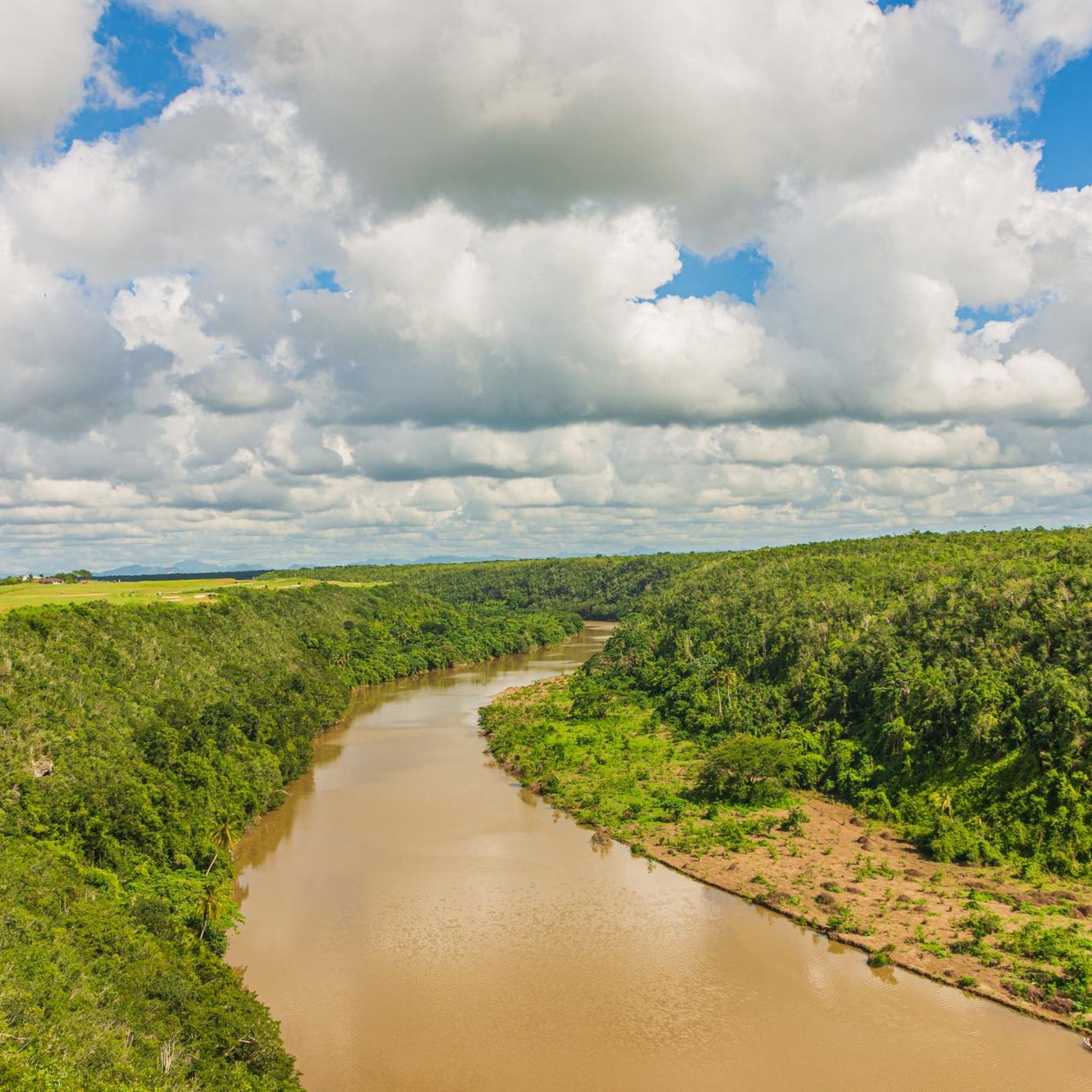
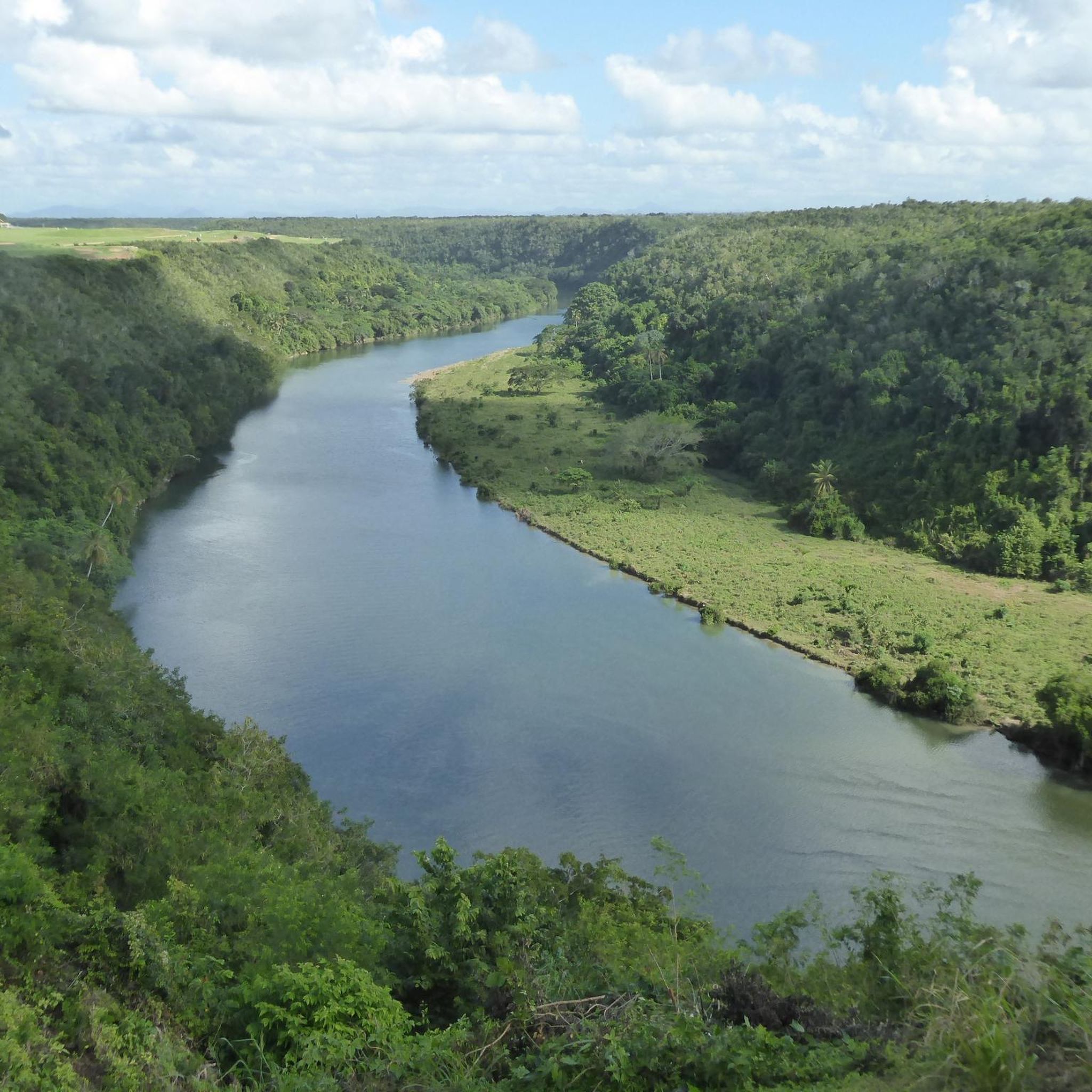
Hiking in La Romana provides diverse scenery. You can explore the lush tropical and subtropical forests of Cotubanamá National Park, discover hidden caves and subterranean lagoons, or hike along the dramatic gorge of the Chavón River. The region also features coastal paths and pristine beaches, offering a blend of inland and seaside exploration.
Are there any family-friendly hiking options in La Romana?
Yes, La Romana has several easy trails suitable for families. For instance, the Bayahibe Harbor – Bayahibe Sign loop from Bayahíbe is an easy, shorter route that offers pleasant coastal views without significant elevation changes, making it ideal for a family outing.
Can I hike with my dog in La Romana?
While some areas may permit dogs, it's important to check specific regulations, especially for protected areas like Cotubanamá National Park, which often have strict rules regarding pets to protect local wildlife. For general trails, always ensure your dog is leashed and that you clean up after them. It's advisable to confirm local policies before heading out with your pet.
Do I need a permit to hike in Cotubanamá National Park?
Yes, Cotubanamá National Park, being a protected area, typically requires an entrance fee or permit. It's recommended to check the official park website or local tourism offices for the most current information on entry requirements and any necessary bookings before your visit. You can find more information about the park at visitdominicanrepublic.com.
Are there any circular hiking routes in La Romana?
Yes, many of the trails in La Romana are designed as loops, allowing you to start and end at the same point. An example is the Baseball Stadium – Obelisk of Bayahibe loop from La Romana, which is an easy 6 km route that takes about 1 hour 33 minutes to complete.
What kind of terrain should I expect on the hiking trails?
The terrain in La Romana varies significantly. You can find relatively flat coastal paths, such as those near the Dominicus Beach area, as well as more rugged trails through tropical forests with some elevation changes, particularly within Cotubanamá National Park. Some routes may also feature limestone formations and paths along river gorges.
When is the best time of year to go hiking in La Romana?
The dry season, generally from December to April, is often considered the best time for hiking in La Romana. During these months, the weather is typically cooler and less humid, with lower chances of rain, making for more comfortable hiking conditions. The rainy season, from May to November, can bring higher humidity and occasional heavy downpours.
Are there any unique natural features or cultural attractions to explore along the trails?
Absolutely. Within Cotubanamá National Park, you can discover ancient Taíno petroglyphs and pictographs in caves like Sendero Padre Nuestro and Cueva del Puente. For a cultural experience, the Altos de Chavón Village, a meticulously recreated 16th-century Mediterranean village, offers stunning views of the Chavón River gorge and unique architecture. You can explore this area on routes like the Altos de Chavón Village – Altos de Chavón loop from Casa de Campo.
What do other hikers enjoy most about hiking in La Romana?
The hiking routes in La Romana are highly rated by the komoot community, with an average score of 3.4 stars from over 10 reviews. Hikers often praise the diverse natural landscapes, from the dramatic river gorges to the serene coastal paths, and the opportunity to explore unique cultural landmarks like Altos de Chavón.
Are there options for challenging hikes in La Romana?
Yes, for those seeking a more challenging experience, La Romana offers longer routes. The La Romana Cruise Terminal Sign – La Romana Cruise Terminal loop from La Romana is a difficult 23.9 km trail that typically takes over 6 hours to complete, providing a substantial workout through coastal areas.
How can I get to the trailheads, and is parking available?
Access to trailheads varies. For routes near urban centers or popular attractions like Altos de Chavón, parking is generally available. For trails within Cotubanamá National Park, designated parking areas are usually provided at park entrances. Public transportation options might be limited for some remote trailheads, so private transport or taxis may be necessary for certain starting points.
Most popular attractions in La Romana

Get inspired with the komoot mobile app


Didn’t find what you were looking for?
Check out more Hikes throughout La Romana below and find the perfect route in your destination.
Explore more
Browse the best Hikes in other regions.
