Top 16 Castles around Wörth am Rhein
Best castles around Wörth am Rhein are found in the Rhineland-Palatinate region of Germany, a town known for its historical significance. While Wörth am Rhein itself features the Altes Rathaus, traditional castles are more prevalent in the surrounding areas. The region benefits from its proximity to Alsace in France and other parts of Germany, which are rich in historical structures. These areas offer a variety of historical sites for exploration.
Best castles around Wörth am Rhein
- The most popular castles…
Last updated: July 20, 2026
Karlsruhe Palace
Highlight • Castle
Translated by Google •
Tip by

Bad Bergzabern Castle
Highlight • Castle
Translated by Google •
Tip by

Sign up now to discover places like this
Get recommendations on the best single tracks, peaks, & plenty of other exciting outdoor places.
Sign up for free
Castle Square
Highlight • Monument
Translated by Google •
Tip by

Gottesaue Palace
Highlight • Castle
Translated by Google •
Tip by

Castle garden
Highlight • Castle
Translated by Google •
Tip by

Sign up for free to discover even more castles around Wörth am Rhein.
Sign up for free
Already have an account?
Start today with a free account
Your next adventure awaits.
Login or Signup
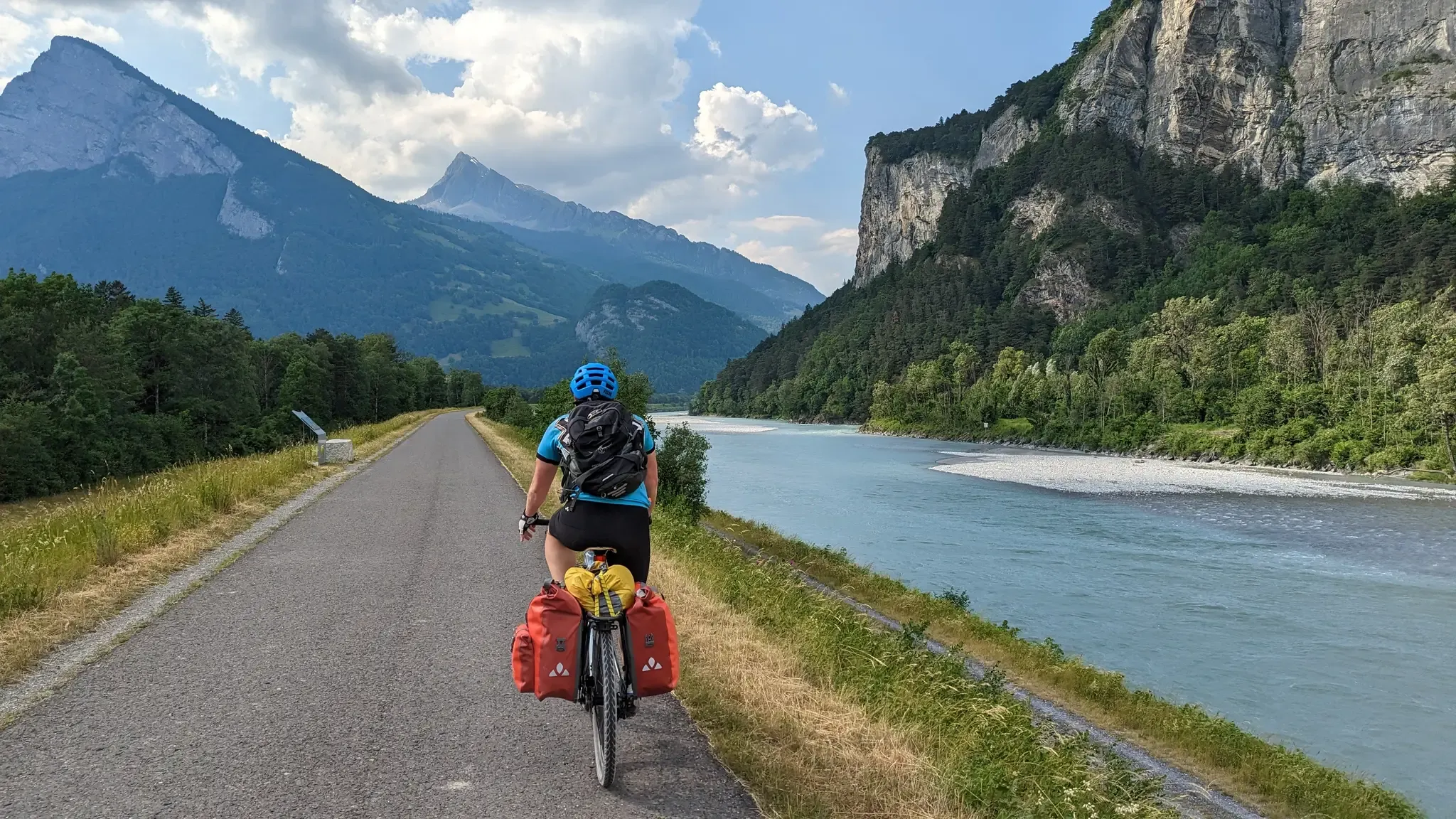
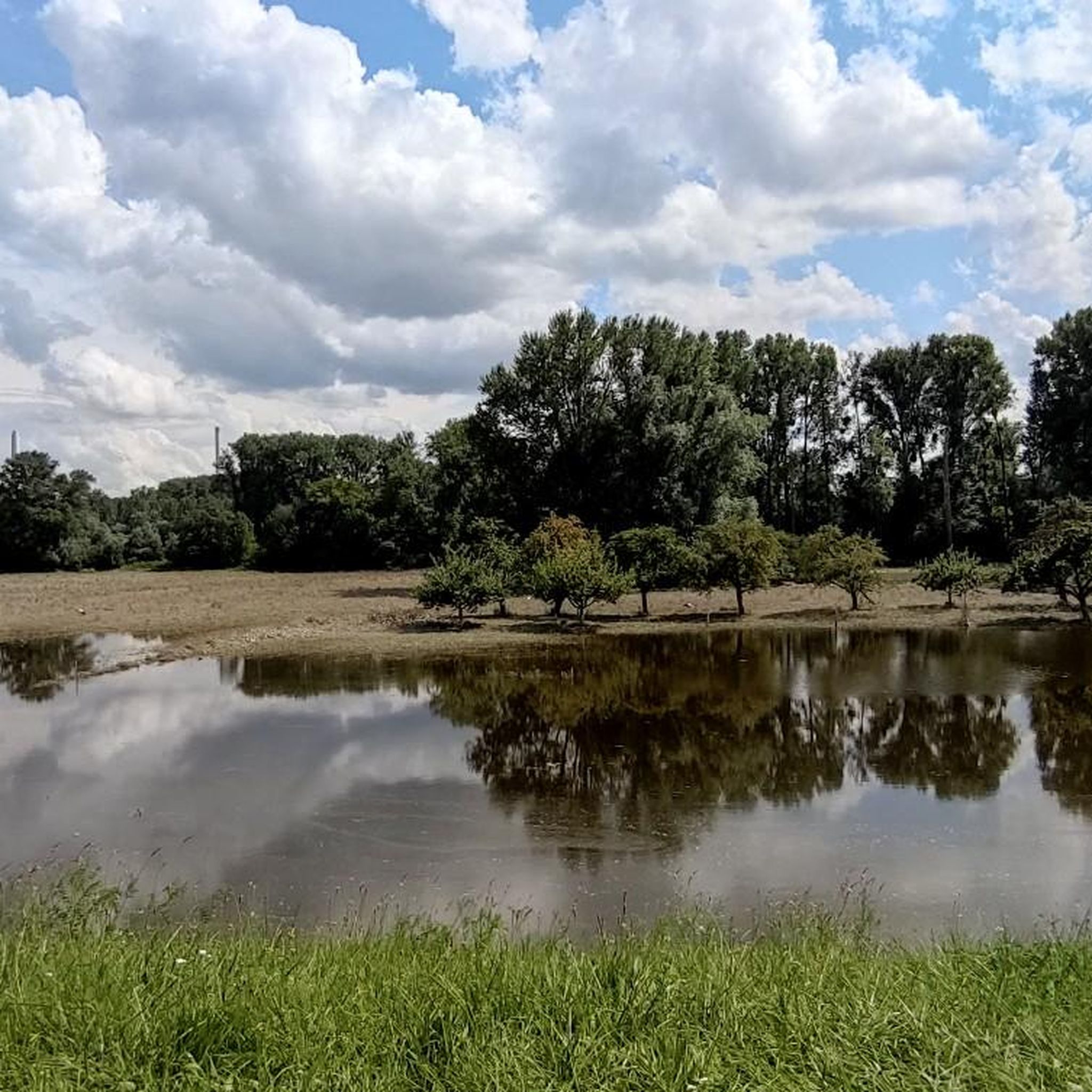
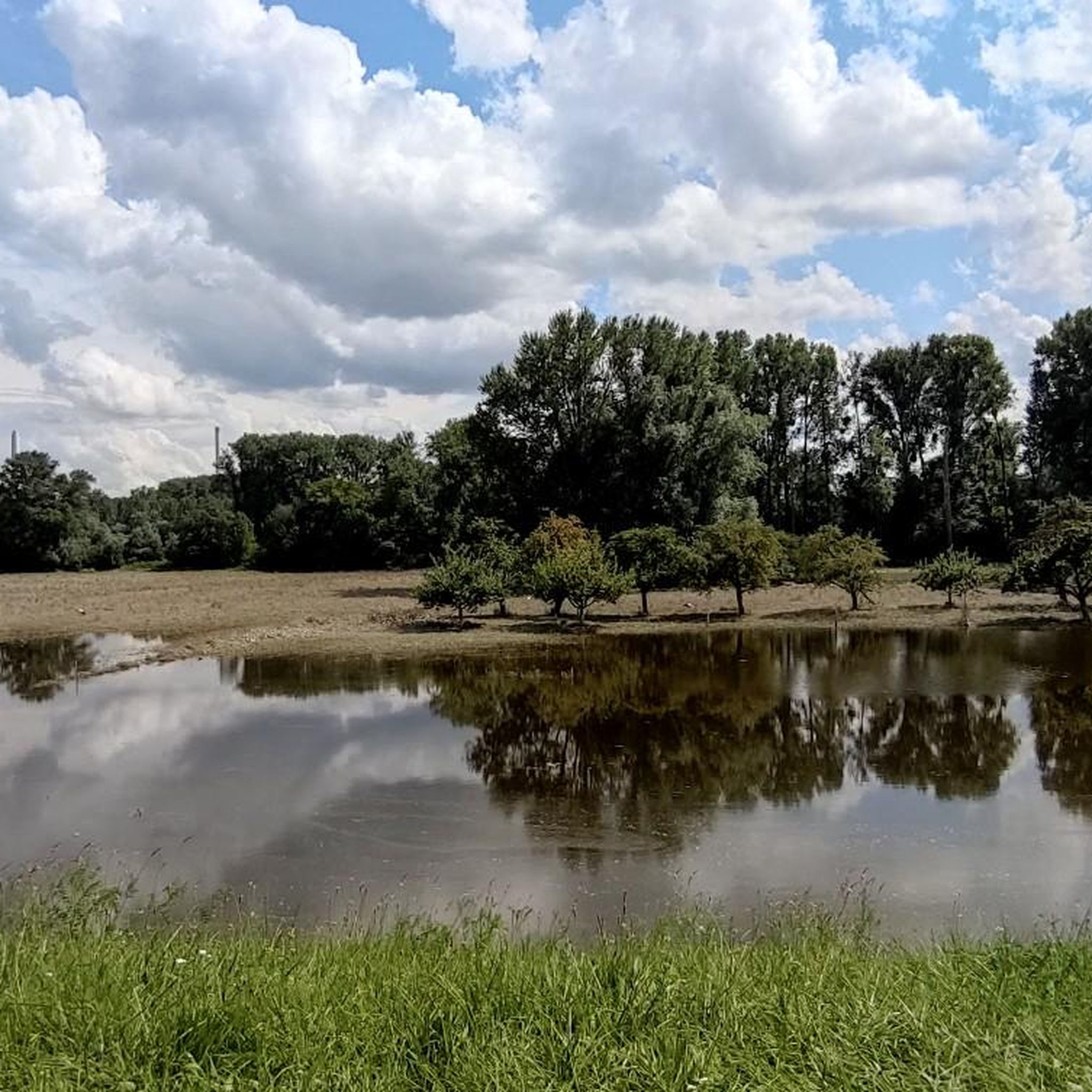
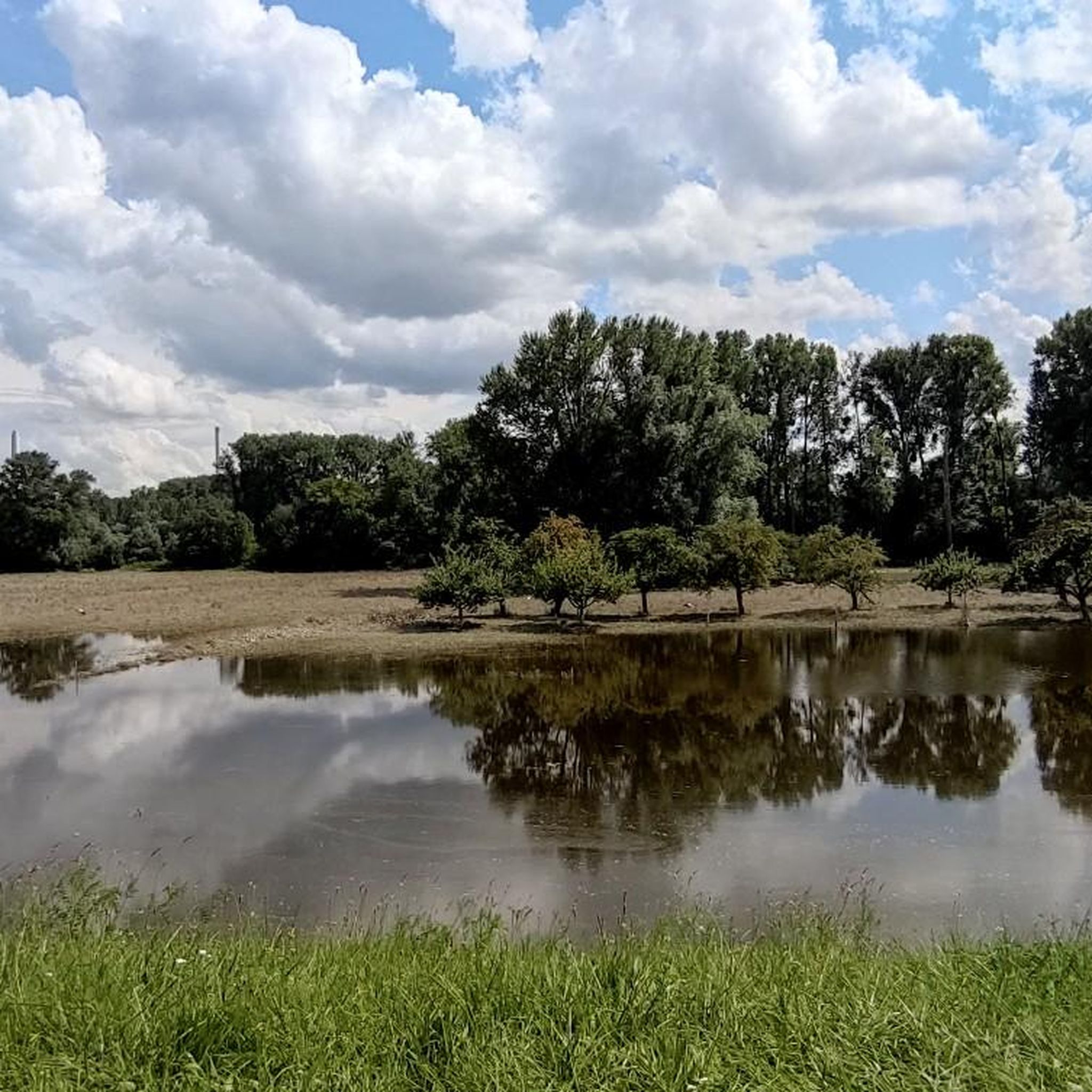
Other adventures around Wörth am Rhein

Tips from the Community

Beautiful view of Schloss Gottesaue, which houses the University of Music.
6
0
The Schlossgarten in Karlsruhe is a huge park in the style of an English landscape park with plenty of greenery, located directly north of the palace. Here you'll find large meadows, playgrounds, a lake, the Schlossgartenbahn (castle garden railway), and a very lively and relaxed atmosphere.
12
0

In the Peasants' War of 1525, the castle in Bergzabern, which was first mentioned in 1333, was plundered and burned down. In the years up to 1532, the destroyed castle was rebuilt as a fortified palace on the same site. The south building was built first, founded on oak piles because of the swampy ground: called the Ludwigsbau after its builder, Ludwig the Black of Palatinate-Zweibrücken. The two round towers in the west and east served to house cannons, and the living and utility rooms were on the two upper floors. The complex was protected by a moat; a connection to the city wall is likely, but cannot be reconstructed today. The Wolfgangsbau was built between 1561 and 1579, a three-wing extension that adjoined the Ludwigsbau to the north. Begun under Duke Wolfgang, the Wolfgangsbau was completed under his son Johann I. The outstanding architectural feature is the giant gate in the Renaissance style. The castle was plundered during the Thirty Years' War. On February 20, 1676, French raiding parties from the Philippsburg fortress burned down the castle and destroyed parts of the town. In 1704, the building had no roof, and the cellars under the Ludwigsbau and the east wing of the Wolfgangsbau were used primarily. From 1720 to 1725, the castle was rebuilt under the direction of the Swedish-Zweibrücken chief building director Jonas Ericson Sundahl and inventory for the living quarters was purchased. In 1728, the castle was habitable again. A high point in the history of the town and castle of Bergzabern was the years 1744 to 1774, when the widow of Christian III, Duchess Caroline of Palatinate-Zweibrücken, had her widow's residence in the castle. The castle suffered damage during the French Revolution as a symbol of the defeat of feudal rule. It was confiscated as national property and subsequently sold on to private individuals in sections. In 1909, the castle burned down completely. The roof structure and interior furnishings in particular were destroyed. Damage occurred again in the Second World War, especially to the giant gate. The building was completely renovated in 1982-1984, and the Bad Bergzabern municipality moved its administrative offices into the castle. Source: https://www.vg-bad-bergzabern.de/slider/schloss/
8
1

It's hard to believe that this was once a castle with a moat and defensive walls. Definitely a gem in this city.
6
1

The monument honors Grand Duke Karl Friedrich (1728-1811), who was a pioneer of his time with his long reign of 65 years and his reform efforts.
9
0

The baroque castle was largely rebuilt between 1955 and 1966 after it was destroyed in World War II. Today it houses the State Museum. The 165 steps of the 42-meter-high tower lead to the viewing platform, from which you have a magnificent view of the Palatinate Forest and parts of the Black Forest.
13
0

In 1094 the Benedictine Abbey Gottesaue was founded by Count Berthold von Hohenberg. The monastery was looted and damaged by fire in 1525. Margrave Ernst Friedrich von Baden-Durlach had a castle built on the site from 1588 to 1597 according to the plans of Johannes Schoch. In 1689 the castle was destroyed by fire during the War of the Palatinate Succession and was poorly repaired. After another fire in 1735, it was rebuilt lower in 1743 and used by the Kammergut as a fruit store. In 1818 the building became a barracks and in 1919 it became a tenement building.
4
0

The castle is the landmark of the town of Bad Bergzabern. The Dukes of Palatinate-Zweibrücken once resided there. Today, the castle houses the administration of the Bad Bergzabern municipal association. In the 12th and 13th centuries, the Counts of Saarbrücken probably built a moated castle on the site of the present castle. This was first mentioned in 1333 as "Feste Zabern by Lantecken." In 1385, it fell to the Electorate of the Palatinate and, by inheritance, became the property of Palatinate-Zweibrücken in 1410. In 1525, rebellious Lorraine peasants who had taken over the town destroyed the castle complex. Ludwig II of Palatinate-Zweibrücken rebuilt the complex, this time in the form of a castle palace, a mixture of a defensive structure and an unfortified castle. In 1532, the south wing was completed, still striking today due to its two round towers, which served as gun turrets at the time. The castle was still protected by a moat at that time. In 1676, it was largely destroyed by fire after an attack by French troops, but was subsequently rebuilt (1720-1725) by the Swedish-Zweibrücken building director. In 1794, the French captured the castle, which was auctioned off as national property in 1803. Around this time, the surrounding moat was also filled in. The castle became the property of the town of Bergzabern, suffered considerable damage in a fire in 1909, and was then used as a school until, after extensive renovations in 1984, it became the seat of the Bad Bergzabern municipal administration. https://www.suedlicheweinstrasse.de/entdecken/gehenswuerdigkeiten/burgen-und-schloesser/infosystem/Schloss-Bad-Bergzabern_Bad-Bergzabern/infosystem.html
12
2
Frequently Asked Questions
What historical sites can I visit in Wörth am Rhein itself?
While Wörth am Rhein doesn't have traditional castles, it boasts the Altes Rathaus (Old Town Hall). This Prussian-Classicist building from the 1820s served as the town hall until 1971 and now functions as a municipal event space and gallery, featuring artworks by Heinrich von Zügel.
Which castles near Wörth am Rhein are particularly popular?
Among the most appreciated castles are Karlsruhe Palace, known for its Baroque architecture and its role as a museum, and Bad Bergzabern Castle, a historic landmark that now serves as a town hall and registry office.
Are there family-friendly castles to visit in the area?
Yes, several castles around Wörth am Rhein are considered family-friendly. Karlsruhe Palace and Bad Bergzabern Castle are both categorized as suitable for families, offering historical exploration for all ages.
What kind of architecture can I expect from the castles around Wörth am Rhein?
You'll find a mix of architectural styles. Karlsruhe Palace is a prominent example of Baroque architecture, while Gottesaue Palace is a Renaissance palace. The Altes Rathaus in Wörth itself showcases Prussian-Classicist elements.
Can I find viewpoints from castles in the Wörth am Rhein area?
Yes, View of Karlsruhe Palace offers excellent perspectives of the palace and its surroundings. Additionally, the tower of Karlsruhe Palace is open to the public via the Baden State Museum, providing elevated views.
What outdoor activities can I do near these castles?
The region offers various outdoor activities. You can explore gravel biking routes, such as the 'Pfinz Relief Canal Section' or 'Alb Riverside Trail'. For more challenging rides, check out the MTB trails, including the 'Singletrack Bienwald Kandel'. There are also running trails like the 'Knielinger Lake' loop.
Are there hiking or walking trails around the castles?
While specific hiking trails directly to every castle aren't detailed, the area around Wörth am Rhein is rich with paths. You can find various running and walking loops, some offering views of the Rhine, which can be combined with castle visits. The parks surrounding palaces like Karlsruhe Palace also invite leisurely strolls.
What is the historical significance of Karlsruhe Palace?
Karlsruhe Palace was built in the Baroque style starting in 1715 and served as the residence for the Margraves and Grand Dukes of Baden until 1918. Although it was largely destroyed during World War II, its exterior was faithfully restored, and it now houses the Baden State Museum and part of the Federal Constitutional Court.
Is there a castle in Alsace near Wörth am Rhein that I can visit?
Yes, the historical Château de Woerth in Alsace is located nearby. While it now functions as a town hall and museum, it offers a glimpse into the region's rich history across the border.
What makes Castle Square in Karlsruhe noteworthy?
Castle Square is a significant man-made monument located directly in front of Karlsruhe Palace. It features a monument to Grand Duke Karl-Friedrich and a fountain with seating, providing a great spot to relax and enjoy views of the palace.
What can I expect at Gottesaue Palace?
Gottesaue Palace is a Renaissance palace in Karlsruhe, built on the site of a former Benedictine abbey. It has been destroyed and rebuilt multiple times and currently houses the Karlsruhe University of Music, making it a cultural hub. The garden also hosts the Schauburg open-air cinema in summer.
Are there any tips for visiting Karlsruhe Palace?
Visitors recommend exploring the beautiful park behind Karlsruhe Palace and combining your visit with a stroll through the city center. The adjoining botanical garden is also highly praised. During certain times of the year, the castle light shows are a popular attraction.
Most popular routes around Wörth am Rhein
Most popular attractions around Wörth am Rhein

Get inspired with the komoot mobile app


Explore more
Looking for the best castles somewhere else? Discover other guides around Wörth am Rhein:
