The 20 Most Amazing Peaks around Wehretal
Mountain peaks around Wehretal, a municipality in northeastern Hesse, Germany, are characterized by rolling hills and diverse natural landscapes. The region features prominent elevated areas such as the Blaue Kuppe, an extinct volcano, and the Leuchtberge, known for the Bismarck Tower. These natural landmarks offer compelling reasons for visitors to explore the area's geological formations and scenic vistas. The terrain provides a variety of experiences for nature enthusiasts and hikers.
Best mountain peaks around Wehretal
- The most popular mountain peaks…
Last updated: May 27, 2026
View from the Kalbe summit (Hoher Meißner)
Highlight • Viewpoint
Translated by Google •
Tip by

Great Marstein
Highlight • Natural Monument
Translated by Google •
Tip by

Sign up now to discover places like this
Get recommendations on the best single tracks, peaks, & plenty of other exciting outdoor places.
Sign up for free
Heldrastein and view of the Werra valley
Highlight • Viewpoint
Translated by Google •
Tip by

Ziegenküppel Observation Tower
Highlight • Viewpoint
Translated by Google •
Tip by

Pioneer Tower Mäuseberg
Highlight • Viewpoint
Pioneer tower
Soldiers from the 1st Command of the Pioneer Battalion 29 from Hann. Münden built the first observation tower on the Mäuseberg. In 1937 the 12.50 m …
Translated by Google •
Tip by

Sign up for free to discover even more peaks around Wehretal.
Sign up for free
Already have an account?
Start today with a free account
Your next adventure awaits.
Login or Signup
Tips from the Community

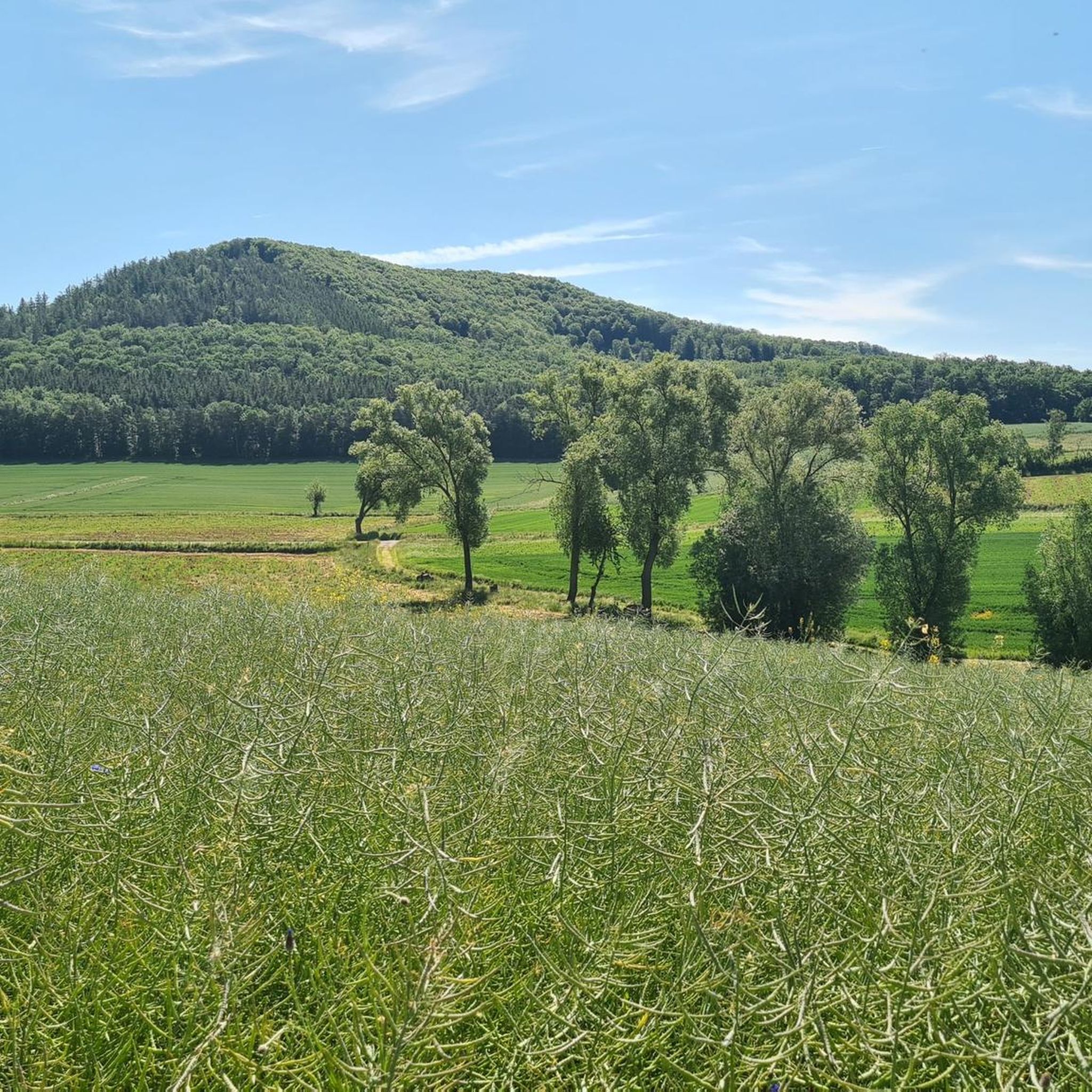
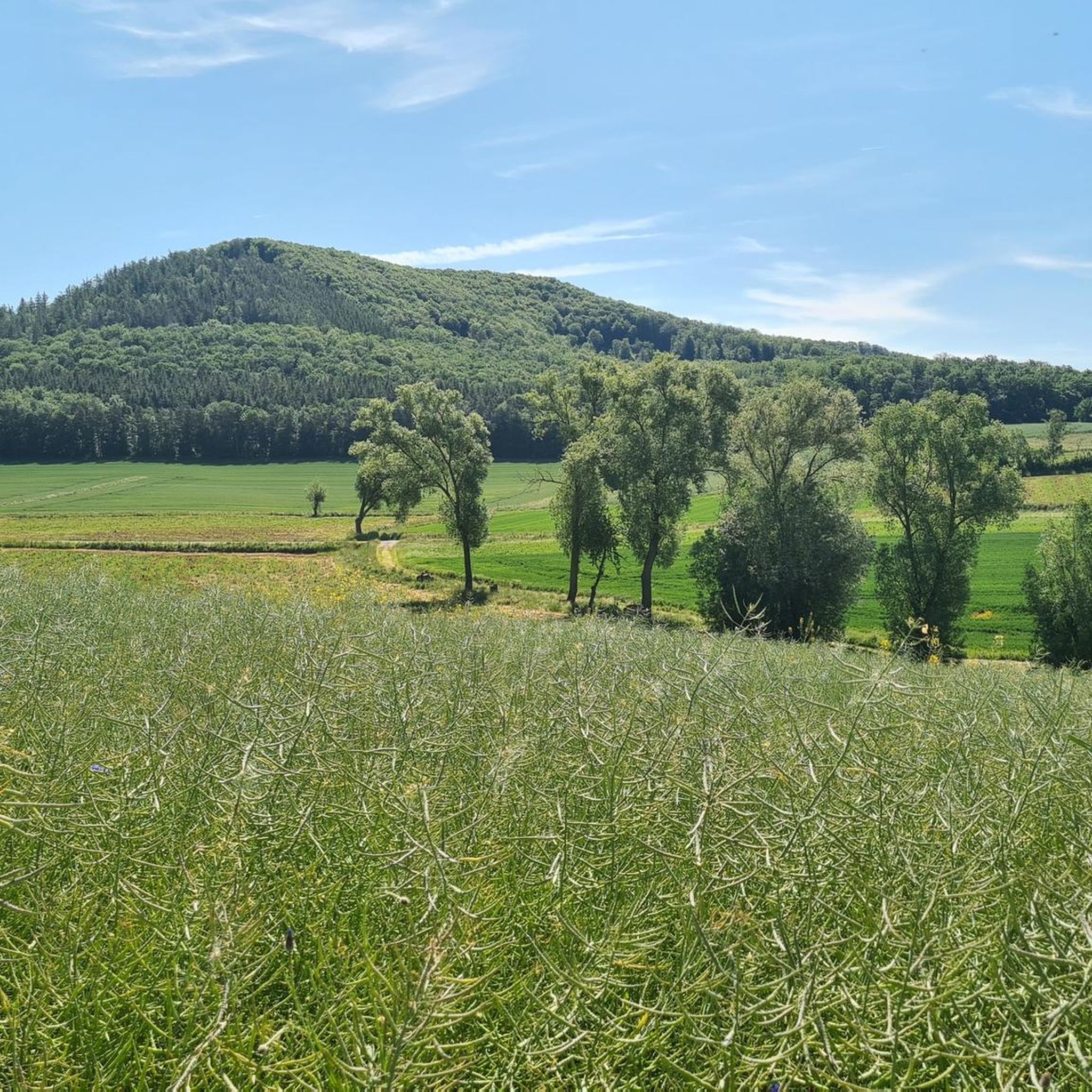
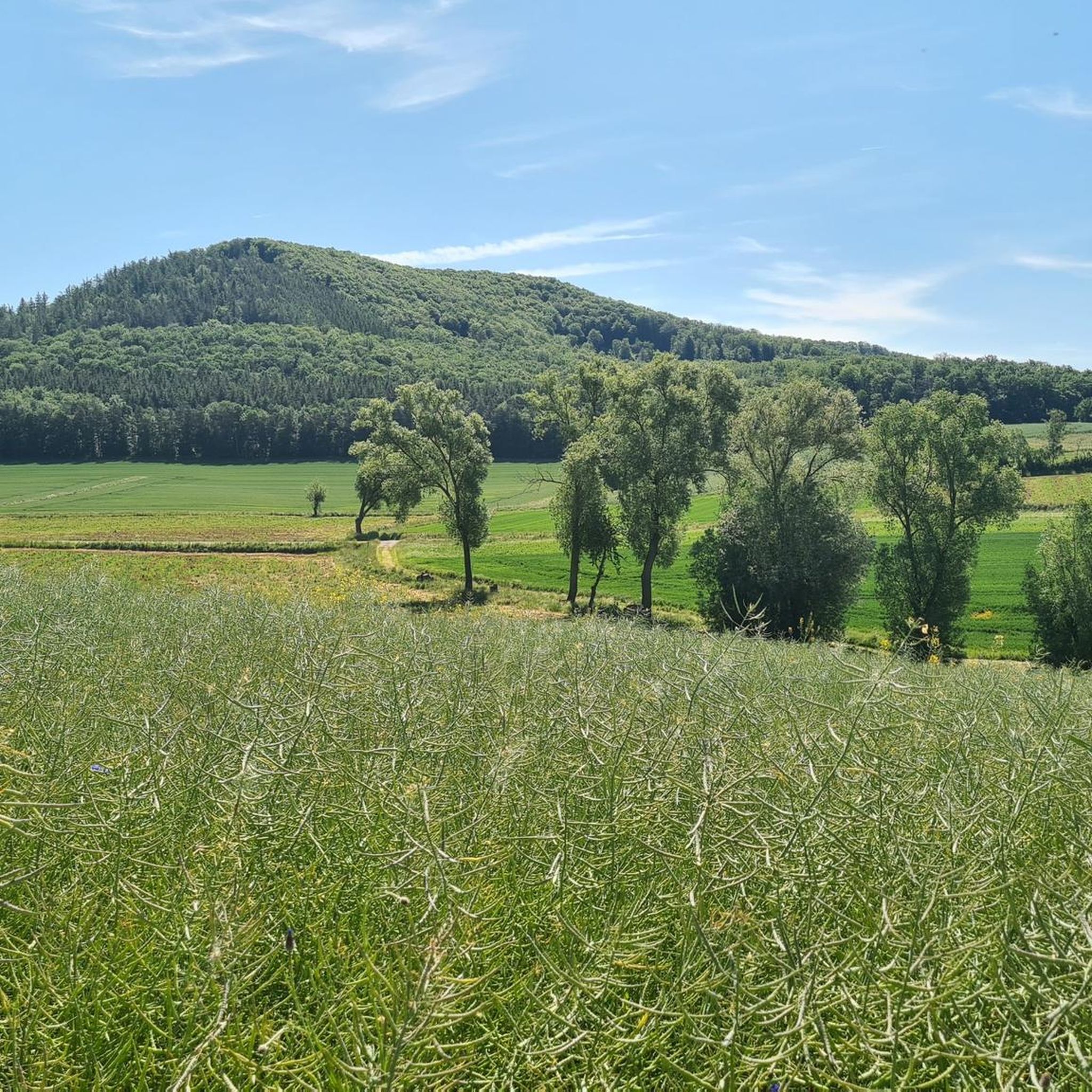
From the Kalbe summit, the path continues to a boulder field. From there, the panoramic view is even more extensive than from the surrounding vantage points. While there are no benches or shade, this spot is still ideal for a scenic break. I would have liked to mark this spot on the map, but Komoot prohibits it. For whatever reason.
4
0

In Carl-Christoph Schmieder's Frau Holle stories, Frau Holle transforms drunken young men into calves and then lets them graze on the "Kalbe" (calf). Before the open-cast lignite mining, there really was a large meadow there. The name "Kalbe" can be explained geologically: the mountain calves, meaning large boulders of basalt broke off from the plateau and piled up on the slope. Or quite simply: bare spot. The viewpoint at 720 m above sea level can only be reached on foot from the Frau Holle Pond via the Kalbe Trail or the Eulenstieg Trail. It is also located on the P1 Hoher Meißner premium trail. Source: https://www.naturparkfrauholle.land/frau-holle/sagen-mythen/sagenorte-der-frau-holle/kalbe
4
0

The name "Kalbe" can be explained geologically: the mountain calves, i.e. large basalt chunks break off from the plateau and pile up on the slope. Or quite simply: bare spot,
9
2

The Grosser Marstein, at 320 m above sea level, is located above Frankenhain. This is the main peak; the Kleiner Marstein is located about 300 m to the southeast as the crow flies. Both peaks are natural monuments and both offer beautiful vantage points.
2
1

The first lookout tower here on Mice Mountain was made of wood and was inaugurated in 1937. In 1955 it was closed because it had become dilapidated. In 1964 the old wooden tower was replaced by a 19m high steel lattice construction. Source: Info App Geonaturpark Frauholleland Great all-round view and: be sure to enter it in the summit book!
1
1

Nice view over the Frau Holle Land.
1
1

Imposing boulder with a bench surrounded by a beautiful landscape. An almost mystical place. Great!
4
1

An imposing building with a good view... The way there is very varied 🍁🍃🍂🍃
5
0
Frequently Asked Questions
What are the most prominent natural landmarks around Wehretal?
The Wehretal region is characterized by rolling hills and diverse natural landscapes. Two prominent elevated areas stand out: the Blaue Kuppe, an extinct volcano known for its distinctive blue-gray basalt rock formations, and the Leuchtberge, home to the historic Bismarck Tower. Both offer unique natural beauty and recreational opportunities.
What makes the Blaue Kuppe unique for visitors?
The Blaue Kuppe is an extinct volcano and a designated natural monument, notable for its unique blue-gray basalt rock formations. These are the result of ancient volcanic activity where lava solidified within Bunter sandstone. Visitors can explore its geological history along a kilometer-long discovery path, and it's integrated into hiking routes like the P3 premium trail. You can learn more about its geological significance on Wikipedia.
What kind of views can I expect from the Bismarck Tower on the Leuchtberge?
From the 26-meter-high Bismarck Tower on the Leuchtberge, you can enjoy extensive 360-degree panoramic views. These include vistas of Eschwege, the Werra River and Werratal Lake, the Hoher Meißner, the 'Hessian Switzerland,' Schloss Wolfsbrunnen, the Plessewand, the Heldrastein, and even the Blaue Kuppe. Information panels at the top help identify these landmarks. For more details on the tower, you can visit Werratal-Tourismus.
Are there historical sites among the peaks near Wehretal?
Yes, several peaks offer historical insights. The Heldrastein, for example, is known for its history related to the German-German division, featuring an observation tower that was once part of a monitoring system. The Bismarck Tower on the Leuchtberge, built in 1903, also has historical significance as a monument dedicated to Otto von Bismarck.
What hiking opportunities are available around Wehretal's peaks?
The region offers diverse hiking opportunities, including sections of the award-winning P3 premium trail that incorporate both the Blaue Kuppe and the Leuchtberge. For specific routes, you can explore options like the 'Blaue Kuppe Nature Reserve – Blaue Kuppe — South Crater loop' which is an easy 6.2 km hike. Many trails offer scenic vistas and connect to natural monuments. Find more hiking routes in the area on the Hiking around Wehretal guide.
Are there family-friendly options for exploring the peaks?
Absolutely. The Blaue Kuppe features a kilometer-long discovery path with informational signs, making it an engaging experience for families. The Great Marstein is also categorized as family-friendly, offering beautiful views. Additionally, the Leuchtberge area includes a climbing forest near the Schäferhalle, providing an adventurous option for families, and the Werratalsee at its foot offers leisure activities.
Where can I find the best panoramic views in the Wehretal region?
For breathtaking panoramic views, consider visiting the Bismarck Tower on the Leuchtberge, which offers 360-degree vistas. The View from the Kalbe summit (Hoher Meißner) provides extensive views towards Berkatal-Frankershausen. The Heldrastein also offers a wide view far into the country, and the Great Marstein is praised for its views in all directions.
What geological features are notable in the Wehretal area?
The Wehretal region is rich in geological interest. The Blaue Kuppe is an extinct volcano known for its distinctive blue-gray basalt rock formations. The Great Marstein is another significant natural monument, characterized by its dolomite rock formations. These features highlight the area's ancient volcanic and geological history.
What other outdoor activities are available near the mountain peaks?
Beyond hiking, the Wehretal region offers various outdoor activities. You can explore numerous routes for gravel biking, such as those found in the Gravel biking around Wehretal guide. Mountain biking enthusiasts can find trails in the MTB Trails around Wehretal guide. The Werratalsee, located at the foot of the Leuchtberge, also provides opportunities for leisure and water sports.
Are there any lesser-known viewpoints worth discovering in the region?
Yes, for those looking for hidden gems, the Ziegenküppel Observation Tower is considered a secret tip among viewpoints in Northern Hesse, offering wonderful visions in all directions. Another option is the Pioneer Tower Mäuseberg, which provides a great 360° panoramic view of the Geo-Naturpark Frau Holle-Land.
What is the 'Great Marstein' and why is it worth visiting?
The Great Marstein is a natural monument where the elevation is crowned by a distinctive dolomite rock. It's highly regarded by visitors for its beautiful views in all directions and is considered a worthwhile natural monument with a rest area, making it a great spot for photos.
What is the Hoher Meißner and what views does it offer?
The Hoher Meißner is a significant mountain in the region. Specifically, the View from the Kalbe summit (Hoher Meißner), a basalt knoll located at 719 meters, offers grandiose and extensive views towards Berkatal-Frankershausen on clear days, allowing you to see for miles into the distance.
Most popular routes around Wehretal
Most popular attractions around Wehretal

Get inspired with the komoot mobile app


Explore more
See even more amazing summits around Wehretal with these guides:
