Top 20 Castles around Langenscheid
Castles around Langenscheid provide a historical journey through the scenic Lahn River Valley. The region features a variety of historical sites, including impressive castle ruins and restored complexes. Visitors can explore more than 20 castles, many of which are nestled in picturesque landscapes. This area offers opportunities to combine historical exploration with walking routes and hiking trails.
Best castles around Langenscheid
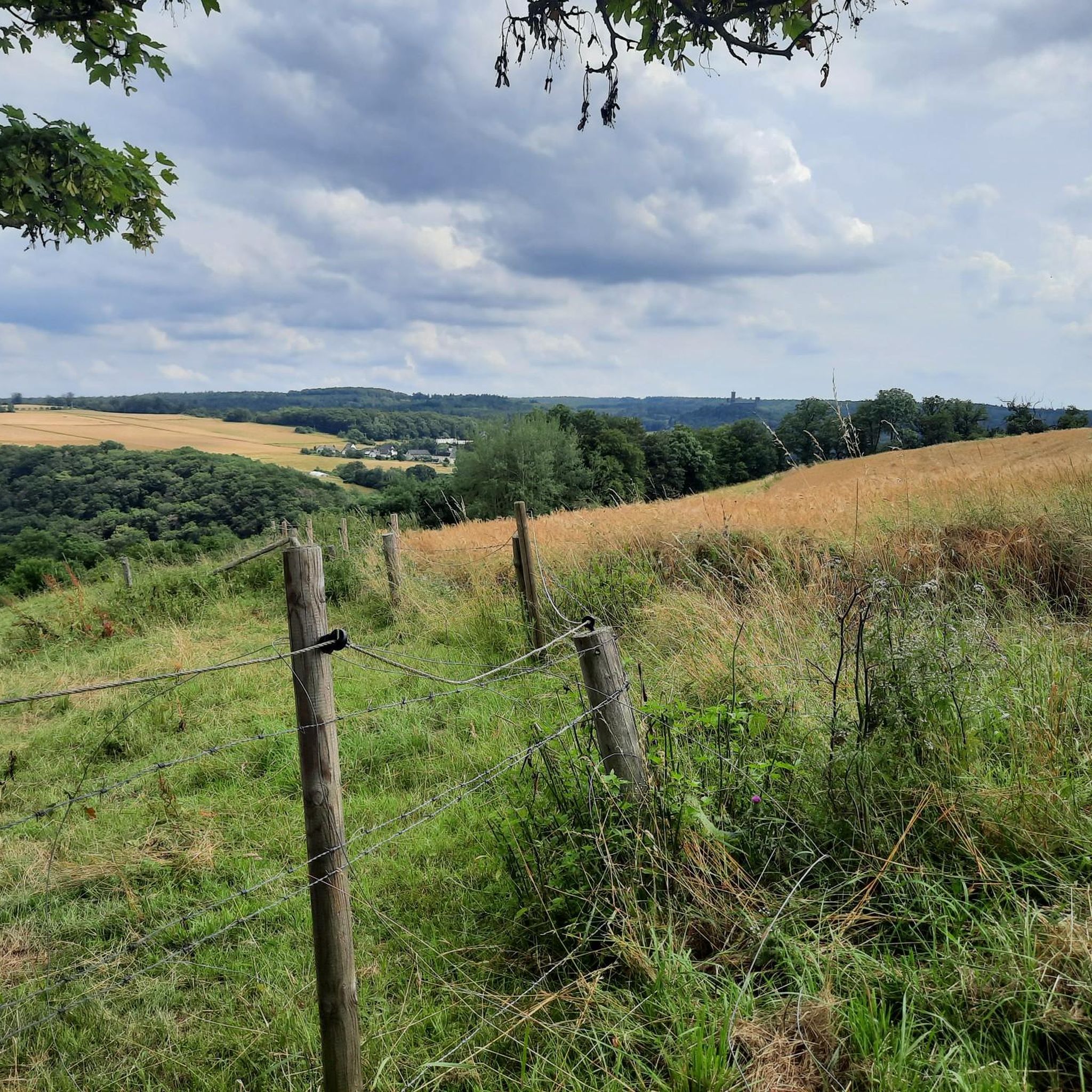
- The most popular castles is View of Balduinstein, a viewpoint offering a beautiful perspective of the striking castle…
Last updated: November 7, 2026
Old Lahn Bridge, Diez
Highlight • Bridge
!! Attention when driving over !! The white lines mark an edge that is easily overlooked in backlight or dusk. As a cyclist, you can quickly stumble here (own experience).
Translated by Google •
Tip by

View of Balduinstein
Highlight • Viewpoint
Translated by Google •
Tip by

Sign up now to discover places like this
Get recommendations on the best single tracks, peaks, & plenty of other exciting outdoor places.
Balduinstein Castle
Highlight • Castle
Translated by Google •
Tip by

Diez Old Town
Highlight • Settlement
Translated by Google •
Tip by

Schaumburg Castle
Highlight • Castle
Translated by Google •
Tip by

Sign up for free to discover even more castles around Langenscheid.
Already have an account?
Start today with a free account
Your next adventure awaits.
Tips from the Community

A beautiful photo motif with a great view of the Lahn, but above all a bridge full of history. The stone round arches date back to the 16th century. During the Thirty Years' War, part of the bridge was blown up and replaced by the metal construction in the 19th century. As far as I know, this combination is unique and makes the bridge a cultural monument.
4
0

Medieval atmosphere when staying overnight in the youth hostel. The thick walls of the rooms and the great view of the castle opposite were a new experience. Food was good. Packed lunch available for an additional charge.
7
0

An absolute eye-catcher and the castle is being restored so we can hope for a reopening to the public.
2
0

The ruin is privately owned. The castle was built in the early 14th century. Built by Archbishop Balduin of Trier to control and weaken the lords of Westerburg at Schaumburg Castle (now Schaumburg Castle). Since the 17th century it was left to decay and even temporarily demolished.
4
0

Beautiful castle on the throne
5
0

Balduinenstein, a wonderful little place right on the lahn
4
0

Laid out on small terraces below the Schaumburg, you have the opportunity to take a break and enjoy the sun when the weather is nice. When the facility is finally renovated and restored, you can really create something beautiful here.
4
0

The place name goes back to Archbishop Balduin von Trier, who began building Balduinstein Castle below the Schaumburg in 1319. The town charter was granted in 1321 by Emperor Ludwig the Bavarian. The granting of city rights went hand in hand with the founding of the city by Baldwin, a city wall was built in 1429. Baldwin raised the settlement to office and handed it over to the knight Dietrich von Staffel in 1335. After several phases of expansion of the castle in the 14th and 15th centuries under the squadrons, it began to decline in the middle of the 17th century. After the end of the Thirty Years' War in 1648, the Elector of Trier granted the demolition permit in 1665, and in 1680 only the walls were left. Hunger and plague reduced Balduinstein's population from 40 to 8 families. From 1806 the place was part of the Duchy of Nassau, which was annexed by Prussia in September 1866. Balduinstein has been part of the state of Rhineland-Palatinate since August 1946. Around 1660 the mining of brown iron stone began in Balduinstein, later the extraction of Lahn marble. The iron ore mining ended in 1875, the marble mining in 1927. The 19th century villa on the castle grounds and its outbuildings have been used as the "Balduinstein Youth Castle" since 1974.
4
0
Frequently Asked Questions
What types of castles can I expect to see around Langenscheid?
The region around Langenscheid offers a diverse range of historical sites, including impressive castle ruins and restored complexes. You'll find well-preserved complexes, historical ruins, and hilltop castles reflecting different periods of regional history, many nestled in picturesque landscapes of the Lahn River Valley.
Are there any castles near Langenscheid that are particularly impressive?
Yes, several castles stand out. Schaumburg Castle is an imposing complex with a dominant keep, currently undergoing restoration. The Ardeck Castle Ruins offer expansive views of the Aartal from its position high on a rock. Further afield, Altena Castle near Lüdenscheid is notable for housing the world's first youth hostel, and Stolzenfels Castle near Koblenz is considered a prime example of Rhine Romanticism.
What is the best time of year to visit the castles around Langenscheid?
The best time to visit is generally during the spring, summer, and early autumn months (April to October). The weather is more favorable for exploring ruins, walking around castle grounds, and enjoying the scenic views. During late August, the Niederburg in Manderscheid often hosts a medieval festival, which can be a unique experience.
Are there family-friendly castles to visit near Langenscheid?
Many of the castles and viewpoints in the region are suitable for families. For instance, the View of Balduinstein and the settlement of Balduinstein itself are categorized as family-friendly. Altena Castle, with its museum and youth hostel, also offers an engaging experience for all ages. When planning, look for highlights marked with the 'family_friendly' category.
Are there hiking trails connecting castles around Langenscheid?
Yes, the region is well-suited for combining historical exploration with outdoor activities. You can find various hiking routes, such as the 'View of Schaumburg loop from Langenscheid', which allows you to explore the area around Schaumburg Castle. For more options, check out the Hiking around Langenscheid guide.
What other outdoor activities can I do near the castles?
Beyond hiking, the Lahn River Valley offers excellent opportunities for road cycling and running. You can find routes like the 'Burg Ardeck Ruins – Diez Old Town and Castle loop' for road cycling or the 'Lahn Riverside Trail in Nassau loop' for running. Explore more options in the Road Cycling Routes around Langenscheid and Running Trails around Langenscheid guides.
Are there dog-friendly walks around Langenscheid castles?
Many outdoor trails and paths around the castles are dog-friendly, especially those in natural settings like the Lahn River Valley. While specific castle interiors might have restrictions, exploring the grounds and nearby hiking routes with your dog is generally possible. Always keep your dog on a leash and be mindful of local regulations.
What do visitors enjoy most about the castles around Langenscheid?
Visitors frequently appreciate the beautiful views, the historical atmosphere, and the opportunity to combine castle visits with outdoor activities. The striking castle ruins over the Lahn, as seen from the View of Balduinstein, are particularly popular. The medieval atmosphere and the chance to discover little details in places like Balduinstein are also highly rated.
Are there public transport options to reach castles around Langenscheid?
Public transport options vary by castle. Some locations, like Balduinstein, have train stations, making them accessible. For others, a combination of regional buses and walking might be necessary. It's advisable to check local transport schedules for specific castle destinations in advance.
Can I find cafes or restaurants near the castles?
Yes, in many of the towns and villages near the castles, you will find cafes and restaurants. For example, in Balduinstein, there's a restored café at the station and options for food and seating at the boat rental. Larger towns like Diez, near the Old Lahn Bridge, also offer dining choices.
Are there any castles with wheelchair access in the region?
Accessibility can be challenging for historic castles, especially ruins or those on hilltops. While specific details for each castle's wheelchair access are not always available, modern facilities or visitor centers might offer some accessibility. For detailed information on accessible options, it's best to contact the specific castle or local tourism office directly. Some general information about accessible tourism in the wider region can be found on nrw-tourism.com.
What is the historical context of the castles in the Manderscheid region?
The Eifel town of Manderscheid is home to the ruins of Oberburg and Niederburg, which reflect the medieval conflicts between the Electorate of Trier and the Duchy of Luxembourg. Oberburg, or 'Upper Castle,' features a five-story fighting tower with clear views, while Niederburg, the 'Lower Castle,' has been undergoing restoration and hosts a medieval festival. You can learn more about their history on Wikipedia.
Most popular routes around Langenscheid
Most popular attractions around Langenscheid

Get inspired with the komoot mobile app


Explore more
Looking for the best castles somewhere else? Discover other guides around Langenscheid:
