Top 12 Caves around Schöllkrippener Forst
Best caves around Schöllkrippener Forst offer a diverse range of natural and historical sites within a forested landscape. The region features unique geological formations, including basalt rock, alongside historical mining operations and religious grottoes. These sites provide insights into both the natural history and cultural heritage of the area. Visitors can explore a variety of cave-related attractions, from natural rock formations to man-made tunnels.
Best caves around Schöllkrippener Forst
- The most popular caves is Beilstein Trail, a trail that…
Last updated: May 4, 2026
Horbach Marian Grotto
Highlight • Religious Site
Translated by Google •
Tip by

Beilstein Trail
Highlight • Trail
Translated by Google •
Tip by

Sign up now to discover places like this
Get recommendations on the best single tracks, peaks, & plenty of other exciting outdoor places.
Sign up for free
Beilstein Basalt Formation
Highlight • Natural Monument
Translated by Google •
Tip by
Wilhelmine Copper Mine
Highlight • Historical Site
Translated by Google •
Tip by

Marian Grotto in the Bächlesgrund
Highlight • Religious Site
Translated by Google •
Tip by

Sign up for free to discover even more caves around Schöllkrippener Forst.
Sign up for free
Already have an account?
Start today with a free account
Your next adventure awaits.
Login or Signup
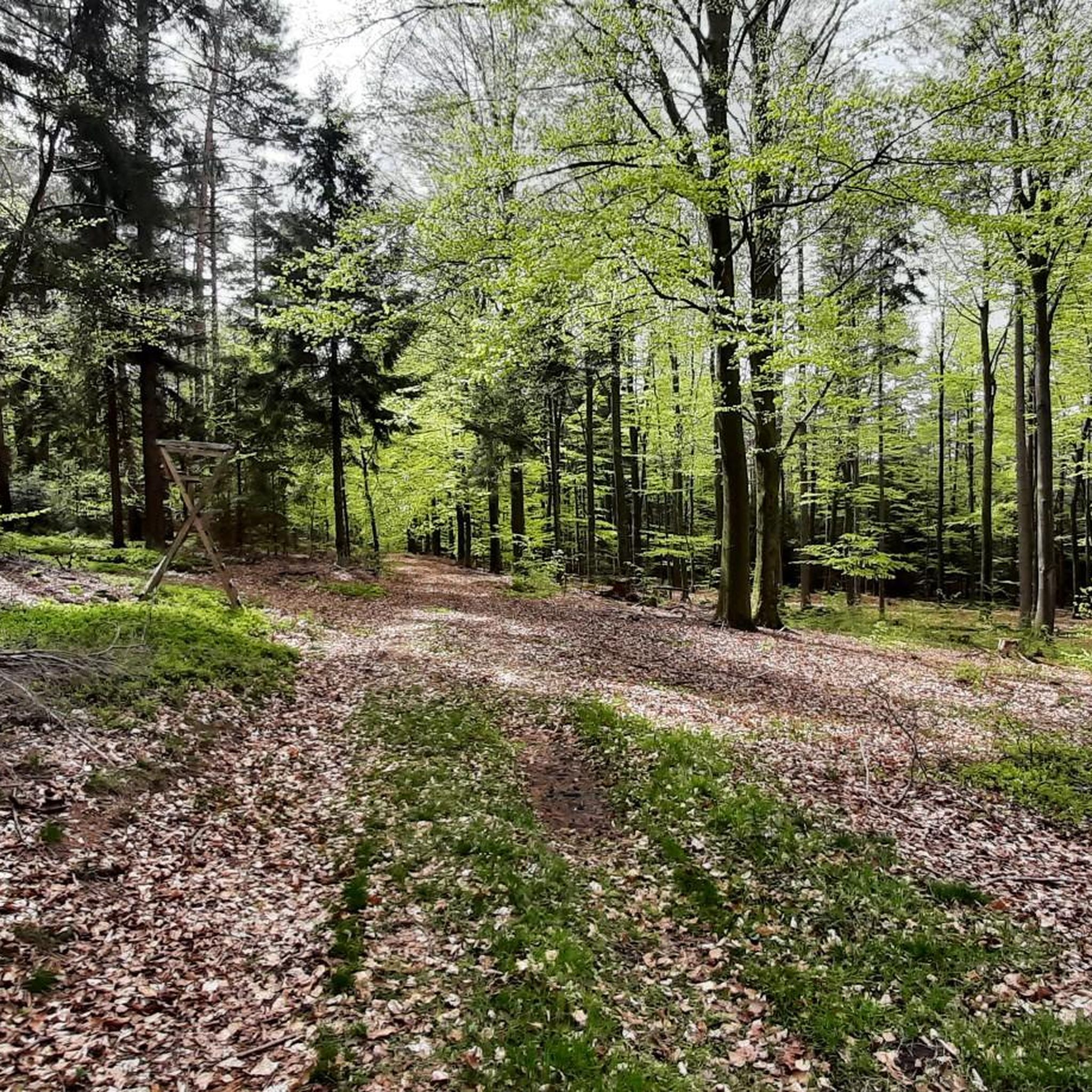
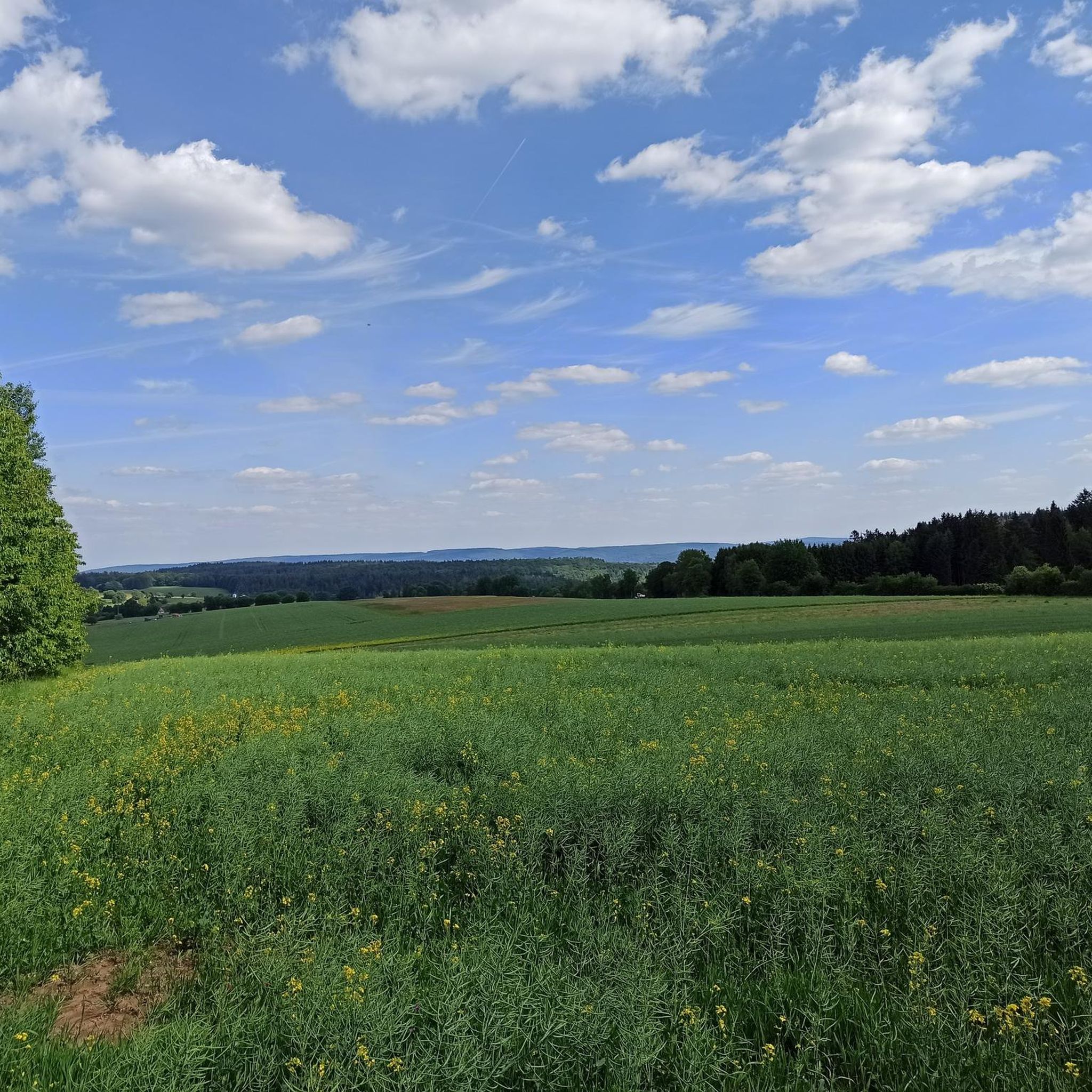
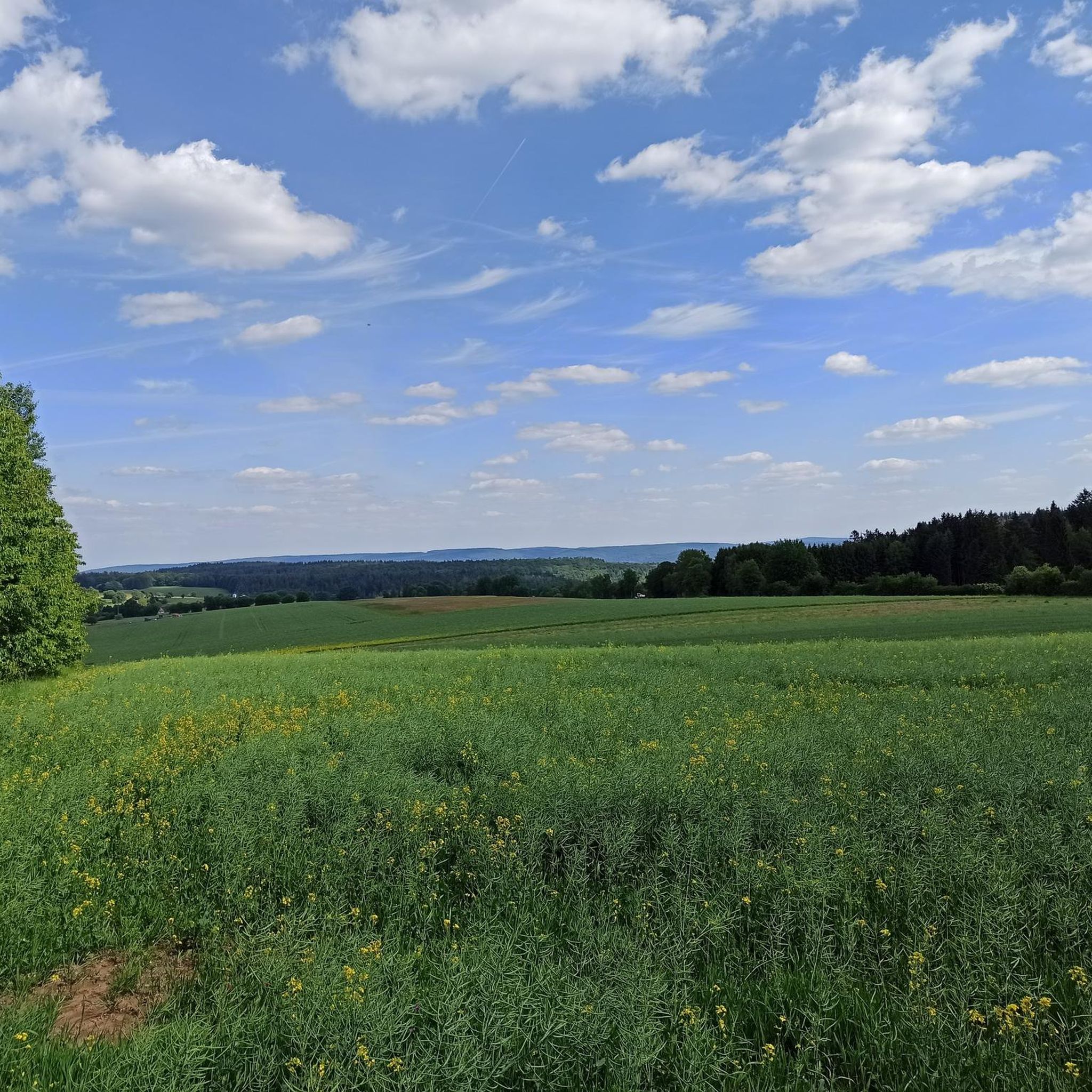
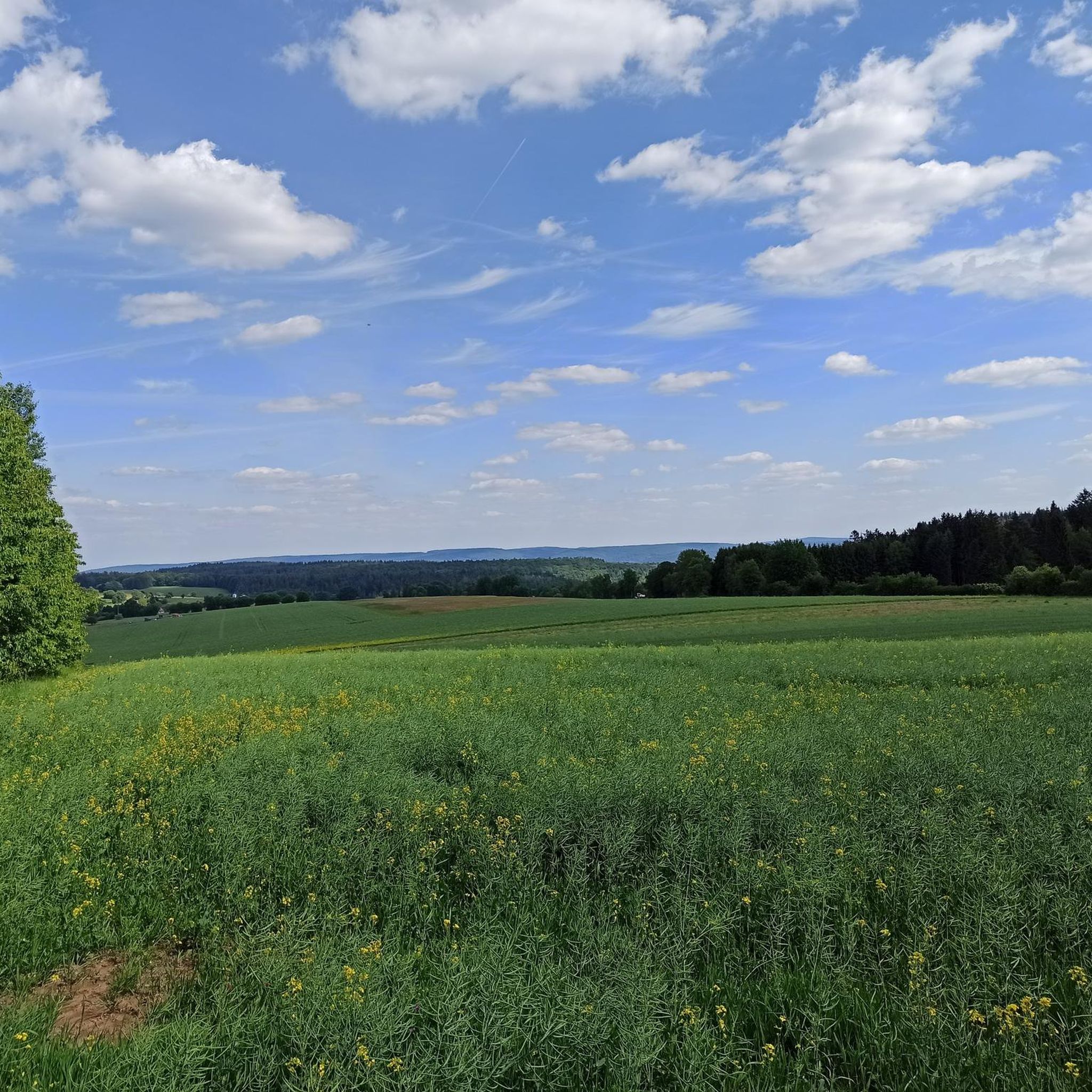
Tips from the Community

The large Mariengrotte is a very 😀 beautiful, lovingly designed and maintained facility in the Bächlesgrund and is one of the highlights on the “Seven Grottoes Trail”
1
0

One of the grottos on the 7-Grottes Trail
0
0

A well-kept place of remembrance… let’s hope it stays that way
13
1

There is a good parking lot at the mine.
3
0
Tours of the mine are offered from April to October. It's definitely very interesting.
3
0
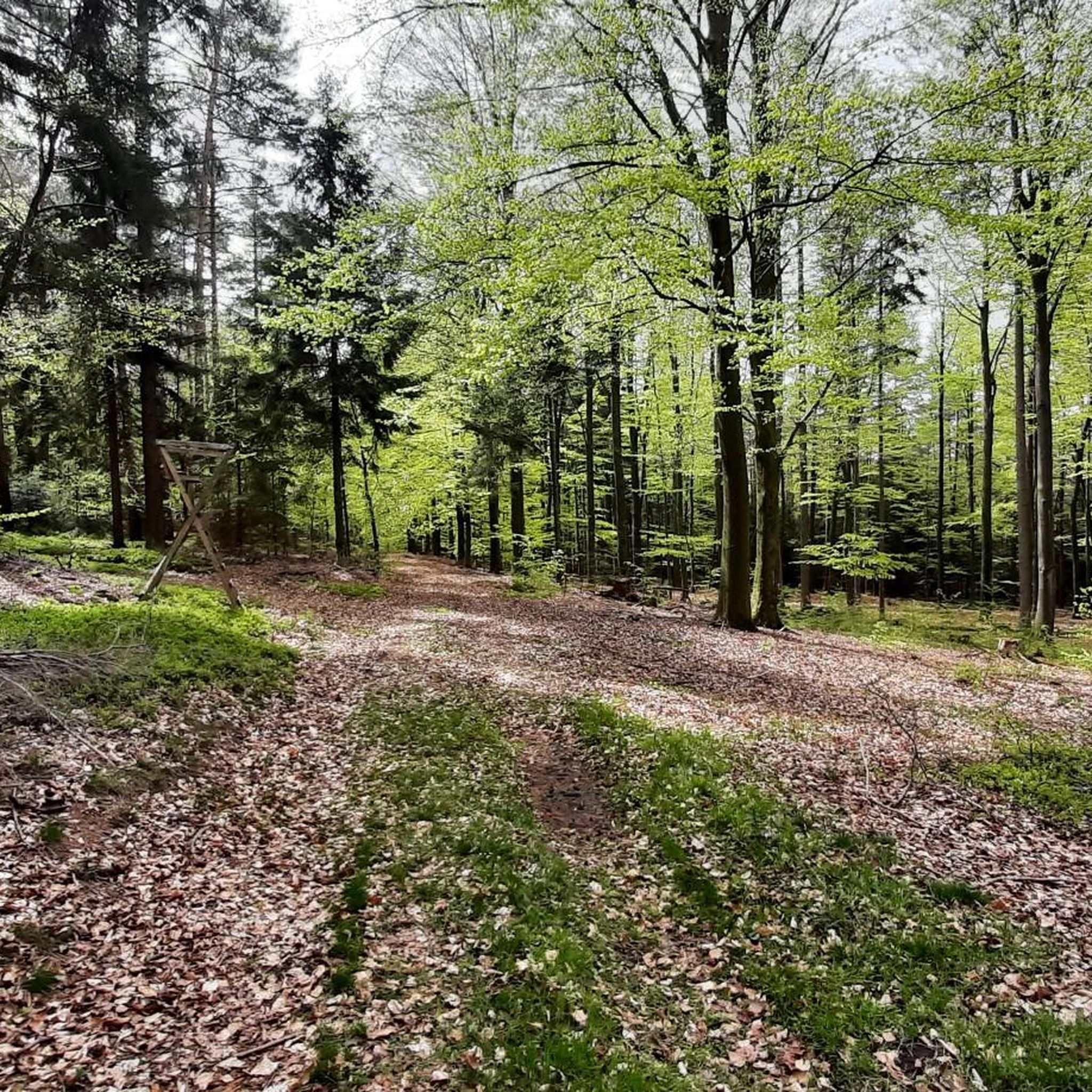
Currently well cleared of young trees... nice view of a quite unexpected basalt formation in the otherwise existing federal sandstone
17
0

In any case, go up to the rock and enjoy the distant view from Beilstein!🤩 Playful trail.😊 Increasingly overgrown towards the end - "enchanted character"😉
5
1

The Beilstein is a basalt cone with the largest basalt cave in the Main-Kinzig district. The formation was formed by volcanic eruptions 10 to 20 million years ago; the surrounding red sandstone, which otherwise characterizes the Spessart, is around 200 million years older. The basalt breach was exposed by erosion; The typical basalt columns and smaller, spherical structures can be seen on the rock walls. On the mountain, which was first mentioned in a document in 1059, are the remains of the small, medieval hilltop castle of Beilstein. It was built to protect the possessions of the archbishopric of Mainz and to control an old road, and was first mentioned in 1343. It was also intended to protect the first glassworks that were established. When rule passed to the Counts of Hanau, the castle probably lost its importance and has since fallen into disrepair. Due to the poor source situation, little is known about the castle. Source: Wikipedia
5
1
Frequently Asked Questions
What types of caves and geological features can I explore in Schöllkrippener Forst?
The region offers a diverse range of sites, including unique geological formations like the basalt rock found at the Beilstein Basalt Formation, historical mining operations such as the Wilhelmine Copper Mine, and religious grottoes like the Horbach Marian Grotto.
Are there family-friendly cave-related sites in the Schöllkrippener Forst area?
Yes, several sites are suitable for families. The Wilhelmine Copper Mine offers insights into historical mining and is considered family-friendly. Additionally, the Horbach Marian Grotto and the Marian Grotto in the Bächlesgrund are well-kept, peaceful spots often enjoyed by families.
What is the difficulty level for exploring the cave areas in Schöllkrippener Forst?
The difficulty varies by location. For instance, the Beilstein Trail, which features basalt rock formations, can be partly steep and is rated as intermediate to challenging. Other sites, like the grottoes, are generally easier to access.
What historical insights can I gain from visiting the caves in this region?
The Wilhelmine Copper Mine offers a direct look into the working methods and conditions of a historic copper mine, with accessible old tunnels. The Marian grottoes also provide cultural and historical context, often built as places of remembrance.
Are there hiking or running trails near the caves of Schöllkrippener Forst?
Yes, the region is well-suited for outdoor activities. You can find various running trails, such as those around the Wilhelmine Copper Mine, which includes an 8.5 km signposted nature trail. For more options, explore the Running Trails around Schöllkrippener Forst guide.
What is the best season to visit the caves and surrounding areas in Schöllkrippener Forst?
The caves and outdoor sites in Schöllkrippener Forst are generally accessible year-round. However, spring and autumn offer pleasant temperatures for exploring the forested areas and trails. Summer is also popular, while winter visits might require appropriate gear for potentially icy conditions, especially on steeper trails like the Beilstein.
Are there any unique natural rock formations to see?
Absolutely. The Beilstein Basalt Formation is a notable example, featuring impressive basalt prisms that are rare in the Spessart region. The Beilstein Trail itself showcases these unusual rock structures.
What should I bring for a visit to the caves and trails?
For exploring the trails and cave-related sites, comfortable hiking shoes are recommended, especially for steeper sections. Depending on the weather, bring appropriate clothing, water, and snacks. A flashlight can be useful for exploring darker sections of mines or grottoes, though many are well-lit or open.
Are there cycling routes near the cave sites in Schöllkrippener Forst?
Yes, the region offers various cycling opportunities. You can find Road Cycling Routes and Gravel Biking routes around Schöllkrippener Forst, many of which pass through or near the natural and historical highlights of the area.
What do visitors particularly enjoy about the cave-related sites in Schöllkrippener Forst?
Visitors appreciate the blend of natural beauty and historical significance. The unusual basalt rock formations, the insights into historical mining at the Wilhelmine Copper Mine, and the peaceful, well-kept Marian grottoes are frequently highlighted. Many enjoy the opportunity for a worthwhile detour and the chance to explore unique geological and cultural landmarks.
Is parking available near the cave attractions?
For sites like the Wilhelmine Copper Mine, visitor parking spaces are available. For other natural sites and grottoes, parking is typically found at nearby trailheads or designated forest parking areas.
Can I find refreshments or restaurants close to the cave areas?
While specific cafes might not be directly at every cave entrance, the Schöllkrippener Forst region has villages and towns nearby where you can find restaurants and cafes. For example, the Wilhelmine Copper Mine is located on the outskirts of Sommerkahl, which offers dining options.
Most popular routes around Schöllkrippener Forst
Most popular attractions around Schöllkrippener Forst

Get inspired with the komoot mobile app


Explore more
Extend your search for the best caves by checking out these guides of the top ones around Schöllkrippener Forst:
