Attractions and Places To See around Rudge - Top 20
Best attractions and places to see around Rudge include a variety of historical sites, engineering marvels, and natural landscapes. This area, likely situated in the UK, offers access to regional points of interest that reflect its industrial heritage and scenic river valleys. Visitors can explore significant historical structures and enjoy the surrounding countryside. The region provides diverse opportunities for those interested in local history and outdoor exploration.
Best attractions and places to see around Rudge
- The most popular attractions is…
Last updated: November 17, 2026
Bratch Locks
Highlight • Structure
Tip by

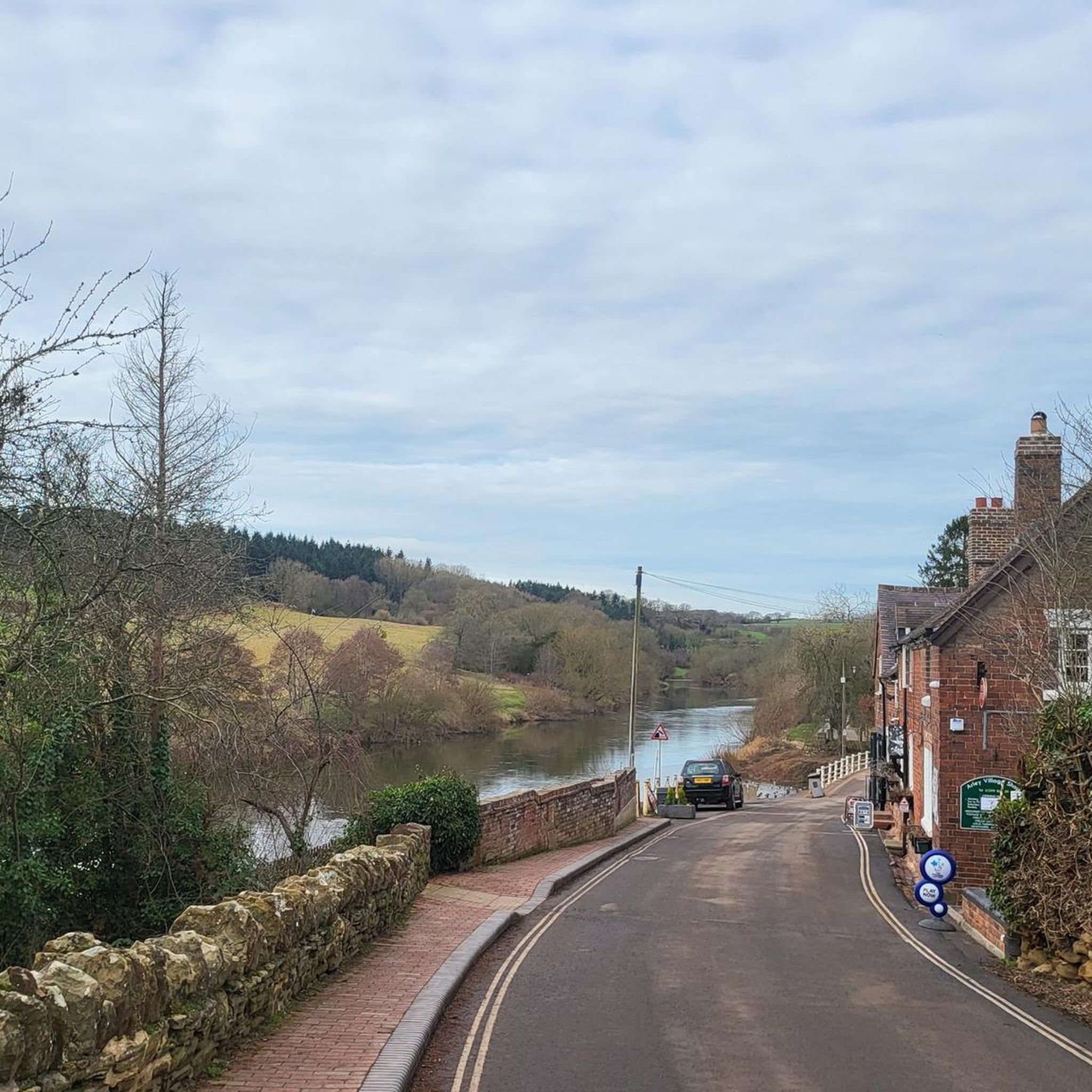
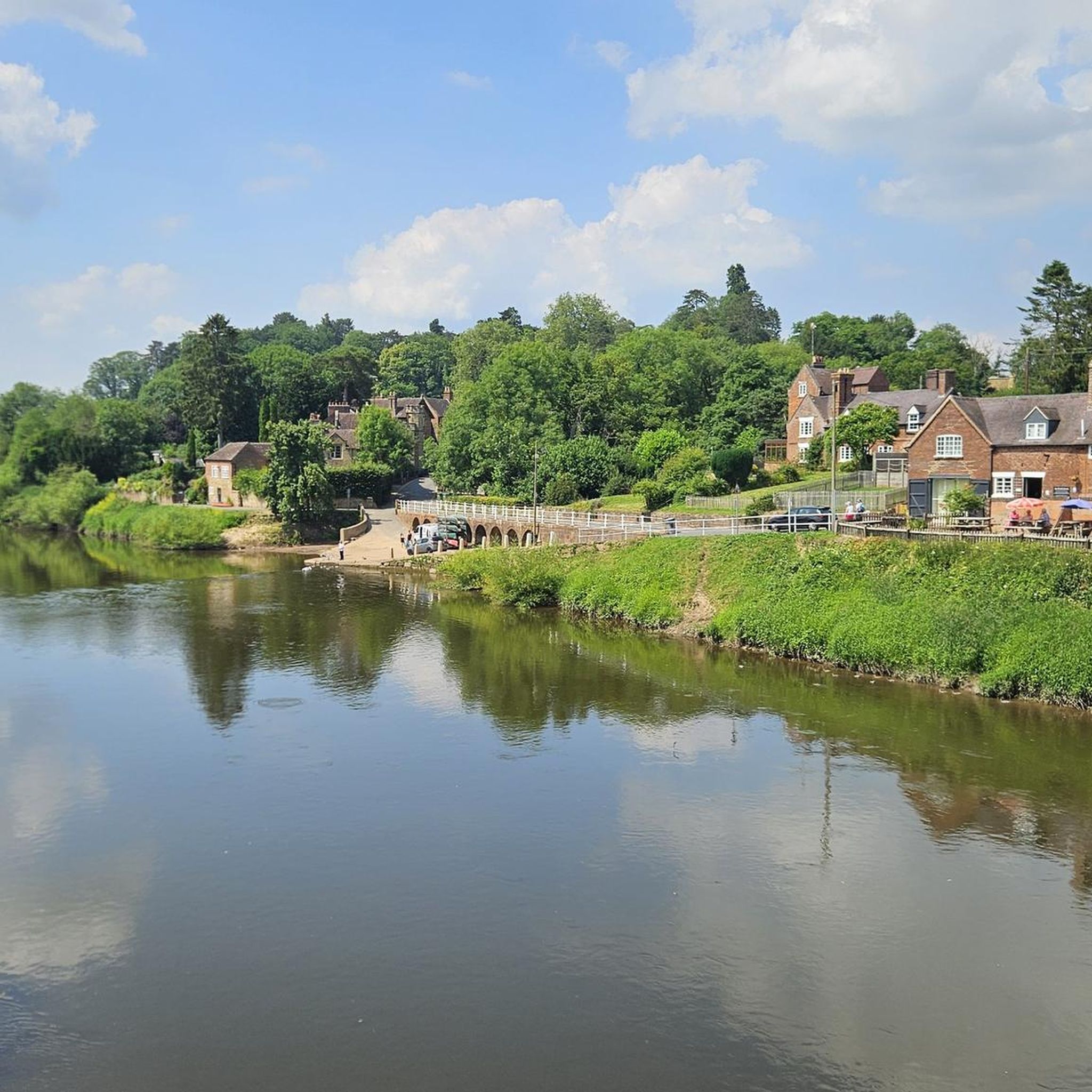
Coalport Bridge
Highlight • Bridge
Tip by

Sign up now to discover places like this
Get recommendations on the best single tracks, peaks, & plenty of other exciting outdoor places.
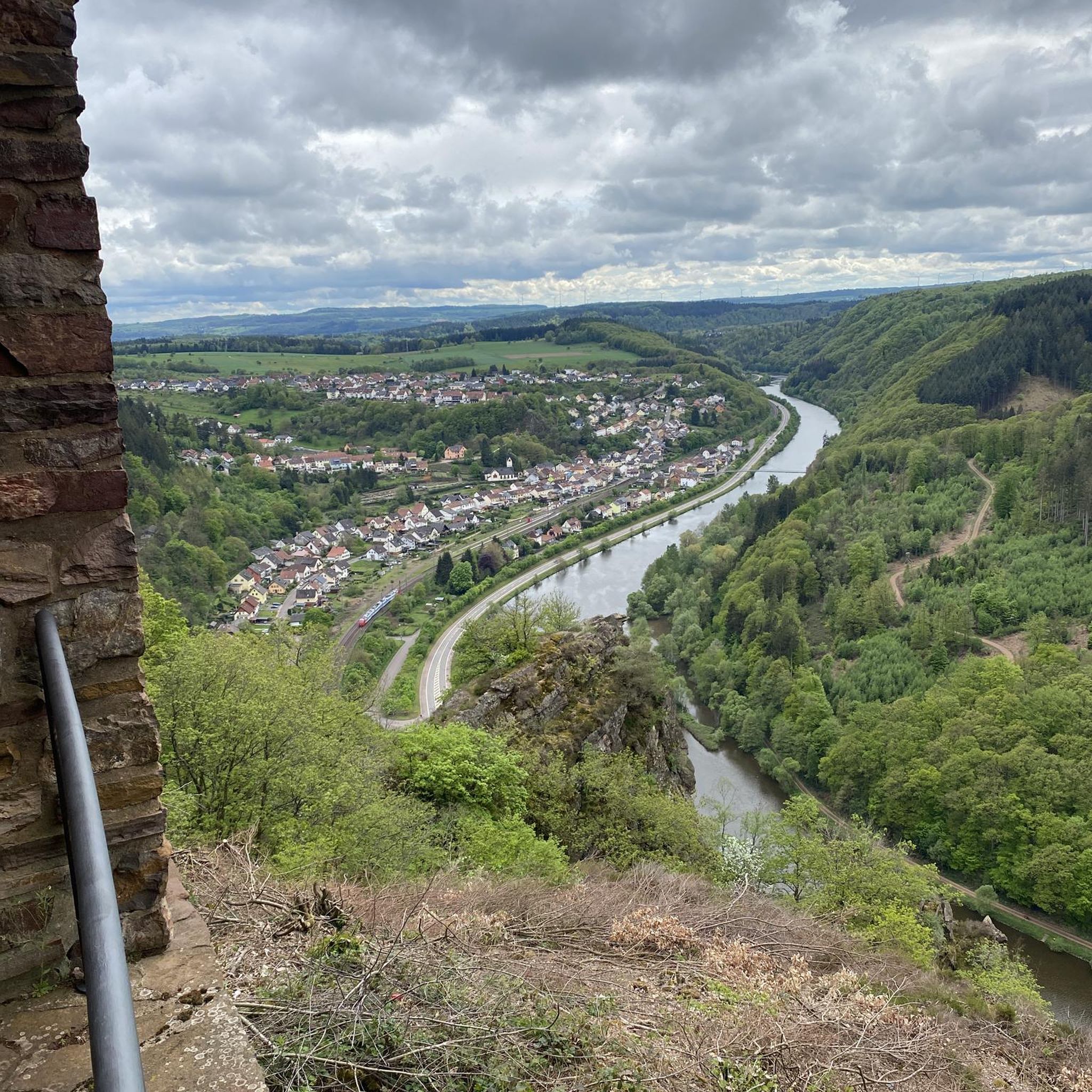
Bridgnorth Castle Ruins
Highlight • Monument
Tip by

Bridgnorth Cliff Railway Top Station
Highlight • Structure
Tip by

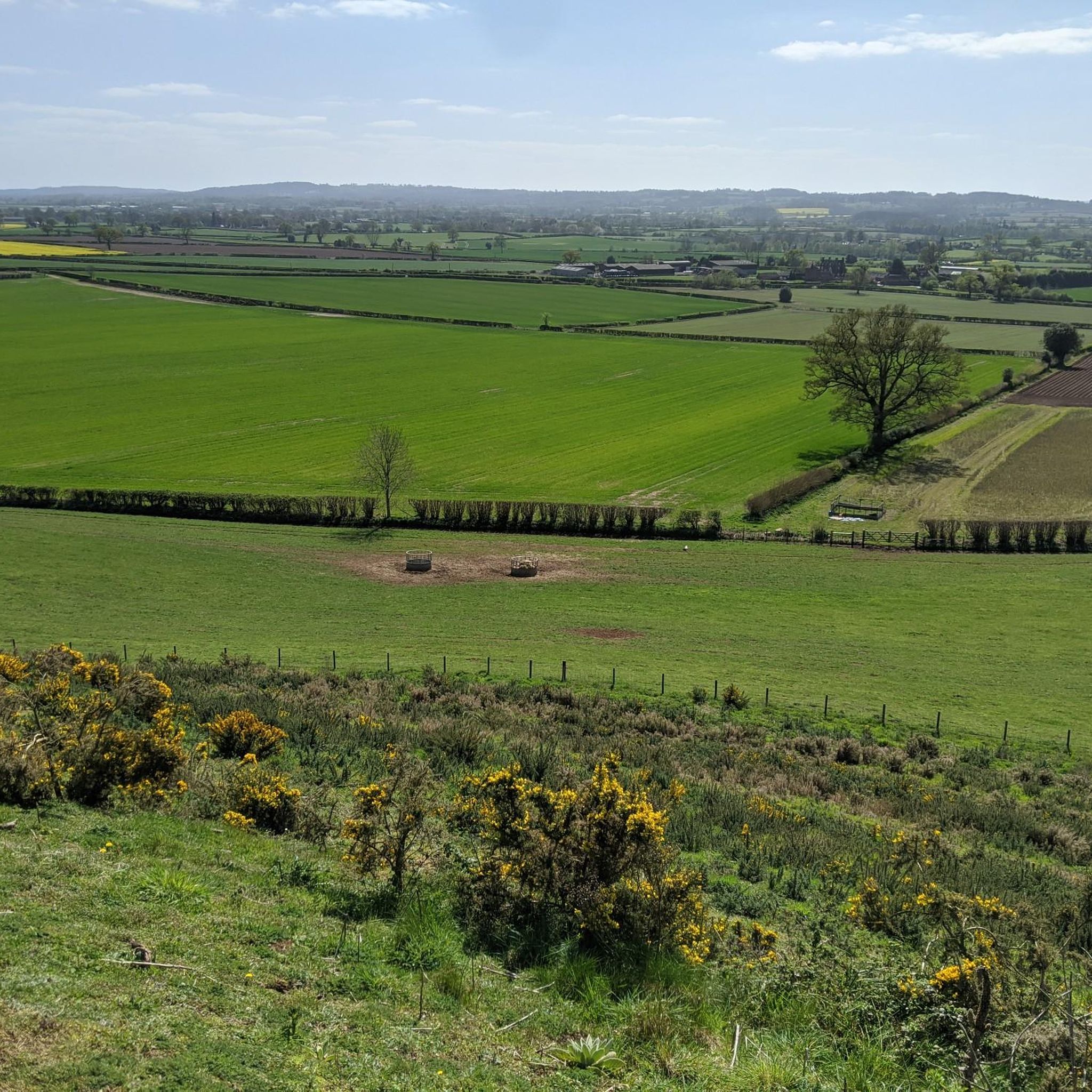
Dudmaston Hall
Highlight • Forest
Tip by

Sign up for free to discover even more attractions around Rudge.
Already have an account?
Start today with a free account
Your next adventure awaits.

Tips from the Community

These picturesque ruins are well worth seeing, and the back story concerning the destruction of the castle during the Civil War is fascinating.
0
0

Bratch Locks is said to be one of the prettiest sets of canal buildings on the Staffordshire and Worcestershire Canal. It was opened in 1772 and includes the lock, a bridge, the lockkeepers cottage and a toll-house. Today the towpath offers miles of easy traffic free cycling and a safe way between Wombourne and Wolverhampton.
0
0

Great little bridge, single file for cars with small footpaths either side.
1
0

Completed in 1818, Coalport Bridge is a historic single-arch cast iron bridge that spans the River Severn in the Ironbridge Gorge in Shropshire. The bridge embodies the rich industrial heritage of the region and, in contrast to the more famous Iron Bridge located two miles upstream, it still carries vehicular traffic. Traffic crosses the bridge one way at a time and is subject to a height limit of 6 ft 6 in. Coalport Bridge is arguably more impressive to view than the Iron Bridge because of its lean and streamlined design. The bridge is best-viewed from either upstream of downstream as crossing the bridge will not display all of its merits.
2
0

Bratch Locks were planned and built by James Brindley back in 1772. He constructed two bridges, a toll house and lock keeper’s cottage, all built in mellow brick, making it a favourite photogenic and artistic spot. The entire area forms one of the prettiest groups of canal buildings on any canal system anywhere.
0
0


Dudmaston Hall is a 17th-century country house in the care of the National Trust in the Severn Valley, Shropshire, England. Parliament and was one of the few royalists not to recover his money at the Restoration in 1660. Sir Thomas's eldest son, Francis (1627–89), the second baronet, was declared a lunatic. It was his fifth son, John Wolryche, who took over the estate in 1668. He began building a new house at Quatt, now the dower house, but died in 1685, before work was finished. John's son, Sir Thomas Wolryche (1672–1701) inherited his uncle's baronetcy and his father's determination to rebuild. However, he embarked on a much more ambitious project, replacing the old manor house with a new sandstone building, the core of the present Dudmaston Hall. The architect appears to have been Francis Smith of Warwick, who provided a substantial, well-built, but not grand residence. Modelled on Belton House in Lincolnshire, it has an H-plan lay-out, a large central entrance hall, backed by a saloon, and flanked by three-roomed wings. Construction probably began before 1700, but Thomas died in 1701 before it was complete. Management of the estate passed to Sir Thomas's widow, Elizabeth Weld. However, their son, Sir John Wolryche (1691–1723), the fourth baronet, came to maturity in 1712 and took over the reins. For a decade he spent heavily on gambling, horses and hunting. In 1723, attempting to ford the Severn after attending races at Chelmarsh, directly opposite Dudmaston, he drowned, leaving no male heir. The estate was burdened by heavy debts and was passed to Sir John's sister, Mary, only on payment of £14,000. She, her mother Elizabeth, and her uncle, Colonel Thomas Weld, resided at Dudmaston, and over the next half century, largely restored it to a sound financial footing by frugal management.
0
0
Frequently Asked Questions
What historical sites can I explore around Rudge?
The Rudge area is rich in history, offering several notable sites. You can visit the impressive Bratch Locks, an 18th-century canal system designed by James Brindley, featuring historic buildings. Another significant landmark is the Coalport Bridge, a historic cast iron bridge spanning the River Severn, embodying the region's industrial heritage. Don't miss Bridgnorth Bridge, located in a town with a fascinating history perched on a sandstone cliff, or the Dudmaston Hall, a 17th-century country house with an extensive art collection and beautiful estate.
Are there any family-friendly attractions in the Rudge area?
Yes, several attractions around Rudge are perfect for families. The Bratch Locks offer a chance to see canal engineering and wildlife. Both the Coalport Bridge and Bridgnorth Bridge provide interesting historical context and scenic views. A unique experience for all ages is the Bridgnorth Cliff Railway Top Station, which transports visitors between the high and low towns. Additionally, Dudmaston Hall, with its woodlands, lake, and gardens, is a great spot for a family outing.
What kind of outdoor activities can I do near Rudge's attractions?
The Rudge area offers various outdoor activities, particularly cycling. You can explore numerous routes for touring bicycles, gravel biking, and road cycling. For example, there are easy cycling loops like 'Forest Cycle Track – Cupcake Lane Station' or 'Bratch Locks – Forest Cycle Track'. More moderate options include 'Badger Village Ponds – Royal Air Force Museum Cosford' for touring bikes, or 'Coalport Bridge – Jackfield Free Bridge' for gravel biking. You can find more details and routes on the Cycling around Rudge, Gravel biking around Rudge, and Road Cycling Routes around Rudge guide pages.
Are there any wheelchair-accessible attractions in the Rudge area?
Yes, the Bridgnorth Cliff Railway Top Station is noted as wheelchair accessible. This historic railway provides an easy way to travel between Bridgnorth's High Town and Low Town, offering great views and a unique experience for all visitors.
Where can I find the best viewpoints around Rudge?
For stunning vistas, head to Bridgnorth Bridge, which offers picturesque views of the Severn Valley from the town perched on a sandstone cliff. The Bridgnorth Cliff Railway Top Station also provides excellent panoramic views as it ascends and descends the cliffs.
What natural features can I enjoy near Rudge?
While the Rudge area is known for its man-made marvels, you can also enjoy natural beauty. The Bratch Locks area is home to various wildlife, including otters, kingfishers, and dragonflies, with nature trails to explore. Dudmaston Hall features managed woodlands and a vast lake, perfect for a peaceful stroll. The River Severn itself, spanned by the Coalport Bridge and Bridgnorth Bridge, offers scenic river views.
What do visitors enjoy most about the attractions around Rudge?
Visitors particularly appreciate the blend of historical significance and scenic beauty. The Bratch Locks are loved for their photogenic qualities and the surrounding nature trails. The Coalport Bridge is admired for its impressive cast iron structure and industrial heritage. The town of Bridgnorth, with its Bridgnorth Bridge and Cliff Railway, is praised for its lovely views and interesting history. Dudmaston Hall is cherished for its beautiful estate and rich history.
Are there any unique engineering marvels to see near Rudge?
Absolutely. The Rudge area showcases remarkable engineering. The Bratch Locks are a prime example, a unique flight of three locks on the Staffordshire and Worcestershire Canal, designed in the 18th century. The Coalport Bridge, an 1818 cast iron structure, is another testament to the region's industrial prowess. Don't forget the Bridgnorth Cliff Railway, one of Britain's steepest inland funiculars, which has been transporting people for over a century.
Can I find easy cycling routes around Rudge's attractions?
Yes, there are several easy cycling routes available. For instance, you can enjoy the 'Forest Cycle Track – Cupcake Lane Station loop from Lower Penn' or the 'Bratch Locks – Forest Cycle Track loop from Perton', both categorized as easy. These routes offer a pleasant way to explore the countryside and some of the attractions. More options can be found on the Cycling around Rudge guide page.
What is the significance of the Ironbridge Gorge in relation to Rudge?
The Ironbridge Gorge, a UNESCO World Heritage Site, is closely associated with the Rudge area's industrial heritage. The Coalport Bridge, a key highlight, is situated within the Ironbridge Gorge, spanning the River Severn. This area is renowned for its role in the Industrial Revolution, making it a significant cultural and historical point of interest for visitors to Rudge.
Are there any National Trust properties to visit near Rudge?
Yes, Dudmaston Hall is a 17th-century country house and estate managed by the National Trust. It offers visitors woodlands, a lake, landscaped gardens, and a notable art collection, providing a wonderful day out for those interested in history and nature.
What are some of the longer or more challenging cycling routes near Rudge?
For those seeking longer or more challenging rides, the Rudge area offers several options. For touring bicycles, consider the 'Patshull Lake – Badger Village Ponds loop from Trysull and Seisdon' which is a moderate 49.7 km route. Gravel biking enthusiasts can tackle the 'Coalport Bridge – Bridgnorth Bridge loop from Bridgnorth', a moderate 34.6 km ride. Road cyclists might enjoy the 'Bewdley Bridge – Kinver Clock Tower loop from Upper Ludstone', a moderate 57.6 km route. More details are available on the respective Cycling around Rudge, Gravel biking around Rudge, and Road Cycling Routes around Rudge guide pages.
Most popular attractions around Rudge

Get inspired with the komoot mobile app


Explore more
Still not found the Highlight you’re looking for? See guides of the top attractions in other regions:
