Attractions and Places To See around Farlow - Top 20
Best attractions and places to see around Farlow, a village in Shropshire, England, are primarily located within the scenic Shropshire Hills Area of Outstanding Natural Beauty. This region is characterized by its prominent hills, such as Brown Clee Hill and Titterstone Clee Hill, which offer significant viewpoints and historical sites. The area also features historical railway lines and natural landscapes, providing a mix of outdoor and cultural experiences.
Best attractions and places to see around Farlow
- The most popular attractions…
Last updated: May 6, 2026
Abdon Burf Summit (Highest Point of Brown Clee Hill)
Highlight • Viewpoint
Tip by

Titterstone Clee Hill summit
Highlight • Natural Monument
Tip by
Sign up now to discover places like this
Get recommendations on the best single tracks, peaks, & plenty of other exciting outdoor places.
Sign up for free
Highley Railway Station
Highlight • Historical Site
Tip by
Highley and Alveley Footbridge
Highlight • River
Tip by

Alveley Colliery Bridge (Miners' Bridge)
Highlight • Monument
Tip by
Sign up for free to discover even more attractions around Farlow.
Sign up for free
Already have an account?
Start today with a free account
Your next adventure awaits.
Login or Signup
Tips from the Community

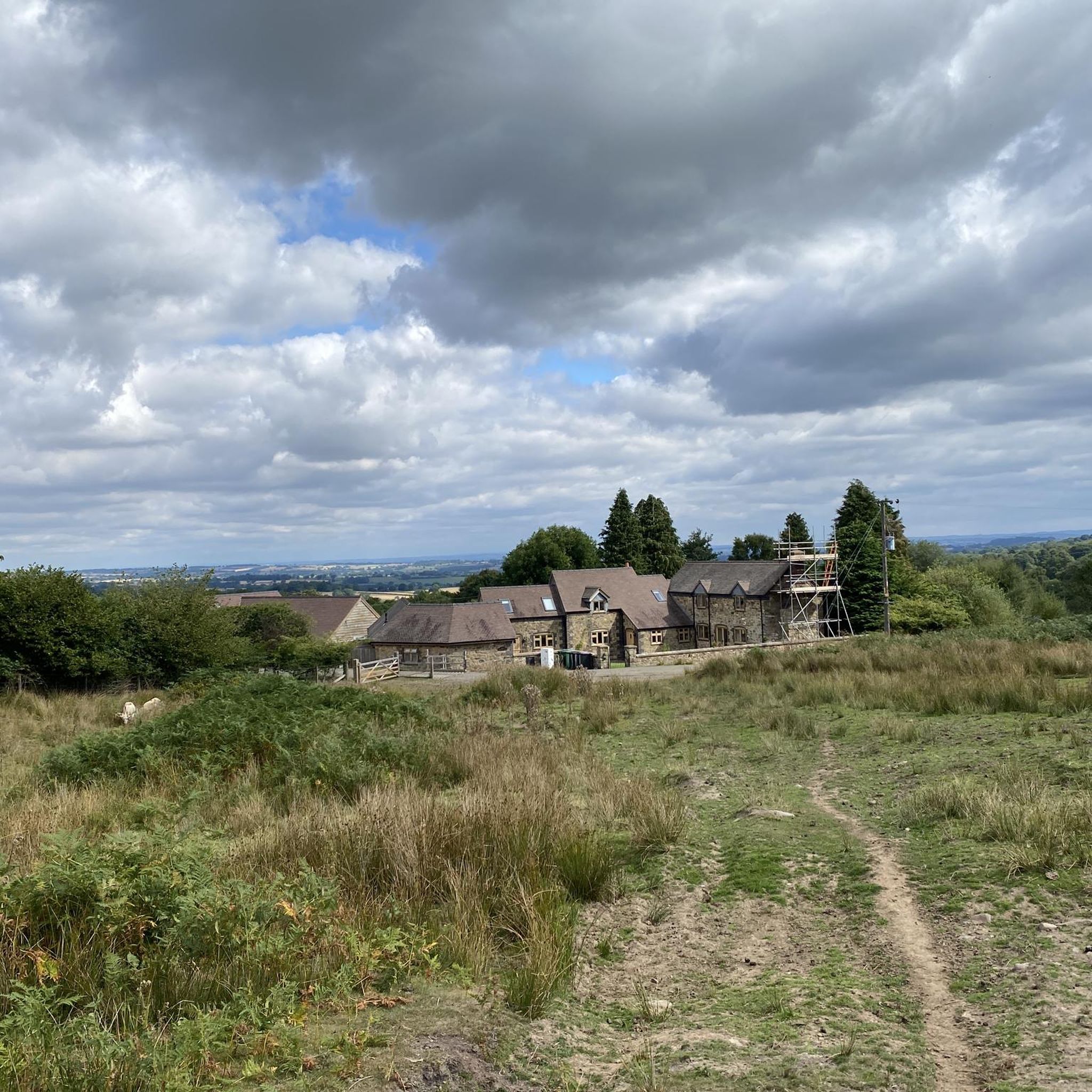
There is the bracket of the original Trig Point cemented into the path that leads to the Toposcope.
0
0

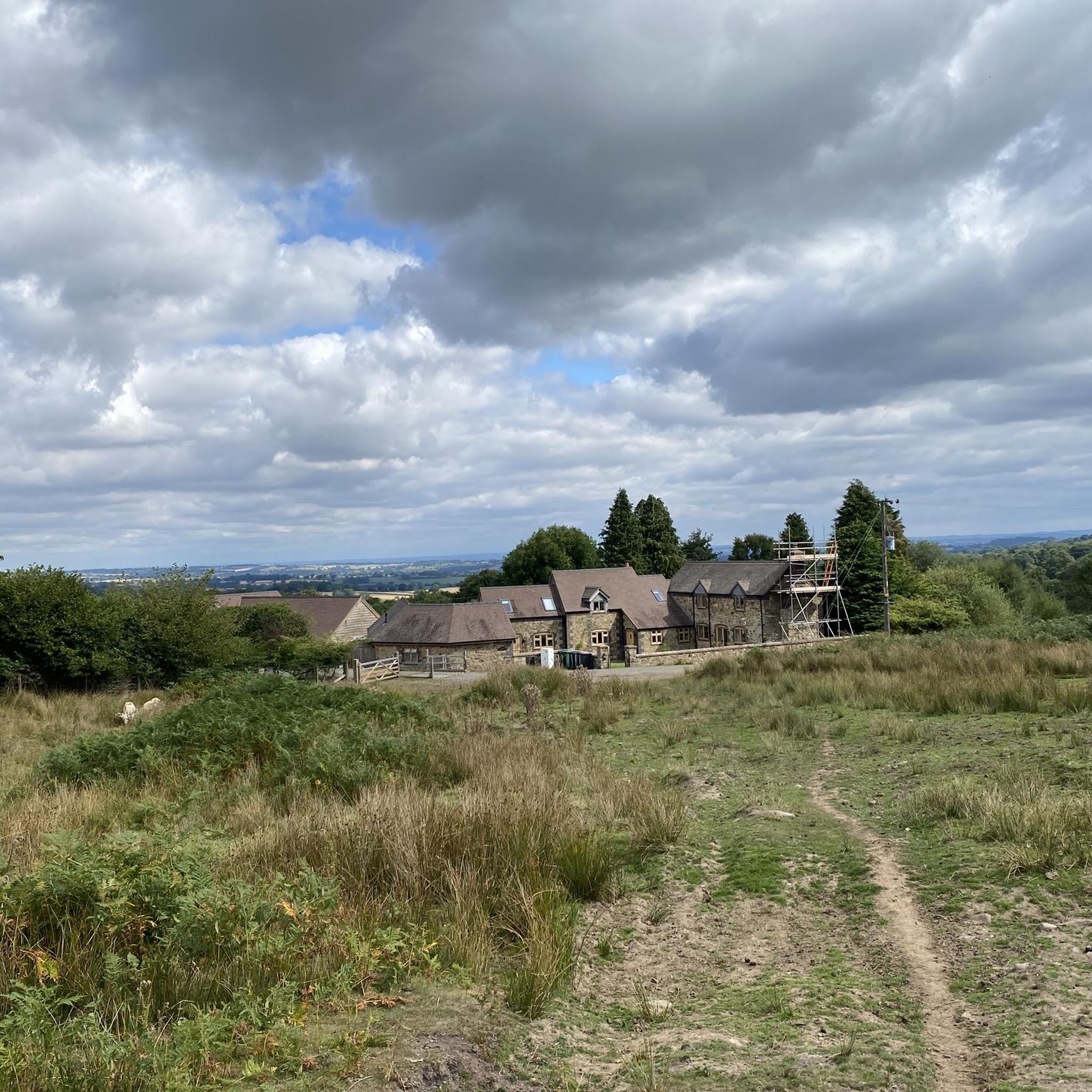
Incredible 360 views all around. A great muddy descent from the top.
0
0

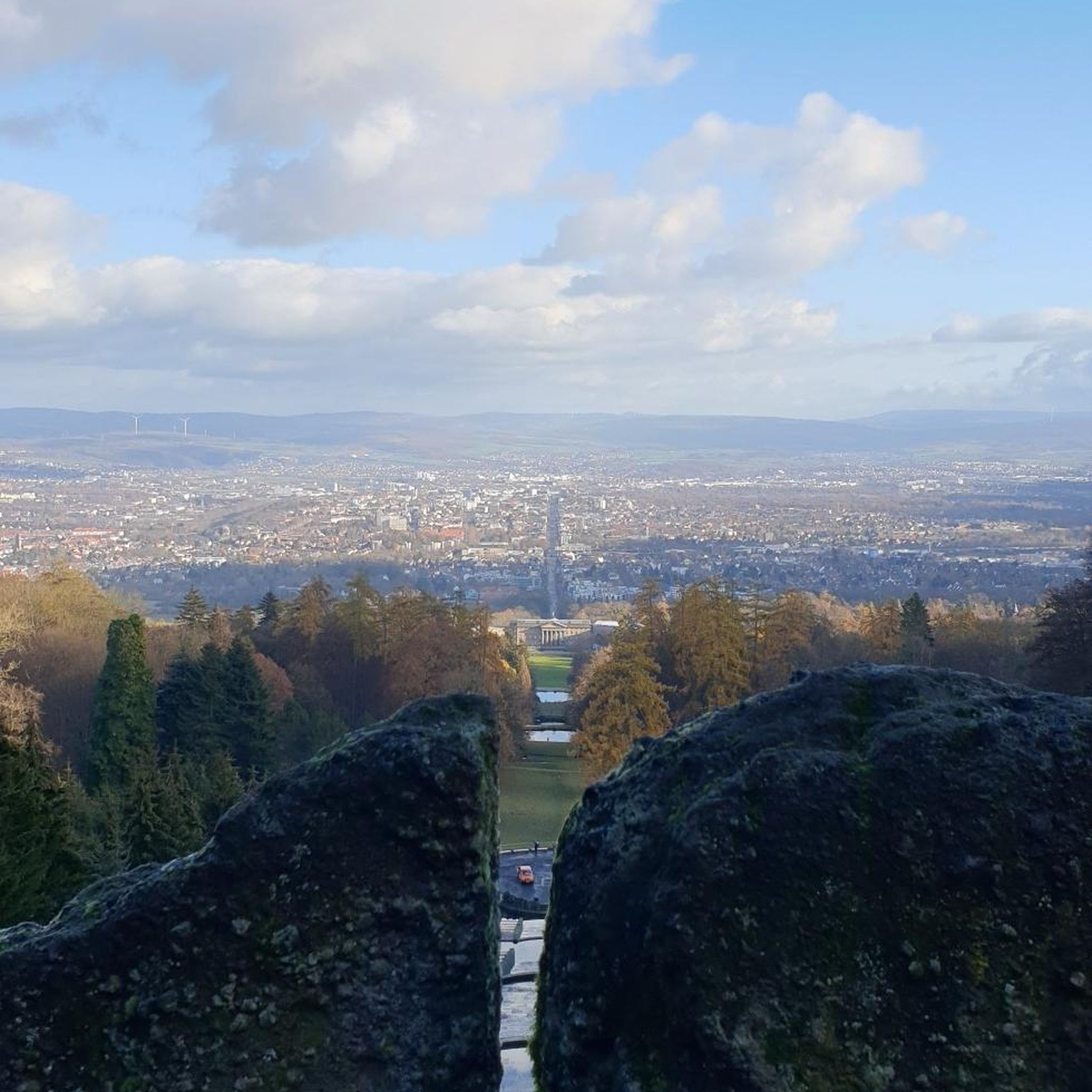
Highley railway station is a station on the Severn Valley Railway heritage line in Shropshire, near the west bank of the River Severn and just under a mile south-east of the village of Highley. Highley is the only staffed single-platform station on the line. Other stops with one platform are unstaffed halts. The only station on the Severn Valley Railway with only one platform! Beautifully restored in traditional GWR style, the station is just a short walk from The Engine House! Highley station opened to the public on 1 February 1862 and closed on 9 September 1963, before the Beeching axe closures. Highley station was important as the transport hub of a colliery district, with four nearby coal mines linked to the Severn Valley line by standard and narrow gauge lines, cable inclines and aerial ropeways . There were extensive sidings along the line, and wagon repair works at Kinlet, half-a-mile south. The station was inconveniently far from Highley so the arrival of a bus service seriously affected use of the station. The signal box opposite the platform remained in use until 1969 when Alveley colliery closed and freight traffic ceased. The station site was disused until preservation.
0
0
The old Alveley Colliery bridge was given a temporary reprieve back in September, when engineers decided that it was too risky to work on its replacement over the winter. Thus it seems likely that it will survive until this August. There is perhaps some irony in the fact that back in 1936/7 it was built in under a year and work continued all winter with no serious mishaps. The key to this was the way in which it was built, as a “balanced cantilever”. Essentially, this means that it was designed as a see-saw. The bridge has three arches; a large one in the middle over the river and two smaller ones either side to connect with the access roads. These are the “land arches”. The bridge was designed so that all the weight rests on the two piers that are either side of the river. The land arches run from these to walls that support the access roads and hold back the approach embankments; the abutment walls. However, these were designed so that they did not carry any of the weight of the bridge, they simply supported the approach roads. The key part of the structure was the two parallel reinforced concrete beams that ran continuously over the piers from Highley to Alveley and which supported the deck (the surface of the bridge over which people walked). As long as the reinforcing held, the bridge was safe. The bridge led an uneventful life until the 1960’s. However, the Severn Valley is a notoriously difficult area for buildings. The ground is unstable, frequently slipping towards the river. This had started to take its toll on the bridge; the pressure of the ground was forcing the piers into the river. In addition, the abutment walls had cracks and the deck of the bridge was worn and needed replacing. Thus in 1967 the Coal Board decided it needed major repairs. The main work was to stabilise the base of the piers. Coffer dams were constructed and the ground was built up to help the piers resist the thrust from the side of the banks. This part of the work passed without incident. The abutment walls were demolished and work started on rebuilding them. Again, this went smoothly, although the bridge apparently flexed visibly when heavy machinery was working on it whilst the abutment walls were missing. The deck was removed with pneumatic picks. Unfortunately, over the Highley land arch, the picks went in too deep and exposed a joint between the reinforcing rods in the beams that supported the deck. The joints failed spectacularly, the concrete cracked and the beams fell several feet at their landward ends until they came to rest on the partially rebuilt abutment wall. It is believed this incident caused a certain amount of panic at Coal Board Area HQ. Ladders were rigged up to allow men to pass over the dropped beams; without this, an entire shift would have been trapped on the Alveley side of the river. The beams were lifted back into more or less their correct place by jacks and the abutment was hastily rebuilt to support them. There was still a difference of a few inches between the top of the beam and the level of the approach road from Highley but this was made up by increasing the deck thickness with concrete from 6" to around 9". The repaired crack was carefully monitored but there is no suggestion that it has moved. The excitement with the deck replacement meant that the repairs were not finished until October 1968. They meant that the bridge was no longer a balanced cantilever. By the time they were complete, the colliery was in its death-throes, closing in January 1969. Thus ended one of the less cost-effective jobs undertaken by the Coal Board in the West Midlands. It may however be suspected that the Area Engineer’s office was pleased to be rid of the bridge with its now unorthodox structure.
0
0
The Highley and Alveley footbridge is a replacement bridge crossing over the River Severn between Highley and Alveley in Shropshire. Arup designed the bridge for Mowlem Construction Ltd with Ivor King Piling Ltd installing the piles. The bridge is a three span continuous reinforced concrete footbridge and was completed in 2006. The main central span is approximately 48m with side spans each of 19.5m, skewed at 30° and full height abutments. Piers and abutments are located on the banks of the river. The stratigraphy generally comprised Made Ground (mainly colliery spoil) overlying alluvial sands, silts and clays overlying a thin layer of River Terrace Deposits of clayey sandy gravel. Bedrock comprised interbedded mudstones and siltstones of the Upper Coal Measures. Both piers and the Alveley bank abutment (shown above) are founded on steel piles. However, the Highley abutment is founded on landslipped material which may potentially move, so in order not to attract loads from this material, it was founded at shallow depth.
0
0


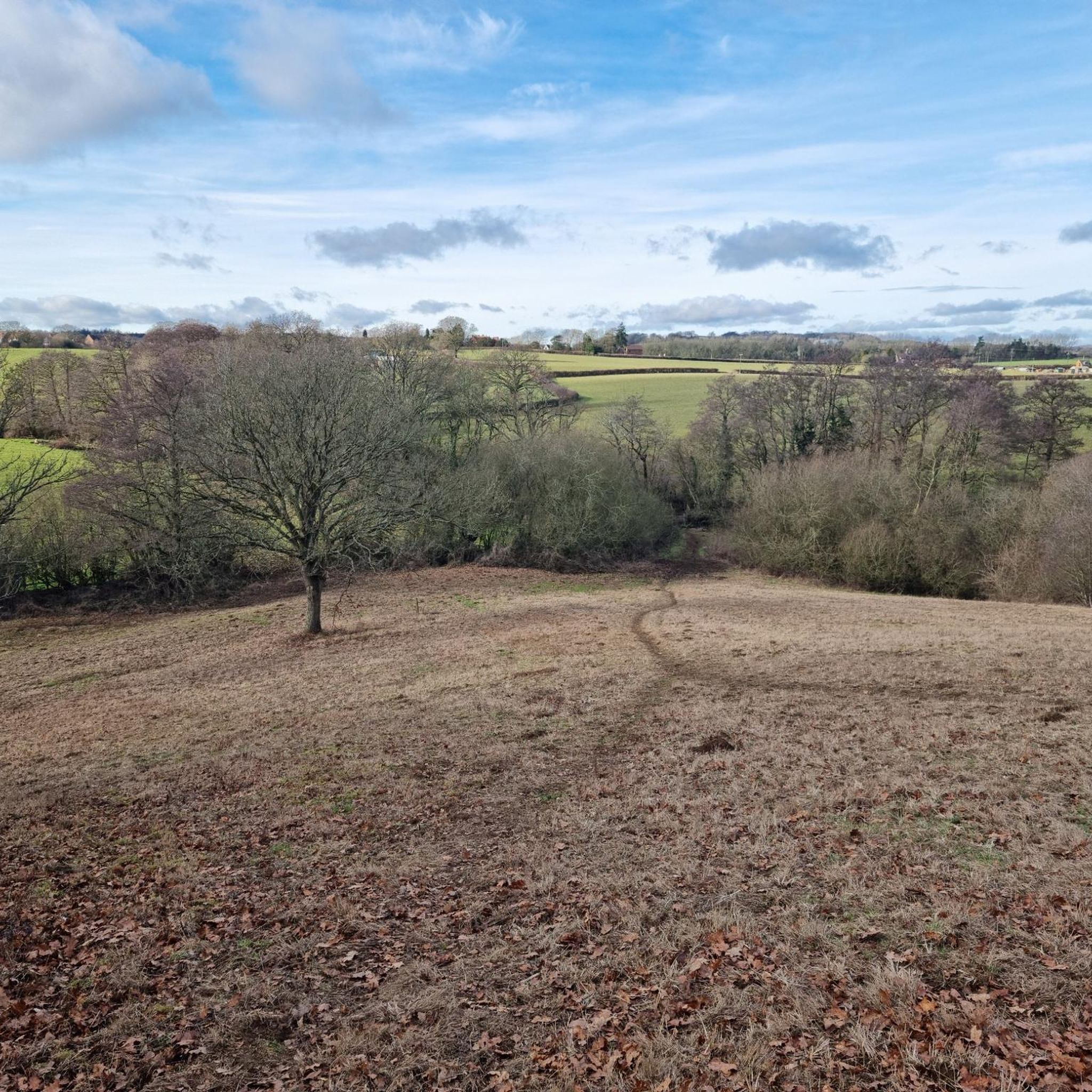
Beautiful views of the Shropshire countryside with views extending to the counties beyond.
2
0
Frequently Asked Questions
What are the most significant natural landmarks and viewpoints near Farlow?
The area around Farlow is known for its prominent hill summits. You can visit Abdon Burf Summit (Highest Point of Brown Clee Hill), which is the highest point in Shropshire and offers extensive views. Another must-see is Titterstone Clee Hill summit, providing 360-degree views and home to an Iron Age hillfort. Clee Burf, the second summit of Brown Clee Hill, also offers fantastic views of the Shropshire Hills AONB.
Are there any historical sites to explore around Farlow?
Yes, the region is rich in history. Both Titterstone Clee Hill summit and Clee Burf feature remnants of Iron Age hillforts. Additionally, you can visit Highley Railway Station, a beautifully restored station on the historic Severn Valley Line, offering a glimpse into railway heritage. Further afield, Ludlow Castle and Stokesay Castle provide insights into medieval English life.
What kind of outdoor activities can I do near Farlow?
The Shropshire Hills Area of Outstanding Natural Beauty offers numerous opportunities for outdoor activities. You can find various running trails, such as those listed in the Running Trails around Farlow guide. For cyclists, there are road cycling routes in the Road Cycling Routes around Farlow guide and general cycling routes in the Cycling around Farlow guide. The Wyre Forest National Nature Reserve also provides extensive woodlands for exploration.
Are there family-friendly attractions or activities in the Farlow area?
Families can enjoy several attractions. Highley Railway Station on the Severn Valley Line is popular with railway enthusiasts and families, especially during the summer holidays. The nearby Severn Valley Country Park offers natural landscapes for recreation. West Midlands Safari Park, located in Bewdley, is another excellent option for a family day out, offering a drive-through safari and leisure park.
Where can I find good hiking trails with scenic views near Farlow?
The hills surrounding Farlow are excellent for hiking. Brown Clee Hill, with its summits Abdon Burf and Clee Burf, offers fantastic views of the Shropshire countryside. Titterstone Clee Hill also provides exceptional 360-degree views on clear days. These areas feature open heathland and are part of the Shropshire Hills AONB, making them ideal for scenic walks.
What is the best time to visit Farlow for outdoor activities?
While the guide doesn't specify a 'best' time, good weather is generally ideal for enjoying the extensive views from the hill summits and for outdoor activities like hiking and cycling. Spring and summer offer milder temperatures and longer daylight hours, making them popular for exploring the Shropshire Hills. Autumn can also be beautiful with changing foliage.
Are there any unique engineering or architectural marvels in the vicinity?
Yes, the area boasts significant engineering heritage. The Highley and Alveley Footbridge is a modern example of engineering, crossing the River Severn. Further afield, The Iron Bridge in Ironbridge is a UNESCO World Heritage Site and the world's first cast-iron bridge, a true marvel of industrial revolution engineering.
What do visitors particularly enjoy about the attractions around Farlow?
Visitors frequently praise the stunning panoramic views from the hill summits, such as Abdon Burf and Titterstone Clee Hill. The historical intrigue of Iron Age hillforts and the unique experience of the heritage Severn Valley Railway at Highley Railway Station are also highly appreciated. The natural beauty and opportunities for walking are consistently highlighted.
Are there any gardens or arboretums worth visiting near Farlow?
Yes, for those who appreciate botanical beauty, Arley Arboretum & Gardens are situated in Upper Arley, offering a beautiful natural setting to explore. It's a great option for a more relaxed outdoor experience.
What kind of wildlife can I expect to see in the natural areas around Farlow?
The natural landscapes, particularly areas like Wyre Forest National Nature Reserve and Severn Valley Country Park, are home to diverse wildlife. While specific species are not detailed, these extensive woodlands and natural parks provide habitats for various birds, mammals, and insects typical of English countryside. The West Midlands Safari Park offers a more direct wildlife viewing experience with exotic animals.
Can I find information about the local landscape and history of the Shropshire Hills?
Absolutely. The Shropshire Hills Discovery Centre is an award-winning visitor attraction that delves into the landscape and history of the Shropshire Hills. It features exhibits on prehistoric life and a panoramic film, providing excellent context for the region's natural and historical significance.
Are there any unique or 'hidden gem' attractions in the Farlow area?
While the main attractions are well-known, the sheer number of Iron Age hillfort remnants on hills like Brown Clee and Titterstone Clee, often less explored than the summits themselves, could be considered hidden gems for history enthusiasts. The extraordinary collapsed bell pits from historical quarrying on Clee Burf also offer a unique and intriguing sight.
Most popular attractions around Farlow

Get inspired with the komoot mobile app


Explore more
Still not found the Highlight you’re looking for? See guides of the top attractions in other regions:
