Top 5 Castles around Thirlwall
Best castles around Thirlwall are situated in a historically significant region, close to the Anglo-Scottish border and Hadrian's Wall. This area features a landscape shaped by centuries of border warfare and Roman occupation. The castles here offer insights into medieval defense strategies and the repurposing of ancient Roman materials. The region is part of the Northumberland National Park, providing a scenic backdrop for these historical sites.
Best castles around Thirlwall
- The most popular castles is Thirlwall Castle Ruins, a…
Last updated: July 31, 2026
Thirlwall Castle Ruins
Highlight • Historical Site
Tip by

Roman Vindolanda Fort and Museum
Highlight • Historical Site
Translated by Google •
Tip by

Sign up now to discover places like this
Get recommendations on the best single tracks, peaks, & plenty of other exciting outdoor places.
Sign up for free
Cawfields Milecastle 42, Hadrian's Wall
Highlight • Historical Site
Tip by

Housesteads Roman Fort
Highlight • Monument
Tip by
Askerton Castle
Highlight • Castle
Translated by Google •
Tip by
Sign up for free to discover even more castles around Thirlwall.
Sign up for free
Already have an account?
Start today with a free account
Your next adventure awaits.
Login or Signup
Popular around Thirlwall


Tips from the Community

Housestead Fort is one of the most impressive Roman forts you can ever come across. It is super well preserved and free to enter if you belong to the National Trust, so don't forget your card. There is a small museum and shop nearby where you can get entry tickets, coffee, and snacks.
0
0
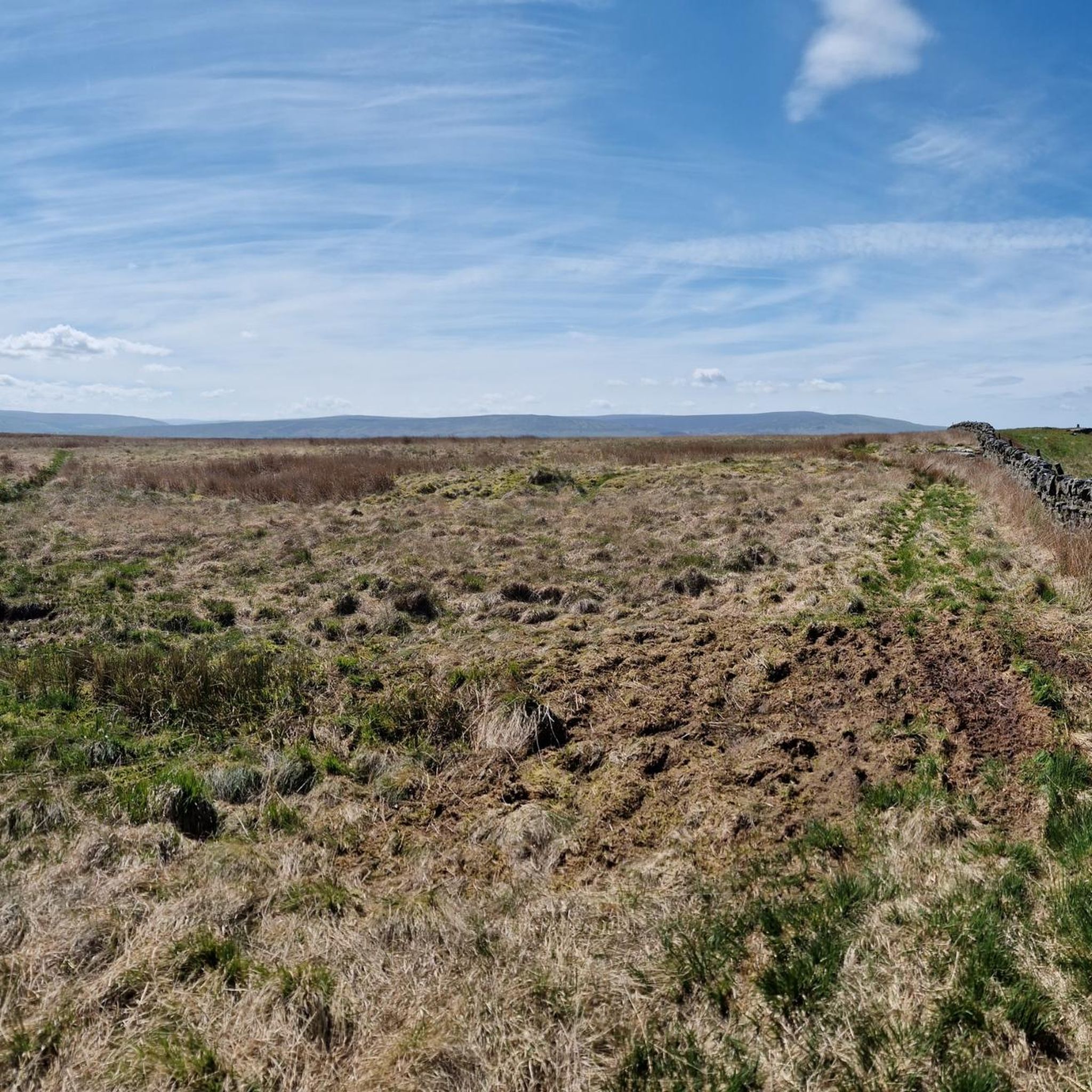
Milecastle 42 is one of those spots on Hadrian’s Wall that feels like you’ve just stumbled on a hidden gem. It’s not huge, but that’s part of the charm – you can properly picture the Roman soldiers posted here, staring out across the wild Northumberland landscape and wondering what on earth they’d signed up for. The views are cracking, the ruins are well-marked, and it gives you that instant connection to history without being swamped by crowds. A quick stop, but a memorable one – exactly what you want on a wall walk.
0
0

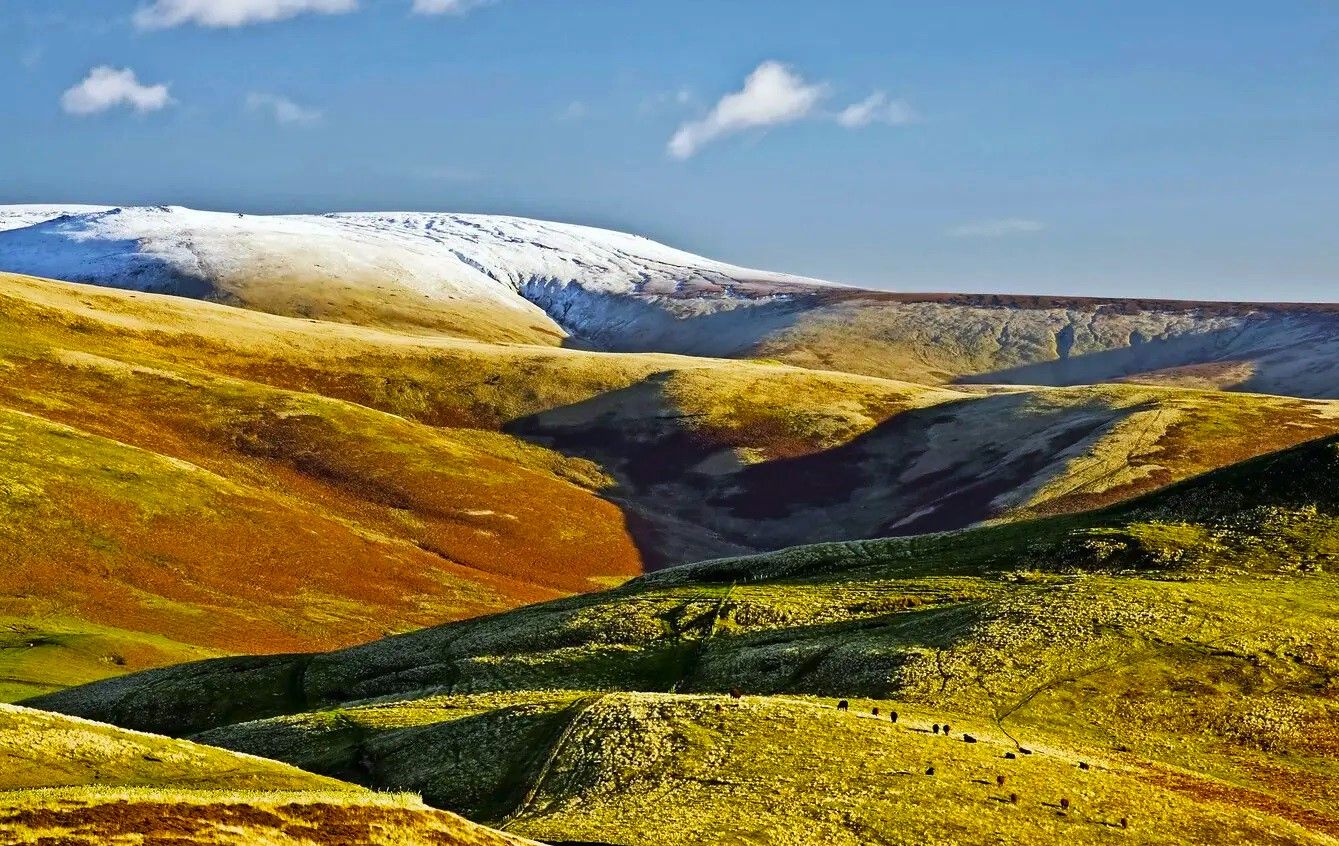
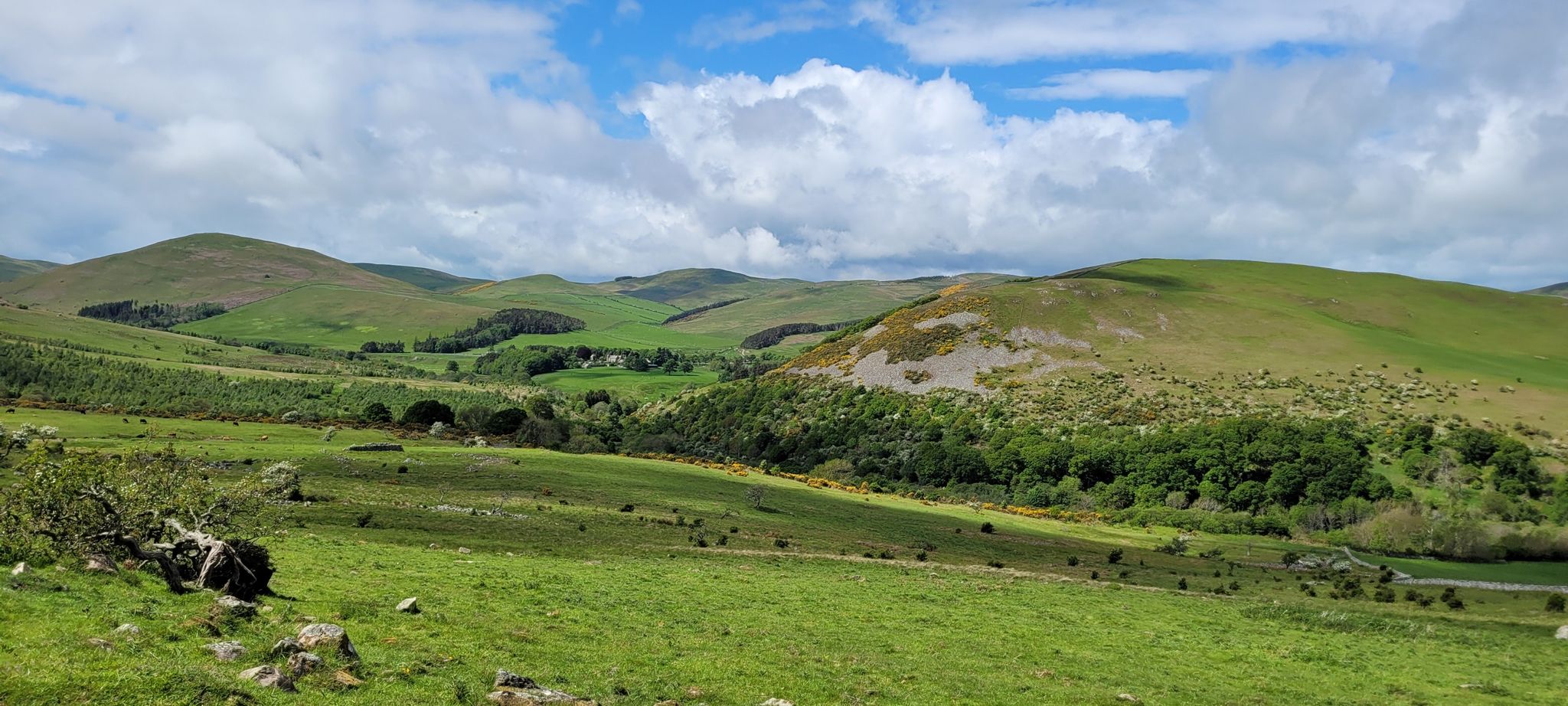
Askerton Castle is a rare example of a fortified medieval manor house, situated in remote north Cumbria, about three miles north of Hadrian's Wall. The original building was constructed around 1290 as an unfortified hall, but in the late 15th century, two battlemented towers—the Dacre Tower and the Dovecot Tower—were added by Thomas, Lord Dacre, as part of a border defense against the notorious Border Reivers. In the 16th century, the complex was expanded with a stable block and additional wings for troop accommodation. A third tower on the northwest corner is believed to have been lost, possibly to fire, but traces of its stonework and staircases are still visible in the walls. The structure contains impressive oak beams, dated between 1494 and 1510, and shows clear stages of architectural evolution—from a simple hall to a military stronghold. Although the castle is not open to the public, it is now part of the Askerton Castle Estate, an organic farm that produces beef, lamb, pork, and poultry. The building is a Grade I listed building, indicating its exceptional historical value.
7
0
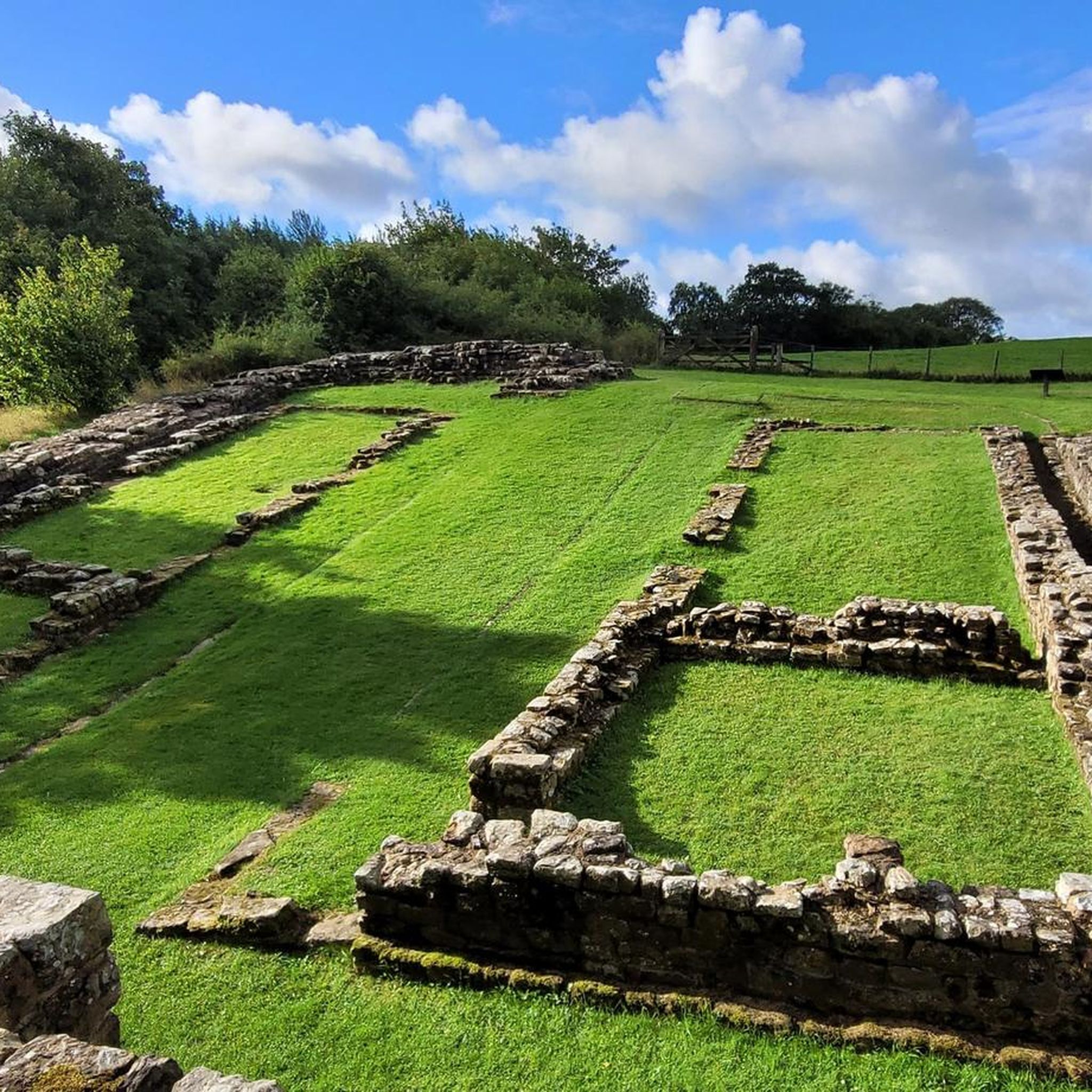
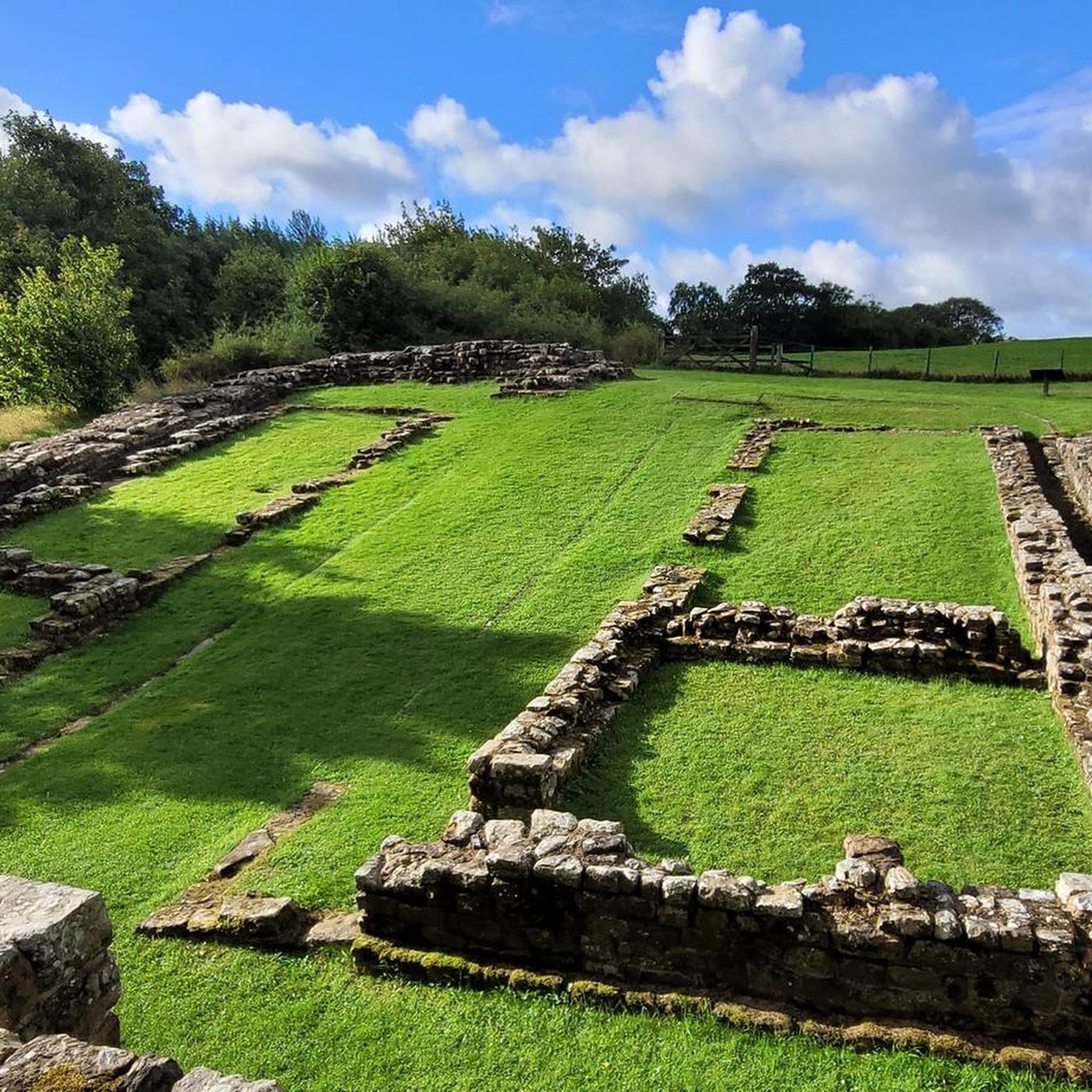
🏛️ Vindolanda Fort is one of the most fascinating Roman archaeological sites in Britain. Built around 85 AD and rebuilt nine times, Vindolanda was an important military stronghold before and during the construction of Hadrian's Wall. The highlight of the discovery were the Vindolanda Tablets – wooden tablets containing personal letters, shopping lists, and even birthday party invitations. They are the oldest handwritten documents in Britain. On site, you'll see the remains of forts, bathhouses, barracks, and a Roman village (vicus), replicas of Roman buildings and sections of Hadrian's Wall, and a modern museum with thousands of artifacts: shoes, toys, weapons, jewelry, and more. 🍵 Visitor facilities: Café, shop, guided tours, and listening posts with explanations.
11
0


Get ready to level up in the ragdoll archery game and improve your score by putting your talents to the test. https://ragdollarchers.com/
0
2

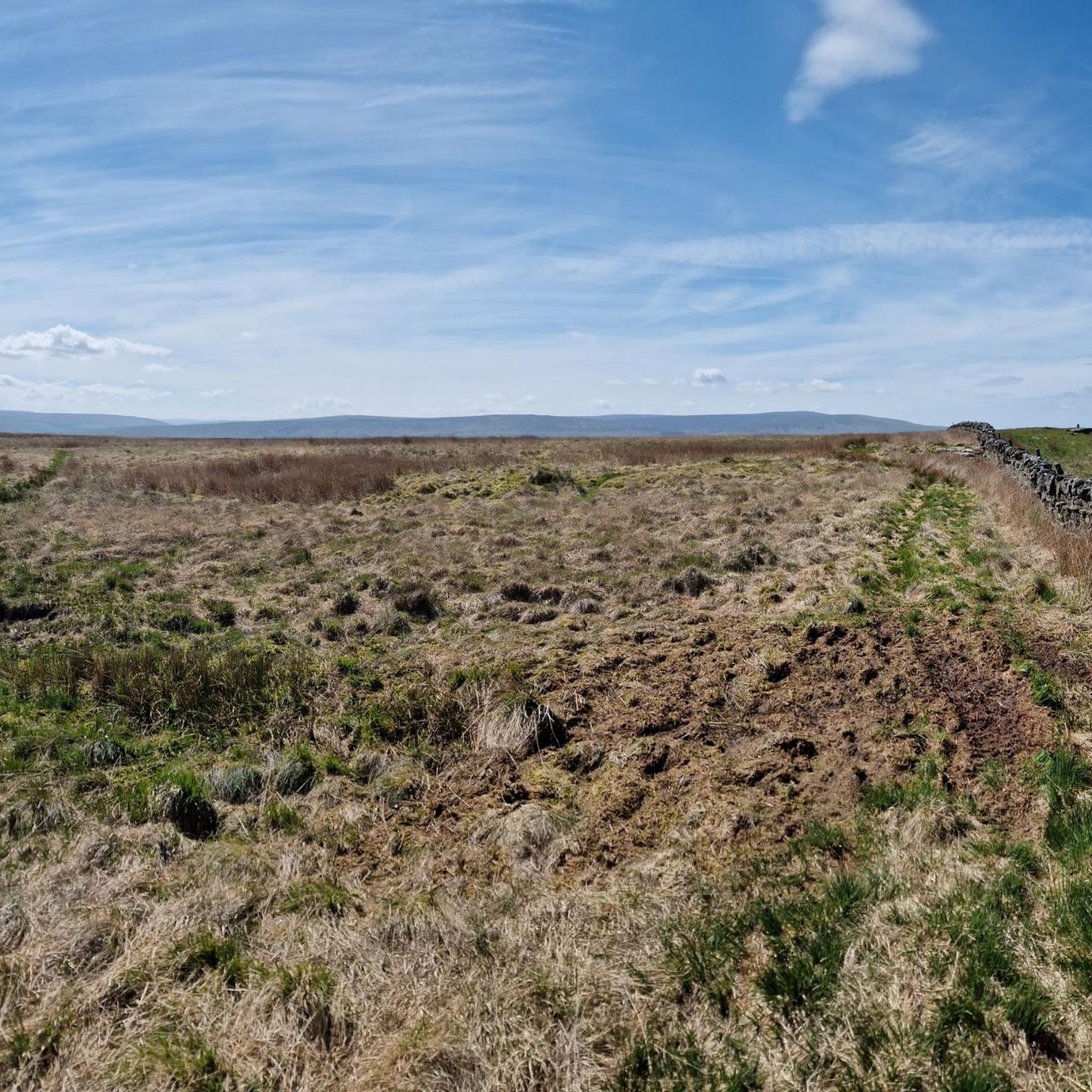
The fort has a spectacular location in this lonely landscape, absolutely impressive!
0
0
Frequently Asked Questions
What makes the castles around Thirlwall historically significant?
The castles in the Thirlwall area are deeply rooted in the turbulent history of the Anglo-Scottish border. Many, like Thirlwall Castle Ruins, were strategically built using stones from Hadrian's Wall, showcasing a unique blend of Roman and medieval architecture. They served as crucial strongholds during centuries of border warfare, offering a tangible connection to the lives of families who defended the region.
What is the best time of year to visit the castles around Thirlwall?
The castles around Thirlwall, including Thirlwall Castle, are situated within the picturesque Northumberland National Park. While accessible year-round, visiting during spring, summer, or early autumn offers the most pleasant weather for exploring the ruins and enjoying the surrounding landscape. The Hadrian's Wall Trail and Pennine Way, which pass by Thirlwall Castle, are also best enjoyed in milder conditions.
Are there any local legends associated with Thirlwall Castle?
Yes, Thirlwall Castle is steeped in local folklore. Tales include a 'Black Dwarf' said to guard a golden table in a hidden cavern beneath the castle, and a secret tunnel believed to have connected it to the nearby Blenkinsopp Castle for escape. There are also stories of a White Lady ghost haunting the ruins.
Beyond Thirlwall Castle, what other historical sites can I explore in the area?
Besides Thirlwall Castle Ruins, you can visit Roman Vindolanda Fort and Museum, an important Roman auxiliary fort with excavated ruins and ancient handwritten documents. Another significant site is the Ruins of Bewcastle Castle, originally built on a Roman fort and playing a role in border defense. You can also explore Housesteads Roman Fort, the most complete Roman fort surviving in Britain.
What can I expect to see at Roman Vindolanda Fort and Museum?
At Roman Vindolanda Fort and Museum, you can explore the excavated ruins of a Roman auxiliary fort, including bathhouses and barracks. The site also features a modern museum housing thousands of artifacts, most notably the Vindolanda Tablets – the oldest handwritten documents in Britain. It offers a fascinating glimpse into Roman life on Hadrian's Wall.
Are there family-friendly castles or historical sites in the Thirlwall area?
Yes, several sites are suitable for families. Roman Vindolanda Fort and Museum is considered family-friendly, offering interactive exhibits and a chance to explore ancient ruins. The Ruins of Bewcastle Castle also welcome families to explore its historic grounds. Thirlwall Castle Ruins are free to enter and provide an open space for exploration and picnics.
What outdoor activities can I do near these castles?
The area around Thirlwall's castles is excellent for outdoor activities. You can enjoy hiking along the Hadrian's Wall Trail or the Pennine Way, which pass directly by Thirlwall Castle. For more options, check out the various hiking routes around Thirlwall, road cycling routes, or gravel biking trails available in the region.
Are there hiking trails near Thirlwall Castle?
Absolutely. Thirlwall Castle is conveniently located directly on both the Hadrian's Wall Trail and the Pennine Way, making it an ideal stop for hikers. There are also shorter, easy loops like the Thirlwall Castle to Walltown Quarry loop, perfect for a leisurely walk. You can find more detailed hiking routes around Thirlwall on komoot.
Is there parking available for Thirlwall Castle and nearby walks?
Yes, Thirlwall Castle is easily accessible via a short walk from a dedicated car park. For other sites along Hadrian's Wall, visitor centers like the one at Housesteads Roman Fort often provide good parking options for starting hikes in the area.
How long should I plan for a visit to Thirlwall Castle?
While Thirlwall Castle Ruins can be explored in about an hour, many visitors combine it with a walk along the Hadrian's Wall Trail or a picnic in the grounds. If you're planning to explore the surrounding area or other nearby historical sites like Vindolanda, you might want to dedicate half a day or more.
What do visitors enjoy most about the castles around Thirlwall?
Visitors frequently appreciate the rich history and tangible connection to border warfare offered by sites like Thirlwall Castle, especially its construction from Hadrian's Wall stones. The scenic location within Northumberland National Park and the opportunity for picnics are also popular. For Roman Vindolanda Fort and Museum, the well-preserved ruins and the unique Vindolanda Tablets are major draws.
Are there any castles around Thirlwall that are not open to the public?
Yes, Askerton Castle is a rare example of a fortified medieval manor house in the region. While historically significant, it is now part of an organic farm and is not open to the public for visits. However, its exterior can be appreciated from a distance.
Most popular routes around Thirlwall
Most popular attractions around Thirlwall

Get inspired with the komoot mobile app


Explore more
Looking for the best castles somewhere else? Discover other guides around Thirlwall:
