The best walks and hikes around West Auckland
4.5
(116)
686
hikers
87
hikes
Hikes around West Auckland explore a landscape of rugged coastline, native rainforest, and prominent hills within the Waitākere Ranges. The region is characterized by its black-sand beaches and a network of trails that navigate through dense bush and to coastal viewpoints. Many routes involve varied elevation, including sections with stairs and boardwalks. Due to efforts to protect native kauri trees, it is important to check the current status of any trail before setting out.
Best hiking trails around West Auckland
…Last updated: October 12, 2026
3.9
(11)
31
hikers
7.32km
01:59
100m
100m
Easy hike. Great for any fitness level. Easily-accessible paths. Suitable for all skill levels.
4.5
(2)
12
hikers
11.6km
03:05
110m
110m
Moderate hike. Good fitness required. Easily-accessible paths. Suitable for all skill levels.

4.3
(3)
6
hikers
9.33km
02:29
100m
100m
Moderate hike. Good fitness required. Easily-accessible paths. Suitable for all skill levels.
3.0
(1)
9
hikers
Moderate hike. Good fitness required. Easily-accessible paths. Suitable for all skill levels.
10
hikers
6.14km
01:38
60m
60m
Easy hike. Great for any fitness level. Easily-accessible paths. Suitable for all skill levels.
Get access to more routes and recommendations from other explorers.
Already have an account?
Our route recommendations are based on thousands of hikes, rides, and runs completed by other people on komoot.
Start today with a free account
Your next adventure awaits.
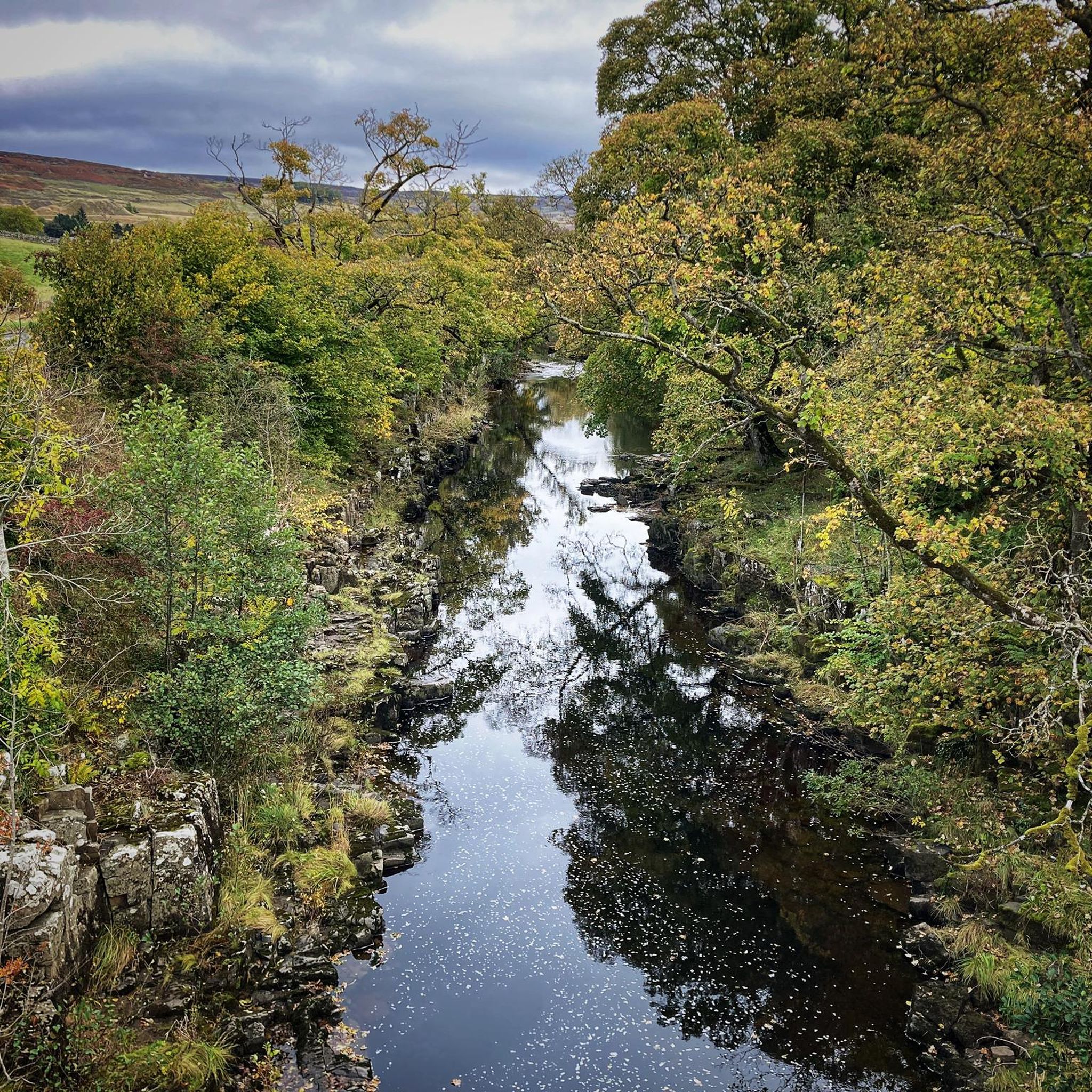
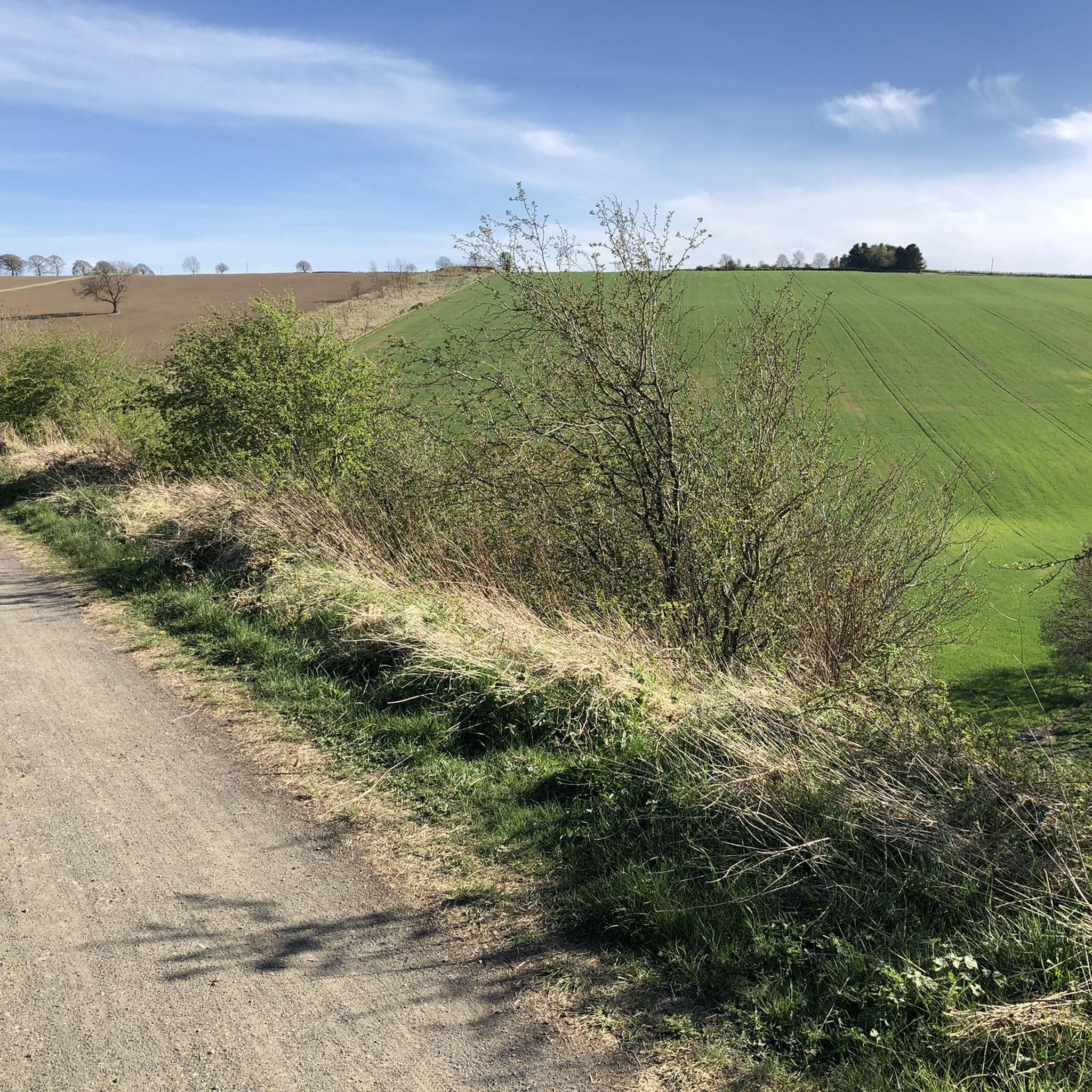
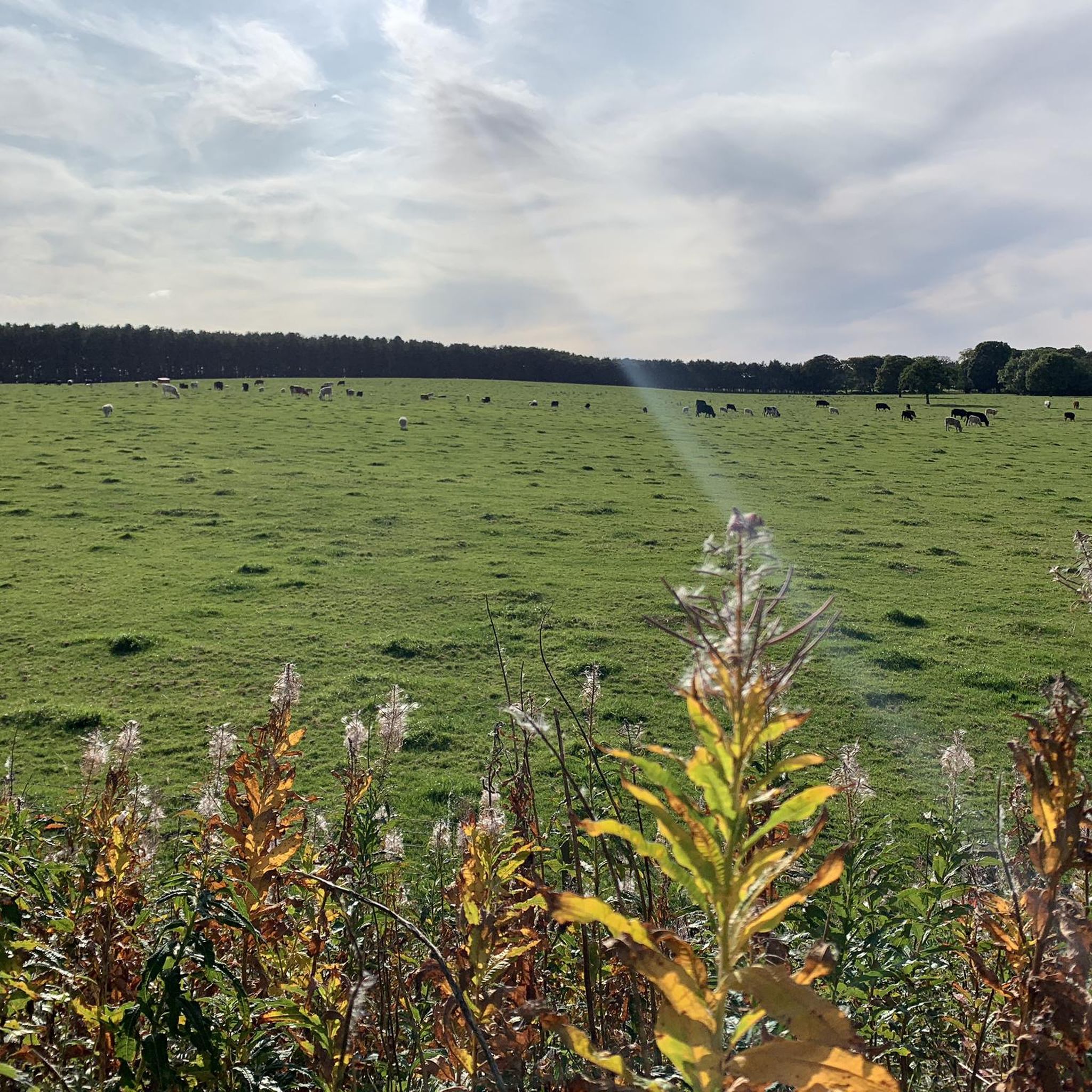

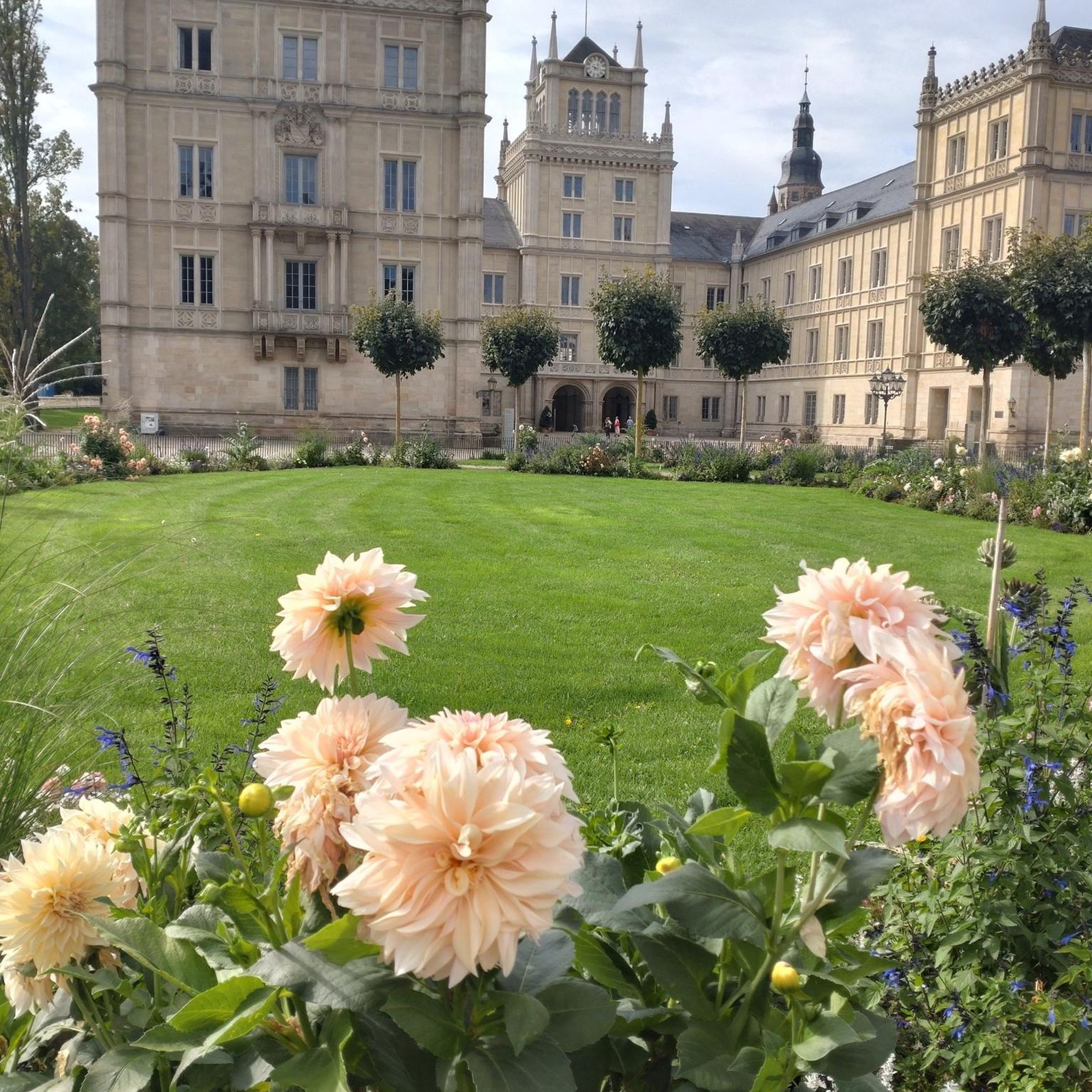
Tips from the Community


Witton-le-Wear railway station, originally opened in 1847 and closed to passengers in 1953. The station has since been incorporated into the Weardale Railway heritage line, which resumed services to Witton-le-Wear in 2016.
1
0

The country park in the grounds of Auckland Castle is mostly in the area between the River Wear and the River Gaunless. The castle is the home for the Prince Bishops of Durham. It's open to the public (paid entry) to visit and view over q 1000 years of history. The castle sits in an area of deer park which you can walk through. There is also a deer shelter built in the style of a castle or folly that was designed to provide feeding and shelter for the deer and a place for a picnic for the wealthy residents.
0
0
The Durham Wildlife Trust visitor centre at Low Barns Nature Reserve has lots of information, a cafe and toilets. It's open 10:00 - 16:00 every day.
0
0
Marston Lake is a freshwater lake formed in the old sand and gravel quarry. It's a haven for wetland and water birds and therefore a SSSI managed by Durham Wildlife Trust. Look out for Kingfishers, Bittern and Snipe.
0
0
Low Barns Nature Reserve is a SSSI area of mixed wetland, lake, woodland and wet woodland set around three lakes. It was originally farmland but then used for gravel and sand extraction until the 1960's. It was given to the Durham Wildlife Trust who now manage the area. The site is flat with well-maintained paths and boardwalks so it's suitable for everyone. There are several bird hides and a visitor centre with a cafe and toilets. Look out for Bitten, Kingfisher, Otter, Stoat and many other species.
0
0

The Grade II-listed Witton Castle has seen many changes in its much-modified existence. Built in the 15th-century, today it is at the heart of the Witton Castle Country Park, a vast estate that houses a holiday park, lakes, mature woodland and nature reserves. There are a number of good trails around the site and the village of Witton-le-Wear is just a short walk away too.
0
0
Witton Park is a small village by the River Wear in County Durham. It's a good place to start exploring the nature reserves and reclaimed industrial land along the river. A Corten steel statue – the Ball and the Bradford Boy – is located in the village. It's a moving tribute to the four fighting Bradfords of Witton Park, who went to battle during the First World War. Only one would return. The nearby Low Barns Nature Reserve is a particularly good spot for wildlife watching, with its wet woodland, grassland, open water and riverside habitats. Its large, accessible bird hides are a great place to relax and study the wildfowl.
0
0
Frequently Asked Questions
Are there any easy, family-friendly hikes in West Auckland?
Yes, West Auckland has many options for families. The Bishop Auckland Country Park loop is a great choice, offering a relatively flat 7.3 km path that's manageable for most. For a stunning coastal experience without a major climb, the Mercer Bay Loop Walk is a popular and highly-regarded option with dramatic sea views.
Can I bring my dog on hikes in the Waitākere Ranges?
Dog access in the Waitākere Ranges is restricted to protect native wildlife and prevent the spread of kauri dieback disease. Most tracks within the regional park are not dog-friendly. Always check the specific rules for each track on the Auckland Council website before you go, as regulations can change.
How do I check if a hiking track is open?
Due to kauri dieback disease, many tracks in the Waitākere Ranges may be temporarily or permanently closed. It is essential to check the current status of any trail before you leave home. You can find the most up-to-date information on track closures and conditions on the Auckland Council website.
What are some good hikes for seeing waterfalls?
West Auckland is famous for its beautiful waterfalls hidden within the rainforest. The Kitekite Falls Track is a local favorite, leading to a stunning multi-tiered waterfall with a swimming hole at its base. Another excellent option is the track to Karamatura Falls, which involves more stairs but rewards you with lovely cascades and pools.
Which hikes offer the best coastal views?
For breathtaking coastal scenery, the Omanawanui Track is hard to beat, offering panoramic views over the Manukau Harbour, though it is a strenuous hike with many stairs. For a less challenging but equally spectacular option, the Te Henga Walkway provides classic West Coast vistas of rugged cliffs and black-sand beaches.
How many hiking trails are available around West Auckland?
There are over 90 curated hiking routes to explore around West Auckland on Komoot. These range from 51 easy walks suitable for most people to 39 moderate trails and 3 difficult treks for those seeking a challenge.
What do other hikers say about the trails in West Auckland?
The trails in this region are highly rated by the Komoot community, with an average score of 4.6 stars. Hikers frequently praise the dramatic scenery, which combines lush native rainforest with rugged black-sand coastlines. The well-maintained tracks and challenging stair sections are also common points of discussion.
Are there any challenging hikes for experienced trekkers?
Yes, for a serious challenge, the Escomb Saxon Church – Auckland Castle and Deer House loop is a moderate hike of nearly 14 km with significant elevation. Another strenuous option is the Karamatura to Mount Donald Maclean track, which involves a steep climb to a summit with rewarding panoramic views.
Can I get to West Auckland's hiking trails using public transport?
Accessing the main trailheads in the Waitākere Ranges via public transport can be challenging, as many are in remote locations. Some bus services run to towns like Titirangi, Piha, or Huia, but you may still have a long walk to the start of a trail. Using a car is generally the most convenient way to reach the hikes in this area.
What should I pack for a day hike in the Waitākere Ranges?
The weather in the Waitākere Ranges can change quickly. Be sure to pack waterproof layers, even on a sunny day. Sturdy footwear is essential due to uneven terrain and muddy sections. Also bring plenty of water, snacks, a fully charged phone, and a small first-aid kit. Before you enter a track, use the hygiene stations to clean your shoes to help prevent the spread of kauri dieback.
Are there circular or loop trails available?
Yes, there are several excellent loop trails. The Low Barns Nature Reserve – Witton Castle loop offers a 14.6 km moderate circuit. For a shorter but more varied walk, the Escomb Saxon Church loop is a popular 9.3 km option.
Most popular attractions around West Auckland

Get inspired with the komoot mobile app


Explore more
Browse the best Hikes in other regions.
