Top 20 Natural Monuments around Fischbachtal
Best natural monuments around Fischbachtal showcase the region's diverse natural features and geological formations. The area is characterized by varied habitats and a landscape shaped by millions of years of geological processes. Visitors can explore significant rock formations, waterfalls, and elevated viewpoints. These natural features contribute to the area's appeal for outdoor activities.
Best natural monuments around Fischbachtal
- The most popular natural monuments is Felsenmeer (Felsberg near Reichenbach), a natural monument consisting of massive, rounded blocks of quartz diorite.…
Last updated: September 29, 2026
Felsenmeer (Felsberg near Reichenbach)
Highlight • Natural Monument
Translated by Google •
Tip by

Fallbach Waterfall
Highlight • Waterfall
Translated by Google •
Tip by

Sign up now to discover places like this
Get recommendations on the best single tracks, peaks, & plenty of other exciting outdoor places.
Roman Giant Column (Riesensäule) at the Felsenmeer
Highlight • Historical Site
Translated by Google •
Tip by

Emperor's tower on the Neunkircher Höhe
Highlight • Monument
Translated by Google •
Tip by

Rimdidim Rock
Highlight • Natural Monument
Translated by Google •
Tip by

Sign up for free to discover even more natural monuments around Fischbachtal.
Already have an account?
Start today with a free account
Your next adventure awaits.
Popular around Fischbachtal
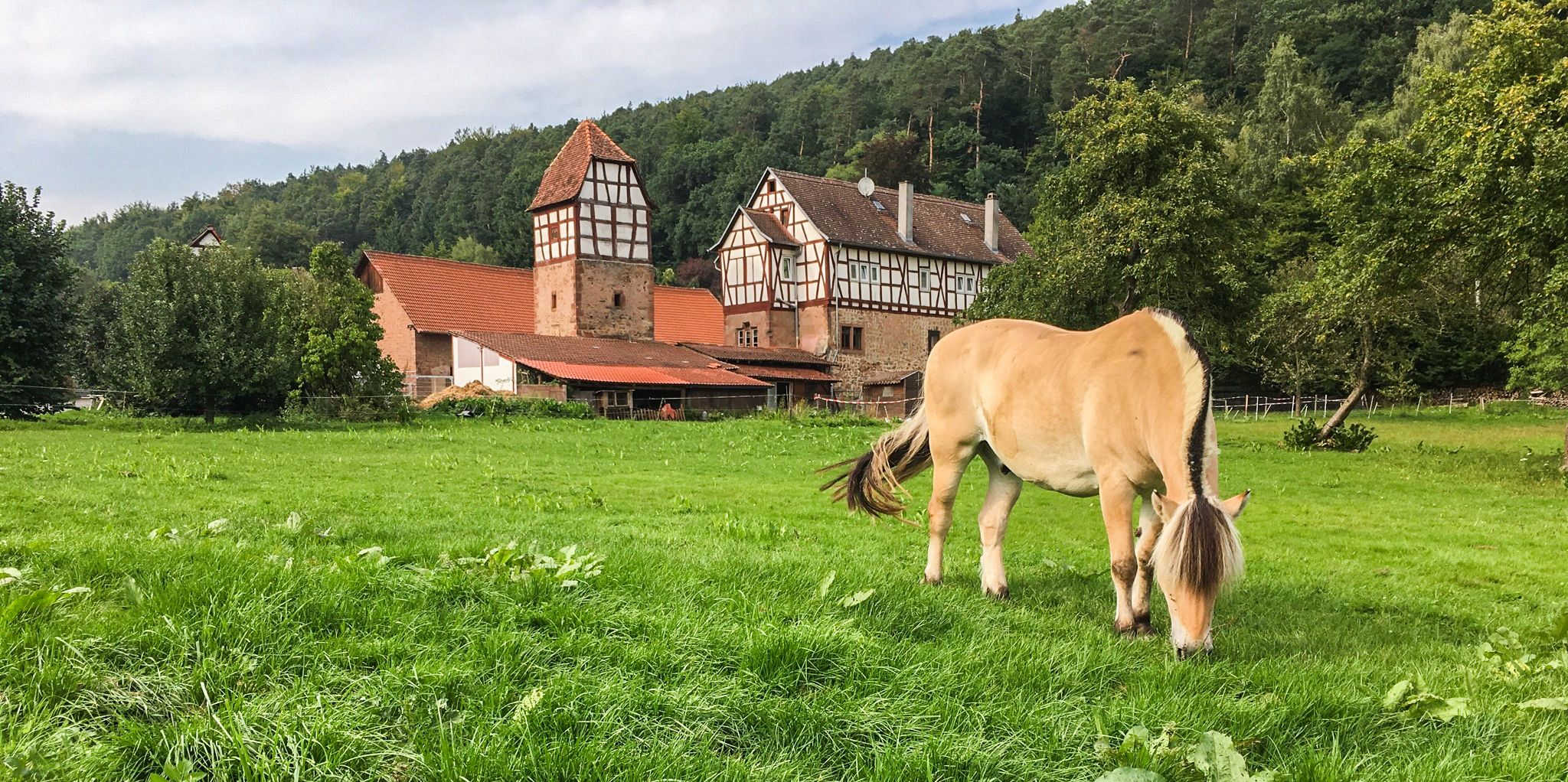
The Alemannenweg – Hiking in the Odenwald
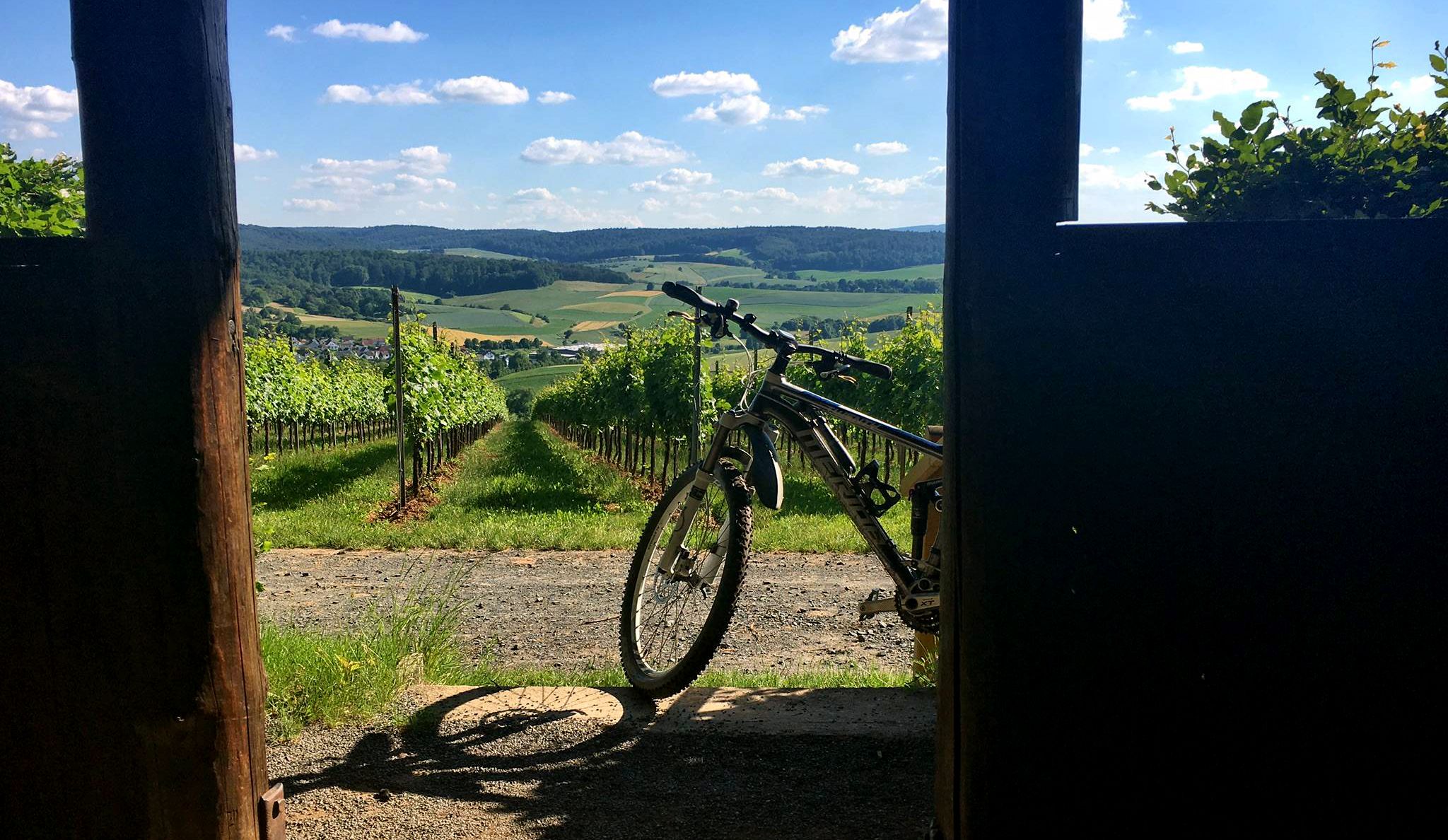
Twelve undiscovered mountain bike gems in the Odenwald and on the Bergstrasse
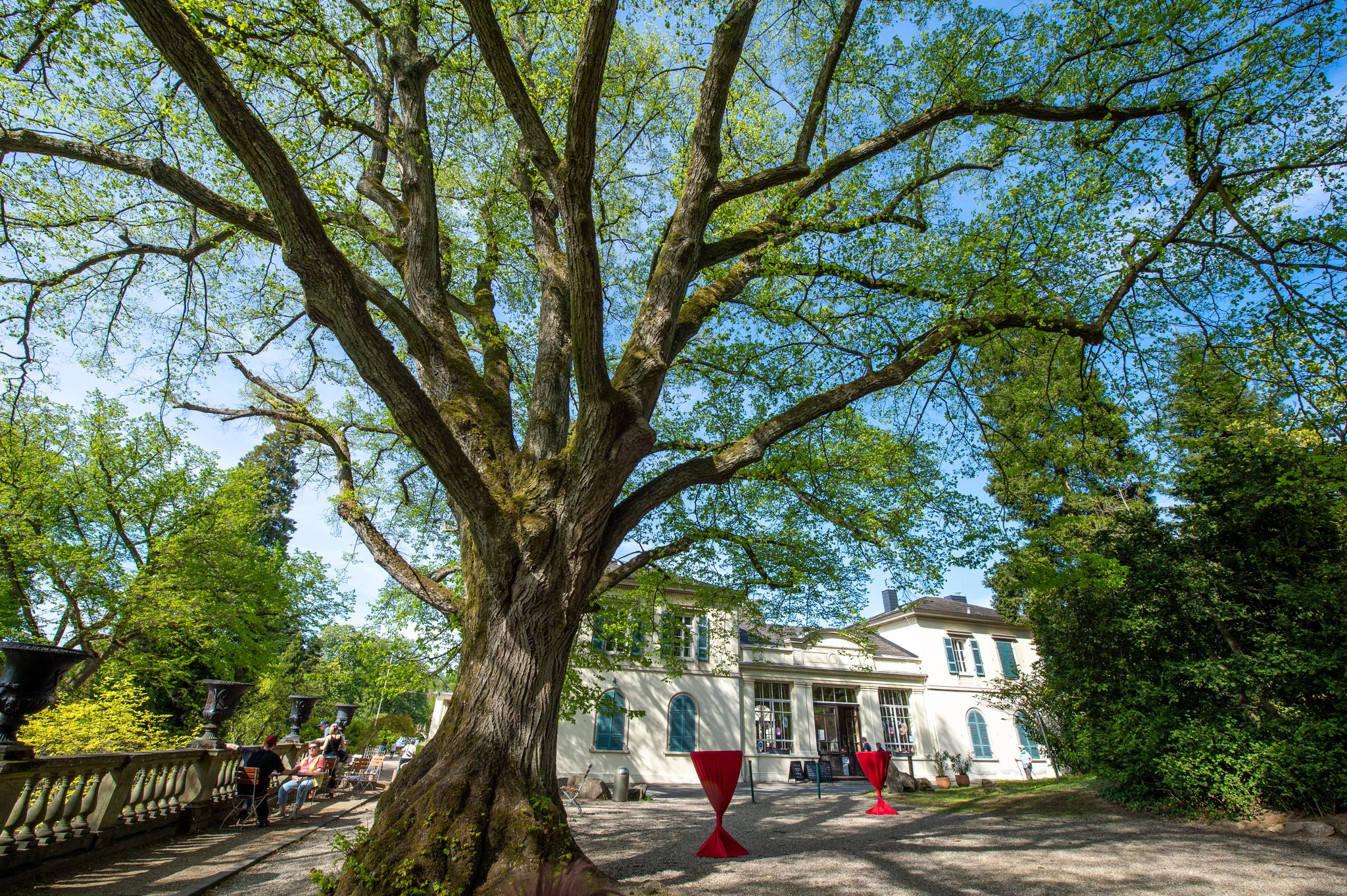
Rundwanderungen in Darmstadt-Dieburg
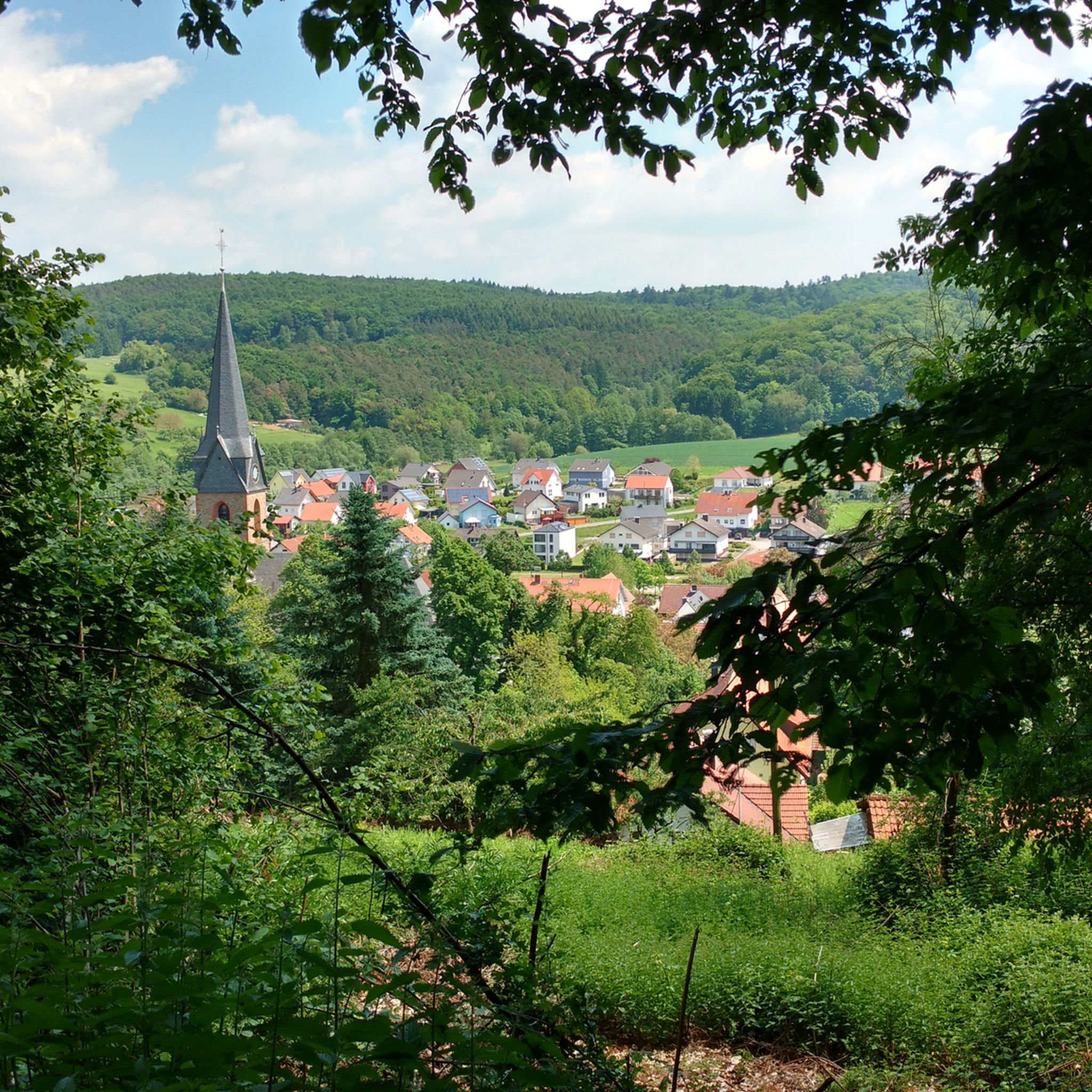
Hiking around Fischbachtal
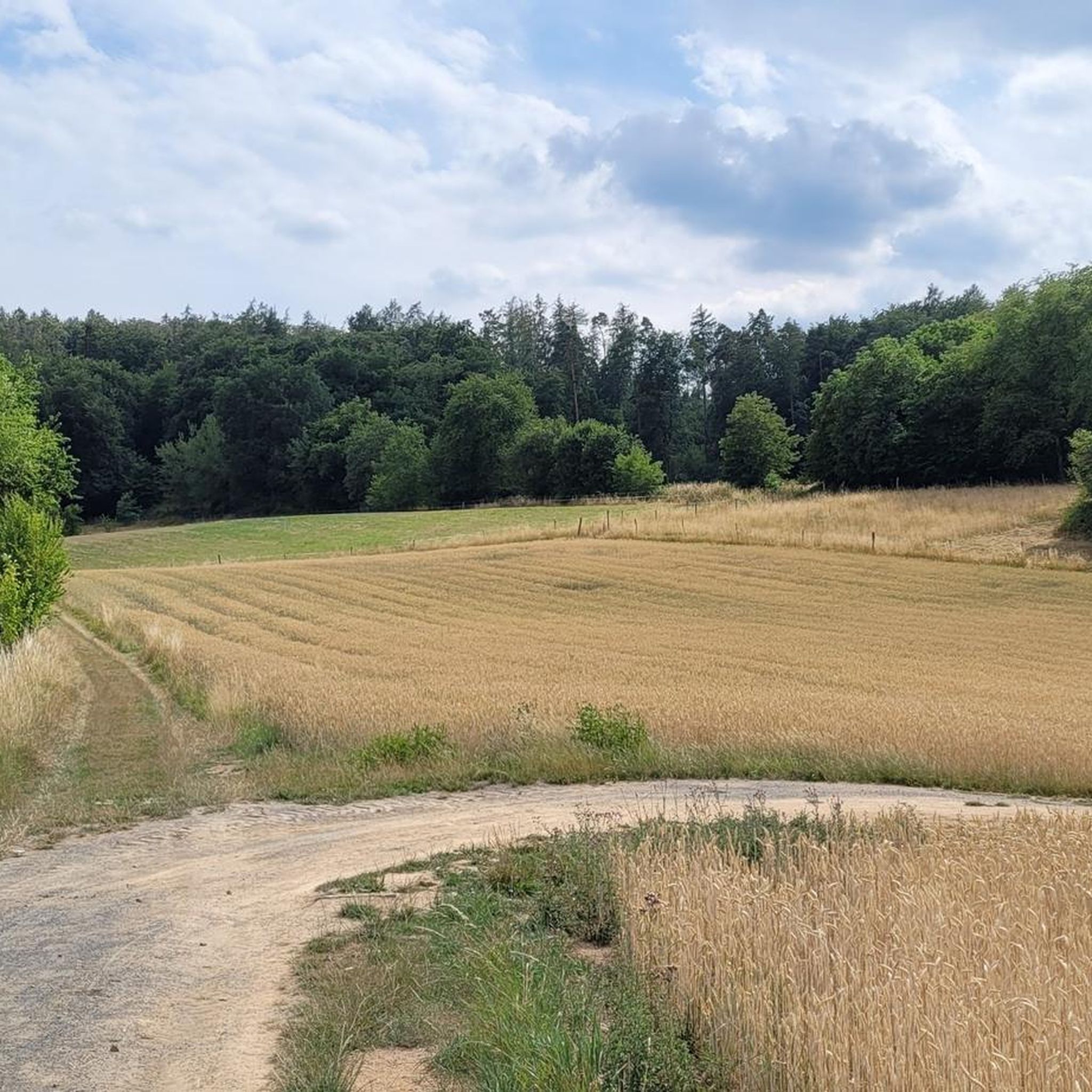
Cycling around Fischbachtal
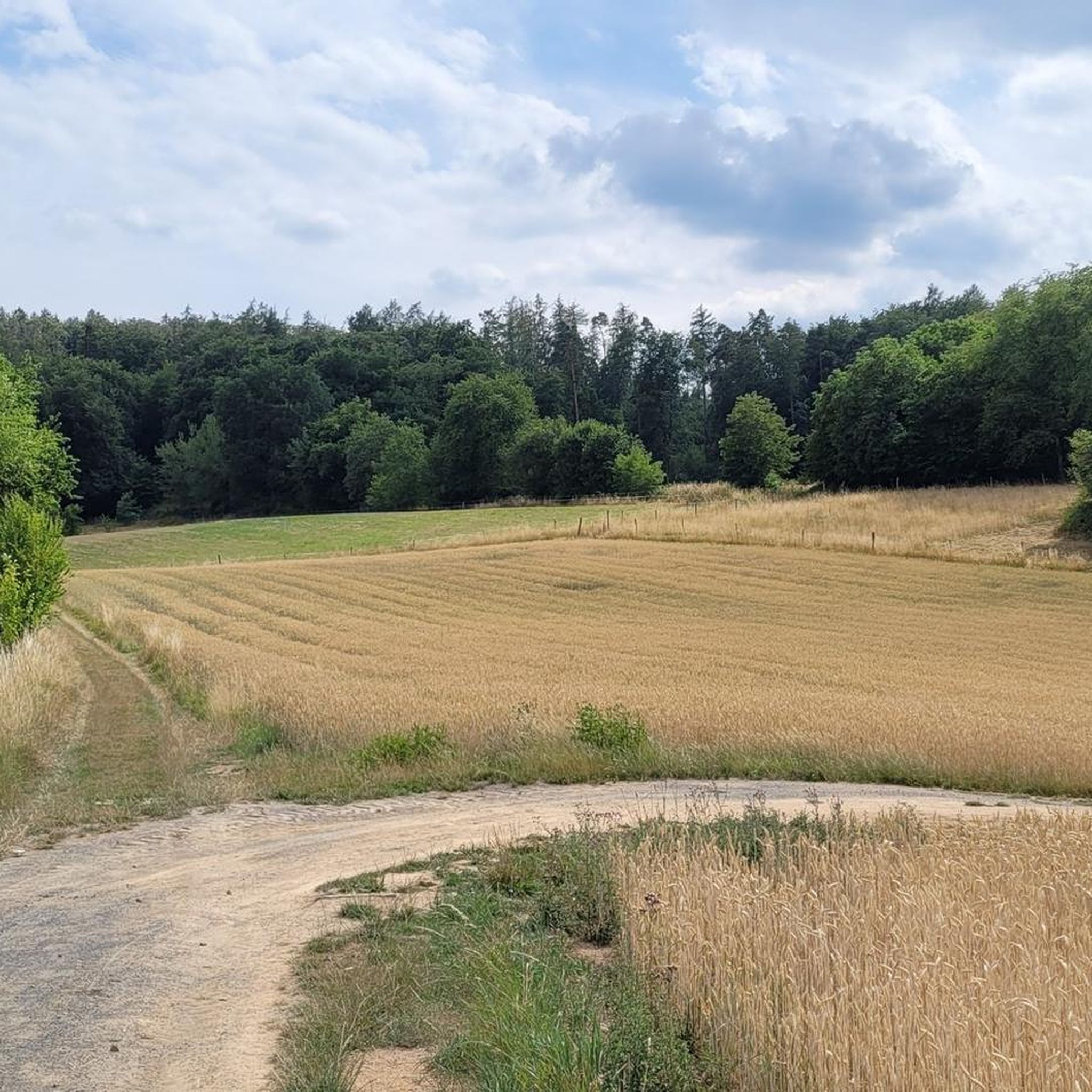
MTB Trails around Fischbachtal
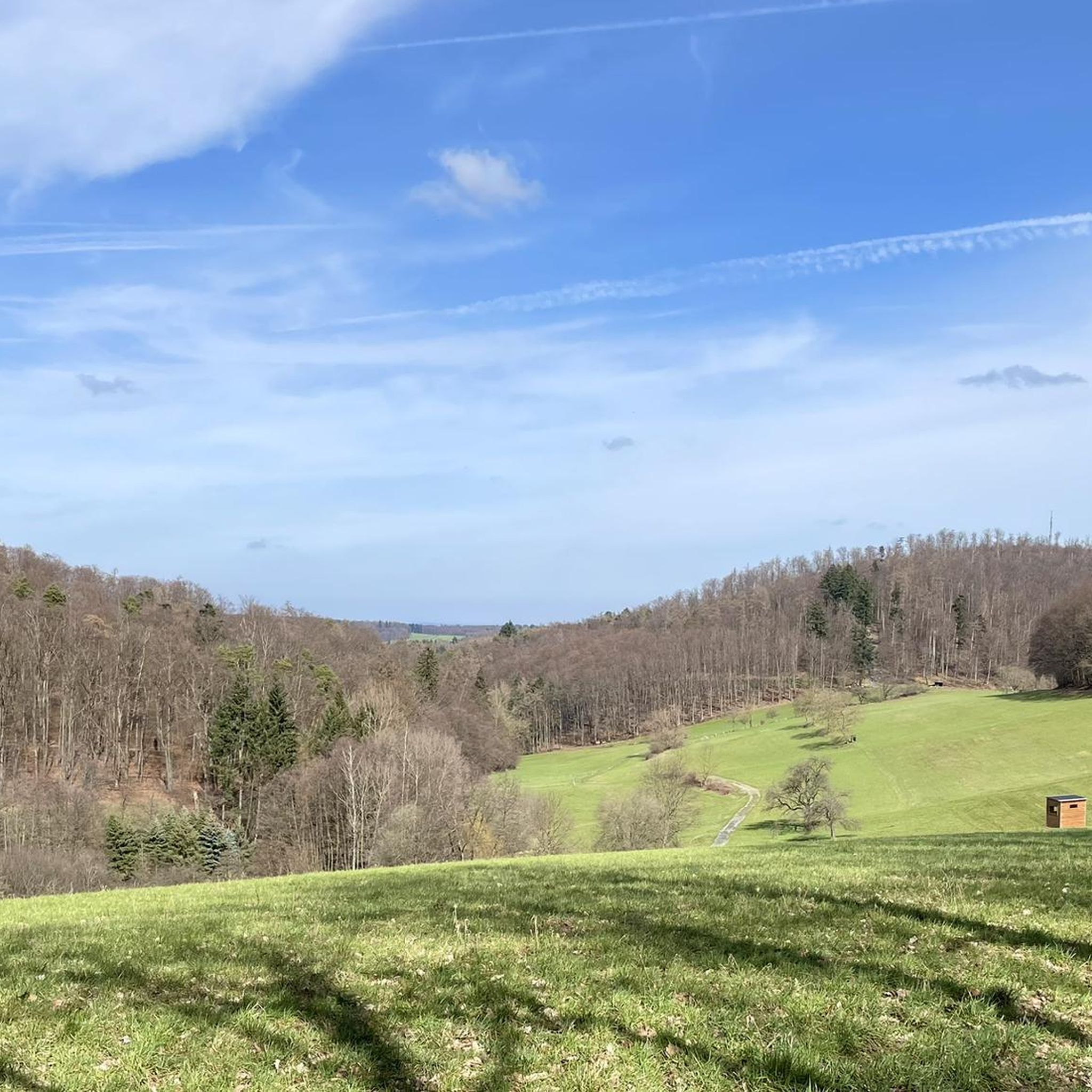
Running Trails around Fischbachtal
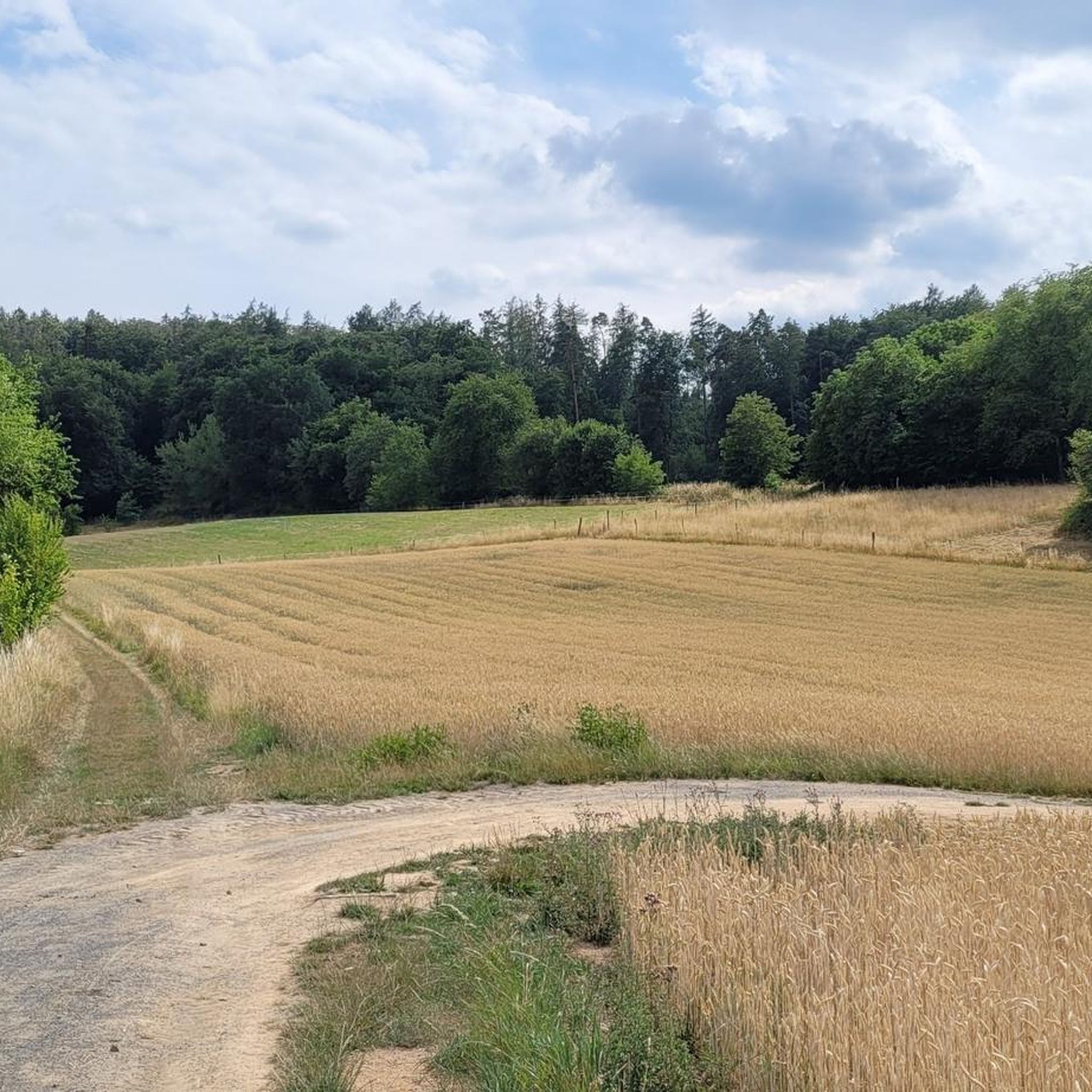
Road Cycling Routes around Fischbachtal
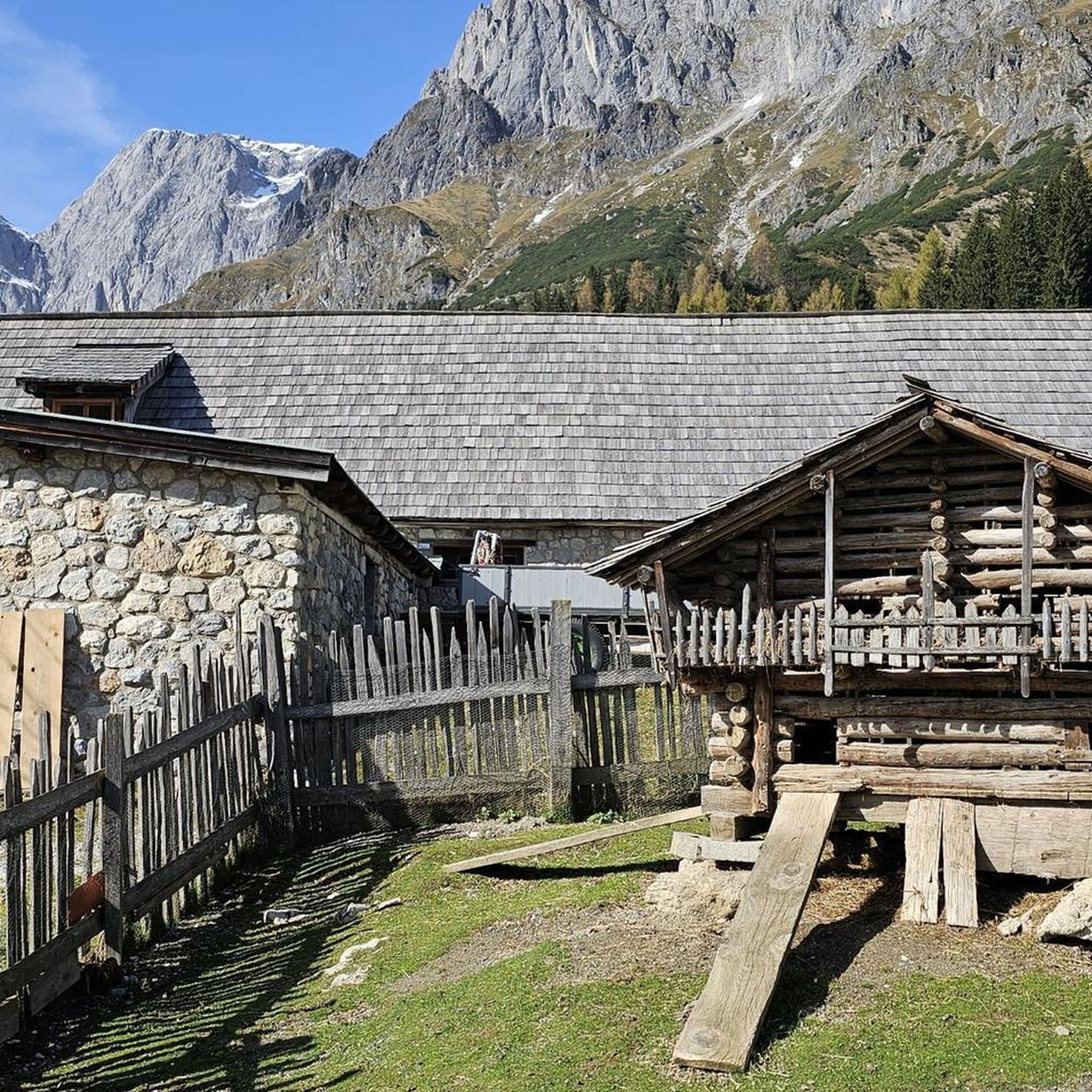
Gravel biking around Fischbachtal
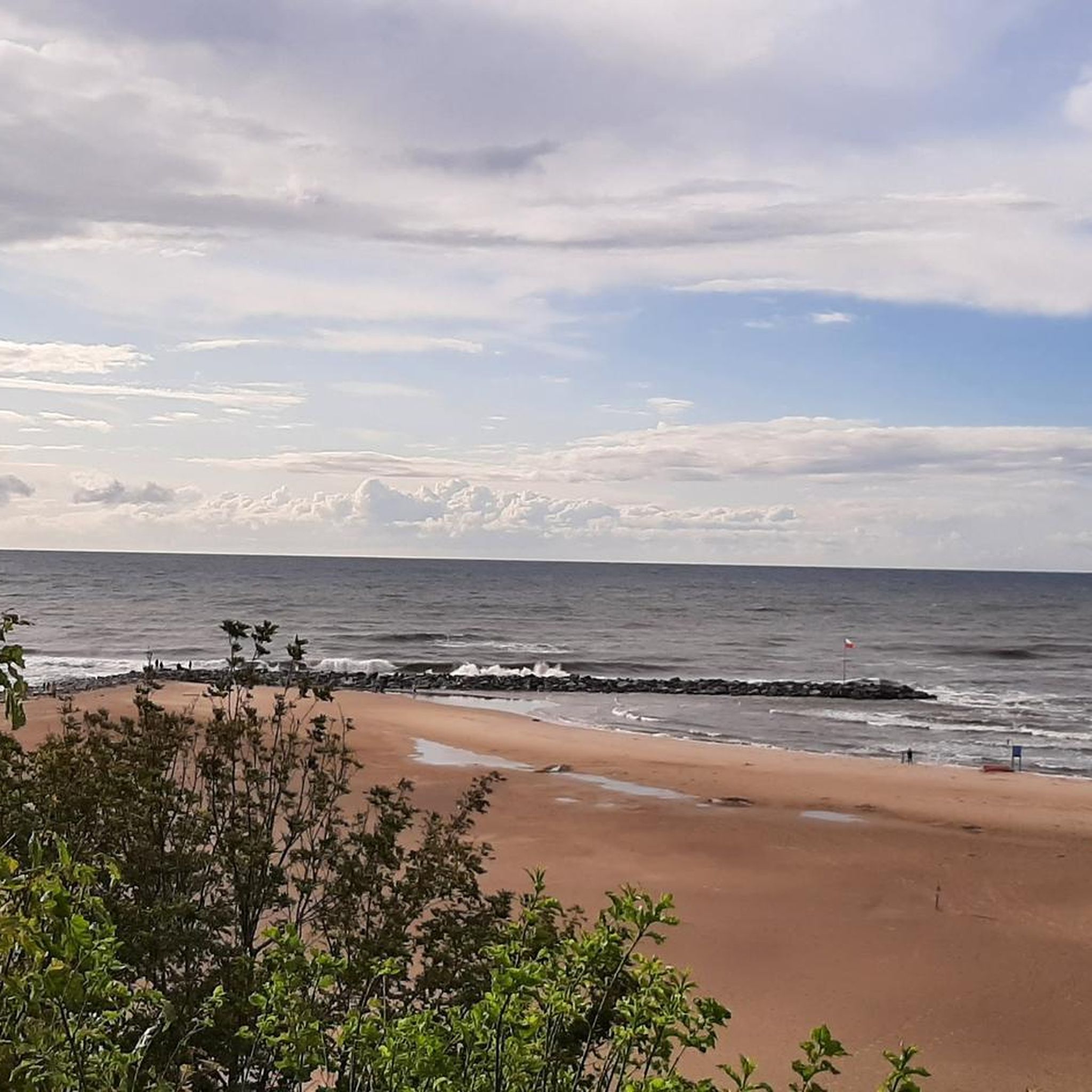
Mountain Hikes around Fischbachtal
Other adventures around Fischbachtal


Tips from the Community

The giant column is 9.33 m long and weighs 27.5 t. It was probably created at the beginning of the 4th century and is therefore almost 2,000 years old. The granite from the Felsenmeer near Lautertal was used in the construction of the cathedral in Trier. Four mighty granite columns, each 12 m high and weighing 65 tons, once supported the building. Two fragments of a column have been lying next to the cathedral portal as the “Trier Domstein” since 1623. The only 9.33 m long column from the Felsenmeer never found its way to Trier.
11
1

Nice when a bit of water falls down.
19
0

Through the leaves and moss… caution is advised when climbing around here
14
1

Ancient Roman work piece planned as a pillar for a large church complex in Trier. 27.5 tons heavy and 9.33 meters long.
10
1
I like being there, it's "my" local mountain after all 😎✋
33
1

Even if the tower is closed on weekdays, it is a great lonely MTB destination. Nice climb and top panoramas on the way. Anytime again 😀
20
0

Fascinating, the last ice age left a few rocks here. Absolutely worth seeing, the best thing to do is hike up from below over the rocks, which is not without danger, hold on to children. Unfortunately very crowded on Sundays and public holidays when the weather is nice. There is a rest stop at the top. With the MTB you cross the Felsenmeer on the way in a few places.
16
0

The kiosk is usually open from April to the end of October. In bad weather, the kiosk remains closed. Friday is rest day.
12
0
Frequently Asked Questions
What are the most popular natural monuments to visit around Fischbachtal?
The most popular natural monument is the Felsenmeer (Felsberg near Reichenbach), known for its massive, rounded quartz diorite blocks that offer an interactive climbing experience. Another highly appreciated spot is the Fallbach Waterfall, especially active during wetter seasons, and the Rimdidim Rock, one of the highest elevations in Fischbachtal, offering a quiet natural experience.
Are there any natural monuments with historical significance in the Fischbachtal area?
Yes, the Felsenmeer (Felsberg near Reichenbach) is historically significant. It was utilized by the Romans and later by local stonemasons for stone extraction. You can still find over 300 processed Roman-era stone blocks, including the impressive Roman Giant Column (Riesensäule), which is approximately 2,000 years old.
What kind of natural features can I expect to see around Fischbachtal?
Fischbachtal is known for its diverse natural features, including impressive rock formations like the 'sea of stones' at the Felsenmeer and the elevated Rimdidim Rock. You can also find scenic waterfalls such as the Fallbach Waterfall, and various viewpoints offering expansive vistas, like the one from the Emperor's tower on the Neunkircher Höhe.
Are there family-friendly natural monuments or activities in Fischbachtal?
Absolutely. The Felsenmeer (Felsberg near Reichenbach) is very popular with families, as children enjoy climbing over the giant rocks. It also features a playground and a bistro with a beer garden. The 'Path of Diversity' in Fischbachtal is an easy circular nature trail, perfect for families to learn about local ecosystems.
What is the best time to visit the natural monuments in Fischbachtal?
The best time to visit depends on what you want to see. For the Fallbach Waterfall, wetter seasons are ideal as it can dry up in summer. Generally, spring and autumn offer pleasant temperatures for hiking and exploring the rock formations. Weekends and public holidays can be crowded at popular spots like the Felsenmeer, so consider visiting on weekdays for a quieter experience.
Are there hiking trails near the natural monuments in Fischbachtal?
Yes, there are numerous hiking opportunities. Around the Felsenmeer, you'll find well-marked trails that lead through and around the rock formations, offering varying levels of difficulty. For more extensive hiking, you can explore routes like the 'Felsenmeer Felsberg loop' or 'Elisabethenruhe – Knodener Kopf loop' which are part of the Mountain Hikes around Fischbachtal guide.
What kind of cycling routes are available near Fischbachtal's natural monuments?
You can find various cycling routes suitable for different preferences. For touring bicycles, options include the 'Bike loop from Fischbachtal' or the 'Dornwald Trail loop'. Road cyclists might enjoy routes like the 'Cycle Path to Reinheimer Teich' or the 'Brensbach Roundabout'. More details can be found in the Cycling around Fischbachtal and Road Cycling Routes around Fischbachtal guides.
Is there an easy nature trail in Fischbachtal to experience local biodiversity?
Yes, the 'Path of Diversity' is an easy 4.5 km circular nature trail located directly within Fischbachtal. It takes approximately 1.5 to 2 hours to complete and features six informative boards highlighting the region's rich variety of habitats and species. It's an excellent way to learn about local ecosystems and biodiversity conservation.
Are there facilities or amenities available at the natural monuments?
At the foot of the Felsenmeer, there is an information center providing details on its geology, flora, fauna, and Roman history. The site also includes a bistro with a beer garden, a kiosk, and a playground. The Emperor's tower on the Neunkircher Höhe also has a restaurant where you can enjoy cakes and meals.
What makes the Felsenmeer (Sea of Rocks) so unique?
The Felsenmeer is unique due to its geological formation, consisting of massive, rounded blocks of quartz diorite that give the impression of a petrified sea of waves. Formed over millions of years through continental plate collisions and weathering, it offers an interactive experience where visitors can climb over the rocks. Its historical use by Romans for stone extraction further adds to its distinct character.
Can I find viewpoints with scenic views among the natural monuments?
Yes, several natural monuments offer scenic views. From the top of Felsberg, near the Felsenmeer, you can enjoy beautiful vistas. The Emperor's tower on the Neunkircher Höhe is another excellent spot for panoramic views of the surrounding landscape.
What kind of terrain can I expect on trails around Fischbachtal's natural monuments?
The terrain varies. At the Felsenmeer, you'll encounter large, rounded rock blocks that require climbing and navigating. Other trails, like the 'Path of Diversity', feature partly paved paths across open meadows and through mixed forests, making them generally easy and accessible. Some mountain hikes, such as the 'Felsenmeer Felsberg – Felsberg loop', can be more challenging with varied elevations.
Most popular routes around Fischbachtal
Most popular attractions around Fischbachtal

Get inspired with the komoot mobile app


Explore more
Extend your search for the best caves by checking out these guides of the top ones around Fischbachtal:
