Attractions and Places To See around Maxton And Mertoun - Top 20
Best attractions and places to see around Maxton And Mertoun include a mix of historical sites, natural landmarks, and impressive engineering. The region features the iconic Eildon Hills, offering elevated viewpoints and historical significance. Visitors can explore ancient abbeys and structures that reflect the area's rich past. The landscape provides opportunities for various outdoor activities.
Best attractions and places to see around Maxton And Mertoun
- The most popular attractions is Eildon Hill North, a summit that was the site…
Last updated: May 6, 2026
Melrose Abbey
Highlight • Historical Site
Tip by

Eildon Hill North
Highlight • Summit
Tip by

Sign up now to discover places like this
Get recommendations on the best single tracks, peaks, & plenty of other exciting outdoor places.
Sign up for free
Eildon Mid Hill Summit
Highlight • Viewpoint
Tip by

Leaderfoot Viaduct
Highlight • Bridge
Opened in October 1865, this bridge for trains has 19 arches, each with a span of 13 meters.
As a building material served bricks, which have blocks …
Translated by Google •
Tip by

Jedburgh Abbey
Highlight • Historical Site
Tip by

Sign up for free to discover even more attractions around Maxton And Mertoun.
Sign up for free
Already have an account?
Start today with a free account
Your next adventure awaits.
Login or Signup
Tips from the Community


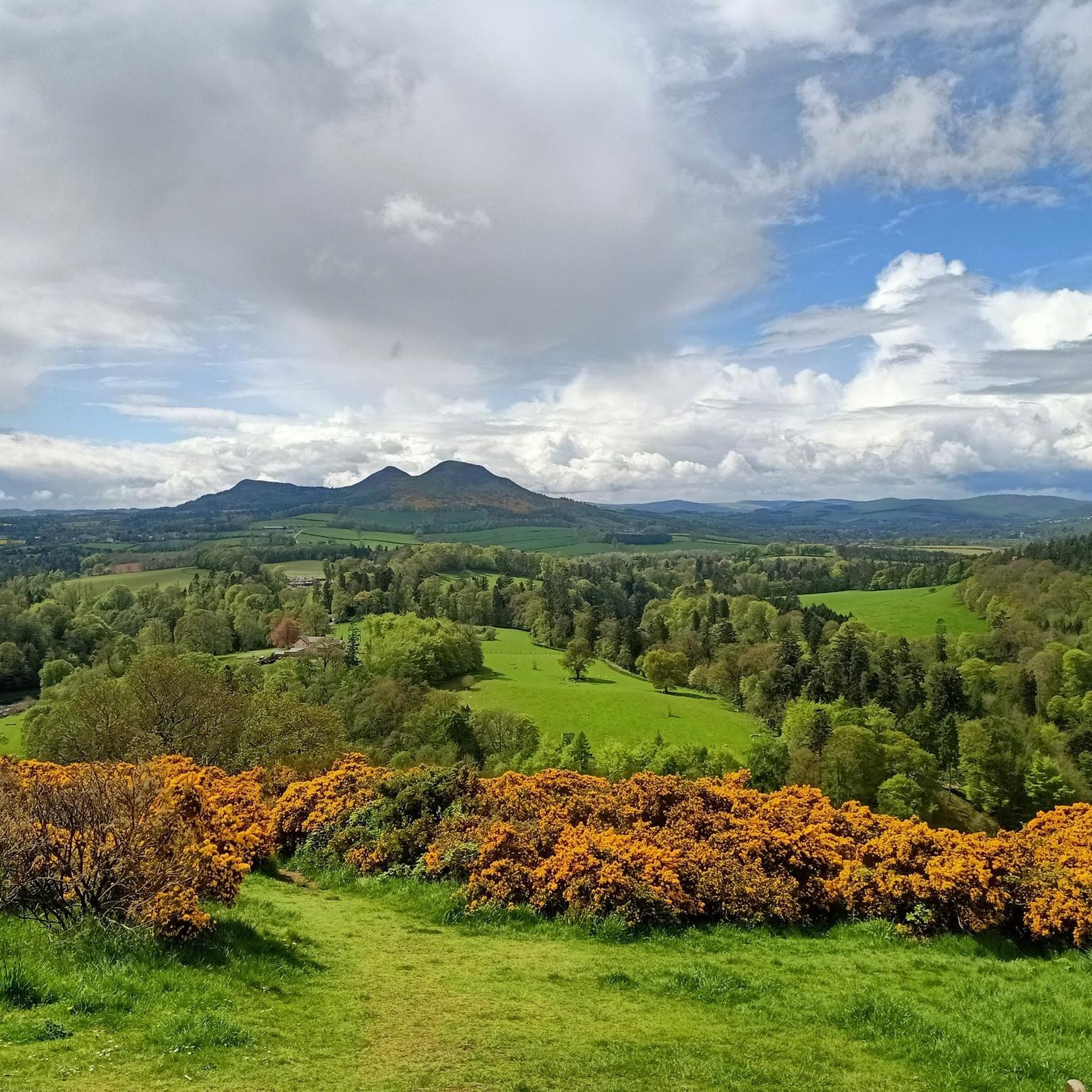
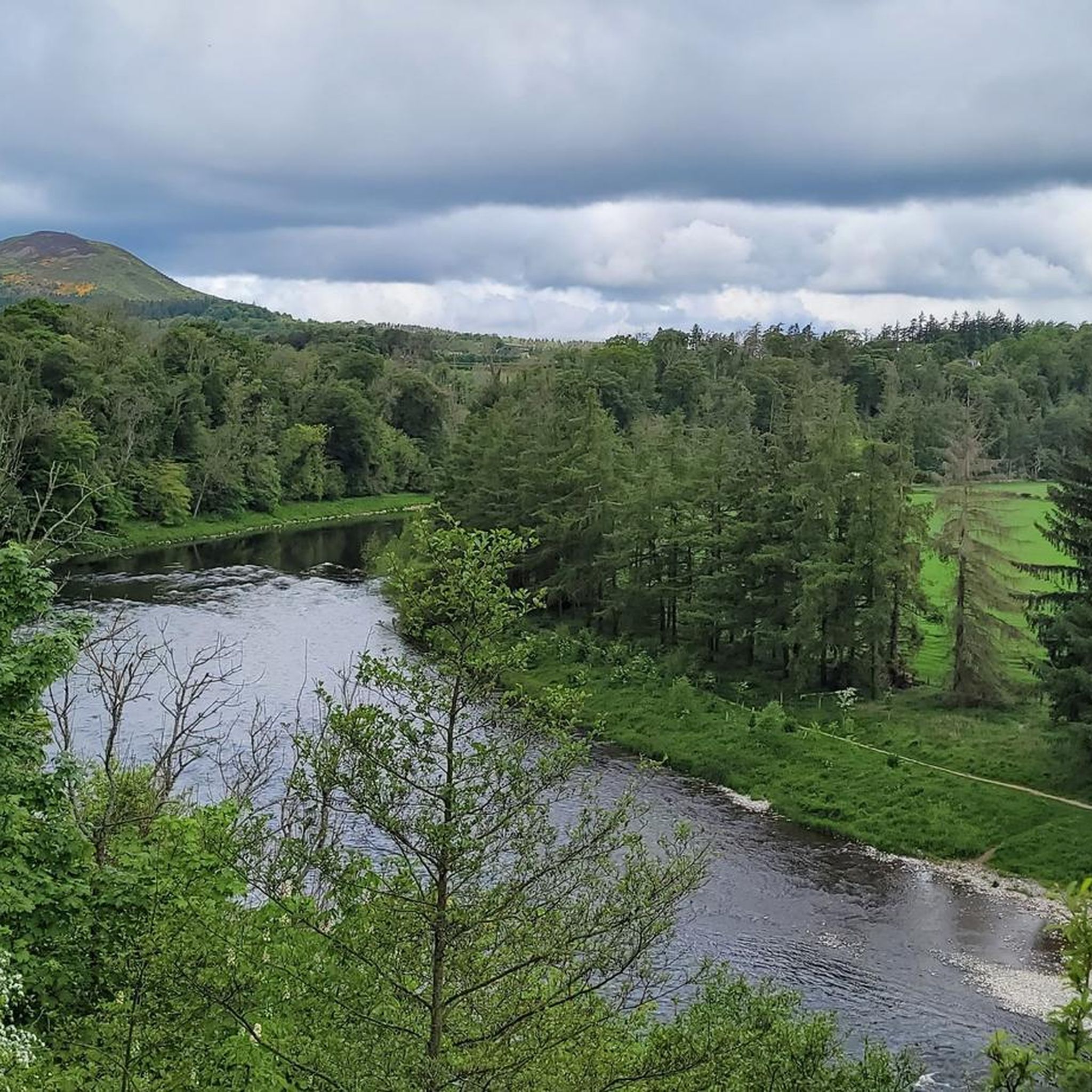
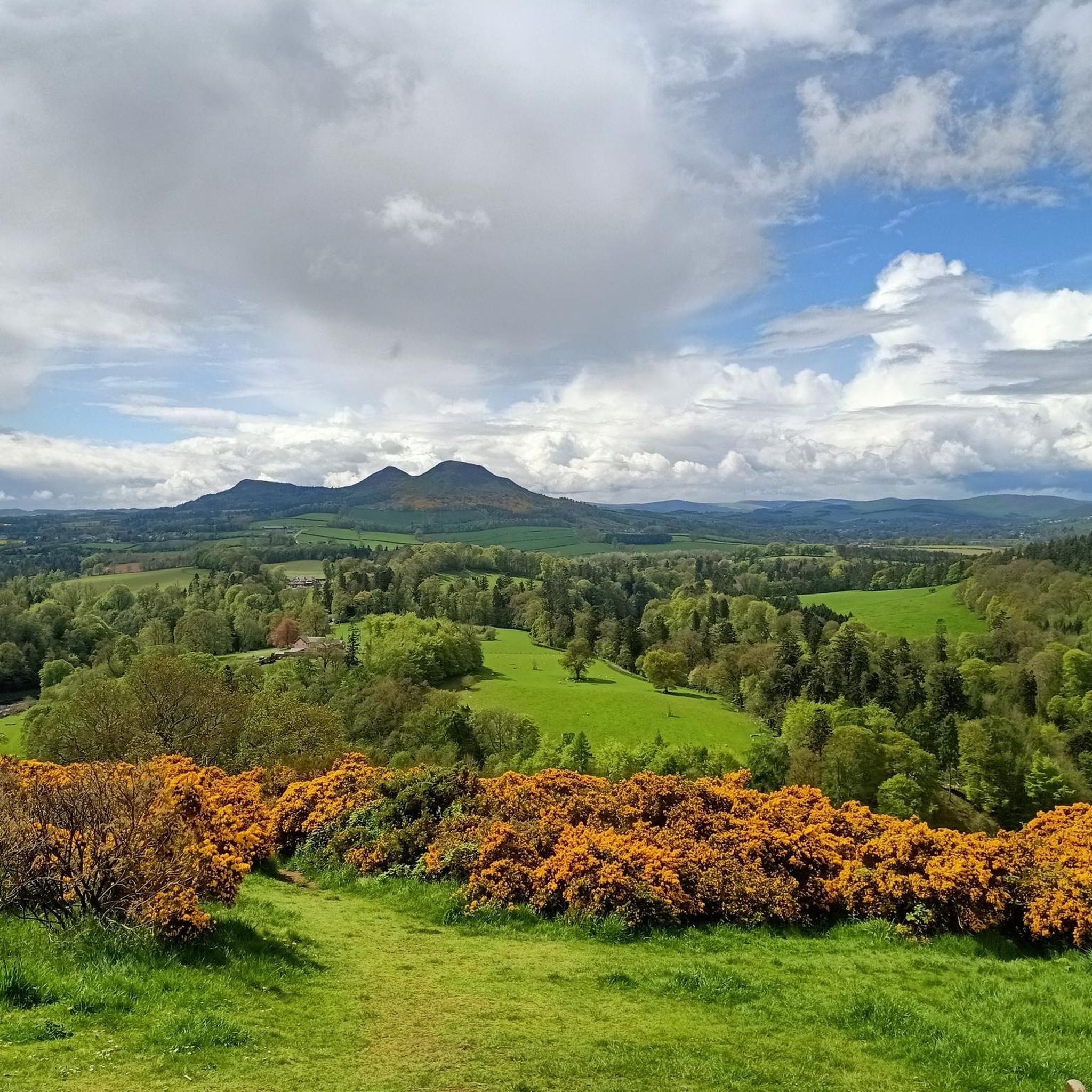
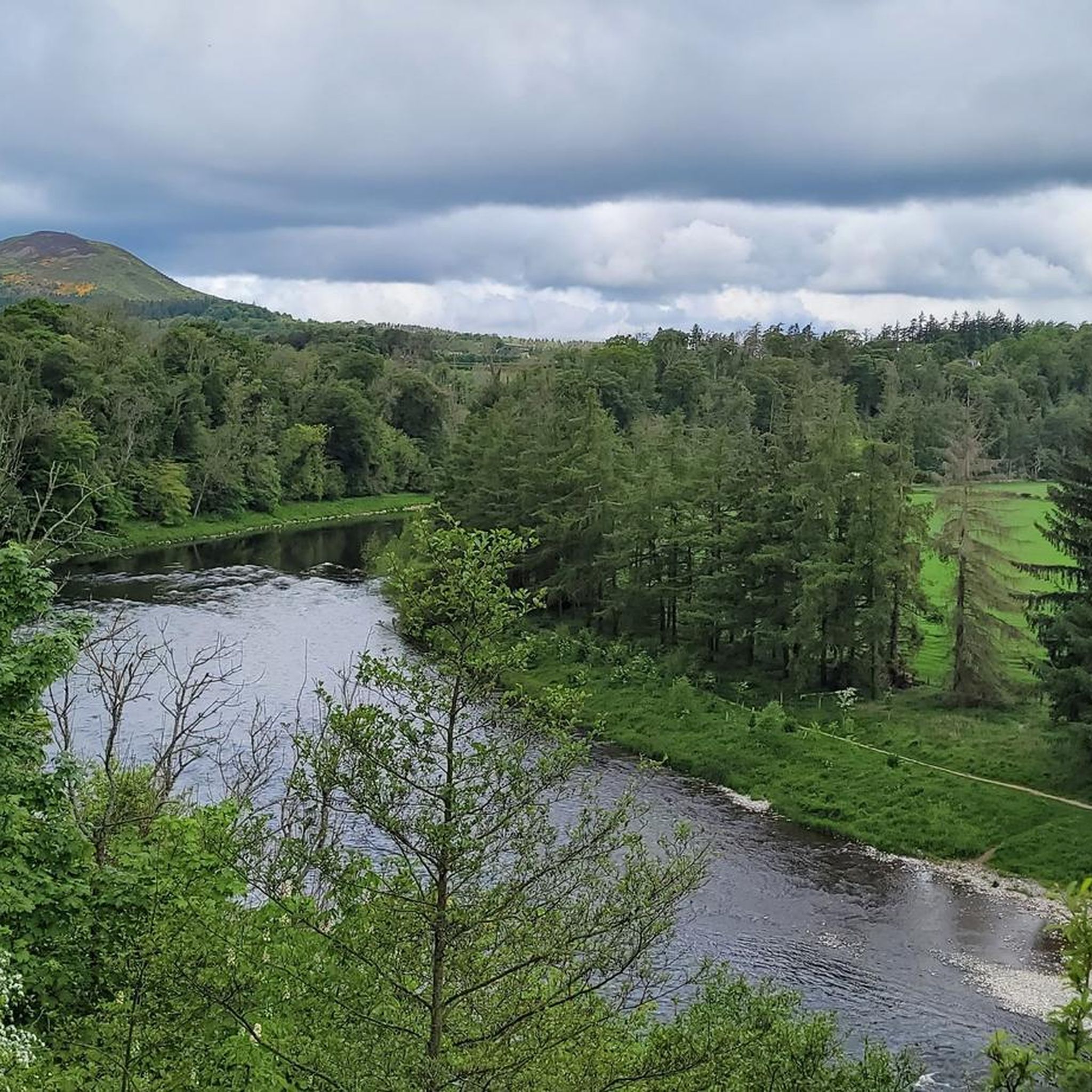
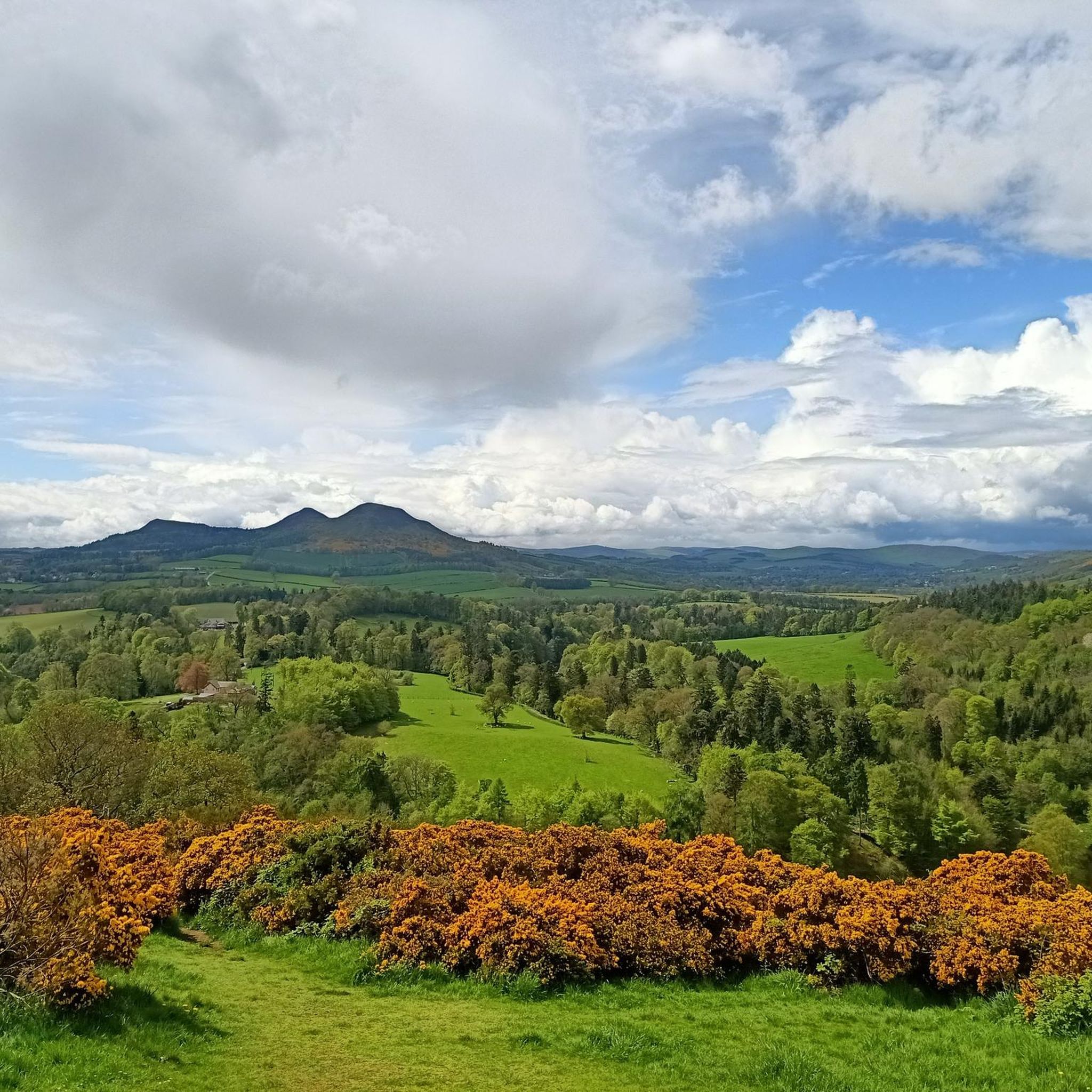
Eildon Hill North is an historic, photogenic and widely visible landmark in the Scottish Borders. At 1325 feet (404 m) this peak is the second highest of the three Eildon (pronounced ‘Eeldon’) Hills located just south of Melrose. The significance of Eildon Hill North was recognised by Bronze Age and Iron Age peoples and by the Romans. This peak was the site of the largest Iron Age hill fort in Scotland. Up to 2000 people are thought to have lived here at the same time. Today the pockmarks from hundreds of roundhouse platforms and nearly 1-mile of defences are still visible. When the Romans came in about 80 AD they built their mighty garrison fort called ‘Trimontium’ (named after the three Eildon peaks) immediately below Eildon Hill North and also placed a signal station on this summit. Trimontium was the largest Roman settlement north of Hadrian’s Wall. The short but steep climb up Eildon Hill North is well worth the effort! On a clear day you will be rewarded with stunning views. The popular St Cuthbert’s Way that runs from Melrose Abbey to Holy Island in Northumberland climbs over the col in the Eildon Hills and provides a pleasant way up Eildon Hill North.
2
0

Nice gardens in the town, honesty box for purchase of fruit and veg. Apples are good
1
0

This is a truly superb and impressive ruined Augustinian abbey from the 12th century. Right in the centre of the town of Jedburgh, it is an absolute must, particularly if you are a history buff!
1
0

Behold the awe-inspiring sight of the weathered ruins of Melrose Abbey. This impressive structure, founded by David I in 1136 for the esteemed Cistercian Order, stands as a testament to the early mastery of masonry. Sadly, in 1385, Richard II's army ravaged much of the abbey, but its remnants remain a captivating sight to behold. The abbey is open daily between 9:30am-5:30pm and charges a fee of £6.
2
0
When passing through the town, the striking silhouette of Jedburgh Abbey is impossible to overlook. Dating back to the 12th Century, this remarkable structure stands as one of the four abbeys established in the Scottish Borders during that era. What sets it apart is its unique blend of Romanesque and early Gothic architectural styles. Jump off your bike and take a look inside.
1
0

Famous old abbey that can be visited for a fee. However, the building is also beautiful to view from the street.
1
1

Some lovely winding roads near the river. Lovely post office too before Kelso.
0
0
Frequently Asked Questions
What historical sites can I visit around Maxton And Mertoun?
The region is rich in history. You can explore the impressive ruins of Melrose Abbey, a Cistercian foundation from 1136, or the striking 12th-century Jedburgh Abbey, which showcases a unique blend of Romanesque and early Gothic architecture. Additionally, Eildon Hill North was once the site of Scotland's largest Iron Age hill fort and a Roman signal station.
Where can I find the best panoramic views in the area?
For breathtaking panoramic views, head to the Eildon Mid Hill Summit, the highest peak of the Eildon Hills massif at 422 m. Eildon Hill North also offers stunning vistas of the surrounding Scottish Borders landscape.
Are there family-friendly attractions around Maxton And Mertoun?
Yes, several attractions are suitable for families. Both Melrose Abbey and Jedburgh Abbey are listed as family-friendly historical sites where children can explore ancient ruins. The walks up the Eildon Hills, while steep in parts, can also be an engaging outdoor activity for active families.
What outdoor activities can I do near these attractions?
The area offers a variety of outdoor activities. You can find numerous hiking trails, including easy options like the Drygrange Viaduct – Leaderfoot Viaduct loop. For cycling enthusiasts, there are gravel biking routes and MTB trails, such as the 'Eildons Hill loop from St Boswell's'.
Are there easy walking trails around Maxton And Mertoun?
Yes, there are several easy walking trails. Consider the Old Melrose Summerhouse and Old Melrose Tea Rooms loop (approx. 5.4 km) or the Drygrange Viaduct – Leaderfoot Viaduct loop (approx. 7.3 km), which offers views of the historic Leaderfoot Viaduct.
What is the Leaderfoot Viaduct?
The Leaderfoot Viaduct is an impressive railway bridge opened in 1865, featuring 19 arches. Built with bricks and red sandstone, it underwent extensive renovations between 1992 and 1995. While not officially open for crossing, good views can be obtained from the nearby Drygrange Bridge and the River Tweed Bridge.
What do visitors enjoy most about the attractions in Maxton And Mertoun?
Visitors frequently praise the stunning views from the Eildon Hills, especially on clear days. The historical significance and impressive architecture of Melrose Abbey and Jedburgh Abbey are also highly appreciated, with many recommending the atmospheric experience of exploring the ruins. The engineering marvel of the Leaderfoot Viaduct also draws admiration.
Are there dog-friendly walks near Maxton?
Many of the outdoor trails and paths in the Maxton and Mertoun area are suitable for dogs, provided they are kept under control, especially near livestock. The walks around the Eildon Hills and along the River Tweed are popular choices for dog owners. Always check local signage for specific restrictions.
What should I wear for hiking in the Maxton And Mertoun area?
For hiking in the Maxton And Mertoun area, it's advisable to wear layers, as weather conditions can change quickly. Sturdy, waterproof hiking boots are recommended, especially for trails that can be muddy or uneven. A waterproof jacket, hat, and gloves are also good to have, particularly during cooler months or at higher elevations like the Eildon Hills.
Can I find circular walks near Maxton?
Yes, several routes in the area are circular. For instance, the Old Melrose Summerhouse and Old Melrose Tea Rooms loop is an easy circular hike. For more challenging options, the 'Eildons Hill loop from St Boswell's' is a moderate MTB trail that can also be hiked, offering a circular route around the hills.
Is there public transport available to reach attractions in Maxton And Mertoun?
While specific public transport options to every single attraction might vary, local bus services connect some of the larger towns like Melrose and Jedburgh, where Melrose Abbey and Jedburgh Abbey are located. For more remote sites or trailheads, driving or cycling might be more convenient. Always check current bus schedules for the most up-to-date information.
What is the best time of year to visit Maxton And Mertoun?
The best time to visit Maxton And Mertoun largely depends on your preferred activities. Spring (April-May) and autumn (September-October) offer pleasant temperatures for hiking and exploring historical sites, often with beautiful scenery. Summer (June-August) is ideal for longer days and warmer weather, though attractions can be busier. Even in winter, the area offers atmospheric walks, especially around the Eildon Hills.
Most popular routes around Maxton And Mertoun
Most popular attractions around Maxton And Mertoun

Get inspired with the komoot mobile app


Explore more
Still not found the Highlight you’re looking for? See guides of the top attractions in other regions:
