Top 5 Castles around Royal Burgh Of Crail And District
Best castles around Royal Burgh Of Crail And District include a mix of historical ruins and well-preserved structures within the wider Fife region. While the original Crail Castle exists primarily as remnants, the area provides access to significant historical sites. The region is characterized by its coastal landscapes and rich Scottish heritage, offering insights into medieval life and architecture. These sites provide a tangible connection to Scotland's past for visitors exploring the East Neuk of Fife.
Best castles around Royal Burgh Of Crail And District
- The most popular castles is St Andrews Cathedral Ruins, a historical site that was the largest church ever built in Scotland. It became the center of the Medieval Catholic Church in Scotland before falling into ruin after the 16th-century Scottish Reformation.
- Another must-see spot is St Andrews Castle, a castle located directly on the coast. This site served as a palace, fortress, and prison during its 450-year history, offering visitors a glimpse into its role during the Protestant Reformation.
- Visitors also love Lady's Tower, a man-made monument with historical significance. Built in 1770, it offers atmospheric views and is a notable spot along the coast.
- Royal Burgh Of Crail And District is known for its historical ruins, coastal fortifications, and preserved castles. Visitors can explore sites ranging from medieval remnants to structures with Victorian renovations, showcasing the architectural evolution of the region.
- The castles around Royal Burgh Of Crail And District are appreciated by the komoot community, with more than 125 upvotes and over 200 photos shared by visitors.
Last updated: May 20, 2026
St Andrews Cathedral Ruins
Highlight • Historical Site
Tip by

St Andrews Castle
Highlight • Castle
Tip by

Sign up now to discover places like this
Get recommendations on the best single tracks, peaks, & plenty of other exciting outdoor places.
Sign up for free
Lady's Tower
Highlight • Monument
Tip by

Newark Castle Ruins
Highlight • Viewpoint
Tip by
Kellie Castle
Highlight • Historical Site
Tip by

Start today with a free account
Your next adventure awaits.
Login or Signup
Popular around Royal Burgh Of Crail And District
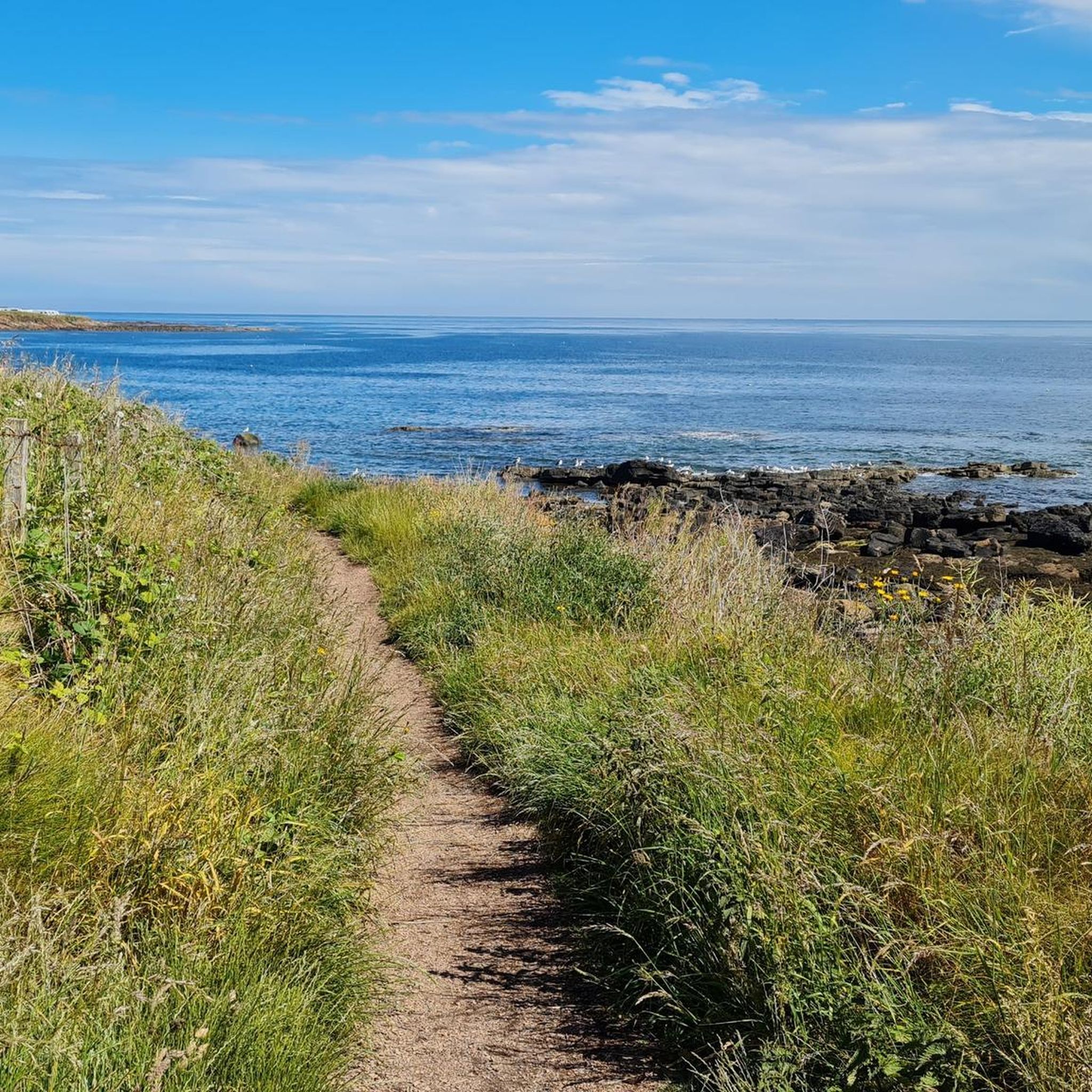
Hiking around Royal Burgh Of Crail And District
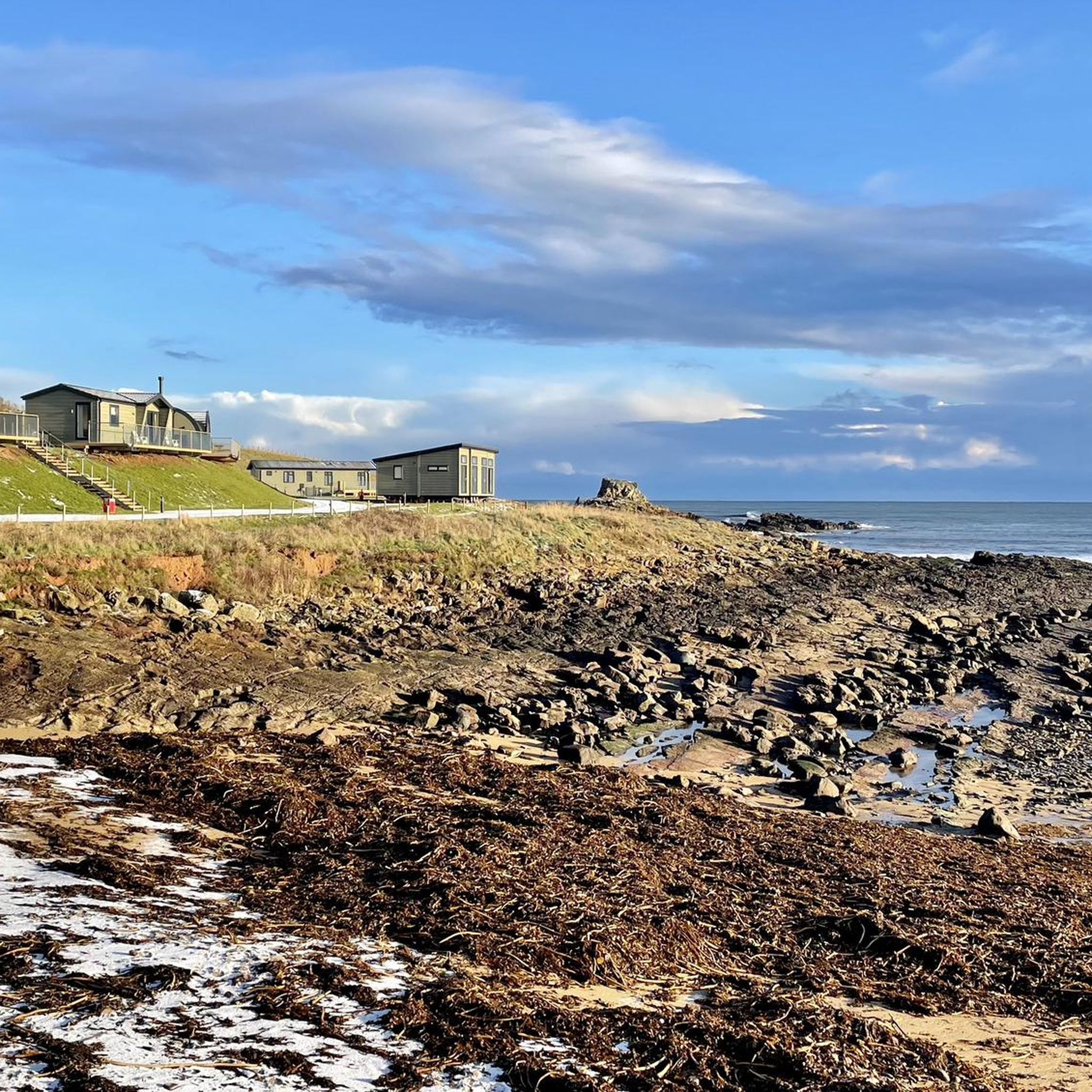
Running Trails around Royal Burgh Of Crail And District
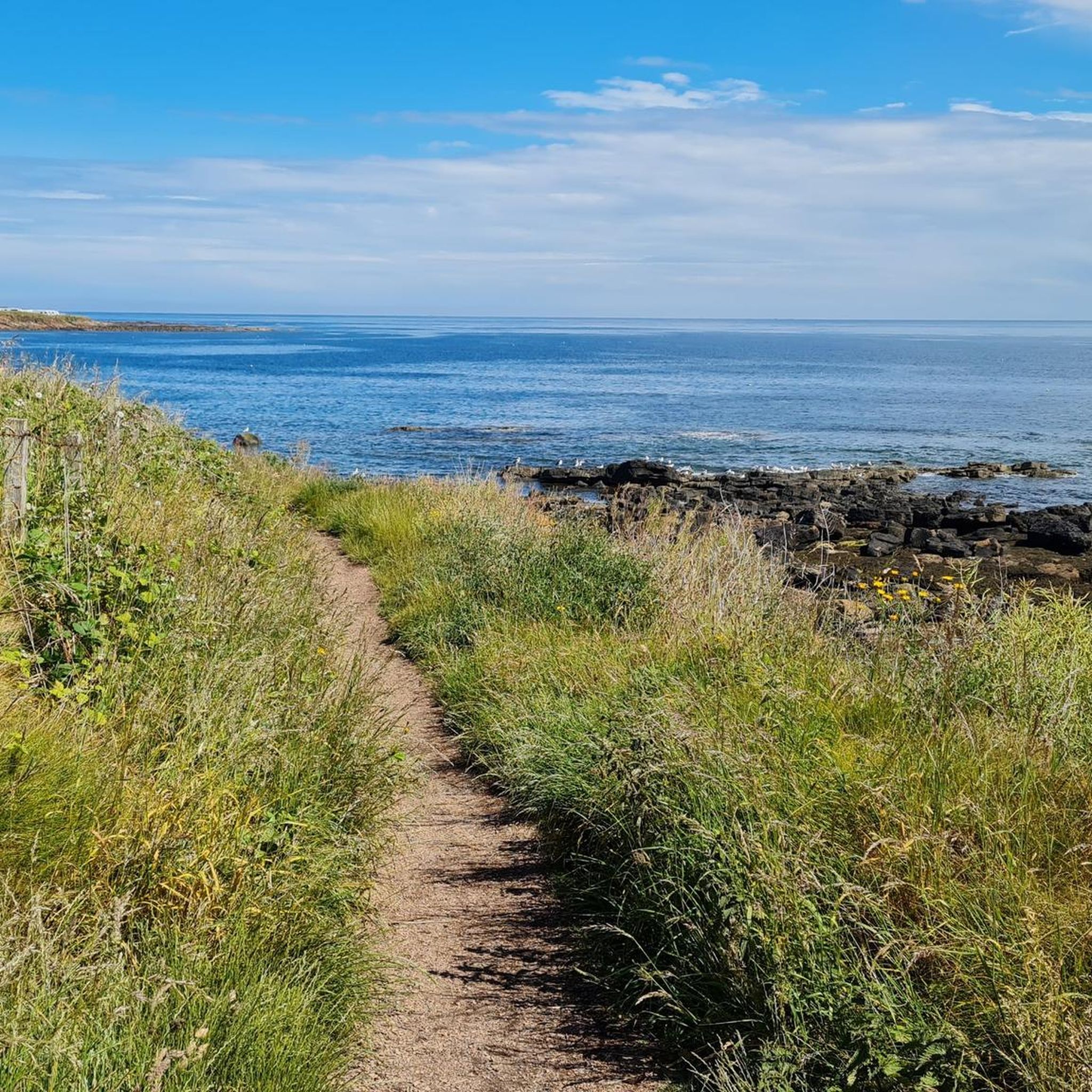
Cycling around Royal Burgh Of Crail And District
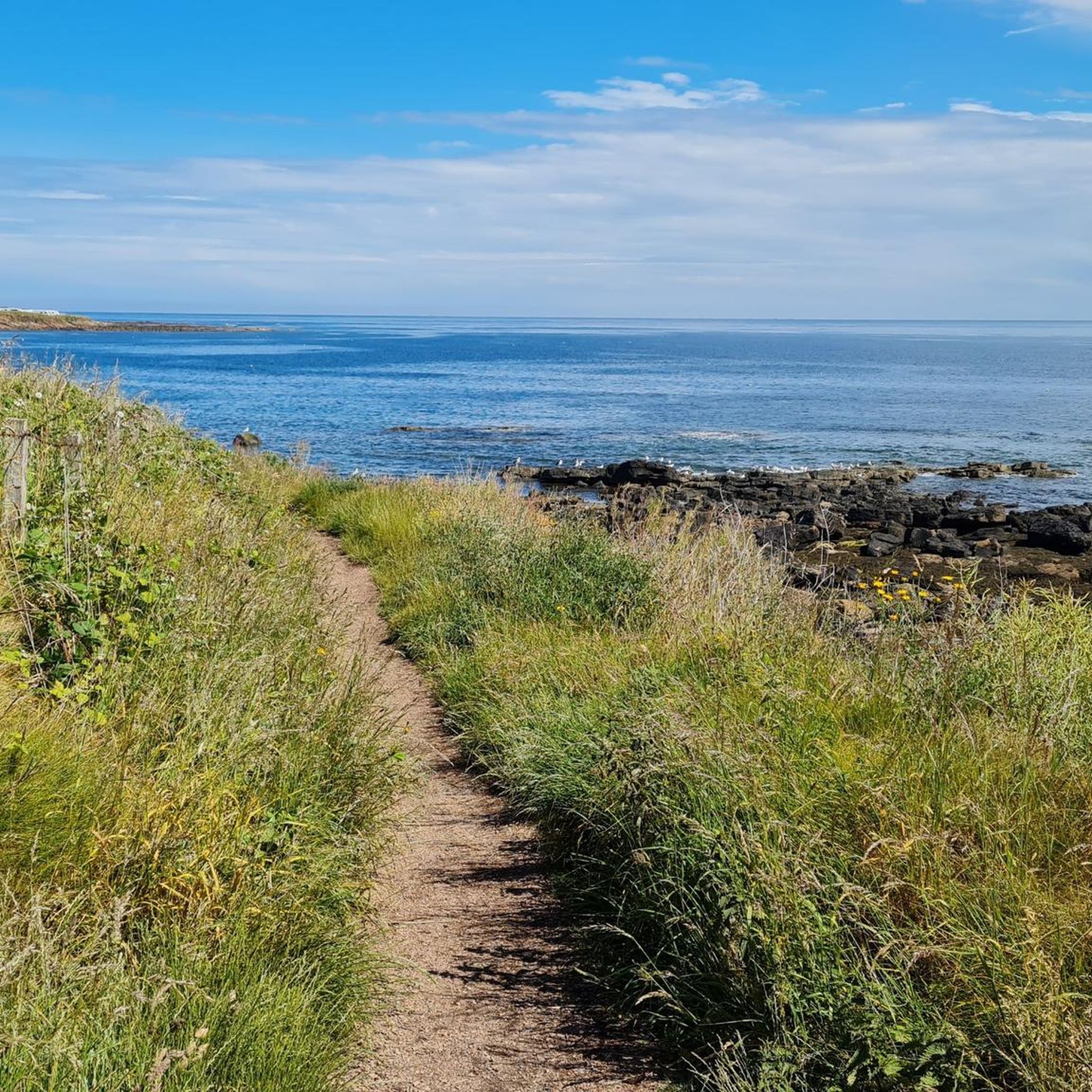
Road Cycling Routes around Royal Burgh Of Crail And District
MTB Trails around Royal Burgh Of Crail And District
Gravel biking around Royal Burgh Of Crail And District
Tips from the Community

Saint Andrew, to whom this former church—whose ruins still serve as a picturesque backdrop—was dedicated, belongs to the circle of the twelve apostles whom Jesus Christ called to follow him. However, in biblical accounts, he is usually somewhat overshadowed by his far more famous brother, Saint Peter. The Gospels present the calling of the two brothers in different ways. According to the Gospel of John (John 1:40-42), Andrew is called first (together with another unnamed disciple). Later, he tells his brother that he has found the Messiah. In Scotland, however, Saint Andrew is particularly venerated, as he is the patron saint of the country, and the X-shaped white "St. Andrew's Cross," on which he was executed, forms the Scottish national flag against a blue background. The feast day of Saint Andrew is celebrated on November 30th in all major Christian denominations.
0
0

Admission was free - really worth seeing!
0
0


It's astonishing how "new" the graves, or rather the inscriptions on the gravestones, are, given that the church was abandoned during the Scottish Reformation in the 16th century. There are at least inscriptions from recent years. We set out to find the oldest date possible, although we were far from able to verify all of them. On a wall inscription in the east, toward the old bell tower, we found 1708, and on a nearby gravestone, 1712. We didn't find any older ones, or some were weathered and unreadable.
1
0

St Andrews Cathedral is the ruin of a cathedral in the Scottish town of St Andrews in the council area of Fife. The complex, located near the North Sea shore near St Andrews Castle in the historic centre of St Andrews, was central to the development of the town and its status as the Christian centre of Scotland.[1] Numerous buildings are individually listed and the entire complex is classified as a Scheduled Monument.[2] It is one of the Guardianship Monuments of Historic Scotland.[3] St Andrews Cathedral is not to be confused with the Cathedral Church of St Andrew in Inverness.
1
0

Along the costal path, this castle is hard to miss. Unfortunately it has been fenced off due to its condition, but it still well viewed from the path.
0
0
Frequently Asked Questions
What castles can I visit in the Royal Burgh of Crail and District?
While the original Crail Castle exists primarily as remnants in the Castle Garden, the wider Fife region offers several notable castles. These include the magnificent Kellie Castle, the dramatic clifftop ruins of Newark Castle Ruins, and the historically significant St Andrews Castle and St Andrews Cathedral Ruins.
What is the historical significance of Crail Castle?
The original Crail Castle was a prominent royal stronghold dating back to the 12th century, favored by King David I of Scotland. It was reinforced by King Robert the Bruce and later described as 'ruinous' by Mary, Queen of Scots in 1563. Today, visitors can see a 17-foot-long section of ancient masonry in the serene Castle Garden, offering a glimpse into its past. You can learn more about its history on Wikipedia.
Are there any well-preserved castles near Crail that I can explore?
Yes, Kellie Castle, located about 5.8 miles from Crail, is a magnificent example of Scottish architecture. It blends medieval stonework with Victorian renovations by the artistic Lorimer family. Inside, you can admire elaborate plaster ceilings, painted paneling, and fine furniture, while its Arts & Crafts garden features herbaceous borders and organically grown produce.
What kind of experience does Newark Castle (Fife) offer?
Newark Castle Ruins, situated on dramatic clifftops between Elie and St Monans, offers a striking and evocative experience. While the ruins are in a precarious state, they provide breathtaking views over the Firth of Forth and a tangible connection to medieval Scottish history. It's an excellent spot for those interested in dramatic landscapes and the remains of once-grand fortifications, especially as part of a walk along the Fife Coastal Path.
Are there family-friendly castles to visit in the area?
Yes, both Kellie Castle and St Andrews Castle are considered family-friendly. Kellie Castle offers beautiful gardens and a cafe, while St Andrews Castle provides an engaging historical experience with its unique past as a palace, fortress, and prison.
Can I bring my dog to any of the castles?
Yes, the gardens and grounds of Kellie Castle welcome dogs. For other sites, it's advisable to check specific visitor information, as access policies can vary for ruins and indoor areas.
What outdoor activities can I do near these castles?
The area around Crail and its castles is excellent for outdoor activities. You can explore various cycling routes, including gravel biking, road cycling, and touring. For example, there are routes like 'St Monans Harbour – Crail Harbour loop' for road cycling or 'Elie and Earlsferry Beach – Crail Harbour and Beach loop' for touring. You can find more details on nearby routes in the Gravel biking around Royal Burgh Of Crail And District, Road Cycling Routes around Royal Burgh Of Crail And District, and Cycling around Royal Burgh Of Crail And District guides.
Are there walking trails near the castles?
Yes, the Fife Coastal Path runs near several of these sites. For instance, Newark Castle Ruins are located directly on the path, offering a dramatic backdrop for a walk. Many of the cycling routes also incorporate scenic walking sections.
What are the best viewpoints near the castles?
For stunning views, Lady's Tower offers atmospheric coastal vistas. The clifftop location of Newark Castle Ruins also provides breathtaking views over the Firth of Forth. St Andrews Castle, situated directly on the coast, also boasts magnificent sea views.
What is the best time of year to visit the castles around Crail?
The spring and summer months (April to September) generally offer the most pleasant weather for exploring the castles and walking the coastal paths. However, visiting in the shoulder seasons can mean fewer crowds. Always check the weather forecast, as conditions can change rapidly in Scotland.
Are there any cafes or facilities near the castles?
Kellie Castle has a very good cafe on-site. For other locations like Crail Castle Garden or the ruins of Newark Castle, you'll find cafes, pubs, and accommodation options in the nearby towns and villages such as Crail, Anstruther, and St Monans.
What makes St Andrews Castle and Cathedral Ruins significant?
St Andrews Cathedral Ruins was once the largest church ever built in Scotland and the center of the Medieval Catholic Church. St Andrews Castle, with its nearly 500-year history, served as a palace, fortress, and prison, playing a crucial role during the Protestant Reformation. Both sites offer deep insights into Scotland's religious and political past.
Are there entry fees for the castles around Crail?
Yes, sites like Kellie Castle, St Andrews Castle, and St Andrews Cathedral Ruins typically have entry fees as they are managed historical attractions. However, sites like the Crail Castle Garden remnants and Newark Castle Ruins are generally free to access, though the latter is fenced off due to its condition.
Most popular routes around Royal Burgh Of Crail And District
Most popular attractions around Royal Burgh Of Crail And District

Get inspired with the komoot mobile app


Explore more
Looking for the best castles somewhere else? Discover other guides around Royal Burgh Of Crail And District:
