Attractions and Places To See around Ceres And District - Top 20
Best attractions and places to see around Ceres And District include historical sites, cultural landmarks, and natural features. This ancient village in East Fife, Scotland, is known for its picturesque setting and long-standing traditions. The area features significant historical ruins, charming village architecture, and notable natural elevations. Visitors can explore a rich past and diverse landscapes within the district.
Best attractions and places to see around Ceres And District
- The most popular attractions is St Andrews Cathedral Ruins, a…
Last updated: May 20, 2026
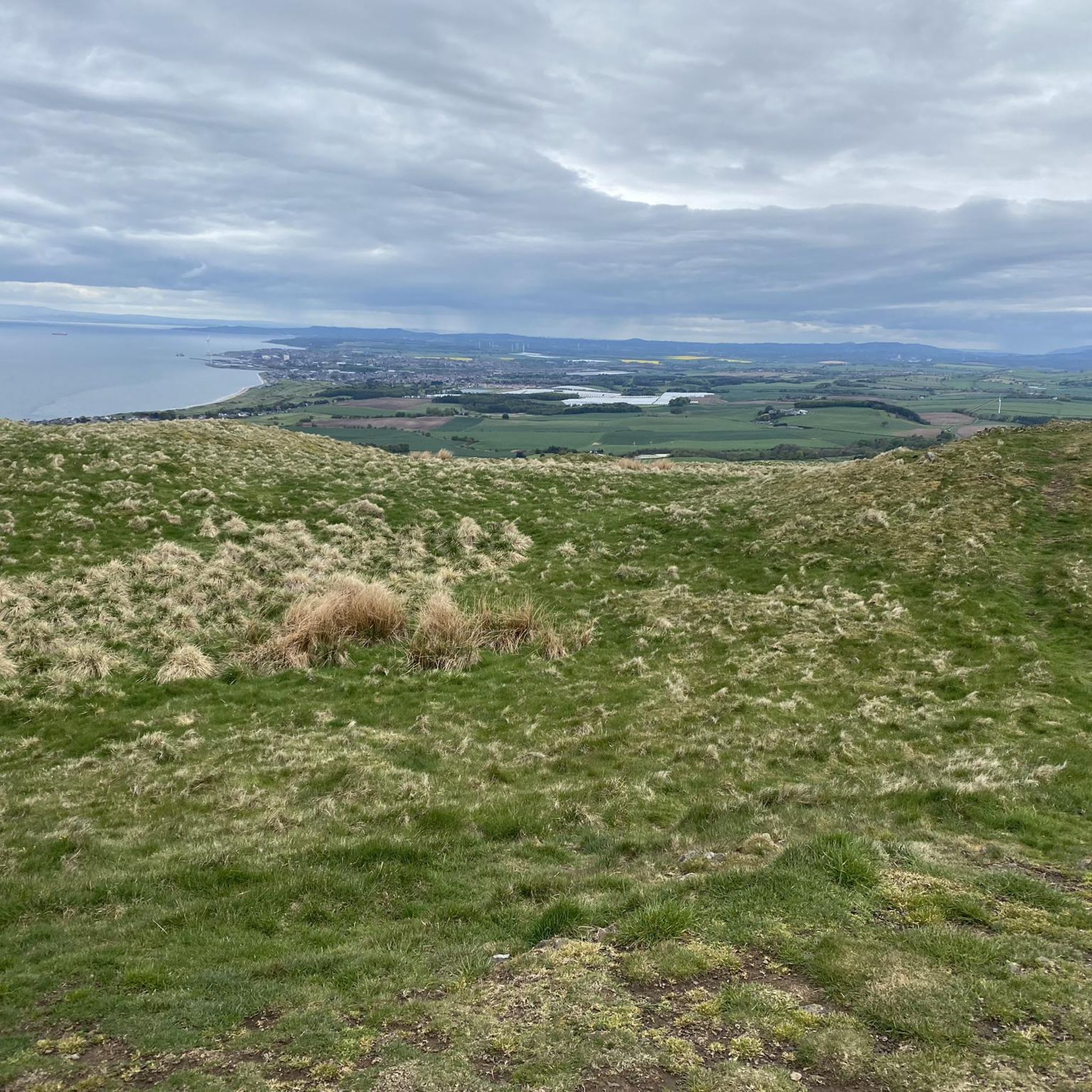
Norman's Law Summit
Highlight • Natural Monument
Tip by

St Andrews Cathedral Ruins
Highlight • Historical Site
Tip by

Sign up now to discover places like this
Get recommendations on the best single tracks, peaks, & plenty of other exciting outdoor places.
Sign up for free
St Andrews Castle
Highlight • Castle
Tip by

St Andrews Harbour
Highlight • Structure
Translated by Google •
Tip by

Alexander Selkirk Statue
Highlight • Monument
Tip by

Sign up for free to discover even more attractions around Ceres And District.
Sign up for free
Already have an account?
Start today with a free account
Your next adventure awaits.
Login or Signup

Tips from the Community

Saint Andrew, to whom this former church—whose ruins still serve as a picturesque backdrop—was dedicated, belongs to the circle of the twelve apostles whom Jesus Christ called to follow him. However, in biblical accounts, he is usually somewhat overshadowed by his far more famous brother, Saint Peter. The Gospels present the calling of the two brothers in different ways. According to the Gospel of John (John 1:40-42), Andrew is called first (together with another unnamed disciple). Later, he tells his brother that he has found the Messiah. In Scotland, however, Saint Andrew is particularly venerated, as he is the patron saint of the country, and the X-shaped white "St. Andrew's Cross," on which he was executed, forms the Scottish national flag against a blue background. The feast day of Saint Andrew is celebrated on November 30th in all major Christian denominations.
0
0

Admission was free - really worth seeing!
0
0


It's astonishing how "new" the graves, or rather the inscriptions on the gravestones, are, given that the church was abandoned during the Scottish Reformation in the 16th century. There are at least inscriptions from recent years. We set out to find the oldest date possible, although we were far from able to verify all of them. On a wall inscription in the east, toward the old bell tower, we found 1708, and on a nearby gravestone, 1712. We didn't find any older ones, or some were weathered and unreadable.
1
0

St Andrews Cathedral is the ruin of a cathedral in the Scottish town of St Andrews in the council area of Fife. The complex, located near the North Sea shore near St Andrews Castle in the historic centre of St Andrews, was central to the development of the town and its status as the Christian centre of Scotland.[1] Numerous buildings are individually listed and the entire complex is classified as a Scheduled Monument.[2] It is one of the Guardianship Monuments of Historic Scotland.[3] St Andrews Cathedral is not to be confused with the Cathedral Church of St Andrew in Inverness.
1
0
In the ARD series "Classics of World Literature", Tilman Spengler pays tribute to famous writers in one of his film contributions - each lasting a quarter of an hour - and introduces the culturally interested viewer to their literary work. One episode of the series deals with DANIEL DEFOE (1660 to 1731) and the character he invented, ROBINSON CRUSOE, whose name will be far more familiar to many people than that of his literary creator. This monument is dedicated to Alexander Selkirk, the person whose real life fate inspired Defoe to create Crusoe. This article (in German) can be found in the ARD media library under the following link: https://www.ardmediathek.de/video/klassiker-der-weltliteratur/daniel-defoe-adventures-of-robinson-crusoe/ard-alpha/Y3JpZDovL2JyLmRlL3ZpZGVvL2Q0MzYwOGY0LTdkNTUtNDlmMC05OGUyLTgwMWQ0Njg1NmU2Yg
2
0


Frequently Asked Questions
What historical sites can I explore in Ceres And District?
Ceres And District is rich in history. You can visit the impressive St Andrews Cathedral Ruins, once the largest church in Scotland, and the historic St Andrews Castle, which served as a palace, fortress, and prison. Within Ceres village, explore the 12th-century Ceres Parish Church and the 17th-century Bishop's Bridge.
Are there any natural viewpoints or summits to visit in the area?
Yes, Norman's Law Summit is one of the finest hills in Fife, offering excellent views across the Tay and as far as the coast. It's accessible from several approaches and provides an interesting undulating landscape to observe.
What cultural experiences does Ceres And District offer?
The area provides a glimpse into rural life at the Fife Folk Museum, housed in 18th-century weavers' cottages. You can also follow the Ceres Village Heritage Trail to discover 20 places of interest around the ancient village. For a unique craft experience, visit Griselda Hill Pottery to see potters at work reviving Wemyss Ware.
Are there family-friendly attractions in Ceres And District?
Many historical sites like St Andrews Cathedral Ruins and St Andrews Castle are considered family-friendly. Additionally, the Fife Folk Museum offers an engaging look into local history suitable for all ages. The Alexander Selkirk Statue is also a point of interest for families, commemorating the inspiration for Robinson Crusoe.
What unique historical landmarks are there within Ceres village itself?
Ceres village features the Bishop's Bridge, a 17th-century stone bridge that was once a main route to St Andrews. You can also find the Bannockburn Memorial by the village green, commemorating the men of Ceres who fought in the Battle of Bannockburn in 1314, and a distinctive 19th-century statue of "The Provost" Rev. Thomas Buchanan at the Cross.
Can I find opportunities for outdoor activities like cycling or running near these attractions?
Absolutely. Ceres And District offers various routes for outdoor enthusiasts. For running, explore trails like the 'St John's Garden, Ceres – Bishop's Bridge loop' or the 'Fleecefaulds Nature Reserve – St John's Garden, Ceres loop'. Cyclists can enjoy routes such as the 'St John's Garden, Ceres – Bishop's Bridge loop' or the 'Bishop's Bridge – View of St Andrew's Bay loop'. You can find more details on these and other routes on the Running Trails around Ceres And District and Cycling around Ceres And District guide pages.
What is the Fife Folk Museum about?
The Fife Folk Museum is housed in charming 18th-century weavers' cottages and provides a fascinating insight into rural life in Fife. It showcases cottage interiors, tools from lost trades, linens, costumes, and agricultural implements, offering a comprehensive view of the region's heritage.
Are there any annual events or traditions in Ceres?
Yes, Ceres is famous for hosting Scotland's oldest free Highland Games. These games are held annually on the last Saturday in June and date back to 1314, making them a significant cultural tradition in the area.
What do visitors typically enjoy about the historical sites like St Andrews Cathedral Ruins?
Visitors are often captivated by the sheer scale and historical significance of the St Andrews Cathedral Ruins, appreciating its status as the largest church ever built in Scotland. The ruins offer a stunning backdrop, especially with their proximity to the sea, making them a memorable place to explore.
Where can I see pottery being made in the area?
You can visit Griselda Hill Pottery, which was founded in 1985 with the aim of reviving the production of Wemyss Ware. Here, visitors have the unique opportunity to see painters and potters at work and learn about the pottery's history.
What is the best time of year to visit Ceres And District?
The summer months, particularly June, are ideal for experiencing local traditions like the Ceres Highland Games. The weather is generally milder, making it pleasant for exploring historical sites and enjoying outdoor activities. However, the historical sites and museums are accessible year-round.
Are there any easy walks around Ceres And District?
While specific 'easy' walks are not detailed in the provided data, the Ceres Village Heritage Trail offers a guided walk around the ancient village, highlighting 20 places of interest, which would be a relatively easy and informative stroll. Many of the routes mentioned for cycling and running also have moderate sections that could be suitable for walking.
Most popular routes around Ceres And District
Most popular attractions around Ceres And District

Get inspired with the komoot mobile app


Explore more
Still not found the Highlight you’re looking for? See guides of the top attractions in other regions:
