The best running trails around Riccarton
4.4
(17)
2,590
runners
226
runs
Jogging around Riccarton offers a diverse landscape for runners, characterized by its mix of historic estates, parklands, and rural roads. The region features gentle undulations and riverside paths, providing varied terrain for different running preferences. Many routes incorporate natural water features and offer views of the surrounding countryside. This makes Riccarton an accessible area for both casual jogs and more challenging running sessions.
Best jogging routes around Riccarton
- The most popular jogging route is Caprington Castle loop from Kilmarnock,…
Last updated: May 11, 2026
53
runners
Moderate run. Good fitness required. Mostly paved surfaces. Suitable for all skill levels.
20
runners
9.70km
01:00
40m
40m
Moderate run. Good fitness required. Mostly paved surfaces. Suitable for all skill levels.

Sign up for free
15
runners
5.32km
00:33
30m
30m
Moderate run. Good fitness required. Mostly paved surfaces. Suitable for all skill levels.
14
runners
11.1km
01:10
100m
100m
Moderate run. Good fitness required. Mostly paved surfaces. Suitable for all skill levels.
16
runners
Moderate run. Good fitness required. Mostly paved surfaces. Suitable for all skill levels.
Get access to more routes and recommendations from other explorers.
Sign up for free
Already have an account?
Our route recommendations are based on thousands of hikes, rides, and runs completed by other people on komoot.
Start today with a free account
Your next adventure awaits.
Login or Signup


Tips from the Community

Commemorated Kilmarnock Equitable Societies jubilee in 1910
0
0
Demure and forlorn, the lady in red clutching a black parasol painted by local artist Tom Lightbody has intrigued and delighted many since it was put in place. But not many people know the truly tragic tale behind the new larger than life installation. Celebrate Kilmarnock, who commissioned Tom to carry out the work, say the woman is an interpretation of the Countess of Kilmarnock — Lady Anne Livingston Boyd. Lady Boyd was married to William Boyd, the 4th Earl of Kilmarnock. The couple lived in Kilmarnock House, now St Marnock Street car park, a stone's throw away from the mural site. In 1746, the Earl and Countess had extensive gardens — now the Howard Park — to the south of Kilmarnock House. St. Marnock Street did not exist then. The Earl of Kilmarnock sided with Bonnie Prince Charlie during the Jacobite Rebellion, and as colonel in the Horse Grenadiers, he was indebted to his wife during the battle of Falkirk Muir (17/1/1746) for deliberately delaying the opposition general at a lunch, therefore ensuring he was late for the conflict and unable to gain victory for the government. Three months later the battle at Culloden took place with disastrous consequences for the Jacobite cause. The earl of Kilmarnock was captured and taken to the Tower of London and beheaded. During the Earl’s imprisonment, execution and thereafter, the Countess would take long grief-stricken walks in her garden — now the Howard Park. Sadly, Lady Boyd died broken-hearted less than a year later. This is the origin of 'The Lady’s Walk' in The Howard Park, and many claim to have witnessed her sorrowful, ghostly traipses through the centuries. The painting also pays homage to the lace-making industry, which was flourishing in East Ayrshire in the 19th century.
0
0
The Burns Monument in Kay Park, Kilmarnock, Scotland, commemorates the poet Robert Burns (1759–1796). It is located at an elevated position within Kay Park, to the east of Kilmarnock Town Centre. The monument was opened in 1879, and is a category B listed building. In 2004, following years of neglect by the local council, fire destroyed most of the building. What was left of the monument was incorporated into the new Burns Monument Centre which opened in 2009. In 2010 the centre was shortlisted for the Carbuncle Cup award run by Building Design. The Burns Monument Centre provides registration services and here you can carry out local and family history research in its family history centre and local history library. It also still contains part of the McKie Collection of Bursiana that the centre was originally purchased by the council to house after it purchased James McKie's collection.
0
0
The money for its purchase was bequeathed to the town of Kilmarnock by former native insurance broker Alexander Kay who died in Glasgow in 1866, after whom it is named. The park opened on 9th August 1879. A product of the Victorian appetite for recreational green spaces amidst growing industrialisation, it was formerly the home of a miniature golf course, a few drinking fountains, pubs, boating in the pond and a band stand on the site. It is also home to a Burns Centre and a statue of the poet.
0
0

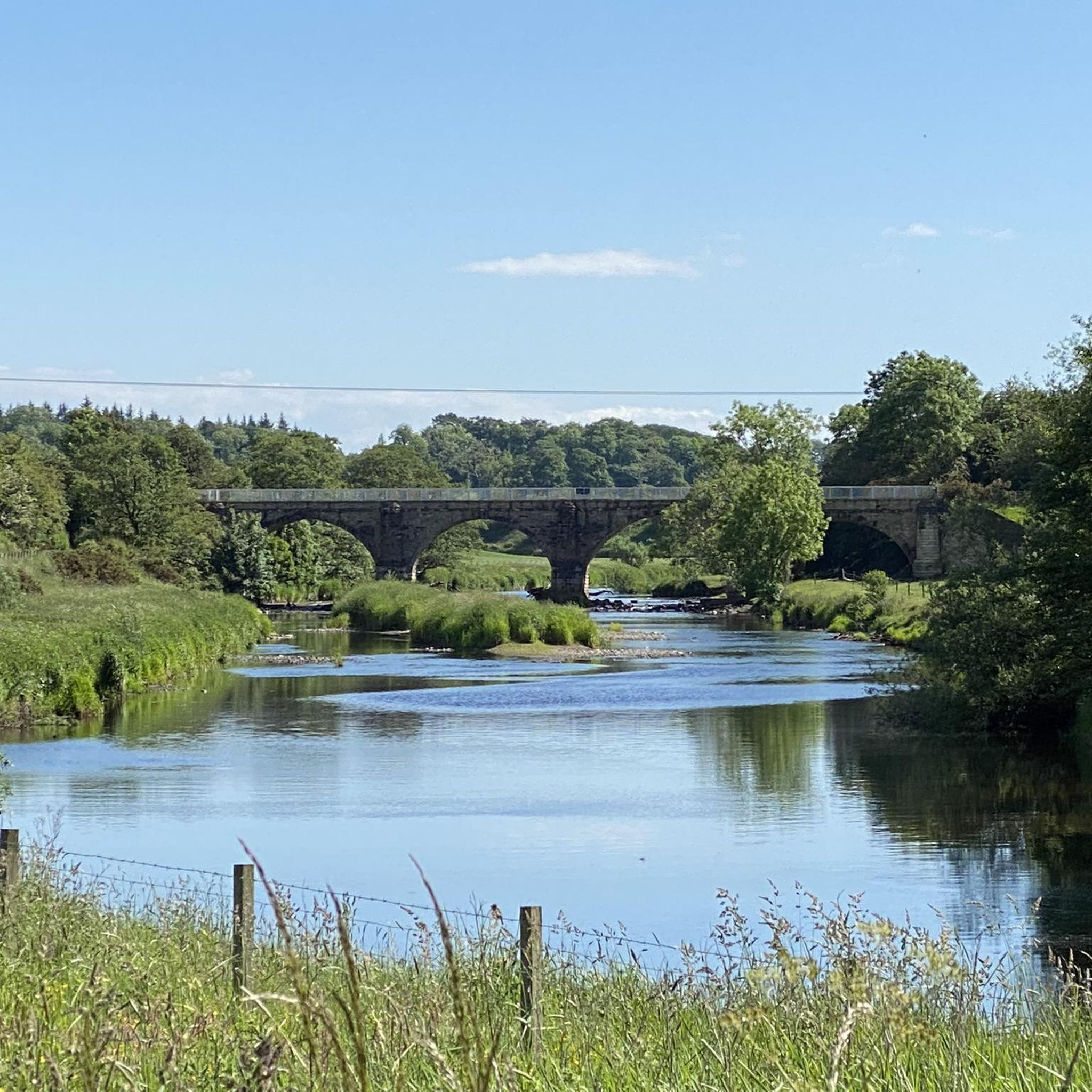
Take in the beautiful Fenwick Water river as you run through vibrant green woodland.
0
0

The Burns Monument in Kay Park, commemorates the poet Robert Burns (1759–1796). The monument was opened in 1879, but a fire destroyed part of the site In 2004. The building was restored and reopened as the Burns Monument Centre in 2009. Kilmarnock has many links with Burns; the first edition of his work was printed here in 1786. The park is also a nice spot to rest and take a break.
0
0
Frequently Asked Questions
How many running routes are available in Riccarton?
Riccarton offers a wide selection of running routes, with over 230 trails recorded on komoot. These range from easy jogs to more challenging runs, catering to various fitness levels.
Are there easy running routes suitable for beginners in Riccarton?
Yes, Riccarton has 14 easy running routes perfect for beginners or those looking for a gentle jog. These trails often feature gentle undulations and parkland paths, making them accessible for all.
What is the typical length of running trails around Riccarton?
The running trails in Riccarton vary in length. Many popular routes, such as the Caprington Castle loop from Kilmarnock, are around 6-7 miles (9-11 km) long, taking about an hour to complete. However, you can find both shorter and longer options.
Can I bring my dog on the running trails in Riccarton?
Many of Riccarton's outdoor trails are dog-friendly, especially those through parklands and rural areas. It's always recommended to keep dogs on a leash, especially near livestock or in designated nature areas, and to check local signage for specific rules.
Are there any running routes in Riccarton that offer scenic viewpoints?
While specific viewpoint routes aren't highlighted, many trails in Riccarton offer picturesque views of the surrounding countryside, historic estates, and riverside paths. The region's gentle undulations provide natural vantage points along many routes.
What kind of terrain can I expect on Riccarton's running trails?
Riccarton's running routes feature a diverse landscape, including historic estates, parklands, and rural roads. You can expect a mix of gentle undulations and riverside paths, providing varied terrain suitable for different running preferences.
Are there any family-friendly running routes in Riccarton?
Yes, the easier routes, particularly those through parklands like the Kay Park Pond – Fenwick Water loop from Kilmarnock, are often suitable for families. These trails tend to be well-maintained and offer pleasant surroundings for a family jog or walk.
What historical sites or attractions can I see near Riccarton's running routes?
Riccarton is rich in history. Many running routes pass by or near significant sites. For example, the Dean Castle loop from Kilmarnock takes you through historic parkland near Dean Castle. Other nearby attractions include Cairnmount Hill Standing Stones and Irvine Harbour.
Are there circular running routes available in Riccarton?
Yes, many of the running routes in Riccarton are circular, offering convenient starting and ending points. Examples include the Caprington Castle loop and the Kay Park Pond – Fenwick Water loop, both starting from Kilmarnock.
What do other runners enjoy most about jogging in Riccarton?
The running routes in Riccarton are highly rated by the komoot community, with an average score of 4.3 stars from over 10 reviews. Runners often praise the diverse landscape, the mix of historic estates and parklands, and the accessible nature of the trails.
Are there any running routes near cafes or places to stop for refreshments?
Some routes, particularly those starting or passing through towns like Kilmarnock, will have access to cafes and shops. The The Laird's Table – Coffee Stop at Loch Libo loop from Kilmarnock is an example of a route that incorporates a coffee stop, making it ideal for a longer run with a break.
What is the best time of year for running in Riccarton?
Riccarton's running trails can be enjoyed year-round. Spring and autumn offer pleasant temperatures and beautiful scenery with changing foliage. Summer is great for longer daylight hours, while winter runs can be invigorating, though some paths might be muddy or icy depending on conditions.
Most popular attractions around Riccarton

Get inspired with the komoot mobile app


Explore more
Browse the best Running Trails & Routes in other regions.
