Top 9 Castles around Cramond And Barnton
Best castles around Cramond And Barnton offer a glimpse into the region's rich history and architectural heritage. The area, situated near the Firth of Forth, features historical sites ranging from medieval tower houses to former grand estates. These landmarks provide insight into the changing landscape and past land ownership of Cramond and Barnton. Visitors can explore sites with defensive capabilities and those that served as residences for notable figures.
Best castles around Cramond And Barnton
- The most popular castles is…
Last updated: July 29, 2026
Arthur's Seat
Highlight • Summit
Tip by

Holyrood Palace
Highlight • Historical Site
Tip by
Sign up now to discover places like this
Get recommendations on the best single tracks, peaks, & plenty of other exciting outdoor places.
Sign up for free
Edinburgh Castle
Highlight • Castle
Tip by

Grassmarket, Edinburgh
Highlight • Settlement
Tip by

Bronze Horse Statue at Dalmeny House
Highlight • Monument
Tip by

Sign up for free to discover even more castles around Cramond And Barnton.
Sign up for free
Already have an account?
Start today with a free account
Your next adventure awaits.
Login or Signup
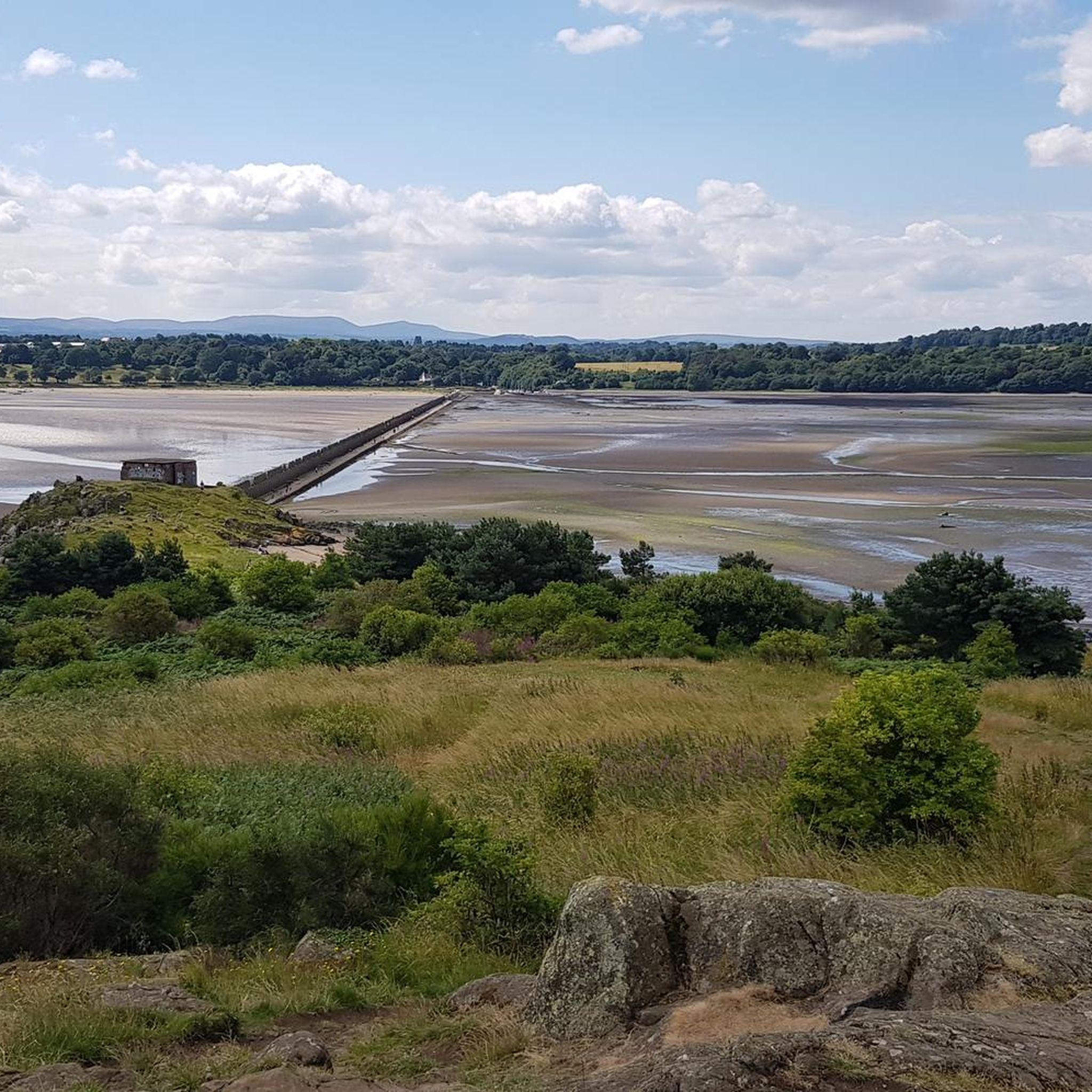
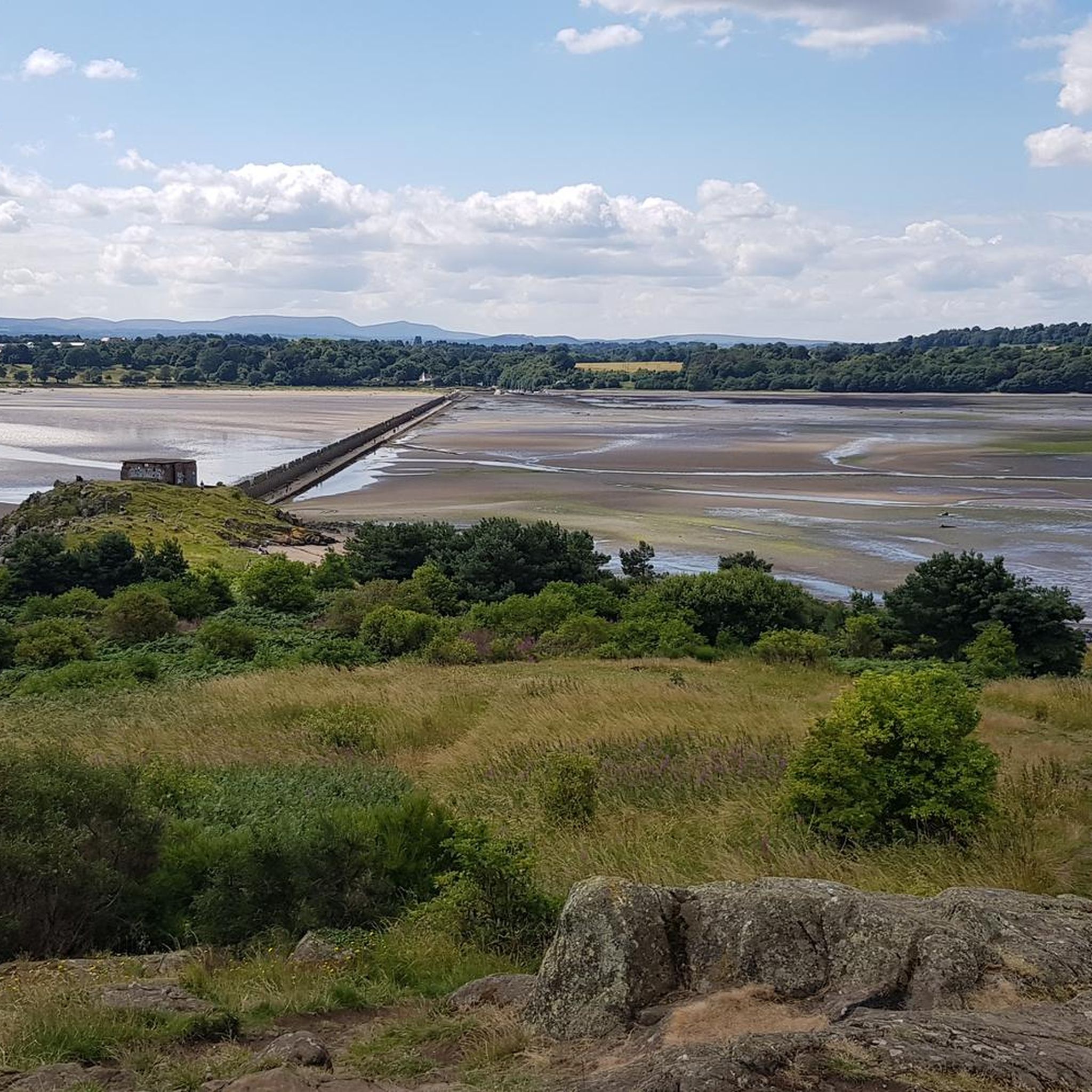
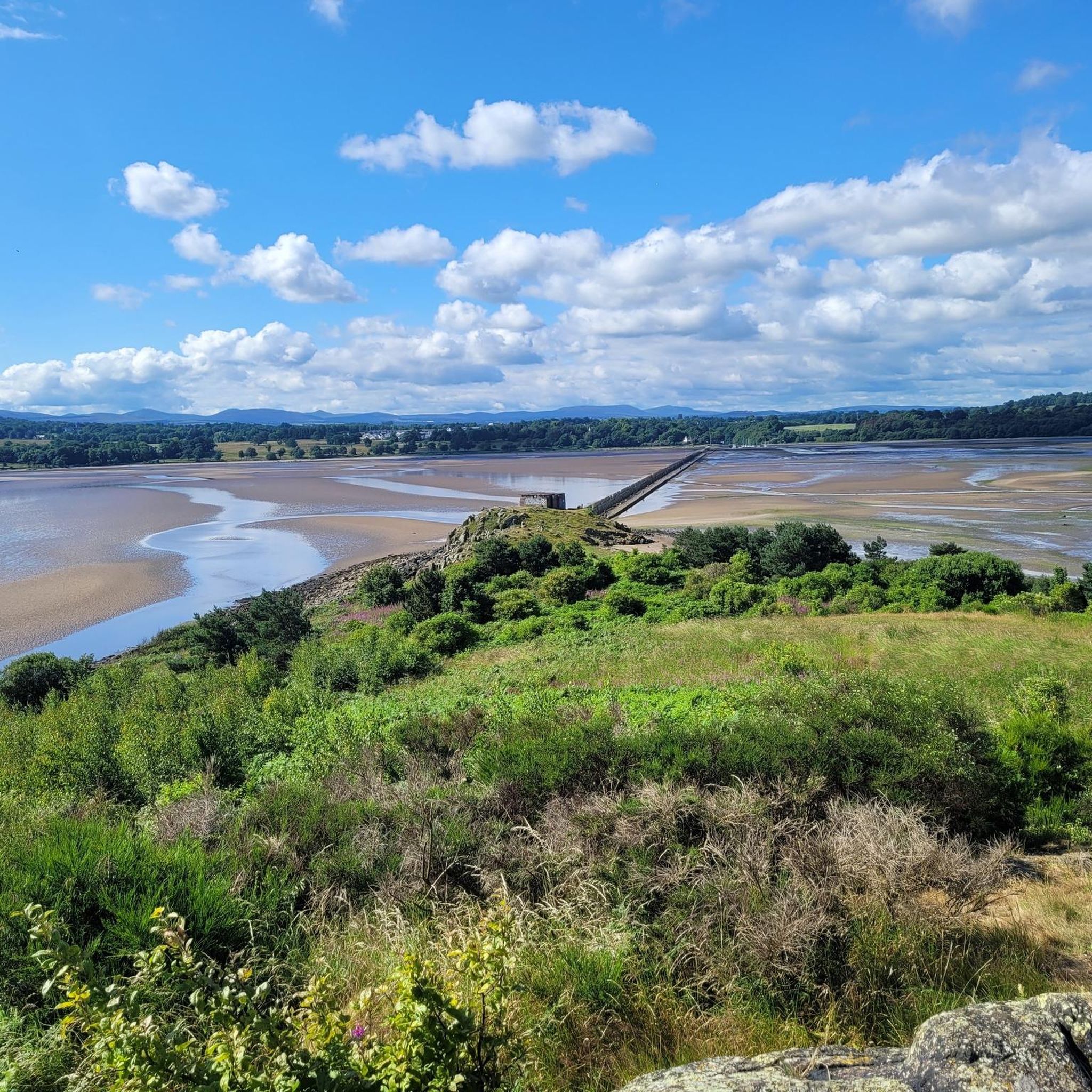
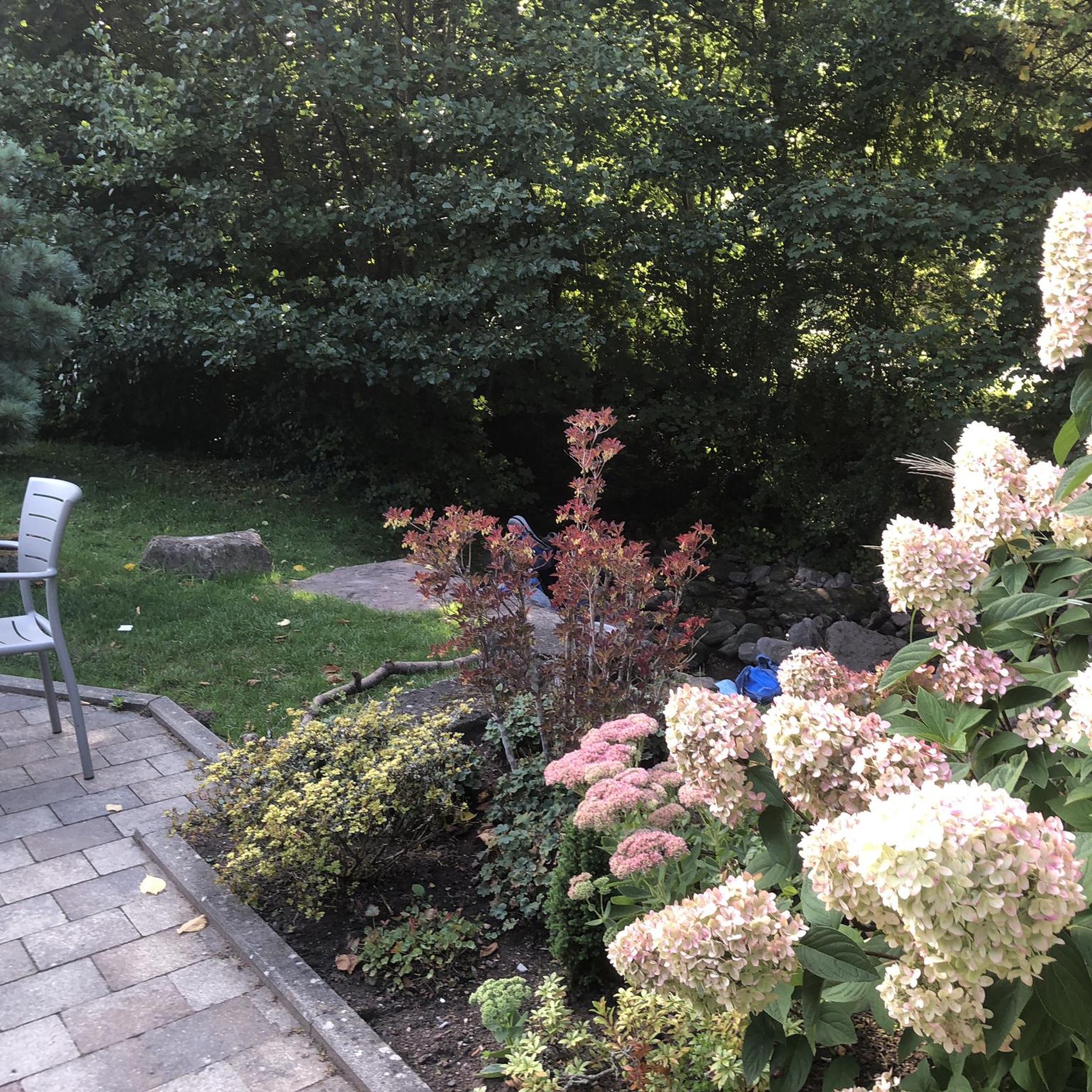
Tips from the Community

An excellent base for visiting Scotland's mystical capital city.
1
0

A lively place, with good pubs...
0
0

Some lovely, quiet gravel trails around the edge of the estate.
0
0

Edinburgh Castle has been home to kings and queens for centuries. Queen Margaret (who later became a saint) died here in 1093. The chapel built in her honour by her son, King David I, is the oldest building in Edinburgh. St Margaret’s Chapel still hosts weddings and christenings today. The Great Hall, completed in 1511 for King James IV, hosted grand banquets and state events. But the king had little time to enjoy his new addition. James IV was killed at the Battle of Flodden in 1513, fighting English forces sent by his brother-in-law, King Henry VIII of England. Above the door to the Royal Palace are the gilt initials MAH – for Mary Queen of Scots and her second husband Henry Stewart, Lord Darnley. Mary gave birth to James VI at the Royal Palace in 1566. He became King of Scotland at the age of 13 months and united the crowns of Scotland and England in 1603. The Scottish Honours are the oldest crown jewels in the UK. Made of gold, silver and precious gems, they were created in Scotland and Italy during the reigns of James IV and James V. The crown, sceptre and sword of state were first used together to crown a monarch in 1543, when Mary Queen of Scots came to the throne. https://www.edinburghcastle.scot/the-castle/history
5
1
Edinburgh Castle is a world-famous icon of Scotland and part of Edinburgh’s Old and New Towns. Set on a massive rock, Edinburgh Castle’s strategic advantage is clear. Recognising the military potential of the site, Iron Age men built a fort on the rock. Early medieval poetry tells of a war band feasting here for a year before riding to their deaths in battle. As well as presiding over some of history’s greatest moments, the castle has suffered numerous sieges. It changed hands many times during the Wars of Independence. In 1314, the Scots retook the castle from the English in a daring night raid led by Thomas Randolph, nephew of Robert the Bruce. The castle’s defences have evolved over hundreds of years. Mons Meg, one of the largest medieval cannons ever made, was presented to King James II in 1457. The crescent battery, built in the aftermath of Lang's siege in 1573, was armed for 200 years by bronze guns known as the Seven Sisters. Six more guns defend the Argyle Battery, with an open view to the north. https://www.edinburghcastle.scot/the-castle/history
6
0
Edinburgh Castle is one of the oldest sites in Europe. With a long and rich history as a royal residence, military garrison, prison and fortress, it is alive with many exciting stories. When you climb Castle Hill, you will be walking in the footsteps of soldiers, kings and queens – and even the odd pirate or two.
4
1

"Nowhere is Scottish identity as well-kept as in Edinburgh. Tartan, kilts and bagpipes are omnipresent. Edinburgh's old town is Scotland's number one tourist attraction. The classicist New Town, Edinburgh Castle, Holyrood House and numerous historic buildings have been declared cultural monuments." This is what it says on the ARD media library's website for the series "Treasures of the World - Heritage of Humanity". The film contribution (in German) corresponding to the highlight can be found at the following link: https://www.ardmediathek.de/video/schaetze-der-welt/edinburgh-grossbritannien-folge-139/swr/Y3JpZDovL3N3ci5kZS83MTY0MjEy
2
0
"Nowhere is Scottish identity as well-kept as in Edinburgh. Tartan, kilts and bagpipes are omnipresent. Edinburgh's old town is Scotland's number one tourist attraction. The classicist New Town, Edinburgh Castle, Holyrood House and numerous historic buildings have been declared cultural monuments." This is what it says on the ARD media library's website for the series "Treasures of the World - Heritage of Humanity". The film contribution (in German) corresponding to the highlight can be found at the following link: https://www.ardmediathek.de/video/schaetze-der-welt/edinburgh-grossbritannien-folge-139/swr/Y3JpZDovL3N3ci5kZS83MTY0MjEy
5
1
Frequently Asked Questions
What historical sites related to castles can I find directly within Cramond and Barnton?
Within Cramond and Barnton, you'll find the historic Cramond Tower, a 15th-century tower house that served as a defensive structure and later a bishop's residence. While now a private residence, its exterior offers a tangible link to the area's medieval past. The site of the former Barnton Castle, though demolished, also holds historical significance, having been besieged in 1443 and later home to an architecturally notable house.
Can I visit Cramond Tower?
Cramond Tower is a private residence and is generally not open to the public for casual visits. However, it may occasionally be accessible by appointment or during special heritage events. Its enduring presence as a well-preserved medieval tower house makes it a significant local landmark. For more historical context, you can refer to its Wikipedia page.
What are some of the most popular castle-related sites around Cramond and Barnton?
Some of the most popular castle-related sites around the area include Arthur's Seat, an ancient volcano and historical site offering panoramic views, and Holyrood Palace, the official British royal residence in Scotland with a rich history dating back to 1128. Visitors also appreciate the Cammo House Ruins and Tower, a historical site now part of a Wilderness Park.
Are there any family-friendly castle sites or related attractions nearby?
Yes, Holyrood Palace is considered family-friendly, offering insights into Scottish royal history. Additionally, the Bronze Horse Statue at Dalmeny House is a historical site that can be enjoyed by families, and the surrounding area often provides pleasant walks.
What kind of outdoor activities can I do near these historical sites?
The region around Cramond and Barnton offers various outdoor activities. You can explore gravel biking routes, such as the 'Cramond Brig – View of the Firth of Forth loop from Cramond' which is 20.3 km long. For road cycling, consider the 'Cramond Brig – Forth Bridge loop from Edinburgh Gateway' at 85.4 km. Running enthusiasts can enjoy routes like the 'Silverknowes Esplanade loop from Cramond' which is 5.1 km. You can find more details on these and other routes in the Gravel biking, Road Cycling, and Running Trails guides.
Are there any natural features or viewpoints near the castles?
Absolutely. Arthur's Seat, an ancient volcano, offers commanding views across the Edinburgh region and the Firth of Forth. Its summit is a popular objective for its panoramic vistas. The location of Cramond Tower also provides scenic views overlooking the Firth of Forth.
What do visitors enjoy most about the castle-related sites in this area?
Visitors frequently highlight the historical significance and the stunning views. For instance, Arthur's Seat is praised for its commanding views. The rich history of sites like Holyrood Palace and the tangible link to the past offered by Cammo House Ruins are also highly appreciated.
Are there any cafes or pubs near the historical sites?
Yes, for a unique experience, you can visit Cold Town House. While not a castle itself, it's a popular spot known for its food, drinks, and vibrant atmosphere, often featuring a view of Edinburgh Castle in the background. The Cramond village area, where Cramond Tower is located, also has local establishments.
What is the best time of year to visit the castles and historical sites around Cramond and Barnton?
The best time to visit is generally during the spring (April-May) and autumn (September-October) when the weather is milder and the crowds are typically smaller. Summer (June-August) offers longer daylight hours but can be busier. Winter visits can be atmospheric, especially for sites like Arthur's Seat, but require appropriate clothing due to potential wind and cold.
Are there any dog-friendly walking routes near these castles?
Many of the outdoor areas and parks around the historical sites, such as the grounds near Cammo House Ruins and Tower, are generally dog-friendly, provided dogs are kept on a lead where required. For specific routes, consider the running trails or gravel biking routes mentioned previously, as many are suitable for walks with dogs. Always check local signage for any restrictions.
What is the historical significance of Barnton Castle, even though it no longer exists?
Barnton Castle holds significant historical importance due to its medieval origins, including being besieged and destroyed in 1443. Later, a grand house, sometimes referred to as Barnton Castle, was built on the site and remodeled by prominent architects like Robert Adam. Although demolished around 1920, its legacy is preserved in local street names and provides insight into the changing landscape and land ownership of Cramond and Barnton.
Most popular routes around Cramond And Barnton
Most popular attractions around Cramond And Barnton

Get inspired with the komoot mobile app


Explore more
Looking for the best castles somewhere else? Discover other guides around Cramond And Barnton:
