The best walks and hikes around Iona
4.5
(105)
912
hikers
13
hikes
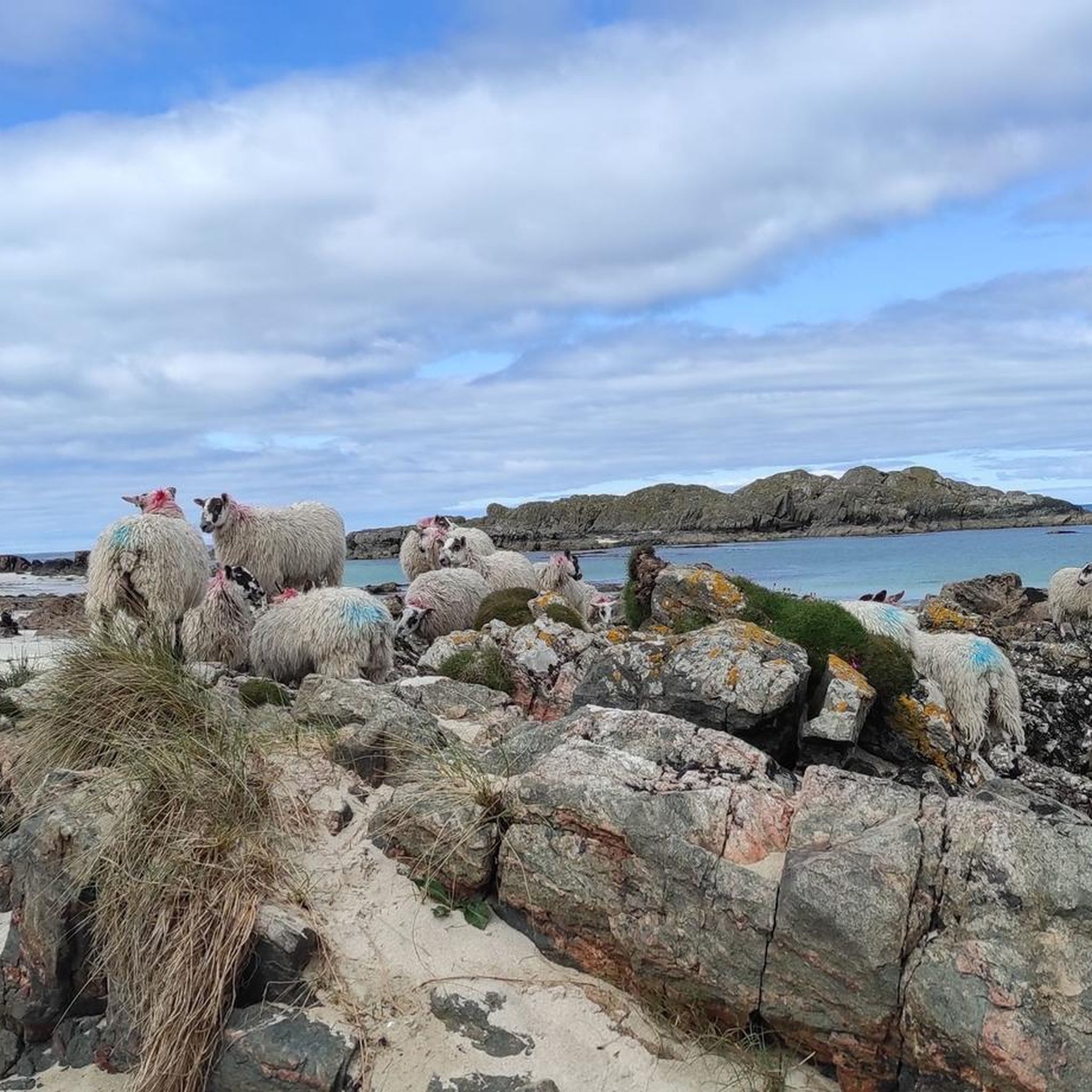
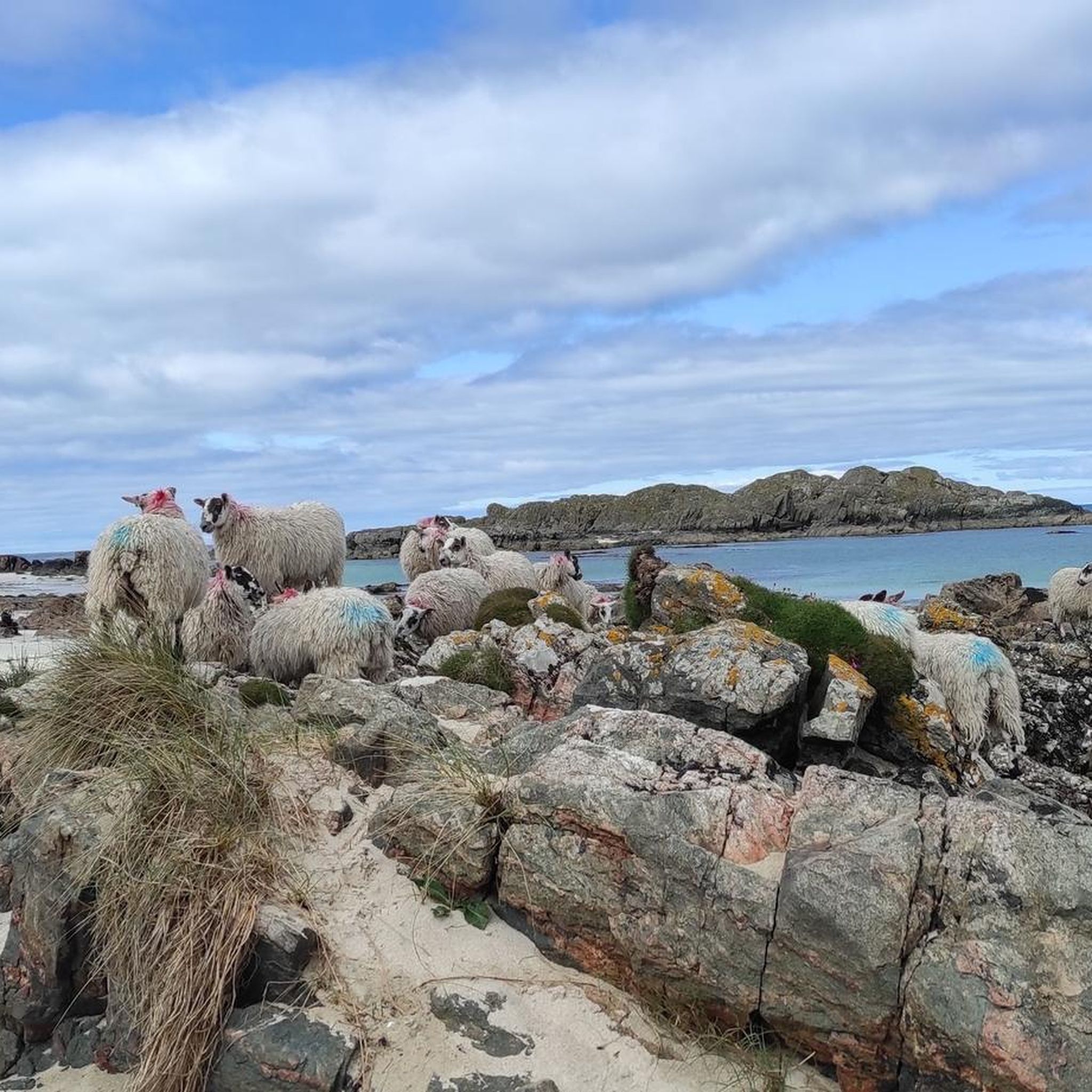
Hiking around Iona offers diverse terrain across a car-free island environment. The landscape features pristine white sandy beaches, rugged coastlines, and ancient geological formations. Inland, hikers encounter gentle hills, heather moorland, and fertile machair land, providing varied scenery. The island's highest point, Dun I, rises 100 meters above sea level, offering panoramic views.
Best hiking trails around Iona
- The most popular hiking route is Iona Abbey and Nunnery – St John's Cross, Iona Abbey loop from Iona, a 4.4…
Last updated: August 3, 2026
4.7
(11)
152
hikers
7.07km
01:54
90m
90m
Easy hike. Great for any fitness level. Easily-accessible paths. Suitable for all skill levels.
4.6
(8)
51
hikers
12.8km
03:25
150m
150m
Moderate hike. Good fitness required. Easily-accessible paths. Suitable for all skill levels.

Sign up for free
5.0
(2)
26
hikers
5.81km
01:33
60m
60m
Easy hike. Great for any fitness level. Easily-accessible paths. Suitable for all skill levels.
31
hikers
Easy hike. Great for any fitness level. Easily-accessible paths. Suitable for all skill levels.
5.0
(1)
28
hikers
4.50km
01:15
80m
80m
Easy hike. Great for any fitness level. Easily-accessible paths. Suitable for all skill levels.
Get access to more routes and recommendations from other explorers.
Sign up for free
Already have an account?
Our route recommendations are based on thousands of hikes, rides, and runs completed by other people on komoot.
Start today with a free account
Your next adventure awaits.
Login or Signup
Popular around Iona
Tips from the Community

This Organic Garden was created by the Argyll Hotel. Its produce is used by the in-house kitchen. You can snack, rest or look around in it. Please be careful at the bee meadow, it doesn't continue at its end and there are indeed two beehives with bees there.
0
0

Iona Abbey is an abbey founded in the sixth century by Saint Columba. From here, Christianity spread throughout Scotland. Sixty kings, mainly Scottish, found their final resting place there. In 1203, a Benedictine abbey was founded (by Reginald MacDonald of Islay, son of Somerled) on the site where several churches dedicated to Saint Columba presumably stood. The new church was dedicated to the Virgin Mary. This marked the beginning on Iona of the Roman church, which replaced the Columban (Celtic) church. (Wikipedia)
5
0
Around 1205, Benedictine monks came to Iona. At the same time as Augustinian nuns. These religious groups helped to revive the dilapidated abbey. The nuns wore black habits; the Gaelic word for nun is "cailleach-dhubh", the woman in the black robe. The inhabitants of Iona call the nunnery "an eaglais dhubh", "The Black Church". It is suspected that the first nuns came from Ireland. The nuns lived off the land they received upon arrival, but their resources were modest. It is said that their cemetery was used to bury women of noble descent from far and wide. The peaceful, neat ruin in the village of Baille Mor is one of the best-preserved medieval nunneries in the country. Next to the nunnery is Teampull Ronain (St. Ronan's Chapel), the medieval parish church for the inhabitants of Baille Mor until the Reformation in 1560. Under the church, remains of a chapel from the early 8th century can be found. Today, gravestones found in the nunnery are kept there. (Seaview B&B)
5
0
Behind St. John's Cross stands a small stone building, known as the shrine of St Columba. Most of the walls were restored in 1962, but the lower courses are original and may date from the 9th century. It was an oratory or chapel, built to an Irish design with long, projecting walls. The tradition connecting it with Columba may preserve ancient knowledge of where the saint was originally buried. Originally the building stood detached and remained so, even when the medieval abbey was built, out of respect for its age and sanctity. The medieval church may even have been built on the present site to demonstrate a connection with the shrine. (Seaview B&B)
5
0
At the abbey, in front of the entrance to St Columba's Sanctuary, stands a beautifully reconstructed replica of the 8th-century St John's Cross, an impressive cross with a large span. The original is kept in the museum behind the abbey, to the northeast. The St John's Cross was structurally flawed and probably collapsed shortly after its creation. With a span of 2.2 metres, it was one of the widest crosses known in the British Isles. Originally, it was a ringless cross, and it is thought that the four ring segments were added later to strengthen it. Even its recent history is sad: it was glued together with concrete and rebuilt in 1927, but was blown down in 1951 and again in 1957. It was then decided to move the fragments to the abbey museum for safety. The concrete replica we now see on the spot was placed in 1970 on the original stone pedestal. (Seaview B&B)
5
0
Baile Mor is a small village (and the only one) on the island of Iona. It is located on the east coast of the island and overlooks the Sound of Iona and the village of Fionnphort on Mull. Baile Mor was the location of a 6th-century monastery and nearby are 13th-century remains and a 15th-century Celtic cross (MacLean's Cross). Iona's parish church is a parliamentary church, funded by the British government, designed by engineer Thomas Telford (1757-1834) and built in 1828. Iona Abbey and St Columba's burial ground are located north of the village. In the village you will find several eateries, various shops, public toilets, etc. Although the island of Iona has fewer than 200 permanent residents, it attracts over 100,000 visitors annually.
5
0
This was the burial chapel of the MacDonald Lords of the isles. Built in the 12th century, it is the oldest intact structure on Iona. Go through the ornate doorway to see the remains of an impressive tomb and a collection of richly carved tombstones from the West Highlands. (Information board on site)
5
0

If you're on the island, you should visit the church. But it's better to buy a postcard of the saints in the stained-glass windows from the shop a little further up the street.
0
0
Frequently Asked Questions
What kind of hiking terrain can I expect on Iona?
Iona offers a diverse range of terrain for hikers. You'll find pristine white sandy beaches, rugged coastlines, and ancient geological formations. Inland, the landscape transitions to gentle hills, heather moorland, and fertile machair land. While many paths are accessible, some areas can be boggy, so sturdy footwear is recommended. The island's highest point, Dun I, provides a rewarding ascent for panoramic views.
Are there any easy hiking trails suitable for families on Iona?
Yes, Iona has several easy trails perfect for families. For example, the Iona Nunnery – View of the Sound of Iona loop from Iona is an easy 3.7-mile (6 km) route that takes about 1 hour 35 minutes to complete, offering gentle paths and scenic views. The island's car-free environment also makes it a safe and pleasant place for children to explore.
What historical and natural landmarks can I see while hiking on Iona?
Iona is rich in both history and natural beauty. Many hiking routes incorporate significant sites such as the Iona Abbey and Nunnery, and St John's Cross. You can also visit MacLean’s Cross. Natural highlights include Dun I, the island's highest point, and St. Columba's Bay, famous for its unique pebbles. The Tràigh an t-Suidhe Beach is also a beautiful spot to explore.
Are there any circular hiking routes on Iona?
Yes, many of Iona's trails are designed as loops, allowing you to experience diverse scenery without retracing your steps. A popular option is the Baile Mòr Beach – View of the Sound of Iona loop from Iona, a moderate 5.0-mile (8.1 km) path that offers coastal views and explores the island's beautiful beaches.
What do other hikers say about the trails on Iona?
The hiking trails on Iona are highly regarded by the komoot community, with an average rating of 4.7 stars from over 60 reviews. Hikers frequently praise the island's tranquil atmosphere, stunning white sandy beaches, and the unique blend of natural beauty with rich historical sites like the Abbey and Nunnery.
How long do hiking trails on Iona typically take to complete?
Hiking durations on Iona vary depending on the route and your pace. Many trails are relatively short, offering pleasant strolls. For instance, the Iona Abbey and Nunnery – St John's Cross, Iona Abbey loop from Iona is a 4.4-mile (7.2 km) trail that typically takes about 1 hour 55 minutes. Longer routes, like the Tràigh an t-Suidhe Beach – View of the Sound of Iona loop from Iona, can take around 3 hours 26 minutes for its 8.0 miles (12.9 km).
Is Iona accessible by public transport, and is there parking for hikers?
Iona is a car-free island, making it an ideal destination for walkers seeking tranquility. Visitors typically reach Iona via ferry from Fionnphort on Mull. There is parking available at Fionnphort for those bringing a car to Mull, but no vehicles (other than those for residents with permits) are allowed on Iona itself. Once on the island, all exploration is done on foot.
Are there any specific geological features to look out for on Iona's hikes?
Yes, Iona is geologically fascinating. The island features some of Europe's oldest rocks, such as Lewisian gneiss, which can be observed along its pathways. St. Columba's Bay is particularly notable for its richly colored pebbles, including white and green Iona marble, and the unique 'St. Columba's Tears' – small, translucent green, teardrop-shaped pebbles.
What is the highest point on Iona, and can I hike to it?
The highest point on Iona is Dun I (pronounced Dun Ee), which rises just 100 meters above sea level. It is a popular and rewarding hike, offering splendid panoramic views of the surrounding islands, including Mull, Skye, Coll, and Jura, for relatively little effort. Near the peak, you can also find the 'Well of Eternal Youth'.
Are dogs allowed on hiking trails on Iona?
Iona is generally dog-friendly, and many visitors enjoy walking their dogs on the island's trails and beaches. However, as with any rural area, it's important to keep dogs under control, especially around livestock and wildlife, and to clean up after them. Some areas, particularly nature reserves or nesting sites, may have specific restrictions, so always look for local signage.
What is the best time of year to visit Iona for hiking?
Iona offers a captivating environment year-round, but the spring and summer months (May to September) generally provide the most favorable weather for hiking, with longer daylight hours and milder temperatures. During these times, the machair lands are vibrant with wildflowers. However, the island's ever-changing seascapes and tranquil atmosphere can be enjoyed in any season, provided you are prepared for potentially wet or windy conditions.
Most popular routes around Iona
Most popular attractions around Iona

Get inspired with the komoot mobile app


Explore more
Browse the best Hikes in other regions.
