The best road cycling routes around Aberchirder And Marnoch
5.0
(6)
273
riders
58
rides
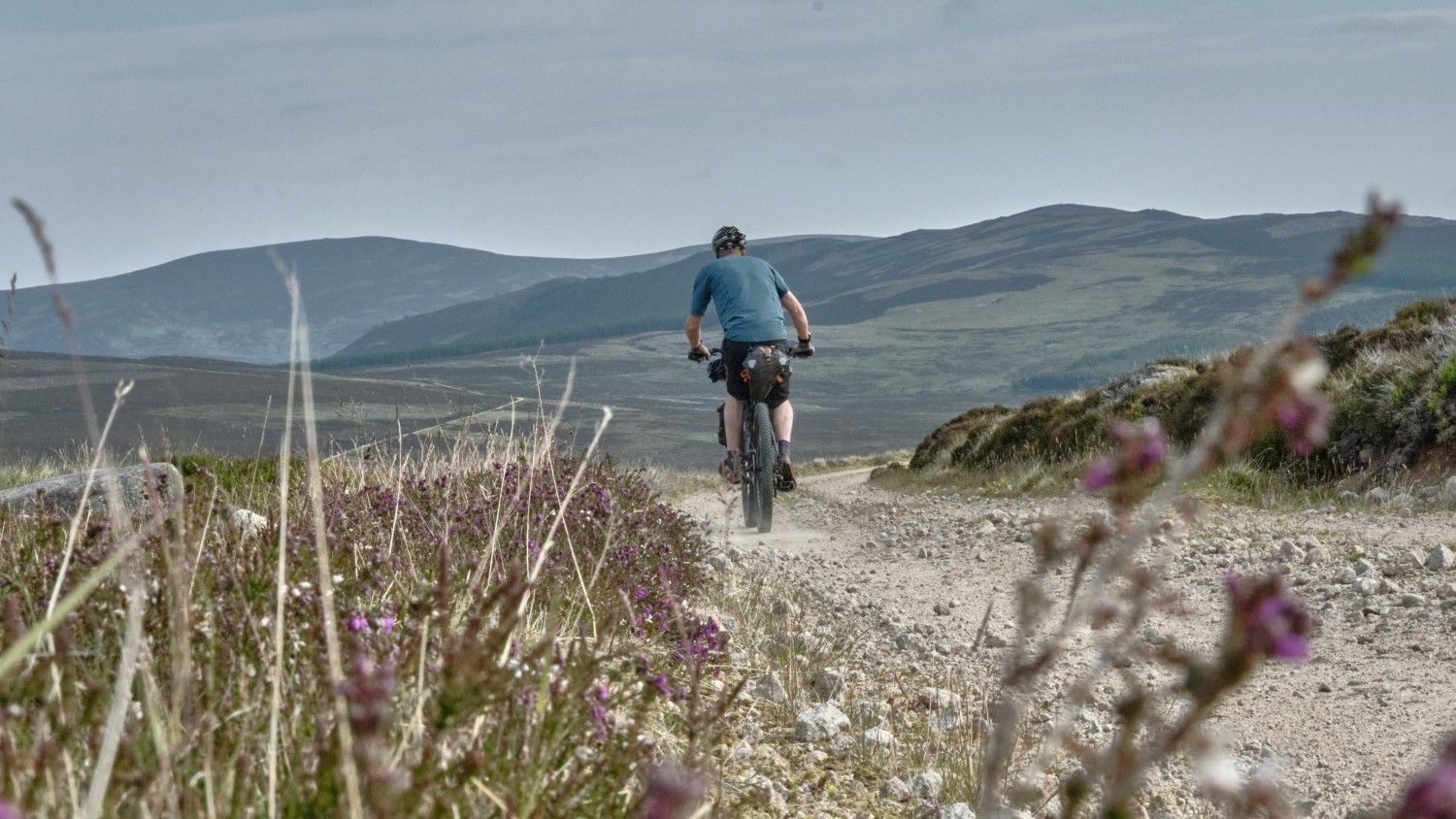
Road cycling around Aberchirder And Marnoch offers routes through the rolling countryside of Aberdeenshire, characterized by river valleys and agricultural land. The region features a network of quiet roads suitable for road bikes, with varied elevation profiles. Cyclists can expect to encounter historical sites and open landscapes. The terrain includes gentle ascents and descents, providing a balanced experience for different fitness levels.
Best road cycling routes around Aberchirder And Marnoch
- The most popular road cycling route is Eden Castle Ruins…
Last updated: May 12, 2026
5.0
(1)
17
riders
38.0km
01:45
380m
380m
Moderate road ride. Good fitness required. Mostly well-paved surfaces and easy to ride.
11
riders
Moderate road ride. Good fitness required. Mostly well-paved surfaces and easy to ride.

Sign up for free
5.0
(1)
8
riders
48.8km
02:04
400m
400m
Moderate road ride. Good fitness required. Mostly well-paved surfaces and easy to ride.
6
riders
46.0km
01:56
370m
370m
Moderate road ride. Good fitness required. Mostly well-paved surfaces and easy to ride.
6
riders
Easy road ride. Great for any fitness level. Mostly well-paved surfaces and easy to ride.
Get access to more routes and recommendations from other explorers.
Sign up for free
Already have an account?
Our route recommendations are based on thousands of hikes, rides, and runs completed by other people on komoot.
Start today with a free account
Your next adventure awaits.
Login or Signup
Other adventures around Aberchirder And Marnoch

Tips from the Community

The Burn of Boyne is a small river which flows through Banffshire, entering the Moray Firth in Boyne Bay, just east of Portsoy. The ruins of Boyne Castle stand close to the river's mouth.
0
0
Around 1320, the land was owned by Thomas Randolph, 1st Earl of Moray, but passed first to the Edmonstone family and then, by marriage, to the Ogilvies. Sir George Ogilvy of Dunlugas built the castle in the late 16th century for his bride, Mary Beaton, a companion of Mary, Queen of Scots. Occupation continued until after 1723. James VI of Scotland stayed at the castle in July 1589. His ambassadors Andrew Keith, Lord Dingwall, George Young, and John Skene brought him news from Denmark of the progress of his marriage negotiations and preparations of ships, jewels, and a silver coach for Anne of Denmark.
0
0
Built as a motte and bailey castle in the 12th century and held by the Comyns, Earl of Buchan. The castle was visited by King Edward I of England in 1296 and also in 1298 after defeating William Wallace at the Battle of Falkirk during the Wars of Scottish Independence. The castle was garrisoned with English troops until being captured by the Scots in 1310. It came into the possession of the Sharps, before being sold to Lord Ogilvy of Deskford in 1722. The castle then passed into the hands of the Russells. The old castle was demolished and a mansion house designed by architect John Adam was built in 1750. The remains of the old castle are a scheduled ancient monument.
0
0
The Biggar Fountain is an ornate Victorian Gothic drinking fountain with crown head, designed by John Rhind in 1878, commemorates Walter Biggar, one of the founders of the herring trade with the Baltic. The inscription on the Biggar fountain reads 'Presented to the town of Banff in Memory of Walter Biggar Esq. And Mrs. Anne Duff, his wife. 1878.' Biblical inscriptions on the East and West panels.
0
0
The cross depicts the Crucifixion on one side and on the other the Virgin and Child. The Mercat Cross originally stood where the Biggar fountain now stands, but because of it's size and it's interference with the traffic was removed in 1767 and custody given to the Earl of Fife, who erected the capital on top of a dovecote at NJ682 632. In 1900 the cross was restored within the bounds of the burgh, and in 1994 an exact replica of the 16th century cross, polychromed as it would originally have been, was placed on its 17th century shaft, and restored to almost it's original location. The original carving was placed in Banff Museum. The Reformation in Scotland was begun by John Knox in 1541, and eventually led to a widespread destruction of artworks and manuscripts by iconoclasts. The Mercat Cross survived and was given a new shaft in 1627. It is a rare survival of such overtly religious pre reformation work.
0
0
The church (formerly known as St Mary's) dates from 1778. It is attached to the current hall complex which was built in the 1930s. In the late 1920s a chancel was added, to which the organ was removed. The Roman Doric pilastered tower and tall Gibbsian spire, a prominent landmark, was added in around 1828.
0
0
Although golf is supposed to have been played in Banff for 400 years, it was only in May 1871 that organised golf was conceived when the then Banff Golf Club was formed at the Banff links. The Banff Golf Club continued in existence with varying degrees of success until 1924. The Duff House Golf Club came into existence following a gift of land to the towns of Banff and Macduff by the then Duke of Fife following his concern at "the want of ground for golf and other recreational sports." The original course in its present location was laid out in 1909.
0
0
Frequently Asked Questions
How many road cycling routes are available in Aberchirder And Marnoch?
There are over 50 road cycling routes in Aberchirder And Marnoch, offering a diverse range of options for different skill levels. You'll find 11 easy, 41 moderate, and 5 difficult routes to explore.
Are there easy road cycling routes suitable for beginners or families in Aberchirder And Marnoch?
Yes, Aberchirder And Marnoch offers 11 easy road cycling routes perfect for beginners or families. An excellent option is the B9118 Along the River Deveron – Rothiemay Stone Circle loop from Aberchirder, which is 35.5 km long and takes about 1 hour 29 minutes to complete.
What kind of terrain can I expect on road cycling routes in Aberchirder And Marnoch?
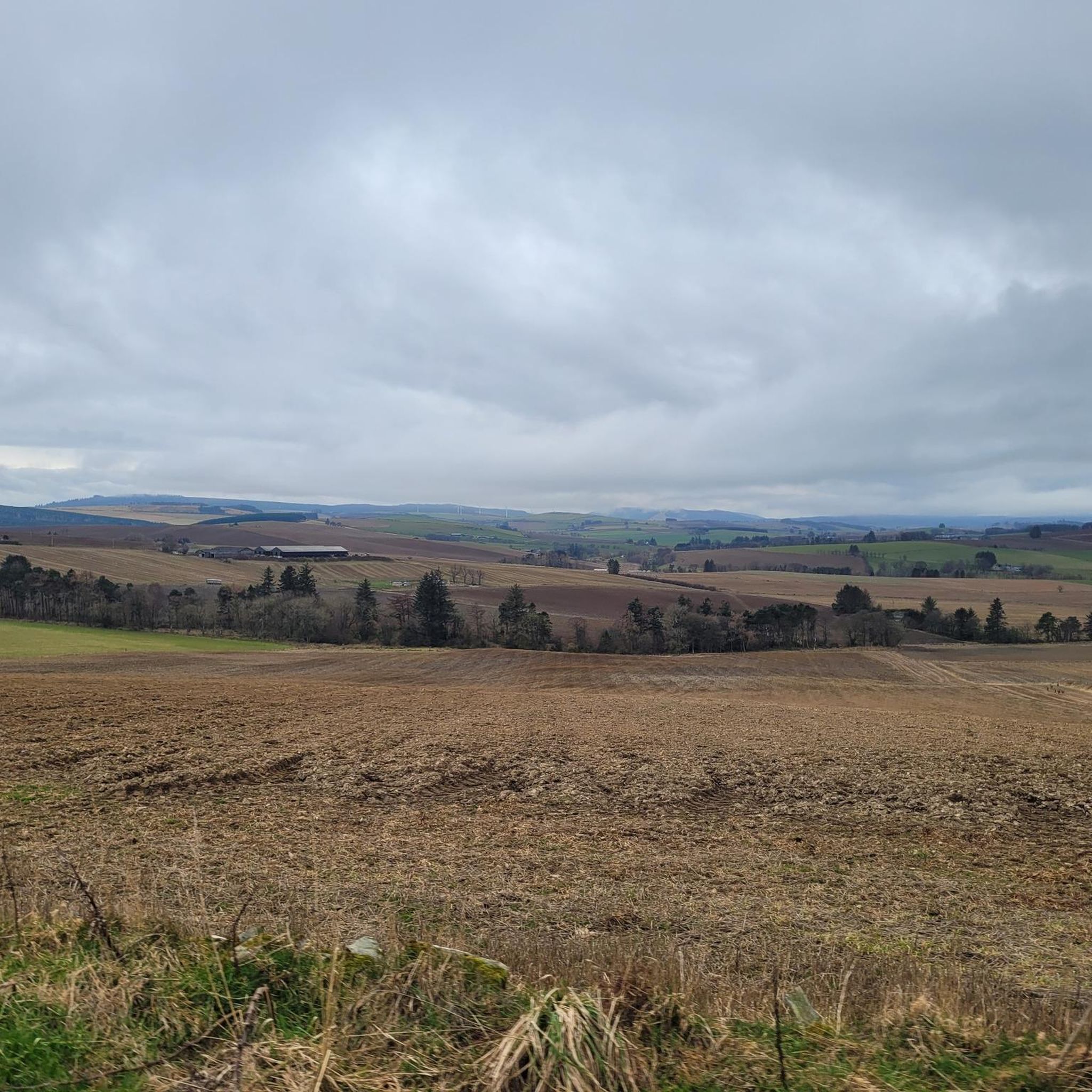
The region features rolling countryside, river valleys, and agricultural land. You'll encounter a network of quiet roads with varied elevation profiles, including gentle ascents and descents, providing a balanced experience.
Are there any circular road cycling routes in Aberchirder And Marnoch?
Yes, many routes in Aberchirder And Marnoch are circular. For example, the Eden Castle Ruins – Bridge of Alvah loop from Bogton is a moderate 38.3 km circular route, and the Rothiemay Stone Circle loop from Knock Hill is another popular circular option.
What historical sites or landmarks can I see along the road cycling routes?
Road cycling routes in Aberchirder And Marnoch often pass by significant historical sites. You can cycle past the Eden Castle Ruins, Huntly Castle Ruins, or the Boyne Castle Ruins. The Huntly Town Centre – Huntly Castle loop from Aberchirder is a great route for exploring these landmarks.
Are there any scenic viewpoints or coastal views on the road cycling routes?
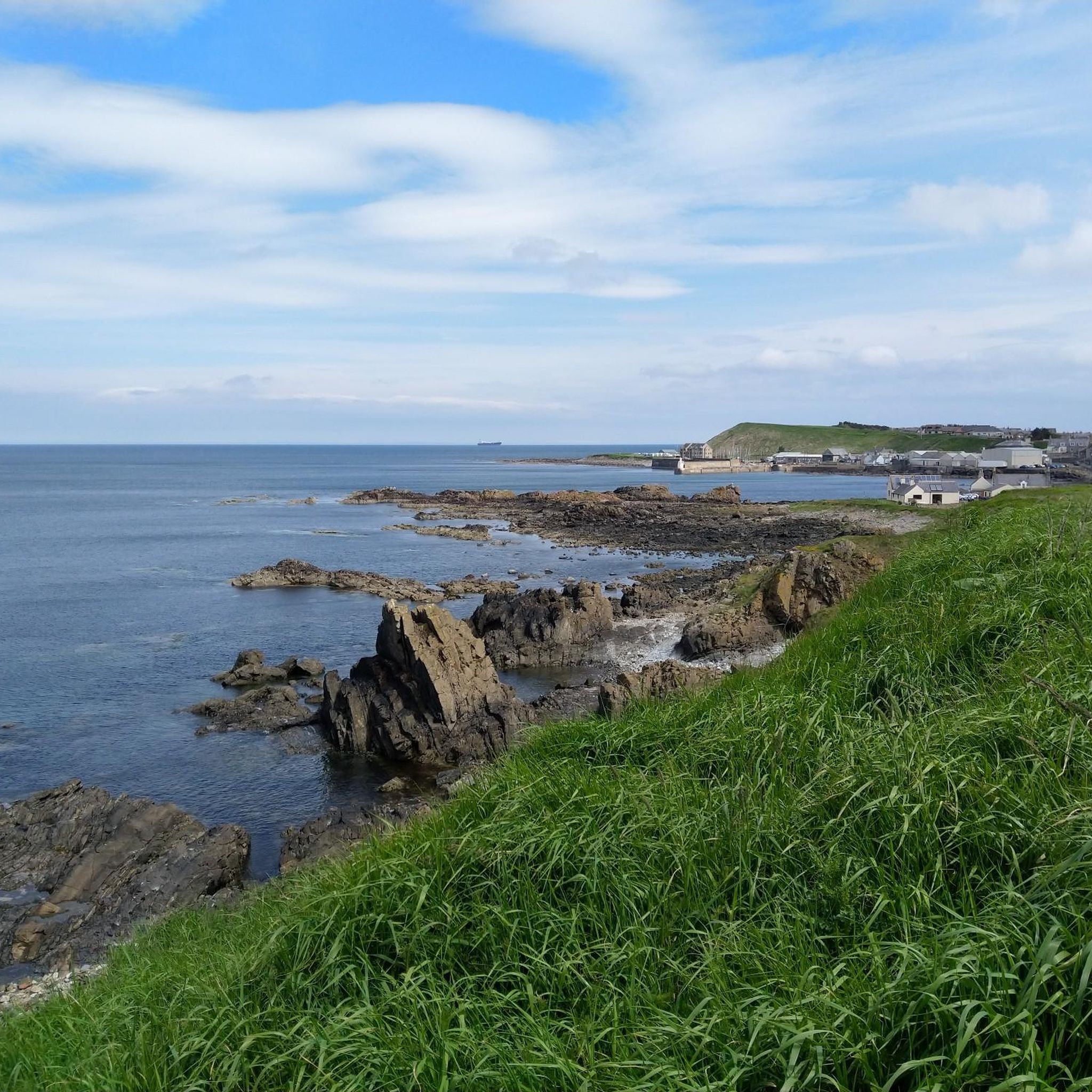
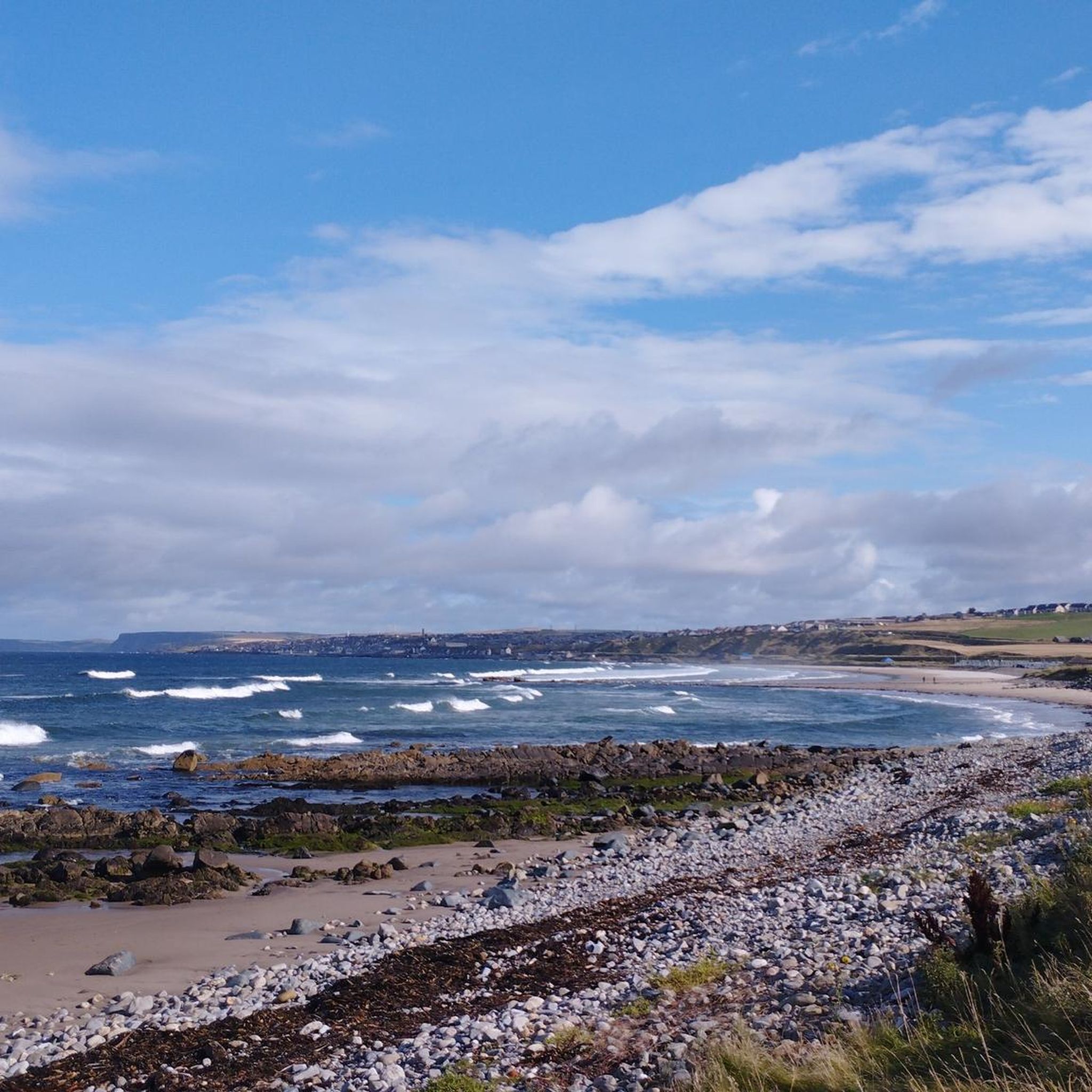
Absolutely. Some routes offer stunning coastal views, such as the Old Portsoy Harbour – Boyne Castle Ruins loop from Knock Hill, which provides views of coastal areas and passes by Portsoy Harbour and Whitehills Seafront.
What is the best time of year for road cycling in Aberchirder And Marnoch?
The best time for road cycling in Aberchirder And Marnoch is typically from spring through autumn, when the weather is milder and the roads are generally in good condition. Summer offers the longest daylight hours, ideal for longer rides.
How long do road cycling routes typically take in Aberchirder And Marnoch?
Route durations vary depending on distance and difficulty. For example, a moderate route like the Eden Castle Ruins – Bridge of Alvah loop from Bogton takes about 1 hour 46 minutes, while longer routes can take over 2 hours, such as the Old Portsoy Harbour – Boyne Castle Ruins loop from Knock Hill at approximately 2 hours 30 minutes.
What do other road cyclists say about the routes in Aberchirder And Marnoch?
The road cycling routes in Aberchirder And Marnoch are highly rated by the komoot community, with an average score of 5.0 stars from 6 reviews. Over 200 road cyclists have used komoot to explore the varied terrain, often praising the quiet roads and scenic landscapes.
Are there any advanced or challenging road cycling routes in the area?
Yes, for experienced cyclists seeking a challenge, there are 5 difficult road cycling routes available in Aberchirder And Marnoch. These routes typically feature more significant elevation gains and longer distances.
Are there places to stop for refreshments or cafe stops along the routes?
While specific cafe stops are not detailed for every route, the region's towns and villages, such as Aberchirder and Huntly, offer opportunities for refreshments. Some attractions like Delgatie Castle also feature cafes.
Most popular routes around Aberchirder And Marnoch
Most popular attractions around Aberchirder And Marnoch

Get inspired with the komoot mobile app


Explore more
Browse the best Road cycling routes in other regions.
