The best road cycling routes in Mata Nacional Das Virtudes
4.4
(13)
407
riders
48
rides
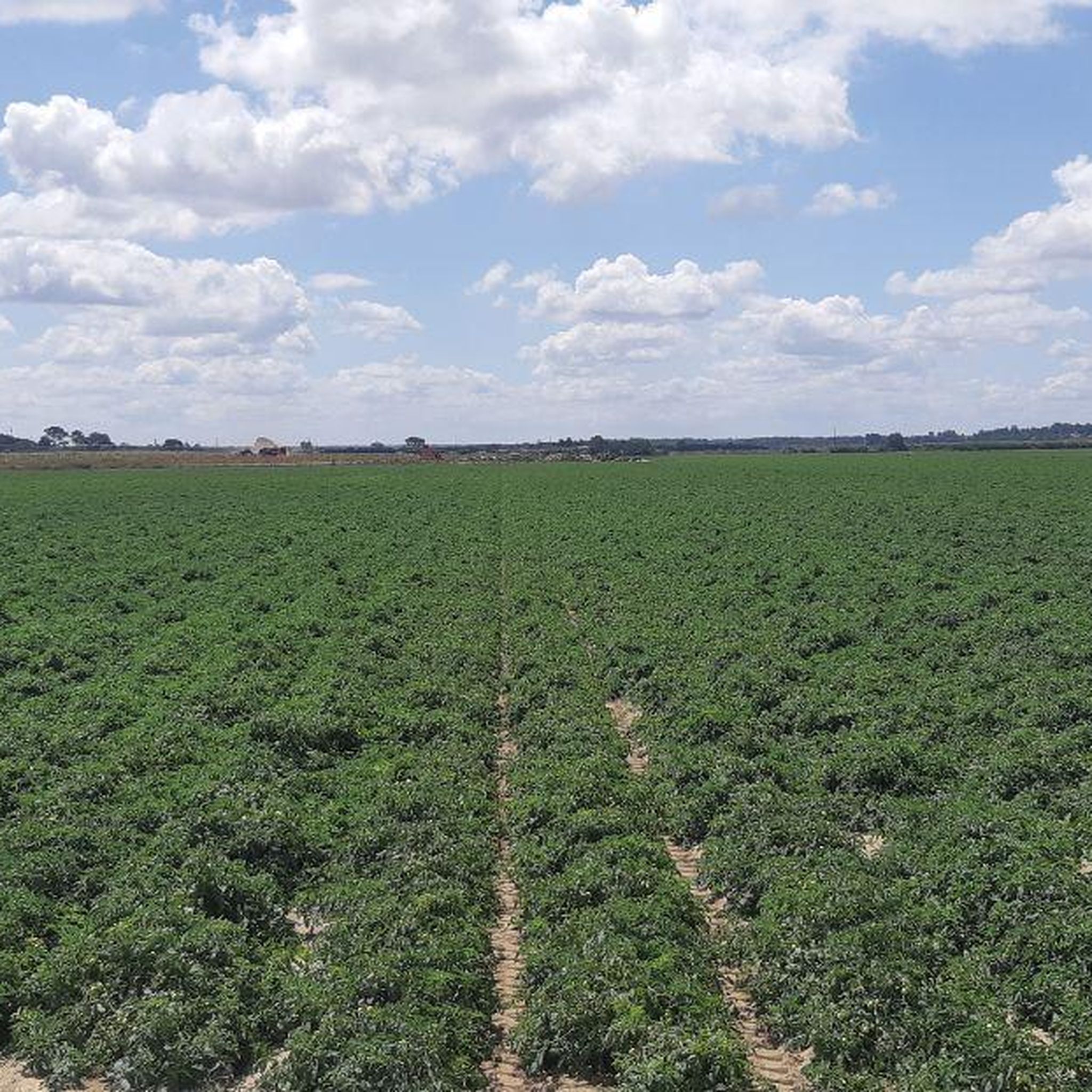
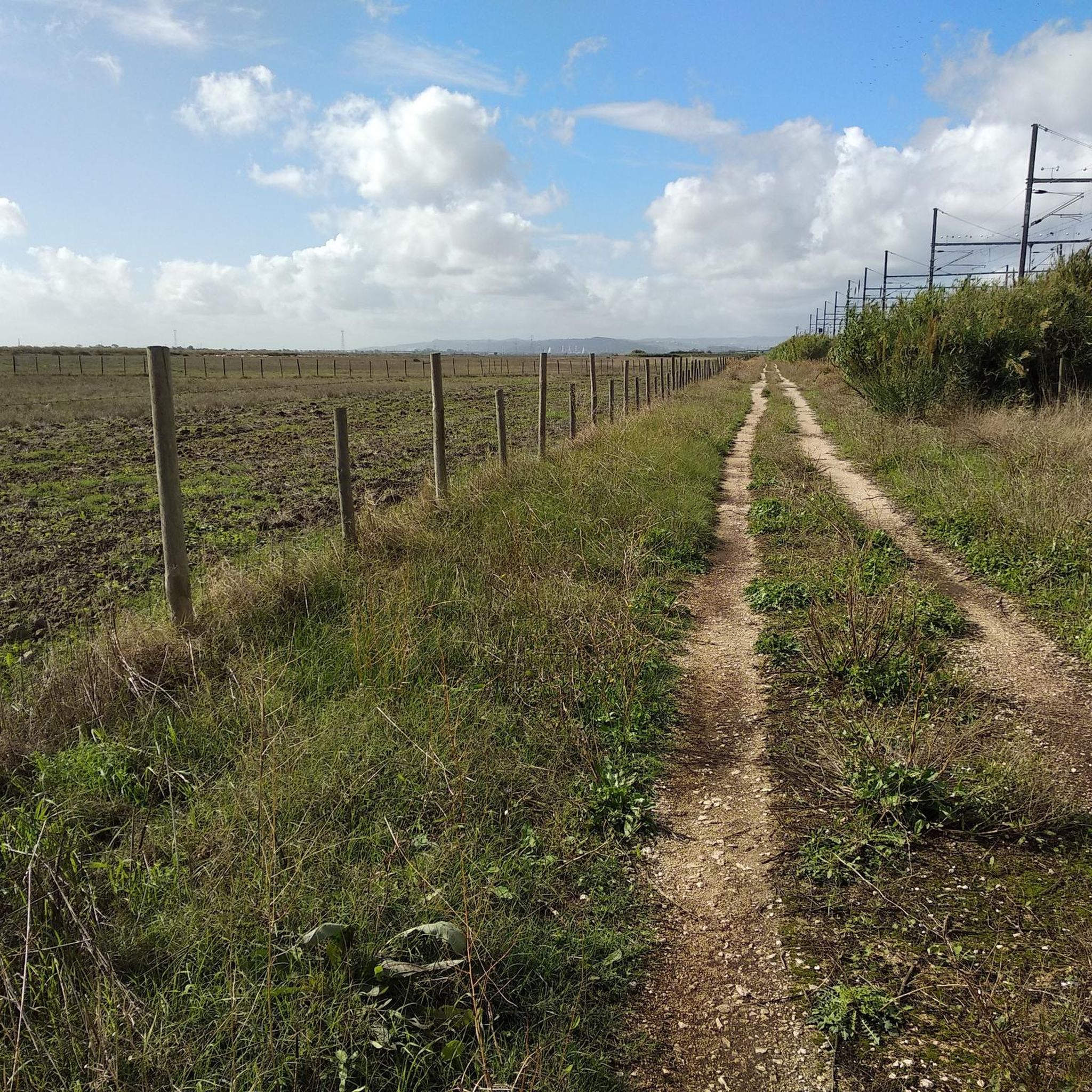
Road cycling in Mata Nacional Das Virtudes offers a diverse landscape for cyclists. The region, located in Portugal, features rolling hills and rural roads, providing varied terrain for different skill levels. Cyclists can expect routes that traverse through forested areas and open countryside, with some paths offering views of distant hills. The area's natural setting provides a tranquil environment for road cycling.
Best road cycling routes in Mata Nacional Das Virtudes
- The most popular road cycling route is Montejunto Monument…
Last updated: May 16, 2026
5.0
(1)
11
riders
87.0km
04:21
1,290m
1,290m
Hard road ride. Very good fitness required. Mostly well-paved surfaces and easy to ride.
5.0
(1)
11
riders
35.3km
01:24
120m
120m
Easy road ride. Great for any fitness level. Mostly well-paved surfaces and easy to ride.

Sign up for free
4
riders
50.5km
02:12
440m
440m
Moderate road ride. Good fitness required. Mostly well-paved surfaces and easy to ride.
5
riders
57.4km
02:20
260m
260m
Moderate road ride. Good fitness required. Mostly well-paved surfaces and easy to ride.
4.0
(1)
20
riders
51.2km
02:15
250m
250m
Moderate road ride. Good fitness required. Mostly well-paved surfaces and easy to ride.
Get access to more routes and recommendations from other explorers.
Sign up for free
Already have an account?
Our route recommendations are based on thousands of hikes, rides, and runs completed by other people on komoot.
Start today with a free account
Your next adventure awaits.
Login or Signup
Popular around Mata Nacional Das Virtudes

Tips from the Community

Constantino Palha Municipal Park is one of the main tourist attractions in Vila Franca de Xira, located next to the train station and the Tagus River. It occupies an area of 400 meters in front of the river and is considered the most charismatic garden in the city. Highlights: - Bandstand: a 19th-century bandstand is one of the park's main attractions, where cultural events frequently take place. - Lakes: the lakes are a characteristic element of the garden, adding a touch of serenity to the environment. - Playground: a fun area for children, making it a popular destination for families. - Cafeteria: offers a cozy place to relax and enjoy the river view. - Paths: the winding paths allow visitors to take pleasant walks through the garden, enjoying nature and the view of the Tagus River.
1
0


publication of the royal charter of 26 July 1811, which, in order to mitigate the devastating effects of the French invasions, prescribed, among many other measures, the distribution of seeds to farmers in order to re-establish cereal production. The Real Celeiro was active for over sixty years, between 1812 and 1873, but, quoting Guilherme Henriques, “it died, like all good institutions, annihilated by abuses”. The City Council now holds the archive of the old Celeiro, which, although not very voluminous, nevertheless allows us to reconstruct almost the entire history of this important local institution of the 19th century. Commissioned to be rebuilt by the Municipality of Alenquer in 2002, it opened its doors as the Wine Museum and headquarters of the Lisbon Wine Route in 2006. Its interior was remodeled and its museology project renewed at the end of 2018, and it reopened its doors to visitors in February 2019. (Source: www.alenquer.pt)
10
0

At this location at the top of the Serra de Montejunto, also known as "Torre" due to the various antennas that were installed there, is the Chapel of Our Lady of the Snows, which may have been built in the 13th century and remodelled and expanded during the 16th century and later. Inside, the altars covered with 17th century tiles and the altarpiece of the main altar, from the 18th century, stand out. Next to the Chapel of Our Lady of the Snows, are the ruins of what is considered to be the first Dominican Convent in Portugal, built in the 12th century and abandoned after the extinction of the religious orders, and is currently in ruins. Also nearby are the ruins of the Royal Ice Factory, classified as a National Monument. Here, in the 18th century, the Dominican monks took advantage of the climatic and geological conditions and opened large tanks connected by narrow passages, one part for the production of ice and the other for its preparation, storage and conservation. The ice was later transported to Lisbon, to supply the court and the café at Terreiro do Paço, later known as Martinho da Arcada (Fernando Pessoa's Café)
2
0
The palace was built by the superintendent Diogo Inácio de Pina Manique (1733-1805), who held several positions during the time of the Marquis of Pombal. His connection to the town, which came to be called Manique do Intendente and was initially called Alcoentrinho, and which belonged to the Order of Christ, dates back to the time of his uncle, who established a manor in favour of his nephew in 1773. Thus began a very ambitious project, which envisaged the creation of a town with a rationalist architectural design and which included, in addition to the palace (whose construction remained unfinished), the Town Hall, the pillory, the Palace of Justice and the church. This plan did not go ahead due to Pina Manique's removal from the position of superintendent and his premature death.
2
0
Founded in the year 970 of the Christian era (which is why it is currently considered an ancient town), during the reign of the Moorish king D. Ramiro III, it was first given the name of al-quniTrâ”, a diminutive of “al-qanTarâ”, or Alcântara, which means – the small bridge. Alcoentre received its first charter from D. Afonso Henriques in the city of Coimbra, in October 1174, and became the oldest administrative unit and local district in the municipality of Azambuja. Since Alcoentre was registered by the Crown, it remained “land of the king” (or land of the king) until D. Dinis. During this reign, it ceased to be land of the king, also known as Lavrador, and began a long journey as land of private manorial jurisdiction. This charter was reformulated by D. Manuel in Lisbon, on 26 September 1513.
3
0
Operating since April 2006 in a 19th-century building, the Wine Museum exhibits, offers tastings and allows the purchase of the best wines from the region. Around 20 producers from the Lisbon Wine Routes Association are represented.
5
0
Museum established in 2006 and remodeled in 2018, where the stories of 40 wine producers from the municipality of Alenquer are represented. Occupying the space of the old public barn where the seeds of the region's farmers were stored, the institution seeks to provide visitors with an excellent experience in paying homage to wine. Source: www.freguesiaalenquer.pt
12
0
Frequently Asked Questions
How many road cycling routes are available in Mata Nacional Das Virtudes?
There are over 45 road cycling routes in Mata Nacional Das Virtudes, offering a wide range of options for different preferences and skill levels.
What kind of terrain can I expect when road cycling in Mata Nacional Das Virtudes?
Road cycling in Mata Nacional Das Virtudes features a diverse landscape of rolling hills and rural roads. You'll find routes traversing forested areas, open countryside, and paths offering views of distant hills, characteristic of many Portuguese national forests.
Are there routes suitable for different skill levels in Mata Nacional Das Virtudes?
Yes, the region caters to various abilities. You can find 11 easy routes for a relaxed ride, 29 moderate routes for a balanced challenge, and 8 difficult routes for experienced cyclists seeking significant climbs.
Are there challenging road cycling routes for experienced riders?
Absolutely. For experienced riders seeking a challenge, the Montejunto Monument – View of Serra de Montejunto loop from Virtudes is a difficult 54.0-mile (86.9 km) route featuring significant climbs and expansive views.
What are some easier road cycling options for a more relaxed ride?
For a more relaxed experience, consider the Eucalipto loop from Virtudes. This easy 21.6-mile (34.8 km) path winds through pleasant eucalyptus forests, offering a less strenuous ride.
Can I find moderate road cycling routes in Mata Nacional Das Virtudes?
Yes, there are many moderate options. A popular choice is the View of Alcoentre loop from Virtudes, a 31.3-mile (50.5 km) trail that takes you through rural landscapes, typically completed in about 2 hours 11 minutes.
When is the best time of year to go road cycling in Mata Nacional Das Virtudes?
The best seasons for road cycling in this region, and generally across Portugal's natural areas, are typically spring (March-May) and fall (September-November). During these months, temperatures are mild, and the natural scenery is vibrant, providing ideal conditions for a ride.
Are there circular road cycling routes available?
Yes, many routes in Mata Nacional Das Virtudes are designed as loops, allowing you to start and finish at the same point. Examples include the Montejunto Monument – View of Serra de Montejunto loop from Virtudes and the Eucalipto loop from Virtudes.
What are the typical distances for road cycling routes in this region?
Route distances vary significantly, ranging from shorter rides around 21 miles (34 km) to longer, more challenging routes exceeding 50 miles (80 km). This allows cyclists to choose a distance that suits their endurance and available time.
What natural features or viewpoints can I expect to see along the road cycling routes?
You can expect to see rolling hills, tranquil forested sections, and open rural landscapes. Some routes, like those leading towards the Montejunto Monument, offer expansive views of the surrounding countryside, characteristic of Portugal's diverse natural settings.
Is Mata Nacional Das Virtudes suitable for family road cycling?
While the region offers varied terrain, families might prefer the easier, less strenuous routes that wind through forests, such as the Eucalipto loop from Virtudes, which provides a pleasant and manageable ride for different ages.
What do other road cyclists enjoy the most about road cycling in Mata Nacional Das Virtudes?
The area is highly rated by the komoot community, with an average score of 4.4 stars from over 10 reviews. Cyclists often praise the diverse landscape, from rolling hills to tranquil forested sections, and the variety of routes catering to all skill levels.

Get inspired with the komoot mobile app


Explore more
Browse the best Road cycling routes in other regions.
