The best road cycling routes in Forêt Domaniale De Celles
4.4
(49)
1,202
riders
145
rides
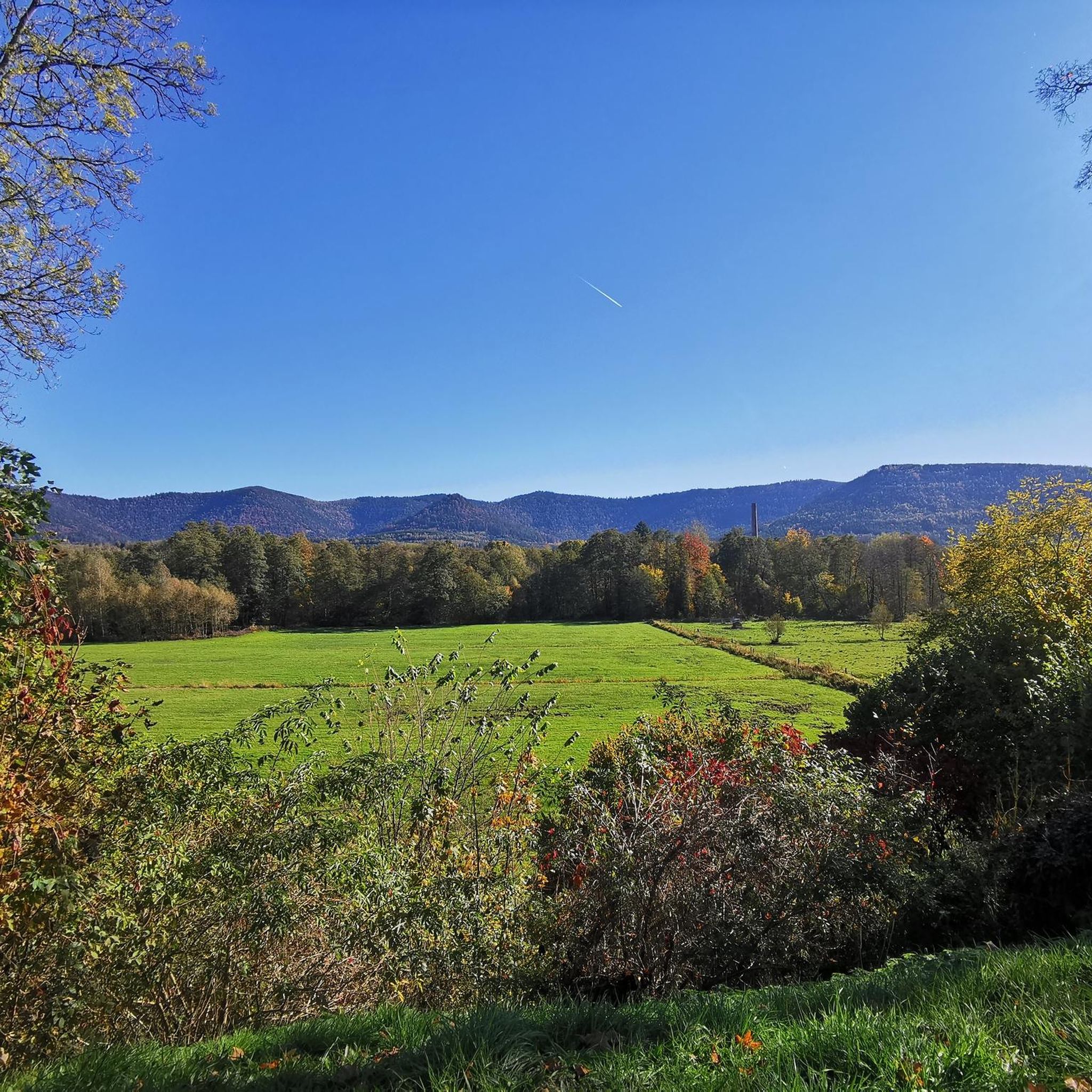
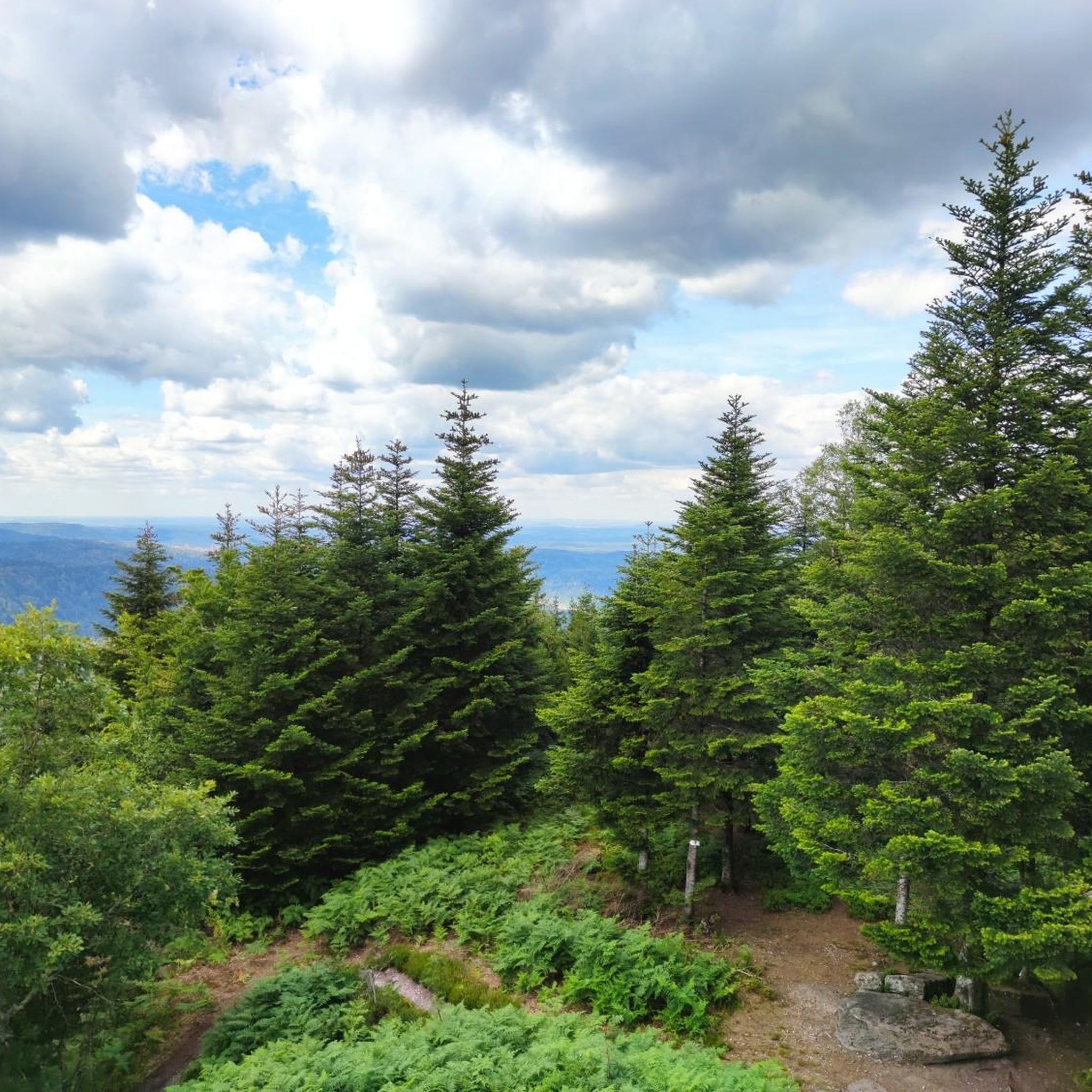
Road cycling routes in Forêt Domaniale De Celles are situated within the Massif des Vosges, characterized by extensive coniferous forests and varied terrain. The region features picturesque lakes such as Lac de la Plaine and Lac de Pierre-Percée, which offer scenic backdrops for cycling. The landscape includes gentle slopes and clearings, providing diverse elevation profiles for road cyclists. This area is well-regarded for its natural beauty and suitability for outdoor activities, including road cycling.
Best road cycling routes in Forêt…
Last updated: May 24, 2026
7
riders
15.0km
00:49
210m
210m
Moderate road ride. Great for any fitness level. Some segments of this route may be unpaved and difficult to ride.
16
riders
12.3km
00:37
180m
180m
Easy road ride. Great for any fitness level. Mostly well-paved surfaces and easy to ride.

Sign up for free
5.0
(2)
37
riders
35.5km
01:47
540m
540m
Moderate road ride. Good fitness required. Mostly well-paved surfaces and easy to ride.
5
riders
25.7km
01:19
400m
400m
Moderate road ride. Good fitness required. Some segments of this route may be unpaved and difficult to ride.
22
riders
36.4km
01:53
560m
560m
Moderate road ride. Good fitness required. Mostly well-paved surfaces and easy to ride.
Get access to more routes and recommendations from other explorers.
Sign up for free
Already have an account?
Our route recommendations are based on thousands of hikes, rides, and runs completed by other people on komoot.
Start today with a free account
Your next adventure awaits.
Login or Signup

Tips from the Community

The Saint Barthélémy church, built in 1779. The current 3 bells date from 1922 and replace those taken by the Germans in 1917. They are named Louise, Pauline and Joséphine[146]. The church of Luvigny houses the statue of Notre-Dame de la Maix[147], a black virgin in painted wood probably dating from the 18th century. It is listed in the inventory of historical monuments. For a very long time, a procession took place on Corpus Christi day: the virgin of la Maix was carried during a procession going to the lake of la Maix, where mass was celebrated.
0
0

Beautiful hiking destination, there is also a cycling route
0
0

Beautiful climb and lovely view at the pass - Altitude 728m Restaurants (inns) at the pass
0
0

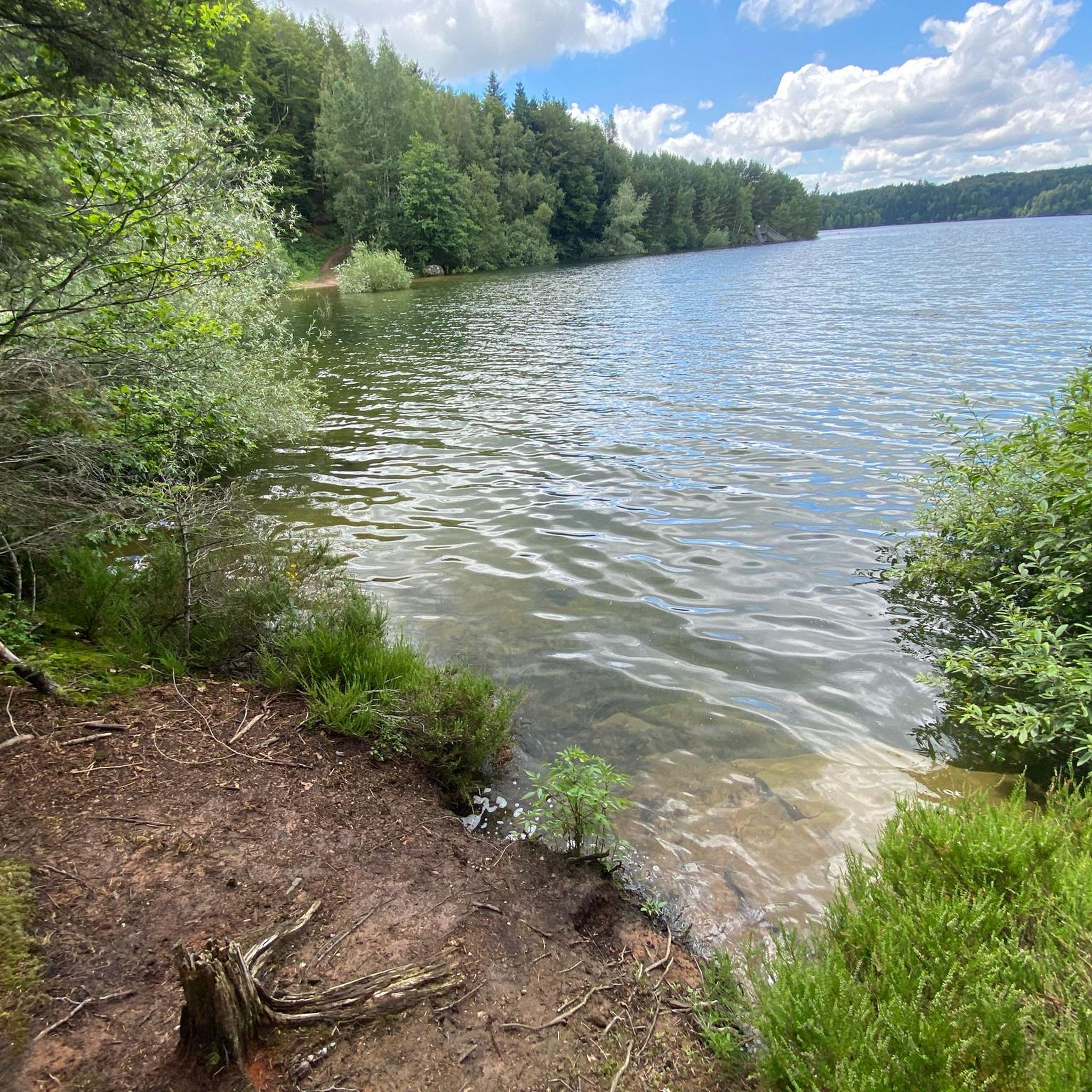
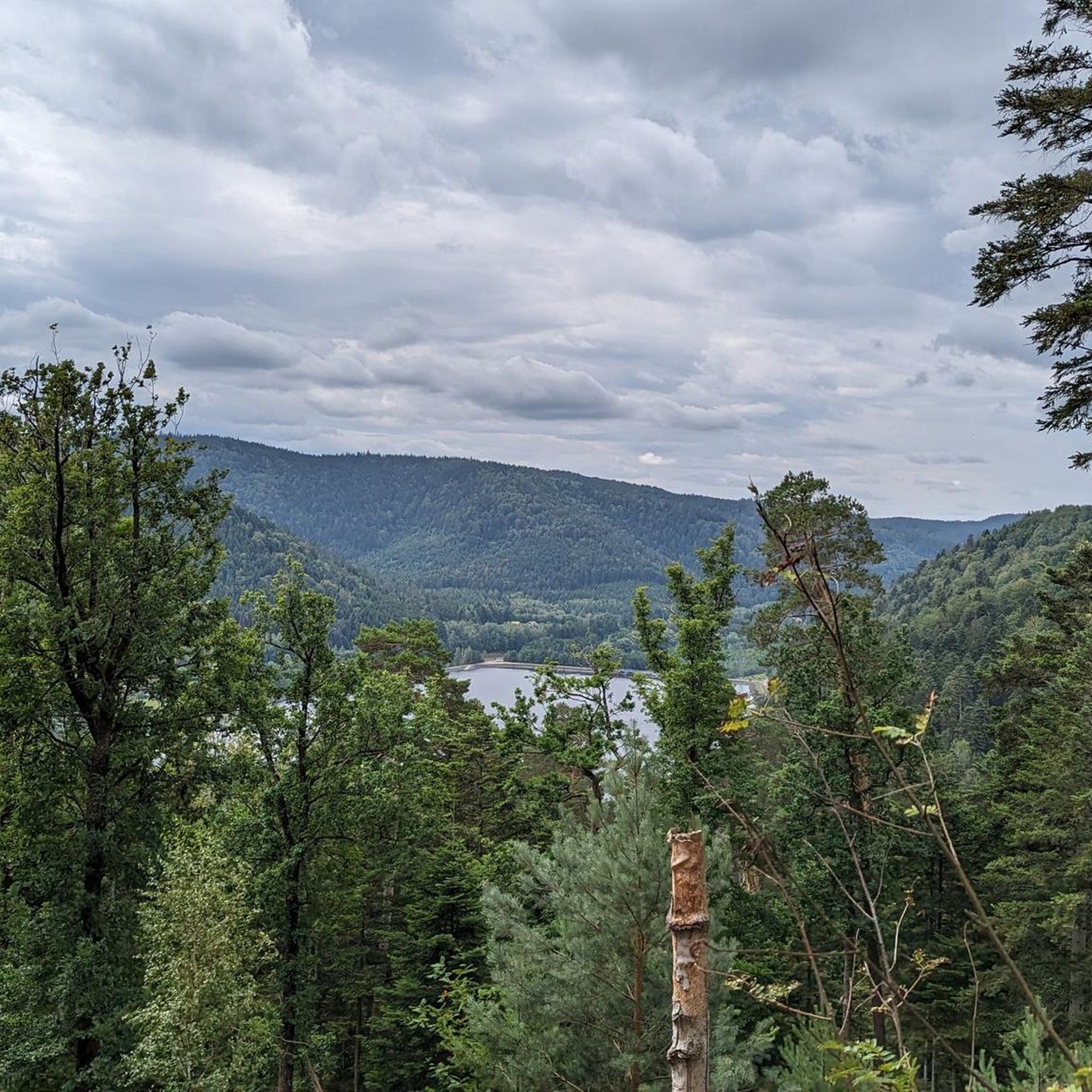
Situated in the heart of the Vosges, this dam, together with Lac de la Plaine, forms an important water reservoir. The dam was built to feed Lac de Pierre-Percée via an underground system. The climb up to it is gradual and rewards you with a view of the peaceful Lac de la Plaine. The road along the lake is ideal for a breather, with little traffic and lots of nature. Perfect for a short break or a photo opportunity during your ride.
9
0
Lac de la Plaine is a picturesque lake in the Vosges, located near Celles-sur-Plaine, near the larger Lac de Pierre-Percée. The lake is an artificial water reservoir of about 0.5 million m³ and serves as a supply basin for the reservoir above.
1
0
This impressive dam, located in the Vosges, forms an artificial water reservoir together with the Lac de Pierre-Percée. The dam is 69 metres high and 330 metres long, built with a clay core and lined with volcanic rock. It plays an important role in water management and energy production via an underground water connection with the Lac de la Plaine. The surrounding area offers beautiful views and is ideal for hiking along rocky paths, forests and viewpoints over the lake.
7
0
Pierre-Percée is a small mountain village in the east of the Meurthe-et-Moselle department, on the edge of the Vosges Mountains. With fewer than 100 inhabitants, it is one of the smallest communes in the region. Situated on the edge of the Plaine Valley, the village is built at the foot of the ruins of the medieval Château de Pierre-Percée, which once belonged to the Counts of Salm. The village's name refers to a 33-meter-deep well carved into the rock beneath the castle. During the Thirty Years' War, the village, like the castle, was largely destroyed. In the 20th century, Pierre-Percée regained significance with the construction of the EDF reservoir and the creation of a recreation area, which today attracts tourists for hiking, water sports, and nature experiences.
9
0

Pictures do not do justice to this lake and nearby hikes. Free parking serves as a good start to different hiking routes.
0
0
Frequently Asked Questions
How many road cycling routes are available in Forêt Domaniale De Celles?
There are over 145 road cycling routes in Forêt Domaniale De Celles, offering a wide range of options for different skill levels. This includes 18 easy routes, 96 moderate routes, and 31 difficult routes.
What is the terrain like for road cycling in Forêt Domaniale De Celles?
The region, situated within the Massif des Vosges, features varied terrain. You'll encounter extensive coniferous forests, gentle slopes, and clearings, providing diverse elevation profiles. While some routes offer easy loops around picturesque lakes, others include moderate climbs, reflecting the natural, hilly setting of the Vosges.
What can I see along the road cycling routes in Forêt Domaniale De Celles?
Cyclists can enjoy scenic views of picturesque lakes like Lac de la Plaine and Lac de Pierre-Percée. Notable natural features include the Pain de Sucre Rock Formation and the Tête du Coquin Summit. You might also encounter the Greenway along the Plain of the Lake at Raon-l'Étape, which offers a pleasant cycling path.
Are there any circular road cycling routes in the area?
Yes, many routes are designed as loops. For example, you can try the Vieux-Pré Dam – War Memorial of Pierre-Percée loop from Celles-sur-Plaine, or the Lac de la Plaine – La Plaine Lake loop from Pierre-Percée, which is an easy 22.5-mile ride.
What do other road cyclists enjoy most about cycling in Forêt Domaniale De Celles?
The area is highly rated by the komoot community, with an average score of 4.5 stars from over 60 reviews. Cyclists often praise the thick coniferous forests, picturesque lakes, and the varied terrain that offers options for different ability levels, from easy loops to moderate climbs.
Are there family-friendly road cycling options in Forêt Domaniale De Celles?
Yes, the region offers 18 easy road cycling routes, which are generally suitable for families. Routes around lakes, such as the Lac de la Plaine – La Plaine Lake loop from Pierre-Percée, tend to have gentler gradients and provide a pleasant experience for all ages.
Is there parking available for cyclists in Forêt Domaniale De Celles?
While specific parking facilities dedicated solely to cyclists are not detailed, the villages surrounding the forest, such as Celles-sur-Plaine and Pierre-Percée, typically offer public parking options where you can start your ride. It's advisable to check local signage upon arrival.
Can I access Forêt Domaniale De Celles by public transport?
Public transport options directly into the heart of the forest are limited. However, you may find regional bus services connecting to nearby towns and villages like Celles-sur-Plaine or Pierre-Percée. From there, you can begin your cycling routes. Planning ahead with local transport schedules is recommended.
Are dogs allowed on road cycling routes in Forêt Domaniale De Celles?
Generally, dogs are permitted in French national forests like Forêt Domaniale De Celles, provided they are kept on a leash to protect wildlife and ensure the safety of other visitors. Always adhere to local regulations and respect the natural environment.
Where can I find cafes or accommodation near the road cycling routes?
The charming villages surrounding the forest, such as Celles-sur-Plaine and Pierre-Percée, offer various amenities. You can find local farmhouse-inns, cafes, and accommodation options there. These spots are ideal for a break or an overnight stay, allowing you to combine cycling with local gastronomy.
What is the best time of year for road cycling in Forêt Domaniale De Celles?
The region is best enjoyed from spring through autumn. During these seasons, the weather is generally favorable, and the extensive forests are particularly beautiful. Summer offers warmer temperatures, while spring and autumn provide cooler rides amidst vibrant foliage.
Are there any permits required for cycling in Forêt Domaniale De Celles?
For general road cycling on public roads and designated paths within French national forests, permits are typically not required. However, always respect local regulations and any specific signage you may encounter, especially in protected areas like regional natural parks.
Most popular routes in Forêt Domaniale De Celles
Most popular attractions in Forêt Domaniale De Celles

Get inspired with the komoot mobile app


Explore more
Browse the best Road cycling routes in other regions.
