The best cycling routes in Bosco Di Castaneda
4.6
(84)
1,306
riders
15
rides
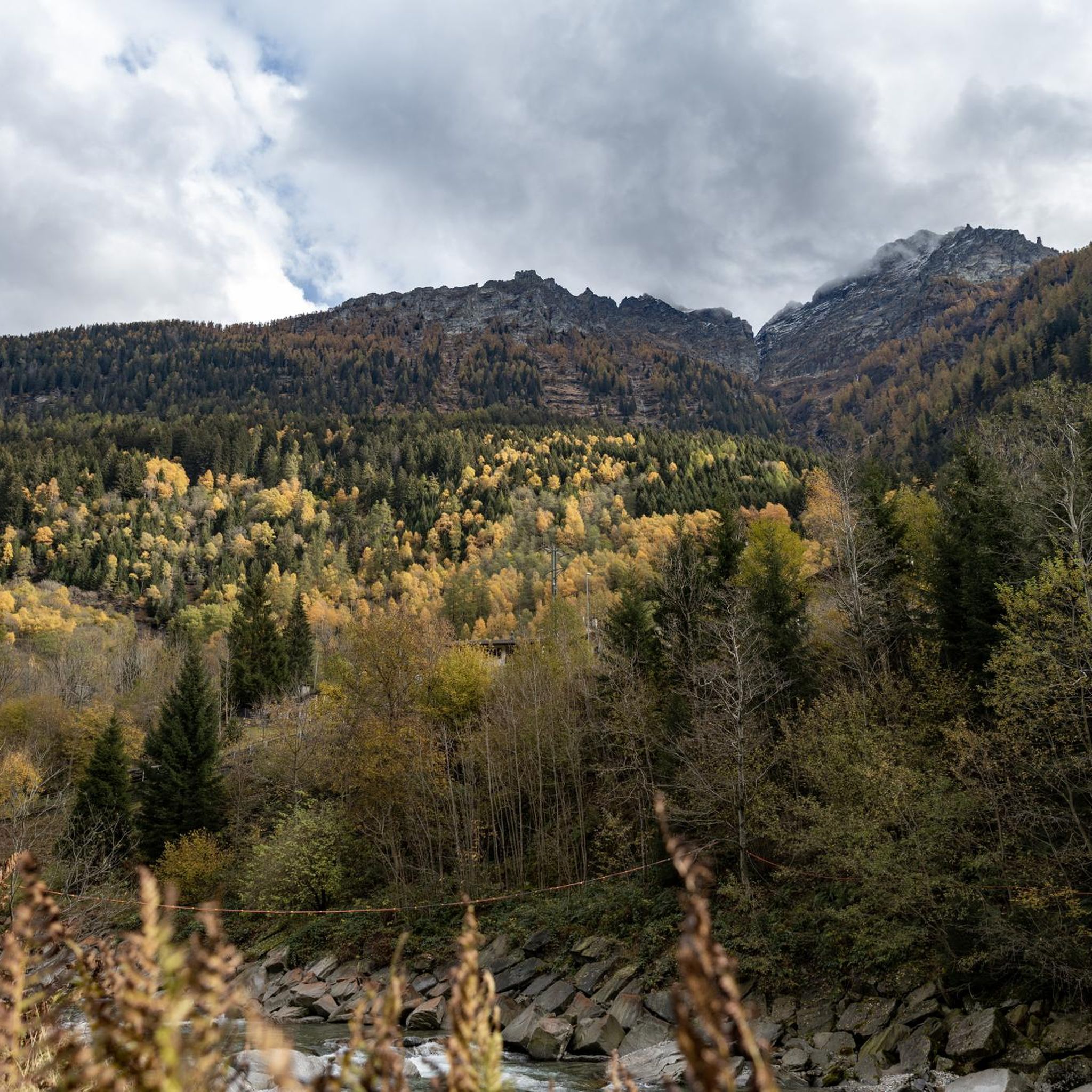
Touring cycling in Bosco Di Castaneda offers diverse landscapes within the Moësa region, characterized by the Mesolcina Valley and the Moësa River. The area features varied terrain, including forest paths and roads that traverse historical villages and dramatic topography with rocky cliffs. Cyclists can experience both challenging ascents towards mountain passes and leisurely rides through scenic valleys.
Best touring cycling routes in Bosco Di Castaneda
- The most popular touring cycling route is San Rocco Chapel in Selma – San Bernardo Church, Rossa loop from Calanca, an 11.8 miles (18.9 km) trail that takes 1 hour 25 minutes to complete. This moderate route connects historical chapels within the Calanca Valley.
- Another top favourite among local touring cyclists is San Bernardo Church, Rossa – View of the Calancasca River loop from Calanca, a difficult 19.4 miles (31.3 km) path. This route offers views of the Calancasca River and the surrounding valley.
- Local touring cyclists also love the Lago di Buseno and Dam – Church of Castaneda loop from Calanca, a 19.3 miles (31.0 km) trail leading through varied terrain including the Lago di Buseno, often completed in about 2 hours 21 minutes.
- Touring cycling in Bosco Di Castaneda is defined by riverine scenery along the Moësa, historical architecture, and forest paths. The network offers options for different ability levels, from moderate valley rides to more difficult mountain ascents.
- The routes in Bosco Di Castaneda are highly rated by the komoot community with an average score of 4.7 stars from over 50 reviews. More than 1000 touring cyclists have used komoot to explore Bosco Di Castaneda's varied terrain.
Last updated: October 1, 2026
5.0
(2)
19
riders
28.6km
02:24
770m
770m
Hard bike ride. Very good fitness required. Mostly paved surfaces. Suitable for all skill levels.
10
riders
Hard bike ride. Very good fitness required. Mostly paved surfaces. Suitable for all skill levels.

2
riders
17.2km
02:16
840m
840m
Hard bike ride. Very good fitness required. Mostly paved surfaces. Suitable for all skill levels.
5.0
(1)
7
riders
22.2km
01:36
410m
410m
Cycle the moderate Graubünden Route, a 13.8-mile (22.2 km) touring cycling trail in Parco Val Calanca with Alpine views and waterfalls.
19
riders
27.0km
01:45
320m
320m
Moderate bike ride. Good fitness required. Mostly paved surfaces. Suitable for all skill levels.
Get access to more routes and recommendations from other explorers.
Already have an account?
Our route recommendations are based on thousands of hikes, rides, and runs completed by other people on komoot.
Start today with a free account
Your next adventure awaits.
Tips from the Community

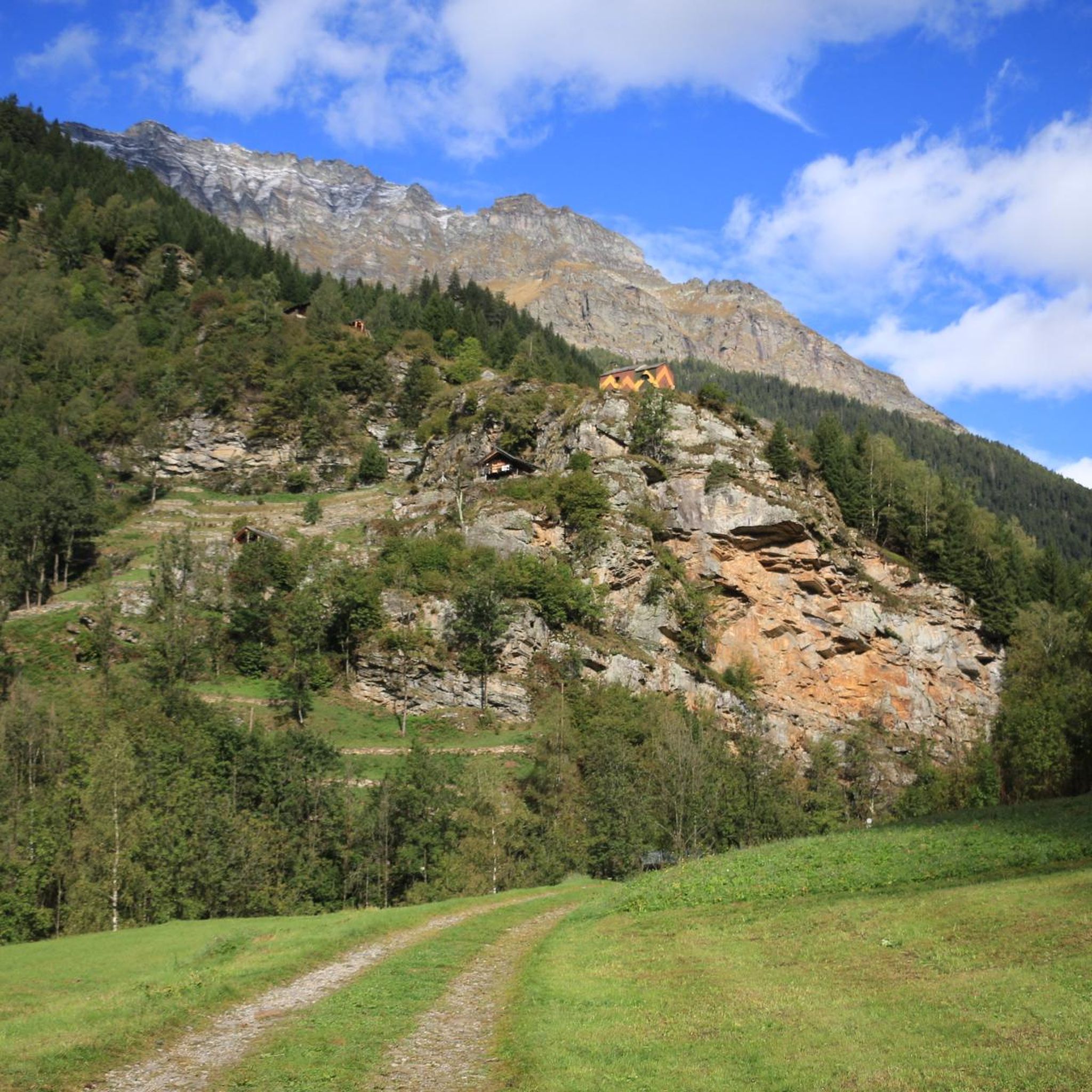
Mesocco Castle San Bernardino Castle Mesolcina Calanca The ruins of Mesocco Castle stand on top of an imposing rocky hill that rises steeply from the valley floor. This imposing fortress stands in the center of the valley, forcing the Moesa River into a wide bend in a narrow, impassable gorge, leaving only a narrow passage to the west. Mesocco Castle is protected on three sides by steep cliffs. Only to the northeast, on the upstream side of the valley, does the slope slope more gently. Climbing up the old access road to the castle from the north side, you first reach the Church of St. Maria del Castello and are already on the castle grounds, which were once surrounded by a defensive wall. The impressive ruins consist mainly of the remains of defensive works built in the last decades of the 15th century, i.e., during the final phase of the castle's life. Among them are numerous ruins from earlier eras, so that the castle's current appearance reveals its eventful history, which has its roots in the early Middle Ages. Graubünden Ferien, Alexanderstrasse 24, 7001 Chur https://www.graubuenden.ch/de/ausflugsziele/castello-di-mesocco
14
0

After a short climb you reach the entrance
1
0
Torre di Santa Maria The medieval residential tower was built in the 13th/14th century by the Counts of Sax. Overlooking the valley floor of the Misox, it was part of a territorial control system. The pentagonal tower is inspired by architectural models from central France. Text / Source: Raetia Association, grisun & romanisch https://www.visit-moesano.ch/de/chiesa-parrocchiale-santa-maria-assunta
14
0
The village of Santa Maria, with its parish church mentioned as early as 1219, was the religious and political capital of the Calanca Valley. The church's current appearance dates back to the early seventeenth century, a time when Capuchin monks settled in the adjacent hospice. The church of Santa Maria Assunta is a Romanesque religious building. Text / Source: Raetia Association, grisun & romanisch https://www.visit-moesano.ch/de/chiesa-parrocchiale-santa-maria-assunta
14
0
Torre di Santa Maria The medieval residential tower was built in the 13th/14th century by the Counts of Sax. Overlooking the valley floor of the Misox, it was part of a territorial control system. The pentagonal tower is inspired by architectural models from central France. Text / Source: Raetia Association, grisun & romanisch https://www.visit-moesano.ch/de/chiesa-parrocchiale-santa-maria-assunta
14
0
Chiesa Parrocchiale di Santa Maria Assunta, Santa Maria The church stands on a striking terrace to the east of the village, surrounded by the shade of a centuries-old linden tree, the high medieval tower, the Capuchin monastery and the ossuary. The monumental building complex has attracted attention since times gone by; the church and tower stand on a hill above the village center and are visible from afar to travelers on the San Bernardino route. Church The village of Santa Maria, with its parish church mentioned as early as 1219, was the religious and political capital of the Calanca Valley. The church's current appearance dates back to the early seventeenth century, a time when Capuchin monks settled in the adjacent hospice. The church of Santa Maria Assunta is a Romanesque religious building. Text / Source: Raetia Association, grisun & romanisch https://www.visit-moesano.ch/de/chiesa-parrocchiale-santa-maria-assunta
14
0
Municipality of Castaneda GR Castaneda is located on a terrace in the southern Calanca valley, 500 meters above the confluence of the Calancasca and the Moësa. Of the total municipal area of 394 hectares, 302 hectares are covered by forest and woodland. A further 61 hectares are unproductive areas, mostly mountains. Only 15 hectares are agricultural land and 16 hectares are residential areas. Text / Source: Raetia Association, grisun & romanisch https://www.grisun.ch/region/moesa/gemeinden/castaneda
14
0
Chiesa Parrocchiale di Santo Stefano, Castaneda The Church of Santo Stefano is a Baroque religious building in the heart of the village of Castaneda. The parish church of St. Stephen was first mentioned in 1544, later rebuilt and re-consecrated in 1633. Over the years a nave and a bell tower were built. In the choir there is a painting from 1636 in an original Renaissance frame depicting Christ the Redeemer. Inside there are still traces of various decorations from the 17th century. Text / Source: Ente Turistico Regionale del Moesano (ETRM), Cantonàl 94, 6565 San Bernardino https://www.visit-moesano.ch/de/chiesa-parrocchiale-santo-stefano
14
0
Frequently Asked Questions
How many touring cycling routes are available in Bosco Di Castaneda?
Bosco Di Castaneda offers a diverse network of 15 touring cycling routes. These range from moderate valley rides to more challenging mountain ascents, catering to various skill levels.
What are the difficulty levels of touring cycling routes in Bosco Di Castaneda?
The routes in Bosco Di Castaneda vary in difficulty. You'll find 2 easy routes, 3 moderate routes, and 10 difficult routes. For example, the San Rocco Chapel in Selma – San Bernardo Church, Rossa loop from Calanca is a moderate option, while the San Bernardo Church, Rossa – View of the Calancasca River loop from Calanca presents a more difficult challenge with significant elevation gain.
What kind of landscapes and natural features can I expect to see while cycling in Bosco Di Castaneda?
Cyclists in Bosco Di Castaneda will experience diverse landscapes, including the scenic Mesolcina Valley and paths alongside the Moësa River. The region is rich in natural beauty, featuring forest paths, rocky cliffs, and dramatic topography. You might also discover natural monuments, mountain peaks, lakes like Lago di Buseno, and even secluded swimming spots along the Moësa River.
Are there any historical landmarks or attractions along the cycling routes?
Yes, the region is steeped in history. While cycling, you can observe the ruins of the Castello di Mesocco, one of Switzerland's largest ancestral castles. Further afield, tours can extend to Bellinzona, home to the formidable towers and walls of the 'tre castelli'. The area also features beautiful 17th-century houses, adding to the historical charm.
Are there any circular touring cycling routes in Bosco Di Castaneda?
Yes, several routes are designed as loops, allowing you to start and end in the same location. An example is the Lago di Buseno and Dam – Church of Castaneda loop from Calanca, which takes you through varied terrain including the picturesque Lago di Buseno.
What is the best time of year for touring cycling in Bosco Di Castaneda?
The mild southern climate of the Mesolcina Valley makes touring cycling enjoyable for much of the year. Spring and autumn offer pleasant temperatures and vibrant scenery, while summer provides warm conditions, ideal for enjoying the riverine scenery and secluded swimming spots. Always check local weather conditions before heading out.
Is Bosco Di Castaneda suitable for family-friendly cycling trips?
While some routes involve challenging ascents, the diverse terrain of Bosco Di Castaneda also offers options for more leisurely explorations. Look for routes with less elevation gain and shorter distances, particularly those along the Moësa River or through historical villages, which can be more suitable for families.
Can I bring my dog on the cycling trails in Bosco Di Castaneda?
Many outdoor areas in Switzerland are dog-friendly, but specific rules can vary by trail or protected area. It's advisable to keep dogs on a leash, especially in areas with wildlife or livestock, and to ensure they are well-behaved around other cyclists and pedestrians. Always carry water for your pet.
What do other touring cyclists enjoy most about cycling in Bosco Di Castaneda?
The komoot community highly rates the touring cycling experience in Bosco Di Castaneda, with an average score of 4.7 stars from over 50 reviews. Cyclists often praise the diverse landscapes, from forest paths to dramatic rocky cliffs, and the blend of historical sites with natural beauty, such as the Moësa River and its inviting grottos.
Are there cafes or accommodation options near the cycling routes?
The region, including towns like Roveredo in the lower Misox Valley, offers various amenities. You can find cafes and restaurants in the villages along the routes, perfect for a break. Accommodation options, from hotels to guesthouses, are also available in the surrounding areas to support multi-day cycling adventures.
How accessible are the cycling routes by public transport?
The Mesolcina Valley is generally well-connected, with public transport options that can help you reach various starting points for cycling routes. Some routes, like the Graubünden Route, might be accessible via regional transport. It's recommended to check local bus and train schedules, especially regarding bike transport policies.
Where can I park my car when cycling in Bosco Di Castaneda?
Parking facilities are typically available in the main towns and villages within the Mesolcina Valley and near popular trailheads. Look for designated parking areas in places like Calanca or Roveredo, which serve as good starting points for many routes. Always check for any parking fees or restrictions.
Most popular routes in Bosco Di Castaneda

Get inspired with the komoot mobile app


Explore more
Browse the best Cycling routes in other regions.
