The best running trails in Račkūnų Miškas
4.2
(7)
333
runners
33
runs
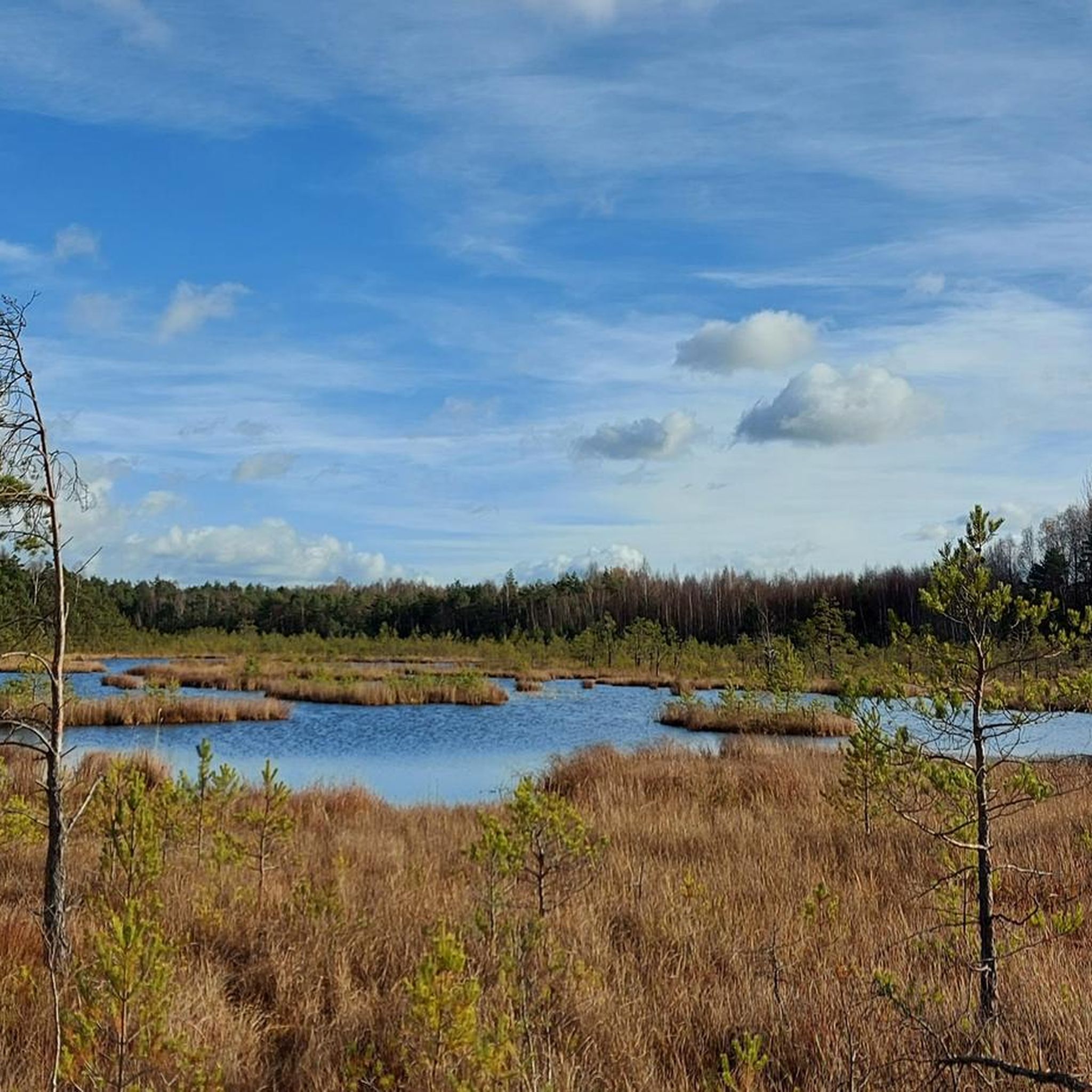
Jogging routes in Račkūnų Miškas traverse a diverse landscape characterized by an extensive network of trails through forests and alongside numerous water bodies. The region features varied terrain, accommodating different fitness levels from easy paths to more challenging routes with elevation gain. Abundant lakes like Vėžio akis and Nerespinka, along with rivers such as Medrynia, provide scenic backdrops for running. Protected areas, including the Varnikų botanical-zoological reserve, contribute to the rich natural environment.
Best jogging routes in Račkūnų Miškas
- The…
Last updated: May 14, 2026
5
runners
Hard run. Very good fitness required. Mostly paved surfaces. Suitable for all skill levels.
5.0
(1)
11
runners
Moderate run. Good fitness required. Mostly paved surfaces. Suitable for all skill levels.

Sign up for free
9
runners
Moderate run. Good fitness required. Mostly paved surfaces. Suitable for all skill levels.
6
runners
Moderate run. Good fitness required. Mostly paved surfaces. Suitable for all skill levels.
4
runners
Moderate run. Good fitness required. Mostly paved surfaces. Suitable for all skill levels.
Get access to more routes and recommendations from other explorers.
Sign up for free
Already have an account?
Our route recommendations are based on thousands of hikes, rides, and runs completed by other people on komoot.
Start today with a free account
Your next adventure awaits.
Login or Signup
Popular around Račkūnų Miškas
Tips from the Community

Beautiful walk combining the 2 circuits, park near the village church
0
0


Driving through the streets of Trakai, I noticed the distinctive wooden houses of the Karaim. These houses are not only architecturally interesting, but also an important testimony to the history and culture of the Karaim. The legends surrounding the windows of these houses are particularly fascinating. It is said that the Karaim allocated one window for themselves, the second for Vytautas the Great, whom they called “Vatai By” (Crushing the Enemies), and the third for God. However, these windows were also a sign of prosperity in the Middle Ages. The Karaim, who paid tribute to the Duke, could “buy” windows. The less well-off had one or two windows facing the street, while richer families had houses with three or even four windows. This tradition is reflected in the arrangement of the windows on the carefully aligned wooden houses. Another interesting detail is the historical significance of the Karaim in Trakai. In 1397, Prince Vytautas settled Karaimų as bodyguards alongside Tatars. Their presence in Trakai is a direct result of this historic decision, making the Karaimų Mediniai Namai a living history book. Cycling through the streets of Trakai, past these historic wooden houses, was like traveling back in time. Each house told its own story, and the peaceful atmosphere in the streets provided a perfect opportunity to feel the deep connection between history, culture and architecture.
0
0
Each house here tells its own story, evident in the carefully preserved old wooden houses, which showcase rare architecture. The color palette of these buildings, from soft yellows to bolder colors, gives the street a vibrant atmosphere. The Karaite Quarter, a Jewish religious community with about 70 members who live exclusively in these characteristic yellow wooden houses, was particularly fascinating. As I wandered through the alleys, I felt the spirit of this community, which keeps its traditions and culture alive. A highlight of my walk was a visit to Trakai Water Castle. Although much of the castle is no longer in its original condition, I was impressed by its imaginative reconstruction, both inside and out. The entrance fee of €7.00 was worth it to immerse myself in the story told by the castle walls. The colorful wooden houses along Karaimų gatvė, some with lovingly tended gardens and interesting details, contributed to a homey feeling. Each house seems to have its own personality, making the street a living museum. Another significant structure is the Kenessa, the Karaite prayer house, which offers deep insight into the community's cultural identity and beliefs.
4
0

A traffic calming system for this road is currently being built. This will significantly enhance this beautiful ensemble!!!
3
0

Around 1960 St. The sculpture of John Nepomuk was removed from the chapel pillar by the Soviet authorities and thrown into the lake. Later, on the initiative of the Trakai Museum, the sculpture was found in 1961. taken to the funds of the Trakai History Museum. in 1969 the chapel pillar was restored according to the architect St. Mikulionis project, instead of St. A wooden knight sculpture uploaded by Jonas Nepomuks Sculpture. After Lithuania regained its independence, in 1990 The sculpture made by Stanislav Horn-Paplavski was restored in P. Gudyn's restoration center and placed again in the chapel pillar.
3
0
A very interesting small museum. Really liked it.
2
1
This house was built in 1810. built by Dominican monks, from the 18th century. residing in the nearby Peninsula Castle. 1864, after 1863 after the uprising that shook the country, after the tsarist government abolished the monastery, the building was handed over to the Trakai County Police Board, and in 1887 The Trakai Post and Telegraph Board was located here.
3
0
Frequently Asked Questions
What kind of terrain can I expect on running routes in Račkūnų Miškas?
Račkūnų Miškas offers a diverse landscape for runners, characterized by an extensive network of trails through forests and alongside numerous lakes and rivers. You'll find varied terrain, from easily accessible paths to more challenging routes with significant elevation changes. Many paths are well-established, making them suitable for various activities.
How many running routes are available in Račkūnų Miškas?
There are over 35 dedicated running routes in Račkūnų Miškas, catering to a wide range of fitness levels and preferences. This includes a mix of easy, moderate, and difficult trails.
Are there any easy running routes suitable for beginners or a relaxed jog?
Yes, Račkūnų Miškas has several easy running routes. For instance, the region offers routes as short as 3 miles, perfect for beginners or those looking for a less strenuous run. Overall, there are 3 easy routes available.
What are some of the natural features or landmarks I might see while jogging in Račkūnų Miškas?
The region is rich in natural beauty and cultural landmarks. You'll encounter numerous lakes like Vėžio akis, Nerespinka, and Luka, as well as rivers such as Medrynia. Protected areas like the Varnikų botanical-zoological reserve contribute to the diverse environment. Some routes also pass by cultural landmarks, such as the areas around the Statue of Pope John Paul II – St. John of Nepomuk Column.
Are there any circular running routes in Račkūnų Miškas?
Yes, many of the running routes in Račkūnų Miškas are designed as loops, offering convenient circular paths. An example is the Varnikų miškas loop from Varnikai, which is a moderate 3.2-mile trail through a beautiful forest.
What do other runners say about the trails in Račkūnų Miškas?
The running routes in Račkūnų Miškas are highly rated by the komoot community, with an average score of 4.2 stars from over 7 reviews. Runners often praise the diverse terrain, the scenic views of lakes and forests, and the variety of routes available for different abilities.
Are there any longer, more challenging running trails for experienced runners?
Absolutely. For those seeking a greater challenge, Račkūnų Miškas offers routes exceeding 10 miles with significant elevation gain. A notable option is the Karaimų Street (Karaimų Gatvė) – Trakai Historical Museum loop from Trakai, which is a difficult 12.3-mile trail.
Can I find routes that offer views of Trakai Castle or other historical sites?
Yes, some running routes provide excellent views of Trakai and its historical landmarks. For instance, the Karaimų Street (Karaimų Gatvė) – Trakai Historical Museum loop from Trakai offers views of Trakai and its historical sites, while the Ež. Luka – Trakų pilies panorama loop from Trakai provides scenic panoramas of Trakai Castle.
Are there running routes that pass by specific lakes?
Many routes in Račkūnų Miškas incorporate the region's abundant water bodies. You can find trails that run alongside lakes such as Vėžio akis, Nerespinka, and Luka. The Ež. Luka – Varnikų miškas loop from Trakai is an example of a route that features Lake Luka.
What is the typical duration for a running route in Račkūnų Miškas?
The duration varies significantly depending on the route's length and difficulty. You can find shorter runs like the 3.2-mile Varnikų miškas loop from Varnikai, which takes about 30 minutes, to longer, more challenging trails like the 12.3-mile Karaimų Street (Karaimų Gatvė) – Trakai Historical Museum loop from Trakai, which can take over 2 hours.
Is Račkūnų Miškas suitable for different fitness levels?
Yes, Račkūnų Miškas is an excellent destination for runners of all fitness levels. The area offers a variety of running routes with different difficulty levels and lengths, accommodating everyone from those looking for an easy 3-mile run to those seeking more challenging routes exceeding 10 miles with significant elevation gain.

Get inspired with the komoot mobile app


Explore more
Browse the best Running Trails & Routes in other regions.
